How To Revive Oregon Lavender That Has Gone Woody And Stopped Blooming
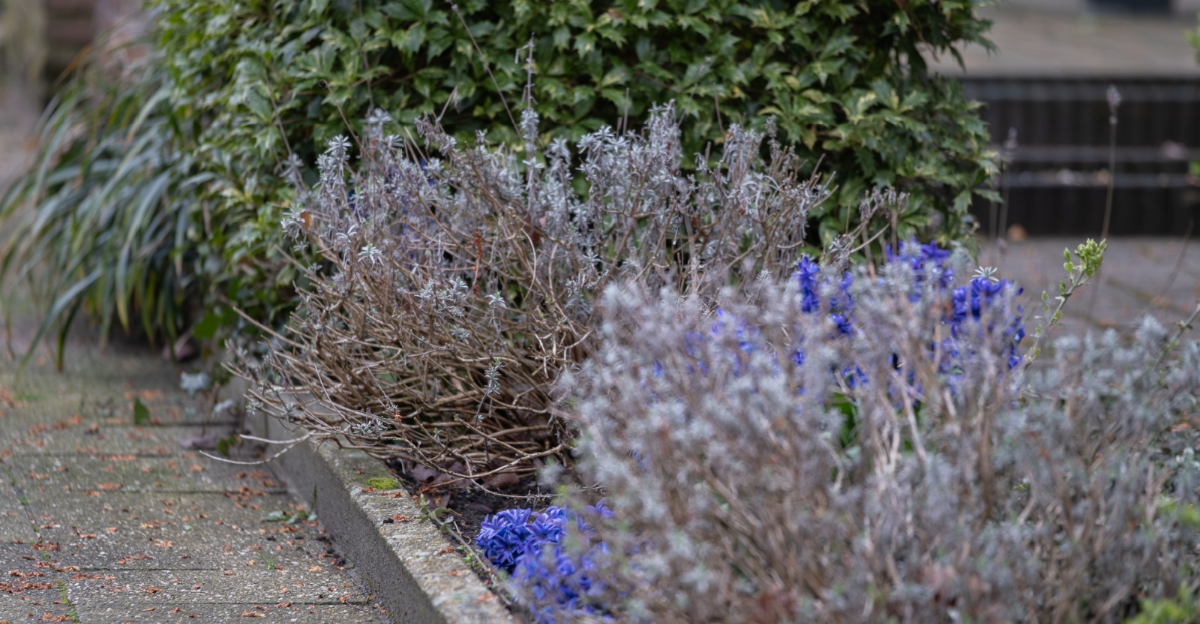
Lavender has a reputation for being tough and low maintenance, and for the first few years in an Oregon garden that reputation is usually well earned. Then gradually, almost without you noticing, the plant starts to look a little different.
The stems get thicker and woodier, the blooms get fewer, and that soft mounded shape that looked so good starts to look more like a small bundle of sticks with some greenery on the ends.
Oregon’s wet winters, heavy clay soils in many parts of the state, and the occasional missed pruning season can all nudge lavender in this direction faster than you would like.
The good news is that some plants can genuinely be brought back with the right approach. The honest news is that others are simply too far along for a reliable recovery, and knowing the difference matters.
1. Check For Living Green Growth Before Pruning
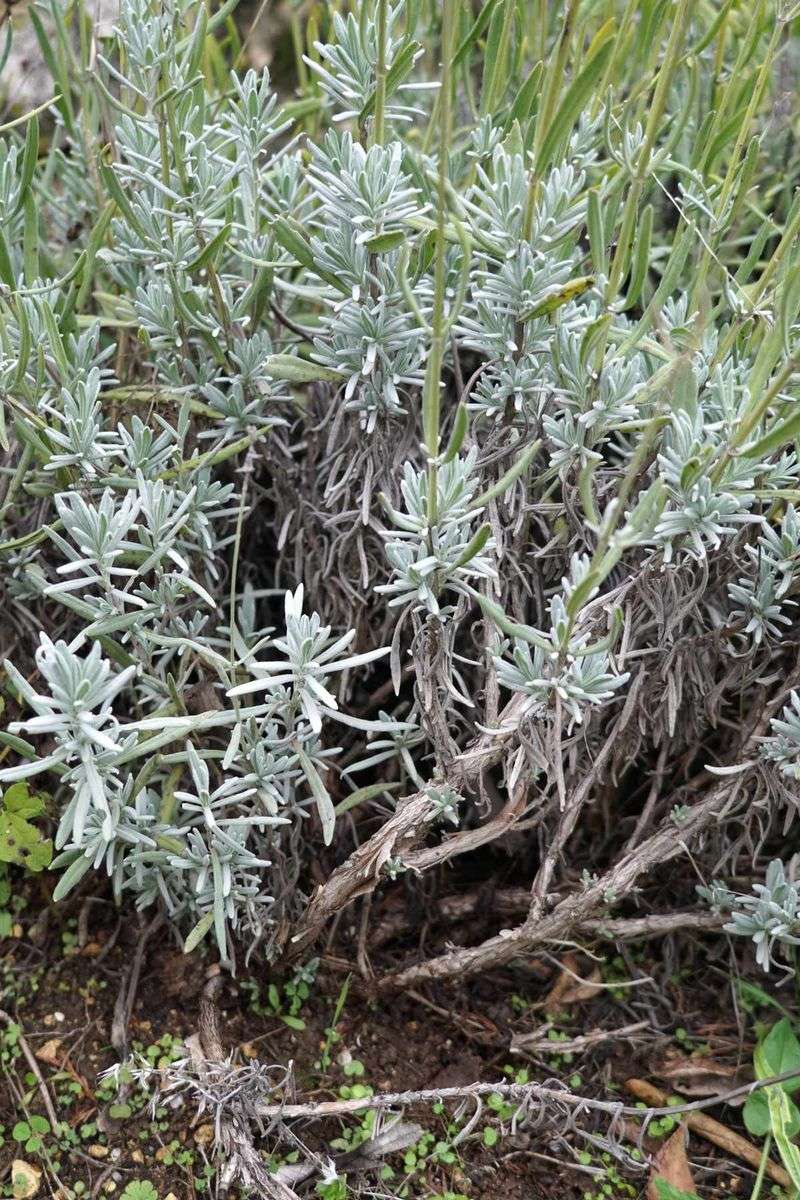
Reaching down into the base of an old lavender plant and finding a few small, fresh green shoots tucked among the woody stems can feel genuinely encouraging. Before making any major cuts, take time to look carefully across the entire plant.
Flexible stems, green leaves, swelling buds, and small new shoots are all signs that some living tissue may still be present.
One method sometimes used by gardeners involves lightly scratching a small area of stem bark with a fingernail or the tip of a knife to check for green tissue just beneath the surface.
Use this test carefully and sparingly, since scratching too many spots can stress already weakened tissue.
A bit of green beneath the bark suggests the stem may still be alive, but it does not guarantee that the plant will recover vigorously.
Keep in mind that one branch may be viable while another nearby is completely bare and brittle. Assessing several parts of the plant before deciding how to proceed gives you a more complete picture of what you are actually working with.
Oregon lavender plants that have gone several seasons without proper pruning may show a wide mix of living and nonviable growth on the same shrub.
Spending a few careful minutes on this inspection before reaching for pruning shears may help you avoid removing stems that still carry the potential for new growth.
2. Wait Until Oregon’s Frost Risk Has Passed
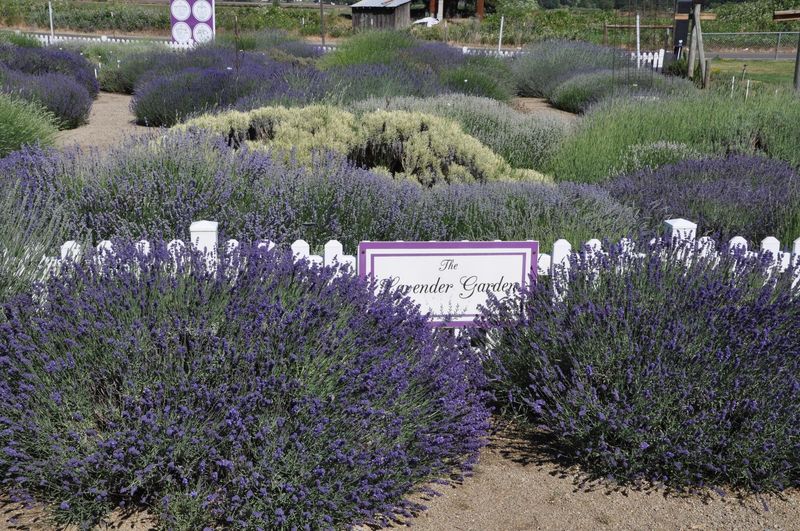
Pruning a woody lavender plant too early in the season can expose tender new growth to cold temperatures that finish off stems already weakened by age or past winter damage. Frost risk varies considerably depending on where you garden.
Mild coastal areas and lower valley locations may see their last frosts earlier in the season than colder inland valleys, higher-elevation locations in the Cascades or the Coast Range, or drier high desert regions further east.
Rather than following one fixed date, pay attention to your local conditions.
Watch for signs of new growth emerging from the plant itself, monitor local weather forecasts, and check guidance from your nearest Oregon State University Extension Service office when timing feels uncertain.
Your Oregon Garden Changes Every Week. Your Plan Should Too.
Gardening in Oregon changes quickly throughout the season. Every Friday you’ll receive a simple weekly plan showing exactly what to plant, prune, fertilize, harvest, and protect so you never miss the right timing.
A late cold snap after early pruning can damage the very new shoots you were hoping to encourage.
Waiting until the risk of hard frost has genuinely passed in your specific location gives any new growth a much better chance of developing without interruption.
Gardeners in milder western areas may feel comfortable pruning earlier than those in colder or higher-elevation spots.
The key is letting your local climate guide your timing rather than relying on a single statewide recommendation. Patience during this period may be one of the most practical things you can do for a struggling lavender plant.
3. Remove Clearly Damaged Or Nonviable Stems
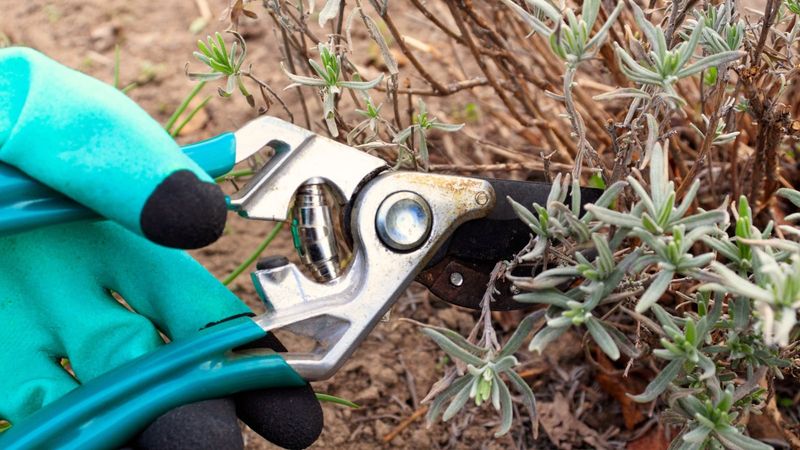
Not every brown or woody stem on a lavender plant is necessarily beyond recovery, and that distinction matters before you start cutting.
Lavender naturally develops woody tissue as it matures, and some older stems may still carry healthy shoots even if the lower portions look rough or dark.
The stems that genuinely warrant removal are those that are broken, completely bare with no leaves or shoots anywhere along their length, or brittle enough to snap without bending.
Working through the plant section by section helps you stay deliberate rather than removing too much at once. Clean, sharp pruning tools reduce the chance of crushing or tearing tissue on stems you intend to keep.
Wiping blades with a clean cloth between plants is a reasonable precaution, particularly when working across multiple lavender shrubs in the same Oregon garden bed.
Removing only the clearly nonviable sections while leaving older woody stems that still support some leafy growth gives the plant the best opportunity to continue producing from the areas that remain viable.
Trying to remove every woody stem at once may leave the plant with far less living tissue than it needs to sustain itself through the recovery period.
A careful, measured approach tends to produce better results than aggressive removal, especially when the plant is already under stress from age, past weather events, or the wet Oregon winters that many lavender varieties find difficult to handle over many seasons.
4. Cut Back Only To Healthy Leafy Growth
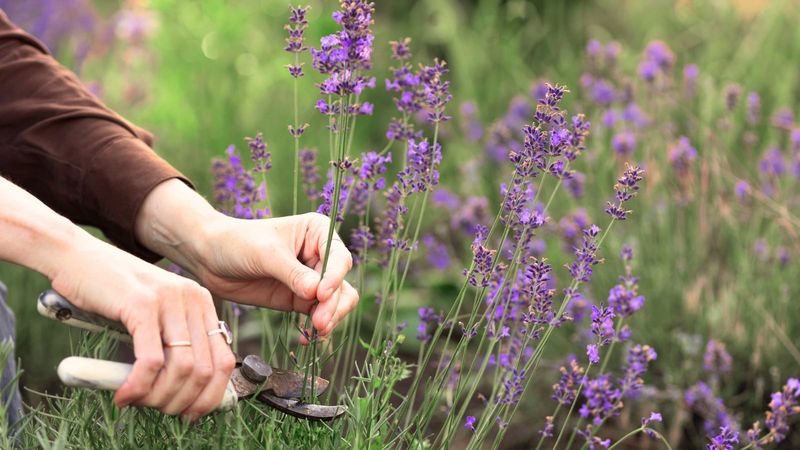
One of the more practical habits that keeps established lavender from becoming unmanageable over time is making sure pruning cuts land in areas where green foliage is actually present.
When cutting back a woody lavender plant, aim to leave some green leaves on whatever portion of the stem remains.
Stems that still carry foliage are far more likely to push out new growth than bare sections cut back to nothing but old wood.
The amount you remove will depend on the plant’s overall condition, its variety, and how much healthy leafy growth is still distributed across the shrub. Not every stem needs to be cut to the same height.
Some may have foliage closer to the base while others carry leaves higher up, so working with the plant’s actual shape rather than imposing a uniform height tends to produce a more balanced result.
Light, regular pruning done at the right time each year generally keeps lavender in a more productive and manageable shape than infrequent heavy cutting.
For plants that have already become quite woody, pruning back to whatever leafy growth remains may help encourage new shoots from those areas over the coming weeks.
Avoid expecting heavy flowering during the same season you perform significant restorative pruning.
Recovery tends to be gradual, and giving the plant a full growing season to rebuild before judging the outcome is a reasonable and realistic approach for Oregon gardeners working with older established plants.
5. Avoid Pruning Deep Into Bare Woody Stems
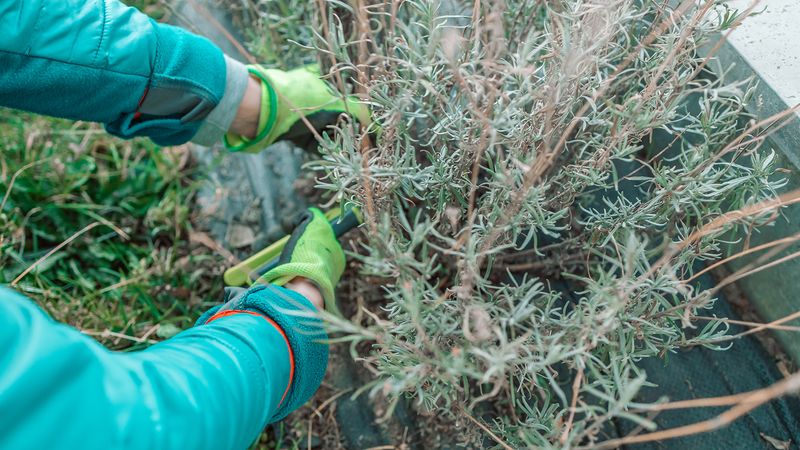
Woody stems with no visible leaves or shoots present a real challenge when trying to revive an older lavender plant.
Cutting deeply into bare old wood carries a meaningful risk because lavender may produce little or no new growth from sections that have no remaining foliage.
Unlike some other shrubs that regenerate readily from old wood, lavender tends to respond better to cuts made where green tissue is already present.
Gradual reshaping is generally a safer approach than attempting a single severe renovation cut when the plant still has some leafy growth remaining.
Taking out the most clearly nonviable sections first, then reassessing the plant over the following weeks, gives you a clearer sense of where new growth may emerge before you commit to removing more.
Rushing the process rarely produces better results and may leave the plant without enough living tissue to sustain itself.
When most of a lavender plant consists of bare wood with very little green growth anywhere on the shrub, the honest assessment is that severe pruning may not produce a reliable recovery.
Replacement may be the more practical path forward in those situations.
Oregon gardeners sometimes hold on to an old lavender plant out of familiarity, which is understandable, but a plant with minimal remaining green growth and a heavily woody structure has limited ability to respond to even careful pruning.
Recognizing that limitation early can save considerable time and garden space.
6. Restore Full Sun And Adequate Airflow
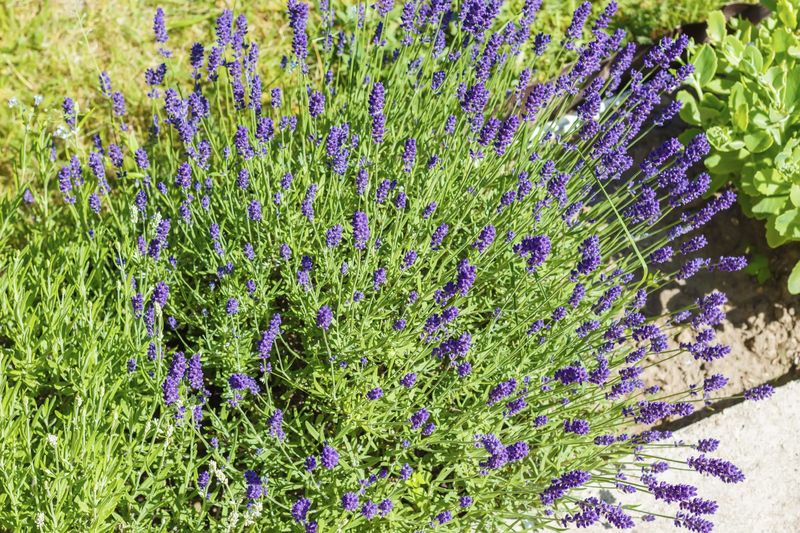
Lavender generally performs best when it receives full sun for most of the day and has enough open space for air to move freely around its foliage.
Gardens change over time, and a spot that was once sunny and open may gradually become more shaded as nearby shrubs grow taller, trees fill in, fences age with climbing plants, or weeds crowd the base of the lavender plant.
Less sunlight and reduced airflow can contribute to weaker growth and reduced flowering over several seasons.
Looking at the site during the middle part of the day gives you a realistic sense of how much direct sun the plant is actually receiving now compared to when it was first planted.
If nearby vegetation has grown up around it, trimming those plants back may help restore more of the sunlight and air circulation the lavender needs.
For younger plants in a very shaded location, relocation to a sunnier spot is worth considering, though moving a large, established lavender plant carries real stress and may not be practical.
Oregon’s wet season brings extended periods of cloud cover, rain, and humidity that lavender finds difficult. Good airflow helps foliage dry out more readily after rain and may reduce the buildup of moisture around the crown and lower stems.
Improving the growing environment will not undo years of woody growth on its own, but it does give a recovering plant better conditions to work with going forward through the season.
7. Correct Poor Drainage And Excess Watering
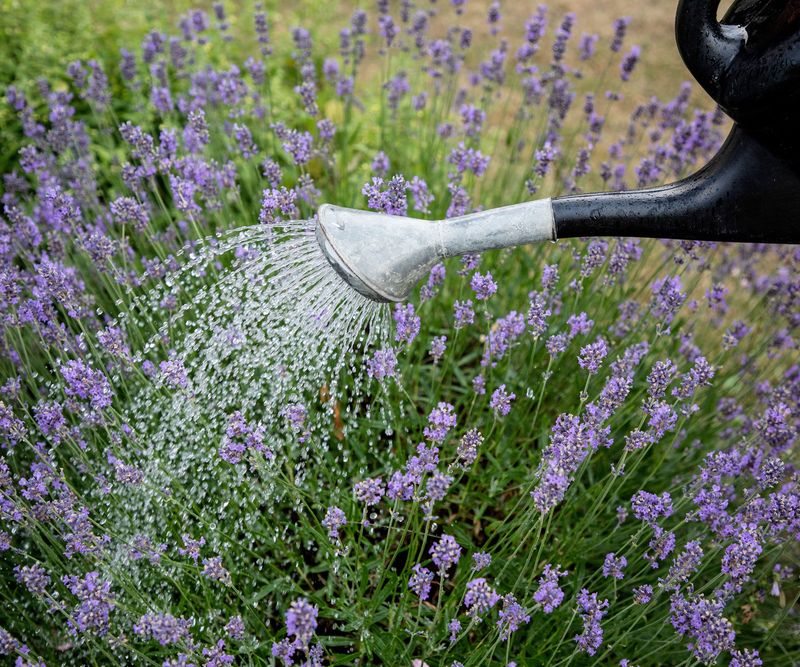
Standing water, compacted clay, and low-lying garden areas are a difficult combination for lavender roots, and Oregon’s wet winters make drainage a particularly relevant concern across much of the state.
Lavender generally prefers well-drained soil and may struggle when roots sit in persistently wet conditions for extended periods.
Crown and root problems that develop during a wet Oregon winter can contribute noticeably to the sparse, woody appearance that gardeners notice the following spring.
Before adding any irrigation to a struggling plant, take time to observe how water actually moves through the site after rain. If the area drains slowly or holds moisture for a long time, adjusting the watering schedule alone will not address the underlying drainage issue.
Raised planting areas, gravelly or well-drained soil mixes, and selecting sites with naturally good drainage may all be worth considering when deciding where to place replacement plants.
Adding sand to heavy clay soil is sometimes suggested as a drainage fix, but small amounts of sand mixed into clay may not improve drainage reliably and can create a dense, unfavorable soil structure.
Credible extension guidance should inform any significant soil amendment decisions.
Established lavender in containers requires appropriate watering based on weather, pot size, and root development rather than a fixed schedule.
Newly planted lavender may need some supplemental water during dry Oregon summers until roots are well established, but the goal is to avoid keeping the soil continuously wet at any stage of the plant’s life.
8. Replace Plants With Little Remaining Green Growth
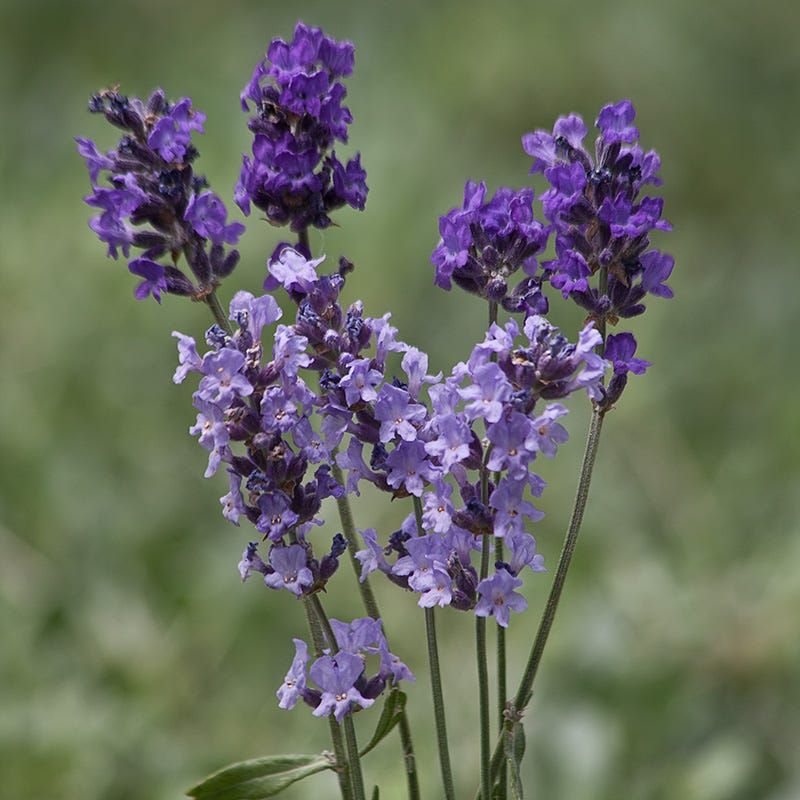
Some lavender plants reach a point where replacement is the most sensible option, and recognizing that point is a practical gardening skill rather than a sign of failure.
A plant with very little remaining green growth, extensive bare wood throughout its structure, recurring root problems, or a crown that shows signs of serious weakness may not respond reliably to even careful pruning.
Holding on to a plant that has genuinely declined past a reasonable recovery threshold can mean losing a full growing season while waiting for results that may not come.
Choosing a replacement lavender suited to your specific location is worth spending time on.
English lavender varieties and suitable hybrids differ in size, cold tolerance, bloom period, and moisture sensitivity, and the right choice may vary considerably depending on your corner of Oregon.
Mild coastal areas, the Willamette Valley, southern regions, and colder high desert locations all present different growing conditions, and confirming the exact cultivar before purchasing helps match the plant to your actual site rather than relying on general labels.
Plant replacement lavender in a spot with full sun, suitable drainage, and enough space for its documented mature width.
Reduced flowering in older plants may result from several contributing factors, including insufficient sunlight, poor pruning habits, excessive nitrogen, wet soil, or plant age, so addressing those conditions before replanting gives the new plant a better start.
The Oregon State University Extension Service offers cultivar guidance worth checking before you buy.
Regular light pruning in future years may help slow the development of a heavily woody shape, though some degree of woodiness is a natural part of lavender’s growth over time.