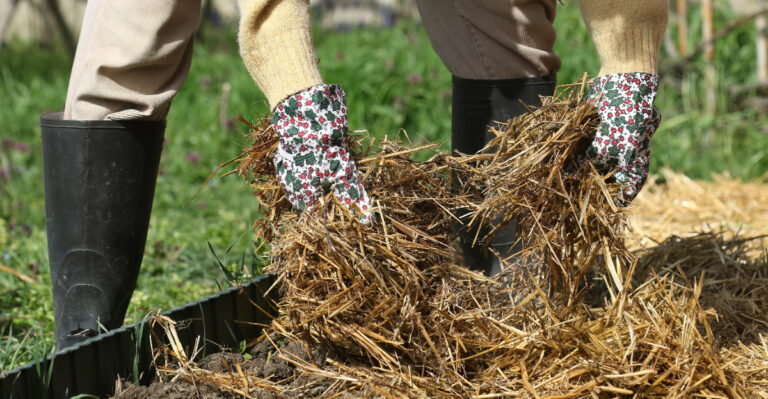
How To Revive Roses After Winter In North Carolina For Stronger Blooms

After a long winter, rose bushes in North Carolina can look rough and worn. Stems may appear weak, leaves may be sparse, and the plant can seem far from its summer beauty.
Many gardeners worry something went wrong, but this early season stage is actually a chance to reset and strengthen your roses. Across the Coastal Plain, Piedmont, and Mountain regions, spring brings the conditions roses need to recover.
As temperatures rise and growth begins, the steps you take now can shape how your plants perform for the rest of the season. A little attention at the right time can lead to stronger growth and far more impressive blooms.
Roses respond quickly when given proper care early in the year. With the right approach, North Carolina gardeners can turn tired winter plants into full, vibrant shrubs that bloom beautifully all season long.
1. Early Spring Is The Right Time To Begin Rose Care
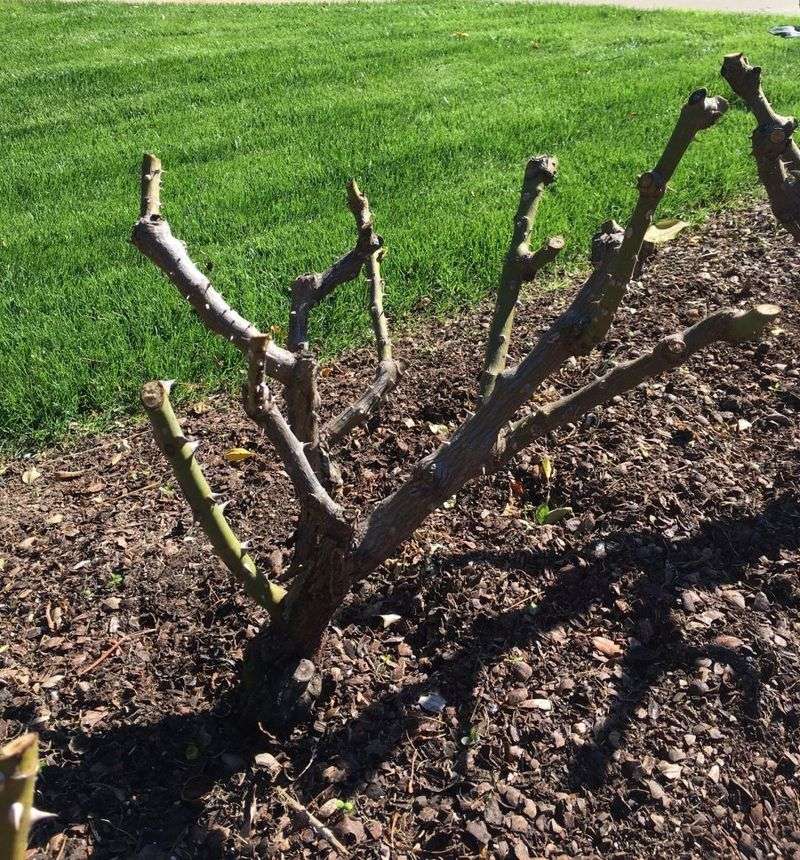
Something magical happens in a North Carolina garden around late February and into March. The air starts to warm, the soil begins to soften, and if you look closely at your rose canes, you might spot tiny red or green buds pushing through.
That is your signal to get started on spring rose care. Timing matters more than most gardeners realize. Starting too early, when frost is still possible, can damage tender new growth and set your roses back significantly.
Waiting too long means missing the window when your roses are most responsive to pruning, feeding, and shaping for the season ahead.
North Carolina sits in USDA hardiness zones 5b through 8b, which means spring arrives at different times depending on your region. Gardeners in the Piedmont and coastal areas often see warming conditions earlier than those in the mountains.
Paying attention to your local last frost date helps you plan the perfect time to act. Getting started in sync with your roses’ natural growing rhythm sets the entire season up for success.
When you begin care at just the right moment, roses respond with vigorous new shoots, strong canes, and an impressive display of blooms from late spring well into summer. Early action truly pays off in the most beautiful way.
2. Remove Worn Or Discolored Canes First
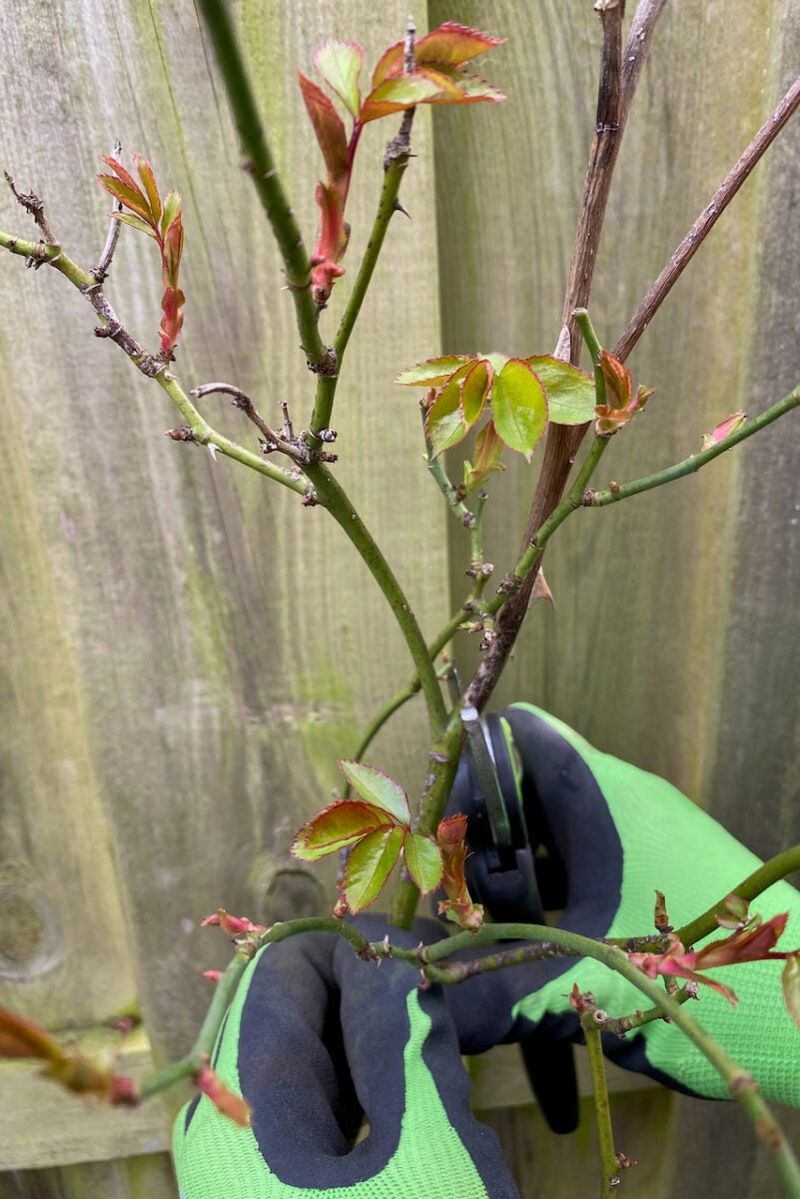
Before anything else, walk around each rose bush and take a good look at the canes.
Healthy canes are firm and show a greenish color on the outside, while canes that struggled through winter often turn brown, gray, or feel hollow and brittle when you bend them gently. Those are the ones that need to come out first.
Removing worn canes is one of the most important things you can do to help your roses recover. When a plant holds onto damaged or struggling growth, it wastes precious energy trying to support tissue that will never produce new leaves or blooms.
Cutting those canes away redirects that energy straight into the healthy parts of the plant. Use clean, sharp pruning shears for every cut.
Dull blades crush the stem tissue instead of cutting cleanly, which can invite fungal problems that spread quickly in North Carolina’s humid spring weather.
Wiping your tools with rubbing alcohol between cuts is a simple habit that protects your plants all season long.
Start at the base of each questionable cane and work your way up. If the inside of the stem shows white or green tissue, the cane still has life in it.
Brown or dry tissue inside means it is time to remove it entirely. This first step alone can make a dramatic difference in how your roses perform.
3. Prune Back To Healthy Green Tissue
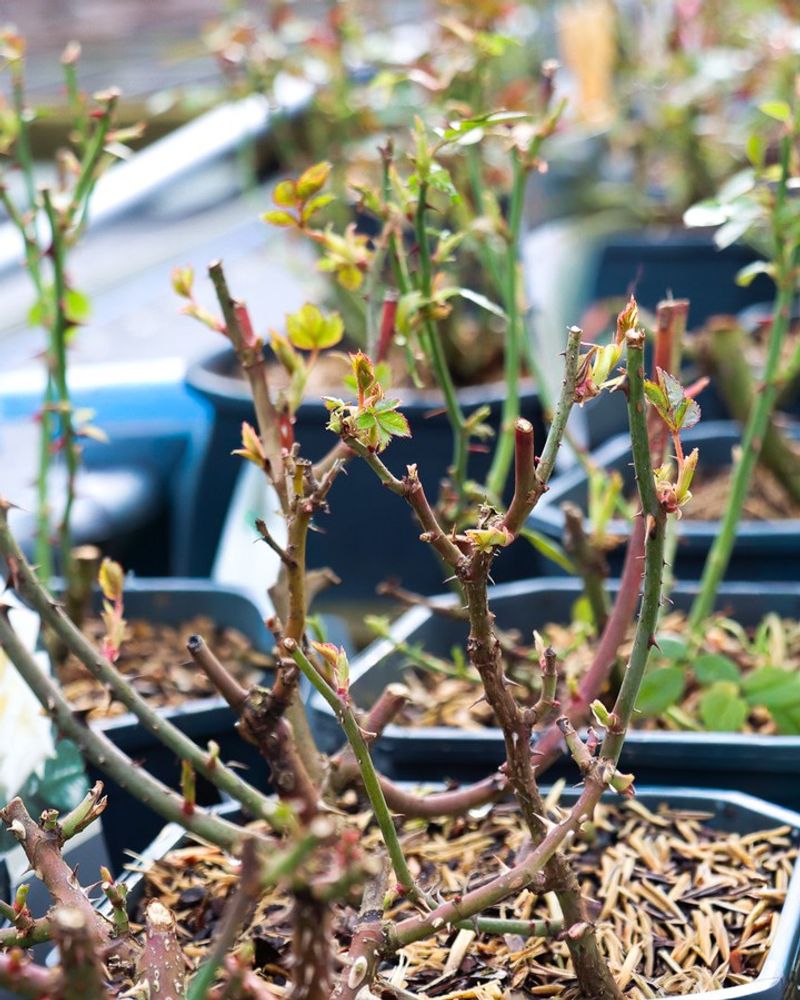
Once you have removed the most obviously worn canes, the next step is to prune the remaining stems back to where the tissue inside is clearly green and healthy.
Make a clean, angled cut about a quarter inch above an outward-facing bud, which encourages new growth to spread away from the center of the plant rather than crowding inward.
This step feels a little intimidating the first time you do it, but trust the process. Roses are incredibly resilient plants, and cutting back to healthy tissue actually stimulates them to push out strong, vigorous new shoots.
Those new shoots are what will carry your blooms through late spring and summer. In North Carolina, roses often experience some tip damage from winter cold even when the main canes survive just fine.
You might need to cut back only a few inches on some stems, while others require cutting down much further. Follow the tissue, not a fixed measurement, and you will make the right call every time.
Sharp, clean cuts are non-negotiable here. Jagged cuts heal slowly and leave the plant vulnerable to disease.
A good bypass pruner makes all the difference. After pruning, your rose bush might look smaller than you expected, but within just a few weeks you will see fresh green growth filling in fast and looking better than ever.
4. Shape The Plant For Better Airflow
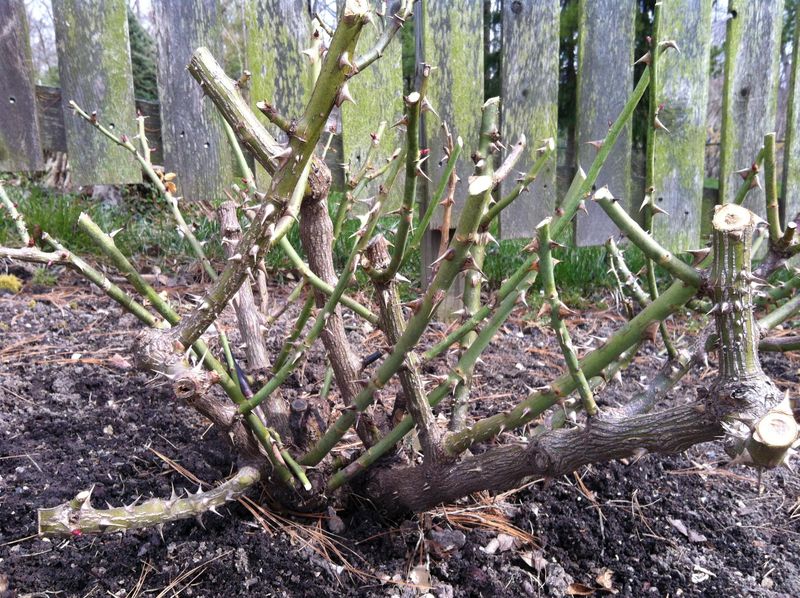
Airflow through a rose bush is not just a nice bonus, it is a genuine game changer, especially in North Carolina where humidity levels can stay high for weeks at a time.
When canes are packed together tightly, moisture lingers between leaves and stems, creating the perfect conditions for fungal diseases like black spot and powdery mildew to take hold.
Pruning your roses into an open, vase-like shape solves this problem beautifully. The goal is to create a plant with several strong outward-facing canes and an open center that allows air and sunlight to move freely through the whole bush.
It sounds simple, and it really is once you get a feel for it. Start by removing any canes that cross through the center of the plant. Then look for canes that rub against each other, because constant contact creates wounds that invite disease.
Removing the weaker of any two crossing canes instantly improves the overall structure and health of the plant.
North Carolina gardeners who take time to shape their roses properly tend to deal with far fewer disease problems throughout the growing season. Good structure means less spraying, less stress, and more blooms.
A well-shaped rose bush also just looks stunning in the garden, with an airy, elegant form that shows off each flower at its very best when peak bloom season arrives.
5. Feed Roses As New Growth Begins

Fertilizing roses at the right moment in spring is like giving them a head start in a race. Once you see about three to four inches of healthy new growth emerging from the canes, that is the perfect time to apply a balanced rose fertilizer.
Feeding too early, before growth appears, can waste nutrients and even stress the plant unnecessarily.
A balanced fertilizer, something with roughly equal parts nitrogen, phosphorus, and potassium, supports all the different things a rose needs in spring.
Nitrogen fuels leafy green growth, phosphorus encourages strong root development, and potassium helps the whole plant stay healthy and resilient through North Carolina’s warm, sometimes unpredictable spring weather.
Slow-release granular fertilizers work especially well for roses because they deliver nutrients steadily over several weeks rather than all at once.
This steady feeding matches the pace of the plant’s growth and avoids the risk of burning tender new roots with too much fertilizer at one time.
Always water the plant thoroughly after applying granular fertilizer to help it absorb into the soil.
Roses that get proper nutrition in early spring tend to produce noticeably larger blooms and more of them. Gardeners across North Carolina who make spring feeding a consistent habit often report their roses performing better year after year.
A little fertilizer at just the right time makes a big, beautiful difference in the garden all season long.
6. Add Fresh Mulch Around The Base
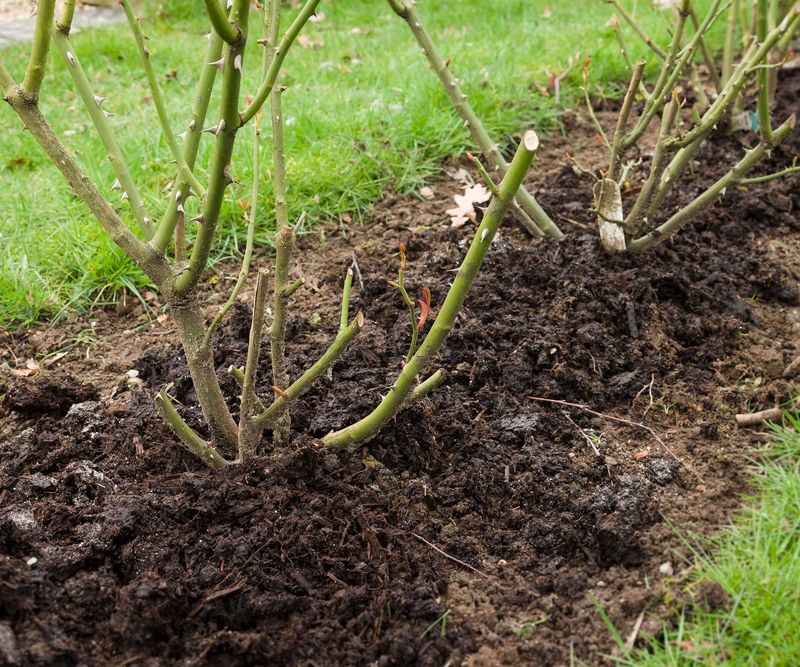
Mulch is one of those simple gardening tools that does far more work than most people expect.
A fresh layer around your rose bushes in early spring helps the soil hold onto moisture, keeps soil temperature steady as North Carolina transitions from cool to warm weather, and slowly breaks down to add organic matter to the soil over time.
Pine bark mulch and hardwood mulch are both popular choices for rose gardens in North Carolina.
Both materials break down at a reasonable pace, improve soil structure as they decompose, and give the garden a clean, tidy look that makes the plants stand out even more. A two to three inch layer is plenty to get all the benefits without smothering the plant.
One detail that makes a real difference is keeping the mulch from touching the base of the rose canes directly. Mulch piled against the stems traps moisture right where disease problems love to start.
Leave a small gap of a few inches around the base of each plant, and the mulch will do its job perfectly without causing any problems.
Applying fresh mulch after your spring pruning and feeding is a great way to lock in all that early care. The soil stays moist between waterings, weeds have a harder time sprouting, and your roses have a stable environment to grow strong roots.
It is a quick task that pays off in noticeable ways throughout the entire growing season in North Carolina.
7. Water Consistently As Temperatures Warm

Roses are thirsty plants, especially once spring temperatures start climbing and new growth kicks into high gear.
Consistent moisture during this period is essential for strong root development, healthy foliage, and the kind of robust cane growth that supports big, beautiful blooms later in the season.
Irregular watering, with long dry spells followed by heavy soaking, stresses the plant and can lead to problems like split canes or bloom drop.
Deep watering is always better than frequent shallow watering for roses. When you water deeply, moisture soaks down into the lower layers of soil where roots can follow it, growing longer and stronger with every session.
Shallow watering keeps roots near the surface, which makes the plant much more vulnerable during dry or hot stretches, both of which are common in North Carolina’s spring and summer.
Aim to give your roses about an inch of water per week, either from rainfall or from your garden hose. Soaker hoses and drip irrigation systems are excellent options because they deliver water directly to the root zone without wetting the foliage.
Wet leaves in North Carolina’s humid climate are an open invitation for fungal diseases, so keeping water off the leaves whenever possible is a smart habit.
Morning is the best time to water roses if you do use overhead watering. Leaves that get wet in the morning have all day to dry out in the sun and breeze, which significantly reduces disease risk and keeps your plants looking their absolute best all spring long.
8. Watch For Early Season Pests
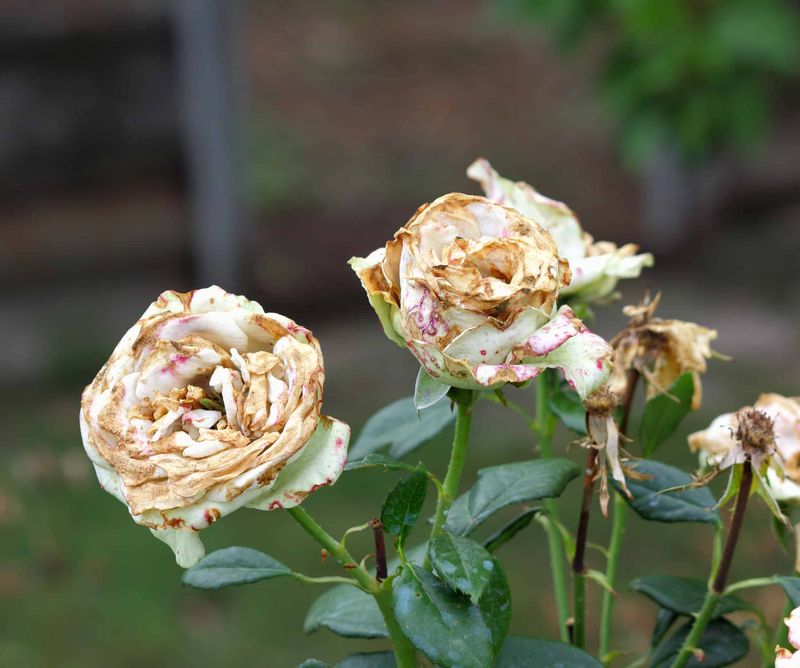
Just as your roses start pushing out fresh, tender new growth in spring, pests notice too. Aphids are among the first to show up in North Carolina gardens, and they have a particular fondness for the soft, juicy new shoots that roses produce in early spring.
Catching them early makes all the difference between a minor annoyance and a real problem that spreads across your entire garden.
Aphids are tiny, soft-bodied insects that cluster on the undersides of leaves and along new stem growth. They feed by sucking sap from the plant, which weakens growth, distorts leaves, and can leave behind a sticky residue that encourages sooty mold to develop.
A small aphid population can multiply into a large one surprisingly fast during warm spring weather.
The good news is that early-season pest management does not have to involve harsh chemicals. A strong spray of water from the garden hose knocks aphids off plants effectively, and many never find their way back.
Neem oil and insecticidal soap are both gentle, effective options that work well on aphids without harming beneficial insects like ladybugs, which are natural aphid predators.
Making a habit of checking your roses every few days during early spring puts you in control before any pest population has a chance to grow out of hand.
North Carolina gardeners who monitor regularly spend far less time dealing with serious infestations later in the season.
Healthy, well-cared-for roses are also naturally more resistant to pest pressure, so all your earlier spring care pays off here too.
9. Expect Strong Blooms With Proper Care

All the pruning, feeding, mulching, and watering you put into your roses in early spring leads to one spectacular payoff: a garden full of vibrant, abundant blooms from late spring well into summer.
North Carolina’s warm growing season gives roses an incredibly long window to perform, and plants that received proper early care take full advantage of every week of it.
Properly cared-for roses typically begin showing their first blooms in May across much of North Carolina, with the Piedmont and coastal regions often blooming a bit earlier than the mountain areas.
Once they start, the blooms keep coming in waves throughout the season, especially on repeat-blooming varieties like hybrid teas, grandifloras, and many modern shrub roses.
The difference between roses that were carefully tended in spring and those that were left to fend for themselves is genuinely striking. Well-cared-for bushes produce larger individual flowers, deeper and richer colors, and significantly more blooms per plant.
They also tend to stay healthier through the heat and humidity of a North Carolina summer, with better resistance to the common diseases that challenge roses in this region.
Gardening is always a relationship between you and your plants, and roses are no different. The effort you invest in those early spring weeks creates a foundation that carries your garden through the entire season.
With consistent care and a little patience, North Carolina rose growers can enjoy one of the most stunning garden displays imaginable, right in their own backyard.