How To Revive Winter-Damaged Azaleas Before Spring Bloom In Ohio
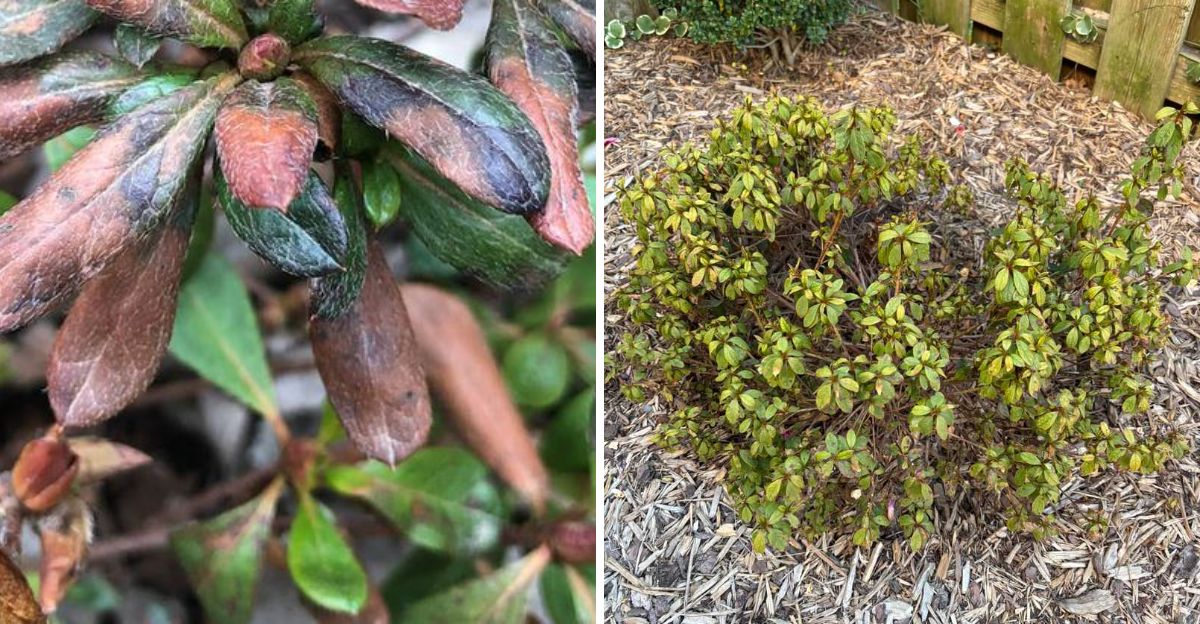
Winter can leave azaleas looking rough, brittle, and far from their spring glory. In Ohio, freezing winds, ice, and sudden temperature swings often scorch buds, dry stems, and weaken plants just weeks before bloom season.
What once promised a burst of color may now seem dull, sparse, and disappointing. Many gardeners assume the damage is permanent and expect little from their shrubs when spring arrives.
Yet azaleas are tougher than they appear, and recovery often begins long before new growth becomes visible. The key lies in understanding what winter truly did to the plant and how to respond at the right time.
Quick reactions, careful observation, and proper care can make the difference between a weak bloom and a vibrant spring display. Before giving up on your shrubs, learn how to revive winter damaged azaleas in Ohio and help them regain strength in time for a beautiful bloom season.
1. Check For Winter Burn And Stem Damage
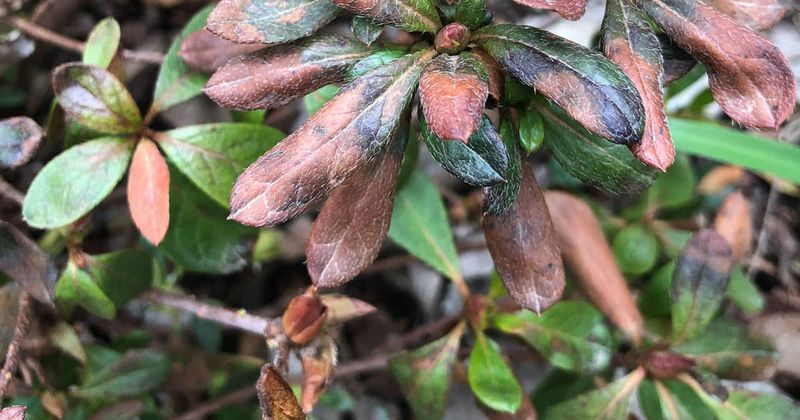
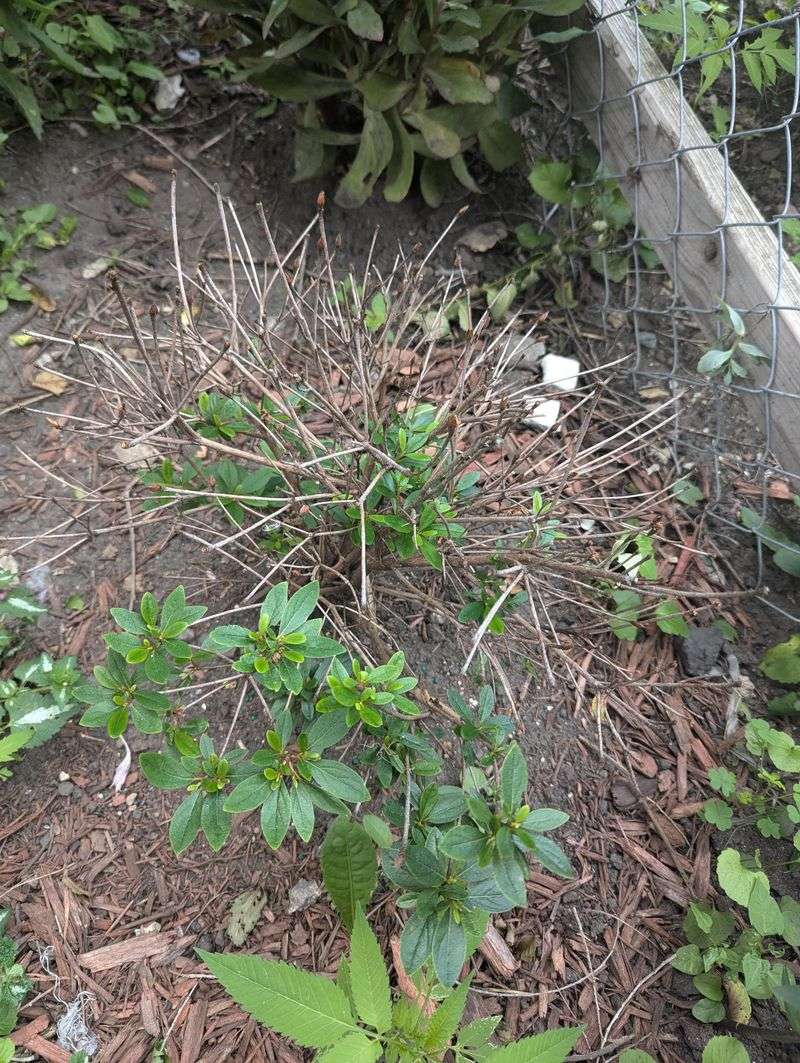
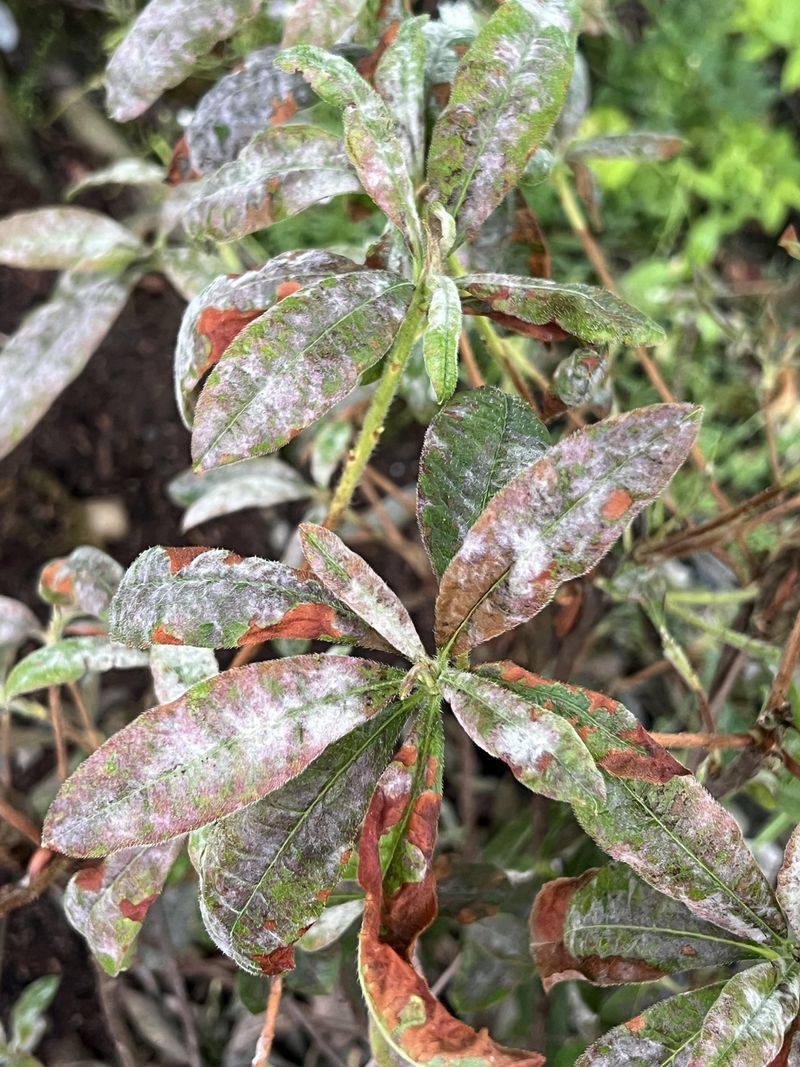
Winter damage shows up in several distinct ways on azaleas throughout Ohio. Leaf scorch appears as brown or tan edges where cold winds pulled moisture from the foliage faster than roots could replace it.
You might notice entire leaves turned bronze or copper, especially on the windward side of the plant.
Bark splitting happens when sunny winter days warm stems rapidly, then nighttime temperatures plunge. These vertical cracks usually appear on the south or southwest side of branches.
Inspect carefully because splits can harbor disease if left unaddressed.
Flower buds tell their own story about winter severity. Healthy buds feel plump and slightly sticky when gently squeezed.
Damaged buds appear shriveled, dry, or fall off easily when touched. Cutting a suspicious bud in half reveals brown tissue inside if cold destroyed it.
Not all discoloration means serious trouble. Many azaleas naturally develop purplish or bronze tones in cold weather as a protective response.
This cosmetic change reverses once temperatures warm consistently. True damage shows brittle, dry tissue rather than flexible stems.
Scratch bark gently with your thumbnail near the base. Green tissue underneath means the branch survived.
Brown or gray cambium signals that section may not recover. Ohio State Extension recommends waiting several weeks before making final judgments since some damage takes time to become apparent.
2. Wait Before Cutting Back Cold Injured Growth
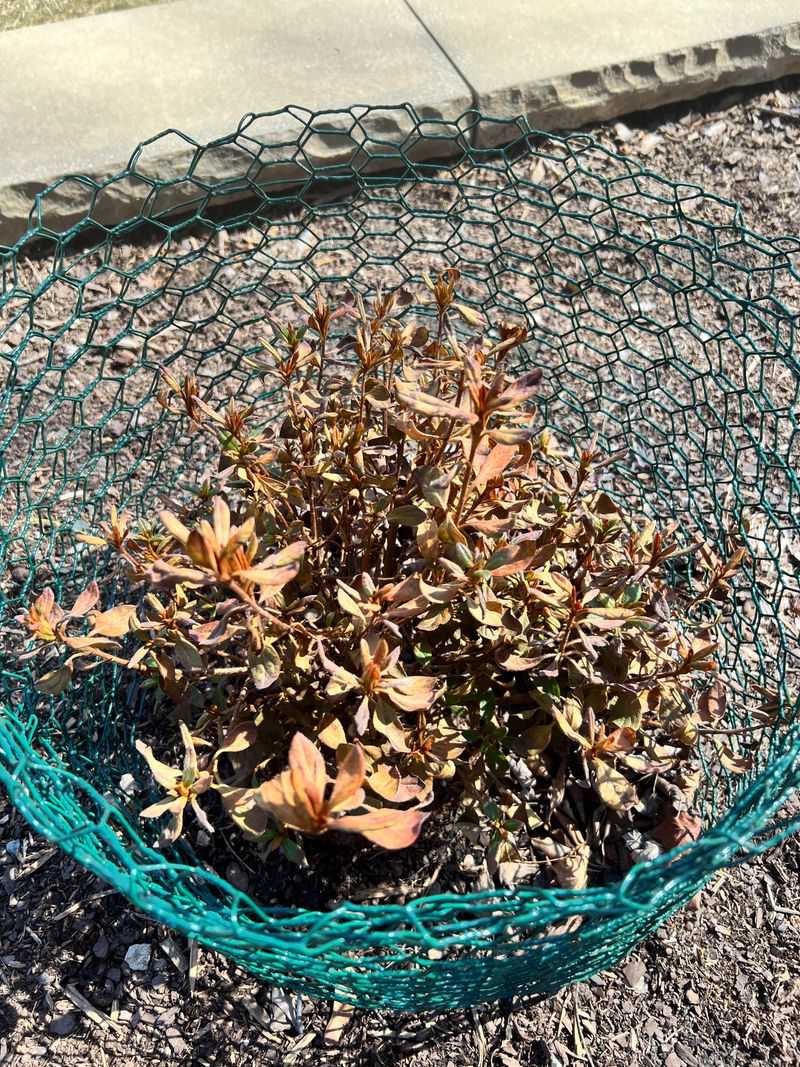
Resist the urge to grab pruners the moment you spot brown leaves or damaged branches. Early pruning removes tissue that might still be alive and protecting the plant.
Azaleas store energy in their stems and even damaged wood can support new growth emerging from lower buds.
Cutting too soon forces the plant to redirect resources toward sealing wounds rather than producing new shoots. Ohio’s unpredictable spring weather makes this especially important since late freezes can damage freshly exposed tissue.
What looks destroyed in March might flush out beautifully by May.
Plants have remarkable recovery abilities when given time. Azaleas often push new growth from seemingly lifeless stems once soil warms and daylight increases.
Branches that appear completely brown sometimes sprout fresh leaves from dormant buds you cannot see. Premature pruning eliminates these hidden opportunities.
Ohio State guidance consistently emphasizes patience with cold-damaged woody plants. Most horticulturists recommend waiting until mid to late spring before making pruning decisions.
By then, living tissue becomes obvious as green growth emerges and truly damaged sections remain brown and brittle. Waiting also lets you see which flower buds survived, helping you preserve as much bloom potential as possible.
Hasty cuts made in February or early March often remove branches that would have recovered naturally, setting back the plant unnecessarily and reducing the current season’s flower display significantly.
3. Prune Only After New Growth Appears
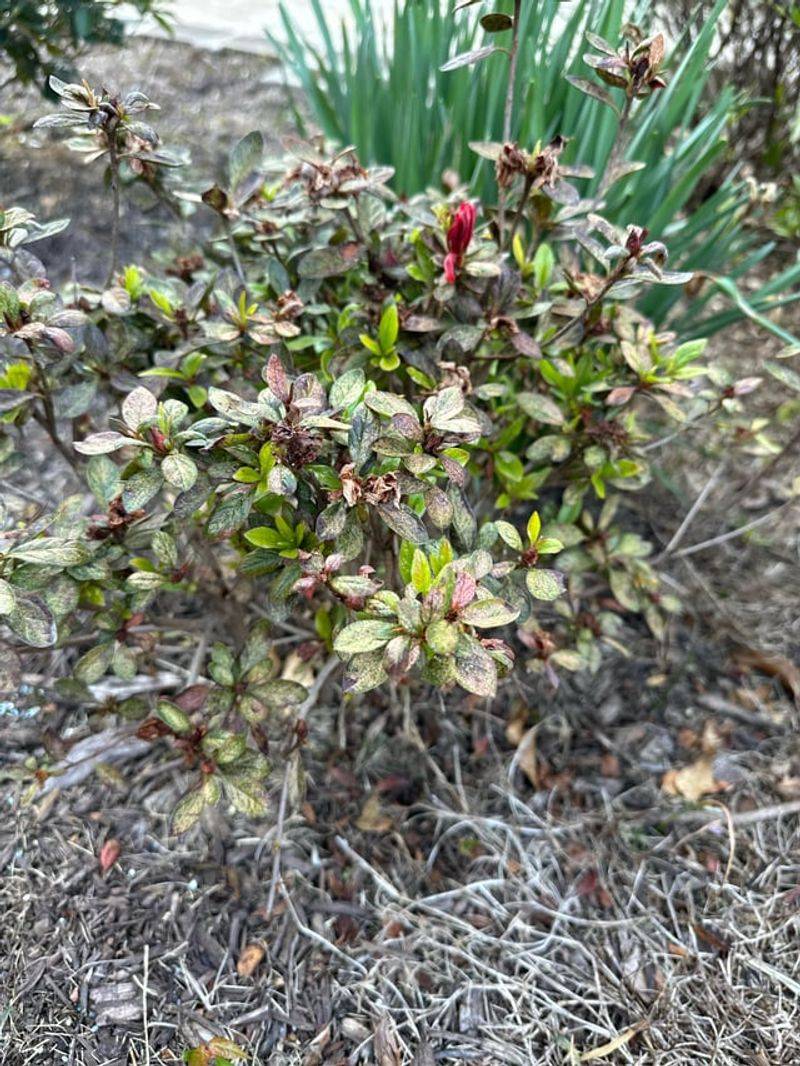
Once new leaves begin emerging, usually late April through May in most Ohio zones, you can safely assess what needs removing. Living wood becomes unmistakable as bright green shoots push out from healthy buds.
Branches that remain completely dormant while others leaf out are truly damaged and should be removed.
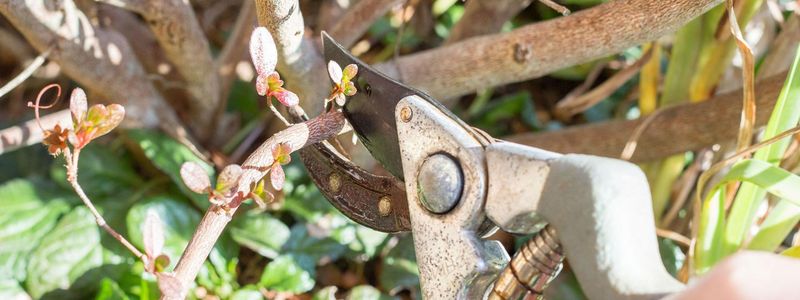
Make cuts just above a healthy bud or branching point. Use sharp, clean bypass pruners rather than anvil types which crush stems.
Cut at a slight angle to shed water away from the bud. Remove branches back to living tissue where you see green cambium layer beneath the bark.
Avoid removing more than one-third of the plant’s total growth in a single season. Overpruning stresses azaleas and reduces their ability to photosynthesize and store energy.
If damage is severe, spread corrective pruning over two or three years to maintain plant health.
Shape the plant lightly while removing damaged sections. Azaleas naturally grow fuller when you prune just after blooming because they set next year’s flower buds in summer.
Corrective pruning now will reduce this season’s flowers but improves long-term structure. Some Ohio gardeners sacrifice one year’s bloom to restore a well-shaped, healthy plant.
Focus on removing crossing branches, opening up the center for better air circulation, and maintaining the plant’s natural rounded form rather than shearing into unnatural shapes that stress the shrub further.
4. Clear Away Declined Wood To Stimulate Recovery
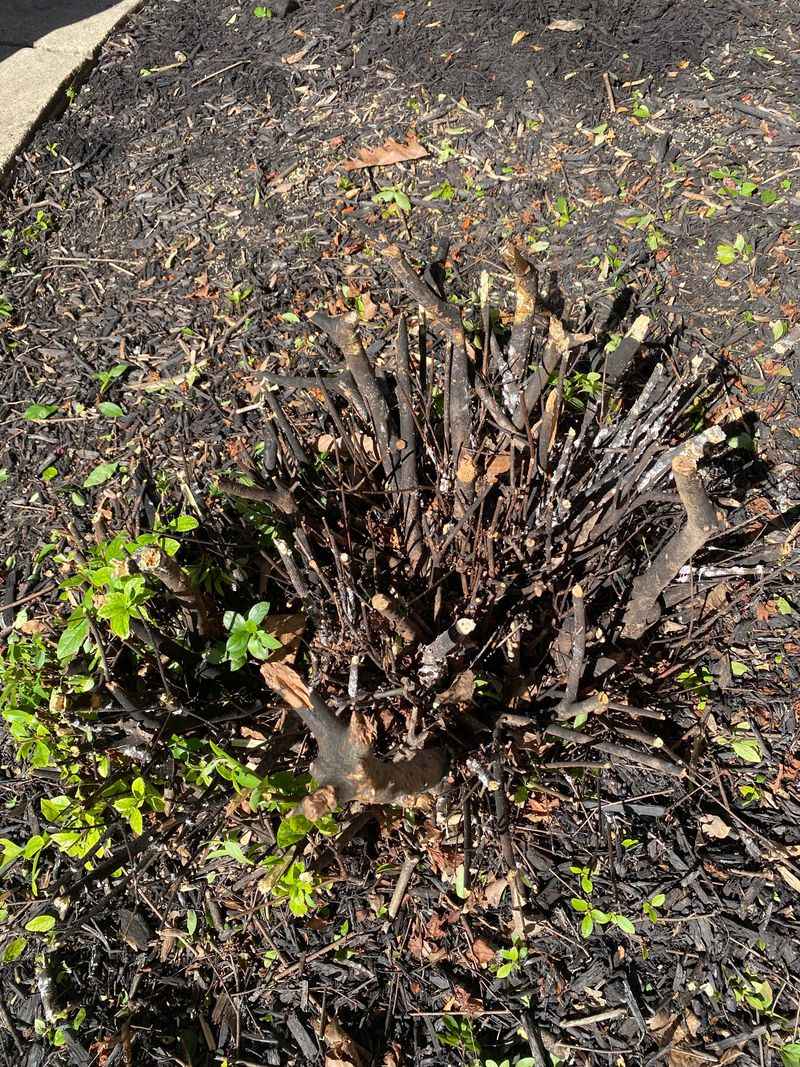
Completely lifeless branches serve no purpose and actually drain energy as the plant attempts to maintain them. Removing truly damaged wood allows the azalea to focus resources on healthy growth rather than supporting tissue that cannot recover.
This cleanup also improves appearance while you wait for new foliage to fill in.
Start at the base and work upward, removing branches that show no green tissue when scraped. Cut flush with the trunk or main branch without leaving stubs.
Stubs invite decay organisms and rarely sprout new growth. Smooth cuts heal faster and cleaner than ragged tears.
Better air circulation through the plant’s center reduces disease pressure, especially important after winter stress weakens natural defenses. Fungal problems like petal blight and leaf gall thrive in crowded, damp conditions.
Opening up dense growth lets sunlight and air reach interior branches.
Rake out any withered leaves trapped in the center of the plant. This debris holds moisture against stems and creates perfect conditions for fungal spores to germinate.
Ohio’s humid springs make good sanitation especially valuable for azalea health. Dispose of pruned material away from the garden rather than composting it since some disease organisms survive in plant debris.
The energy saved by removing damaged tissue gets redirected into producing vigorous new shoots and developing flower buds for next season’s display.
5. Refresh Mulch To Warm And Protect Roots
Azalea roots grow close to the soil surface, typically within the top six inches, making them vulnerable to temperature swings and moisture loss. Fresh mulch moderates soil temperature fluctuations that stress recovering plants.
As soil warms gradually under mulch, roots begin active growth earlier and more steadily than in bare ground.
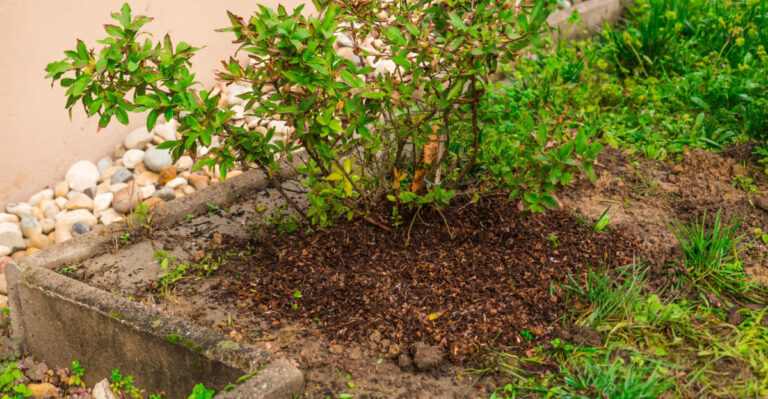
Apply two to three inches of organic material like shredded hardwood bark, pine needles, or composted leaves. Deeper layers can suffocate shallow roots and encourage stem rot.
Pull mulch back slightly from direct contact with the trunk, leaving an inch or two of clearance.
Mulch retains soil moisture between watering or rainfall, crucial for plants working to replace damaged foliage. Consistent moisture supports the intense cellular activity required for new growth.
Organic mulches also break down gradually, adding nutrients and improving soil structure over time.
Ohio clay soils benefit particularly from organic matter that improves drainage while retaining appropriate moisture. Azaleas need acidic conditions, and materials like pine needles help maintain lower pH levels as they decompose.
Refresh mulch annually each spring after winter weather settles but before summer heat arrives. Older mulch compacts and loses effectiveness, plus replenishing gives you opportunity to inspect the root crown for problems.
Quality mulching reduces weeds competing for water and nutrients, keeps soil cooler during summer stress, and provides insulation heading into next winter. Proper mulch depth recommended by Ohio extension services protects without smothering these shallow-rooted plants.
6. Water During Dry Spring Spells To Reduce Stress
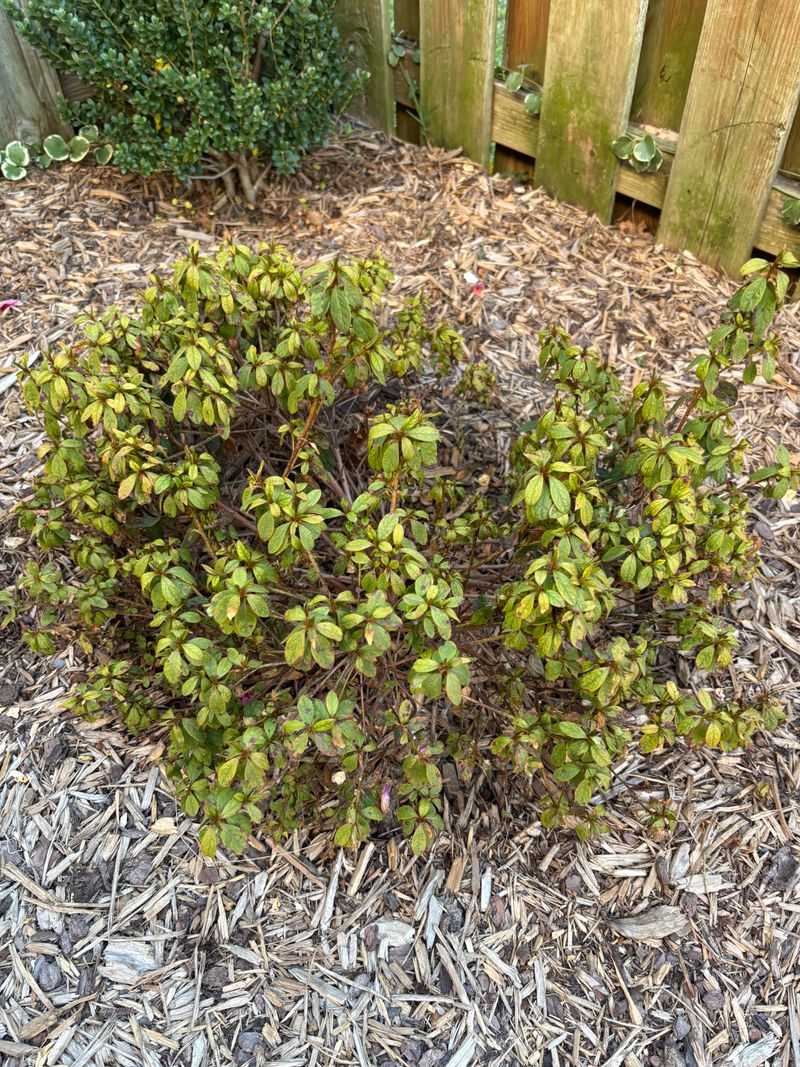
Spring weather in Ohio swings unpredictably between soaking rains and surprisingly dry stretches. Recovering azaleas need consistent moisture to support the enormous energy demand of producing new leaves and developing flower buds.
Drought stress during recovery slows regrowth and can cause additional foliage loss just when plants need maximum leaf surface.
Check soil moisture by pushing your finger two inches deep near the root zone. If soil feels dry at that depth, water thoroughly until moisture penetrates six to eight inches down.
Shallow sprinkling encourages shallow rooting and does not support recovery.
Water early in the day so foliage dries before evening. Wet leaves overnight invite fungal diseases that stressed plants struggle to resist.
Use soaker hoses or drip irrigation to deliver water directly to roots rather than wetting foliage unnecessarily.
Established azaleas typically need about an inch of water weekly during active growth, either from rain or irrigation. Newly stressed plants may need slightly more while rebuilding their canopy.
Sandy soils drain quickly and require more frequent watering than clay. Monitor weather patterns and adjust watering accordingly since overwatering causes as many problems as drought.
Ohio’s spring often brings heavy rains followed by dry periods, so flexibility matters more than rigid schedules. Proper watering supports photosynthesis in remaining healthy leaves, helps transport nutrients to growing points, and maintains turgor pressure that keeps new growth expanding properly rather than wilting before it fully develops.
7. Feed Lightly After Bloom To Restore Strength
Timing fertilizer application correctly makes the difference between helping recovery and causing harm. Wait until after flowers fade before feeding because fertilizer applied during bloom can shorten flower life and push vegetative growth at the expense of enjoying the display you worked to preserve.
Late spring feeding supports new growth that hardens off properly before winter.
Choose fertilizer formulated for acid-loving plants with a ratio like 10-5-4 or similar formulation designed for azaleas and rhododendrons. These products contain the sulfur and micronutrients that support healthy growth in the acidic soil conditions azaleas require.
Ohio soils often trend neutral to alkaline, making acidic fertilizers especially important.
Apply at half the recommended rate for stressed plants. Full-strength feeding can burn roots weakened by winter damage and force excessive soft growth that becomes vulnerable to pests and diseases.
Light feeding provides nutrients without overwhelming the recovering plant’s systems.
Scatter granular fertilizer evenly beneath the branch spread, avoiding direct contact with the trunk. Water thoroughly after application to move nutrients into the root zone.
Slow-release formulations work well because they provide steady nutrition over several months rather than a quick surge that stresses plants. Avoid high-nitrogen fertilizers that push excessive leaf growth at the expense of root development and bud formation.
The goal is supporting steady recovery and building strength for next season rather than forcing rapid growth that weakens the plant’s structure and winter hardiness going forward.
8. Shield Plants From Late Frost And Harsh Wind
Ohio springs frequently deliver surprise freezes well into May, threatening tender new growth and developing flower buds on recovering azaleas. Late cold snaps damage fresh tissue more severely than the same temperatures would affect dormant plants.
Protecting vulnerable growth preserves the progress plants made during recovery and prevents setbacks that delay full restoration.
Monitor weather forecasts closely from April through mid-May. When frost threatens, cover plants loosely with frost cloth, old sheets, or burlap before temperatures drop.
Remove coverings once morning temperatures rise above freezing so plants do not overheat or suffer moisture buildup.
Windbreaks reduce moisture loss and physical damage to emerging leaves. Temporary barriers made from burlap stapled to stakes work well for a season or two while plants regain strength.
Position screens on the prevailing wind side, usually west or northwest in Ohio.
Long-term resilience comes from proper siting and variety selection. If your azaleas consistently suffer winter damage, consider transplanting to a more protected location with northern or eastern exposure that avoids winter sun and wind.
Some varieties handle Ohio winters better than others, with Northern Lights hybrids and native species showing superior cold tolerance. Protecting plants through one or two recovery seasons while they rebuild strength makes sense, but repeatedly damaged azaleas in exposed sites may never thrive regardless of care.
Sometimes the best solution involves moving plants to better locations or replacing them with hardier selections suited to your specific microclimate and Ohio’s challenging growing conditions.