How To Revive Winter Damaged Azaleas Before Spring Blooms Begin In North Carolina
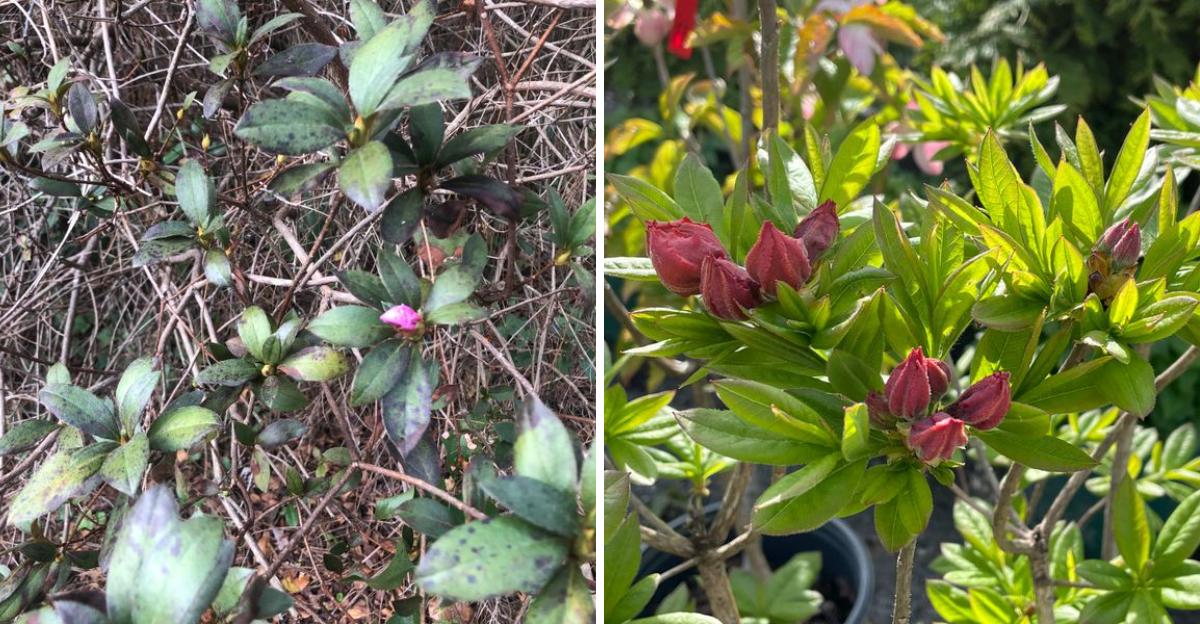
Winter can leave azaleas in North Carolina looking far from their best. After months of frost, cold snaps, and shifting temperatures, many shrubs come out of the season with faded leaves, thin growth, or branches that look damaged.
It can be discouraging, especially for gardeners who look forward to those bright spring blooms every year. Across the Piedmont, the Mountains, and even parts of the Coastal Plain, winter weather can put real stress on these popular plants.
The good news is that most azaleas are far tougher than they appear and often recover well with the right care before the growing season begins. A few simple steps taken now can help your shrubs regain strength and prepare for the show they are known for.
With a little attention, your North Carolina azaleas can bounce back and deliver a vibrant display in the weeks ahead.
1. Assess Damage Carefully
Before reaching for pruning shears or fertilizer, take a slow, careful walk around each azalea in your North Carolina garden. Not every brown leaf or drooping stem means trouble, and rushing to cut things back can actually make recovery harder.
Give yourself time to really look at what is going on before making any moves.
Start by gently bending a few branches near the tips. Healthy stems will flex without snapping, while frost-damaged ones tend to feel brittle and break easily.
Look closely at the buds too, since some may appear shriveled or dark on the outside but still hold life inside. Scratching the bark lightly with your fingernail can reveal green tissue underneath, which is a great sign that the branch is still recovering.
Across North Carolina, late winter weather can vary a lot depending on where you live. Mountain regions near Asheville often see harsher frost than the Triangle or Wilmington areas, so your damage level may differ significantly from a neighbor just a county away.
Taking notes or even snapping photos of each plant helps you track progress over the coming weeks. Knowing exactly what you are dealing with before acting is the smartest first move any NC gardener can make this season.
2. Prune Dead Or Damaged Branches
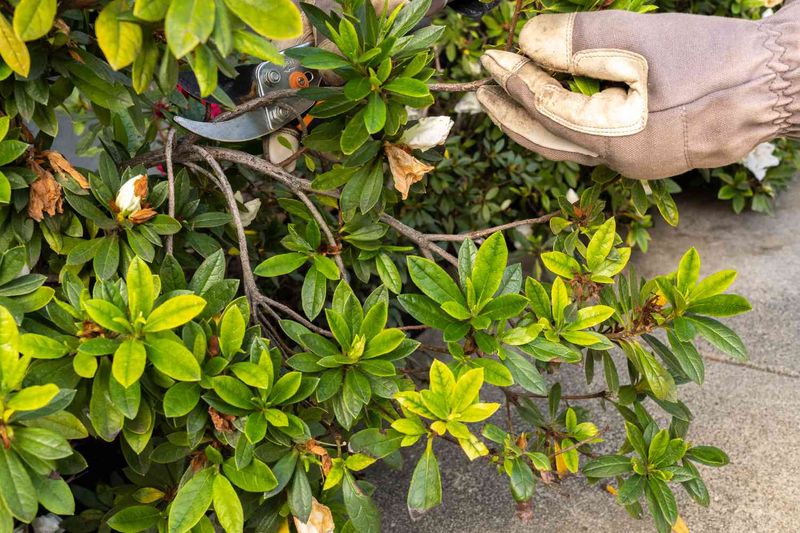
Grabbing a sharp pair of bypass pruners and getting to work on your azaleas feels incredibly satisfying once you know exactly which branches need to go.
Removing frost-bitten stems and brown, crispy tips is one of the most effective steps you can take to help your plants bounce back before spring blooms open.
Just make sure your tools are sharp and clean to avoid tearing the plant tissue.
Always cut just above a leaf node or a healthy bud, angling the cut slightly so water runs away from the wound. Ragged or blunt cuts invite problems and slow the healing process.
In North Carolina gardens, where spring humidity can rise quickly, clean cuts matter even more because they reduce the chance of fungal issues taking hold on fresh wounds.
A helpful trick is to cut a small section at a time and look at the inside of the stem. Fresh, white or green tissue means the branch still has plenty of life left in it.
Brown or dry tissue means you can keep cutting back a little further. Work your way inward until you find healthy growth, then stop.
Avoid cutting into thick, healthy wood unnecessarily, because that sets recovery back rather than pushing it forward. Focus only on the areas that truly need attention, and your azaleas will reward you with strong new growth very soon.
3. Delay Heavy Pruning Until New Growth Appears
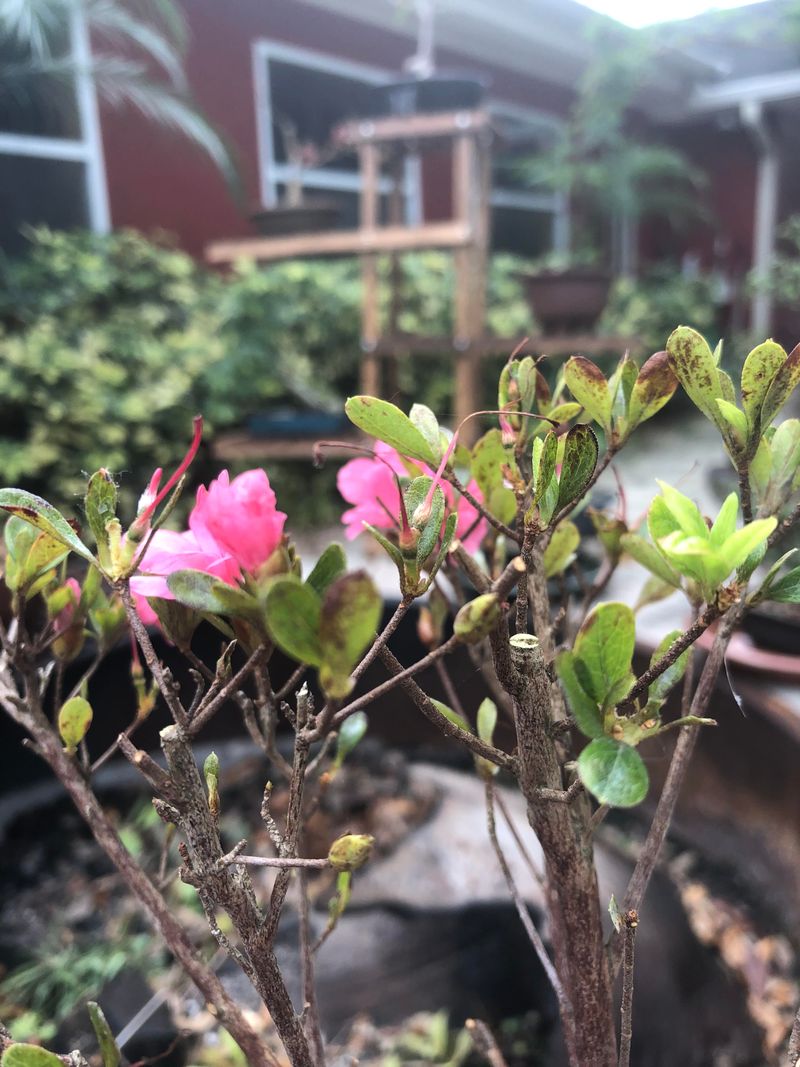
Patience is genuinely one of the most powerful tools in a gardener’s kit, especially when it comes to azaleas recovering from a tough North Carolina winter.
Cutting back too much before new growth shows up is a common mistake that can cost you an entire season of blooms.
Those seemingly bare or brown branches might still be holding viable buds just waiting to wake up.
In the western mountain areas of North Carolina, new growth on azaleas might not emerge until late March or even early April. Down in the Piedmont and coastal regions, you could see buds starting to swell a couple of weeks earlier.
Either way, let the plant show you what it is doing before you make any major decisions about cutting. Mother Nature sets the schedule, and she rarely runs late.
When you finally do see those tiny green tips pushing out from the stems, that is your green light to assess more accurately which branches are truly beyond saving.
Heavy pruning done at the right moment encourages strong, full regrowth without sacrificing the flower buds already forming.
Timing this step correctly is the difference between a plant covered in blooms and one that just sits there looking sparse all spring. Waiting a few extra weeks truly pays off in a big way for NC azalea lovers.
4. Water Thoroughly But Avoid Overwatering
Hydration plays a huge role in helping azaleas recover from winter stress, but there is a fine line between giving them enough water and drowning their roots. North Carolina springs can be unpredictable, swinging from dry stretches to heavy rain within the same week.
Staying aware of what the weather is doing helps you water smarter rather than just watering more.
Azaleas prefer consistently moist soil, not soggy conditions. Their roots are relatively shallow and fine, which means they respond quickly to both drought and waterlogging.
Push your finger about two inches into the soil near the base of the plant. If it feels dry at that depth, it is time to water. If it still feels damp, hold off and check again in a day or two.
Deep, slow watering works much better than quick surface sprinkles. Letting water soak down into the root zone encourages roots to grow deeper and stronger, which builds a healthier plant overall.
In sandy coastal soils common in eastern North Carolina, water drains faster, so you may need to water more often. In the clay-heavy soils of the Piedmont, drainage can be slower, so watch carefully for standing water around the base.
Getting the watering balance right now gives recovering roots exactly what they need to fuel new spring growth and vibrant blooms ahead.
5. Apply A Balanced Fertilizer
Feeding your azaleas at the right time with the right product can make a dramatic difference in how quickly and fully they recover from winter.
North Carolina gardeners should look for a slow-release fertilizer specifically formulated for acid-loving plants, since azaleas thrive in acidic soil with a pH between 4.5 and 6.0.
Products labeled for azaleas, camellias, or rhododendrons work especially well. Early spring is the best window to apply fertilizer, ideally just as new growth begins to emerge.
Fertilizing too early before growth starts can push tender new shoots out too fast, leaving them vulnerable to any late cold snaps that still show up across North Carolina in February or early March.
Waiting until you see that first flush of new leaves puts the nutrients to work at exactly the right moment.
Scatter the granules evenly around the drip line of the plant, which is the outer edge of the branches, rather than piling fertilizer directly against the trunk or main stems. Water the area thoroughly after applying to help the nutrients begin moving into the soil.
Avoid over-fertilizing, since too much nitrogen can push leafy growth at the expense of flower buds. One application in early spring is usually enough to support a strong recovery and set the stage for a colorful, full bloom season across your North Carolina garden.
6. Mulch Around The Base
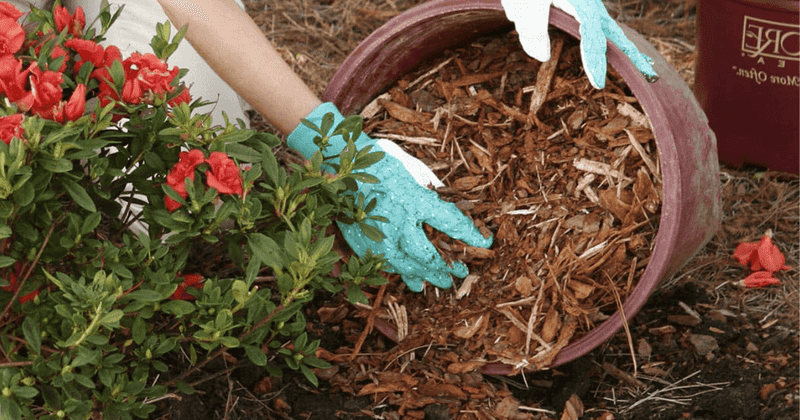
Pine straw is practically a North Carolina gardening tradition, and there is a very good reason why it has stayed so popular for generations of local gardeners.
Spreading a fresh two to three inch layer of pine straw or shredded leaves around the base of your azaleas does several important things at once.
It holds soil moisture in, keeps soil temperatures steadier, and gradually breaks down to add organic matter that azaleas absolutely love.
After a rough winter, soil around azalea roots can become compacted, dried out, or temperature-stressed.
A good layer of mulch acts like a protective blanket, buffering the roots from any remaining cold nights that still sneak through in early spring across North Carolina.
Even the Piedmont region can see frosty mornings well into March, so that extra layer of protection really does matter.
Pull the mulch back slightly from the main stem so it does not sit directly against the bark. Mulch piled against the base can trap moisture and encourage rot or fungal problems right where the plant is most vulnerable.
Spread it out to cover the entire root zone, extending a bit past the drip line if possible. Freshening up your mulch layer each spring is one of the simplest and most affordable things you can do to keep North Carolina azaleas healthy, happy, and ready to burst into bloom.
7. Remove Debris From Around The Plant
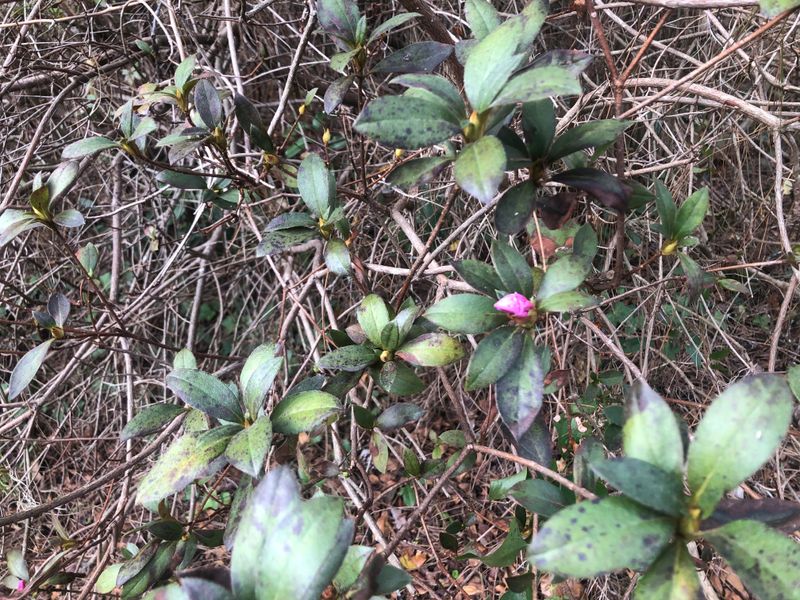
Winter has a way of leaving a mess behind, and the area around your azaleas is no exception.
Fallen leaves, broken twigs, and decaying plant material that built up over the cold months can create a cozy home for pests and fungal spores that love nothing more than a weakened plant.
Clearing that debris away is a simple step that has a surprisingly big impact on plant health.
Damp, decaying leaves piled against or under azalea branches create the perfect conditions for diseases like petal blight or leaf spot to get started.
North Carolina’s humid spring weather already creates enough conditions for fungal problems to spread, so removing that extra layer of risk around your plants makes a real difference.
A clean garden bed helps air circulate freely around the lower branches, which keeps the whole plant drier and healthier.
Use a small rake or even your hands to gently clear the area without disturbing the surface roots too aggressively, since azalea roots sit close to the surface and can be damaged by rough handling.
Bag up the removed debris and dispose of it rather than adding it to a compost pile, especially if any of the material looks diseased or pest-ridden.
After clearing, this is also a perfect moment to add fresh mulch and check the overall condition of the soil. A tidy garden bed sets your North Carolina azaleas up for a much healthier and more vibrant spring season.
8. Check For Winter Pests
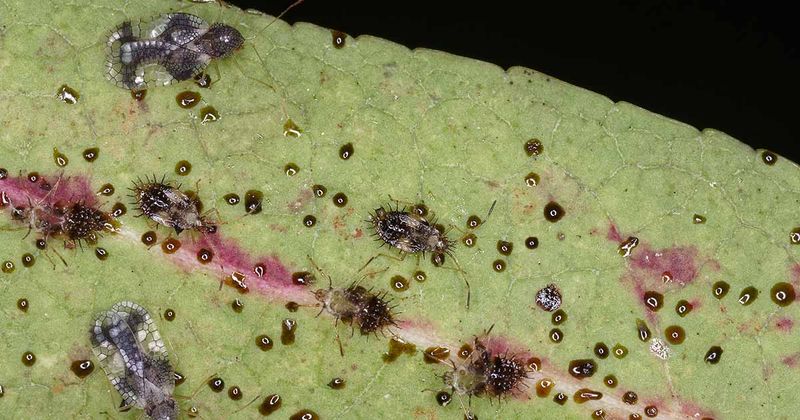
Azaleas that have been stressed by cold temperatures are like an open invitation for certain insects to move in and cause even more trouble.
Two of the most common culprits in North Carolina gardens are azalea lace bugs and scale insects, both of which can quietly do significant damage before you even notice them.
Catching them early is everything when it comes to protecting your plants heading into bloom season.
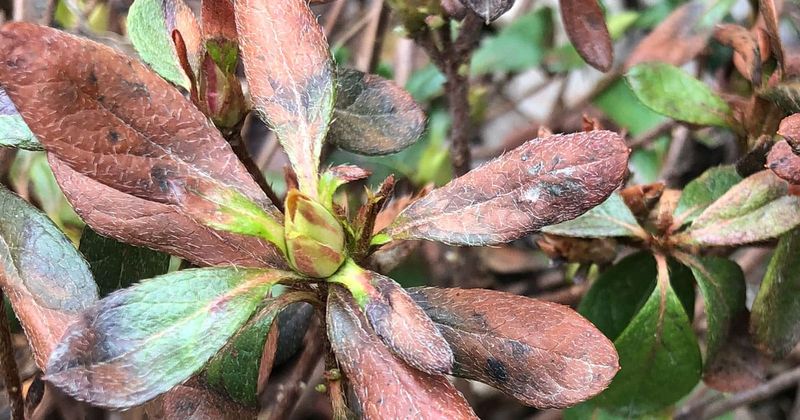
Azalea lace bugs tend to feed on the undersides of leaves, leaving a stippled, silvery, or bronze look on the upper surface. If you flip a leaf and see tiny dark specks or papery-looking insects, that is a strong sign of lace bug activity.
Scale insects look like small, waxy bumps clinging to stems and branches. Both can weaken an already stressed plant quickly, so spotting them before they multiply is the goal.
For light infestations, a strong spray of water can knock many insects off the plant. Horticultural oil or insecticidal soap, applied according to label directions, works well for more stubborn cases and is safe for use around most gardens.
Avoid spraying when temperatures are very hot or when plants are already under drought stress. In North Carolina, early spring inspections before new growth fully emerges give you the clearest view of any pest activity hiding on branches and stems.
Making pest checks a regular habit keeps your azaleas strong all season long.
9. Monitor Bud Development Closely
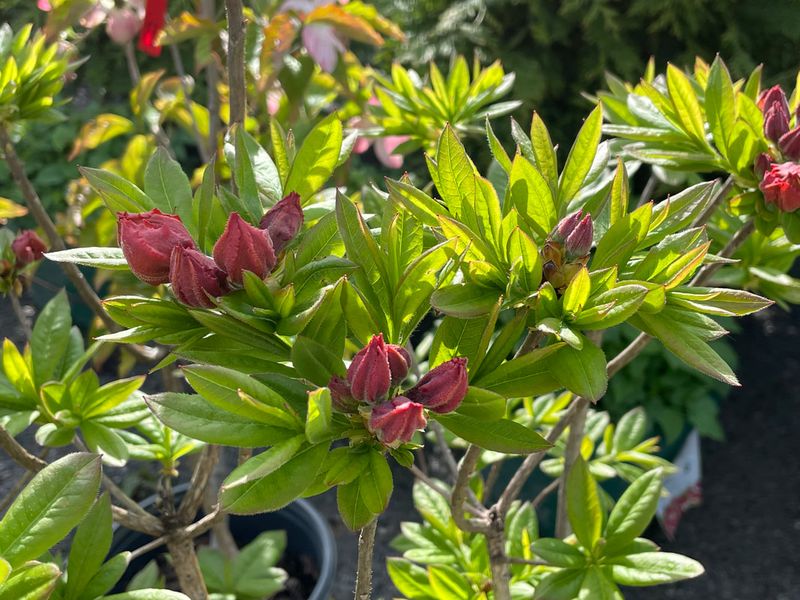
Watching azalea buds develop after a hard winter is one of those small garden joys that feels genuinely exciting.
But monitoring bud development is not just about anticipation; it also gives you real, useful information about how well your plants are recovering and what they still might need from you.
Not all buds on a winter-stressed plant will develop at the same pace, and that unevenness is worth paying attention to.
Some buds may swell and open right on schedule while others on the same plant stay tight or fail to develop at all. That uneven pattern often points to specific branches that took more frost damage than others.
Tracking which sections of the plant are thriving and which are lagging helps you make smarter decisions about where to prune, where to hold off, and whether additional care is needed in a particular area.
Across North Carolina, bud timing varies quite a bit by region. Coastal and Piedmont gardeners often see buds swelling and showing color by mid-March, while mountain growers near Asheville or Boone might wait until late April for the same show.
Keeping a simple journal or taking weekly photos makes it much easier to track progress over time.
This kind of close attention also helps you avoid the mistake of fertilizing or pruning too late in the season, which can disrupt the bloom cycle and leave you waiting another full year for the flowers you were expecting.
10. Be Patient With Recovery
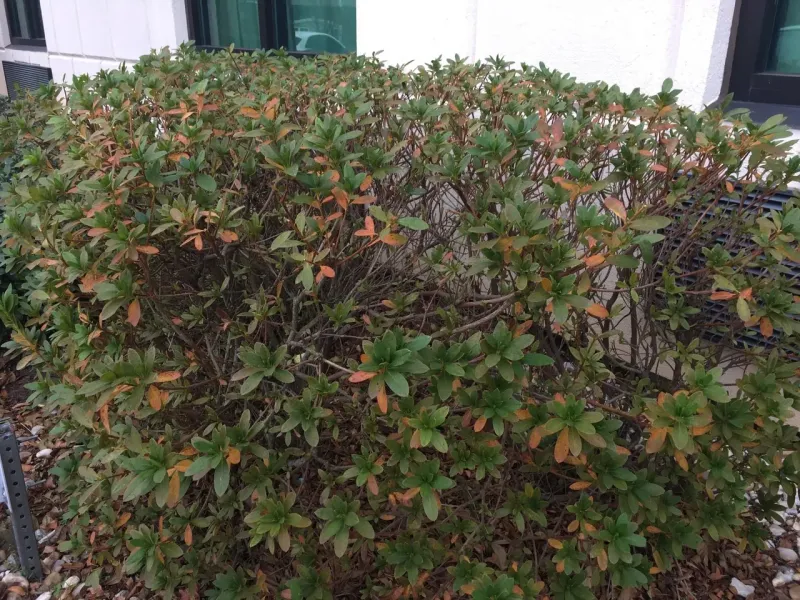
Sometimes the best thing you can do for a struggling azalea is simply give it time. After a particularly cold North Carolina winter, even well-cared-for azaleas can take two to four weeks or more to show clear signs of recovery.
That waiting period can feel frustrating, especially when you are eager to see those first flowers open up, but rushing the process rarely helps and often sets things back further.
Recovery speed depends on a lot of factors, including how severe the winter was in your part of North Carolina, the age and health of the plant before winter hit, and how well the soil, watering, and mulching conditions support new root activity.
Younger plants sometimes bounce back faster because their root systems are more active, while older, more established shrubs might be slower but ultimately recover just as fully once conditions are right.
Trust the process and keep doing the small things consistently. Water appropriately, keep the mulch fresh, watch for pests, and resist the urge to over-prune out of impatience.
Most North Carolina azaleas are remarkably resilient and will reward your steady care with a beautiful burst of color when the season is right. Some plants that looked completely beyond saving in February can be covered in gorgeous blooms by April.
Stay consistent, stay observant, and let your azaleas work at their own pace toward an incredible spring display.