How To Revive Winter-Damaged Azaleas Before Spring Blooms In Michigan
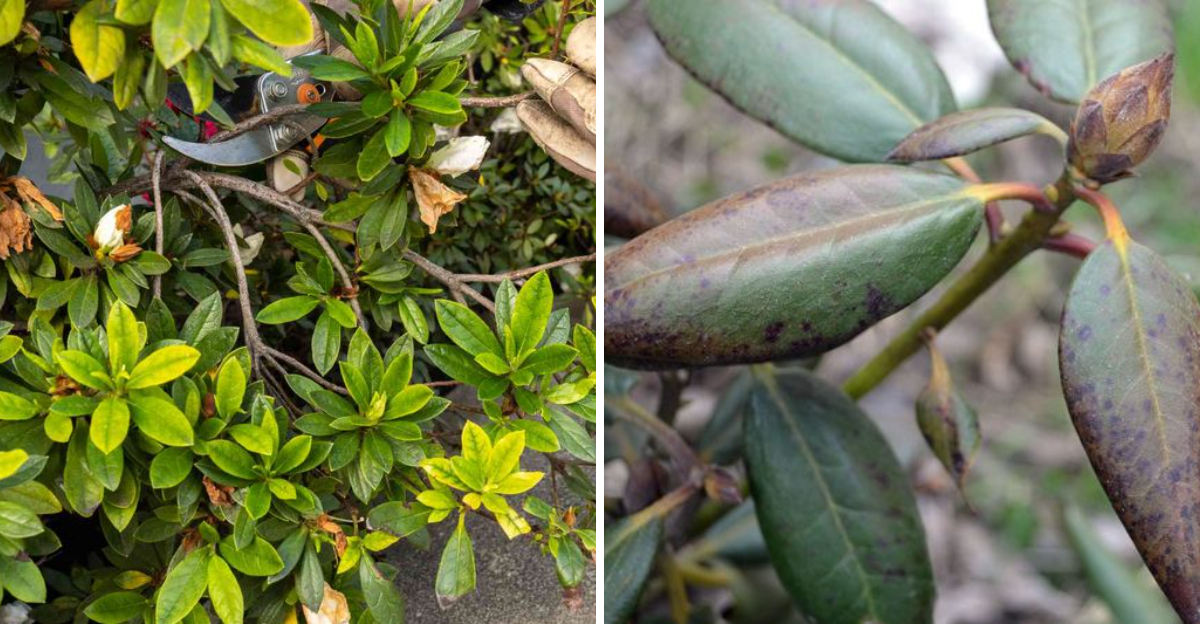
After a long Michigan winter, azaleas can look far from their best. Leaves may appear faded, branches may seem thin, and the entire shrub can look like it struggled through the cold months.
For many gardeners across the Upper and Lower Peninsulas, February is when those winter effects become most noticeable. The good news is that azaleas are often tougher than they look.
Even after harsh temperatures, heavy snow, and icy winds, many shrubs recover once spring conditions begin to return. What looks like serious damage is sometimes just temporary stress from winter exposure.
The key is knowing how to help the plant recover without rushing the process. With a little patience and the right care steps, Michigan gardeners can guide their azaleas back to healthy growth and enjoy the bright spring blooms these shrubs are known for.
1. Wait Until Early Spring To Assess The Plant
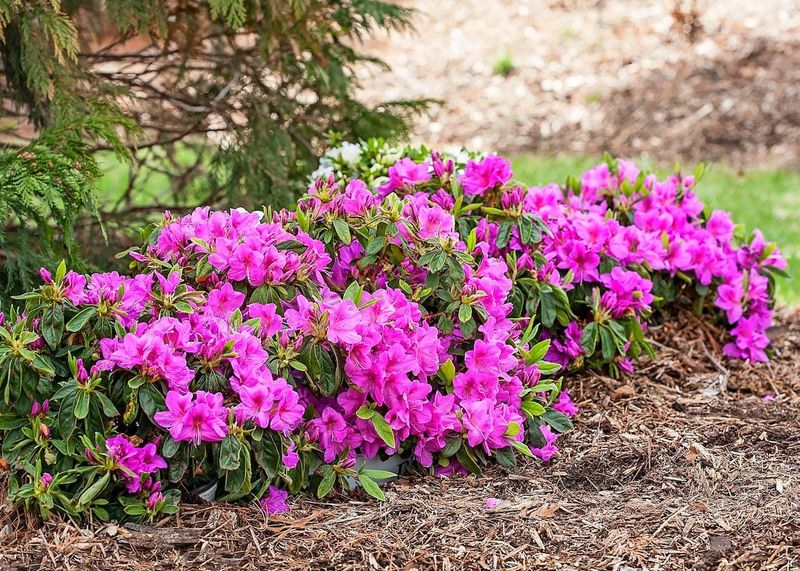
Patience truly pays off when it comes to azaleas in Michigan. After a long, freezing winter, it can be tempting to grab your pruning shears the moment you spot brown or wilted branches.
Resist that urge, because acting too soon can actually do more harm than good. Azaleas often look far worse than they actually are right after winter ends.
Some branches that appear completely gone may still surprise you with fresh buds once temperatures begin warming in March or April. Cutting too early removes tissue that could have naturally bounced back on its own.
The smartest move is to wait until you see clear signs of new growth emerging from the stems. Look for tiny green buds or fresh leaf tips starting to push through.
Once those signals appear, you will have a much clearer picture of which parts of the plant truly need attention and which ones just needed a little more time to wake up from the cold Michigan season.
Rushing the process rarely leads to better blooms. Give your azaleas the time they need, and you will be rewarded with a much more accurate assessment of the real damage.
Early spring, usually late March through April in Michigan, is the ideal window to start making thoughtful decisions about your plants.
2. Check Stems For Healthy Green Tissue
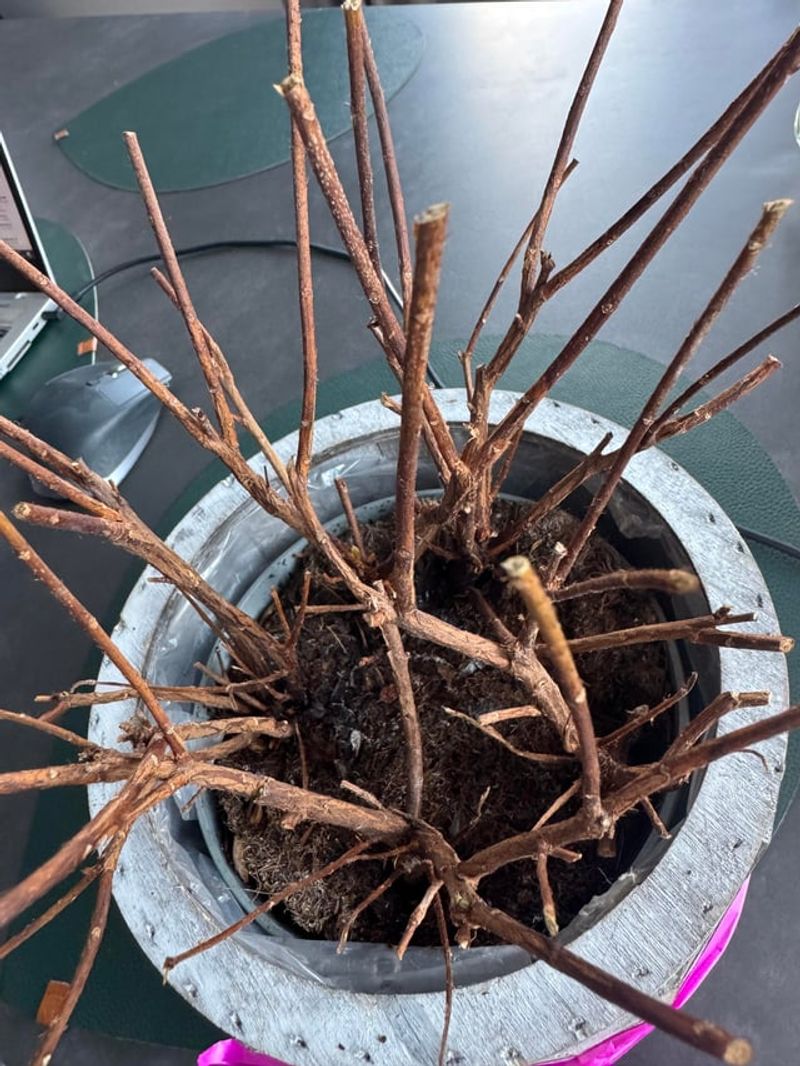
One of the most reliable tricks any Michigan gardener can use is the simple scratch test. Before you trim anything, take your fingernail or a small knife and gently scratch the surface of a branch.
What you find underneath tells you everything you need to know about that stem. Healthy azalea stems reveal a bright green layer just beneath the outer bark.
That green color means the branch is still alive and capable of producing new growth when spring warmth arrives.
Finding green tissue is genuinely exciting because it confirms your plant has survived the Michigan winter with more strength than it appeared to have.
Stems that show dry, tan, or brown tissue inside are a different story. Those sections are unlikely to recover, and leaving them on the plant only wastes the shrub’s energy.
It is much better to identify these areas early so you can plan your pruning with confidence and precision.
Work your way from the branch tips inward toward the main stem when testing. You may find that only the outermost tips are affected while the base of the branch remains perfectly healthy.
This approach helps you avoid removing more than necessary and gives your azalea the best possible foundation for a strong and colorful spring bloom season right here in Michigan.
3. Remove Only The Clearly Affected Branch Tips
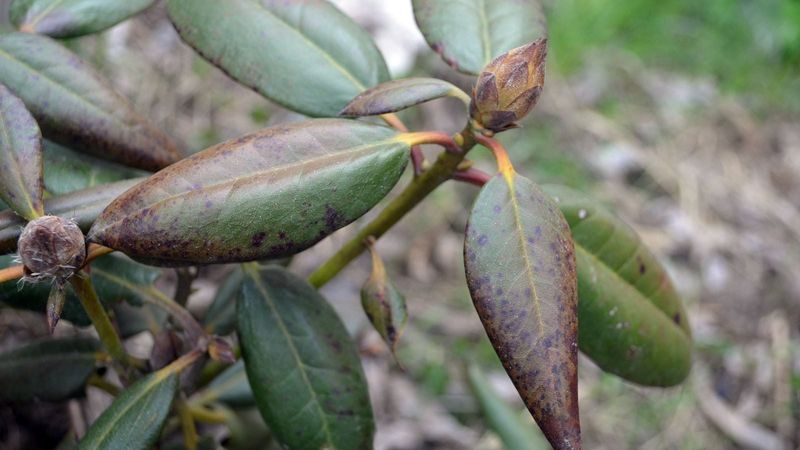
Selective trimming is the key to helping azaleas recover without losing their potential for spring flowers. Michigan gardeners sometimes make the mistake of cutting back entire shrubs when only the outer tips show signs of winter injury.
Targeting just the visibly affected areas is a smarter, gentler approach.
When you remove only the brown or brittle tips, you preserve all the healthy growth underneath that is already working hard to push out new buds. Azaleas bloom on old wood, which means the flower buds were actually formed last fall before winter even arrived.
The more healthy old wood you keep, the more blooms you are likely to enjoy this spring.
Walk around the entire plant before making any cuts. Some sides of the shrub may have fared better than others depending on wind exposure or sun position in your Michigan yard.
Taking a full assessment before trimming helps you make smarter decisions and avoid accidentally removing flower buds that are ready to open.
Keep your cuts minimal and intentional. Think of yourself as an editor rather than someone rewriting the whole story.
Small, careful reductions preserve the natural shape of the shrub while still clearing away the parts that will never recover. Your azalea will put all its energy into the healthy sections that remain, which leads to a fuller and more vibrant bloom display come spring.
4. Make Clean Cuts Above Healthy Buds
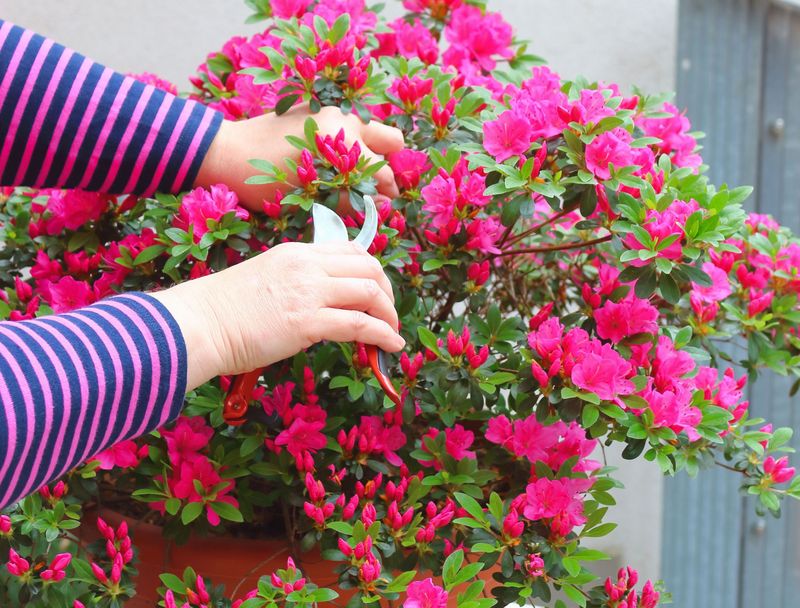
Where you cut matters just as much as how much you cut. Trimming an azalea branch in the right spot encourages the plant to channel its energy directly into producing fresh new growth.
The goal is always to cut just above a healthy bud or leaf node so the plant knows exactly where to focus next.
A well-placed cut made just a quarter inch above a bud gives the stem enough protection while still being close enough to encourage growth in the right direction. Cutting too far above the bud leaves a long stub that often dries out and creates an entry point for disease.
Cutting too close can accidentally damage the bud itself, which defeats the purpose entirely.
Try to make your cuts at a slight angle so water runs away from the bud rather than pooling on the cut surface. This small technique reduces the chance of moisture-related issues developing after trimming.
It also keeps the cut area clean and tight, which helps the plant seal over the wound more quickly.
Michigan azalea growers who pay attention to these details consistently see better recovery results. The plant responds to thoughtful pruning by producing stronger, more vigorous growth from the buds you leave behind.
Over time, this approach also helps maintain a naturally rounded and attractive shape that makes your azalea look great even before the first flowers open.
5. Use Clean Sharp Pruning Tools
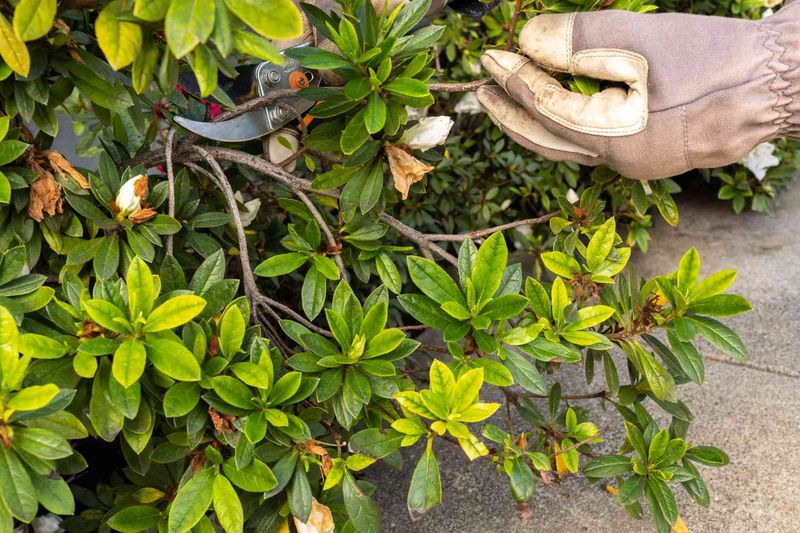
Your tools matter more than most gardeners realize. Using dull or dirty pruning shears on your azaleas is a bit like using a butter knife to do surgery.
The result is ragged cuts that take longer to heal and leave the plant vulnerable to problems you could have easily avoided.
Sharp blades create smooth, precise cuts that the plant can seal over quickly and efficiently. A clean cut causes far less stress to the surrounding tissue than a jagged one torn by a dull blade.
Investing in a quality pair of bypass pruning shears and keeping them sharp throughout the season is one of the best habits any Michigan gardener can develop.
Sanitizing your tools is equally important. Before you start trimming, wipe the blades with rubbing alcohol or a diluted bleach solution.
If you move from one plant to another, clean the blades again between shrubs to avoid accidentally spreading any fungal or bacterial issues from plant to plant.
Dirty tools can carry pathogens that weaken azaleas already stressed from a tough Michigan winter. A few extra seconds spent cleaning your shears could save your plant weeks of unnecessary struggle.
Keep a small bottle of rubbing alcohol and a clean rag in your garden kit so this step becomes as automatic as putting on your gloves before heading outside to tend your garden.
6. Add Mulch Around The Root Zone
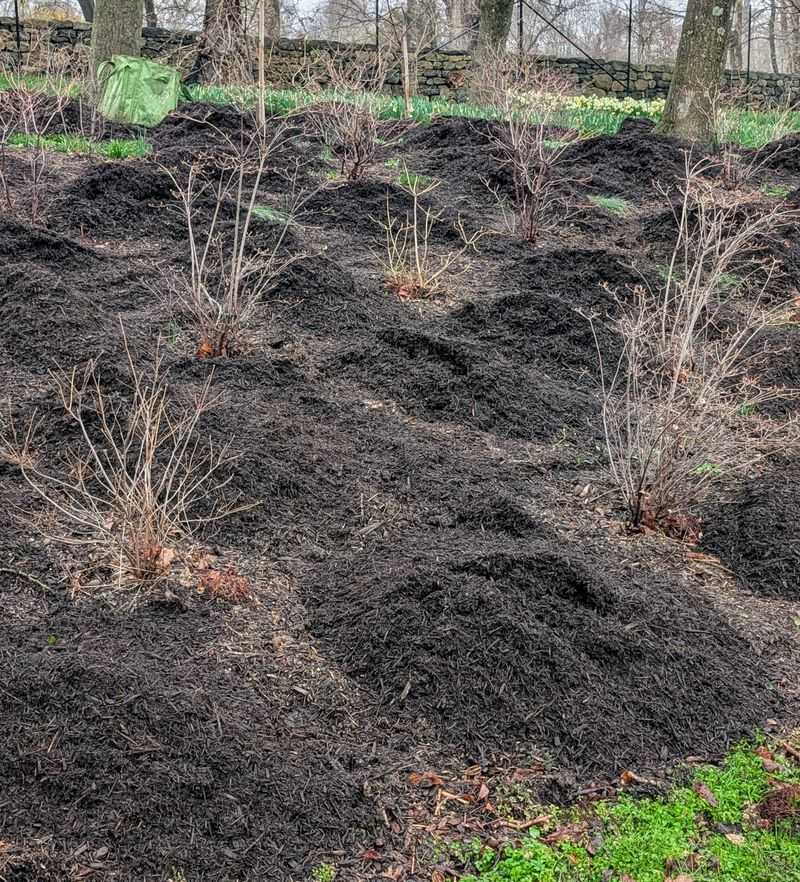
Azalea roots sit surprisingly close to the soil surface, which makes them extra sensitive to temperature swings. Michigan springs are famous for going from warm and sunny one week to frosty and cold the next.
A good layer of mulch acts like a cozy blanket that keeps those shallow roots protected no matter what the weather decides to do.
Spread two to three inches of organic mulch such as shredded bark, pine needles, or wood chips around the base of your azalea. Keep the mulch a few inches away from the main stem so moisture does not build up directly against the bark.
A wide ring extending out to the drip line of the shrub gives maximum coverage where the roots actually spread.
Mulch does double duty by also helping the soil hold onto moisture between watering sessions. Azaleas prefer consistently moist but well-drained soil, and mulch slows evaporation significantly during dry spring stretches.
That steady moisture supply supports healthy new root growth and gives the plant the fuel it needs to push out fresh leaves and flower buds.
Over time, organic mulch breaks down and adds valuable nutrients back into the soil. Michigan gardeners who mulch regularly often notice their azaleas develop stronger root systems and produce more consistent blooms each spring.
Refreshing your mulch layer each year is a simple habit that pays off with healthier, more vibrant plants season after season.
7. Water Plants During Dry Spring Periods
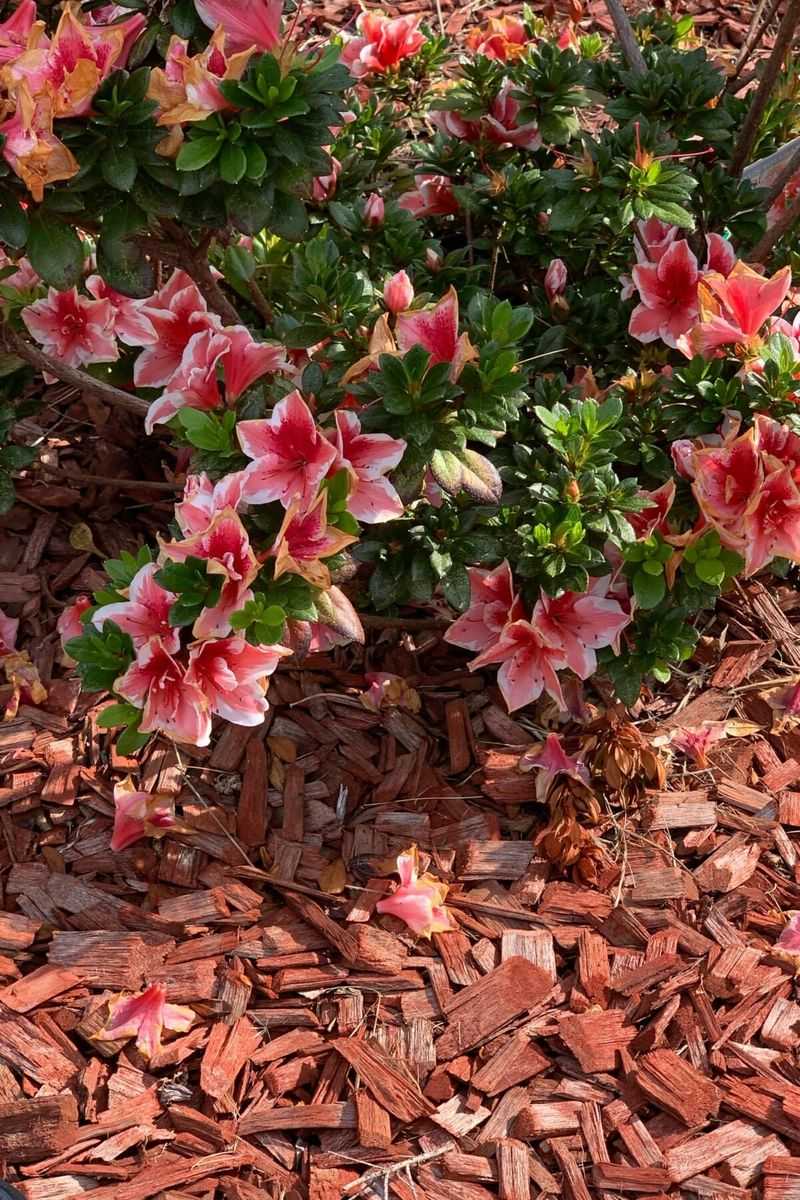
Spring in Michigan can feel unpredictable, and some years bring stretches of dry weather right when azaleas need moisture the most.
When a plant is trying to push out new leaves and recover from winter stress, consistent soil moisture is one of the most important things you can provide. Think of water as fuel for the recovery engine running inside your shrub.
Azaleas prefer deep, infrequent watering over frequent shallow sprinkles. Aim to soak the soil thoroughly around the root zone once or twice a week during dry spells rather than giving the plant a quick drink every day.
Deep watering encourages roots to grow downward and outward, which builds a stronger and more resilient plant over time.
Always water at the base of the plant rather than overhead. Wet foliage can invite fungal problems, especially during cool Michigan spring mornings when moisture lingers on leaves for hours.
A soaker hose or drip irrigation system works beautifully for azaleas because it delivers water right where the roots need it most.
Check the soil moisture before watering by pressing a finger about an inch into the ground near the plant. If the soil feels dry at that depth, it is time to water.
If it still feels damp, wait another day. Staying attentive to your azalea’s moisture needs during spring recovery dramatically improves the plant’s strength and overall bloom quality.
8. Apply Fertilizer After Flowering
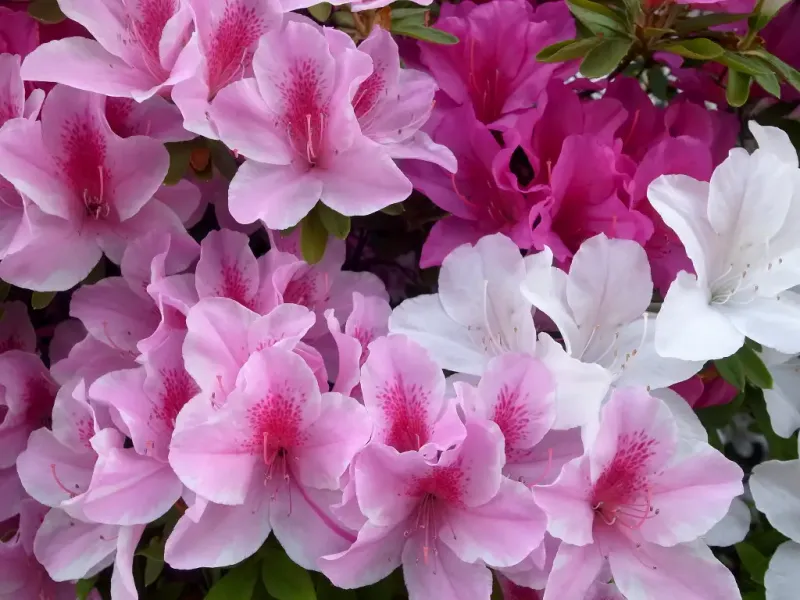
Timing your fertilizer application correctly can make a noticeable difference in how well your azaleas grow and bloom in the coming seasons.
Many gardeners make the mistake of feeding their plants too early in spring, but azaleas actually respond best to fertilizer applied right after their spring bloom period wraps up.
That timing aligns perfectly with when the plant kicks into active growth mode. Feeding azaleas before they bloom can push the plant to focus on leaf production instead of flowers, which is the opposite of what you want after a rough Michigan winter.
Waiting until the petals fall means the plant has already used its stored energy for blooming and is now ready to build new leaves and set next year’s flower buds.
Choose a fertilizer formulated specifically for acid-loving plants such as azaleas, rhododendrons, and blueberries.
These products maintain the slightly acidic soil pH that azaleas thrive in, which is especially helpful in Michigan where soil pH can vary widely from one yard to the next.
Follow package directions carefully and avoid over-applying, since too much fertilizer can stress roots. A light feeding after flowering sets your azalea up for a strong summer growing season.
Healthy, well-nourished plants develop more flower buds for the following spring, meaning the care you put in now directly rewards you with a more spectacular bloom display next year right in your own Michigan garden.