How To Revive Winter-Damaged Azaleas In Georgia Before Spring Blooms
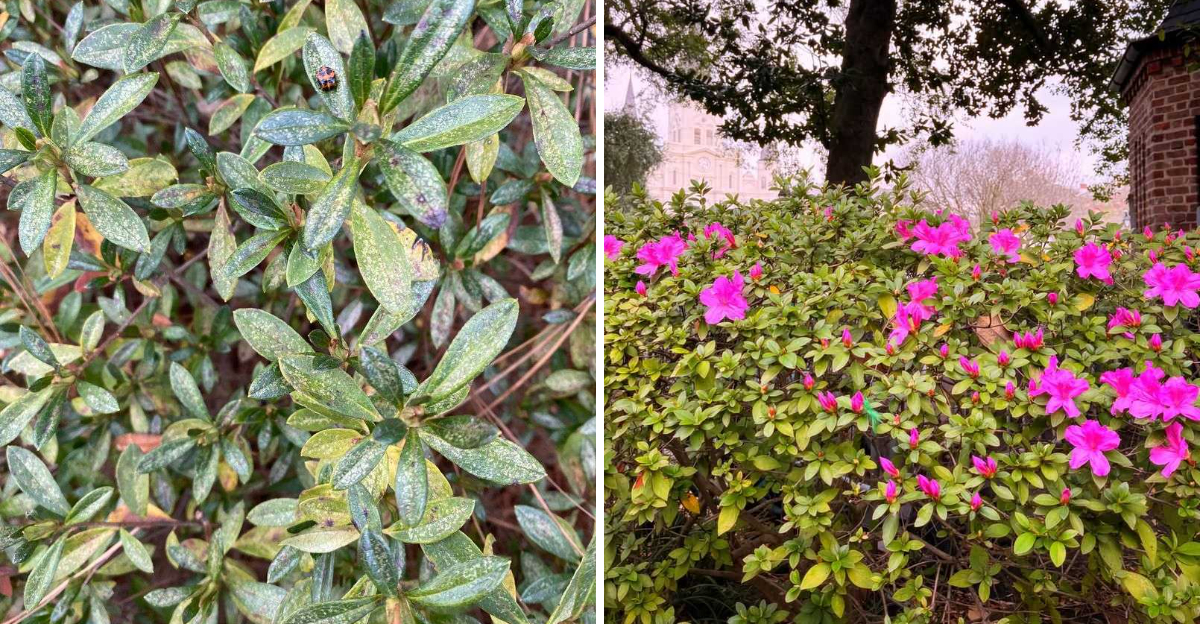
After a tough winter, azaleas in Georgia can look faded, patchy, and far from their usual full shape. Leaves may be browned, stems may seem brittle, and the whole shrub can appear stressed.
It is easy to feel discouraged when spring is approaching and your plant does not look ready.
Reviving winter-damaged azaleas starts with a careful check of the branches, light shaping, and giving roots steady moisture as temperatures begin to warm.
Gentle pruning and proper timing help encourage fresh growth without adding more stress.
Patience matters more than rushing in with heavy cuts.
With the right steps, azaleas can regain their strength and prepare for a strong bloom season. A thoughtful approach now helps your Georgia garden move into spring looking healthy and balanced.
1. Start With A Quick Scratch Test To Find Live Wood
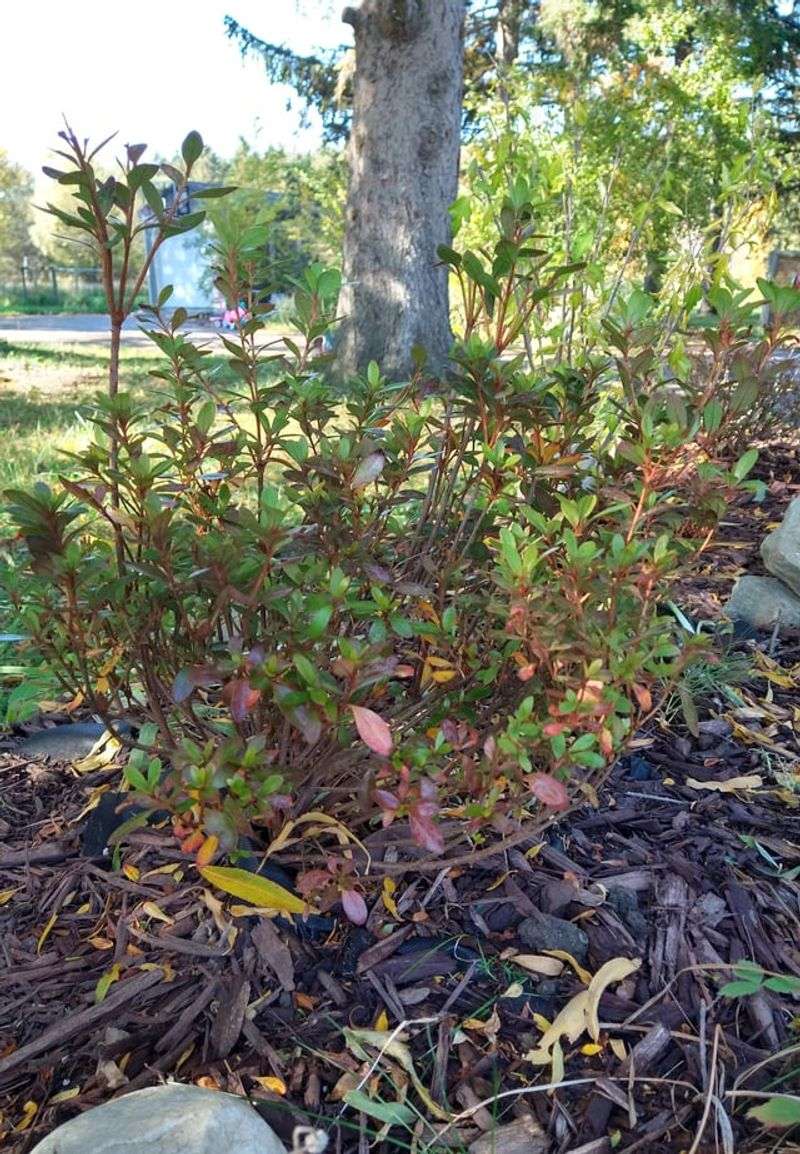
Grab a branch that looks questionable. Use your thumbnail or a small knife to scrape a thin line of bark near the tip.
If you see green underneath, that branch is alive. Brown or tan means it’s gone.
This simple scratch test tells you exactly where the damage stops and healthy tissue begins.
Work your way down the branch in short sections. Start at the tip and move toward the base, checking every few inches.
The green layer, called cambium, is what you’re hunting for. Once you hit green, you know that section survived.
Mark it mentally or with a piece of tape so you remember where to stop pruning later.
Georgia’s freeze-thaw cycles confuse azaleas. A branch might look completely brown on the outside but still have living tissue inside.
That’s why the scratch test beats guessing. Some gardeners skip this step and cut too much, removing branches that would have recovered on their own.
Others leave too much damaged wood and invite rot.
Check multiple branches across the plant, not just one side. Cold damage is rarely uniform.
The north side of your azalea might show more injury than the south. Lower branches near mulch often fare better than exposed tips.
Spend ten minutes doing this test before you grab the pruners. It saves you from making cuts you’ll regret when spring growth starts and you realize you removed healthy wood that just needed time.
2. Prune Only Damaged Growth And Be Patient With Late Cold Snaps
Resist the urge to prune too early. Georgia weather in late winter is unpredictable.
A warm week in February can trick you into thinking winter is over, then a hard freeze in early March sets you back. Wait until the last frost date passes in your area before making major cuts.
For most of Georgia, that’s mid to late March, sometimes early April in the north.
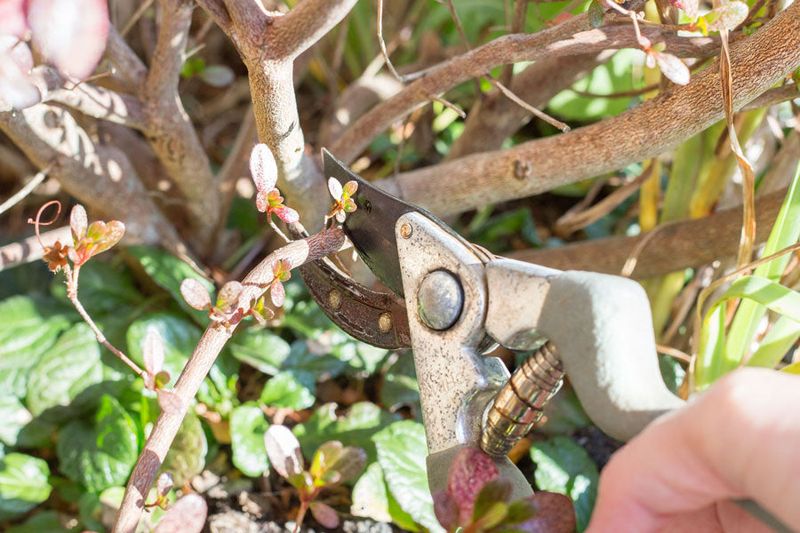
When you do prune, cut just above where you found green wood during your scratch test. Use clean, sharp pruners to make smooth cuts at a slight angle.
Ragged cuts invite disease and slow healing. Remove only the sections that tested brown all the way through.
Leave everything else, even if it looks rough. Azaleas are tough and often surprise you with new growth from buds you didn’t notice.
Focus on broken branches and split stems first. These create entry points for fungus and bacteria.
Cut them back to a healthy junction or the main stem. Don’t worry about shaping the plant right now.
Recovery comes first, cosmetics later. You can do a light shaping cut after bloom if needed.
Some branches may leaf out late. If a stem shows no green in your scratch test but isn’t obviously cracked or broken, leave it alone for a few more weeks.
Azaleas sometimes push new growth from dormant buds lower on the branch. Cutting too soon removes that potential.
Mark questionable branches with tape and check them again in three weeks. Patience pays off more than aggressive pruning in late winter.
3. Clear Out Damaged Leaves And Broken Twigs To Prevent Disease
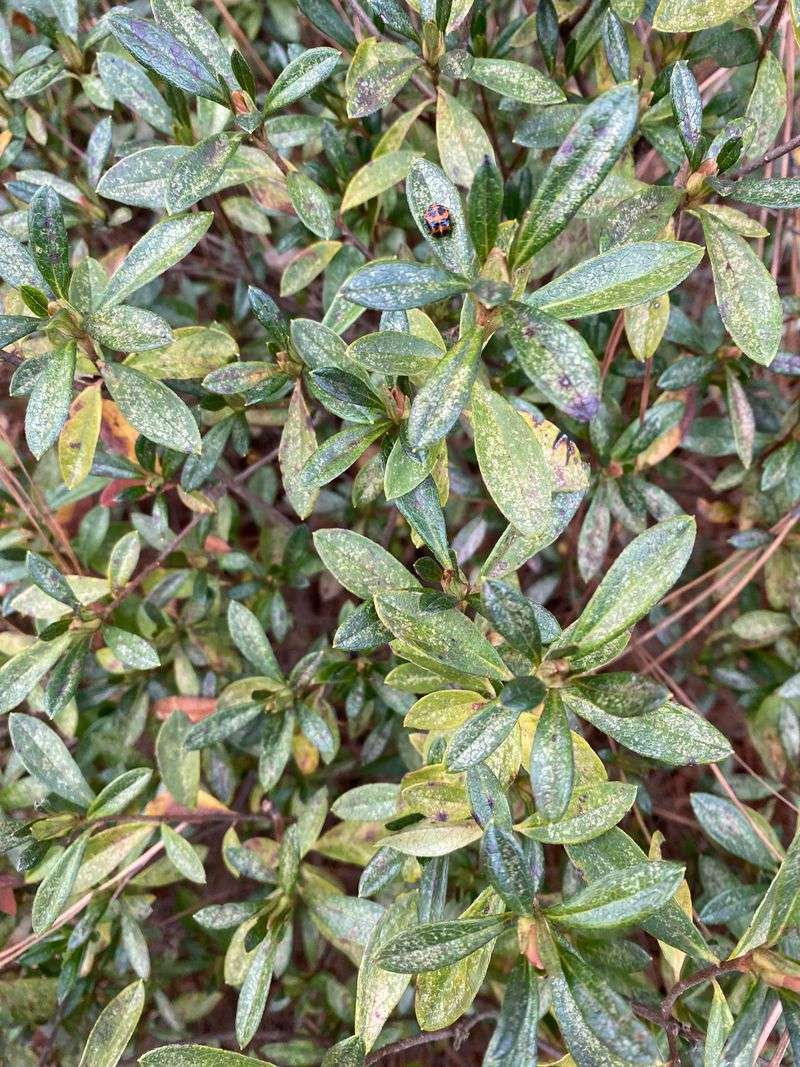
Brown leaves clinging to branches are more than ugly. They hold moisture against stems and create perfect conditions for fungal problems.
Pull off any leaves that are fully brown, crispy, or spotted. Don’t yank hard.
If a leaf resists, leave it. Forcing it off can tear bark and make a wound.
Leaves that are ready to go will come off with a light tug.
Rake up fallen debris around the base of the plant. Leaves, broken twigs, and old mulch that has matted down all trap moisture and harbor spores.
Bag this material and dispose of it instead of composting. Fungal spores from winter damage can survive in compost piles and reinfect plants later.
A clean base improves airflow around your azalea and lowers disease pressure as temperatures begin to rise in Georgia.
Check for small broken twigs wedged in the interior of the plant. These often snap during ice storms and get stuck between branches.
They’re easy to miss but they block airflow and rub against healthy stems, creating wounds. Pull them out gently by hand.
You don’t need tools for this, just a few minutes of careful looking.
Clear debris from the crown where stems meet the soil. This area is prone to rot if it stays wet and covered with old leaves.
Scrape away any mulch that’s piled against the stems. Azaleas in Georgia do best with a clean collar of bare soil right around the base, then mulch starting a few inches out.
This simple cleanup step prevents more problems than any spray or treatment.
4. Check The Base For Cracks And Root Stress After Freeze Thaw
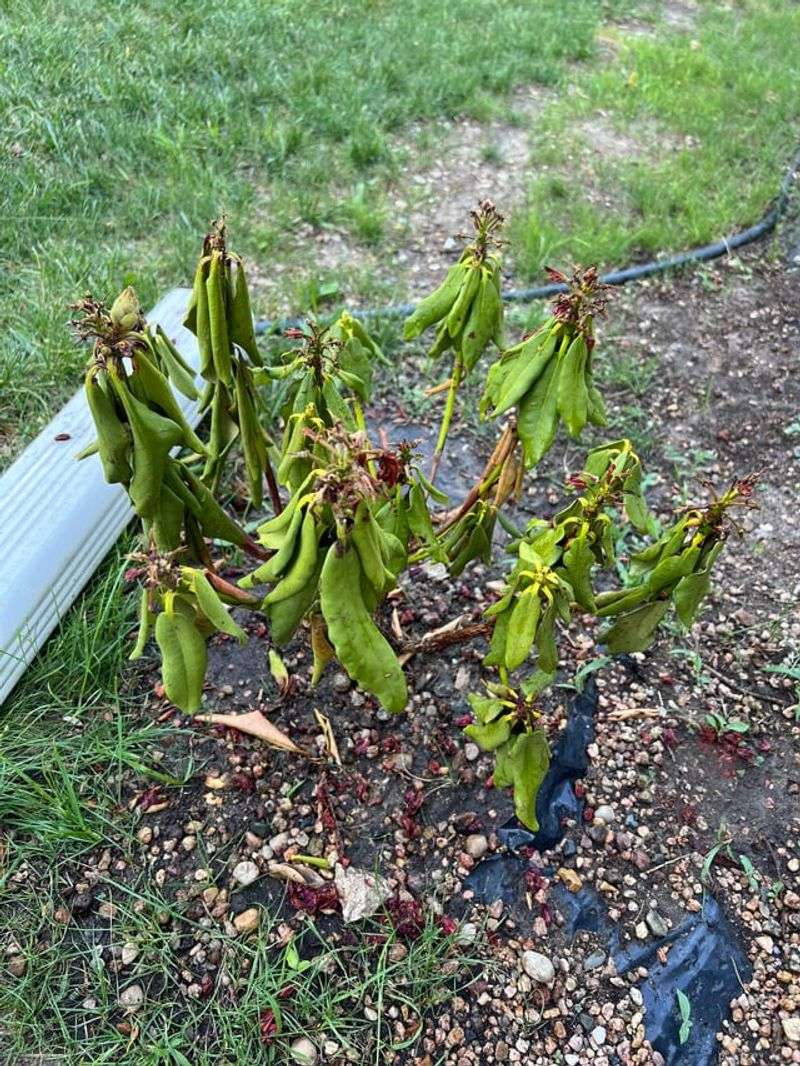
Kneel down and look closely at where the main stems come out of the ground. Freeze-thaw cycles can cause bark to split vertically near the soil line.
These cracks are easy to miss if you’re standing up and looking at the whole plant. They show up as thin vertical lines, sometimes with bark peeling away slightly.
If you find cracks, don’t try to seal them. Azaleas heal themselves if the damage isn’t too severe.
Feel the soil around the base. Is it rock hard or loose and crumbly?
Frozen soil expands and can lift shallow roots, leaving air gaps underneath. Press gently on the soil near the stems.
If it feels spongy or the plant rocks slightly when you push, the roots may have been heaved up by frost. Firm the soil back down with your hands, pressing around the base in a circle.
Don’t stomp or compact it hard, just snug it back into place.
Look for exposed roots at the surface. Winter weather sometimes washes away mulch or erodes soil, leaving roots visible.
Exposed roots dry out fast and are more vulnerable to the next cold snap. Cover them with a thin layer of fresh soil, then mulch lightly over that.
The goal is protection without smothering.
Check for mushy or discolored tissue at the crown. If the base feels soft or looks dark and wet, that’s a sign of rot from freeze damage combined with poor drainage.
There’s no quick fix, but improving drainage now helps the plant recover. Scrape away wet mulch and let the area dry out for a few days before adding fresh material.
5. Rebuild Moisture With Deep Watering And A Light Mulch Layer
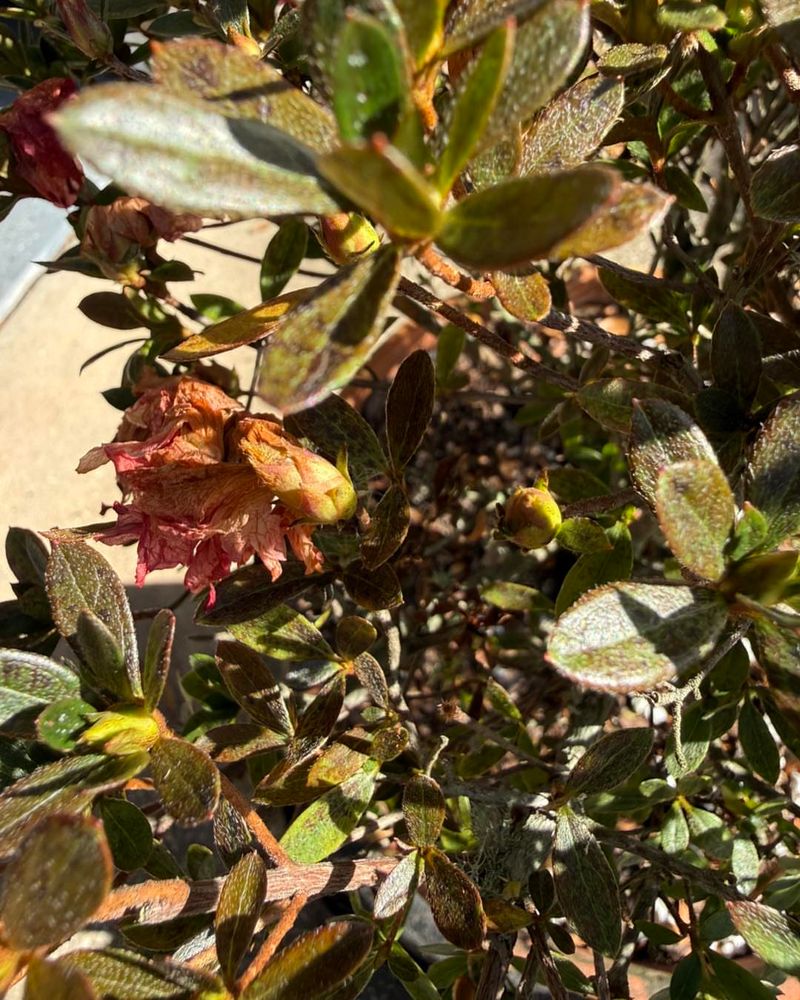
Winter wind and cold dry out azalea roots more than you’d think. Even if Georgia got rain in January, freeze-dried soil doesn’t hold moisture well.
Before new growth starts, give your azaleas a deep soak. Run a hose at the base on low pressure for twenty to thirty minutes.
The goal is to wet the soil down eight to ten inches, not just the surface. Shallow watering encourages shallow roots, which makes plants weaker.
Let the water soak in slowly. If it starts to puddle or run off, stop and let it absorb, then continue.
Clay soil, common in parts of Georgia, takes water slowly. Sandy soil drains fast and may need a second watering session a few hours later.
Stick your finger or a screwdriver into the soil after watering. It should slide in easily and come out damp several inches down.
Add a fresh layer of mulch after watering, but keep it light. Two to three inches of pine bark or shredded hardwood is plenty.
Pine straw works too and is popular in Georgia. Pull mulch back from the stems, leaving a few inches of bare soil around the base.
Mulch piled against stems holds moisture and encourages rot, especially if the bark was cracked by cold.
Mulch moderates soil temperature and keeps roots cool as spring warms up. It also reduces water loss and suppresses weeds that compete for moisture.
Don’t use fresh wood chips or uncomposted material. These pull nitrogen from the soil as they break down, which slows recovery.
Stick with aged, composted mulch for best results.
6. Hold Fertilizer Until After Bloom And Focus On Slow Steady Recovery
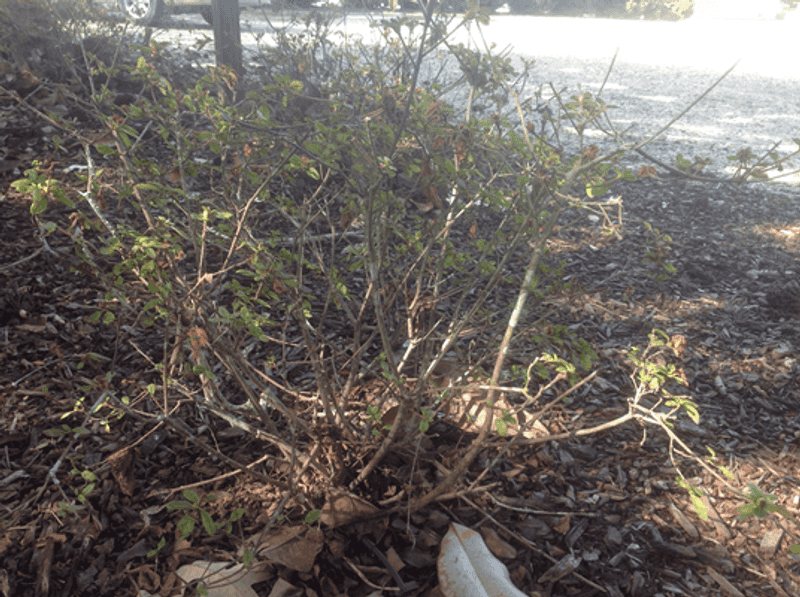
Feeding a stressed plant sounds helpful, but it backfires. Fertilizer pushes new growth, and new growth is tender.
If another cold snap hits, that soft tissue gets zapped and you’re back to square one. Worse, fertilizer forces roots to work hard when they’re already struggling to recover from freeze damage.
Let the plant focus on healing, not growing.
Wait until after your azaleas bloom to apply any fertilizer. In Georgia, that’s usually late April or May, depending on the variety.
By then, frost risk is gone and roots have had time to stabilize. When you do feed, use an acid-forming fertilizer made for azaleas, camellias, or rhododendrons.
These products are formulated for the low pH these plants prefer.
Go light on the application rate. Cut the recommended amount in half for the first feeding after winter damage.
A stressed plant can’t use heavy nutrition and excess fertilizer just washes away or burns roots. Slow and steady wins.
You can always add more later if the plant looks hungry, but you can’t undo an overfed, burned root system.
Skip high-nitrogen formulas. Nitrogen drives leafy growth, which isn’t the priority right now.
Look for a balanced formula or one slightly higher in phosphorus, which supports root development. Liquid fertilizers work faster but need more frequent application.
Granular slow-release products feed over weeks and are easier for a recovering plant to handle.
Watch the plant’s response. If new leaves come in pale green or yellowish, it may need a light feeding sooner.
If growth looks strong and dark green, hold off. Every azalea recovers at its own pace.
7. Watch For Lace Bugs And Leaf Spot So New Growth Stays Clean
Stressed plants attract pests. Lace bugs are tiny insects that feed on the undersides of azalea leaves, sucking out plant juices.
You’ll see stippling on the top of leaves, a speckled or bleached look that starts light and gets worse. Flip a leaf over and look for tiny black dots, which are their droppings, and sometimes the bugs themselves.
They’re small, with lacy wings, and they move fast when disturbed.
Lace bugs love warm weather and show up in Georgia as soon as temperatures stay above sixty degrees for a few days. New growth is their favorite target because it’s tender and easy to pierce.
If you see damage starting, spray the undersides of leaves with insecticidal soap or horticultural oil. These products smother the bugs without harsh chemicals.
You’ll need two or three applications a week apart to break their life cycle.
Leaf spot diseases also hit stressed azaleas. Look for brown or black spots on leaves, sometimes with a yellow halo around them.
Spots caused by fungus often have a target-like pattern. Remove affected leaves as soon as you see them and bag them up.
Don’t leave them on the ground. Fungal spores spread through water splash, so avoid overhead watering if possible.
Good airflow helps prevent leaf spot. If your azalea is crowded by other plants or overgrown in the center, thin it out after bloom.
Prune a few interior branches to open up the canopy. This lets air move through and leaves dry faster after rain or dew.
Wet leaves are an invitation for fungal problems, especially in Georgia’s humid springs. Clean plants with good spacing recover faster and bloom better next year.