How To Revive Your Desert Plants In Arizona Without Replacing Them
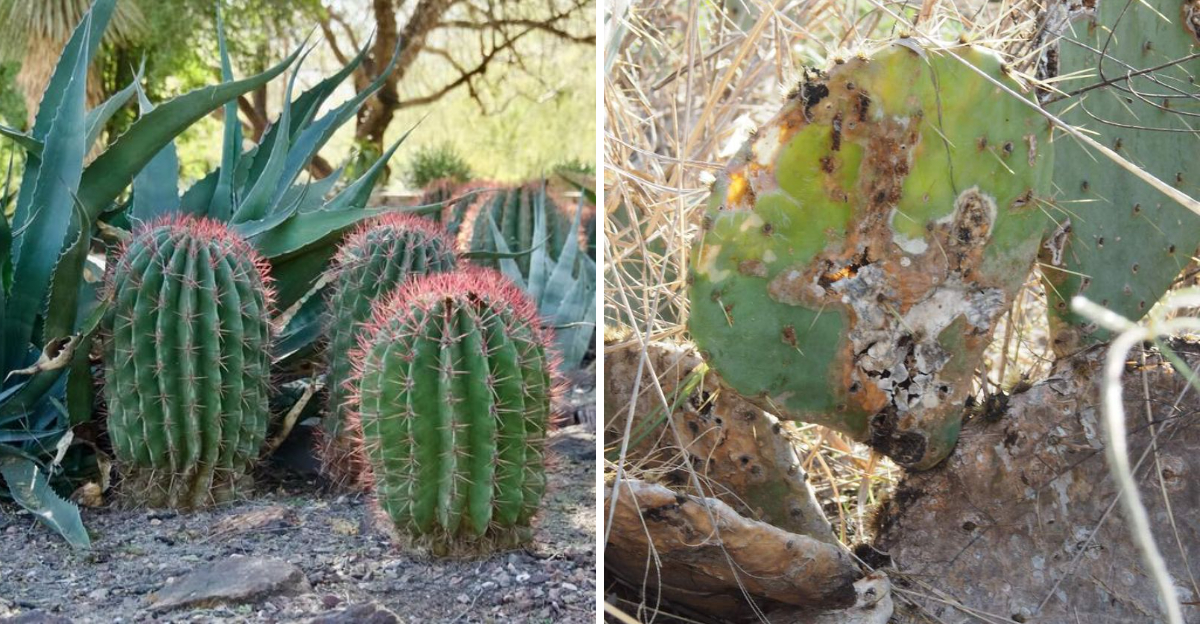
When a desert plant starts looking tired in Arizona, the first instinct is often to pull it out and start over. That move can cost time and money, especially when the real issue sits below the surface where roots struggle quietly.
A faded canopy does not always signal the end. In many cases, stress builds slowly from watering habits, soil compaction, or reflected heat rather than permanent damage.
Desert plants are tougher than they appear when conditions shift in their favor. A few targeted changes can restart growth and restore structure without replacing established roots.
Before giving up on a struggling plant, consider what it actually needs to recover in Arizona’s demanding climate. The right correction can turn decline into comeback and protect the investment already in your yard.
1. Deep Watering Helps Desert Plants Bounce Back
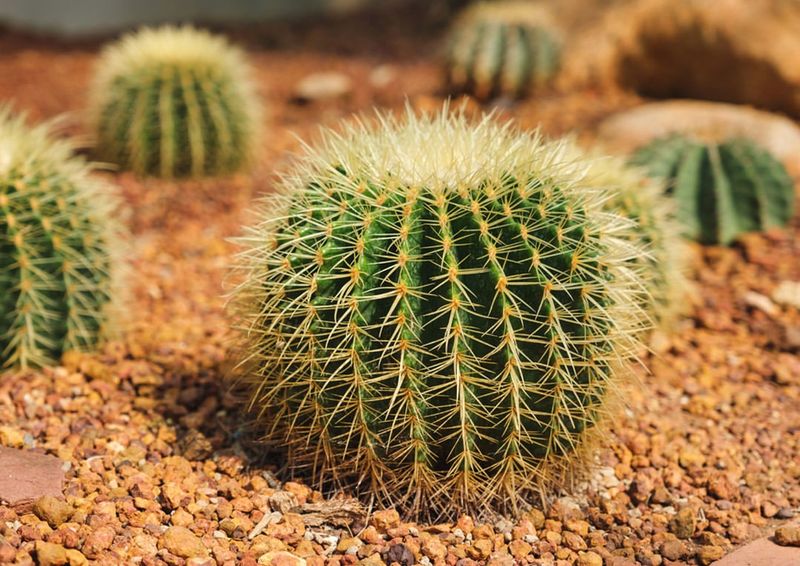
Water sitting on the surface does nothing for stressed roots. Desert plants in Arizona need moisture that reaches deep into the soil, where their root systems actually live and work.
Shallow watering encourages weak, surface-level roots that can’t support a healthy plant through summer heat or winter cold.
Most desert plants develop extensive root systems that spread wide and dig deep to find water. When your plants look stressed, they’re often just thirsty at the root level, even if the top inch of soil feels damp.
Deep watering means soaking the soil slowly until moisture penetrates at least 12 to 18 inches down.
Use a soaker hose or drip irrigation set to run for several hours at low pressure. This allows water to seep gradually into the ground instead of running off or pooling on the surface.
For hand watering, apply water slowly around the plant’s drip line where feeder roots concentrate, not right against the stem.
Check moisture levels by digging down a few inches with a trowel after watering. If the soil feels dry below the surface, you’re not watering long enough.
Arizona’s dry air and fast-draining soil mean you need to water less frequently but more thoroughly each time.
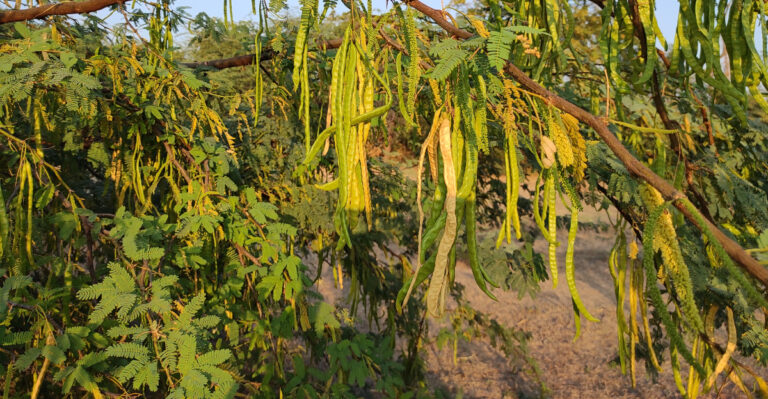
Repeat deep watering sessions every 7 to 14 days during hot months, adjusting based on plant type and soil conditions. Native plants like palo verde and mesquite need less frequent watering than non-native desert species.
Over time, you’ll notice new growth, firmer leaves, and better color as roots recover and strengthen.
2. Mulch Keeps Roots Cool and Moist
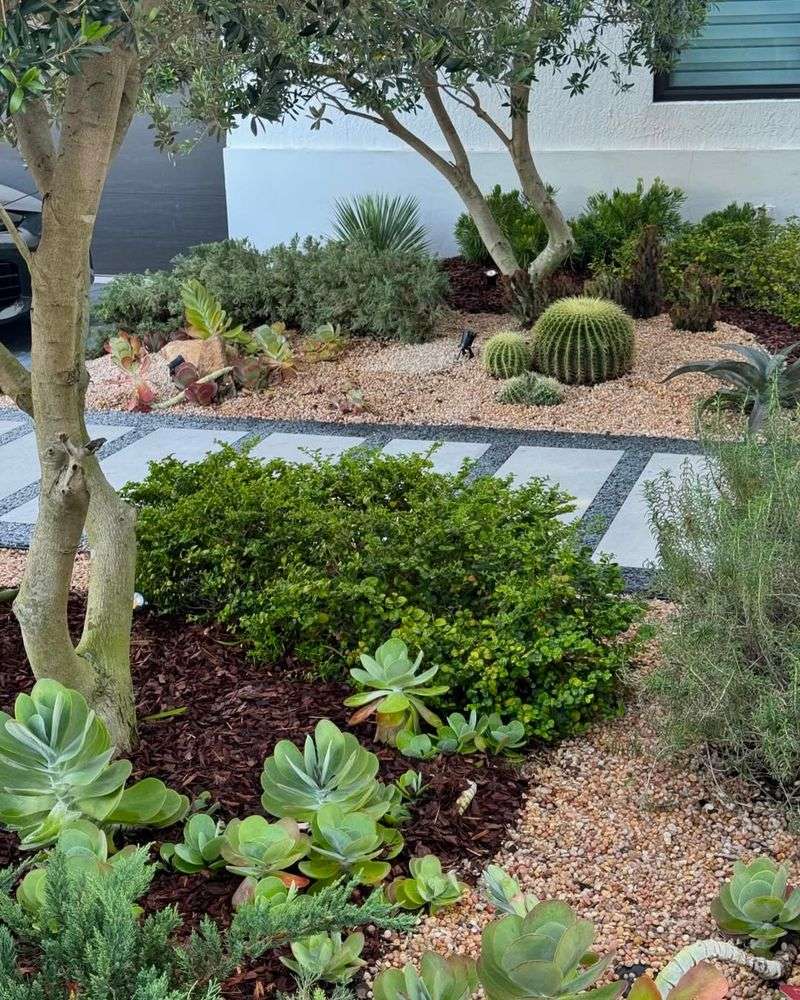
Bare soil heats up fast under Arizona’s relentless sun. Exposed roots bake in temperatures that can reach 150 degrees or higher at ground level, stressing plants and slowing their recovery.
Mulch acts like a protective blanket, moderating soil temperature and locking in moisture your plants desperately need.
Spread a 2 to 4 inch layer of organic mulch or decomposed granite around each plant, extending out to the drip line. Organic options like shredded bark or compost break down over time, adding nutrients to the soil while keeping roots cooler.
Decomposed granite works well for desert landscapes and doesn’t attract termites like wood-based mulches can.
Keep mulch a few inches away from plant stems and trunks to prevent rot and pest problems. Piling mulch directly against stems traps moisture and creates a perfect environment for fungal diseases and insects.
Create a small gap around the base of each plant while still covering the surrounding soil.
Mulch reduces water evaporation by up to 70 percent, meaning your deep watering sessions last longer and work harder. It also suppresses weeds that compete with your stressed plants for water and nutrients.
In Arizona’s intense heat, this extra protection makes a huge difference in how quickly plants recover.
Refresh mulch layers every 6 to 12 months as organic materials break down or granite settles. Check thickness regularly and add more as needed to maintain that protective barrier.
Plants surrounded by proper mulch show faster recovery, stronger growth, and better resilience against future stress.
3. Provide Temporary Shade During Peak Sun
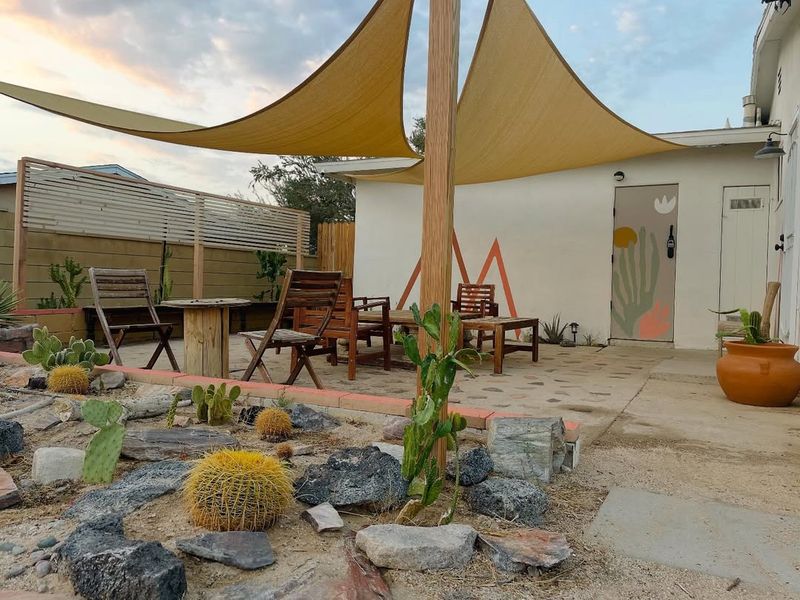
Even sun-loving desert plants can get overwhelmed when temperatures spike above 110 degrees for days on end. Intense afternoon sun from May through September in Arizona can scorch leaves, slow growth, and push already stressed plants past their breaking point.
Temporary shade gives them breathing room to recover without the constant assault of peak UV rays.
Set up shade cloth with 30 to 50 percent density on the south and west sides of struggling plants. Position it to block the harshest afternoon sun from about 1 PM to 6 PM, when temperatures peak and UV intensity hits hardest.
You can use stakes, poles, or existing structures to support the cloth a few feet above your plants.
Temporary shade doesn’t mean permanent darkness. Morning sun is gentler and helps plants photosynthesize without causing heat stress.
Your goal is reducing extreme heat exposure during the most brutal part of the day, not eliminating all sunlight.
Watch for signs of improvement like new growth, less leaf curl, and better color within 2 to 3 weeks. Some plants recover quickly once they’re protected from constant heat stress.
Cacti and succulents especially benefit from afternoon shade during their first summer after transplanting or during recovery periods.
Remove shade structures gradually in fall as temperatures drop below 100 degrees. Most desert plants need full sun during cooler months to thrive.
Temporary shade is a recovery tool, not a permanent fixture, giving your plants the break they need to regain strength during Arizona’s most challenging months.
4. Check Soil Regularly to Spot Stress Early
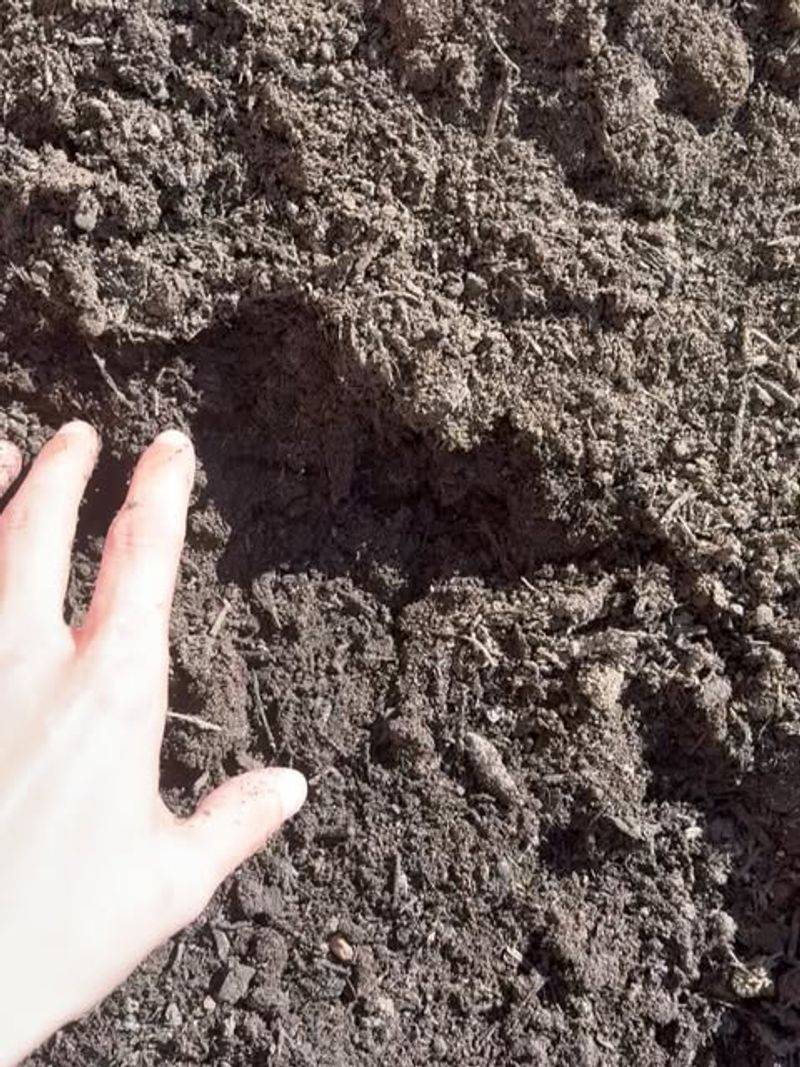
Waiting until plants look terrible means you’ve missed early warning signs. Soil condition tells you what’s happening below ground before symptoms show up in leaves and stems.
Regular soil checks help you catch problems like poor drainage, nutrient deficiencies, or compaction before they cause serious damage to your Arizona landscape.
Dig down 4 to 6 inches near the root zone every week or two during recovery periods. Soil should feel slightly moist but not soggy or bone dry.
Arizona’s fast-draining soil can trick you into thinking plants have enough water when roots are actually parched deeper down.
Look for signs of compaction where soil feels hard and dense. Compacted soil prevents water and air from reaching roots, suffocating plants slowly.
Break up compacted areas gently with a garden fork, working around existing roots without damaging them. Adding compost improves soil structure over time.
Test pH levels if plants show yellowing leaves or stunted growth despite proper watering. Arizona soils tend to be alkaline, which can lock up nutrients like iron and nitrogen.
Simple soil test kits from garden centers give you basic pH and nutrient information in minutes.
Watch for crusty white deposits on the soil surface, indicating salt buildup from hard water or over-fertilizing. Flush salts out with deep watering sessions that push accumulated minerals below the root zone.
Desert plants are sensitive to salt stress, and Arizona’s water naturally contains minerals that build up over time. Catching these issues early through regular soil checks prevents major problems and speeds up plant recovery significantly.
5. Move Containers or Adjust Placement to Reduce Heat
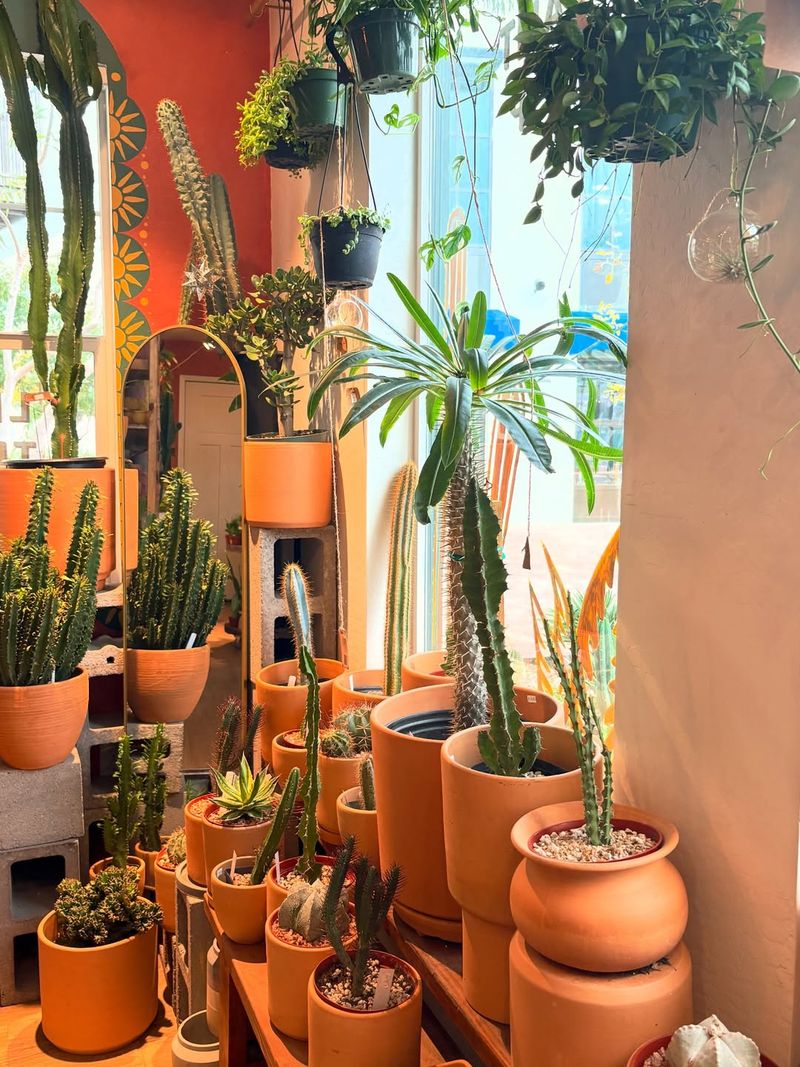
Containers amplify heat stress because roots can’t escape underground like plants in the ground. Pots sitting on concrete patios or against south-facing walls in Arizona can reach oven-like temperatures that cook roots and stress plants beyond recovery.
Changing location makes an immediate difference for struggling container plants.
Relocate pots to areas with morning sun and afternoon shade during summer months. East-facing spots work well, giving plants gentle morning light without the brutal afternoon heat.
Move containers away from walls that radiate stored heat for hours after sunset.
Elevate pots off hot surfaces using plant stands or bricks. Air circulation underneath prevents heat from conducting directly into the container bottom.
This simple change can drop root zone temperatures by 10 to 15 degrees, enough to reduce stress significantly.
Group containers together to create a microclimate where plants shade each other. Larger pots can protect smaller ones from intense sun exposure.
This clustering also helps maintain humidity and reduces water loss from wind exposure common across Arizona.
Consider moving sensitive plants indoors temporarily during extreme heat waves when temperatures exceed 115 degrees. A covered porch, garage with windows, or air-conditioned room can provide relief for a few days until conditions moderate.
Even brief breaks from extreme heat help plants recover faster.
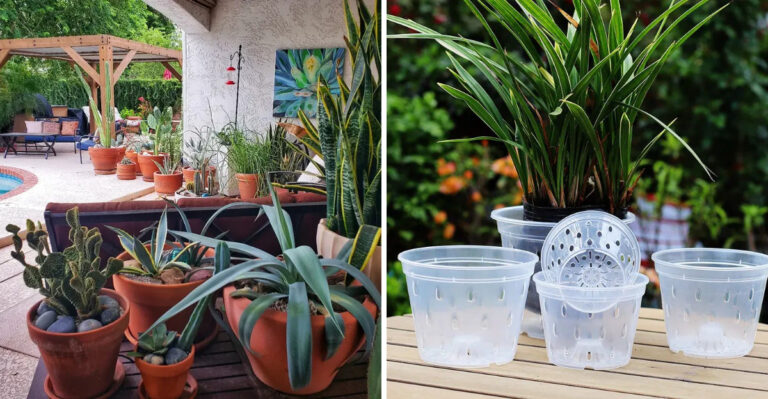
Switch to lighter-colored containers that reflect heat instead of absorbing it. Dark pots heat up much faster in Arizona sun, stressing roots unnecessarily.
Terra cotta breathes better than plastic but dries out faster, so choose based on your watering schedule and plant needs. Strategic placement and container choices give stressed plants the environmental relief they need to bounce back.
6. Watch for Pests That Target Stressed Plants
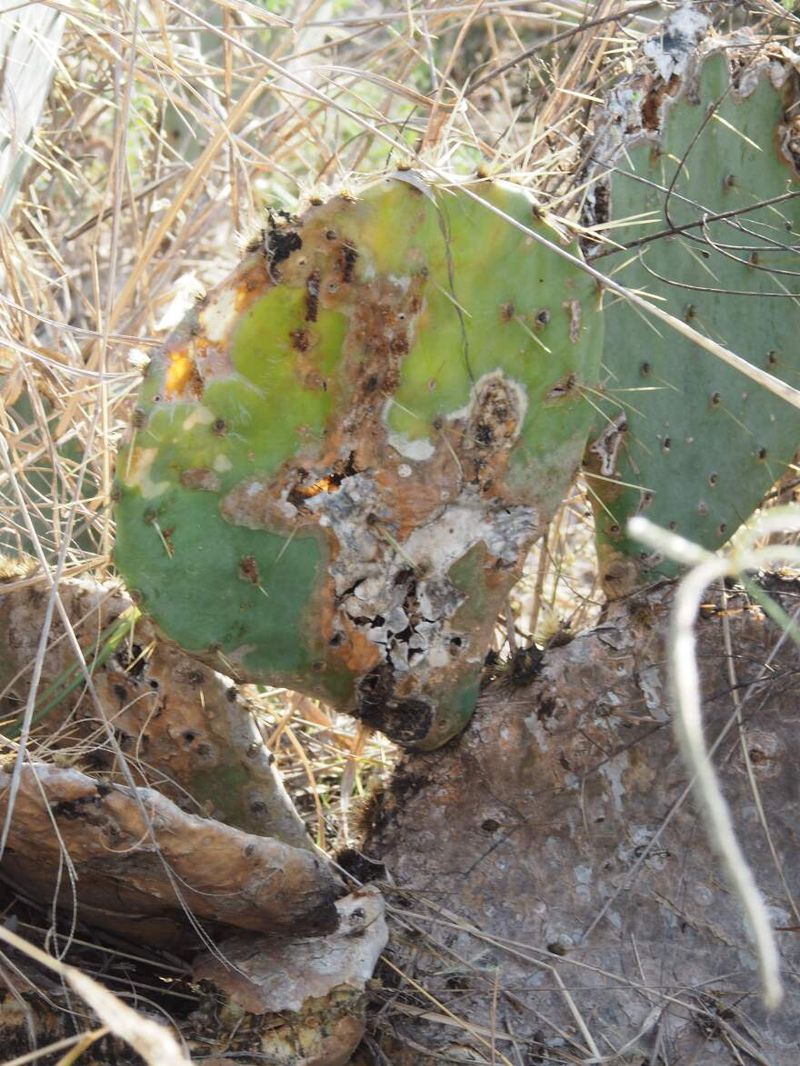
Stressed plants send out chemical signals that attract pests like a dinner bell. Weakened desert plants in Arizona become targets for aphids, spider mites, scale insects, and whiteflies that normally leave healthy plants alone.
Catching infestations early prevents additional damage that slows recovery.
Inspect leaves, stems, and soil surface weekly during recovery periods. Look for sticky residue, tiny moving dots, cottony masses, or discolored spots that indicate pest activity.
Check leaf undersides where many pests hide and feed away from direct sunlight.
Spider mites thrive in hot, dry Arizona conditions and can devastate stressed plants quickly. These tiny pests cause stippling and bronzing on leaves, eventually leading to leaf drop.
Spray plants with a strong stream of water every few days to knock mites off and reduce populations without chemicals.
Aphids cluster on new growth and suck plant juices, causing distorted leaves and stunted development. Remove them by hand or spray with insecticidal soap designed for desert plants.
Avoid harsh chemicals that can stress plants further and eliminate beneficial insects that naturally control pests.
Scale insects look like small bumps on stems and leaves, feeding on plant sap and weakening already stressed plants. Scrape them off gently with your fingernail or a soft brush, then wipe affected areas with rubbing alcohol on a cotton swab.
Repeat weekly until you see no new scale.
Encourage beneficial insects like ladybugs and lacewings that eat common pests. Plant native Arizona flowers nearby to attract these helpers.
Healthy pest management speeds up plant recovery and prevents setbacks that extend the revival process unnecessarily.
7. Track Recovery and Adjust Care Through the Summer
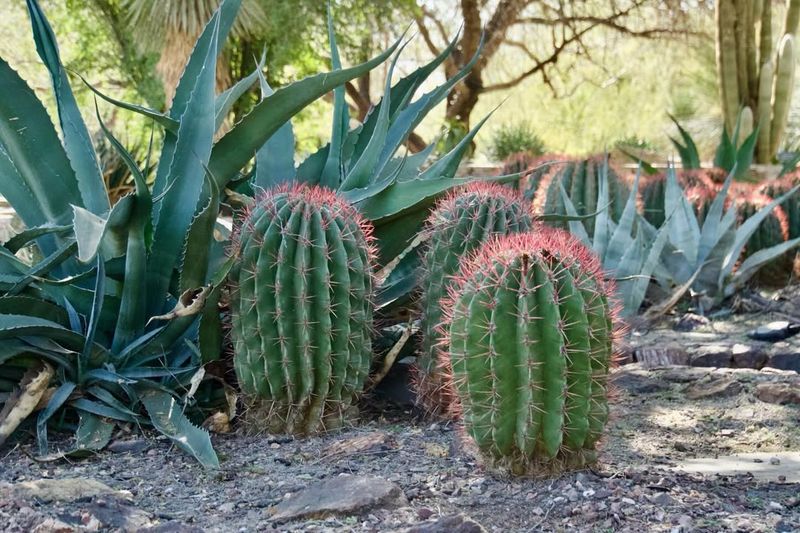
Recovery doesn’t happen overnight, and what works in May might need adjustment by July. Tracking your plants’ progress helps you spot what’s working and what needs changing before you waste time on ineffective strategies.
Arizona’s summer stretches from April through October, giving you plenty of time to fine-tune your approach.
Take photos every two weeks from the same angle to document changes. Visual records show subtle improvements you might miss day-to-day, like new growth, better leaf color, or reduced wilting.
Compare images side-by-side to see real progress and stay motivated through the recovery process.
Keep notes about watering frequency, temperatures, and any changes you make to care routines. Write down which plants respond well to specific treatments and which need different approaches.
Desert plants have individual needs, and what revives one species might not work for another.
Adjust watering schedules as temperatures climb through summer. Plants need more frequent deep watering during 110-degree weeks than during cooler periods.
Monitor soil moisture levels and increase watering frequency when you notice the top few inches drying out faster than usual.
Reduce fertilizing during extreme heat above 105 degrees. Stressed plants can’t process nutrients efficiently when they’re focused on survival.
Wait until temperatures moderate in fall to feed recovering plants, giving them nutrients when they can actually use them for growth.
Celebrate small wins like new leaves, stronger stems, or improved color. Recovery takes patience, especially in Arizona’s harsh climate.
Most desert plants show significant improvement within 6 to 8 weeks of consistent care, with full recovery by the following spring when growing conditions improve naturally.