How To Save A Dropping Amaryllis Before It Collapses In North Carolina
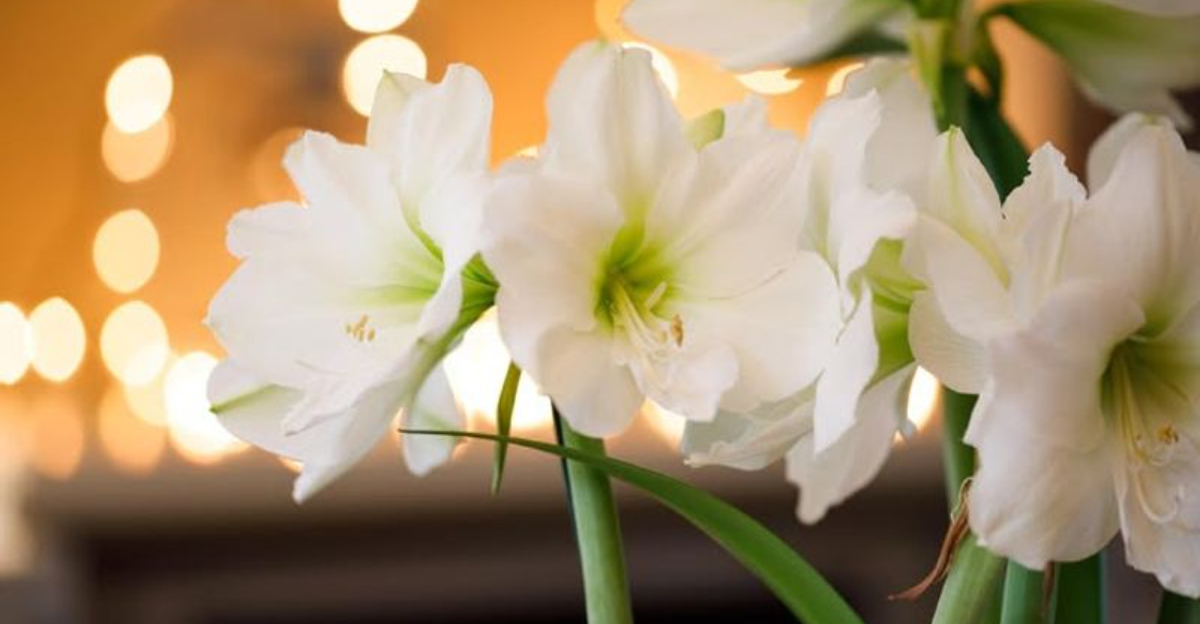
An amaryllis in full bloom should stand tall and steal the show, so when its thick stem starts to droop, it can feel like watching a house of cards wobble.
In North Carolina homes, warm days, bright windows, and quick growth can push these bold flowers to grow faster than their stems can handle.
One minute they look strong, the next they start leaning like they have had a long day.
A dropping amaryllis is not waving the white flag just yet.
Heavy blooms, uneven light, or too much water can throw it off balance, but the problem is often easy to fix.
Catch it early, and you can turn things around before the stem bends too far or snaps under its own weight.
Ignoring it, on the other hand, can bring the whole show crashing down.
North Carolina’s mild winters give amaryllis a head start, which makes quick care even more important.
With a few smart moves, you can help your plant regain its footing and keep those striking blooms upright, proud, and right where they belong.
1. Provide Proper Support With Stakes Or Bamboo Rods

Heavy flower heads often cause amaryllis stems to bend and droop, especially when the blooms are at their fullest and most magnificent.
Supporting your amaryllis with stakes or bamboo rods gives the stem the extra strength it needs to hold those impressive flowers upright without straining.
North Carolina gardeners find this technique especially helpful during the spring blooming season when amaryllis plants are producing their heaviest flowers.
Start by gently inserting a sturdy bamboo stake or thin wooden rod into the soil about two inches away from the main stem, being careful not to damage the bulb underneath.
Push the stake down until it feels secure and stable in the pot, reaching at least three-quarters of the stem’s height.
Use soft plant ties, garden twine, or even strips of old fabric to loosely attach the stem to the stake at two or three points along its length.
Make sure the ties aren’t too tight because you don’t want to restrict the plant’s natural growth or cut into the tender stem tissue.
Check the ties every few days and adjust them as needed, especially as the flowers continue to open and grow heavier.
Some gardeners in North Carolina prefer decorative stakes that blend beautifully with their home decor while still providing essential support.
This simple method prevents the stem from bending under the weight of multiple blooms and keeps your amaryllis looking picture-perfect throughout its entire flowering period.
2. Adjust Watering Schedule To Prevent Weak Growth
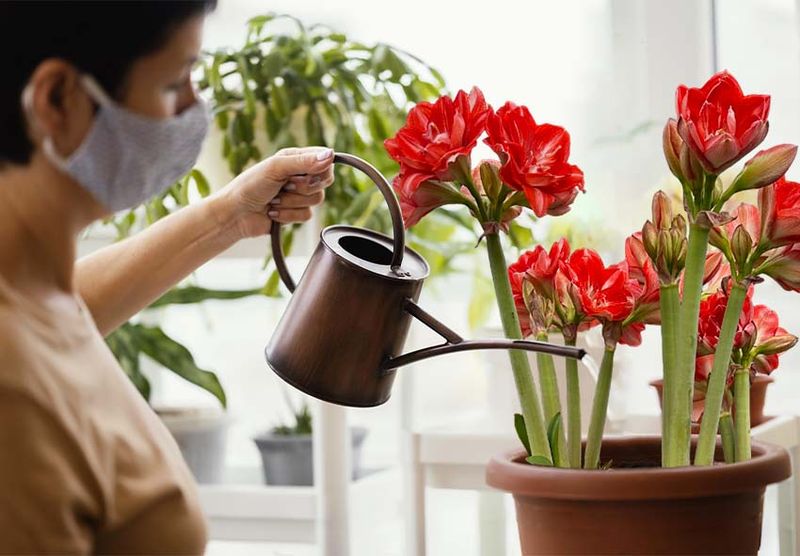
Watering mistakes rank among the top reasons amaryllis plants develop weak, floppy stems that can’t support their gorgeous blooms properly.
Too much water causes the bulb to become waterlogged and soft, while too little water leaves the plant struggling to maintain firm, upright growth.
Finding the perfect balance for your amaryllis in North Carolina’s climate means paying attention to soil moisture and adjusting your routine based on temperature and humidity levels.
Check the soil by sticking your finger about an inch deep into the potting mix before watering.
If the soil feels dry at that depth, it’s time to water, but if it still feels slightly moist, wait another day or two.
When you do water, add enough so that it drains out the bottom holes of the pot, ensuring the entire root system gets moisture.
Always empty the drainage tray after fifteen minutes to prevent the bulb from sitting in standing water, which can lead to rot and weak stems.
During North Carolina’s humid summer months, amaryllis plants typically need less frequent watering than during drier winter periods when indoor heating can dry out the air.
Reduce watering slightly once the flowers begin to open because the plant’s water needs decrease during peak blooming.
Proper watering encourages strong cell structure within the stem, giving it the rigidity needed to hold those spectacular flowers without drooping or collapsing under their weight.
3. Rotate The Plant Regularly For Even Growth

Amaryllis plants naturally lean toward their light source, creating an unbalanced appearance that can eventually cause the entire stem to droop to one side.
This phototropic behavior is perfectly normal, but without regular rotation, your beautiful amaryllis may end up looking lopsided and unstable.
Many North Carolina gardeners place their amaryllis near sunny windows, which makes rotation even more important for maintaining straight, upright growth.
Turn your potted amaryllis about a quarter turn every two or three days to ensure all sides of the plant receive equal amounts of sunlight.
This simple habit encourages the stem to grow straight up rather than constantly bending toward the brightest light source.
Mark the pot with a small piece of tape or a marker on one side so you can easily track which direction you’ve already rotated.
If you notice your amaryllis has already started leaning significantly, you may need to rotate it more frequently until it straightens out.
The stem will gradually correct its position over several days as it responds to the changing light direction.
North Carolina homes with large south-facing windows provide excellent light for amaryllis, but these bright spots also increase the tendency for plants to lean.
Combining regular rotation with proper support creates the best conditions for keeping your amaryllis standing tall and proud throughout its blooming season, showcasing those magnificent flowers from every angle in your home.
4. Ensure Adequate Bright Light Without Direct Harsh Rays
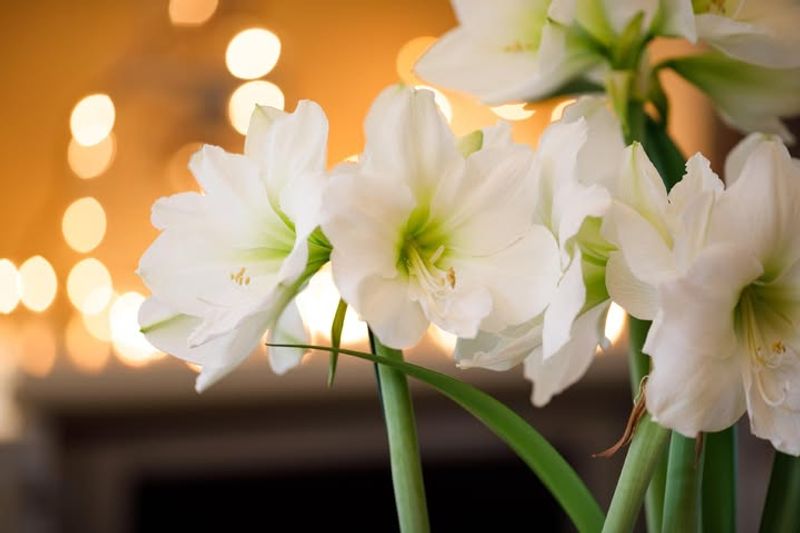
Light plays a crucial role in developing strong, sturdy amaryllis stems that can support heavy flower clusters without drooping or falling over.
Insufficient light causes stems to stretch and become thin and weak as they desperately reach for more brightness, a condition called etiolation.
North Carolina’s varying light conditions throughout the year mean you’ll need to adjust your amaryllis placement to match seasonal changes and maintain optimal growing conditions.
Place your amaryllis in a location that receives bright, indirect light for most of the day, such as near an east or west-facing window.
South-facing windows work well during winter months when the sun’s angle is lower, but you may need to filter the light with sheer curtains during summer.
Avoid placing your amaryllis in spots that receive intense, direct afternoon sunlight, which can scorch the leaves and cause the plant to become stressed and weak.
If you notice the stem growing thin and pale, that’s a clear sign your plant needs more light immediately.
Move it closer to a window or supplement with a grow light positioned about twelve inches above the plant for ten to twelve hours daily.
Gardeners in North Carolina sometimes move their amaryllis outdoors to shaded patios during mild spring weather for a light boost.
Strong, healthy stems develop when plants receive consistent, appropriate light levels, giving them the structural integrity needed to hold up those spectacular blooms without any drooping or leaning problems.
5. Use A Heavy, Stable Pot To Prevent Tipping

Container choice matters tremendously when it comes to keeping tall, top-heavy amaryllis plants from tipping over as their flowers reach full size.
Lightweight plastic pots simply don’t provide enough stability for these plants, especially when they produce multiple large blooms on tall stems.
Selecting the right pot from the start can prevent many drooping and collapsing problems that North Carolina amaryllis growers commonly encounter during peak blooming season.
Choose a heavy ceramic, terracotta, or concrete pot that won’t easily tip when the amaryllis is in full bloom.
The pot should be wide enough to provide a stable base, typically at least six to eight inches in diameter for a mature bulb.
Make sure the pot has proper drainage holes at the bottom to prevent water from collecting and causing bulb rot.
The weight of clay or ceramic pots acts as a natural counterbalance to the heavy flowers at the top of the plant.
If you already have your amaryllis in a lightweight container, consider placing that pot inside a heavier decorative cachepot for added stability.
You can also add decorative stones or gravel to the bottom of an outer pot to increase weight without changing your plant’s growing container.
North Carolina gardeners who display amaryllis on tables or shelves especially appreciate heavy pots that won’t accidentally get knocked over by pets or family members.
A stable, well-weighted pot combined with proper care creates the perfect foundation for keeping your amaryllis standing straight and beautiful throughout its entire flowering period.
6. Feed With Balanced Fertilizer For Strong Stems
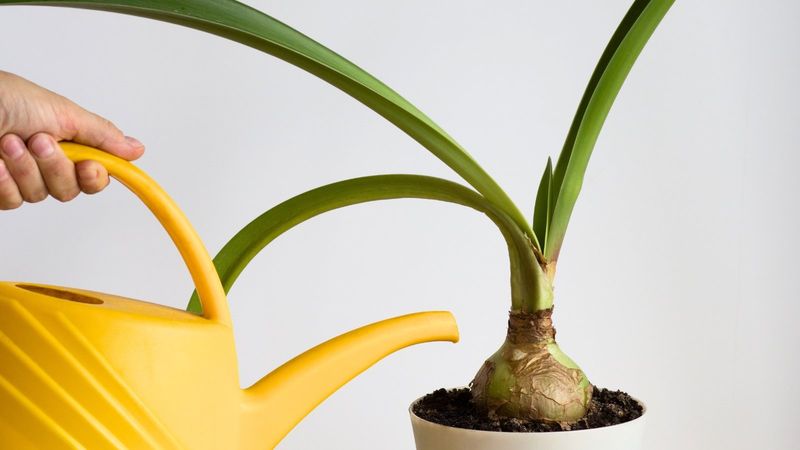
Nutrition plays a vital role in developing thick, sturdy amaryllis stems that can easily support large, heavy flower clusters without bending or drooping.
Amaryllis bulbs store energy, but they still need supplemental feeding during active growth to produce the strongest possible stems and most vibrant blooms.
North Carolina’s soil conditions vary widely across the state, making fertilization an important part of amaryllis care whether you’re growing indoors or in garden beds.
Apply a balanced, water-soluble fertilizer with equal parts nitrogen, phosphorus, and potassium, such as a 10-10-10 or 20-20-20 formula.
Begin fertilizing when the flower stalk first emerges from the bulb and continue every two weeks throughout the blooming period.
Dilute the fertilizer to half the strength recommended on the package to avoid burning the roots or causing excessive leaf growth at the expense of flowers.
Mix the fertilizer solution with water and apply it to moist soil, never to completely dry soil, which can damage delicate root systems.
The phosphorus in balanced fertilizers specifically supports strong stem development and encourages robust flowering.
After the flowers fade, continue feeding your amaryllis every two to three weeks to help the bulb rebuild its energy stores for next year’s blooms.
Gardeners in North Carolina who maintain regular feeding schedules notice their amaryllis plants develop noticeably thicker, more rigid stems that rarely need additional support.
Proper nutrition creates the building blocks for cellular strength within the stem, resulting in a plant that naturally stands tall and proud without drooping issues.
7. Maintain Appropriate Temperature For Sturdy Development
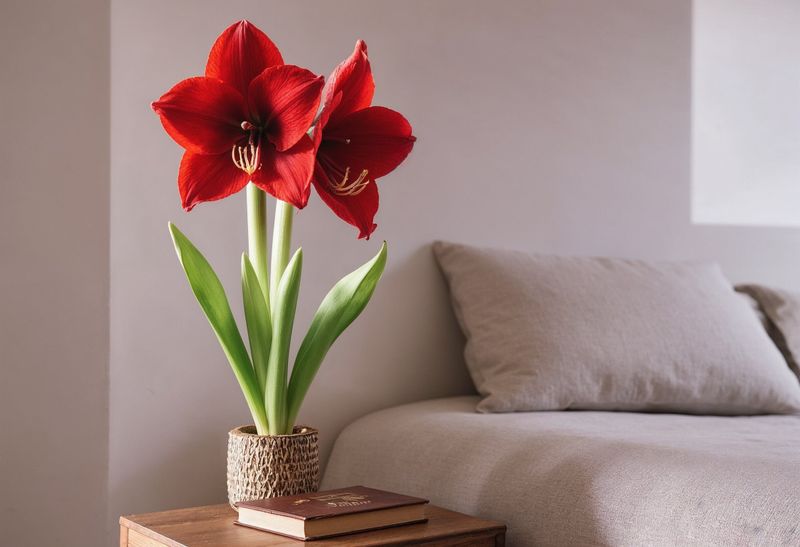
Temperature fluctuations can significantly impact amaryllis stem strength and overall plant health, causing weak growth that leads to drooping problems.
Amaryllis plants prefer consistent temperatures and can become stressed when exposed to extreme heat, cold drafts, or rapid temperature changes.
North Carolina’s climate offers generally favorable conditions, but indoor heating and air conditioning can create challenges that affect your amaryllis’s ability to stand upright.
Keep your amaryllis in a room where temperatures stay consistently between 68 and 75 degrees Fahrenheit during the day.
Nighttime temperatures can drop slightly to around 60 to 65 degrees, which actually encourages stronger stem development and longer-lasting blooms.
Avoid placing your amaryllis near heating vents, radiators, or air conditioning units that blast hot or cold air directly onto the plant.
These sudden temperature changes stress the plant and can cause the stem to become weak and unable to support the flowers properly.
Keep your amaryllis away from drafty windows and exterior doors where cold air might rush in during North Carolina’s occasional winter cold snaps.
Warmer temperatures above 80 degrees cause amaryllis stems to grow too quickly, resulting in thin, elongated growth that lacks the strength to hold up heavy blooms.
If your home tends to run warm, move your amaryllis to a cooler room or increase air circulation with a gentle fan.
Maintaining steady, appropriate temperatures helps your amaryllis develop the thick, rigid stems it needs to showcase those spectacular flowers without any drooping or collapsing throughout the entire blooming season.