How To Set Up A Mason Bee House In Oregon Gardens
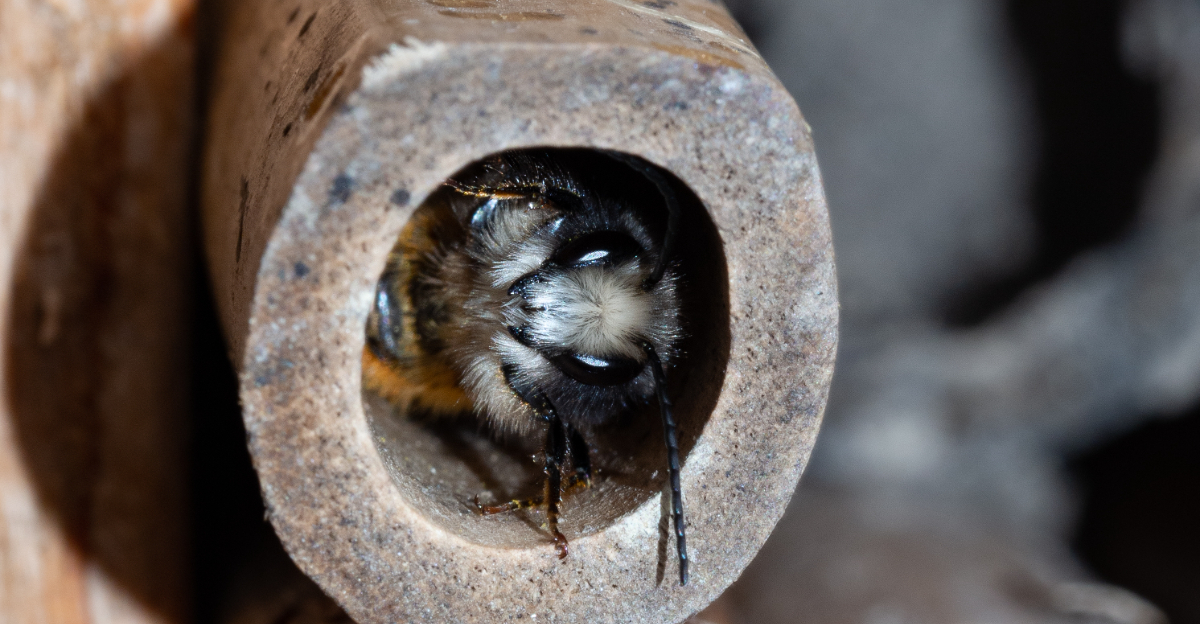
If you want a garden that’s buzzing with life and better harvests to match, mason bees are the secret you’ve been missing. These gentle, super-efficient pollinators get to work early in Oregon’s cool spring, often long before honeybees are active.
Even better, they don’t sting and don’t need a hive, which makes them perfect for any backyard setup.
Setting up a mason bee house is surprisingly simple, but a few smart choices can make all the difference. The right placement, proper materials, and a little seasonal care will help attract bees and keep them coming back year after year.
Once they settle in, you’ll start to notice stronger blooms, better fruit set, and a garden that feels more alive.
It’s one of the easiest upgrades you can make, and the payoff shows up fast. Give them a good home, and they’ll return the favor all season long.
Choose A Sunny Spot
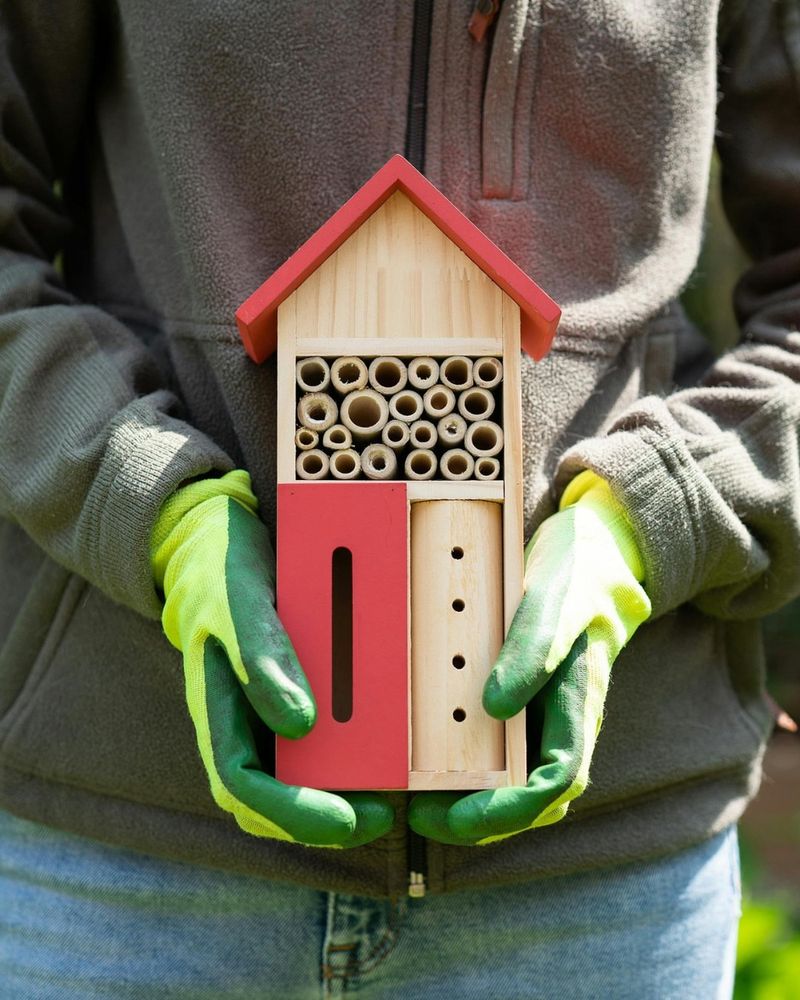
Sunlight is one of the most important factors when setting up a mason bee house in Oregon. Mason bees are cold-blooded, which means they rely on warmth from the sun to get moving each morning.
A house that faces east or southeast will catch the early morning rays, helping your bees warm up and start pollinating sooner in the day.
Oregon’s spring weather can be cool and unpredictable, especially in the Willamette Valley and along the coast. Because of this, giving your mason bee house as much natural warmth as possible makes a real difference.
Bees that warm up faster will be more active, lay more eggs, and help your garden produce more fruit and vegetables.
Look for a spot that gets at least six hours of sunlight daily. Avoid shady areas under large trees or on north-facing walls.
Even a slight adjustment in placement can improve how many bees use your house. If you’re gardening in a cloudy region like Eugene or Astoria, every bit of sun exposure counts.
A warm, sunny wall near your fruit trees or veggie beds is often the perfect location. Take a few minutes to observe where the sun hits your yard in the morning before you decide on a final spot.
Mount At Proper Height
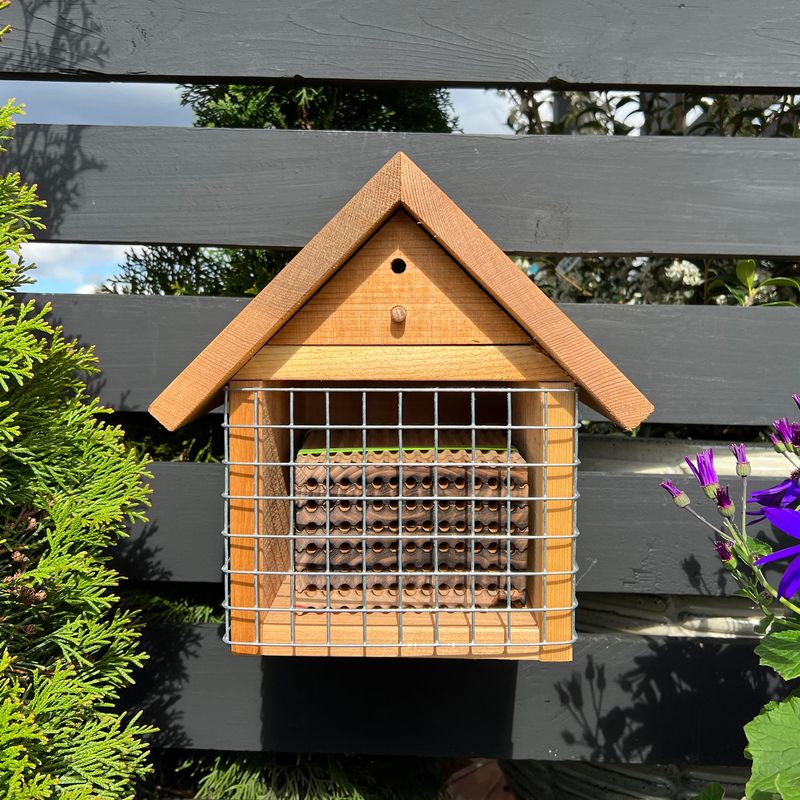
Height matters more than most people realize when it comes to mason bee houses. Mounting your bee house too low puts it within reach of curious pets, garden tools, and small animals that might disturb the nesting tubes.
Too high, and it becomes hard for you to monitor and maintain throughout the season.
The sweet spot for mason bee houses in Oregon is between three and six feet off the ground. At this height, bees can easily find the house, and you can comfortably check on it without needing a ladder.
Four feet is a popular choice for most backyard gardeners because it balances accessibility and safety really well.
Stability is just as important as height. Mason bees are picky about where they nest, and a house that sways or wobbles in the wind may be ignored completely.
Use a solid post, a sturdy fence, or a wall bracket to keep the house firmly in place. Oregon’s rainy spring weather can bring strong gusts, so make sure your mounting hardware is weather-resistant.
Stainless steel screws or galvanized brackets work well in wet climates. Once it’s up, give the house a gentle shake to test it.
If it moves more than a tiny bit, reinforce the mount before your bees arrive in late February or March.
Use Clean Nesting Tubes
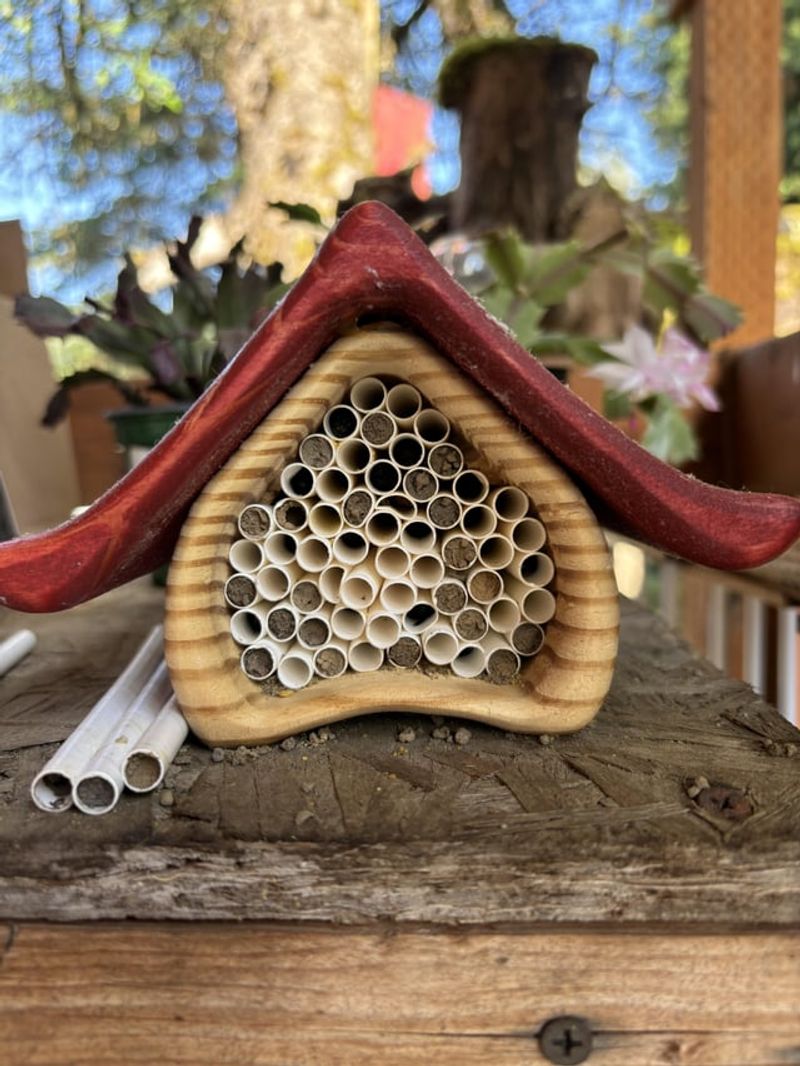
Did you know that dirty or moldy nesting tubes are one of the top reasons mason bee populations struggle from year to year? Cleanliness inside the tubes is absolutely critical for keeping your bees healthy and coming back season after season.
Oregon’s damp climate makes mold and mites a real concern, so using fresh, clean tubes each spring is a smart habit to build.
Paper or cardboard tubes are a great option because they’re affordable, easy to replace, and allow you to open them up at harvest time without harming the cocoons inside. Look for tubes that are about 5/16 of an inch in diameter and at least six inches deep.
This size is ideal for Osmia lignaria, the blue orchard mason bee most common in western Oregon. Tubes that are too wide or too shallow may attract other insects instead.
Replace your nesting tubes every spring before the bees emerge. Reusing old tubes from the previous year can spread mites, fungal spores, and other problems that harm developing larvae.
Some gardeners in the Portland and Eugene areas buy tubes in bulk so they always have a fresh supply ready. Bamboo tubes can also work well, but make sure the inside is smooth and free of splinters.
A clean nesting environment gives your mason bee eggs the best possible start in life.
Add Early Spring Flowers

Planting early spring flowers near your mason bee house is one of the kindest things you can do for your pollinators. Mason bees in Oregon are most active from late February through May, which means they need food sources that bloom early in the season.
Without nearby flowers, the bees will fly farther for pollen and nectar, using up energy they need for nesting and egg-laying.
Native Oregon plants are your best bet. Oregon grape blooms as early as February and is incredibly attractive to mason bees.
Red flowering currant is another early bloomer that pollinators love. Camas, wild strawberry, and blue-eyed Mary are also excellent choices for gardeners in the Willamette Valley and western Oregon foothills.
These plants evolved alongside native bees, so they’re a natural fit.
Fruit trees like apples, cherries, and pears are also fantastic for mason bees since they bloom right when the bees are most active. If you already have an orchard or even a single fruit tree in your Oregon garden, your mason bee house is already well-positioned for success.
Try to plant flowers in clusters rather than scattered single plants. Bees are more efficient when they don’t have to travel far between blooms.
A colorful, pollinator-friendly garden benefits everyone, including the vegetables and herbs you’re growing nearby.
Provide A Mud Source
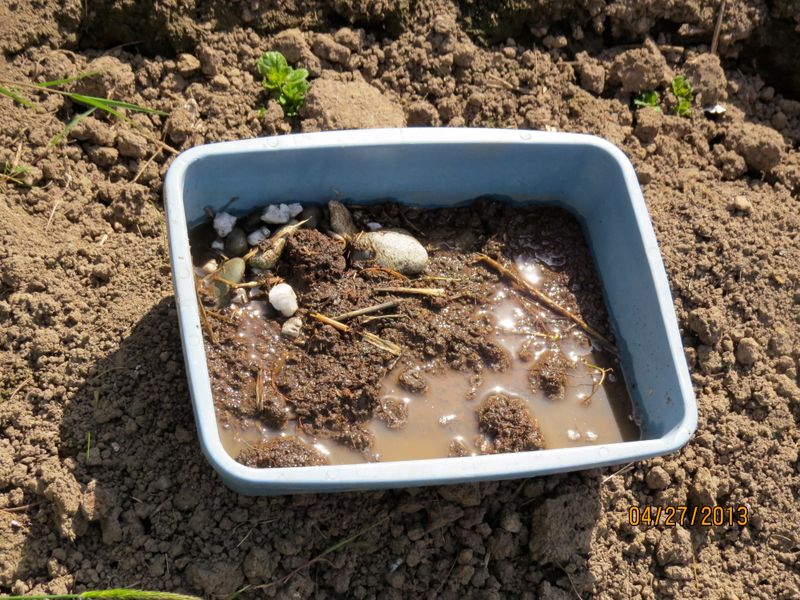
Here’s something that surprises a lot of first-time mason bee keepers: these bees need mud to build their nests. Female mason bees collect small balls of moist clay and use them to seal off the chambers inside their nesting tubes.
Without a nearby mud source, they may abandon your bee house entirely and go looking for nesting spots elsewhere in your Oregon neighborhood.
Setting up a mud station is simple and doesn’t take much space. Fill a shallow tray, old pie tin, or plant saucer with clay-rich soil.
Keep one edge of the tray consistently damp by adding a little water every day or two. Make sure the mud has a thick, peanut-butter-like consistency.
Sandy or loamy soil won’t work as well because mason bees prefer clay that holds its shape when they press it into a tube.
Place the mud source within a few feet of your bee house. The closer it is, the easier it is for bees to make multiple trips without wasting time or energy.
In drier parts of Oregon like Bend or Medford, a mud station is especially important since the ground can dry out quickly in spring. You can also dig up a small patch of soil in a shady corner of your garden and keep it watered regularly.
Either way, having moist clay nearby is a must-have for a productive mason bee setup.
Time It Right

Timing is everything when it comes to mason bees. In Oregon, mason bees typically begin to emerge in late February or early March, depending on the region and the weather that year.
Coastal areas near Lincoln City or Astoria may see earlier activity, while gardeners in higher elevations around the Cascades might wait until mid-March. The key trigger is temperature.
Bees usually become active when daytime highs consistently reach around 55 degrees Fahrenheit.
You want your bee house fully set up and ready before the bees emerge from their cocoons. If you’re purchasing cocoons from a local supplier in Eugene or Portland, aim to have everything in place by mid-February.
That way, when the first warm days arrive, your bees have a ready-made home waiting for them. Setting up too late means the bees may find other nesting spots and skip your house altogether.
If you harvested cocoons from last year, keep them stored in a cool place like a refrigerator through winter. Bring them out when you’re ready to set up the house in late winter.
Don’t rush the process by warming the cocoons too early indoors. Bees that emerge before flowers bloom won’t have enough food to survive.
Match your timing to what’s blooming outside, and your mason bee season will get off to a strong, productive start in your Oregon garden.
Clean Cocoons Yearly
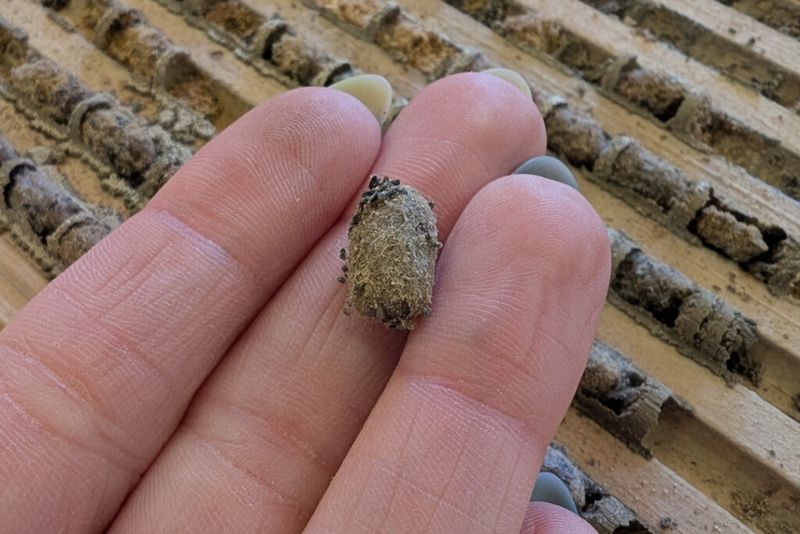
Once summer winds down and your mason bee house goes quiet, the real work of a responsible keeper begins. Cleaning your cocoons each fall is one of the most important steps you can take to keep your bee population strong and healthy year after year.
Oregon’s damp climate creates the perfect conditions for mites and mold to build up inside used nesting tubes, and those problems can spread quickly if left unchecked.
Start by carefully removing the nesting tubes from your bee house in late summer or early fall, usually around September or October. Open the paper tubes gently and collect the brown cocoons inside.
Place the cocoons in a bowl of cool water and swirl them around to loosen any debris or mites on the surface. You’ll notice some cocoons float while others sink.
Healthy, viable cocoons typically sink, while empty or damaged ones float to the top.
Lay the cleaned cocoons on a paper towel and let them dry completely before storing them. Once dry, place them in a breathable container like a cardboard box or mesh bag and store them in a cool location between 35 and 40 degrees Fahrenheit.
A refrigerator works perfectly for Oregon gardeners who don’t have an unheated garage or shed. Come late winter, your clean, healthy cocoons will be ready to release into a fresh bee house, starting the cycle all over again.