How To Start A California Herb Garden That Flourishes In Heat
California summers can be intense, but a thriving herb garden doesn’t have to be out of reach. With the right planning, heat-tolerant herbs can turn your yard, patio, or balcony into a fragrant, flavorful paradise.
Herbs that handle the sun reward you with abundant growth, strong aromas, and a steady supply of fresh ingredients for cooking, teas, and even home remedies.
The key is choosing varieties suited to the climate, planting in well-draining soil, and giving them a little extra care during the hottest days.
Even small spaces can bloom with rosemary, thyme, oregano, and sage, offering beauty and utility in one package.
By starting smart and working with the California climate rather than against it, you’ll have a garden that keeps producing all season long.
Soon, you’ll step outside to pick fresh herbs for dinner while enjoying a garden that smells as good as it looks.
1. Choosing Heat-Tolerant Herbs
Not every herb can handle the blazing California sun, but plenty of them absolutely love it. Rosemary is one of the best choices for hot, dry conditions.
It grows into a woody shrub, needs very little water once it settles in, and smells incredible.
Thyme is another winner for California gardens. It stays low to the ground, spreads nicely, and handles drought like a champ.
Oregano is just as tough and produces a ton of leaves you can use fresh or dried in your cooking.
Sage is a beautiful herb that does really well in full sun and dry soil. It has silvery-green leaves and a strong, earthy flavor that works great in savory dishes.
Lavender, while often thought of as a flower, is also an herb that thrives in California’s heat and attracts pollinators like bees and butterflies.
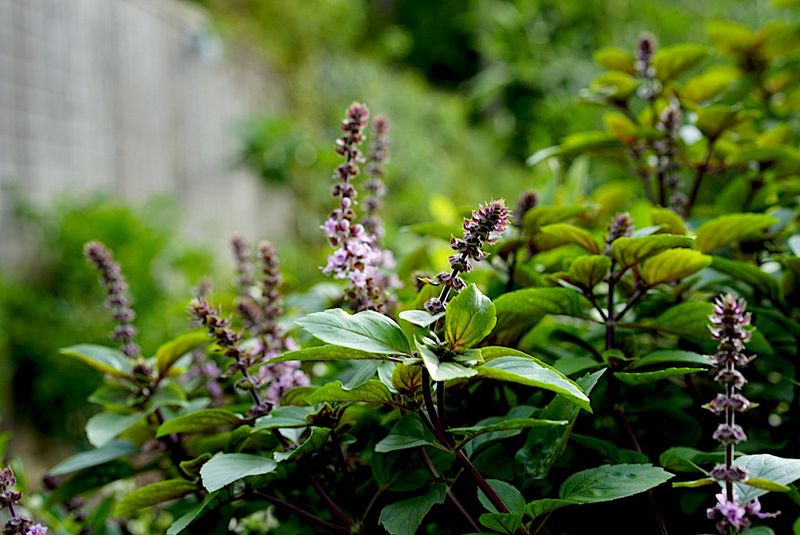
Basil is a warm-season favorite that loves the California summer but needs a bit more water than the others. Stick with Mediterranean herbs as your foundation, and you will have a garden that handles the heat with ease.
2. Picking The Right Spot In Your Yard
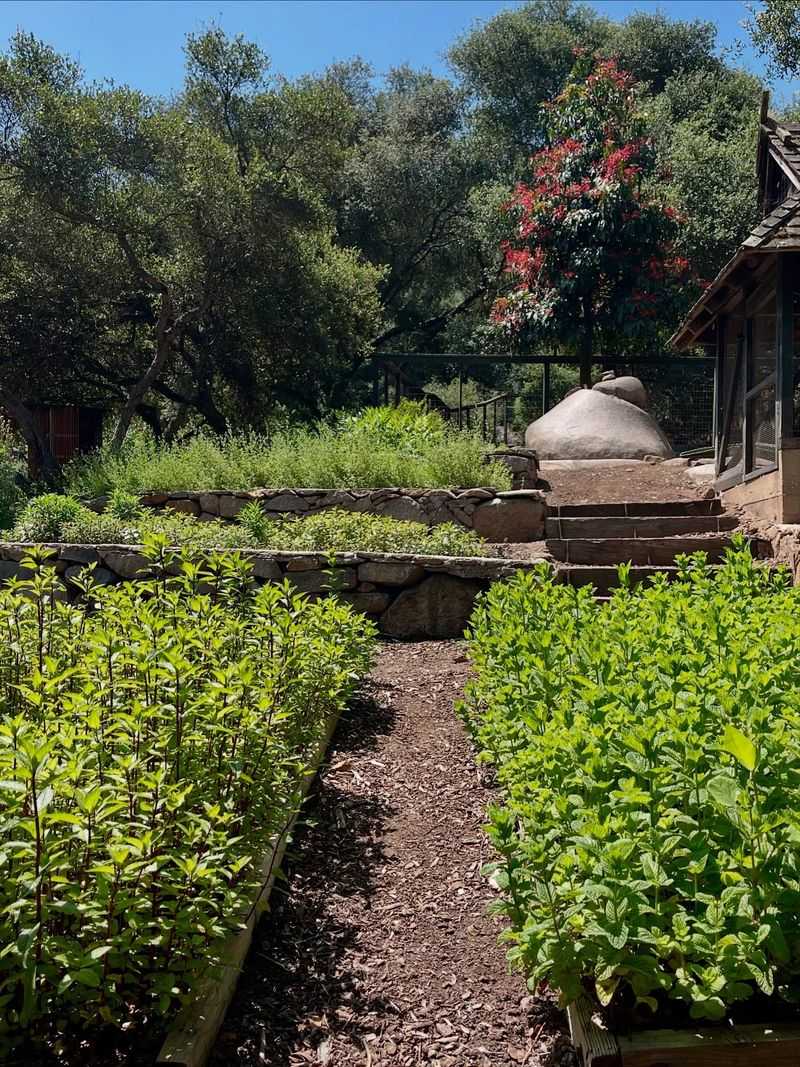
Location can make or break your herb garden, especially in California where the sun is intense. Most herbs want at least six to eight hours of direct sunlight every day.
A south-facing or west-facing spot in your yard usually works best for getting that full sun exposure.
Pay attention to how shade moves across your yard throughout the day. Trees, fences, and buildings can block sunlight during key hours.
Walk around your yard at different times and watch where the sun actually hits the ground the longest.
Good air circulation also matters. Avoid planting in tight corners where air gets trapped and moisture builds up.
That kind of environment can lead to mold or mildew on your plants, which is the last thing you want in your California garden.
If you live near the California coast, you might deal with marine fog in the mornings. In that case, pick a spot that gets afternoon sun so your herbs still get plenty of warmth.
Inland California gardeners usually have the opposite challenge, which is too much heat, so a little afternoon shade from a structure can actually help protect more sensitive herbs like basil during peak summer.
3. Preparing Soil For Healthy Growth
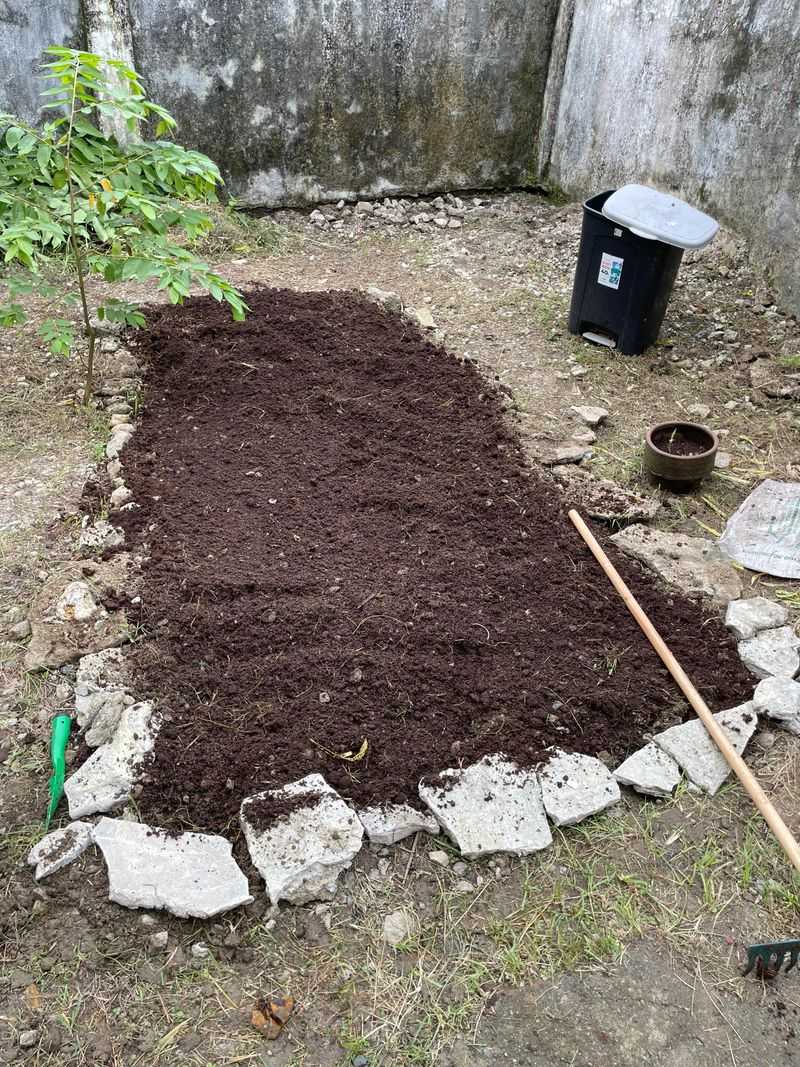
California soil can be tricky. In many parts of the state, the native soil is either heavy clay or very sandy.
Neither extreme is great for herbs right out of the gate, but both can be fixed with a little effort before you plant.
For clay-heavy soil, mix in plenty of compost and coarse sand to loosen things up. Clay holds too much water, and most heat-loving herbs need their roots to dry out between waterings.
Good drainage is one of the most important things you can give your plants.
Sandy soil drains fast, sometimes too fast. Adding compost helps sandy soil hold onto nutrients and a bit more moisture so your herbs do not dry out too quickly between waterings.
A few inches of compost worked into the top twelve inches of soil makes a huge difference.
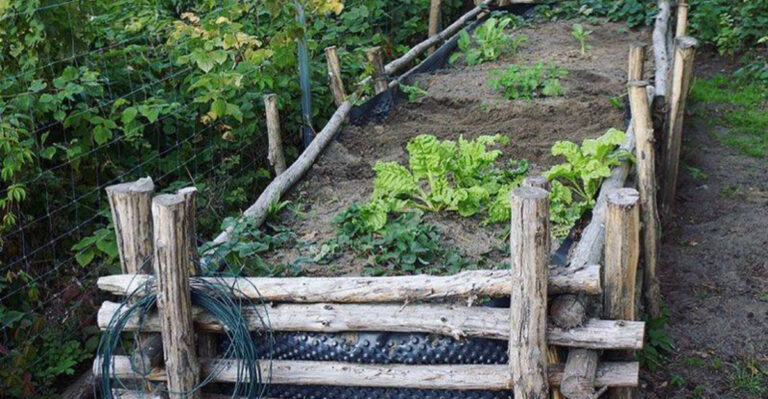
Raised garden beds are a popular solution in California because you can fill them with a custom mix of potting soil, compost, and perlite. This gives you total control over drainage and soil quality.
Herbs generally prefer a slightly alkaline to neutral pH, somewhere between 6.0 and 7.5. You can test your soil with an inexpensive kit from any garden center to make sure you are in the right range.
4. Starting From Seeds vs. Starter Plants
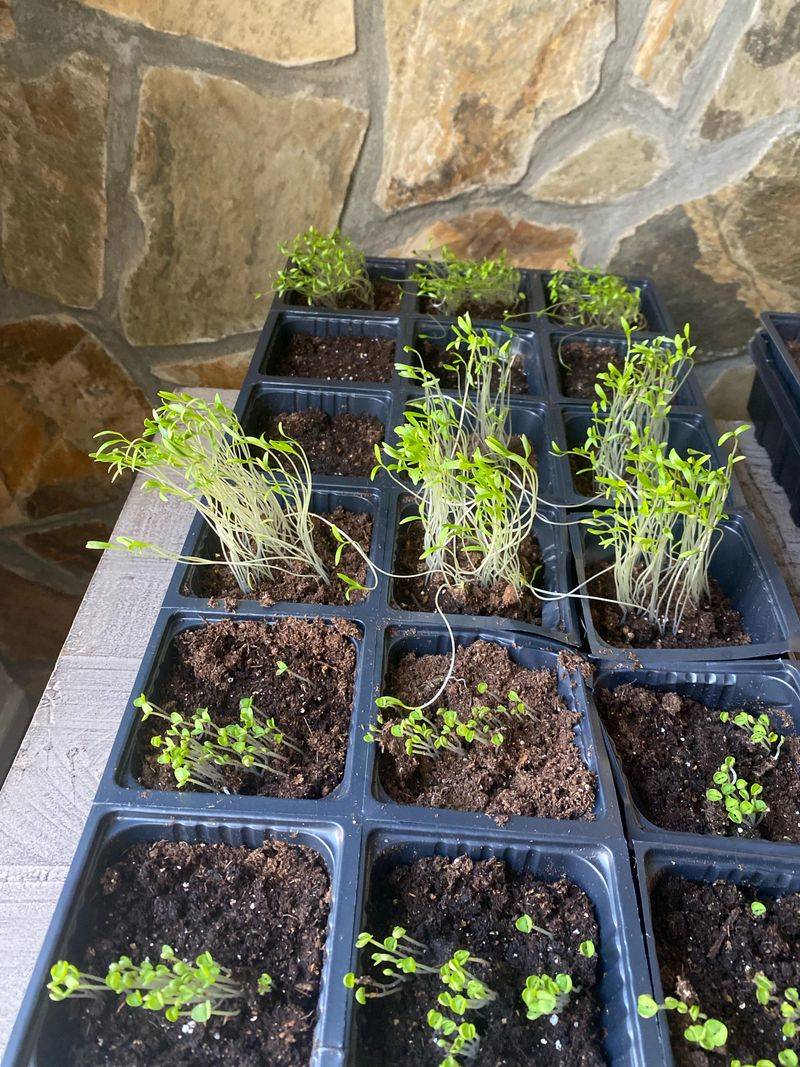
One of the first decisions you will face is whether to grow your herbs from seeds or buy starter plants from a nursery. Both options work well, but they each have their pros and cons depending on your goals and your timeline.
Seeds are the budget-friendly route. A single packet costs less than a dollar in many cases and can give you dozens of plants.
Herbs like basil, dill, and cilantro actually prefer to be sown directly into the ground rather than transplanted, so seeds are the better choice for those.
Starter plants, on the other hand, give you a head start. You skip the germination stage and get a plant that is already a few weeks old.
For slow-growing herbs like rosemary and lavender, buying a starter plant from your local California nursery can save you months of waiting.
If you go the seed route, start them indoors about six to eight weeks before your last frost date. In most of California, winters are mild, so you can often start seeds earlier than gardeners in colder states.
Thin your seedlings once they sprout so the strongest ones have room to grow. Whichever method you choose, label everything clearly so you know exactly what is growing where.
5. Watering Tips For Hot Summers
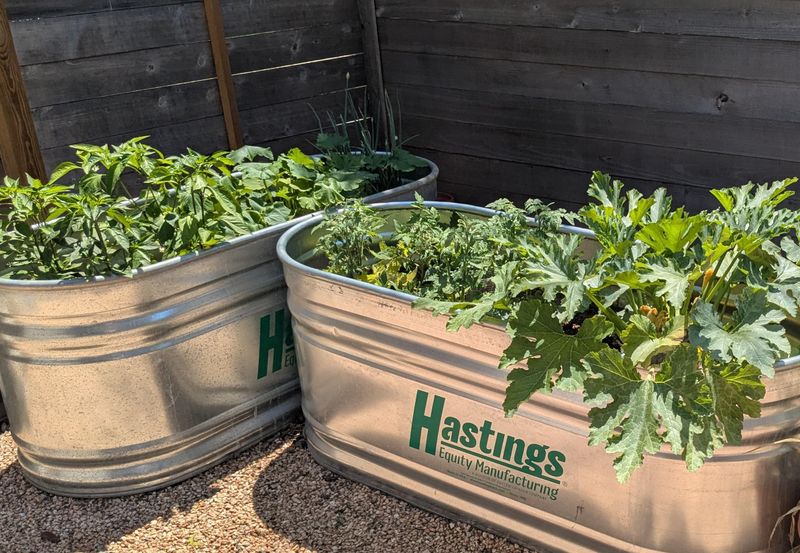
Watering is where a lot of new gardeners in California go wrong. It feels natural to water more when it is hot outside, but most heat-tolerant herbs actually prefer less water, not more.
Overwatering is one of the most common ways to harm Mediterranean herbs like rosemary, thyme, and oregano.
The golden rule is to water deeply but not too often. This means giving your plants a good soak and then letting the soil dry out before you water again.
Deep watering encourages roots to grow down into the soil, which makes plants stronger and more drought-resistant over time.
Drip irrigation is a fantastic option for California herb gardens. It delivers water directly to the roots and reduces evaporation from the surface.
You can set it on a timer so your garden gets watered consistently without you having to think about it every day.
Mulching around your herbs helps a lot too. A two to three inch layer of straw, wood chips, or bark mulch keeps the soil cooler and slows down moisture loss.
This is especially helpful during California’s peak summer heat when temperatures can soar well above 90 degrees. Always check the soil with your finger before watering to make sure it actually needs it.
6. Companion Planting For Stronger Herbs
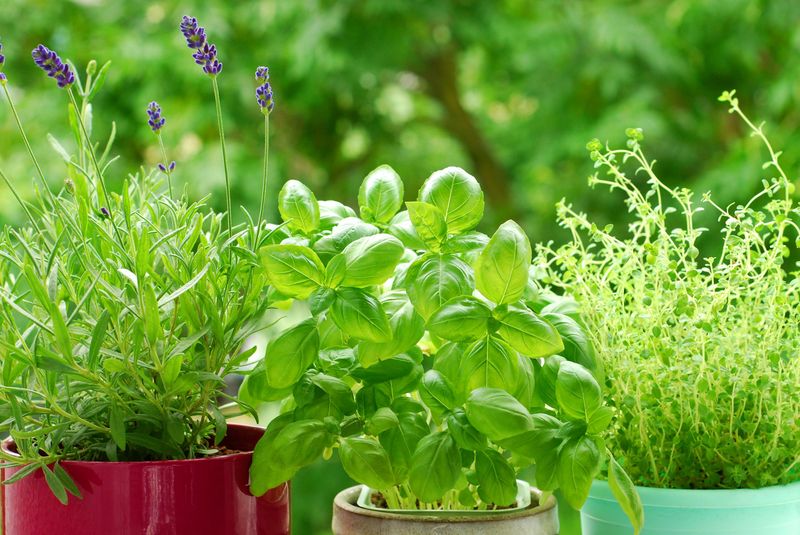
Companion planting is the practice of growing certain plants near each other because they help one another out. It sounds simple, and it really is.
In California gardens, this strategy can make a noticeable difference in how healthy and productive your herbs become.
Basil and tomatoes are a classic pairing. Basil is said to improve the flavor of tomatoes and may help repel certain insects that bother tomato plants.
Planting them side by side in your California garden bed is a win for both the plants and your kitchen.
Marigolds are not herbs, but they are powerful companions in any herb garden. They release a scent that confuses and repels aphids, whiteflies, and other common garden pests.
Tucking a few marigold plants into your herb beds can reduce pest pressure naturally without reaching for any chemicals.
Lavender attracts beneficial insects like bees, which help pollinate your other plants. Rosemary planted near brassicas like kale or cabbage can help deter cabbage moths.
Avoid planting fennel near most other herbs because it tends to stunt the growth of neighboring plants. A little planning goes a long way when it comes to companion planting, and your California herb garden will thank you for it.
7. Pruning And Harvesting For More Flavor
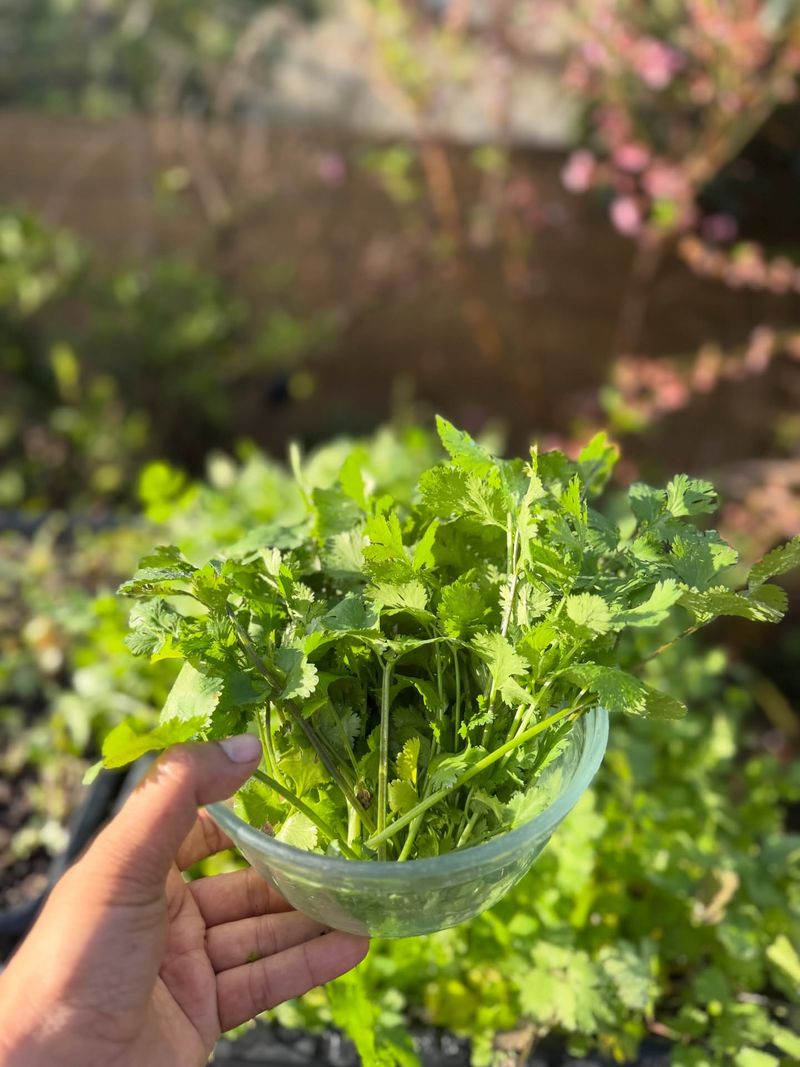
Pruning might feel counterintuitive at first. Cutting your plants back seems like it would slow them down, but it actually does the opposite.
Regular pruning encourages herbs to grow bushier, produce more leaves, and stay healthy longer throughout California’s long growing season.
For leafy herbs like basil and mint, pinch off the top leaves and any flower buds as soon as they appear.
Once a basil plant flowers, it shifts its energy toward making seeds instead of leaves, and the flavor of the remaining leaves gets bitter fast.
Staying on top of this makes a big difference in taste.
Woody herbs like rosemary, thyme, and sage should be trimmed back by about one-third after their main growing period. Never cut all the way back to bare woody stems because those older sections may not regrow.
Always leave some green growth on the plant so it has energy to bounce back.
Harvest your herbs in the morning after the dew has dried but before the heat of the California afternoon sets in.
That is when the essential oils in the leaves are at their highest concentration, which means better flavor and aroma.
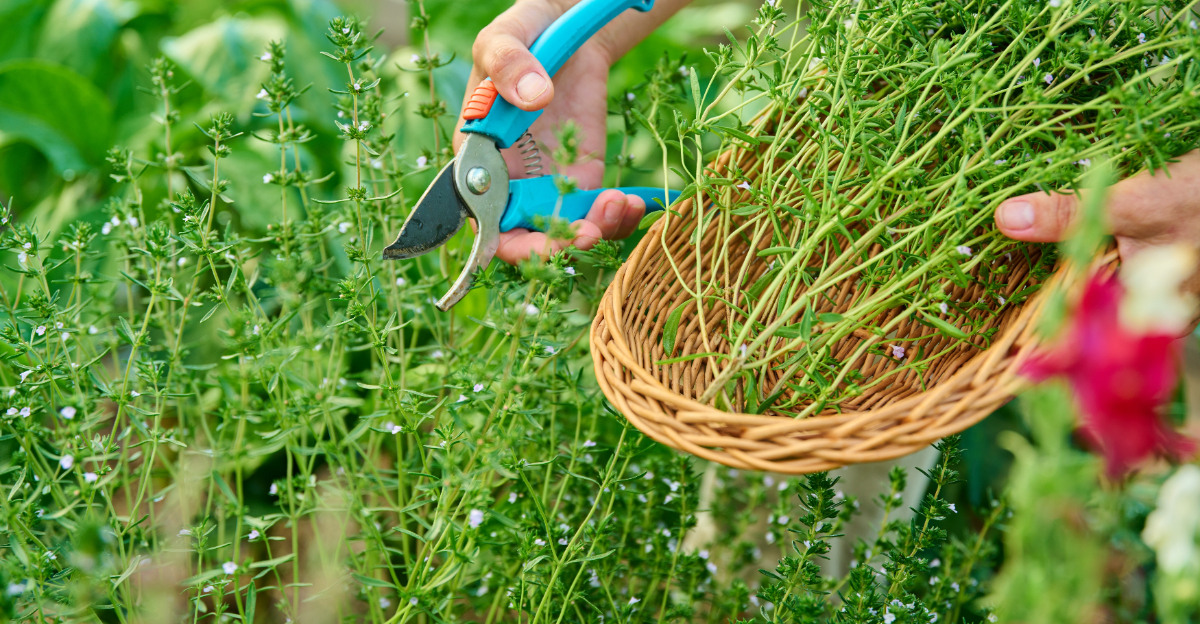
Use clean, sharp scissors or pruning shears to make clean cuts and avoid tearing the stems.
8. Easy Containers For Small Spaces
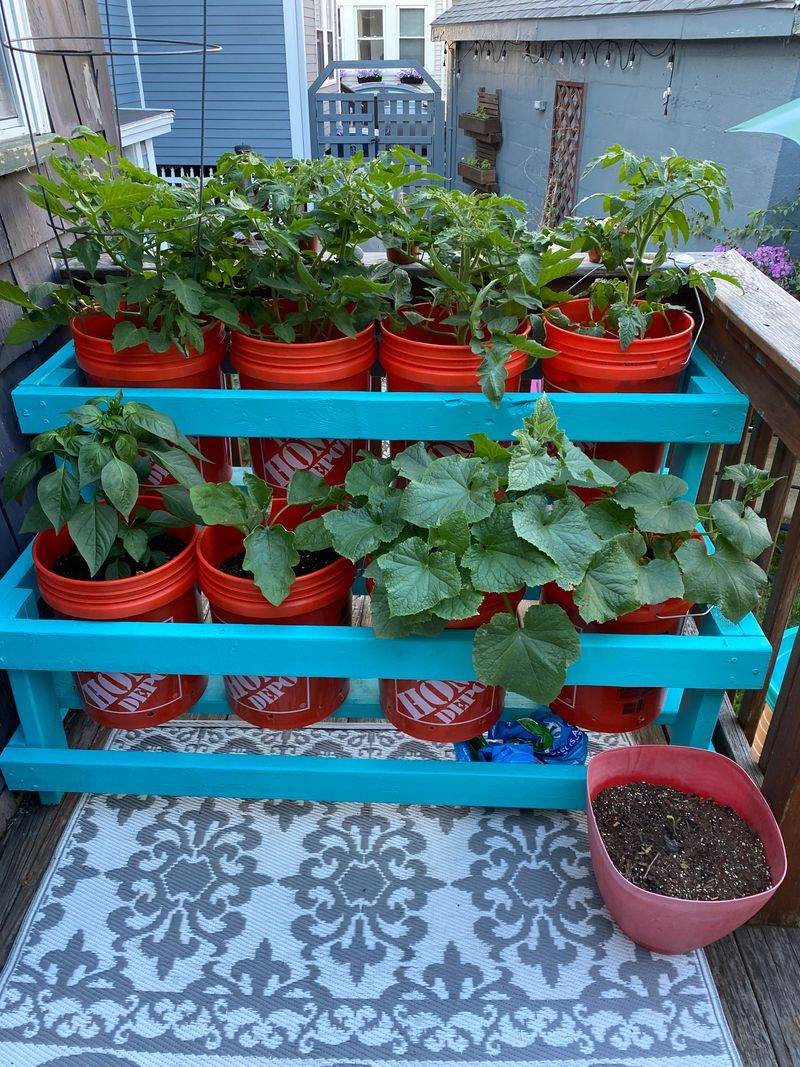
Living in a California apartment or having a tiny backyard does not mean you have to skip the herb garden. Containers are an amazing solution that lets you grow fresh herbs almost anywhere you have access to sunlight.
A balcony, a front porch, or even a sunny windowsill can work perfectly.
Terracotta pots are a popular choice for herbs because they are breathable and allow excess moisture to evaporate through the sides. This natural drainage is great for Mediterranean herbs that hate sitting in wet soil.
Just keep in mind that terracotta dries out faster, so you may need to water a little more frequently during California’s hot summer months.
Size matters when it comes to containers. Give each plant enough room to spread its roots.
A six to eight inch pot works for smaller herbs like thyme or chives, while rosemary or sage will need a pot that is at least twelve inches wide. Grouping pots together also helps create a mini microclimate that holds a bit more humidity.
Use a high-quality potting mix with perlite added for drainage. Avoid using straight garden soil in containers because it compacts too easily and suffocates roots.
Feed your container herbs with a diluted liquid fertilizer every two to three weeks during the growing season to keep them producing all summer long.