How To Start An Easy Vegetable Garden Anywhere In California
Starting a vegetable garden in California doesn’t require a big backyard, perfect soil, or years of experience.
From coastal balconies to inland patios and suburban side yards, the state’s varied climates make growing food possible almost anywhere.
With the right plant choices and a simple setup, even small or unconventional spaces can produce fresh vegetables.
California’s long growing seasons and mild weather work in your favor, allowing flexibility that gardeners in other states don’t have.
A few containers, basic tools, and thoughtful placement can turn unused space into a productive garden.
This guide focuses on practical, low-stress steps that fit real homes and busy schedules, making it easier to grow vegetables no matter where you live in California.
Understand Your Local Climate Zone
California stretches across multiple climate zones, from foggy coastal areas to hot inland valleys, making it essential to know your specific region.
Each zone has different temperature ranges, frost dates, and growing seasons that directly affect which vegetables will thrive in your garden beds.
Coastal regions typically enjoy mild temperatures year-round, allowing gardeners to grow cool-season crops like lettuce and broccoli even during winter months.
Inland valleys experience hotter summers and colder winters, which means you’ll need to plan your planting schedule around these temperature fluctuations carefully.
Mountain areas have shorter growing seasons with potential frost even in summer, requiring careful selection of quick-maturing varieties for successful harvests.
Desert regions offer intense heat and require shade structures and extra water to help delicate plants survive the scorching afternoon sunshine.
Learning your USDA hardiness zone and local microclimate helps you choose vegetables that naturally adapt to your area’s unique conditions successfully.
Local nurseries and county extension offices provide free resources and advice tailored specifically to your region’s gardening challenges and opportunities.
Choose the Right Garden Location
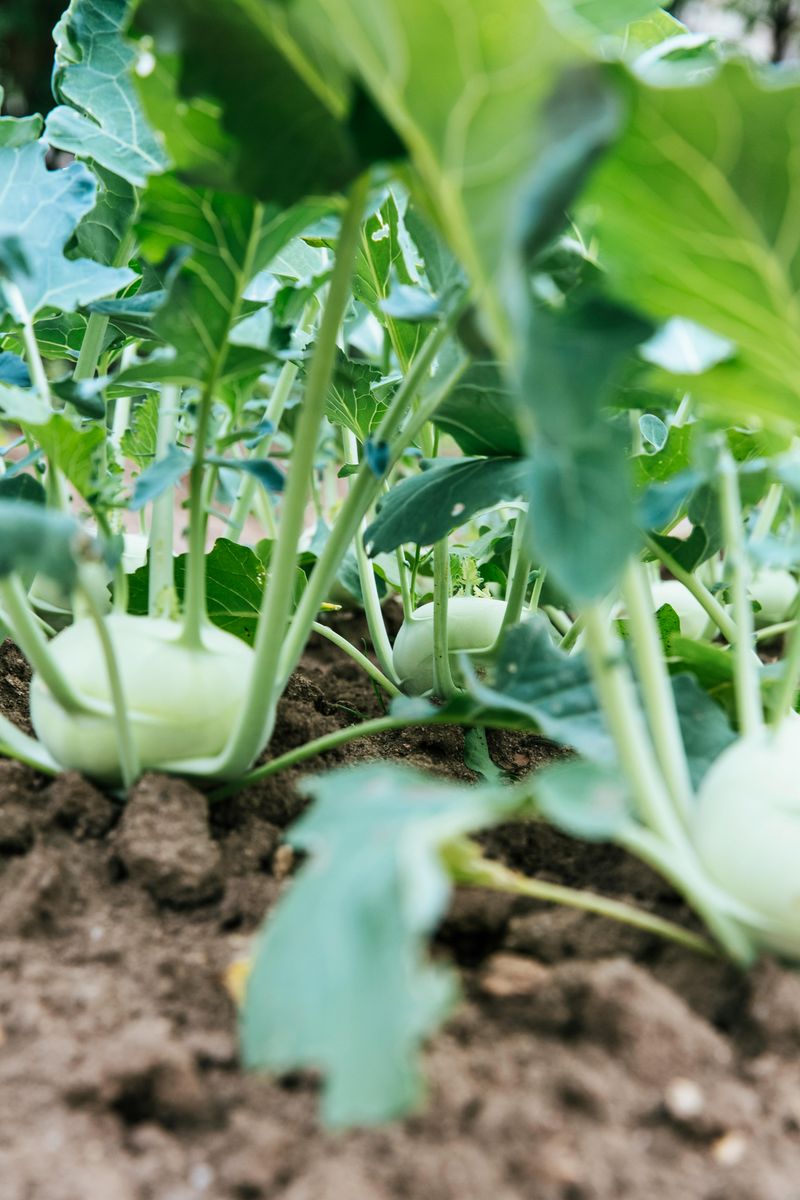
Sunlight is the most critical factor when selecting a spot for your vegetable garden, as most vegetables need six to eight hours daily.
Observe your yard throughout the day to identify areas that receive consistent direct sunlight without being blocked by buildings or large trees.
Morning sun is particularly valuable because it helps dry dew from leaves, reducing the risk of fungal diseases that can damage your crops.
Avoid planting too close to large trees, as their roots will compete with your vegetables for water and nutrients from the soil.
Good drainage is equally important because vegetables don’t like sitting in waterlogged soil, which can cause root rot and other serious problems.
Test drainage by digging a small hole, filling it with water, and checking if it drains within a few hours of observation.
Accessibility matters too, so choose a location close to your house where you’ll see it daily and remember to water regularly.
Consider proximity to a water source, as dragging hoses across your entire yard every day becomes tiresome and discourages consistent garden care.
Start Small And Expand Gradually
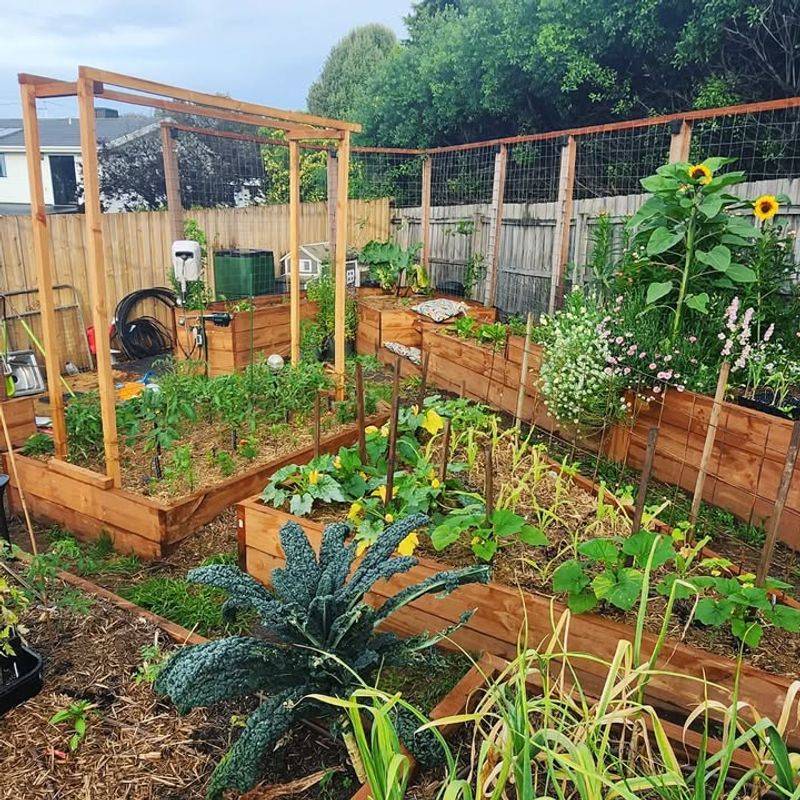
New gardeners often get excited and create gardens that are too large, leading to overwhelming maintenance and eventual frustration with the hobby.
Beginning with a small plot, perhaps just four feet by four feet, allows you to learn gardening basics without feeling buried under work.
A compact garden is easier to water, weed, and monitor for pests, giving you time to develop good gardening habits and routines.
Success with a small space builds confidence and provides valuable experience that makes expanding your garden much easier in future seasons.
You can always add more beds or containers next year once you understand how much time and effort your garden truly requires.
Even a tiny garden can produce surprising amounts of food when you choose productive vegetables like tomatoes, peppers, and squash varieties.
Starting small also means lower initial costs for soil, amendments, and plants, making gardening accessible even on a tight household budget.
Focus on growing a few favorite vegetables really well rather than attempting to grow everything you see at the garden center.
Improve Your Soil Quality
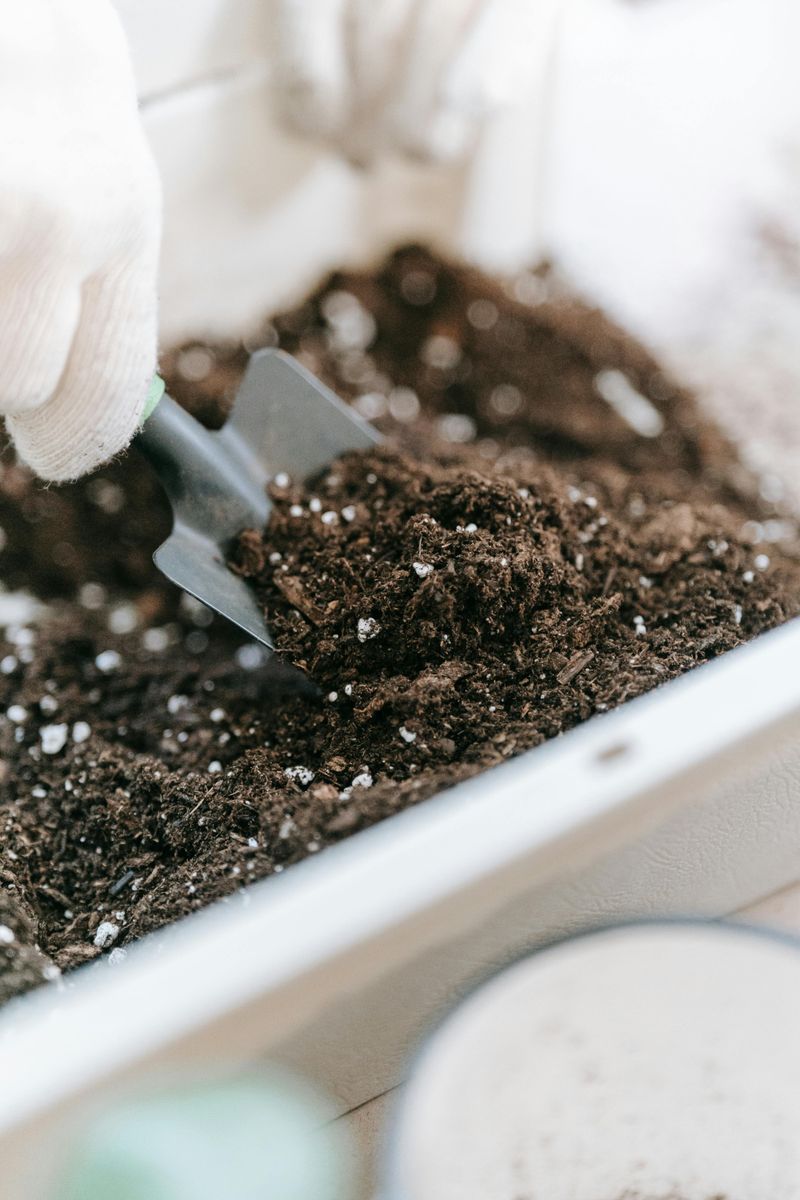
Healthy soil is the foundation of any successful vegetable garden, providing nutrients, water retention, and support for strong root development throughout seasons.
California soils vary dramatically, from heavy clay in some areas to sandy loam in others, and each type requires different amendments.
Clay soil holds water but drains poorly and can become hard and compacted, making it difficult for roots to penetrate deeply enough.
Sandy soil drains too quickly and doesn’t hold nutrients well, requiring frequent watering and fertilizing to keep plants healthy and productive year-round.
Adding compost improves any soil type by increasing organic matter, which helps with drainage, water retention, and beneficial microbial activity in beds.
Aim to mix in two to three inches of compost before planting, working it into the top six to eight inches thoroughly.
You can make your own compost from kitchen scraps and yard waste, or purchase it from local suppliers and garden centers nearby.
Well-amended soil feels crumbly and rich, allows roots to spread easily, and gives your vegetables the best possible start for abundant growth.
Select Easy-to-Grow Vegetables
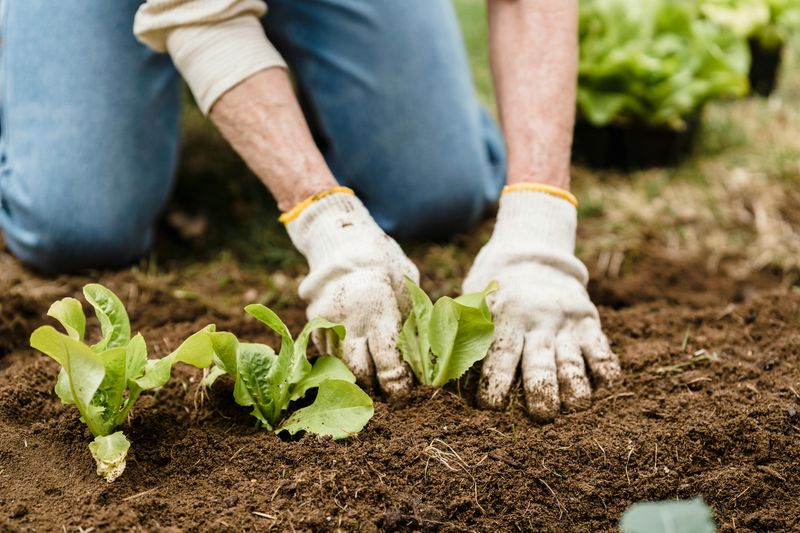
Some vegetables practically grow themselves, making them perfect choices for beginners who are just learning the basics of gardening and plant care.
Tomatoes are California favorites because they thrive in warm weather, produce abundantly, and taste infinitely better when picked fresh from your vines.
Lettuce and other salad greens grow quickly, tolerate cooler weather, and can be harvested multiple times by cutting leaves as needed.
Zucchini and summer squash are famously productive, often providing more vegetables than one family can eat during the peak growing season.
Radishes mature in just three to four weeks, giving impatient gardeners quick results and encouraging them to keep trying new varieties regularly.
Beans are simple to grow from seed, fix nitrogen in the soil, and produce steady harvests throughout the warm summer months.
Peppers love California’s warm climate and produce colorful fruits that add flavor and nutrition to countless recipes in your home kitchen.
Herbs like basil, cilantro, and parsley are practically foolproof, grow well in containers, and provide fresh flavors for everyday cooking needs.
Water Wisely and Consistently
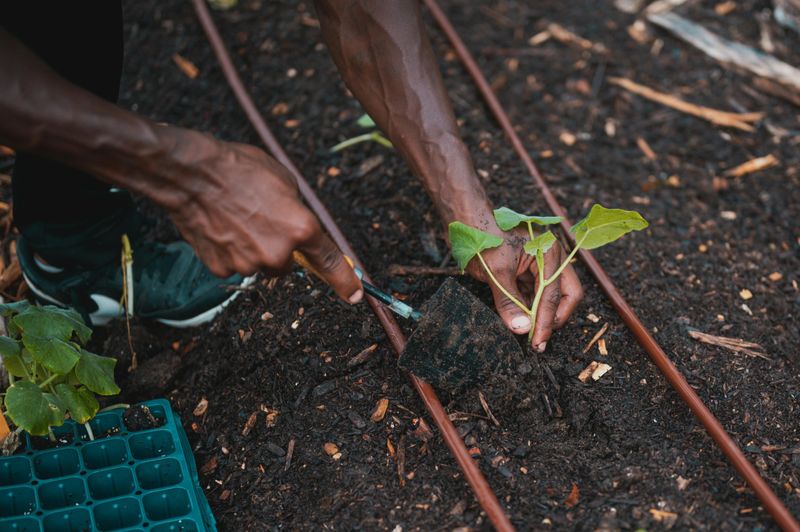
Consistent watering is crucial for vegetable gardens, as irregular moisture causes problems like blossom end rot, cracking, and poor fruit development.
Most vegetables need about one to two inches of water per week, depending on temperature, soil type, and the plant’s growth stage.
Water deeply and less frequently rather than giving plants shallow daily sprinkles, which encourages roots to grow deeper and stronger underground.
Early morning is the best time to water because it allows foliage to dry before nightfall, reducing fungal diseases and other moisture issues.
Drip irrigation or soaker hoses are excellent choices for California gardens, delivering water directly to roots while conserving this precious limited resource.
Mulching around plants with straw, wood chips, or compost helps retain soil moisture, reduces evaporation, and keeps roots cool during hot spells.
Check soil moisture by sticking your finger two inches deep; if it feels dry at that depth, your garden needs watering soon.
During California’s hot summer months, you may need to water more frequently, especially for container gardens and newly transplanted seedlings outside.
Feed Your Plants Regularly
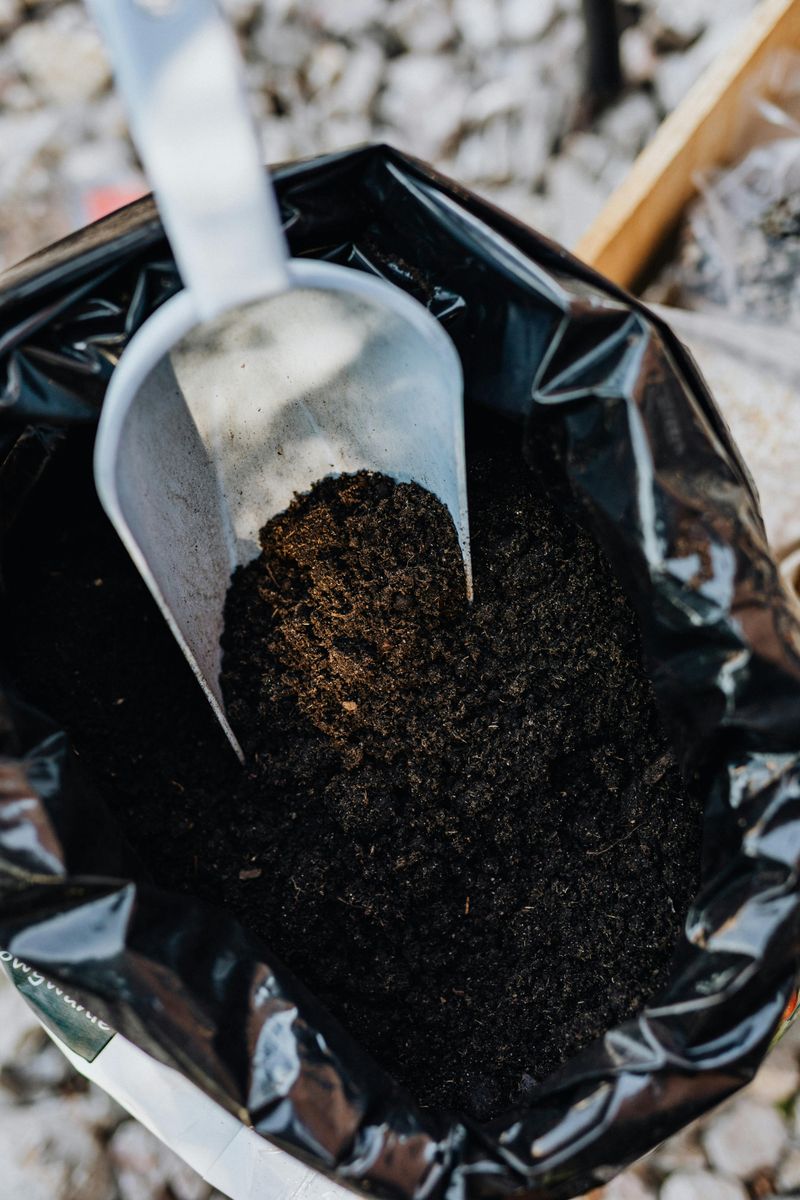
Vegetables are heavy feeders that remove nutrients from soil as they grow, requiring regular fertilization to produce abundant, healthy harvests all season.
Organic fertilizers like compost, fish emulsion, and worm castings release nutrients slowly and improve soil health over time with repeated applications.
Synthetic fertilizers work faster but don’t improve soil structure, and overuse can harm beneficial soil organisms and lead to nutrient imbalances.
Start by applying a balanced fertilizer when planting, then feed every two to four weeks during the growing season for best results.
Leafy greens need more nitrogen to support their lush foliage, while fruiting plants like tomatoes need phosphorus and potassium for production.
Read fertilizer labels carefully to understand the nutrient ratios, and follow application instructions to avoid burning plants with too much fertilizer.
Compost tea, made by steeping compost in water, provides a gentle nutrient boost and can be applied directly to soil or leaves.
Healthy, well-fed plants grow more vigorously, resist pests and diseases better, and produce more flavorful vegetables for your family’s table enjoyment.
Protect Against Common Pests
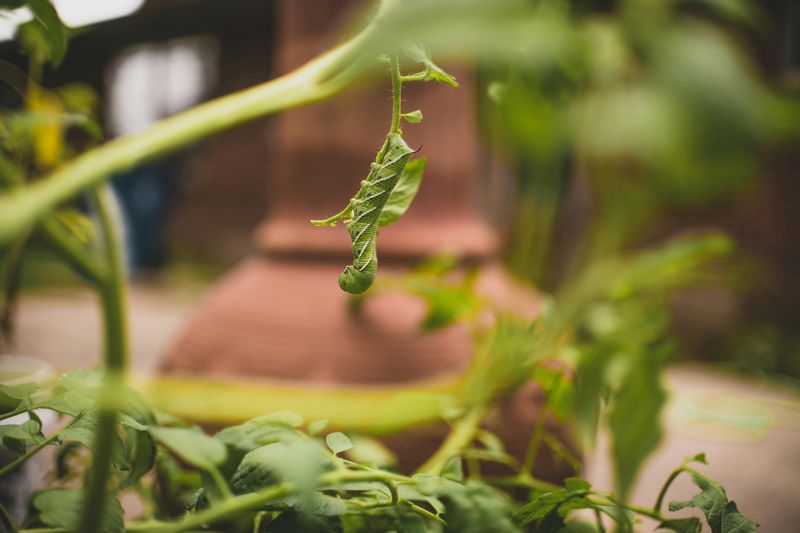
California gardens face various pests including aphids, caterpillars, snails, and gophers, all of which can damage or destroy your precious vegetable crops.
Regular garden inspections help you catch pest problems early when they’re easier to manage before populations explode and cause serious damage.
Handpicking larger pests like tomato hornworms and snails is effective, though it requires diligence and a willingness to get hands-on with control.
Row covers made of lightweight fabric protect young plants from flying insects while still allowing sunlight, air, and water to reach leaves.
Companion planting with flowers like marigolds and herbs like basil can help repel certain pests naturally without using chemical sprays or treatments.
Encourage beneficial insects like ladybugs and lacewings by planting flowers and avoiding broad-spectrum pesticides that harm helpful garden allies too.
Organic options like insecticidal soap and neem oil effectively control many common pests without leaving harmful residues on food you’ll soon eat.
Physical barriers like copper tape for snails and wire mesh for gophers prevent pests from reaching your plants in the first place.
Extend Your Growing Season
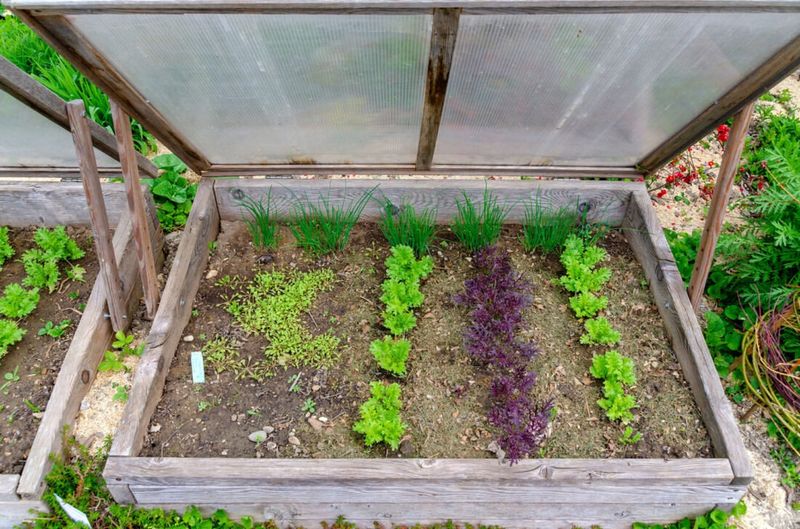
California’s mild climate allows year-round gardening in many areas, but simple season-extension techniques maximize productivity even in cooler mountain regions.
Cold frames are bottomless boxes with transparent lids that trap heat, protecting plants from frost while allowing sunlight to warm the soil.
Row covers and frost blankets provide several degrees of frost protection, letting you grow tender crops a few weeks longer into fall.
Succession planting means sowing new crops every few weeks, ensuring a continuous harvest rather than getting everything at once then nothing afterward.
Cool-season vegetables like kale, carrots, and broccoli actually taste sweeter after light frost, making fall and winter gardening rewarding and delicious.
In hot inland areas, shade cloth during summer protects heat-sensitive crops like lettuce, allowing you to grow them through warmer months successfully.
Container gardens can be moved to protected areas when weather turns harsh, giving you flexibility that in-ground gardens simply cannot offer.
Planning for both warm-season and cool-season crops means your garden produces fresh vegetables throughout the entire year without long empty periods.
Keep a Garden Journal

Recording your gardening activities, observations, and results creates a valuable reference that improves your success with each passing growing season and year.
Note planting dates, varieties chosen, weather patterns, and harvest results to identify what works best in your specific garden location and conditions.
Tracking pest problems and how you addressed them helps you anticipate issues and respond more effectively when similar situations arise again.
Sketch your garden layout each season so you can rotate crops properly, which prevents soil depletion and reduces pest and disease buildup.
Record which vegetables your family enjoyed most, helping you make better planting decisions and avoid growing things nobody actually wants to eat.
Document fertilizing schedules, watering frequency, and soil amendments so you can replicate successful practices or adjust unsuccessful ones moving forward confidently.
Taking photos throughout the season provides visual records that complement written notes and help you remember details you might otherwise forget over time.
Your journal becomes increasingly valuable as years pass, transforming you from a beginner into an experienced gardener who truly understands your unique space.