How To Stop Invasive Tumbleweeds In Utah Yards Before They Take Over
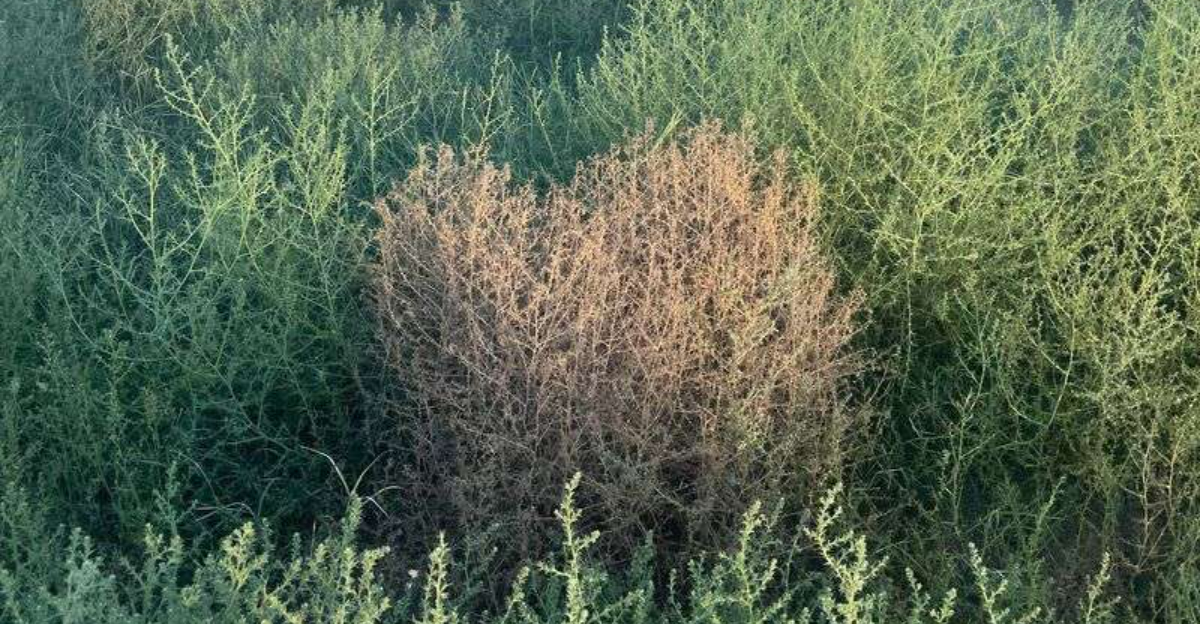
Tumbleweeds may be iconic in Utah landscapes, but when they start invading your yard, they quickly go from charming to chaotic.
These fast-spreading plants can smother lawns, gardens, and young trees if left unchecked, creating endless cleanup and even fire hazards.
One tumbleweed can roll in, and suddenly your yard is overrun! Utah gardeners are taking proactive steps to stop invasive tumbleweeds before they take over.
From early removal and barrier methods to proper disposal and planting competitive groundcovers, these strategies limit growth while protecting soil and native plants.
Timing is crucial: preventing seed dispersal in late summer or fall makes a huge difference. Preventing tumbleweeds now saves your yard from months of frustration later.
By understanding how they spread and implementing these measures, Utah homeowners can reclaim their landscapes and maintain healthy, attractive yards. Stop tumbleweeds in their tracks and keep your garden thriving!
Remove Young Plants Before They Flower
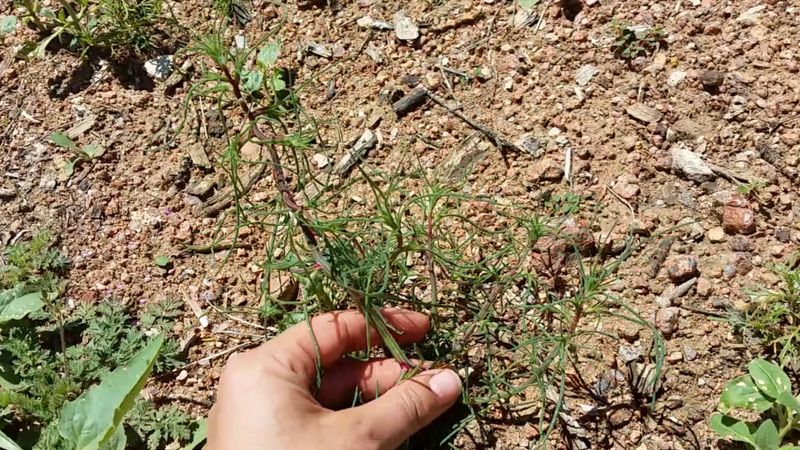
Catching tumbleweeds while they are still young and green gives you the biggest advantage in the battle against these persistent invaders.
When plants are small, usually just a few inches tall, their roots remain shallow and easy to pull by hand or slice through with a hoe.
This early intervention stops them before they develop the deep taproots that make mature plants much harder to remove.
Timing matters enormously because once tumbleweeds begin flowering, they shift all their energy into seed production, creating thousands upon thousands of seeds that will haunt your yard for years to come.
In Utah, this critical window typically occurs in late spring through early summer, depending on when winter moisture triggers germination. Checking your yard weekly during this period helps you spot new seedlings before they gain a foothold.
The physical act of removing young tumbleweeds requires minimal effort compared to battling established plants that have developed woody stems and extensive root systems.
A simple garden hoe or even a sturdy hand trowel works perfectly for this task. Working after a rain or watering session makes the soil softer and roots easier to extract completely, ensuring no portion remains behind to regrow and continue the cycle.
Never Let Plants Dry And Break Loose
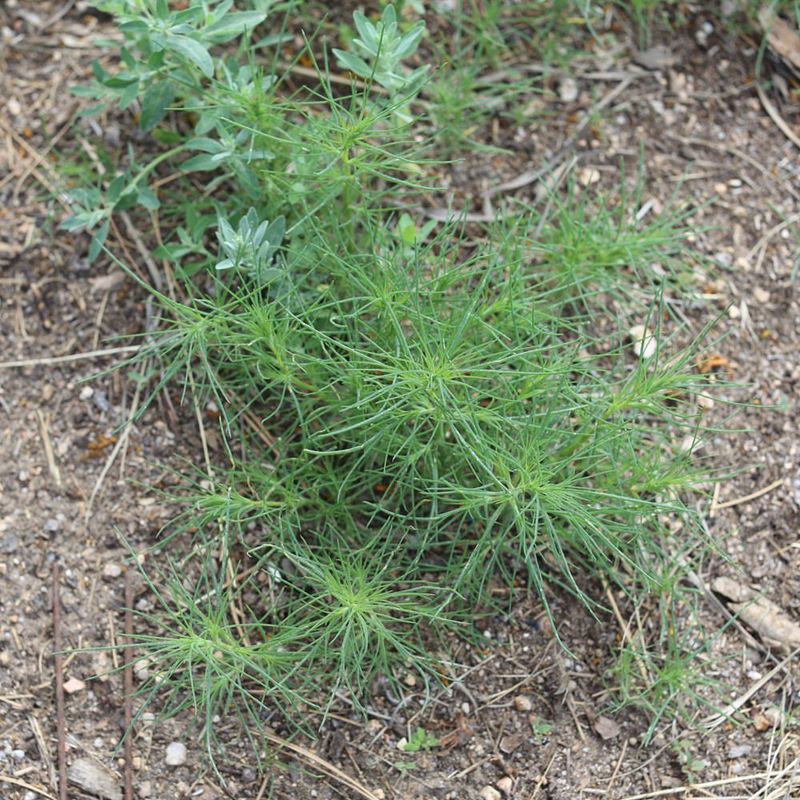
Understanding the tumbleweed’s clever survival strategy helps explain why you must act before plants mature and dry out completely.
These plants evolved specifically to break free from their roots when dry, rolling across landscapes and scattering seeds everywhere they bounce and tumble.
A single mature tumbleweed can carry between 200,000 to 250,000 seeds, turning your yard into a seed distribution center for the entire neighborhood.
Once a tumbleweed dries to that characteristic brown, brittle state, it becomes nearly impossible to handle without breaking it apart and releasing seeds everywhere.
The plant’s structure weakens at the base intentionally, creating a natural breaking point that activates when moisture drops.
Utah’s low humidity and intense summer sun accelerate this drying process, sometimes catching homeowners off guard when plants transition from green to brown seemingly overnight.
Your best defense involves monitoring any tumbleweeds growing on your property and removing them while still green and attached to their roots.
Green plants remain flexible and manageable, allowing you to cut them at ground level or pull them entirely without scattering seeds.
Acting decisively during the green stage prevents the rolling dispersal mechanism that makes these weeds so successful and frustrating across western landscapes.
Bag And Dispose Of Plants Immediately
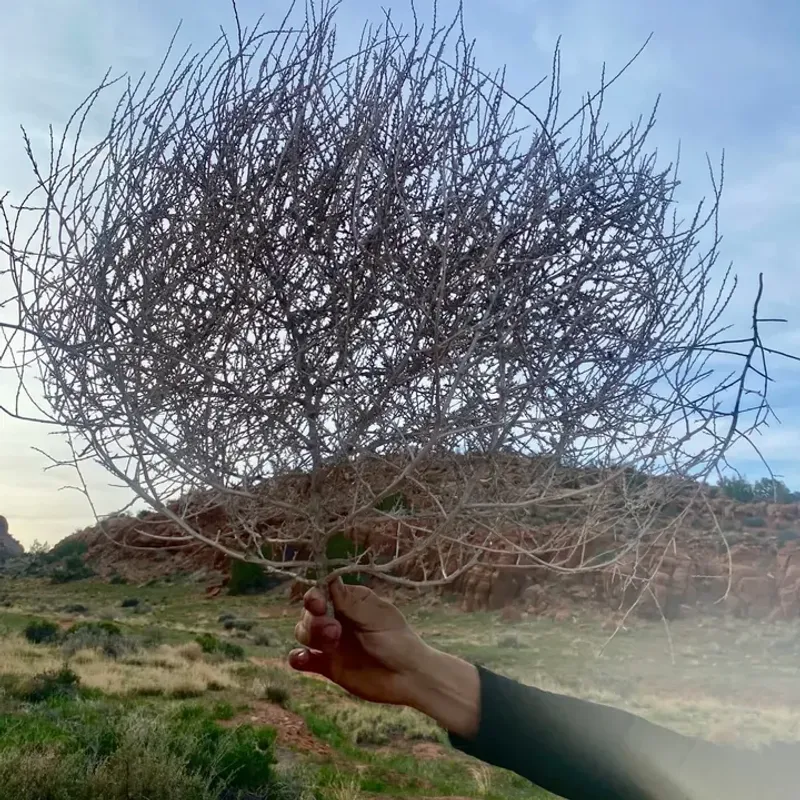
Many people make the critical mistake of pulling tumbleweeds and leaving them piled in the yard, assuming the problem is solved once plants are removed from the soil.
Unfortunately, tumbleweeds possess remarkable resilience, and their seeds can continue maturing even after the parent plant has been separated from its roots.
Leaving pulled plants lying around essentially creates seed incubators scattered across your property, defeating your entire removal effort.
Proper disposal requires placing removed tumbleweeds directly into heavy-duty trash bags or yard waste containers that seal completely.
Working methodically, pull or cut each plant and immediately bag it before moving to the next one. This prevents wind from catching loose plants or seeds from shaking free during transport.
Double-bagging provides extra security for larger plants that might puncture a single layer with their stiff, spiny branches.
Your municipality’s waste management guidelines determine where these bags should go, with most Utah communities accepting them in regular trash collection rather than green waste programs.
Green waste facilities often compost materials, which could allow tumbleweed seeds to survive and spread when compost gets distributed.
Checking with your local waste service ensures you dispose of these invaders properly, preventing them from establishing new populations somewhere else and continuing their relentless spread across our beautiful Utah landscapes.
Improve Soil With Mulch Or Ground Cover
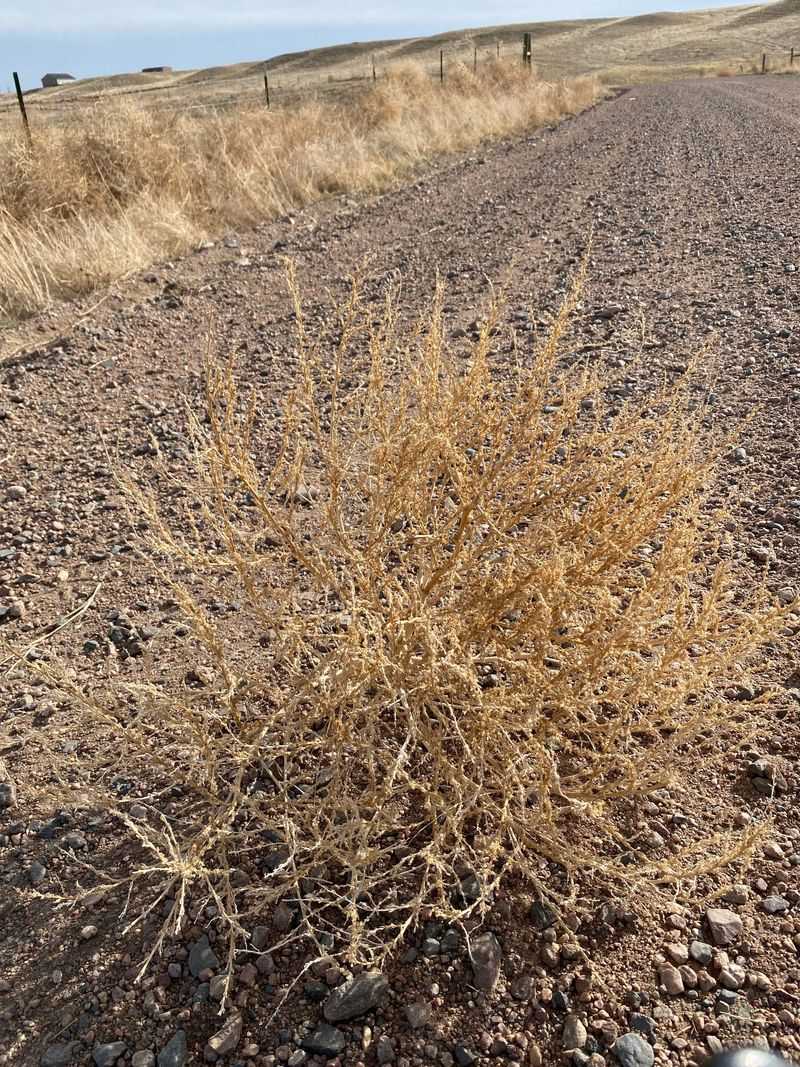
Bare soil acts like a welcome mat for tumbleweed seeds, providing the perfect conditions these opportunistic plants need to germinate and establish themselves.
Disturbed areas around construction sites, along driveways, or in neglected yard sections become prime real estate for tumbleweeds because they face minimal competition and receive plenty of sunlight.
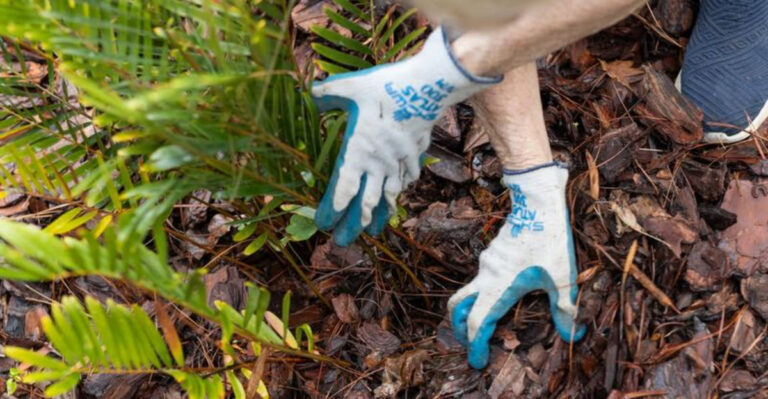
Creating a physical barrier between seeds and soil dramatically reduces your infestation risk. Applying a thick layer of mulch, typically three to four inches deep, blocks sunlight from reaching the soil surface where tumbleweed seeds land.
Without adequate light, seeds cannot germinate successfully, effectively breaking the cycle before it starts.
Organic mulches like wood chips or shredded bark work wonderfully in Utah’s climate, gradually breaking down to improve soil quality while suppressing weeds.
Rock mulch offers a longer-lasting alternative that never needs replacement, though it does not contribute organic matter to your soil.
Ground cover plants provide living mulch that accomplishes the same goal while adding beauty and ecological benefits to your landscape.
Low-growing species like creeping thyme, sedum, or native plants adapted to Utah conditions create dense mats that shade out tumbleweed seedlings.
These living carpets require some establishment time but eventually form self-sustaining barriers that need minimal maintenance while transforming bare problem areas into attractive landscape features.
Water Landscapes Deeply But Infrequently
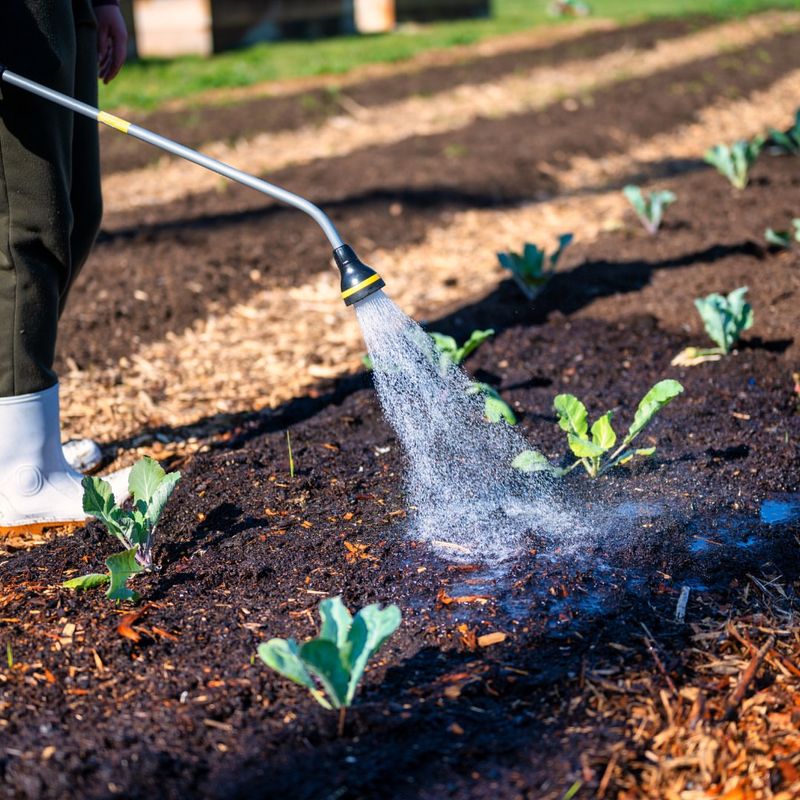
Watering habits influence which plants thrive in your yard, and tumbleweeds have adapted to take advantage of shallow, frequent watering patterns that many homeowners use.
Light daily sprinkling keeps the top inch or two of soil moist, which happens to be exactly where tumbleweed seeds germinate and young seedlings establish their initial roots.
Meanwhile, desirable landscape plants with deeper root systems do not benefit much from surface moisture and often struggle under this watering regime.
Switching to deep, infrequent watering encourages your lawn and garden plants to develop extensive root systems that reach moisture held deeper in the soil profile.
This approach might mean watering thoroughly once or twice weekly rather than lightly every day.
The soil surface remains dry between waterings, creating hostile conditions for tumbleweed germination while your established plants access moisture from below.
Utah’s arid climate makes this strategy particularly effective since surface soil dries quickly in our low humidity and intense sunshine.
Monitoring soil moisture helps you determine the right watering schedule for your specific landscape and soil type.
Pushing a screwdriver or soil probe into the ground shows how deeply water penetrates after irrigation.
Aiming for six to eight inches of moisture depth supports healthy turf and ornamental plants while discouraging the shallow-rooted opportunists that cause so much frustration in Utah yards.
Plant Dense, Competitive Vegetation
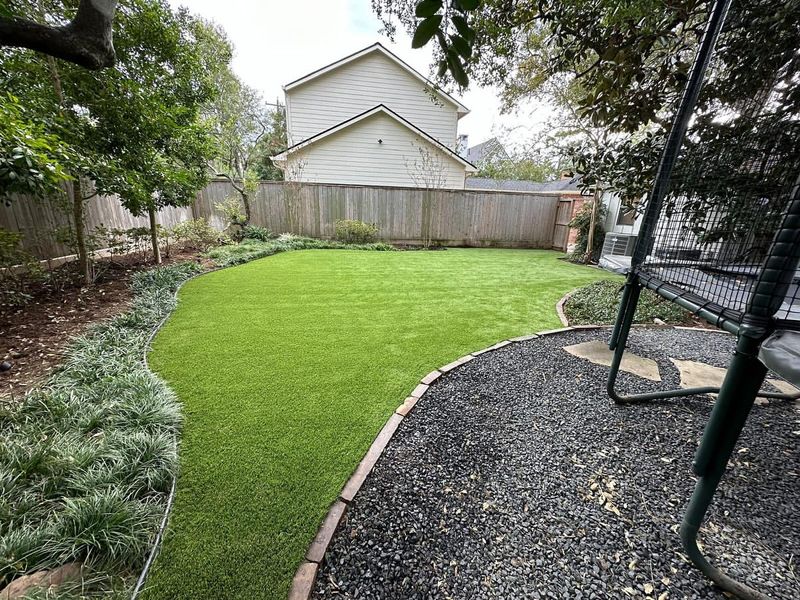
Nature abhors a vacuum, and empty spaces in your landscape will fill with something whether you plan for it or not.
Tumbleweeds excel at colonizing bare ground, but they struggle mightily when forced to compete with established, vigorous plants that already occupy the space.
Creating a thick, healthy stand of desirable vegetation essentially locks tumbleweeds out by denying them the resources they need to survive.
Turf grass, when properly maintained, forms one of the most effective barriers against tumbleweed invasion because it creates a dense mat of roots and shoots that leaves no room for interlopers.
Native grasses adapted to Utah conditions like blue grama or western wheatgrass offer alternatives that require less water and maintenance while providing similar competitive advantages.
These grasses develop deep roots and spread naturally to fill gaps, making them excellent choices for larger areas or more naturalized landscapes.
Ground cover plants offer another strategic option, particularly in areas where traditional lawn grass struggles or where you want lower maintenance solutions.
Species like creeping phlox, ice plant, or native spreading plants create living carpets that smother weed seedlings before they gain traction.
Establishing these competitive plantings requires some initial investment and patience, but once mature, they become self-defending barriers that dramatically reduce the time and effort you spend battling invasive tumbleweeds year after year.
Mow Or Cut Infestations Before Seed Set
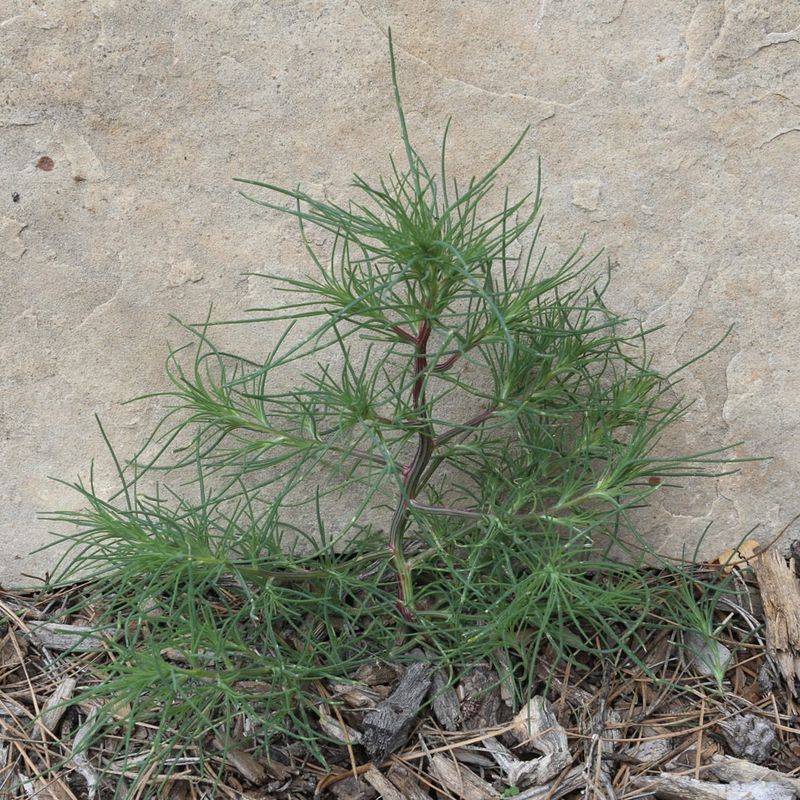
Sometimes tumbleweeds establish themselves in areas where complete removal proves impractical, such as along long fence lines, adjacent vacant lots, or large open spaces on your property.
When faced with extensive infestations, strategic mowing or cutting prevents seed production even if you cannot eliminate every plant.
Timing this intervention correctly makes the difference between reducing future problems and wasting effort on plants that have already accomplished their reproductive mission.
Tumbleweeds typically flower and begin setting seed in mid to late summer throughout Utah, though exact timing varies with elevation and local weather patterns.
Cutting or mowing plants while they are still green and flowering but before seeds mature interrupts the reproductive cycle.
The plants may attempt to regrow from cut stems, but repeated cutting exhausts their energy reserves and prevents successful seed production.
This approach works particularly well for large areas where hand-pulling becomes overwhelming.
Using a string trimmer, brush cutter, or lawn mower set to its highest setting, cut plants as close to ground level as possible. Leaving tall stubs allows plants to regrow more easily from remaining stem tissue.
Plan to check and re-cut the same areas every few weeks throughout the growing season, as persistent attention prevents seed development.
While this method requires ongoing effort, it dramatically reduces the seed rain that would otherwise create exponentially worse problems in following years.
Control Weeds Along Fence Lines And Edges
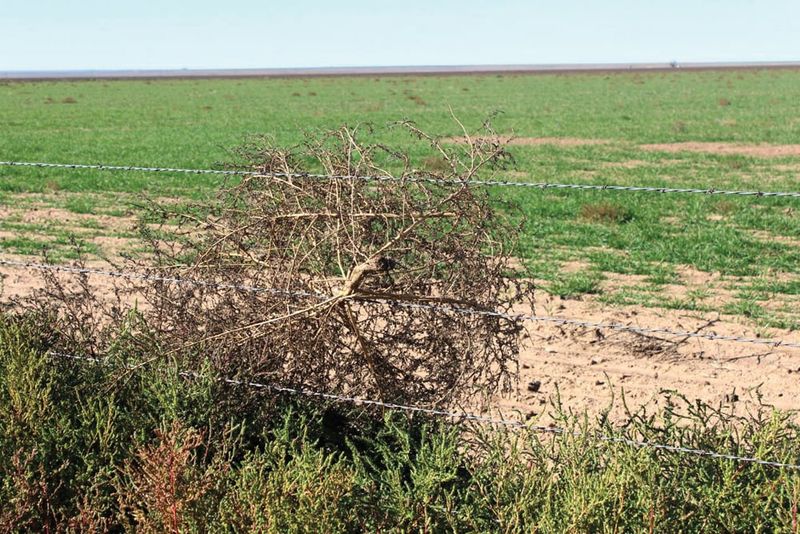
Fence lines, property edges, and the strips along driveways create perfect tumbleweed nurseries because these areas often receive less attention and maintenance than the main parts of your yard.
Seeds blow against fences and accumulate in corners where they find undisturbed soil and minimal competition from desirable plants.
These marginal spaces become launching pads for invasions that gradually creep inward, eventually overwhelming your entire property if left unchecked.
Regular inspection and maintenance of these border areas prevents small problems from becoming major headaches.
Walking your property perimeter weekly during spring and early summer lets you spot new tumbleweed seedlings when they are easiest to remove.
Many homeowners focus their efforts on highly visible areas like front lawns while neglecting the edges where invasions actually begin.
Shifting some attention to these overlooked zones provides better long-term results with less overall effort. Creating intentional barriers along fence lines helps prevent establishment in these trouble spots.
Options include installing landscape fabric topped with rock mulch, planting dense perennial ground covers, or maintaining a mowed strip that receives regular attention.
Some people apply mulch several feet out from fence lines, creating a maintenance zone that stays weed-free with minimal effort.
Whatever strategy you choose, consistent attention to these edge habitats stops tumbleweeds at your property boundaries before they march inward and establish themselves throughout your landscape.
Use Targeted Herbicides Early In The Season
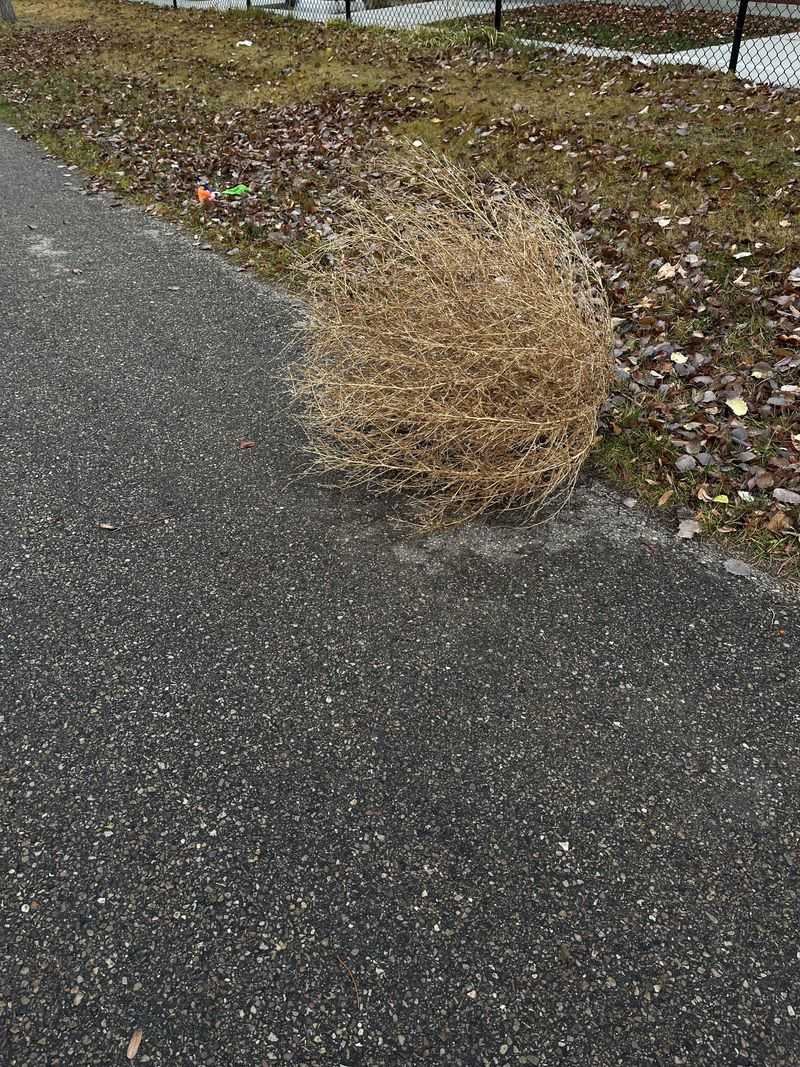
Chemical control offers another tool in your tumbleweed management strategy, particularly when dealing with large infestations or areas where physical removal proves difficult.
Herbicides fall into two main categories for tumbleweed control: pre-emergent products that prevent seeds from germinating, and post-emergent herbicides that target actively growing plants.
Understanding when and how to use each type maximizes effectiveness while minimizing environmental impact and protecting desirable plants.
Pre-emergent herbicides work by creating a chemical barrier in the top layer of soil that prevents weed seeds from successfully germinating.
Applying these products in early spring before soil temperatures warm enough to trigger tumbleweed germination provides season-long protection in treated areas.
Utah gardeners typically apply pre-emergents in March or early April, though timing varies with elevation and local climate patterns.
These products require watering in after application to activate the barrier and work best in areas where you want to prevent all weed growth.
Post-emergent herbicides target plants that are already growing, with effectiveness depending heavily on application timing.
Young, actively growing tumbleweeds absorb herbicides readily and succumb quickly, while mature plants with woody stems resist chemical control.
Spot-treating individual plants or small patches with appropriate herbicides minimizes chemical use while effectively controlling problem areas.
Always read and follow label directions carefully, selecting products labeled for tumbleweed control and safe for use around your specific landscape plants and lawn grass varieties.
Eliminate Seed Sources From Nearby Areas
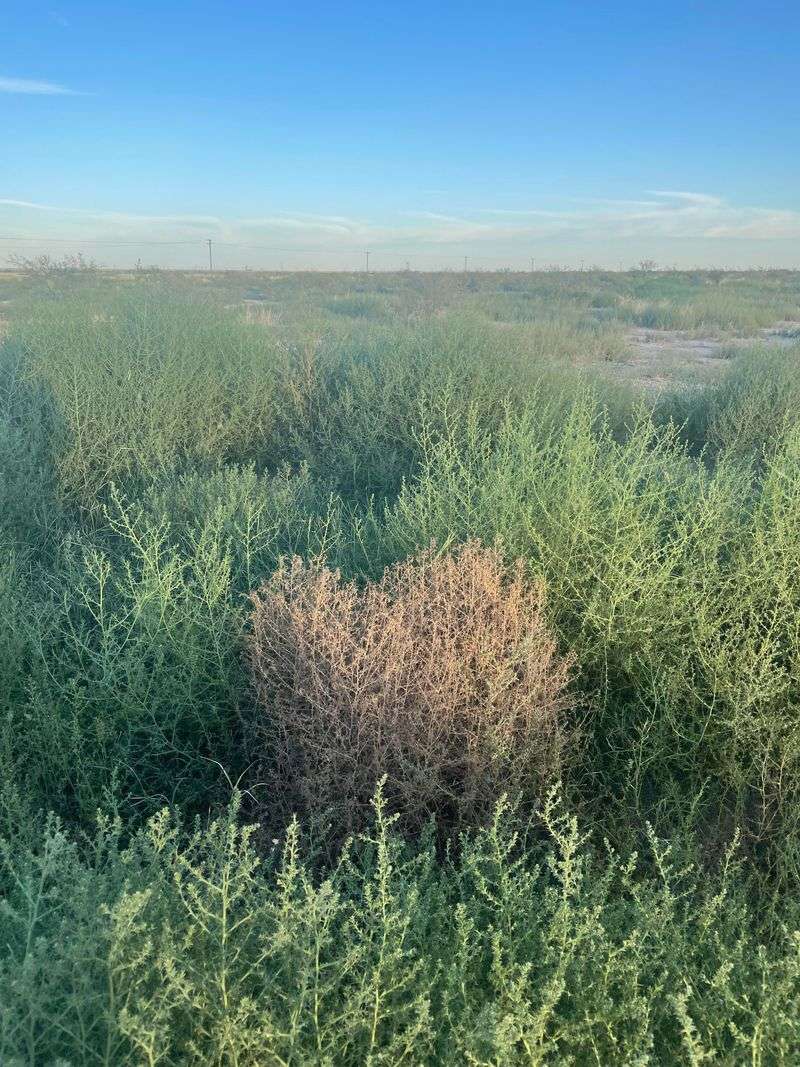
Your efforts to control tumbleweeds on your property face constant challenge if neighboring properties, vacant lots, or open spaces harbor mature plants producing millions of seeds annually.
Wind carries these seeds remarkable distances, with studies showing tumbleweeds can disperse seeds hundreds of feet from parent plants.
Even perfect management on your property cannot completely prevent invasion when surrounded by seed sources, making community-wide cooperation essential for long-term success.
Opening conversations with neighbors about coordinated tumbleweed control benefits everyone and often reveals that others share your frustration but felt overwhelmed tackling the problem alone.
Organizing neighborhood cleanup days where multiple properties receive attention simultaneously reduces seed sources across entire blocks.
Some Utah communities have successfully implemented weed control districts or neighborhood associations that coordinate efforts and share resources, making individual tasks more manageable while improving results for everyone.
Addressing tumbleweeds on vacant lots, along alleys, or in other neglected spaces sometimes requires working with local government or property owners.
Many municipalities have weed abatement ordinances that require property owners to control noxious weeds, and reporting problem properties can trigger enforcement action.
County extension offices often provide resources and guidance for community weed control efforts.
While you cannot control what happens beyond your fence line, building awareness and encouraging coordinated action creates lasting improvements that make your individual efforts far more effective and sustainable over time.