How To Stop Moles From Destroying Your Lawn In Georgia (Safely)
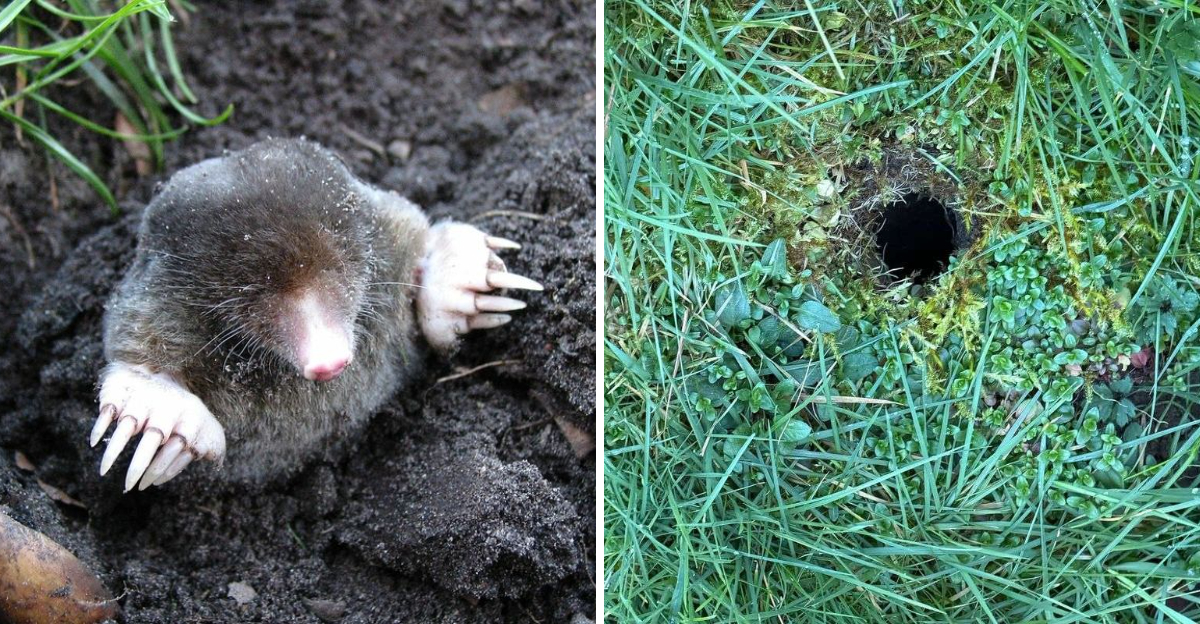
Fresh mole tunnels can make a healthy lawn look messy almost overnight.
Soft raised lines start winding across the yard, patches of grass loosen underfoot, and suddenly the entire lawn feels uneven no matter how much work went into keeping it looking good before.
Georgia lawns seem to deal with mole activity more often once soil stays moist and insect activity increases during warmer months.
The damage becomes especially frustrating when tunnels keep reappearing right after the yard finally starts looking normal again.
Many homeowners rush toward harsh solutions immediately, then end up creating bigger lawn problems than expected. A few safer approaches can make a noticeable difference without turning the yard into something stressful to manage.
1. Reduce Grub Populations Before Tunnels Spread Further
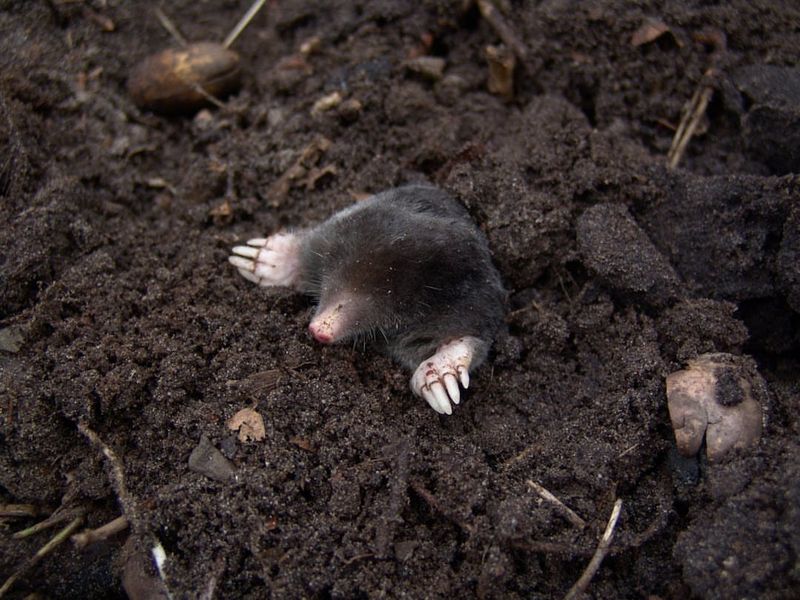
Grubs are basically a mole buffet, and if your Georgia lawn has plenty of them, moles will keep coming back no matter what else you try.
Eastern moles, which are the most common species found across Georgia, rely heavily on grubs and earthworms as their main food source.
Cut off the food supply, and the lawn becomes far less attractive to them.
Applying beneficial nematodes is one of the most practical grub-reduction methods available to Georgia homeowners.
Nematodes are microscopic organisms that work through the soil and naturally reduce grub populations without harming your lawn, pets, or the surrounding environment.
You can find them at most garden centers, and they work best when applied to moist soil in late spring or early fall.
Milky spore is another option worth considering, though it works specifically on Japanese beetle grubs and takes a full season or two to fully establish in Georgia soil. Patience matters here — quick results should not be expected.
Results depend heavily on soil temperature, moisture levels, and how consistently grubs are present in your yard.
Combining both approaches over one to two seasons gives you the strongest chance of reducing grub activity significantly. Fewer grubs underground means moles have less reason to tunnel through your specific yard.
2. Install Underground Barriers Around Vulnerable Lawn Areas
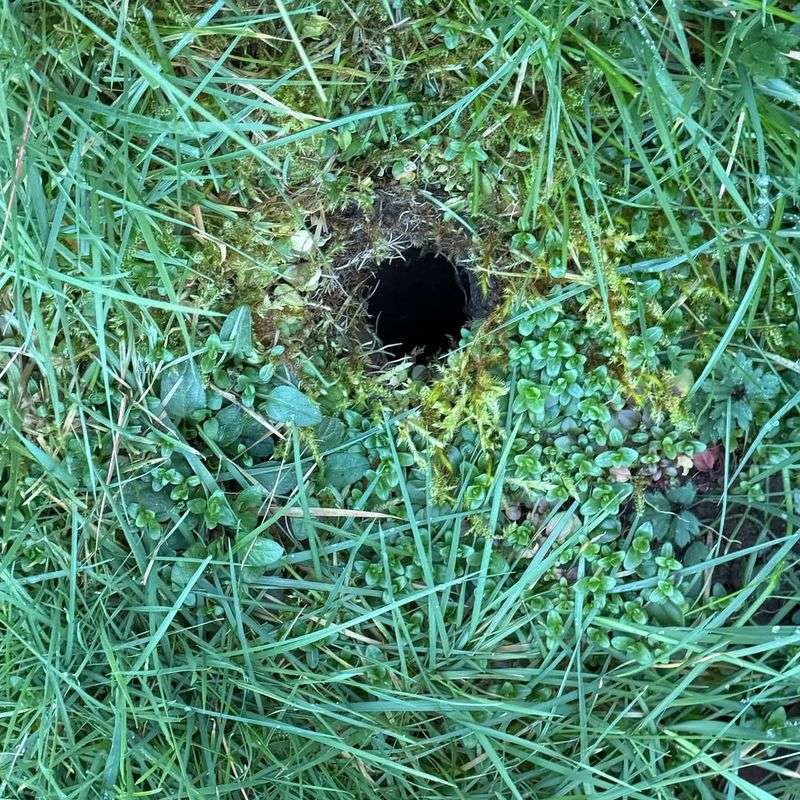
Physical barriers might sound like a lot of work, but they are one of the most reliable long-term solutions for protecting specific areas in a Georgia yard.
Raised garden beds, flower borders, and freshly seeded lawn sections are especially worth protecting since moles tend to tunnel where soil is soft and freshly worked.
Galvanized hardware cloth with openings no larger than a quarter inch works well as an underground barrier. Bury it at least 12 inches deep and bend the bottom outward at a 90-degree angle to prevent moles from tunneling underneath it.
A shallower installation will not hold up well against a determined mole working through loose Georgia clay or sandy soil.
Keep in mind that barriers protect specific zones rather than your entire lawn. Trying to fence off a full half-acre yard with underground mesh is neither practical nor cost-effective for most Georgia homeowners.
Instead, focus on the spots that matter most — around vegetable gardens, ornamental beds, or areas where you have already dealt with repeated tunneling damage.
Your Georgia Garden Changes Every Week. Your Plan Should Too.
Gardening in Georgia changes quickly throughout the season. Every Friday you’ll receive a simple weekly plan showing exactly what to plant, prune, fertilize, harvest, and protect so you never miss the right timing.
Installing barriers works best as part of a broader strategy rather than a standalone fix. Pair it with grub reduction and soil moisture management, and you create multiple layers of discouragement for moles moving through your property.
3. Water Deeply Instead Of Keeping Soil Constantly Damp

Constantly damp soil is practically an invitation for moles. Soft, wet ground is easy to tunnel through and keeps earthworms and grubs close to the surface where moles can reach them without much effort.
Across much of Georgia, summer heat combined with frequent light watering creates exactly this type of environment in residential lawns.
Switching to deep, infrequent watering changes the soil profile in a meaningful way. When you water deeply once or twice a week rather than lightly every day, moisture is pushed further down into the soil profile.
Earthworms follow that moisture downward, which forces moles to work harder and dig deeper to find food — often discouraging them from sticking around near the surface.
A good general guideline for Georgia lawns is to apply about one inch of water per session and allow the top layer of soil to dry out between waterings. Bermuda and zoysia grass, which are both common in Georgia, actually prefer this deeper watering schedule anyway.
So adjusting your irrigation habits benefits both your grass health and your mole management efforts at the same time.
Early morning is the best time to water so the surface dries out quickly during the day. Watering in the evening leaves soil damp overnight, which is prime tunneling time for moles.
4. Flatten Active Runways To Monitor New Activity
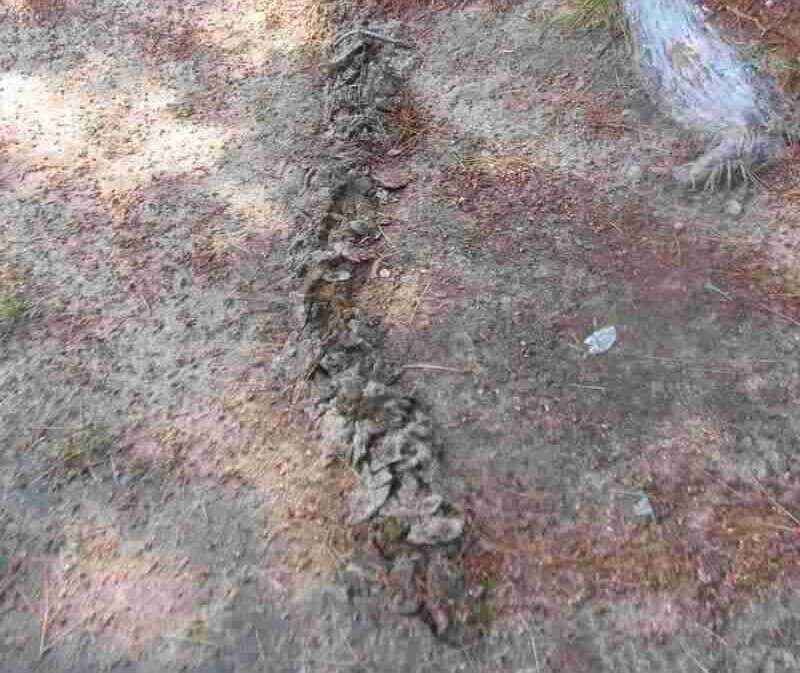
Raised mole runways cutting across a Georgia lawn can look alarming, but they actually give you useful information if you know how to read them.
Not every tunnel you see is actively being used — moles create both surface runways and deeper tunnels, and some surface ridges are abandoned after a single pass.
Flattening raised tunnels with your foot or a lawn roller is a simple way to figure out which ones are active. Press the soil back down firmly along a section of tunnel, then check it again 24 to 48 hours later.
If the ridge has pushed back up, that runway is still being used regularly. If it stays flat, the mole has likely moved on to a different part of the yard.
Focusing your efforts on confirmed active tunnels saves time and prevents you from wasting repellents or other deterrents on areas where no mole is currently working.
In Georgia, moles tend to be most active during spring and fall when soil temperatures are moderate and food sources are plentiful near the surface.
Summer heat and dry spells often push activity deeper underground temporarily.
5. Keep Grass Roots Thick And Healthy
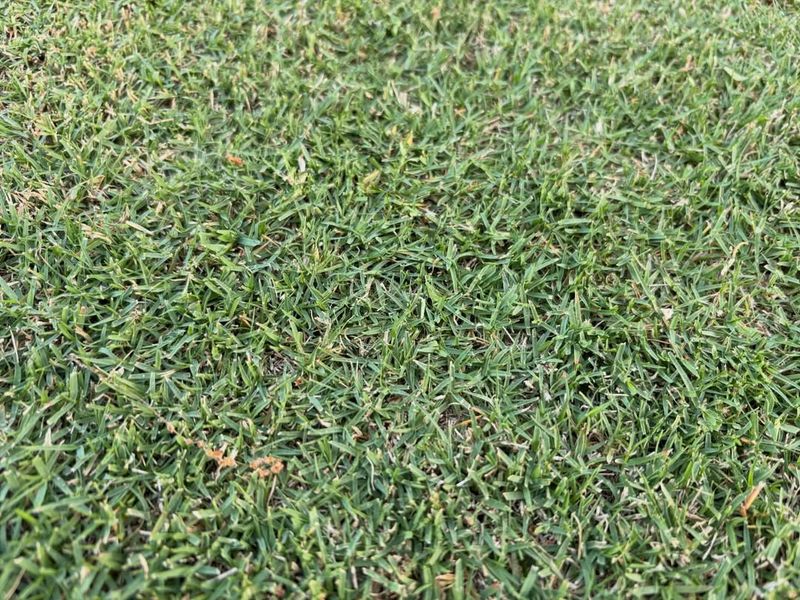
A dense, well-rooted lawn is harder for moles to disrupt than thin or stressed grass. When grass roots are shallow or sparse, mole tunnels near the surface can easily separate roots from soil contact, leaving brown patches and uneven ground behind.
Keeping your Georgia lawn thick and vigorous is one of the most overlooked defenses against mole damage.
Bermuda grass and zoysia grass — two of the most popular lawn types across Georgia — both develop strong lateral root systems when fertilized and mowed correctly. Mowing at the right height for your specific grass type encourages deeper rooting.
Cutting Bermuda too short, for example, stresses the plant and weakens root development over time, making the lawn more vulnerable to surface disturbances from tunneling.
Core aeration done in late spring for warm-season grasses helps loosen compacted Georgia clay soil, allowing roots to grow deeper and access nutrients more effectively.
Pair aeration with a balanced fertilizer application and your grass will recover from mole activity faster and resist cosmetic damage better overall.
Results vary depending on how compacted your specific soil is before you start.
Overseeding thin or bare patches quickly closes up areas where soil stays exposed and soft near the surface.
6. Remove Easy Food Sources From The Lawn
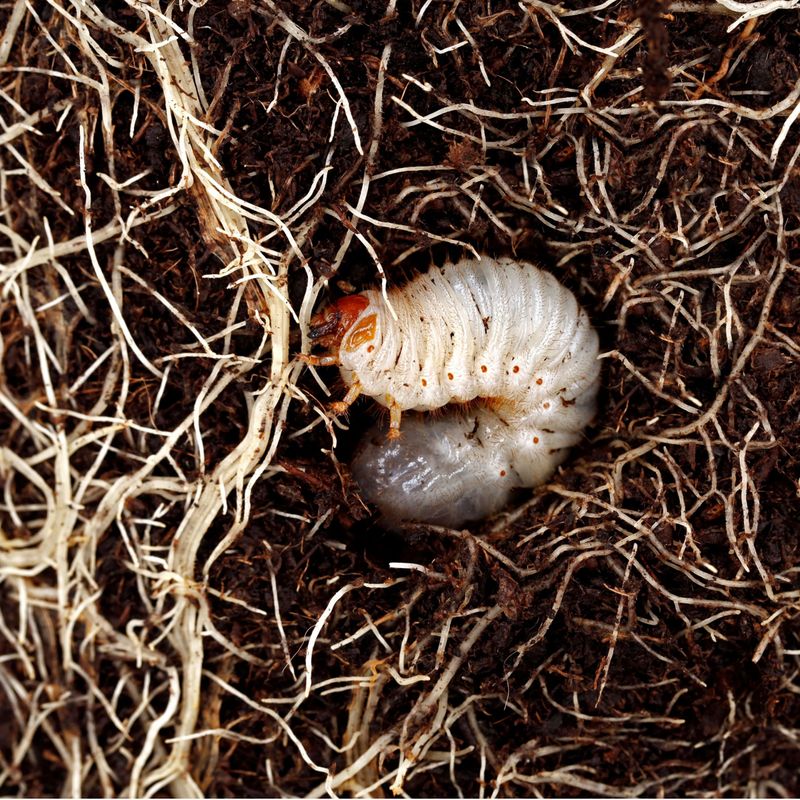
Moles follow food, plain and simple. A Georgia lawn loaded with earthworms and grubs sitting just below the surface is going to attract moles far more reliably than one where food is scarce or buried deep.
Removing easy food access is one of the most direct ways to make your property less worth tunneling through.
Overwatering, heavy thatch buildup, and excessive organic material left on the lawn surface all create ideal conditions for earthworm and grub populations to thrive near the top layer of soil.
Raking out thick thatch layers in spring removes the moist, decomposing habitat that keeps earthworms concentrated near the surface where moles can easily reach them.
Reducing heavy mulch depth around garden beds bordering your lawn also helps. Mulch that is piled four or five inches deep stays consistently moist and warm — perfect habitat for the prey moles are hunting.
Keeping mulch layers to about two or three inches reduces that concentrated food zone along lawn edges, which are often the first areas moles enter from neighboring properties.
7. Focus Protection Around Frequently Damaged Areas
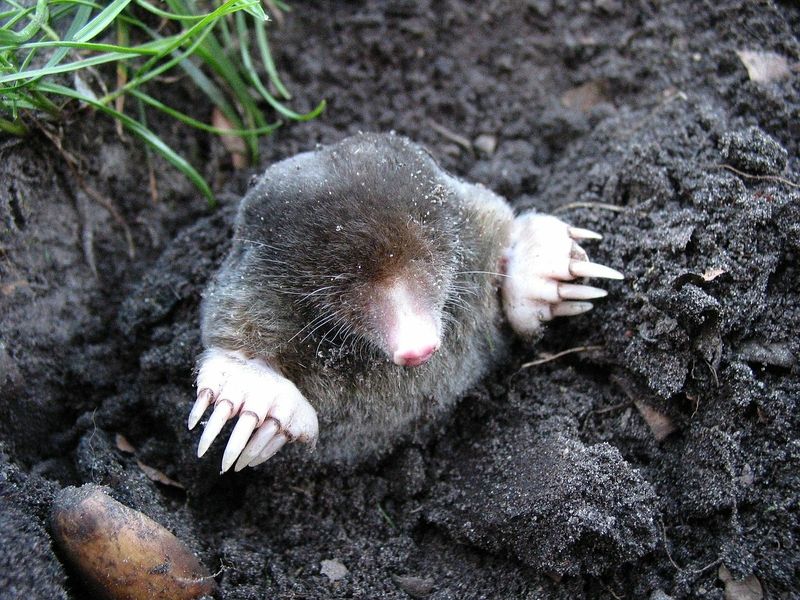
Spreading effort evenly across an entire lawn rarely works as well as targeting the spots where moles consistently return.
Certain areas of a Georgia yard tend to attract repeat tunneling — shaded corners with moist soil, spots near garden beds, low areas that hold water after rain, or sections close to wooded edges where moles enter from natural areas.
Castor oil-based granular repellents are among the most widely recommended safe options for homeowners dealing with mole activity in Georgia.
Applying them along confirmed active tunnels and around frequently damaged zones creates a scent barrier that moles find unpleasant.
Results vary — some homeowners see noticeable improvement within a week while others find the effect wears off quickly, especially after heavy Georgia summer rain.
Reapplication after rainfall is important since water washes repellent granules through the soil faster in sandy or loose soils common in parts of Georgia. Following label directions carefully ensures you are applying the right rate and reapplying at the right intervals.
More is not always better, and over-applying does not increase effectiveness.
Vibration stakes placed near high-activity areas create low-level ground vibrations that moles find irritating. They are not a guaranteed solution, but some Georgia homeowners use them successfully as part of a combined approach.