How To Stop Moles From Destroying Your Lawn In North Carolina (Safely)

Waking up to a lawn covered in raised tunnels and soft spongy ridges is a frustrating start to any morning, and in North Carolina, moles are one of the most common culprits behind that kind of overnight damage.
They work fast, they work deep, and by the time most homeowners notice the problem the network of tunnels underneath is already more extensive than the surface suggests.
Moles are not eating your grass or plant roots the way many people assume, but the tunneling they do while hunting earthworms and grubs disrupts root systems, creates tripping hazards, and leaves a lawn looking like it has been worked over from below.
North Carolina’s loose, moist soil in many parts of the state makes ideal mole habitat, which is why the problem tends to return even after homeowners think they have handled it.
There are approaches that can reduce damage safely without creating new problems in the yard, and understanding what drives mole activity here makes all of them more effective.
1. Reduce Their Food Source (Grubs And Soil Insects)
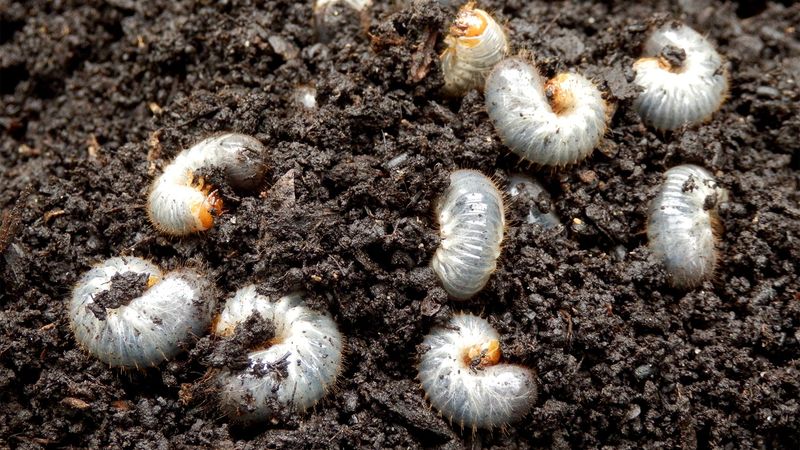
Most people focus on the moles themselves, but the real starting point is what keeps bringing them to your yard in the first place. Moles are not after your grass roots or flower bulbs.
They are hunting earthworms, grubs, and other soft soil insects that live just beneath the surface of your North Carolina lawn.
When grub populations are high, moles have a constant food supply that keeps them tunneling day after day. Treating your lawn for grubs using a product like milky spore or beneficial nematodes can help lower insect levels over time.
These are natural options that are generally considered low-risk when used exactly as labeled.
Reducing the food supply does not mean moles will pack up and leave overnight. They are persistent creatures with strong survival instincts.
However, a yard with fewer grubs becomes a less attractive destination, which can slow down their activity noticeably. Think of it as removing the buffet rather than chasing away the guests.
Combining grub control with other lawn care habits gives you a stronger overall defense. North Carolina lawns that stay properly fertilized and aerated tend to have more balanced soil ecosystems, which naturally keeps pest insect populations at a manageable level.
Starting with the food source is always a smart first move.
2. Identify Active Tunnels Before Acting
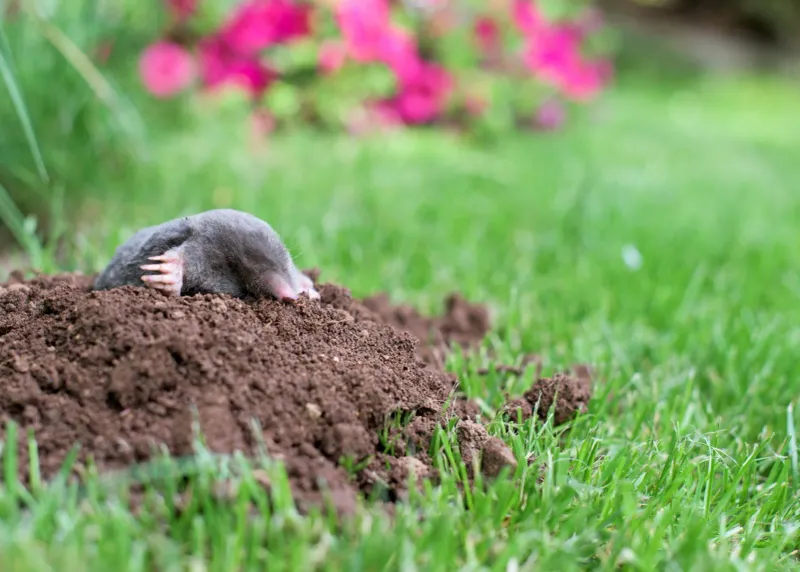
One of the most common and costly mistakes North Carolina homeowners make is treating every single tunnel they see, whether active or not. Moles create two types of tunnels: deep permanent runways and shallow surface tunnels used for feeding.
Surface tunnels are the ones you see as raised ridges across your lawn, but not all of them are in regular use.
Here is a simple test that works really well. Press down a section of the raised tunnel firmly with your foot or a garden tool, then mark the spot and come back in 24 hours.
If the tunnel has been pushed back up, that is a strong sign a mole is actively using that run. If it stays flat, you can move on and test a different section.
Your North Carolina Garden Changes Every Week. Your Plan Should Too.
Gardening in North Carolina changes quickly throughout the season. Every Friday you’ll receive a simple weekly plan showing exactly what to plant, prune, fertilize, harvest, and protect so you never miss the right timing.
Focusing only on active tunnels saves you time, money, and effort. In North Carolina, moles tend to be most active in spring and fall when soil temperatures are moderate and food is abundant near the surface.
Mapping out the active areas of your yard before taking action gives you a clear picture of where the problem is concentrated.
Knowing the difference between a well-traveled mole highway and an abandoned side route makes your entire lawn management plan sharper and more efficient from the start.
3. Avoid Ineffective Repellents And Gimmicks

Walk into any garden store in North Carolina and you will find shelves full of products promising to chase moles away instantly.
Ultrasonic spike devices, windmill spinners, vibrating stakes, and even chewing gum placed into tunnels are all popular choices, but research consistently shows that these methods offer little to no reliable results when tested properly.
Moles are highly adaptable animals. They may avoid a certain area for a short time when something changes in their environment, but they quickly learn that the new object poses no real threat.
Within days or weeks, they are back to tunneling right past that spinning pinwheel or buzzing stake without a second thought.
Castor oil-based repellent sprays are slightly more supported by evidence than the gadgets, but even these tend to produce temporary results at best.
They can make soil temporarily unappealing to moles by affecting the taste and smell of their food, but once rain washes the product away, moles often return to the same spots.
Reapplication is constant and the results are inconsistent. Spending money on gimmicks delays real progress and gives moles more time to extend their tunnel networks beneath your North Carolina lawn.
Focus instead on habitat modification and prevention strategies, which are the most consistent ways to reduce damage without using poisons or lethal methods. Saving your budget for proven solutions is always the smarter play in the long run.
4. Water Your Lawn Properly, Not Excessively

Overwatering is one of the sneaky habits that accidentally invites more mole activity into your North Carolina lawn. When soil stays constantly moist, earthworms and soil insects migrate closer to the surface to breathe and feed.
That shallow layer of easy-to-reach food becomes a magnet for hungry moles who can tunnel through soft, wet ground with very little effort.
The fix is surprisingly simple: water deeply but less often. Most North Carolina lawns do well with about one inch of water per week, depending on the grass type and season.
Watering deeply encourages grass roots to grow further down into the soil, which also helps your lawn handle dry spells better overall. Shallow, frequent watering is the habit that causes the most problems.
Try watering early in the morning so the soil surface has time to dry out during the day. Wet soil at night stays moist longer, which keeps the top layer of ground soft and welcoming for mole activity.
A soil moisture meter is a handy and inexpensive tool that helps you avoid guessing when your lawn actually needs water.
Proper watering habits will not eliminate moles completely, but they can make your yard noticeably less attractive compared to a neighbor’s soggy lawn.
Combined with other control methods, smart irrigation is a powerful and completely free adjustment that benefits your grass, your roots, and your long-term mole management plan in North Carolina.
5. Use Physical Barriers In Small Areas
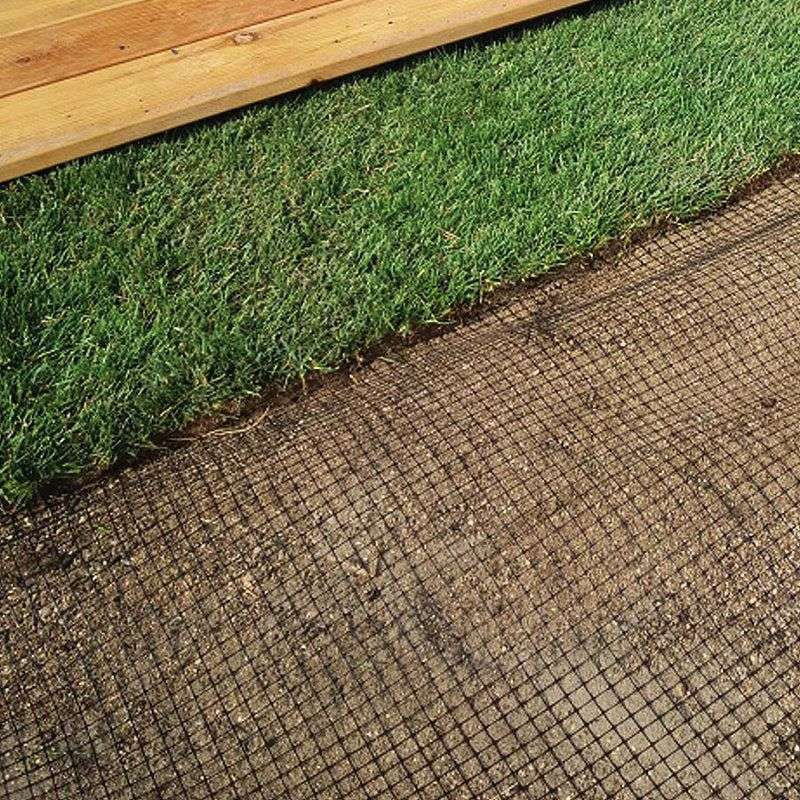
Sometimes the best defense is a literal wall. Physical underground barriers are one of the most dependable ways to protect small, high-value areas like flower beds, vegetable gardens, or freshly seeded patches of lawn from mole tunneling in North Carolina.
They will not solve a whole-yard problem, but for targeted protection, they are hard to beat.
Hardware cloth with a quarter-inch mesh is the most commonly recommended material for this job. You will want to bury it at least eight to twelve inches deep along the perimeter of the area you want to protect.
Bending the bottom of the barrier outward at an L-shape gives extra resistance against moles that try to dig underneath the edge. The installation takes some effort but pays off for years.
Wire mesh baskets are also available for protecting individual plants or small shrub root zones. These are especially useful in North Carolina gardens where ornamental plantings are a big part of the landscape.
Slipping a basket around the root ball before planting adds protection without interfering with healthy plant growth above ground.
Keep in mind that barriers work best as a preventive measure rather than a cure after moles have already moved in. If tunnels are already present inside the area, you may need to address those first before installing a barrier.
Used proactively, underground barriers give you a reliable, chemical-free zone of protection that holds up season after season across North Carolina.
6. Maintain Dense, Healthy Turf

A thick, healthy lawn is more than just a pretty sight. Dense turf actually creates a less hospitable environment for moles because dense, well-rooted turf recovers better from tunneling and makes surface damage less noticeable.
While a strong lawn will not completely stop a determined mole, it does raise the effort required to tunnel, which can redirect activity to easier spots nearby.
Overseeding thin or bare patches every fall is one of the best things North Carolina homeowners can do for both appearance and pest management.
Fescue and Bermuda varieties both perform well in the state and create that thick root mat that makes tunneling less convenient.
Pair overseeding with proper fertilization and your lawn fills in faster than you might expect.
Core aeration is another underrated tool in this effort. Aerating once a year loosens compacted soil layers, improves water absorption, and encourages deeper root growth.
Healthier roots mean thicker grass, and thicker grass means a tougher barrier between moles and the soft soil they prefer. Schedule aeration in the fall for cool-season grasses or late spring for warm-season varieties common in North Carolina.
Mowing at the right height also plays a role. Cutting grass too short stresses the plant, weakens roots, and leaves soil more exposed and vulnerable.
Keeping your mower blade at the recommended height for your grass type promotes stronger, thicker growth. A well-maintained lawn is genuinely one of your best long-term strategies for reducing mole pressure across your property.
7. Accept Some Mole Activity As Normal
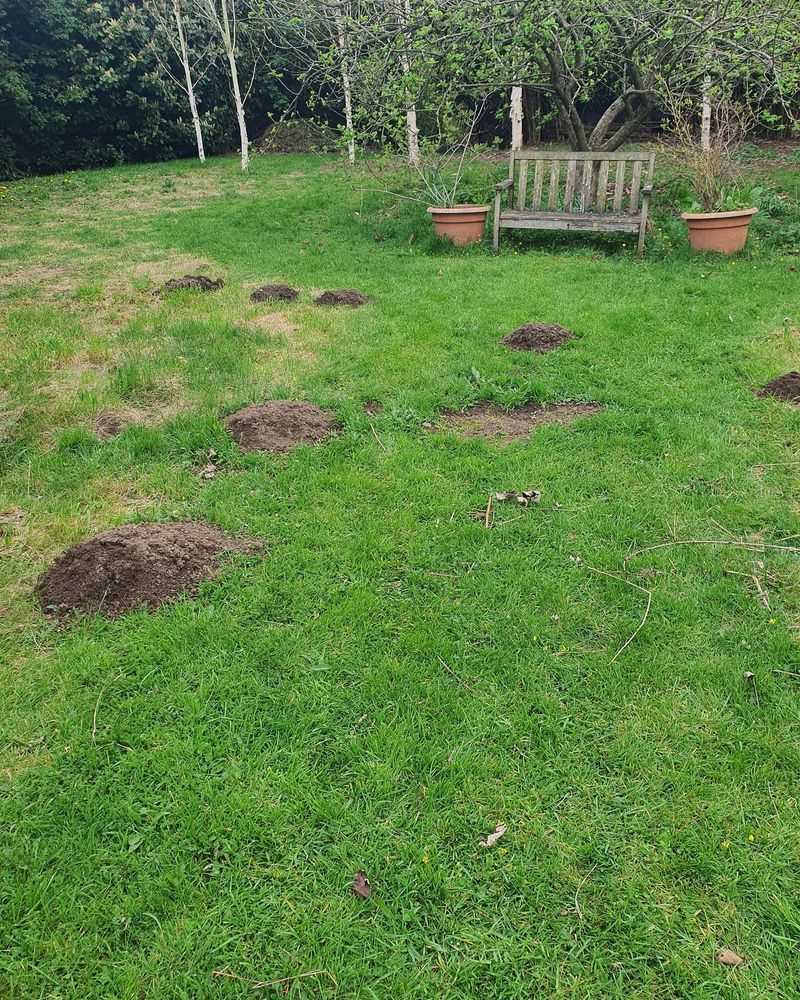
Here is something most lawn care guides skip over entirely: moles are native wildlife in North Carolina, and some level of activity is simply part of living here.
Expecting total elimination is not realistic, and chasing that goal often leads to frustration, wasted money, and methods that do more harm than good to your yard and local ecosystem.
Moles actually provide some surprising benefits when their population stays balanced. They aerate soil as they tunnel, which improves drainage and oxygen flow to grass roots.
They also consume large numbers of grubs and soil insects that can cause their own kind of lawn damage. A single mole working through a yard is not necessarily a crisis worth going to war over.
The smarter mindset is to focus on reducing damage rather than achieving total removal. Set a personal threshold for what level of tunnel activity you can tolerate, and only take action when that line gets crossed.
Seasonal spikes in mole activity are common in North Carolina, especially in spring and fall, and often calm down naturally as soil conditions change.
Blending the practical steps in this article with a healthy dose of patience gives you the most balanced and effective long-term approach. Protect the areas that matter most, manage grubs, water wisely, and let nature do some of the balancing work on its own.
This approach also lines up with guidance from the North Carolina Wildlife Resources Commission, which emphasizes preventing wildlife conflicts by removing the things that attract animals in the first place, like easy food sources, shelter, and access points.
When you make your lawn less inviting rather than trying to fight every mole directly, you are working with that same principle.
Your North Carolina lawn can absolutely be beautiful and mostly mole-free with the right combination of effort and realistic expectations.