How To Store Kohlrabi And How Long It Lasts In North Carolina
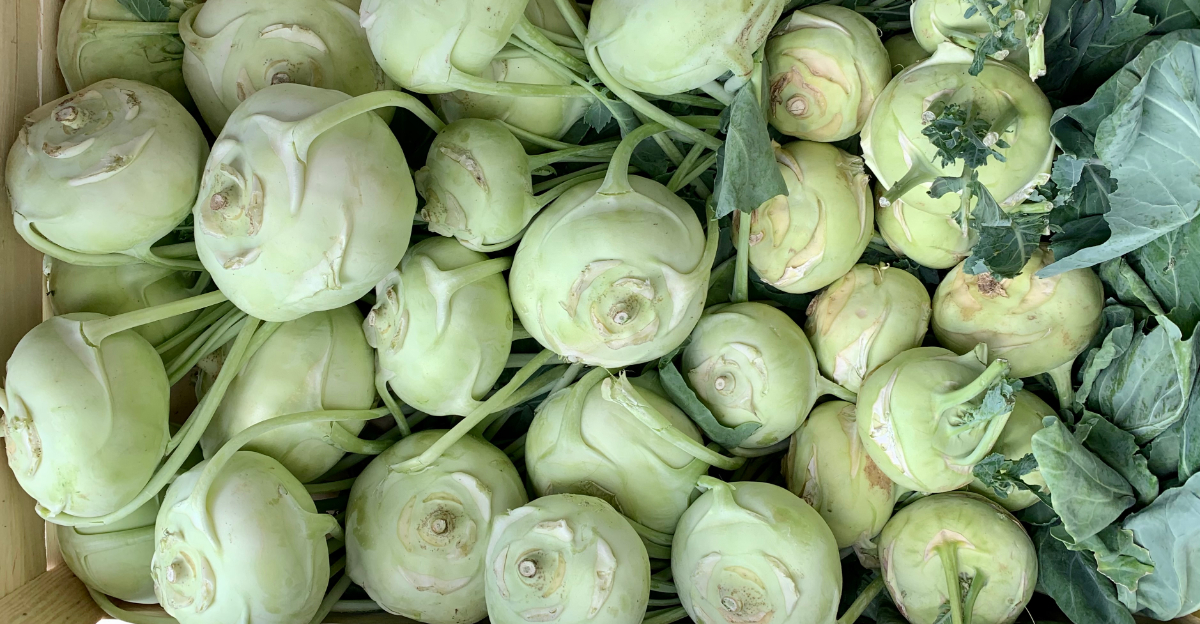
Kohlrabi is one of those vegetables that surprises gardeners in the best way.
It grows happily in North Carolina gardens, handles cool weather well, and delivers a crisp, mildly sweet flavor that works beautifully in salads, slaws, and warm dishes. But the real challenge begins after harvest.
Without the right storage, those fresh, juicy bulbs can quickly lose their crunch and flavor. A few simple steps can make the difference between kohlrabi that stays firm for days and kohlrabi that stays delicious for weeks or even months.
Whether you pulled a handful from the garden or ended up with a generous harvest, smart storage keeps your hard work from going to waste.
With the right approach, you can enjoy that garden fresh taste long after harvest day, adding homegrown flavor to meals well beyond the growing season.
Harvest Kohlrabi When Bulbs Are 2–3 Inches In Diameter
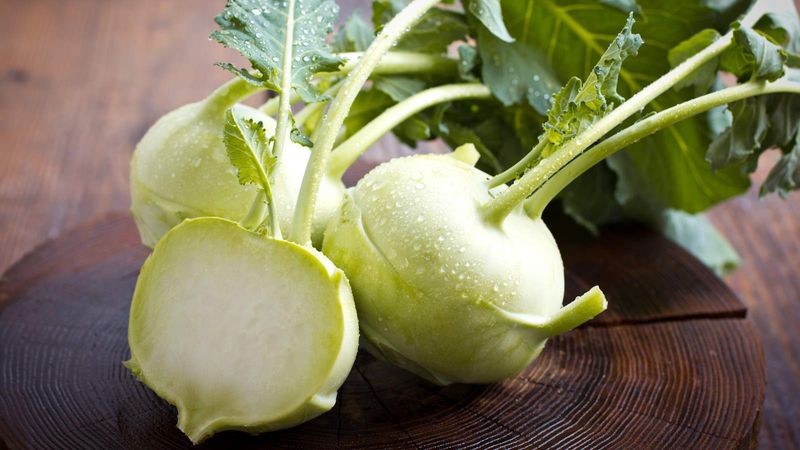
Picking kohlrabi at just the right size makes a huge difference in how well it stores. Bulbs that measure between two and three inches across have the perfect balance of flavor and texture. They stay crisp and sweet much longer than larger ones.
Overgrown kohlrabi tends to become woody and fibrous inside. Once the bulb gets too big, the center starts losing moisture faster. This makes storage much less successful, and you might end up with rubbery vegetables nobody wants to eat.
North Carolina gardeners often face warm fall weather that can push kohlrabi to grow quickly. Check your plants every few days once bulbs start forming. A bulb that looks perfect today might be oversized by next week.
Smaller bulbs also have thinner skin that helps them breathe properly during storage. The tender flesh holds onto water better, keeping that satisfying crunch. When you harvest at the ideal size, your kohlrabi can last significantly longer in your refrigerator or root cellar.
Plan your harvest timing carefully, especially if you planted multiple rows. Stagger your picking so you always have fresh kohlrabi ready. This approach gives you the longest possible storage window while maintaining excellent eating quality throughout the season.
Remove Leaves Before Storage
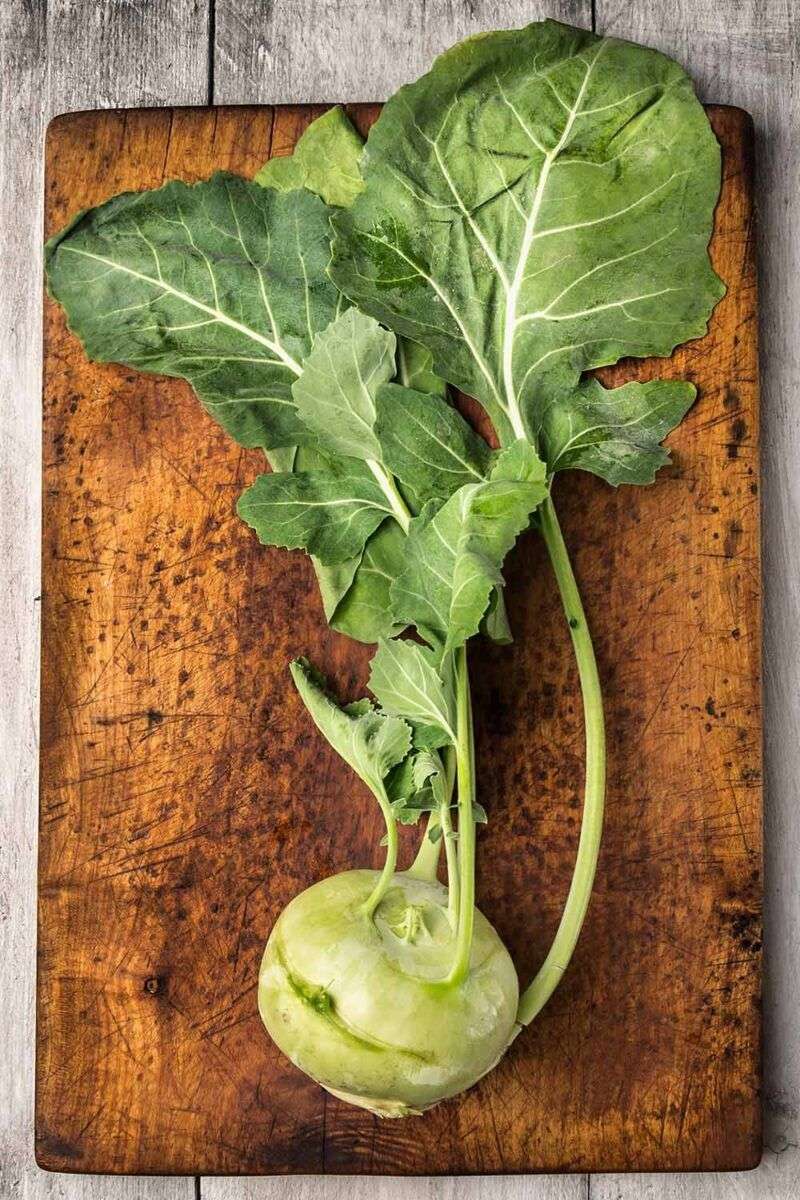
Trimming off those leafy greens might seem wasteful, but it actually saves your kohlrabi. Leaves continue pulling moisture from the bulb even after harvest. Within days, this constant water loss causes the bulb to soften and shrivel up.
Use clean scissors or a sharp knife to cut the leaves about an inch above the bulb. Leave a small stub rather than cutting flush against the top. This prevents creating an entry point where bacteria could sneak in and start causing rot.
Those trimmed leaves do not have to go to waste at all. Young kohlrabi greens taste similar to kale and work wonderfully in stir-fries or soups. Just use them quickly since they wilt faster than the bulbs do.
After removing the leaves, let the cut ends dry slightly before storing. A few hours at room temperature allows the wound to seal naturally. This creates a protective barrier that helps prevent moisture loss and keeps your kohlrabi fresher.
North Carolina humidity can be tricky for storage vegetables. Leaving leaves attached in our climate accelerates decay because they trap excess moisture around the bulb.
Taking this simple step extends your storage time by several weeks, making it absolutely worth the extra minute of prep work.
Store In A Cool, Dark Place
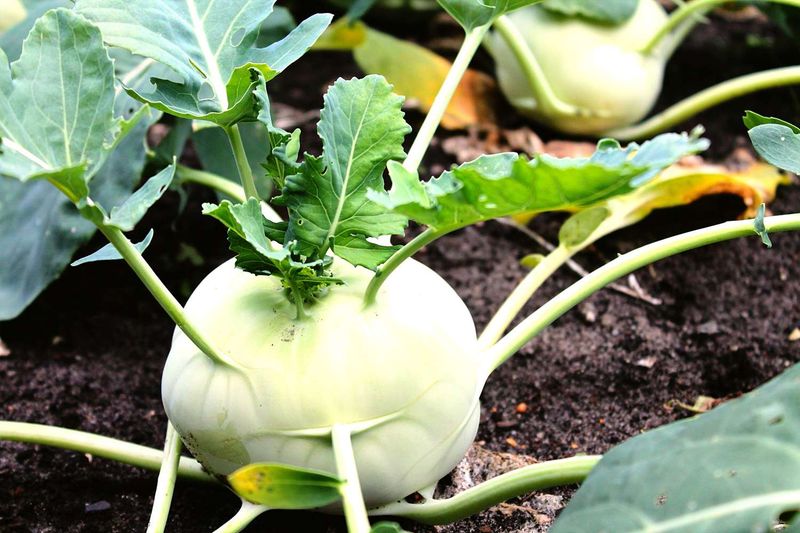
Temperature control makes or breaks successful kohlrabi storage. The sweet spot sits between thirty-two and forty degrees Fahrenheit. At this range, the bulb’s natural processes slow way down, and it stays fresh much longer.
Darkness matters just as much as temperature does. Light exposure triggers kohlrabi to start growing again, using up stored sugars and nutrients. This process makes the flesh bitter and changes the texture from crisp to spongy.
Many North Carolina homes have basements or crawl spaces that naturally stay cool. Check the temperature with a simple thermometer before using these spots. Even a consistently cool closet on the north side of your house might work perfectly.
Avoid areas with temperature swings like garages or sheds. When temperatures bounce up and down, condensation forms on the bulbs. This moisture encourages mold growth and speeds up spoilage significantly.
Root cellars work beautifully if you have one available. These traditional storage spaces maintain steady cool temperatures and high humidity naturally.
For apartment dwellers or those without basements, a spare refrigerator set to the coldest setting provides similar conditions.
Just remember that kohlrabi needs both coolness and darkness working together to achieve maximum storage life.
Maintain High Humidity
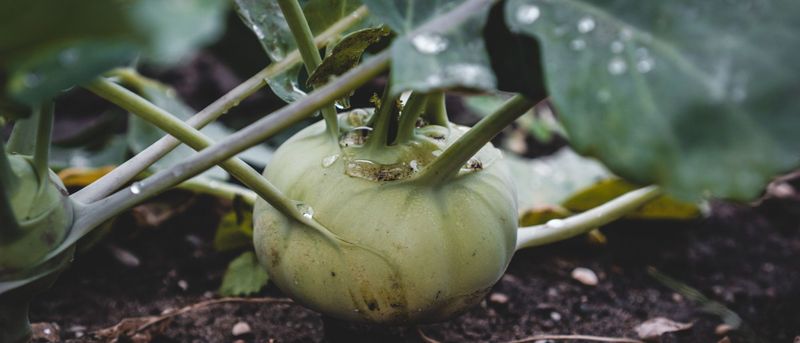
Kohlrabi thrives in moist environments during storage. Relative humidity between ninety and ninety-five percent keeps the bulbs from drying out. Without enough moisture in the air, water evaporates from the vegetable, leaving you with wrinkled, rubbery kohlrabi.
Creating high humidity sounds complicated, but several simple methods work great. Placing bulbs in perforated plastic bags traps moisture while allowing some air circulation. You can also store them in containers with damp sand or sawdust surrounding each bulb.
North Carolina winters can be surprisingly dry indoors with heating systems running constantly. Your home refrigerator typically maintains decent humidity in the crisper drawer. Check occasionally and add a damp paper towel if things seem too dry.
Too much humidity causes different problems though. Standing water or excessive condensation invites bacterial and fungal growth.
The goal is keeping the air moist without letting water actually sit on the bulbs themselves.
Monitor your storage area regularly, especially during the first few weeks. If bulbs start feeling soft or showing dark spots, adjust humidity levels. Some trial and error helps you find the perfect balance for your specific storage location.
Once you dial in the right conditions, your kohlrabi maintains that satisfying crunch and fresh flavor for months instead of weeks.
Use Plastic Bags Or Perforated Containers
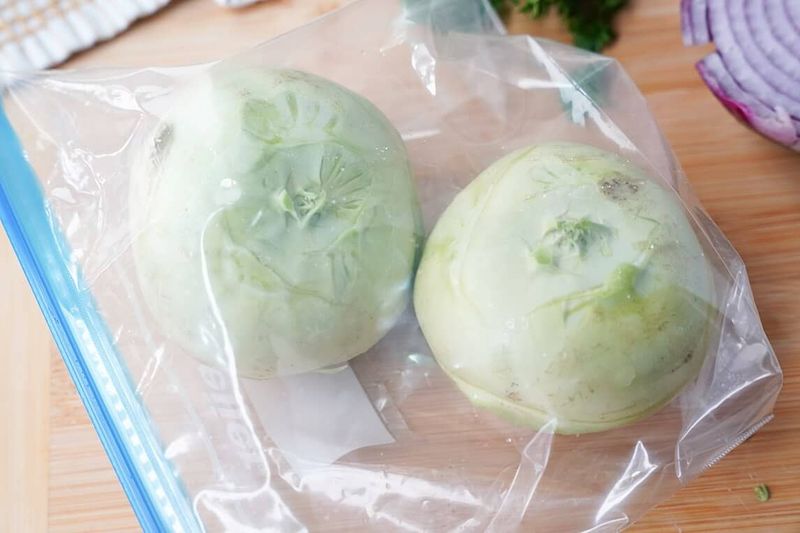
Choosing the right container dramatically impacts how long your kohlrabi stays fresh. Perforated plastic bags strike the perfect balance between moisture retention and air circulation.
The tiny holes let just enough air move through while preventing the bulbs from drying out completely.
Regular plastic bags without holes can work if you poke several small openings yourself. Use a fork or knife tip to create about ten to fifteen holes throughout the bag. This homemade version works nearly as well as store-bought perforated bags.
Ventilated plastic containers with lids also make excellent storage vessels. These rectangular boxes often come with adjustable vents you can open or close. Start with vents partially open and adjust based on how moist the kohlrabi feels after a week.
Avoid completely sealed containers or bags with no air exchange. Kohlrabi continues respiring after harvest, releasing moisture and gases. Trapped moisture with no escape route creates the perfect breeding ground for mold and bacterial growth.
Paper bags seem like a natural choice but actually work poorly for kohlrabi. They absorb too much moisture from the bulbs, causing faster dehydration. The paper also tears easily when damp, making a mess in your storage area.
Stick with plastic options that maintain consistent humidity levels while protecting your kohlrabi from bruising and damage during the entire storage period.
Refrigeration Extends Freshness
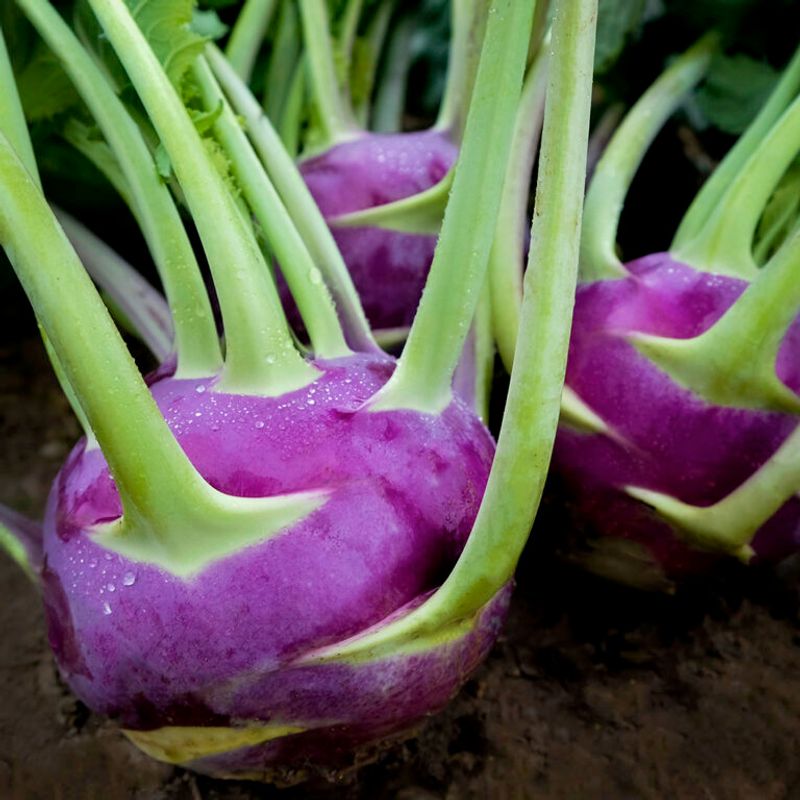
Your refrigerator offers the easiest storage solution for most home gardeners. The crisper drawer provides cold temperatures and higher humidity than other refrigerator sections.
Kohlrabi stored this way typically stays fresh and crunchy for two to three weeks without any fuss.
Place unwashed bulbs directly into the crisper after removing leaves. Most modern refrigerators have humidity controls on crisper drawers. Set yours to the highest humidity setting, usually marked for vegetables rather than fruits.
Avoid storing kohlrabi near fruits that produce ethylene gas. Apples, pears, and bananas release this natural ripening agent that makes vegetables age faster. Keep your kohlrabi in a separate drawer or section away from these ethylene producers.
Check your stored bulbs every few days for any soft spots or discoloration. Remove any questionable ones immediately to prevent problems from spreading. One bad bulb can quickly affect its neighbors through contact and moisture transfer.
North Carolina gardeners with small harvests find refrigerator storage perfectly adequate. You get convenient access for daily cooking while maintaining excellent quality.
The consistent cold temperature eliminates worries about basement humidity or temperature fluctuations.
Just remember that refrigerator storage works best for shorter periods, so plan to use your kohlrabi within three weeks for optimal flavor and texture in your favorite recipes.
Root Cellars Or Cool Basements Can Store Kohlrabi For Months
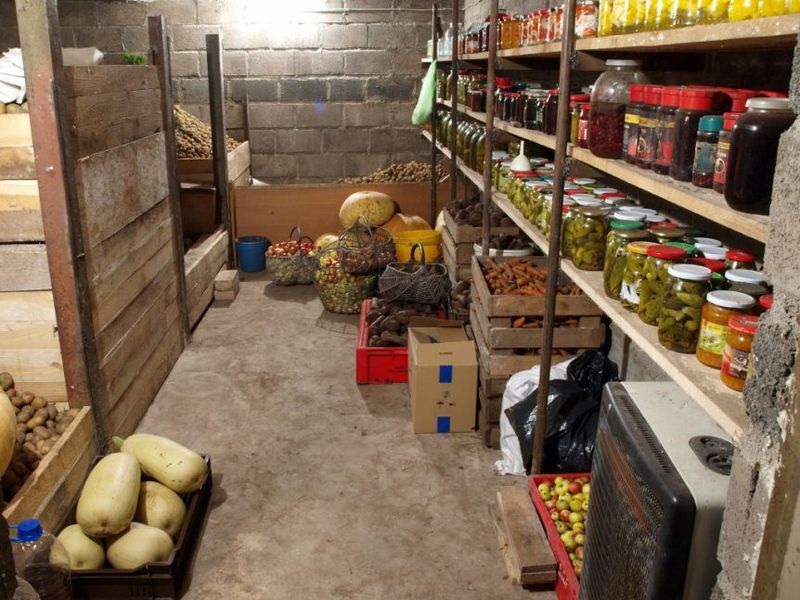
Long-term storage becomes possible with the right setup. Root cellars and cool basements can keep kohlrabi fresh for three to four months. These spaces naturally maintain the cool, dark, humid conditions that kohlrabi loves.
Traditional root cellars work by using earth’s natural insulation properties. Underground spaces stay consistently cool throughout winter without electricity. North Carolina homes built before modern refrigeration often included these practical storage areas.
Modern basements can work equally well with some adjustments. Choose the coolest corner, usually on the north side away from heating ducts. Monitor temperature and humidity carefully, making adjustments as needed throughout the storage period.
Layer kohlrabi in boxes filled with slightly damp sand or sawdust. Each bulb should be surrounded but not touching its neighbors. This arrangement maintains humidity while preventing rot from spreading between bulbs.
Wooden crates or cardboard boxes work better than plastic bins for long storage. Natural materials allow better air circulation and moisture regulation. Stack boxes with small spacers between them to promote airflow.
Check your stored kohlrabi monthly, removing any that show softening or decay. The effort pays off beautifully when you enjoy fresh, crisp kohlrabi in February from your October harvest.
This traditional storage method connects you with generations of gardeners who preserved their harvests through winter months.
Avoid Washing Before Storage
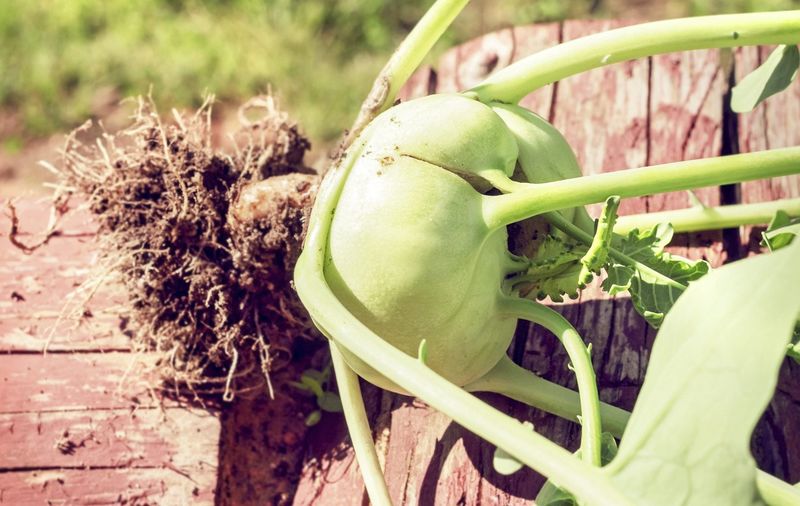
Keeping your kohlrabi unwashed until you are ready to eat it sounds counterintuitive but makes perfect sense.
Water sitting on the surface creates an invitation for bacteria and mold spores. These microorganisms thrive in moist environments and quickly cause soft spots and rot.
Brush off loose dirt gently with your hands or a soft cloth. A little soil remaining on the bulb actually helps protect it during storage. The natural coating acts as a barrier against moisture loss and microbial invasion.
North Carolina clay soil can be stubborn and tempting to wash off immediately. Resist that urge no matter how dirty your kohlrabi looks. That muddy coating provides valuable protection throughout the storage period.
Washing removes the natural waxy layer that kohlrabi develops on its skin. This protective coating helps regulate moisture movement and prevents dehydration. Once washed away, the bulb becomes much more vulnerable to environmental conditions.
When you are finally ready to use your stored kohlrabi, wash it thoroughly under cool running water. Use a vegetable brush to remove any remaining soil. The bulb will clean up beautifully, revealing the pale green or purple skin underneath.
This simple practice of delaying washing significantly extends storage life. The difference can mean enjoying your kohlrabi for months instead of weeks, making it one of the easiest storage tips to implement successfully.
Inspect Regularly And Remove Soft Bulbs
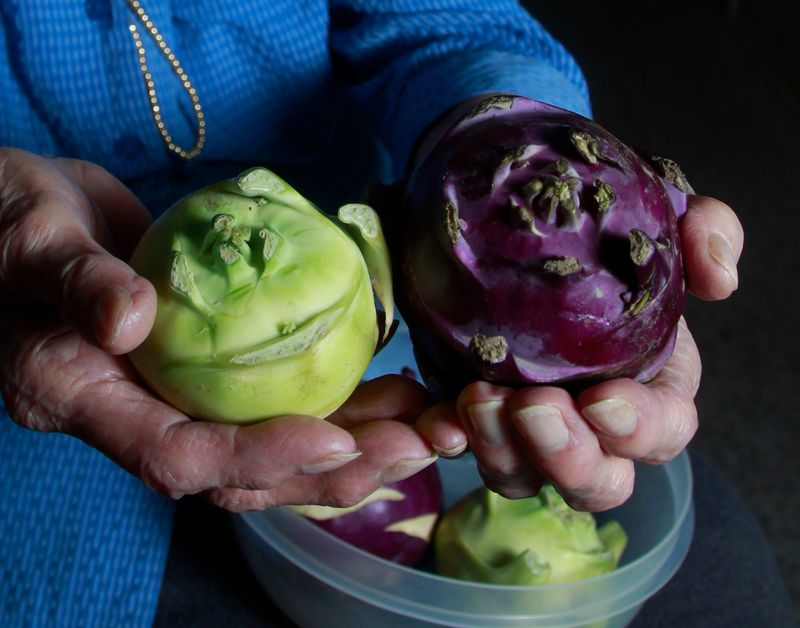
Regular inspection catches problems before they spread through your entire storage. Set a schedule to check your kohlrabi every week or two. Look carefully at each bulb, feeling for soft spots and checking for discoloration or mold growth.
Soft areas indicate the beginning of decay inside the bulb. These spots usually start small but expand rapidly as bacteria break down the tissue. Catching them early prevents the problem from affecting neighboring bulbs through contact and airborne spores.
Remove any questionable bulbs immediately from your storage area. Even slightly soft kohlrabi can often still be used if you cut away the affected portion. Just use these bulbs right away rather than returning them to storage.
Pay special attention to bulbs touching each other during inspection. Rot spreads fastest through direct contact between vegetables. Rearrange your storage periodically to ensure good air circulation around each bulb.
North Carolina’s variable humidity makes regular checking especially important. A sudden warm spell or heavy rain can affect basement conditions. Your stored vegetables will show the impact within days through changes in texture and appearance.
Keep a small basket handy for collecting bulbs that need immediate use. This system ensures nothing goes to waste while protecting your long-term storage.
Think of inspection time as quality control that maximizes your harvest investment and keeps your stored kohlrabi in peak condition throughout the storage season.
Use Kohlrabi Soon After Storage For Best Flavor
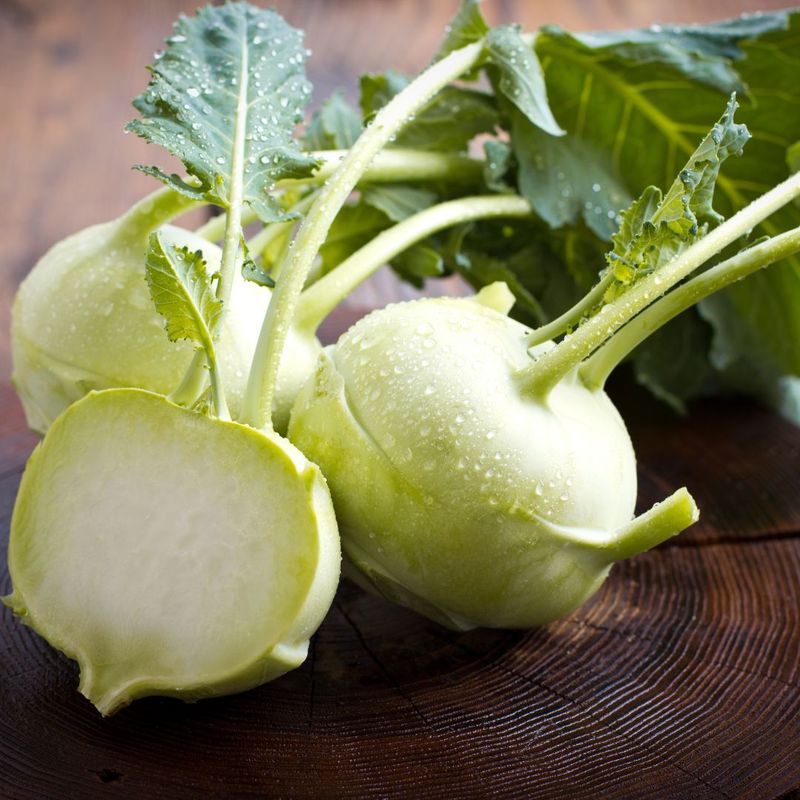
Even perfectly stored kohlrabi gradually loses quality over time. The flavor stays sweetest and the texture remains crispest during the first few weeks after harvest. Planning your meals around this timeline ensures you enjoy kohlrabi at its absolute best.
Sugar content naturally decreases as storage time increases. Fresh kohlrabi has a mild, sweet taste similar to broccoli stems. After several months, that sweetness fades and the flavor becomes more neutral or slightly bitter.
Texture changes happen gradually but noticeably over extended storage. The satisfying crunch that makes raw kohlrabi perfect for slaws slowly softens. While still perfectly edible, older bulbs work better in cooked dishes than fresh applications.
Use your newest kohlrabi for raw preparations like salads and vegetable platters. Save older stored bulbs for soups, stir-fries, and roasted dishes where texture matters less. This strategy maximizes enjoyment from your entire harvest.
North Carolina gardeners can plant succession crops for continuous fresh supply. Rather than storing everything, harvest smaller amounts regularly. This approach guarantees peak flavor and nutrition in every meal.
Mark storage containers with harvest dates to track age easily. Rotate your stock, using older bulbs first while newer ones continue storing.
This organized system prevents waste and ensures you always know which kohlrabi to grab for tonight’s dinner, keeping your meals delicious from harvest through winter.