How To Support Winter-Blooming Hellebores In North Carolina

Winter-blooming hellebores bring a quiet kind of magic to North Carolina gardens, pushing up fresh color just as the rest of the landscape settles into its winter nap.
These tough plants don’t mind cold mornings or soft frosts; in fact, they often shine their brightest when everything else fades.
Still, even a hardy hellebore can use a steady hand as winter rolls in.
Fallen leaves, shifting soil, and surprise warm spells can nudge these plants off balance.
A bit of care keeps them standing strong, letting each bloom lift the mood of the season.
Gentle cleanup around the crown, the right patch of shade, and steady moisture help the plant stay grounded and ready to blossom.
As buds open against bare branches and quiet beds, hellebores prove that winter doesn’t have to be dull.
With thoughtful support, they turn the coldest months into a showcase of resilience, charm, and soft winter color.
1. Choose The Right Planting Location For Your Hellebores
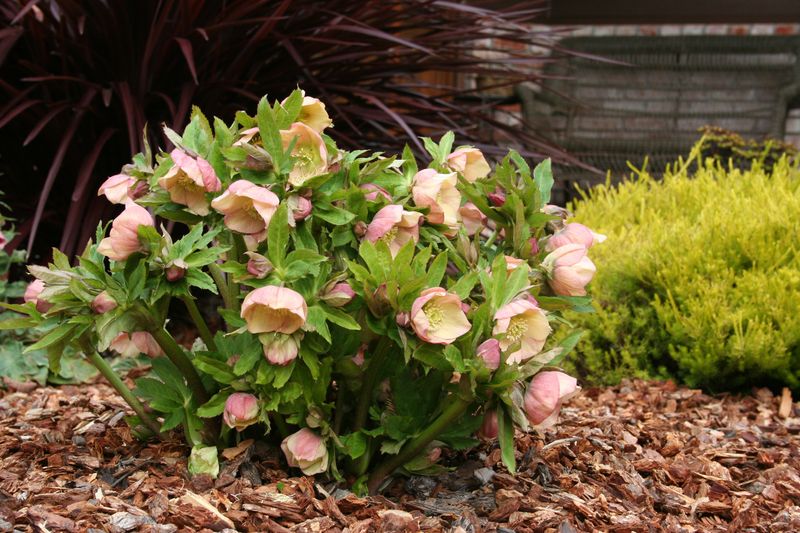
Finding the perfect spot for your hellebores makes a huge difference in how well they perform throughout the winter months in North Carolina.
These plants absolutely love partial shade, especially the kind you find under deciduous trees that drop their leaves in fall.
When trees lose their foliage, hellebores get more sunlight during their blooming season, which happens to be exactly when they need it most.
Morning sun with afternoon shade works wonderfully for hellebores across most areas of North Carolina.
Too much direct sunlight can stress the plants and cause their leaves to look scorched, while too much shade might reduce flowering.
The ideal location offers protection from harsh winds that sometimes sweep through the state during winter storms.
Soil drainage is another critical factor when selecting your planting site.
Hellebores hate sitting in waterlogged soil, which can cause root problems and weaken the entire plant.
Look for areas where water doesn’t pool after heavy rain, or consider creating a slightly raised bed to improve drainage.
North Carolina gardeners in the mountains might need to provide a bit more protection from extreme cold, while those in coastal regions should focus on ensuring adequate shade during unseasonably warm winter days.
Planting near the foundation of your home on the north or east side often creates ideal conditions.
Once established in the right location, your hellebores will reward you with decades of reliable winter blooms without needing to be moved or divided frequently.
2. Prepare Rich, Well-Draining Soil With Organic Matter
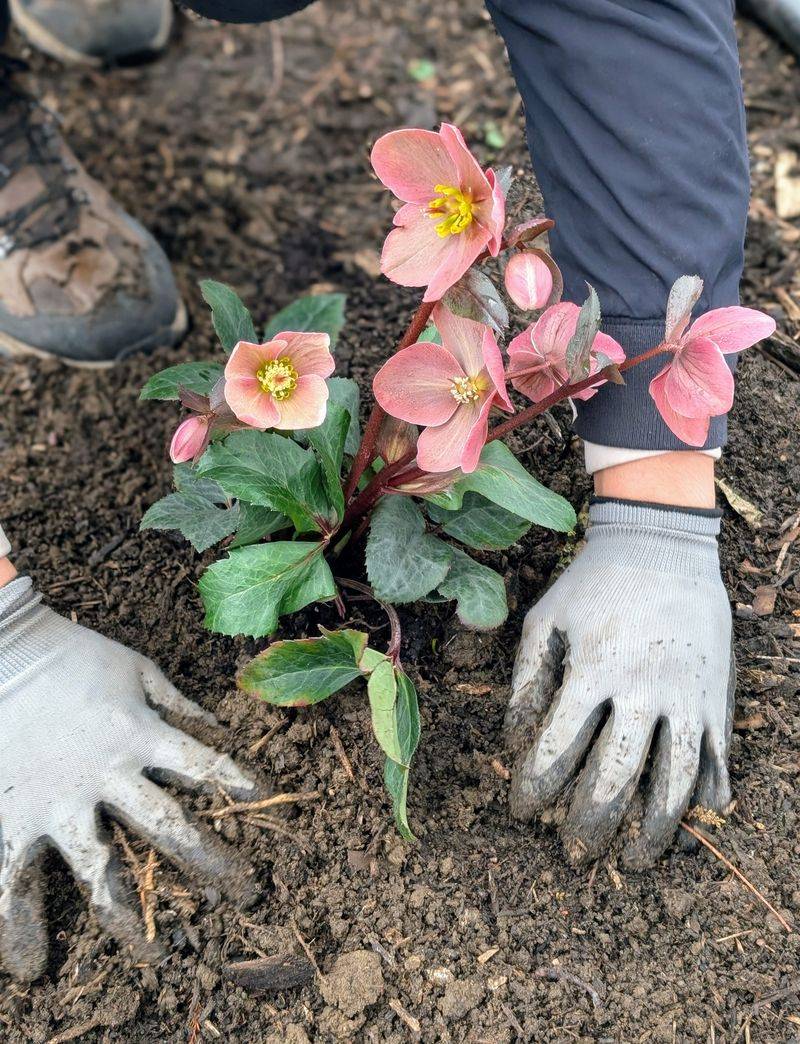
Hellebores are surprisingly adaptable, but they perform their absolute best when planted in soil that’s been enriched with plenty of organic matter.
Before planting, work several inches of compost, aged manure, or leaf mold into your garden bed to create the nutrient-rich environment these plants crave.
North Carolina’s natural soil varies greatly depending on your region, from the red clay of the Piedmont to the sandier soils near the coast, so amendments help level the playing field.
The pH level of your soil should ideally fall between slightly acidic to neutral, around 6.5 to 7.0.
Most North Carolina soils naturally lean acidic, so adding lime might be necessary if a soil test shows your pH is too low.
Testing your soil before planting saves you from guessing and ensures your hellebores have the best possible start.
Good drainage cannot be emphasized enough when growing these winter bloomers.
If your soil holds water for more than a few hours after rain, mix in coarse sand or perlite along with your organic matter to improve drainage.
Clay-heavy soils common in many North Carolina gardens benefit tremendously from this extra step.
Adding a layer of compost around established hellebores each spring helps replenish nutrients and maintain soil quality year after year.
This simple practice keeps the soil structure loose and friable, which hellebore roots appreciate.
Remember that organic matter breaks down over time, so refreshing it annually ensures your plants always have access to the nutrients they need for spectacular winter blooming seasons ahead.
3. Water Consistently During Active Growth And Blooming

Even though hellebores bloom during winter when you might think watering isn’t necessary, these plants still need consistent moisture to support their flowers and foliage.
North Carolina winters can be unpredictable, with periods of rain followed by dry spells that stress plants.
Checking soil moisture regularly helps you catch dry periods before they affect your hellebores.
During their active growing and blooming period from late fall through early spring, hellebores appreciate soil that stays evenly moist but never soggy.
Stick your finger about two inches into the soil near the plant’s base, if it feels dry, it’s time to water.
During mild winters common in many parts of North Carolina, you might need to water every week or two when rainfall is scarce.
The best time to water is in the morning, which gives leaves time to dry before evening temperatures drop.
Wet foliage during cold nights can sometimes lead to fungal issues, though hellebores are generally quite resistant.
Using a soaker hose or watering at the base of plants rather than overhead keeps moisture where it’s needed while protecting the blooms.
Once spring arrives and temperatures warm up in North Carolina, your watering routine might need adjustment.
Established hellebores become somewhat drought-tolerant during their summer dormancy period, but newly planted specimens still need regular moisture through their first full year.
Always water deeply rather than frequently with light sprinkles, encouraging roots to grow down into the soil where moisture stays more consistent throughout changing seasons.
4. Apply Mulch To Protect Roots And Retain Moisture
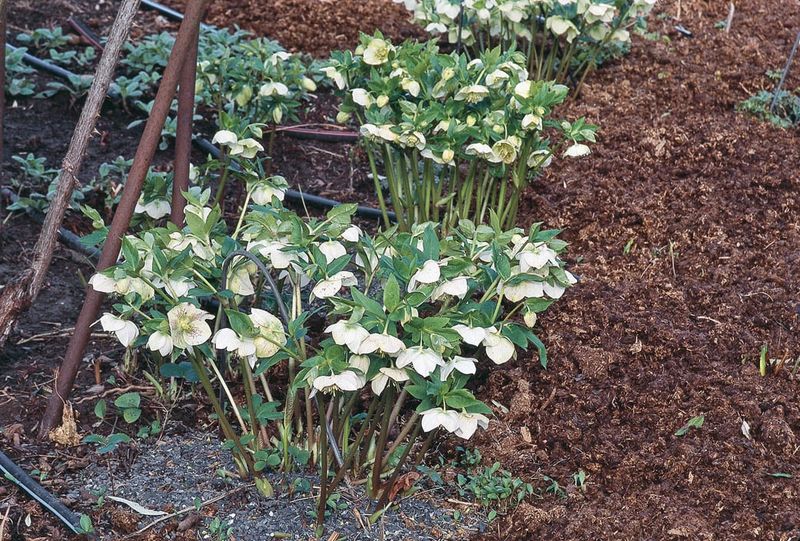
A proper mulch layer acts like a cozy blanket for your hellebores, protecting their roots from temperature fluctuations while keeping soil moisture steady throughout North Carolina’s variable winter weather.
Spread a two to three-inch layer of organic mulch around your plants, keeping it a few inches away from the crown to prevent moisture buildup right at the base.
Shredded leaves, pine straw, or aged wood chips all work beautifully for hellebores.
Pine straw is particularly popular among North Carolina gardeners because it’s readily available, looks attractive, and breaks down slowly while slightly acidifying the soil.
This natural acidification actually benefits hellebores since they prefer soil that’s not too alkaline.
The loose texture of pine straw also allows air circulation around the plant crowns, which helps prevent fungal problems during damp winter months.
Mulch does more than just insulate roots, it also suppresses weeds that might compete with your hellebores for nutrients and water.
During winter, weed pressure is usually minimal, but having mulch in place prevents early spring weeds from getting established.
As organic mulches break down, they add valuable nutrients back into the soil, improving its structure and fertility over time.
Refresh your mulch layer each fall before hellebores begin their blooming cycle.
North Carolina’s mild climate means organic mulch decomposes faster than in colder regions, so an annual top-up keeps the layer effective.
Avoid piling mulch too thickly, as excessive depth can stay too wet and create problems rather than solving them.
5. Remove Old Foliage Before New Growth Emerges
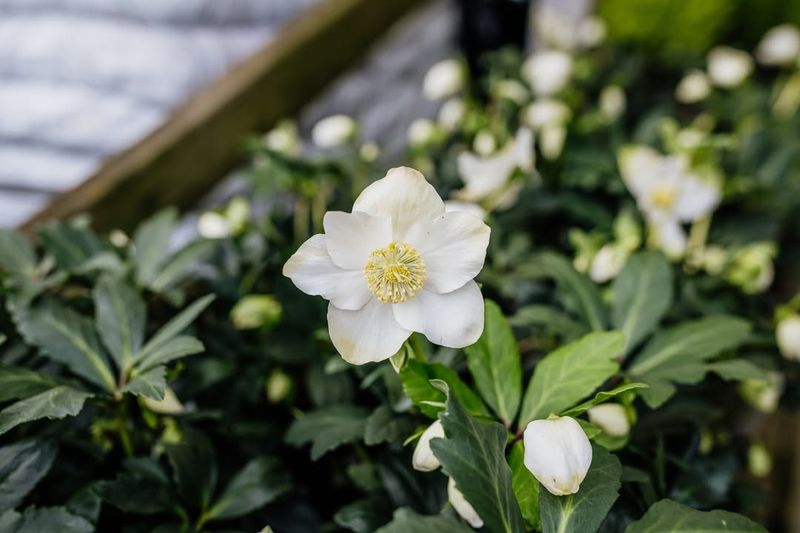
Late winter is the perfect time to give your hellebores a little haircut by removing last year’s tattered foliage.
In North Carolina, this task typically falls between late December and early February, right before the new flower stalks start pushing through the soil.
Old leaves often look weathered and spotted after months of exposure to winter weather, and removing them improves the plant’s appearance while reducing disease pressure.
Using clean, sharp pruning shears, cut the old leaves off close to the ground, being careful not to damage any emerging flower buds or new foliage.
This simple grooming task takes just a few minutes per plant but makes a dramatic difference in how attractive your hellebores look during their peak blooming season.
The flowers and fresh leaves that follow will stand out beautifully without competition from shabby older growth.
Removing old foliage also helps prevent fungal diseases from spreading to new growth.
Leaf spot diseases sometimes affect hellebores in North Carolina’s humid climate, and infected old leaves can harbor spores that splash onto fresh foliage during rain.
Disposing of the removed leaves in your trash rather than composting them prevents any disease organisms from cycling back into your garden.
Some gardeners prefer to leave evergreen hellebore foliage intact through winter for added interest in the garden, which is perfectly fine in milder North Carolina winters.
However, if leaves look damaged or diseased, removing them benefits plant health regardless of the season.
New foliage will quickly fill in once warmer spring weather arrives across the state.
6. Fertilize Lightly In Early Spring For Strong Growth
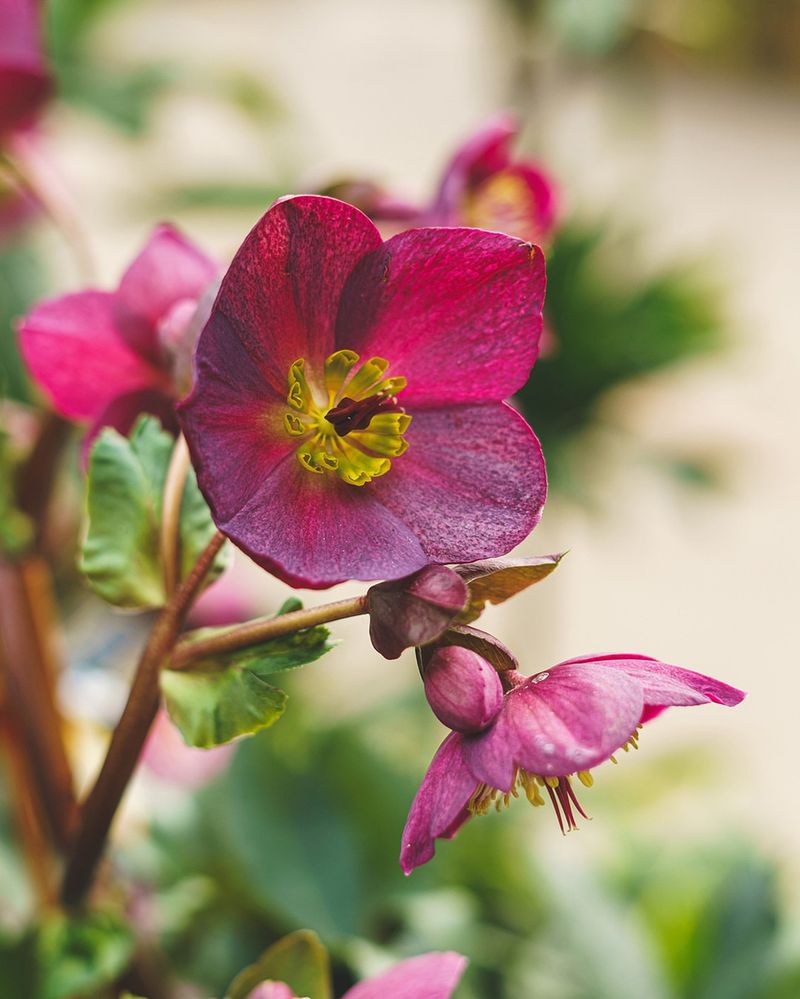
Hellebores aren’t heavy feeders, but a light application of fertilizer in early spring gives them the boost they need for vigorous growth and abundant blooms the following winter.
Wait until after your plants finish flowering, typically in March or April across most of North Carolina, before applying any fertilizer.
This timing allows the nutrients to support the development of next year’s flower buds and strong foliage growth throughout the growing season.
A balanced, slow-release fertilizer with equal parts nitrogen, phosphorus, and potassium works well for hellebores.
Sprinkle the recommended amount around the base of each plant, keeping it several inches away from the crown, then water thoroughly to help nutrients soak into the root zone.
Slow-release formulas are particularly convenient because they feed plants gradually over several months, matching the plant’s natural growth cycle.
Organic options like compost tea or well-aged manure also provide excellent nutrition for hellebores without the risk of chemical burn.
North Carolina gardeners who prefer organic methods often top-dress their hellebore beds with a half-inch layer of compost in spring, which slowly releases nutrients while improving soil structure.
This approach aligns perfectly with the organic matter these plants love.
Avoid fertilizing hellebores in late summer or fall, as this can stimulate tender new growth that’s vulnerable to damage during cold snaps.
In North Carolina’s climate, plants need time to harden off before winter arrives.
Over-fertilizing can also lead to excessive foliage at the expense of flowers, so less is definitely more when feeding these tough perennials.
7. Divide And Transplant Mature Clumps When Necessary
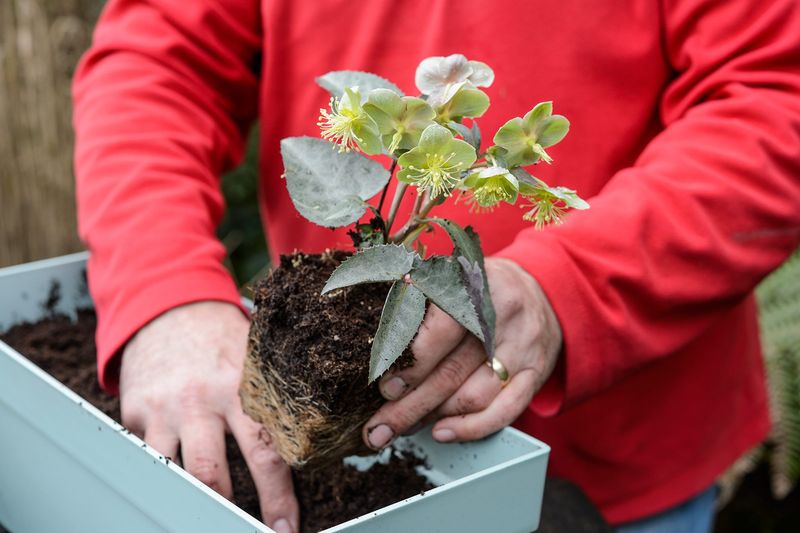
Hellebores can grow in the same spot for many years without needing division, but occasionally mature clumps become crowded or you might want to create more plants for other areas of your North Carolina garden.
Early spring, right after flowering finishes but before hot weather arrives, offers the best window for dividing these perennials.
The mild temperatures typical of North Carolina springs allow divided plants to establish new roots before summer stress sets in.
Carefully dig around the entire root ball, staying several inches away from the plant’s base to avoid damaging roots.
Hellebores develop thick, fleshy roots that don’t appreciate being disturbed, so work gently and try to keep as much soil attached to the roots as possible.
Once you’ve lifted the clump, use a sharp knife or spade to cut it into sections, making sure each division has at least three to five growth points.
Replant divisions immediately at the same depth they were growing before, in locations with similar light and soil conditions.
Water thoroughly after planting and keep the soil consistently moist for the first few weeks while new roots establish.
Don’t be discouraged if divided hellebores sulk for a season, they sometimes take a year to fully recover and resume vigorous blooming.
In North Carolina’s climate, established hellebores rarely need division for health reasons, so only divide when you specifically want to propagate plants or when a clump has genuinely outgrown its space.
These long-lived perennials actually prefer being left undisturbed, rewarding patient gardeners with increasingly impressive displays year after year.