How To Tell A Coyote Visited Your Virginia Yard Without You Noticing
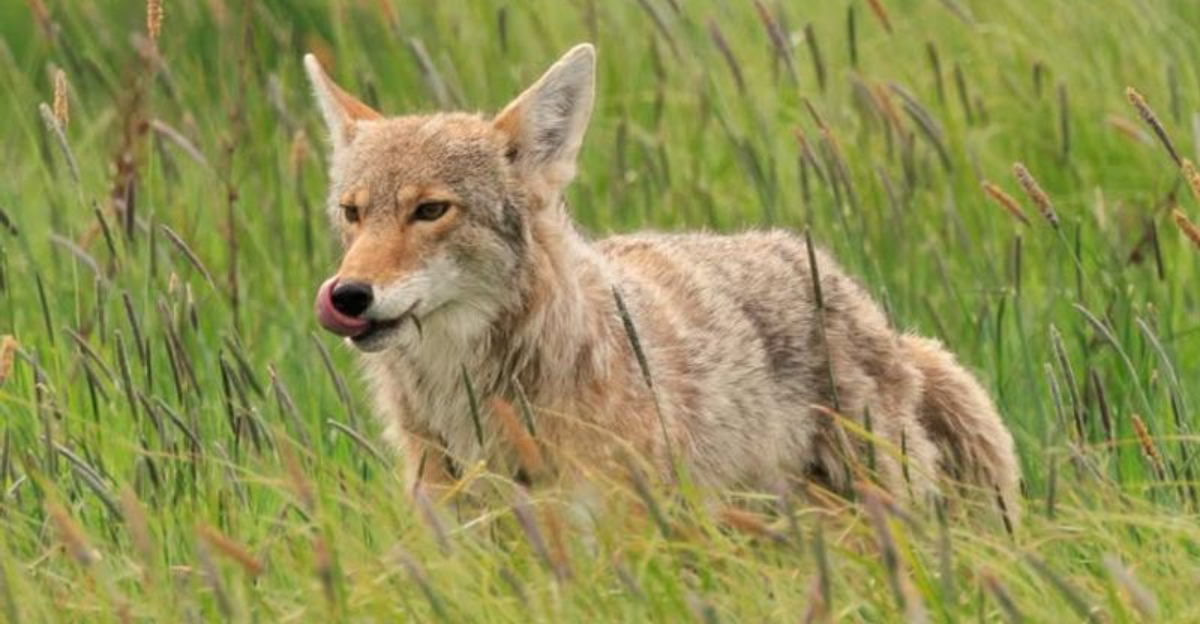
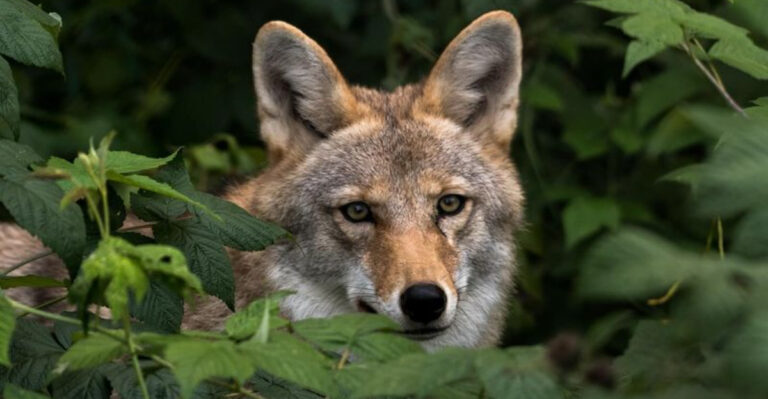
Coyotes have a knack for slipping through Virginia yards like ghosts in the night.
Most visits happen without a sound, leaving homeowners none the wiser by morning.
No barking, no flashing eyes, just a quiet pass-through while the rest of the neighborhood sleeps.
Still, these clever animals almost always leave something behind.
A coyote on the move follows routine paths, checks familiar spots, and keeps its distance from people.
Along the way, small clues can show up in the yard.
Tracks pressed into soft soil, disturbed mulch, or a missing snack from a pet bowl may point to an overnight guest.
These signs are easy to miss unless you know what to look for.
Learning to spot the subtle evidence helps homeowners stay alert without jumping to conclusions.
It brings peace of mind and supports smarter yard habits that reduce future visits.
In Virginia, coyotes are part of the landscape, and understanding their quiet behavior turns mystery into awareness.
Sometimes the loudest message is the one left behind in silence.
1. Scattered Or Missing Pet Food
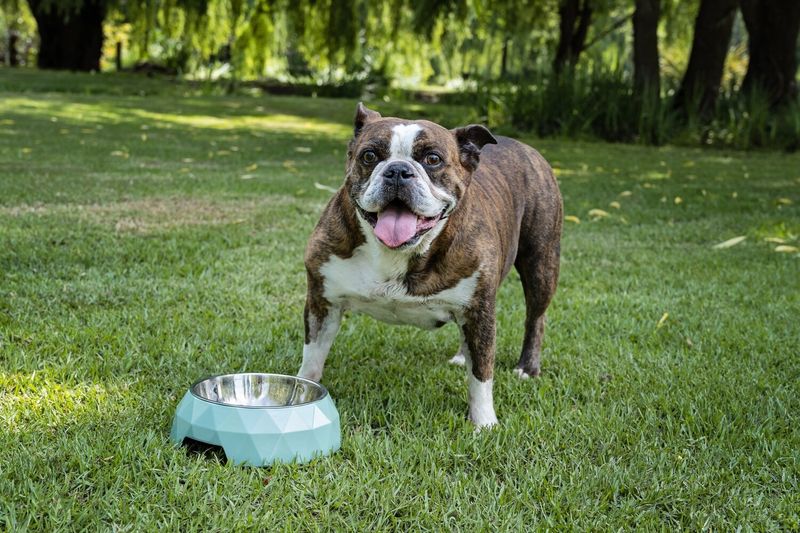
Pet food left outside overnight can attract all sorts of wildlife, but coyotes are particularly bold about helping themselves to an easy meal.
If you notice your dog or cat’s food bowl is empty in the morning even though you filled it the night before, a coyote might be the culprit.
These animals have excellent memories and will return to reliable food sources again and again.
Coyotes across Virginia have become increasingly comfortable approaching homes when they know food is available.
They typically visit between dusk and dawn when human activity is minimal.
You might also find the bowl tipped over or moved several feet from its original spot.
Sometimes the evidence is even more obvious, like paw prints near the feeding area or bits of kibble scattered across your patio.
Coyotes are not neat eaters and often make a mess while they feast.
In Northern Virginia especially, residents have reported this behavior becoming more common as coyote populations grow.
To prevent these visits, always bring pet food indoors before sunset.
Leaving food out is like putting up a welcome sign for hungry wildlife.
If your pets eat outside during the day, supervise them and remove any leftovers immediately.
Bird feeders can also attract coyotes indirectly since they draw small animals that coyotes hunt.
Consider the bigger picture when thinking about what might be bringing these predators to your property.
Protecting your yard starts with eliminating easy food sources that encourage repeat visits from coyotes and other wild animals throughout Virginia.
2. Unusual Scat In Your Yard
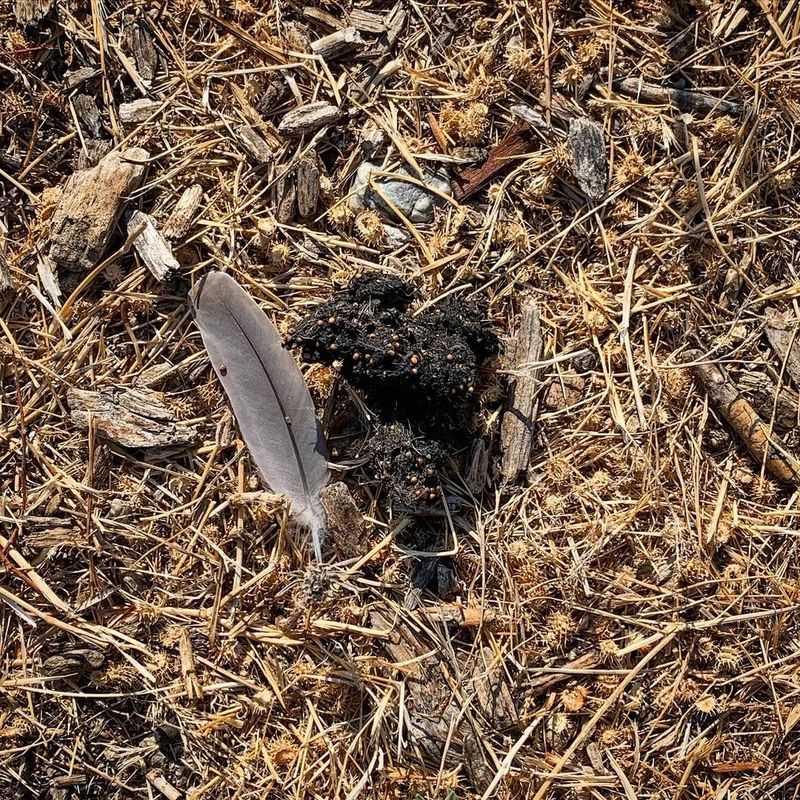
Finding animal droppings in your yard might not be pleasant, but it provides valuable information about nighttime visitors.
Coyote scat is distinctly different from dog waste and often contains visible traces of what they have been eating.
You will typically see fur, bones, seeds, or berry remnants mixed into the droppings.
The size and shape also offer clues about the animal that left it behind.
Coyote scat is usually rope-like, twisted, and tapered at the ends, measuring about three to four inches long.
Dog waste tends to be more uniform and segmented without the wild diet components.
Coyotes often leave their droppings in visible locations like the middle of paths, driveways, or lawn areas.
This behavior is intentional because they use scat to mark their territory and communicate with other coyotes.
If you find multiple piles around your Virginia property, a coyote may be claiming your yard as part of its regular route.
The contents can tell you what the coyote has been eating lately.
Fur indicates they have been hunting rabbits or rodents, while fruit and seeds suggest they are supplementing their diet with plants.
In Virginia, coyotes commonly eat persimmons, berries, and other seasonal fruits.
Always use gloves or a shovel when cleaning up wildlife scat to avoid potential parasites or diseases.
Removing the droppings quickly helps discourage the coyote from returning to mark the same spot.
Keeping your yard clean and well-maintained reduces the chances that coyotes will see it as prime territory worth visiting regularly in communities across Virginia.
3. Disturbed Trash Cans Or Compost Bins
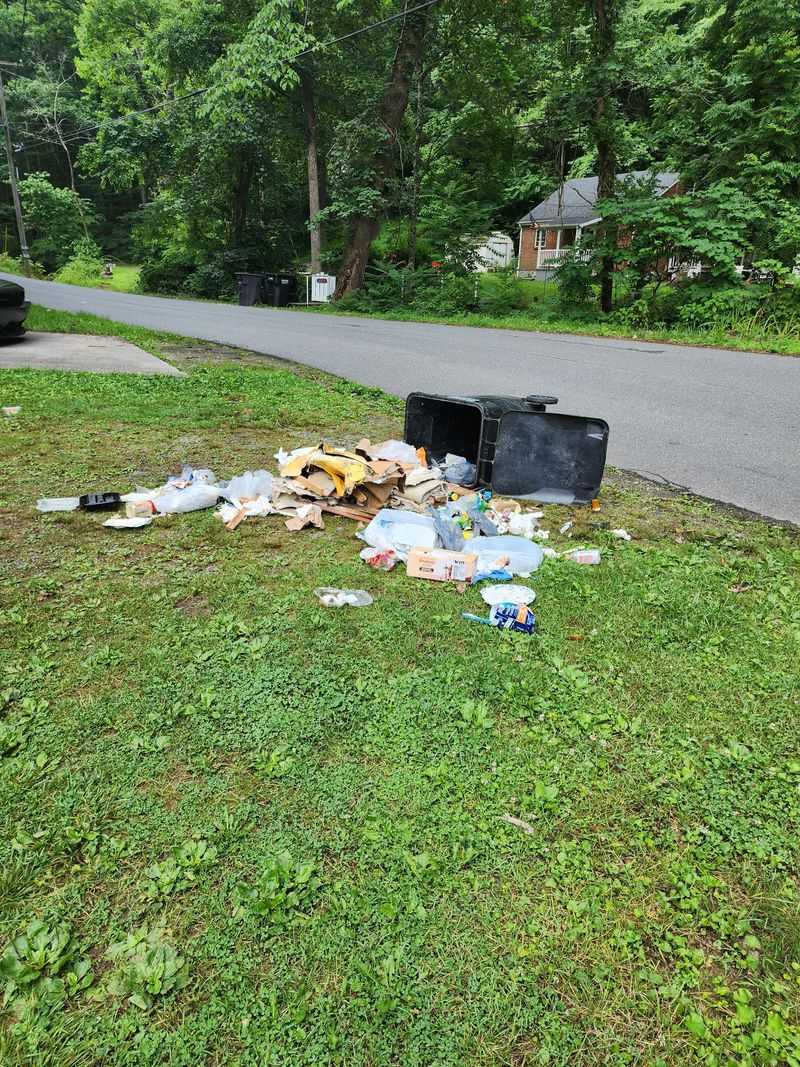
Waking up to find your trash cans tipped over and garbage strewn across the driveway is frustrating, and raccoons usually get the blame.
However, coyotes are just as capable of raiding trash bins, especially when they are searching for food.
These resourceful animals can knock over unsecured containers and tear open bags with ease.
Coyotes are attracted to the smell of meat scraps, greasy food wrappers, and other organic waste.
If your trash cans do not have tight-fitting lids or secure latches, they become an open invitation.
Virginia residents in both rural and suburban areas report increased trash disturbances as coyote populations expand into neighborhoods.
Compost bins present another tempting target for hungry coyotes.
Fruit peels, vegetable scraps, and other decomposing materials emit strong odors that attract wildlife from considerable distances.
Even if your compost does not contain meat, the smells can still draw curious coyotes looking for an easy snack.
Look for additional evidence beyond the mess itself.
Coyote tracks near the bins, tufts of fur caught on the container edges, or distinctive teeth marks on plastic bags all point toward a coyote visit.
Unlike raccoons that often leave smaller, hand-like prints, coyote tracks show clear claw marks and are more oval-shaped.
Preventing these messy encounters requires securing your waste properly.
Invest in trash cans with locking lids or store them in a garage or shed until collection day.
Keep compost bins enclosed and consider adding a latch or weight on top to prevent tipping.
These simple steps make your Virginia property much less appealing to opportunistic coyotes searching for their next meal during nighttime rounds.
4. Tracks With Claw Marks Visible
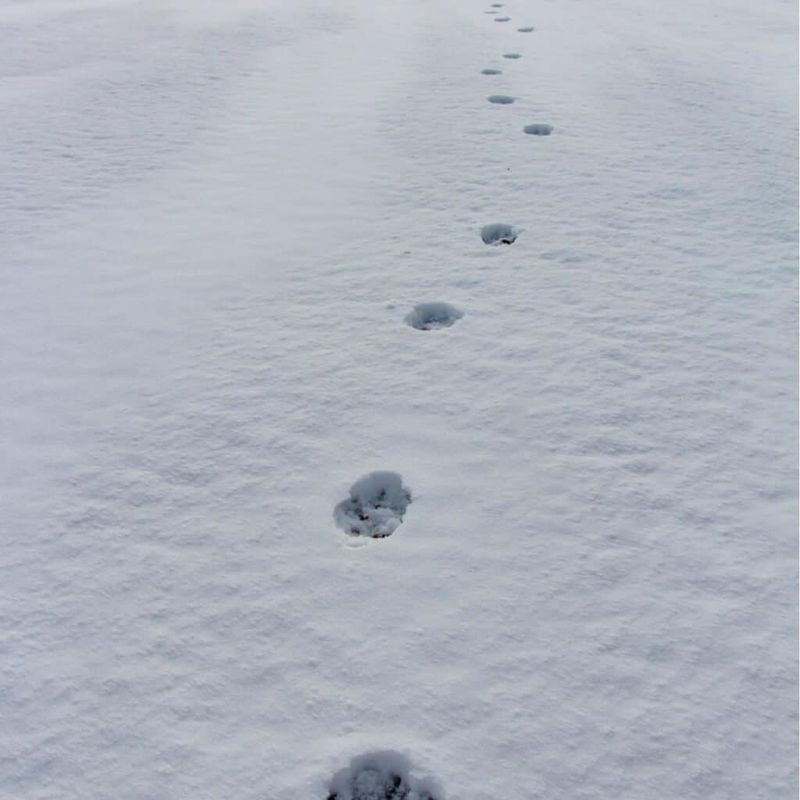
Discovering animal tracks in your yard provides direct evidence that wildlife has been passing through.
Coyote prints are oval-shaped and typically measure about two and a half inches long.
One key feature that distinguishes them from domestic dog tracks is the arrangement and clarity of the print.
Coyote tracks show four toe pads with visible claw marks extending from each toe.
The overall print appears more elongated and narrow compared to most dog breeds.
The heel pad has a distinctive shape with a pointed or triangular rear edge, and the two front toe pads sit closer together than the outer ones.
You are most likely to find these tracks in soft soil, mud, sand, or snow around your Virginia property.
Check areas near fences, garden beds, around sheds, or along the edges of your lawn where coyotes typically travel.
They often follow the same paths repeatedly, creating worn trails over time.
The pattern of the tracks also reveals information about the coyote’s movement.
Coyotes typically walk in a straight line with their hind feet landing in or very close to the front footprints.
This efficient walking pattern is called direct registration and helps them conserve energy while traveling long distances.
If you spot tracks, take a photo with an object for scale before the weather erases them.
This documentation helps you monitor how frequently coyotes visit your yard.
Tracking activity over time gives you a better understanding of wildlife patterns in your Virginia neighborhood and helps you decide whether additional deterrent measures are necessary to protect your property and pets from these adaptable predators.
5. Missing Small Pets Or Livestock
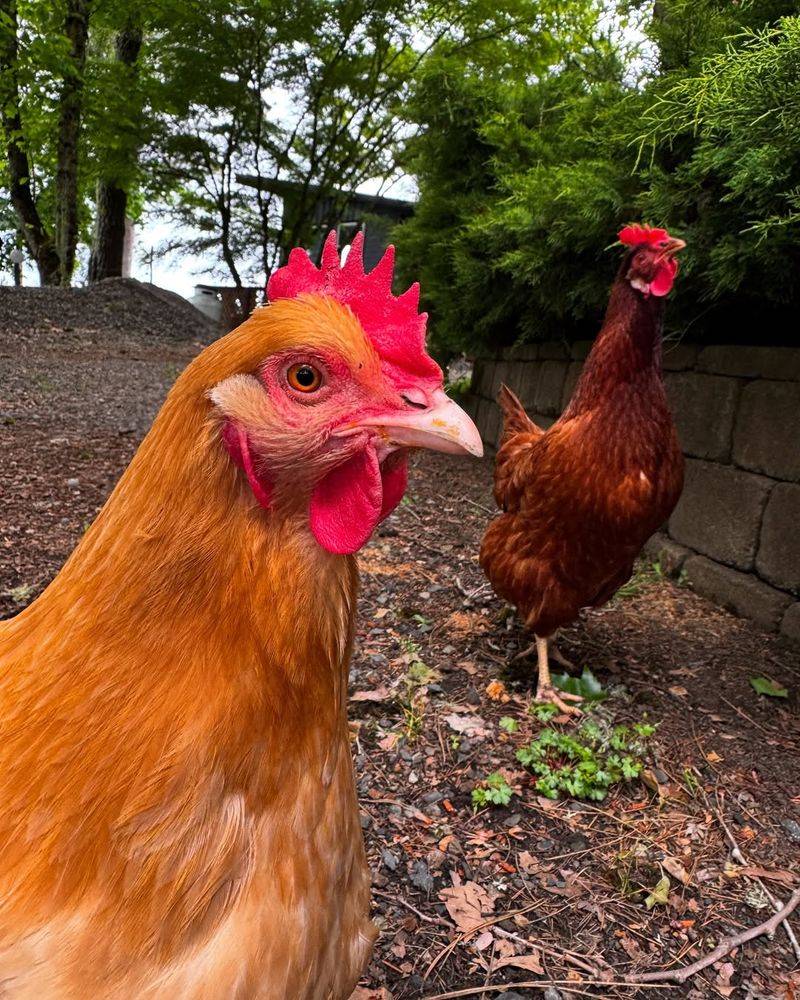
One of the most heartbreaking signs of coyote activity is when small pets or backyard animals suddenly disappear.
Coyotes are opportunistic hunters and view small cats, tiny dogs, rabbits, chickens, and ducks as potential prey.
If your pet vanishes without a trace, especially overnight, a coyote could be responsible.
These predators are incredibly stealthy and can snatch animals quickly and quietly.
Coyotes have been documented jumping fences up to six feet tall or squeezing through surprisingly small gaps.
Virginia homeowners with backyard chickens frequently report losses when coops are not properly secured at night.
Sometimes you might find evidence of a struggle rather than a complete disappearance.
Scattered feathers, tufts of fur, or small amounts of blood indicate that a predator attacked nearby.
Coyotes typically carry their prey away from the capture site to eat in a safer location.
Small dogs and cats are particularly vulnerable during dawn and dusk when coyotes are most active.
Never leave pets outside unattended during these high-risk times, even in fenced yards.
Coyotes in Virginia have become bolder around humans and will approach homes if they sense an easy opportunity.
Protecting your animals requires multiple strategies.
Build secure enclosures with buried wire mesh to prevent digging underneath.
Use hardware cloth instead of chicken wire since coyotes can tear through the latter.
Install motion-activated lights around coops and pens to startle approaching predators.
Always supervise small pets when they are outside and keep them on leashes during walks.
Bring cats indoors permanently if possible since they face serious risks from coyotes throughout Virginia.
These precautions dramatically reduce the chances of losing beloved animals to these skilled hunters.
6. Howling Or Yipping Sounds At Night
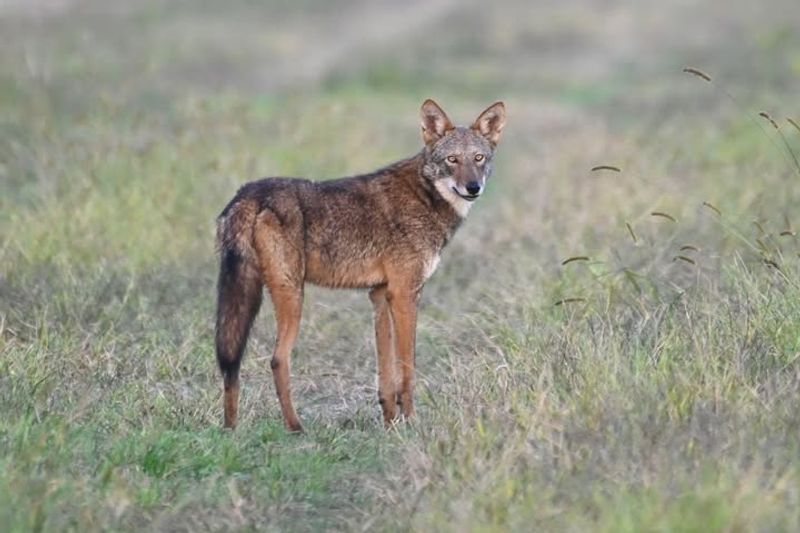
Hearing strange vocalizations echoing through your Virginia neighborhood at night can be unsettling until you identify the source.
Coyotes are highly vocal animals that use a variety of sounds to communicate with pack members and establish territory.
Their calls include howls, yips, barks, and high-pitched yelps that often occur in rapid succession.
These vocalizations typically happen during breeding season from January through March or when coyotes are coordinating hunts.
A single coyote can produce an astonishing range of sounds that make it seem like an entire pack is present.
This vocal deception helps them sound more intimidating to competitors and prey.
If you hear coyotes calling near your property, it means they are active in your immediate area.
They often howl after successfully hunting or when reuniting with family members.
The sounds can carry for miles on quiet nights, so the animals might be farther away than they seem.
Pay attention to how your pets react to these sounds.
Dogs may become anxious, bark excessively, or refuse to go outside when they hear coyotes nearby.
Cats might hide or show signs of stress since they instinctively recognize the calls as a threat.
Recording the vocalizations can help wildlife experts determine how many coyotes are in your area.
While hearing them does not necessarily mean immediate danger, it confirms their presence and should prompt you to take preventive measures.
Keep pets indoors during times when you typically hear the calls.
Coyotes throughout Virginia are becoming more comfortable in suburban settings, so these nighttime serenades are increasingly common.
Understanding their vocal behavior helps you stay aware of wildlife activity and make informed decisions about protecting your household and animals from potential encounters.
7. Dug-Up Areas In Gardens Or Lawns
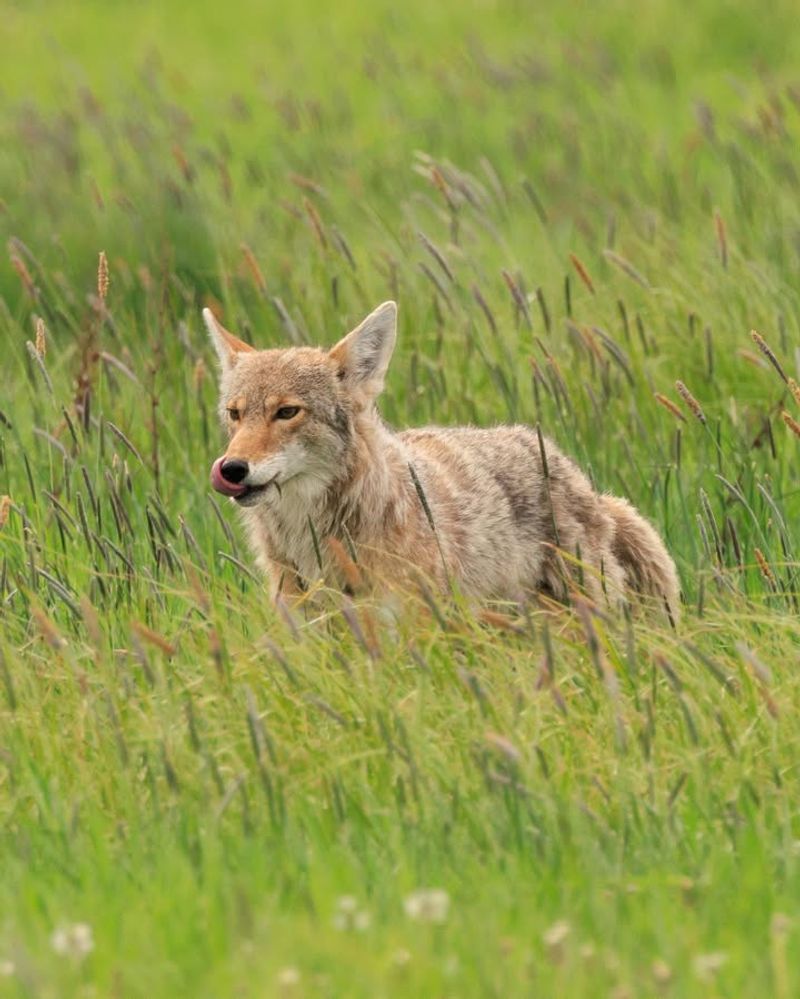
Discovering random holes and disturbed earth in your yard might initially seem like the work of neighborhood dogs or digging insects.
Coyotes, however, are skilled diggers that excavate soil for several reasons.
They dig to catch burrowing prey like voles, moles, and ground-nesting animals that live beneath your Virginia lawn.
These excavation sites typically appear as cone-shaped holes or patches where the grass and topsoil have been scraped away.
Coyotes use their strong front paws to dig quickly and efficiently when they detect movement or smell prey underground.
You might notice several holes clustered in one area where rodent activity is high.
Coyotes also dig to cache food for later consumption.
They bury excess prey or food scraps in shallow holes and return when hungry.
If you find disturbed soil near previously undisturbed areas of your garden, a coyote may be using your yard as a personal pantry.
Another reason for digging is den preparation, though this is less common in residential yards.
Female coyotes seek sheltered spots to birth and raise pups during spring months.
They might dig under sheds, decks, or dense shrubs if they feel the location is safe and secluded.
The size and depth of the holes help identify the digger.
Coyote excavations are usually wider and more scattered than those made by smaller animals.
Look for tracks or scat near the disturbed areas to confirm coyote activity.
Addressing rodent problems in your yard reduces the attraction for digging coyotes.
Eliminate food sources that draw mice and voles, and keep grass trimmed short to make hunting more difficult.
Filling holes promptly and blocking access under structures discourages coyotes from viewing your Virginia property as prime hunting or denning territory.
8. Nervous Behavior From Your Pets
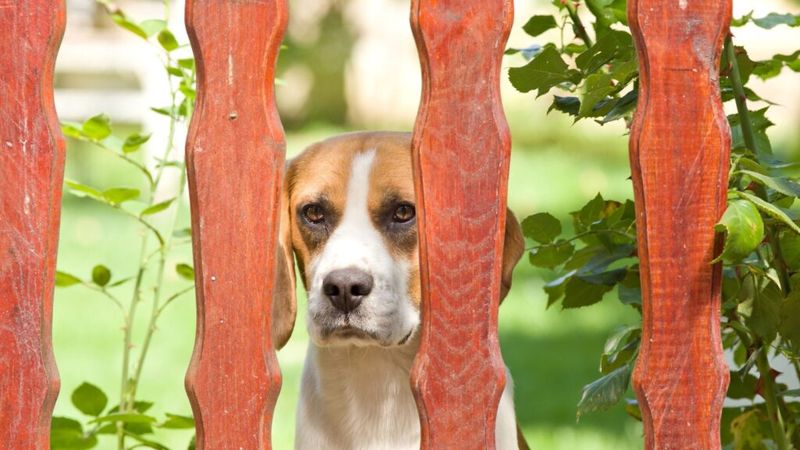
Animals possess senses far sharper than humans, and your pets often detect coyote presence long before you notice any physical signs.
Dogs and cats may exhibit unusual anxiety, reluctance to go outside, or heightened alertness when coyotes have been near your Virginia property.
Paying attention to these behavioral changes provides an early warning system.
Dogs might bark persistently at seemingly nothing, especially toward fences, wooded areas, or dark corners of the yard.
They may refuse to venture into certain parts of the property or pull hard on the leash to return indoors during evening walks.
Some dogs become protective and patrol the yard boundaries more frequently than usual.
Cats typically respond with more obvious fear.
Indoor-outdoor cats may refuse to use their cat door after dark or sprint inside at the slightest sound.
They might hide under furniture, vocalize more than normal, or watch windows intensely.
These reactions indicate they have sensed a predator nearby.
Both species can detect coyote scent markings that humans cannot smell.
Coyotes leave pheromones and urine markers throughout their territory to communicate with other coyotes.
Your pets recognize these chemical signals as warnings from a potential threat.
Changes in bathroom habits also signal stress from nearby predators.
Pets may refuse to eliminate in certain yard areas or insist on staying closer to the house.
These behavioral shifts should not be dismissed as random quirks.
Trust your pets’ instincts when they seem unusually nervous or fearful.
Their behavior often reveals wildlife activity that leaves no visible trace.
Increasing supervision, adjusting outdoor schedules, and reinforcing security measures protects your animals when their reactions suggest coyotes are visiting your Virginia neighborhood regularly under cover of darkness.