How To Tell A Porcupine Is Living Near Your Maine Garden
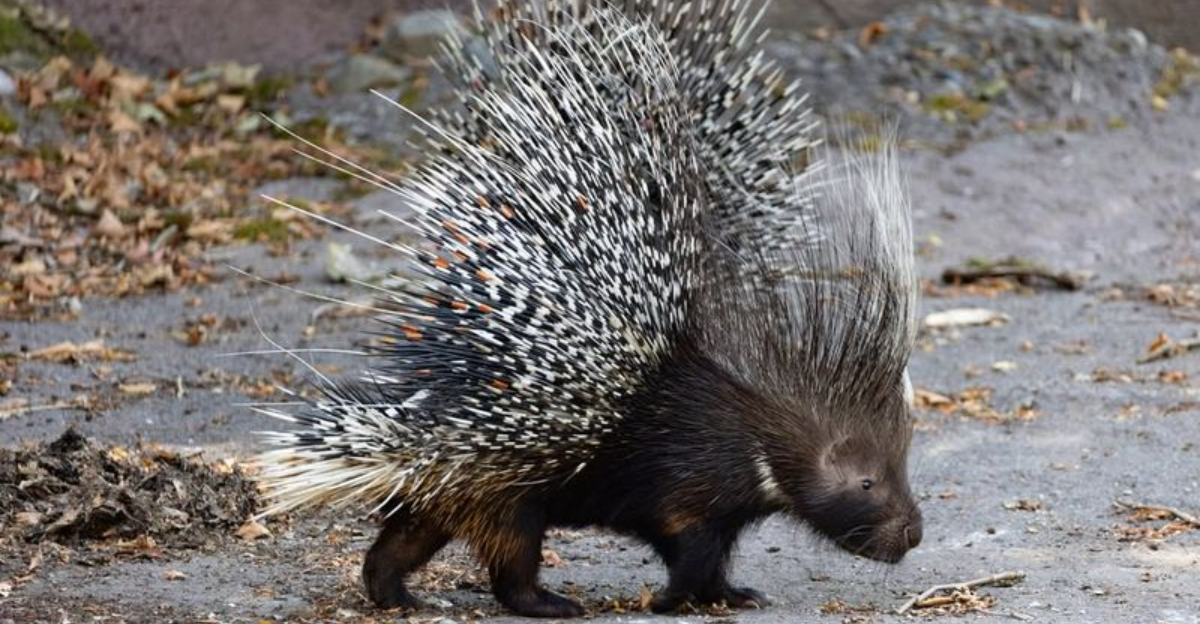
Maine’s forests and rocky landscapes attract all kinds of wildlife, and many creatures wander a little closer to homes than expected.
Some visitors slip through quietly, leaving only small hints of their presence.
A porcupine fits that description perfectly.
Slow moving and silent, it often goes unnoticed until the signs start piling up like clues in a backyard mystery.
A chewed fence post, a stripped patch of bark, or quills scattered in the grass can turn an ordinary stroll through the garden into a moment of head scratching curiosity.
Porcupines may seem harmless from afar, yet their habits can leave a real mark on gardens and young trees.
They climb, nibble, and explore with steady determination, often returning night after night.
A homeowner who spots the early signs gains a big advantage.
Once you know a porcupine is paying regular visits, you can take steps to protect plants before the damage grows roots of its own.
A Maine garden thrives on balance. Understanding who shares the space keeps that balance steady.
With a sharp eye and a bit of know-how, spotting porcupine activity becomes second nature, and the garden stays safe from needles you never want to step on.
1. Chewed Bark On Trees And Shrubs
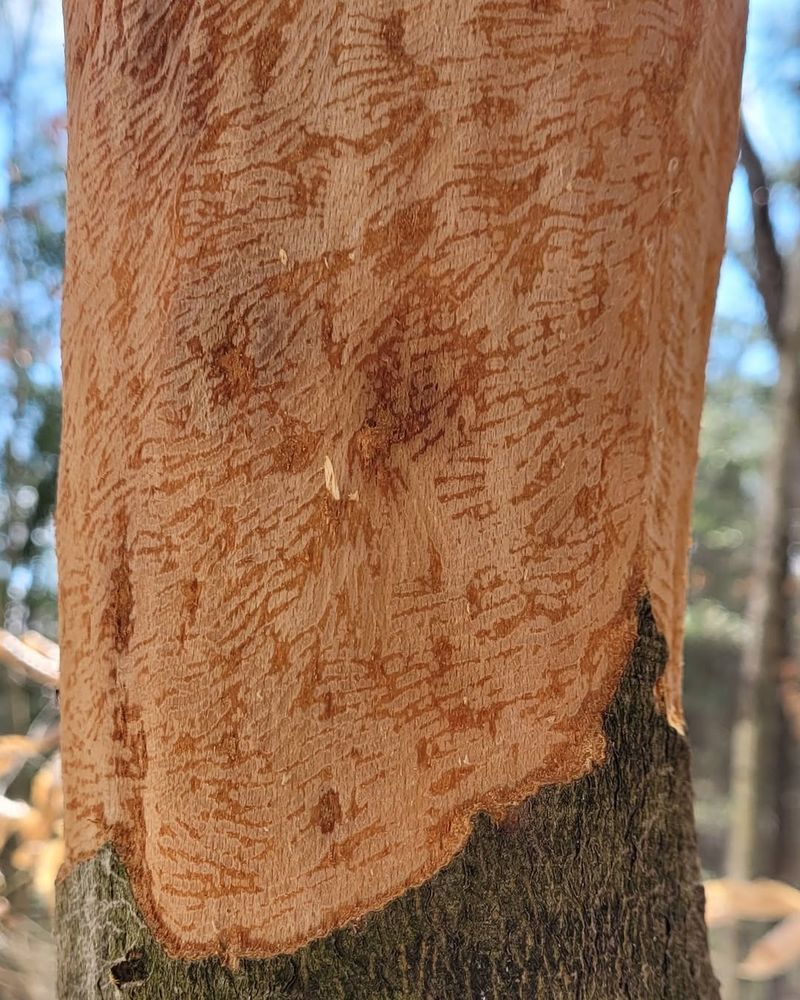
Porcupines absolutely love eating bark, especially during winter months when other food sources become scarce in Maine.
You might notice large patches of missing bark on your trees, usually several feet off the ground where porcupines can easily reach while climbing or standing on their hind legs.
The chewed areas often look rough and stripped, with tooth marks visible along the edges.
These spiny rodents prefer certain trees over others, including pines, hemlocks, and fruit trees that many Maine gardeners grow.
If you spot bark damage that appears fresh and continues to worsen over time, a porcupine is likely making regular visits to your property.
The damage typically happens at night when porcupines are most active and feel safe venturing out to feed.
Look closely at the pattern of the chewing.
Porcupine tooth marks are distinct and appear as parallel grooves running vertically along the trunk or branches.
Unlike deer or rabbits that nibble lower vegetation, porcupines create damage higher up on trees and can even reach branches by climbing surprisingly well despite their bulky appearance.
Repeated bark removal can seriously harm or even weaken your trees over time, making it important to identify the problem early.
Many homeowners in rural Maine areas have learned to recognize this telltale sign quickly.
2. Distinctive Droppings Near Garden Areas
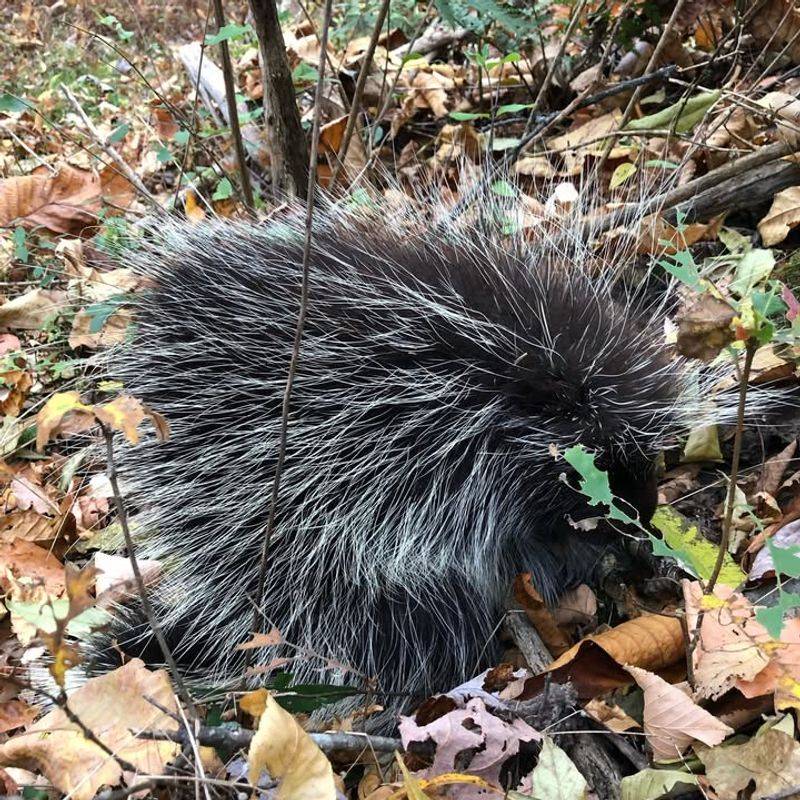
Finding unusual droppings around your Maine garden can immediately alert you to wildlife visitors.
Porcupine droppings have a very distinctive appearance that sets them apart from other animals you might encounter in the area.
They look like curved, elongated pellets that resemble small beans or jelly beans, usually ranging from half an inch to an inch long.
The color varies depending on what the porcupine has been eating recently.
Fresh droppings often appear dark brown or reddish-brown, while older ones fade to a lighter tan or gray color as they dry out in the Maine weather.
You’ll typically find these pellets scattered in small piles near feeding areas, under trees, or along trails the porcupine uses regularly.
During summer months when porcupines eat more green vegetation, their droppings might connect together in longer chains or clumps.
Winter droppings tend to be drier and more separated since their diet shifts primarily to bark and woody materials.
The texture is usually rough and fibrous, reflecting their plant-based diet.
Check around the base of trees, near garden sheds, and along fence lines where porcupines commonly travel.
These animals are creatures of habit and often use the same bathroom spots repeatedly, making it easier to confirm their presence through accumulated droppings in concentrated areas.
3. Gnawed Wooden Structures And Garden Tools
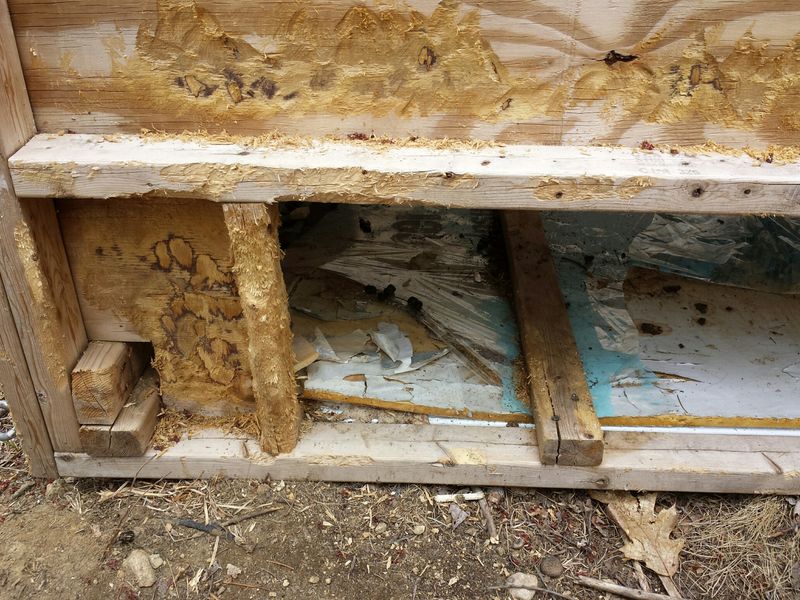
Something strange happens when porcupines discover wooden structures around your Maine property.
These creatures have an unusual craving for salt and minerals, which leads them to chew on anything that humans have touched or that contains traces of sweat and salt.
Garden tool handles, shed walls, deck railings, and even wooden furniture left outside become tempting targets for hungry porcupines seeking essential nutrients.
The gnaw marks left behind are unmistakable and different from insect damage or weather wear.
You’ll notice rough, gouged areas with visible tooth marks that appear as parallel lines or grooves.
Porcupines have strong, orange-colored front teeth that grow continuously throughout their lives, so they need to chew regularly to keep them worn down to manageable lengths.
Pay special attention to items stored near your garden shed or outdoor workspace.
Wheelbarrow handles, shovel grips, and ladder rungs often show damage because they’ve absorbed salt from human hands over time.
Maine gardeners frequently discover chewed plywood, wooden steps, or even the corners of buildings where porcupines have been actively working overnight.
This behavior intensifies during spring and summer when porcupines need extra minerals for reproduction and raising young.
If you notice fresh wood shavings or sawdust accumulating near damaged structures, a porcupine is probably visiting regularly and causing progressive damage to your property.
4. Unusual Tracks In Soft Ground Or Snow
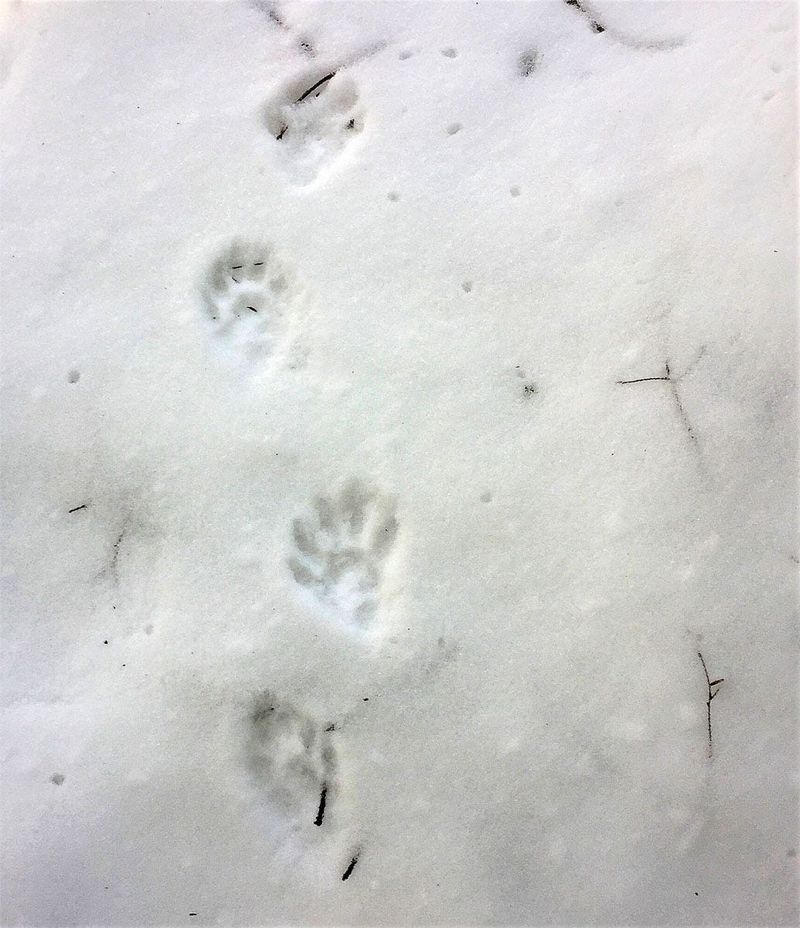
Maine winters provide perfect conditions for tracking wildlife, and porcupine footprints are surprisingly easy to identify once you know what to look for.
Their tracks show a distinctive pattern that combines small front feet with much larger back feet, creating an unusual pigeon-toed appearance.
The front prints measure about two inches long, while the back prints can reach three to four inches, making them quite noticeable in fresh snow or muddy garden soil.
Each footprint displays five toes with visible claw marks extending beyond the toe pads.
The back feet have pebbly-textured sole pads that leave unique impressions, almost like a tiny human footprint with bumpy skin texture.
When porcupines walk, their trail shows a waddling pattern with the larger hind feet registering outside and slightly behind the front feet.
During winter months in Maine, you might also notice drag marks between the footprints where the porcupine’s low-hanging belly and tail brush against the snow.
Their quills sometimes leave distinctive scrape marks alongside the main trail, creating additional evidence of their nighttime wanderings through your garden area.
Follow these tracks to discover where the porcupine is traveling regularly.
They often lead to favorite feeding trees, den sites, or well-worn paths between food sources and shelter.
Porcupines are creatures of habit and typically use the same routes repeatedly, making their tracks appear more pronounced over time.
5. Scattered Quills Around Your Property
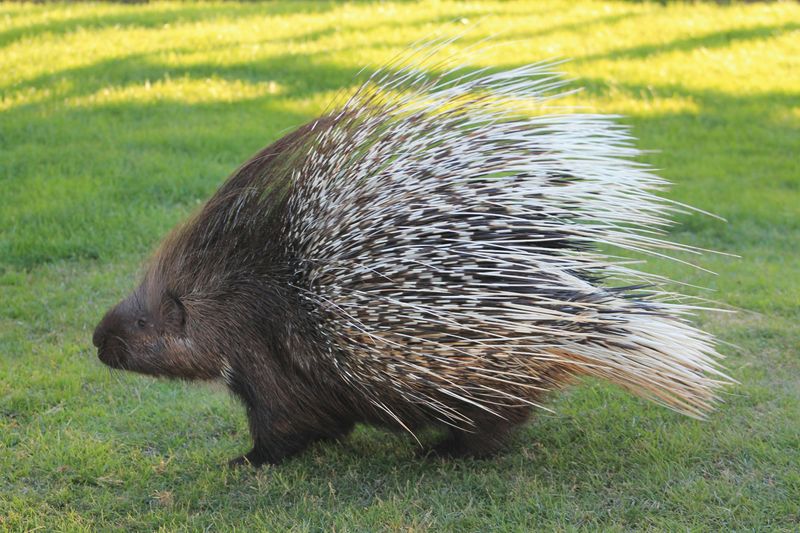
Walking through your Maine garden and spotting a quill on the ground is a pretty clear sign that a porcupine has been visiting your property.
These sharp, barbed spines fall off naturally as porcupines move through tight spaces, brush against objects, or simply go about their daily activities.
Contrary to popular belief, porcupines cannot shoot their quills, but they do lose them regularly, especially when startled or moving through dense vegetation.
Each quill is distinctive and unmistakable once you’ve seen one.
They range from one to four inches long, with white tips and dark bands near the base, appearing stiff and needle-like with microscopic barbs along the shaft.
You’ll most commonly find them near trails, under trees where porcupines feed, or around structures they’ve been investigating during nighttime explorations.
Garden areas with low-hanging branches or tight pathways between plants tend to collect more quills because porcupines squeeze through these spaces regularly.
Check around your shed, beneath conifer trees, and along fence lines where porcupines might rub against surfaces while traveling through your yard.
Young porcupines tend to lose more quills than adults as they’re still learning to navigate their environment carefully.
If you find multiple quills concentrated in one area, it might indicate a favorite pathway or feeding spot that the animal returns to frequently, giving you valuable information about their movement patterns around your Maine property.
6. Damaged Garden Vegetables And Plants
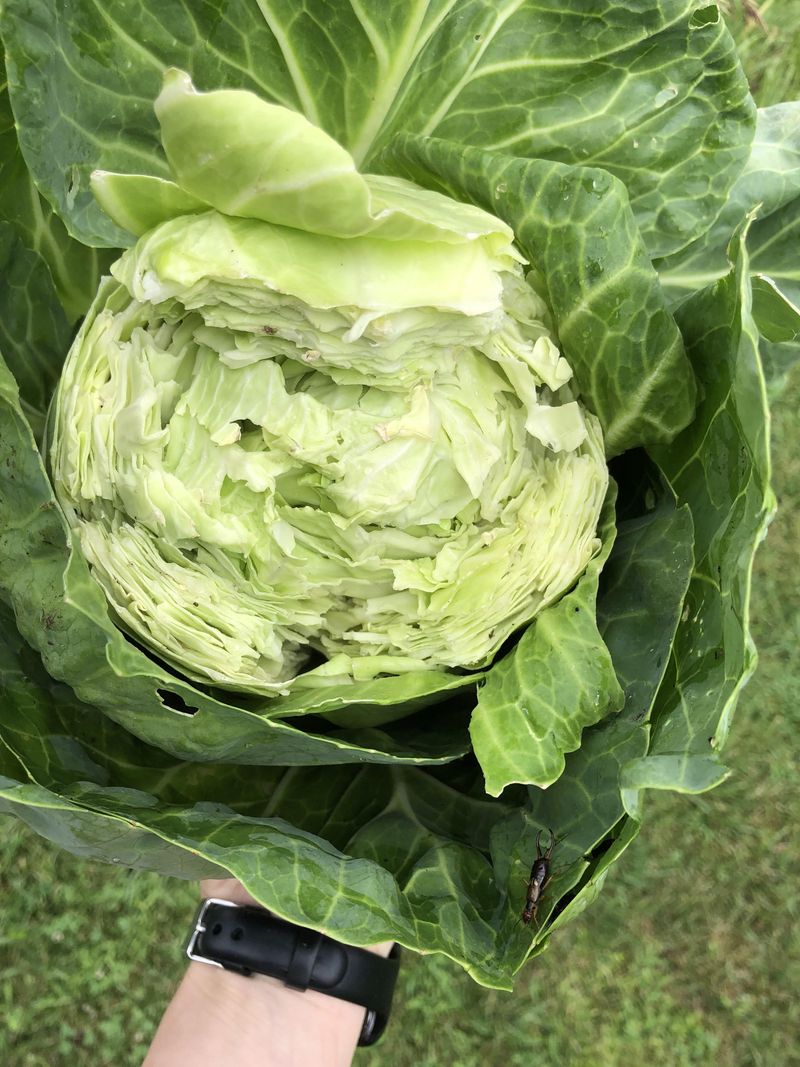
Your carefully tended Maine garden vegetables might be attracting more than just admiration from neighbors.
Porcupines have surprisingly varied diets and will happily munch on garden produce when available, especially during summer months when fresh greens are abundant.
They particularly enjoy leafy vegetables, root crops, and tender young plants that provide both nutrition and moisture during warmer weather.
Carrots, sweet potatoes, pumpkins, and squash are favorite targets because porcupines love the sweet taste and soft texture.
You might notice partially eaten vegetables with rough, torn edges rather than clean cuts, indicating an animal with strong teeth has been feeding.
Unlike rabbits that nibble delicately, porcupines tear and rip at vegetation, leaving behind messier damage patterns.
Corn crops often suffer significant damage when porcupines discover them, as these animals will climb stalks to reach ears and strip away husks to access the kernels inside.
They also enjoy eating flowers, particularly roses, clover, and dandelions that grow around garden borders.
The feeding typically happens at night, so you might not catch them in the act but will discover the evidence each morning.
Check your plants for damage that appears several feet off the ground, as porcupines can stand on hind legs or climb to reach desirable food.
Maine gardeners often notice that damage continues progressively once a porcupine establishes a feeding routine, returning night after night to the same convenient food source.
7. Nocturnal Sounds And Activity Near Your Garden
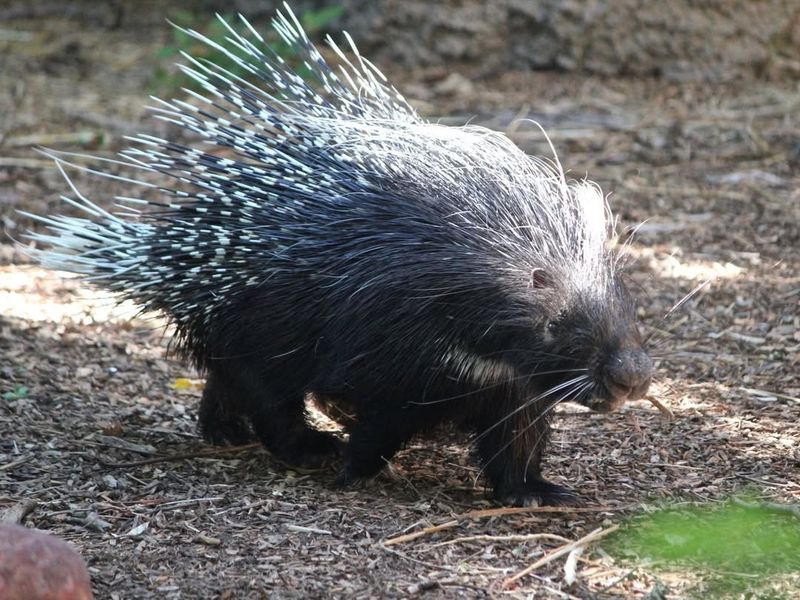
Strange noises coming from your Maine garden after dark might signal a porcupine making itself at home nearby.
These creatures are primarily nocturnal, meaning they’re most active during nighttime hours when your property is quiet and they feel safe venturing out to feed.
While porcupines aren’t particularly vocal animals, they do make distinctive sounds that alert observers to their presence.
Listen for grunting, whining, or chattering noises, especially during late spring and summer when porcupines are more socially active for breeding purposes.
They also create quite a bit of noise while feeding, gnawing loudly on bark, crunching through vegetables, or scraping against wooden structures.
The sound of something climbing trees or moving through branches at night could indicate a porcupine ascending to reach tender bark or buds.
Many Maine residents report hearing shuffling or rustling sounds near their gardens, created by porcupines waddling through leaf litter or pushing through dense vegetation.
Their movements are slower and heavier-sounding than smaller animals like raccoons or squirrels, giving them a distinctive audio signature once you learn to recognize it.
If you’re brave enough to investigate nighttime sounds with a flashlight, you might spot the eyeshine of a porcupine reflecting back at you.
Their eyes glow orange or reddish in flashlight beams, and they typically don’t run away quickly when discovered, instead moving at their characteristic slow, unconcerned pace back toward cover or up the nearest tree for safety.
8. Den Sites In Or Near Your Property
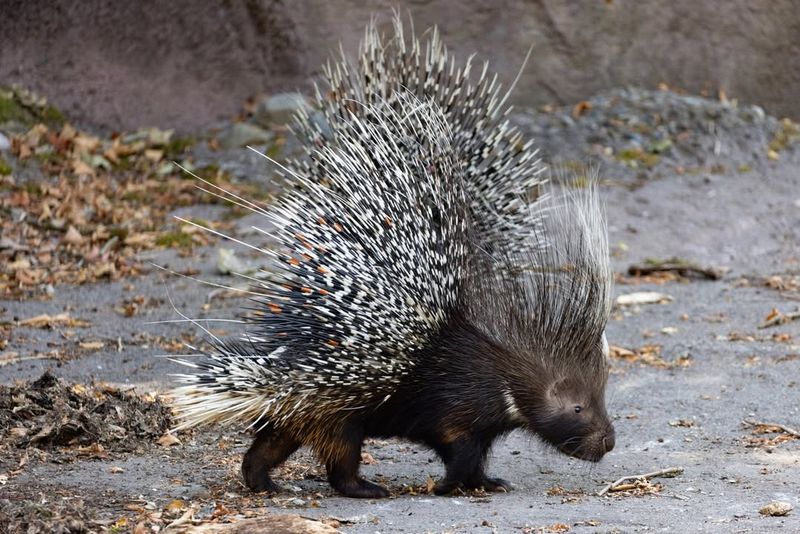
Discovering a porcupine den on or near your Maine property provides definitive proof that these animals have established residence in your area.
Porcupines don’t build elaborate homes like beavers or burrow extensively like groundhogs, but they do seek out specific sheltered locations for resting during daylight hours and raising young during spring and summer months.
Look for dens in hollow logs, rock crevices, caves, or beneath large tree roots where porcupines can squeeze into protected spaces.
They also commonly use spaces under buildings, sheds, or decks if access is available, appreciating the shelter these structures provide from Maine’s harsh weather conditions.
Old woodchuck burrows sometimes get repurposed by porcupines seeking ready-made housing without the effort of digging.
Signs of an active den include accumulated droppings near the entrance, worn pathways leading to and from the site, and a distinctive musky odor that porcupines produce.
The entrance areas often show wear from repeated use, with vegetation trampled down and soil compressed from regular traffic.
During winter, you might notice trails in the snow leading directly to den locations.
Tree dens are also common, particularly in large, hollow trees that provide elevated shelter and protection.
Look up into large pines, hemlocks, or hardwoods with visible cavities or hollow sections.
Porcupines often leave telltale signs like droppings accumulated at the tree base or bark damage on surrounding branches from their climbing activities around their chosen shelter site.