How To Train Climbing Vines Before Spring Growth Takes Off In Georgia
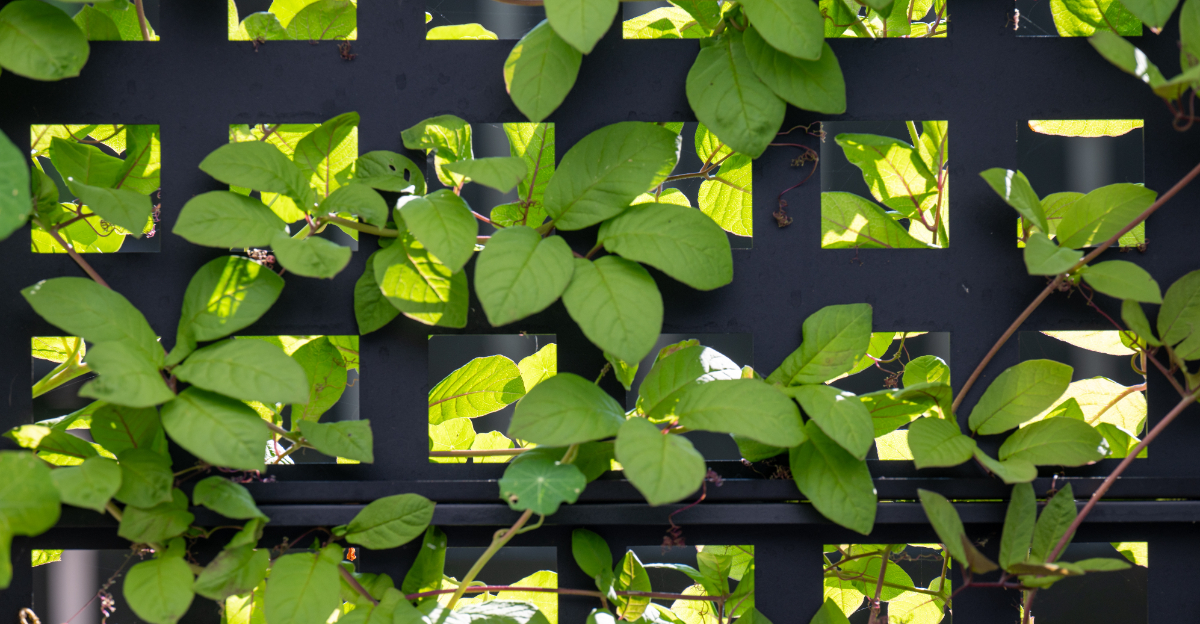
Climbing vines in Georgia do not wait around once spring begins. One week they look manageable, and the next they are reaching, twisting, and heading in every direction at once.
It can feel like they take over before you even realize what is happening.
That early moment, right before growth really picks up, is where everything starts to take shape. Vines respond quickly to how they are guided, and the way they are set now often decides how they will look for the rest of the season.
Left alone, they can grow uneven, tangle into themselves, or miss the structure they were meant to cover.
In Georgia gardens, timing matters more than it seems. There is a short window where a few simple adjustments can lead to a cleaner, fuller look without constant fixing later on.
Once that fast spring growth kicks in, it becomes much harder to bring everything back under control.
1. Start Training Before New Stems Turn Stiff
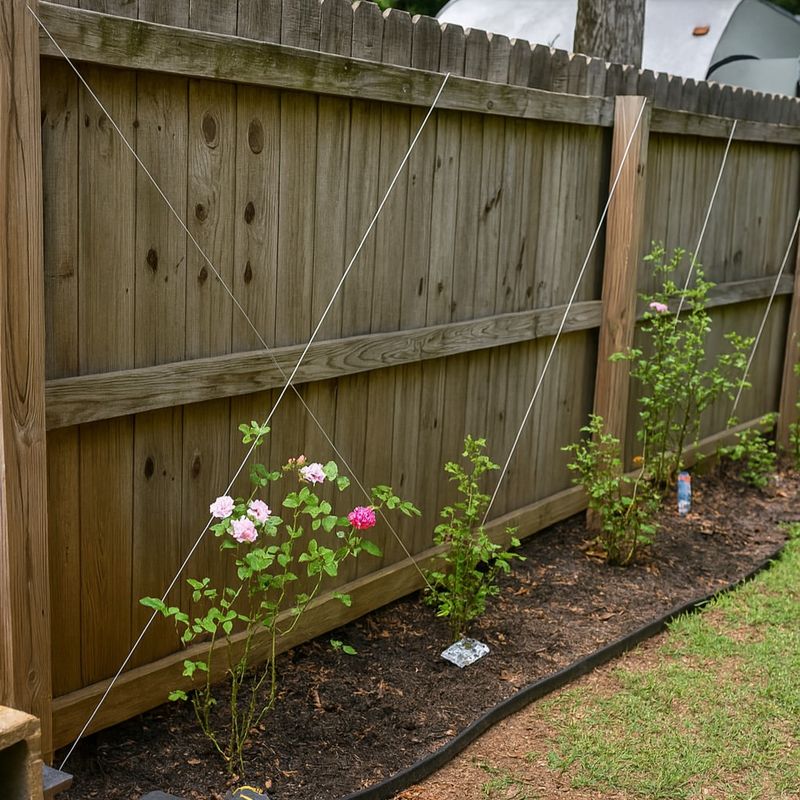
Flexible stems are your best friend, and Georgia’s late winter window is shorter than most people think. New growth on vines like Carolina jessamine or trumpet vine starts soft and pliable, almost like green wire you can bend without snapping.
That’s exactly when you want to be out there working with them.
Once those stems harden off, usually within a few weeks of emerging, bending them without cracking becomes a real challenge. A stem you could have looped around a support in early February might split if you try the same move in April.
Timing matters more than most gardeners realize.
Head out to your garden in late January or early February and take a close look at what’s already moving. Even before full leaf-out, you’ll often see buds swelling or the first tiny shoots starting to push.
That’s your signal to start guiding growth before it gets ahead of you.
Work gently and slowly. Don’t force a stem into a sharp angle in one session.
If it resists, come back in a few days and try again. Gradual redirection is far better than snapping a stem that took months to grow.
In Georgia’s climate, you’ve usually got a solid four to six weeks of that soft-stem window before spring really accelerates things.
Think of early training like shaping bread dough while it’s still warm. Push it when it’s ready and it moves easily.
Wait too long and you’re working against the material instead of with it.
2. Tie Stems Loosely To Supports Without Damage
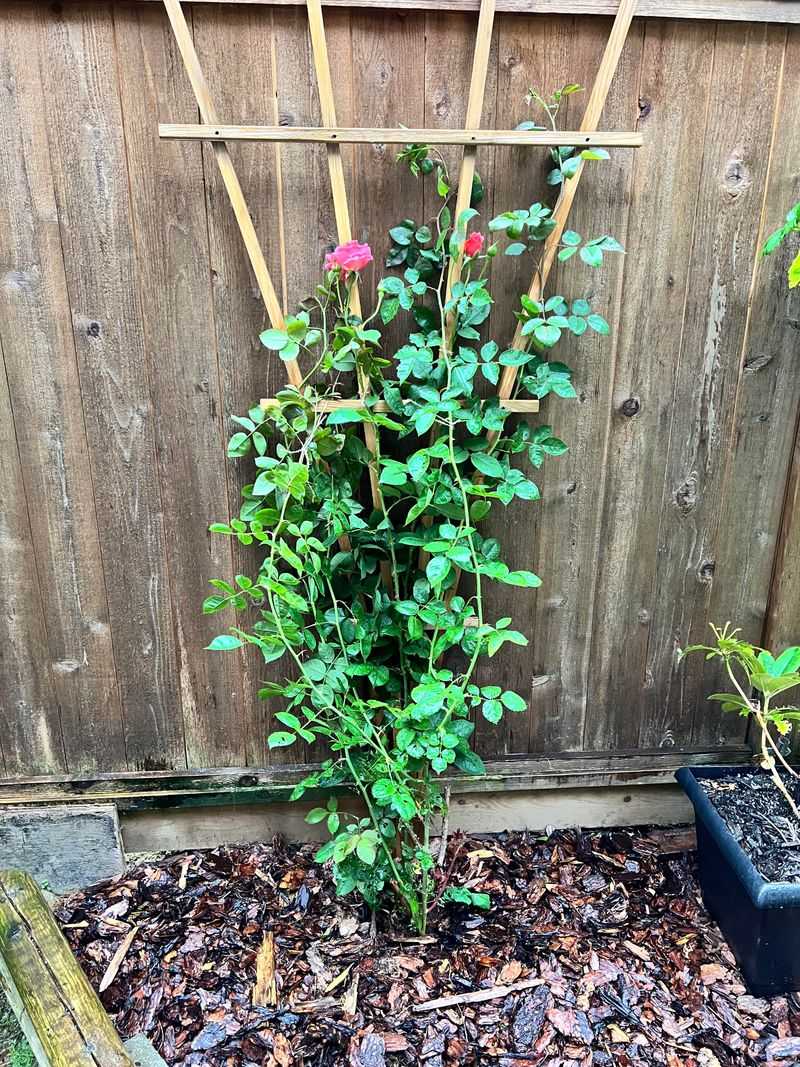
A tight tie can do more harm than a completely untrained vine. Stems thicken as the season moves forward, and anything snug enough to hold the stem firmly in January can end up cutting into the bark by June.
That kind of damage weakens the plant right at the point where it needs the most strength.
Soft fabric ties, strips of old cotton t-shirts, or silicone plant clips all work well. Avoid wire, zip ties, or anything that doesn’t have any give.
You want the stem held in position but with enough room that you could still slide a finger between the tie and the stem without forcing it.
Figure-eight loops work better than simple wraps. Run the tie around the support first, cross it over itself, then loop it around the stem.
That crossing motion keeps the stem from rubbing directly against the support structure, which reduces bark wear over time, especially on rough wood or wire surfaces.
Check every tie at least once a month during the growing season. In Georgia, vines like crossvine and confederate jasmine can add several feet of new growth between spring and early summer.
A tie that looked perfectly fine in March might be biting into a stem by May without you even noticing until damage is already done.
Labeling ties with the date you put them on sounds overly organized, but it’s genuinely useful. You’ll know exactly how long each one has been in place and can prioritize which ones to check first.
3. Position Stems Sideways To Encourage More Blooms
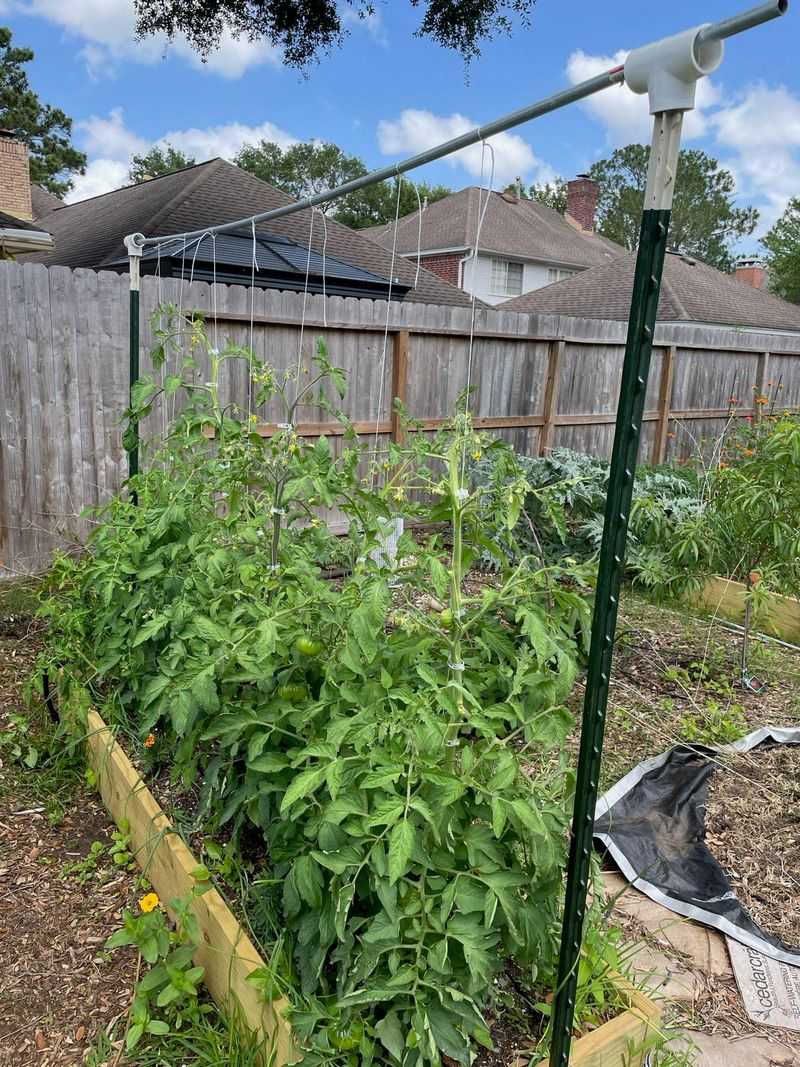
Most vines naturally want to grow straight up, chasing light as fast as possible. Left alone, you end up with a long bare cane with a leafy cluster at the very top and not much happening below.
Redirecting stems sideways changes that equation completely.
When a stem grows horizontally or at a slight diagonal, the plant’s energy spreads more evenly along its length. Side shoots emerge from multiple points instead of just the tip, and those side shoots are usually where the flowers form.
On a well-trained vine, you get blooms from the base all the way up rather than just at the growing tips.
In Georgia, this technique works especially well on wisteria, climbing roses, and crossvine. Fan stems outward from the base like the spokes of a wheel, tying each one to the support at a low angle.
As the season progresses, vertical side shoots will rise from those horizontal canes and cover the structure with growth and color.
Don’t angle every stem the same direction. Alternate some left and some right, and overlap them slightly so there aren’t obvious gaps.
A little planning in late winter saves you from staring at a lopsided vine all summer and wondering how to fix it without tearing the whole thing apart.
It takes a couple of seasons to see the full benefit of lateral training, but once it clicks, the difference in bloom coverage is dramatic. Neighbors will start asking what you’re doing differently, and the answer is surprisingly simple.
4. Use Strong Supports That Can Handle Fast Growth
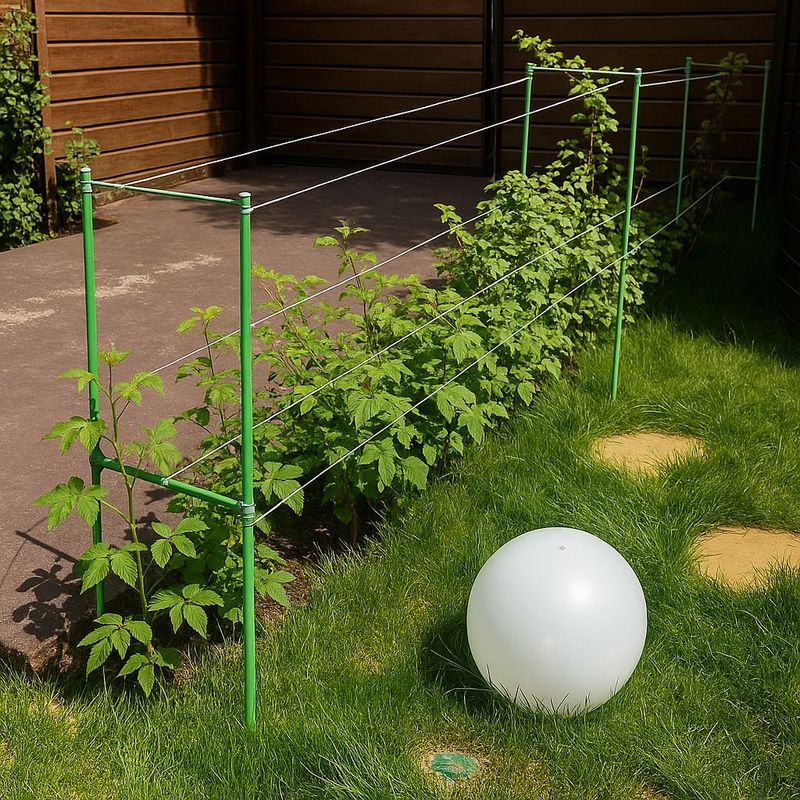
A flimsy support will not survive a Georgia summer with a mature vine on it. Period.
Trumpet vine, wisteria, and even the more moderate growers like confederate jasmine can put on surprising weight between spring and fall, especially once they’ve been in the ground for a few years.
Wooden trellises are fine if they’re made from rot-resistant wood like cedar or pressure-treated lumber and anchored properly into the ground. Thin decorative lattice panels from a big box store look attractive in spring but often buckle or split under the weight and tension of a maturing vine by midsummer.
Go heavier than you think you need to.
Metal structures, either powder-coated steel or galvanized iron, hold up far better over time in Georgia’s humid conditions. They don’t warp, they don’t rot, and they won’t crack during a thunderstorm when a vine-covered surface acts like a sail in the wind.
Attaching metal supports securely to existing fences or walls adds another layer of stability.
Check anchor points before spring growth begins. Push and pull on the structure.
If anything wobbles or shifts, fix it now while the vine is still light and manageable. Trying to reinforce a support buried under three feet of dense growth is frustrating and often means cutting back vines you spent years training.
Size the support to the vine, not to the space. A small ornamental trellis next to a trumpet vine is a mistake you’ll realize by August, usually when the whole thing tips over in a rainstorm.
5. Remove Weak Or Misplaced Shoots Early
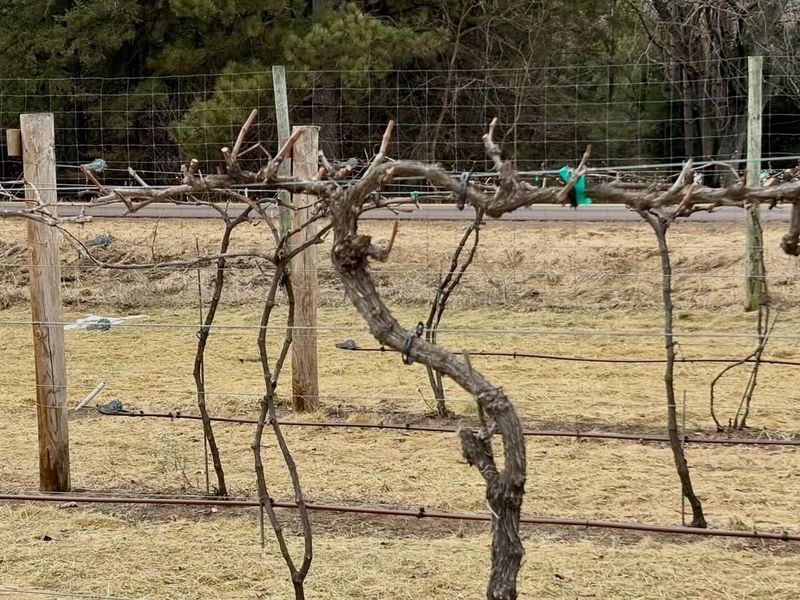
Weak shoots are not worth saving. A thin, spindly stem growing in the wrong direction will never become a strong productive cane, and keeping it just clutters up the structure and steals energy from shoots that actually have potential.
Cut it and move on.
Early spring, before Georgia’s heat really builds, is the best time to assess what’s worth keeping. Walk along each vine and look at the base structure.
Strong shoots are thicker, more upright, and growing in a direction you can actually work with. Anything that’s crossing over other stems, growing straight into the support structure, or heading toward the ground should come off cleanly.
Use clean, sharp pruning shears and make cuts just above a bud node or a main stem junction. Ragged cuts or cuts made with dull blades leave the plant more vulnerable to problems.
It only takes a minute to wipe your blades with rubbing alcohol between cuts if you’re working on multiple vines, especially if any of them showed signs of disease last season.
Don’t second-guess yourself when removing misplaced growth. Gardeners often hesitate because cutting feels permanent, but leaving a poorly positioned shoot only creates bigger problems later.
By midsummer, a shoot you left because you weren’t sure will have woven itself into the rest of the vine and become nearly impossible to remove without damaging good growth around it.
Removing weak and misplaced shoots is about directing the plant’s energy, not punishing it. Every cut you make early is a decision about what kind of plant you want by fall.
6. Space Stems Out For Better Airflow And Light
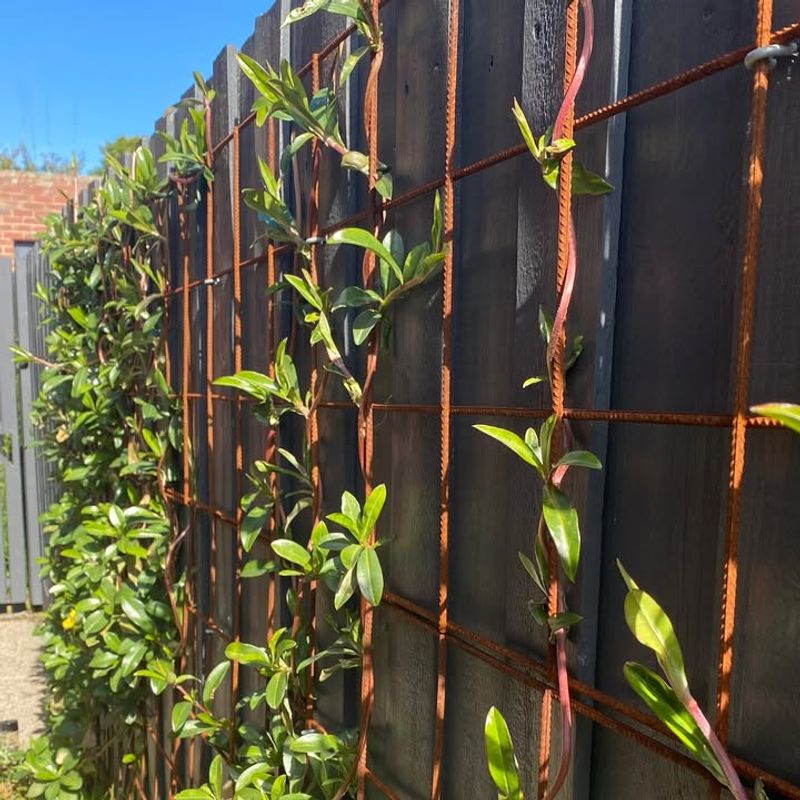
Crowded stems are an open invitation to fungal problems, and Georgia’s humid summers make that risk very real. When stems overlap and bunch together, moisture gets trapped between them and doesn’t dry out quickly enough.
Powdery mildew, black spot, and other fungal issues love exactly those conditions.
Aim to leave visible space between each main stem as you train. On a fence or trellis, you should be able to see the support structure between stems when you step back and look at the whole vine.
If everything blends into a solid wall of growth with no visible gaps, the stems are too crowded.
Spacing also dramatically affects how well light reaches the interior of the plant. Stems buried deep inside a dense tangle don’t photosynthesize efficiently, and the leaves and buds on those inner stems tend to stay small and weak.
Outer growth ends up carrying all the load while interior growth basically just adds bulk without contributing much.
Pull stems apart and redistribute them across the support surface before spring growth locks everything in place. Use ties to hold each stem in its new position.
In Georgia, you’ve usually got a decent window in February and early March to do this kind of reorganizing before new growth starts filling in the gaps rapidly.
Think about spacing the same way you’d think about arranging furniture in a room. Everything needs enough space to breathe and function properly.
Pack too much in and nothing works as well as it should, regardless of how good the individual pieces are.
7. Check And Adjust Ties As Vines Grow Faster
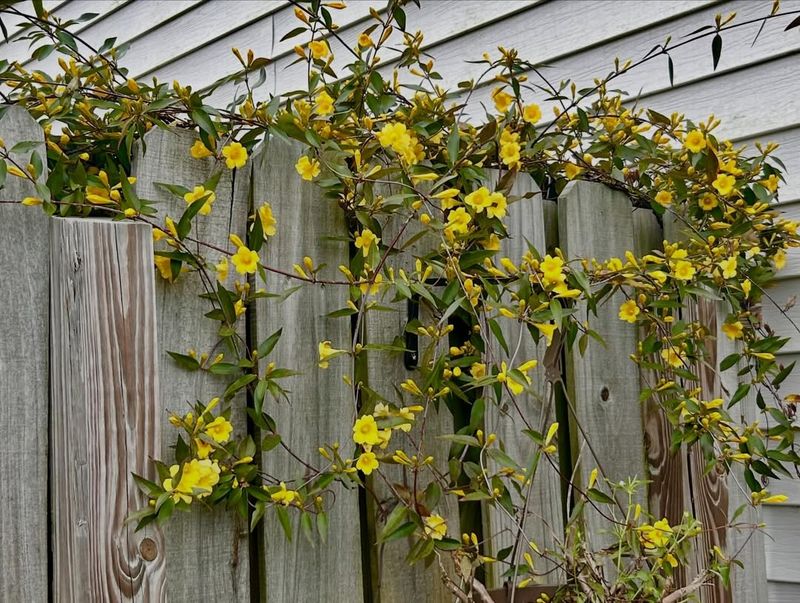
Spring growth in Georgia can catch you completely off guard if you haven’t been paying attention. A vine that added an inch a week in early March might be pushing six to eight inches of new growth per week by late April.
Ties that were perfectly positioned three weeks ago can suddenly be in completely the wrong place.
Set a reminder to check ties every two to three weeks from March through June. Walk the vine and look at each tie individually.
Is the stem still positioned the way you intended? Has new growth flopped away from the support because the tie is now six inches below where the active growing tip is?
Adjust and add new ties as needed.
Ties that have gotten tight need to come off immediately and be replaced with a looser one slightly above the old position. Leaving a tight tie even for a few extra weeks can leave a permanent indentation in the stem, which weakens that section of the plant long-term.
It’s a quick fix that’s easy to put off and easy to regret.
Add new ties ahead of where the vine is growing, not just where it already is. Placing a tie six to eight inches ahead of the current growing tip gives the vine something to aim for and keeps it moving in the right direction without you having to constantly chase it across the support structure.
Consistent check-ins during the fast-growth period are what separate a vine that stays manageable all season from one that becomes a tangled mess by July, especially in Georgia’s aggressive growing conditions.