How To Transition Houseplants Back Outdoors In California Without Shock
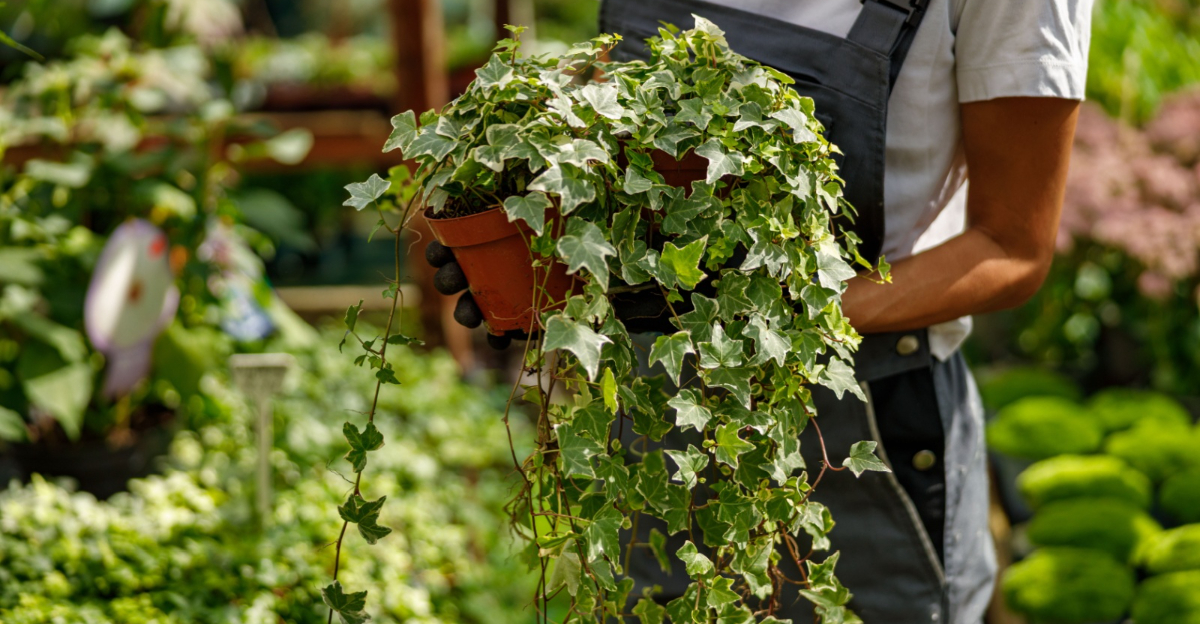
Spring in California makes it tempting to move houseplants outside the minute the weather warms up, but that quick shift can leave leaves scorched, droopy, and stressed.
The challenge is that California spring does not feel the same everywhere.
Coastal areas stay cool and foggy, while inland spots can heat up fast and bring stronger sun, drier air, and bigger temperature swings.
Houseplants that spent months indoors are simply not ready for that change all at once.
Giving them time to adjust to outdoor light, wind, and shifting temperatures helps them settle in more smoothly and grow stronger once they are outside for the season.
1. Start With A Slow Move Into Shade
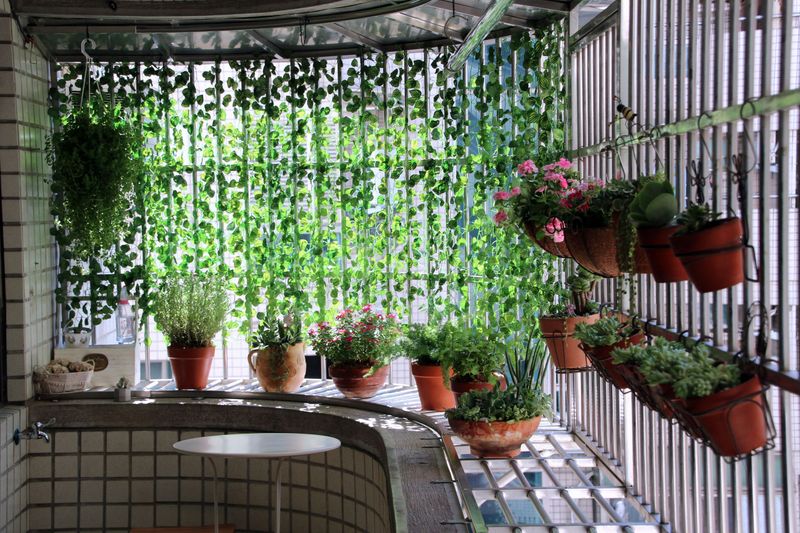
Moving a plant from your living room directly into a sunny California yard is a recipe for crispy leaves and a very unhappy plant. The first step in any successful outdoor transition is shade, and plenty of it.
A covered porch, the north side of a fence, or the canopy beneath a large tree all make excellent starting spots for newly moved plants.
Indoor plants have spent weeks or months adapting to lower light levels. Their leaf cells are simply not built to handle intense outdoor radiation right away.
Even plants that prefer full sun need a few days in filtered or dappled shade before they can handle more direct exposure.
In warmer inland areas of California like the Central Valley or the Inland Empire, starting in shade is even more critical because afternoon temperatures can spike quickly in spring.
Coastal gardeners have a little more flexibility since marine layer clouds often soften the light naturally.
Spending the first three to five days in a shaded spot gives your plant a chance to start adjusting its leaf structure before you ask it to do more.
2. Give Leaves Time To Adjust To Outdoor Light
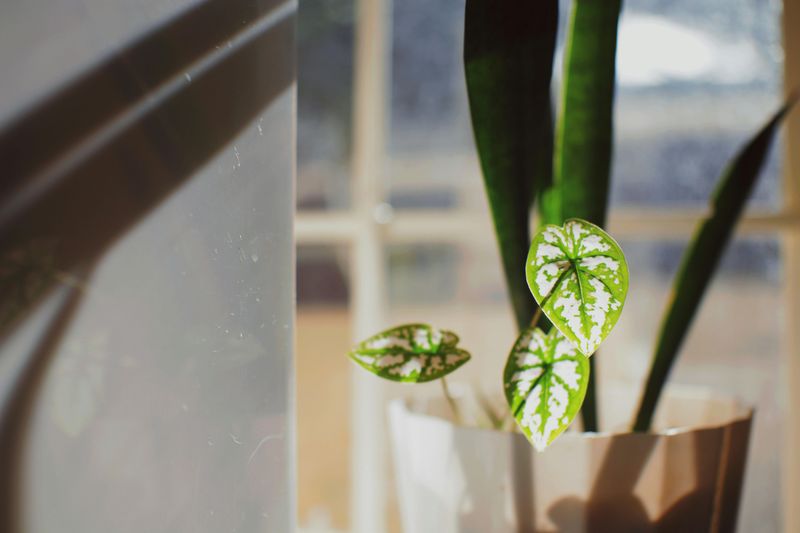
Leaf cells in indoor plants are structured differently than those in plants that have been growing outside for months.
When you expose them to bright outdoor light too quickly, a condition called photobleaching or sunscald can occur, causing pale, bleached patches or crispy brown edges that will not recover.
The process of helping leaves adjust to stronger light is called hardening off, and it takes patience. Start by placing plants in a spot that receives bright but indirect light, like morning sun that transitions to shade by midday.
This gentler light profile gives leaf tissue time to thicken and develop protective pigments.
California gardeners near the coast can often move a little faster through this process because marine layer clouds act as a natural diffuser, especially in May and June.
Inland gardeners should plan on spending at least a full week in filtered light before introducing any direct afternoon sun.
Watch the leaves closely. If they start to look washed out or develop tan patches, move the plant back into deeper shade for a few more days before trying again.
3. Watch Night Temperatures Before Moving Anything Out
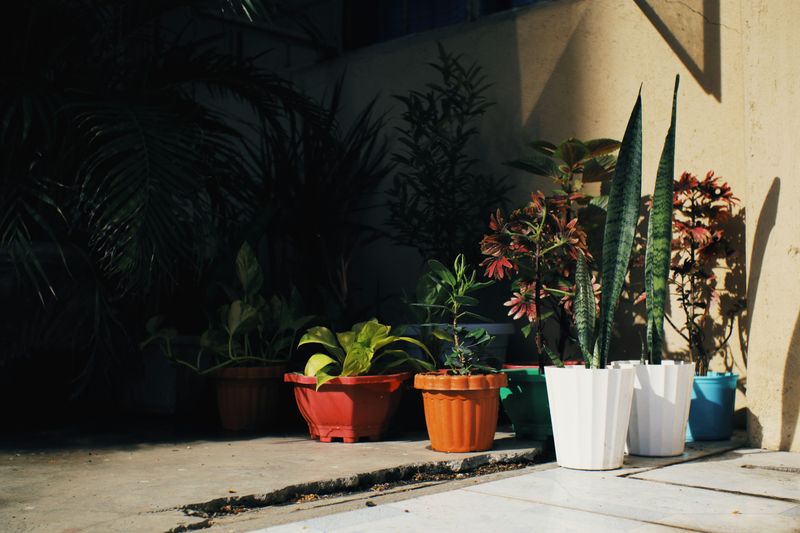
Cold nights can undo all the careful work you put into transitioning your plants, sometimes overnight.
Most common tropical houseplants, including pothos, monsteras, peace lilies, and rubber trees, are sensitive to temperatures below 50 degrees Fahrenheit and can suffer cold damage even without a frost.
Before you move a single plant outside, spend a few nights checking the forecast for your specific area.
California is famous for its microclimates, and the temperature in your neighborhood can vary by ten degrees or more depending on your elevation, proximity to the coast, or whether cold air drains into your yard at night.
Inland valleys in California can experience surprising late-spring cold snaps, especially in March and April when daytime highs might feel warm but nights still dip uncomfortably low.
The coast tends to stay milder but can also bring foggy, cool nights that stress warm-weather plants.
A good rule of thumb is to wait until nighttime lows are consistently above 50 degrees Fahrenheit for at least a week before committing to outdoor placement.
A simple outdoor thermometer placed near your intended plant spot gives you the most accurate reading for your specific microclimate.
4. Let Plants Spend A Few Hours Outside At First
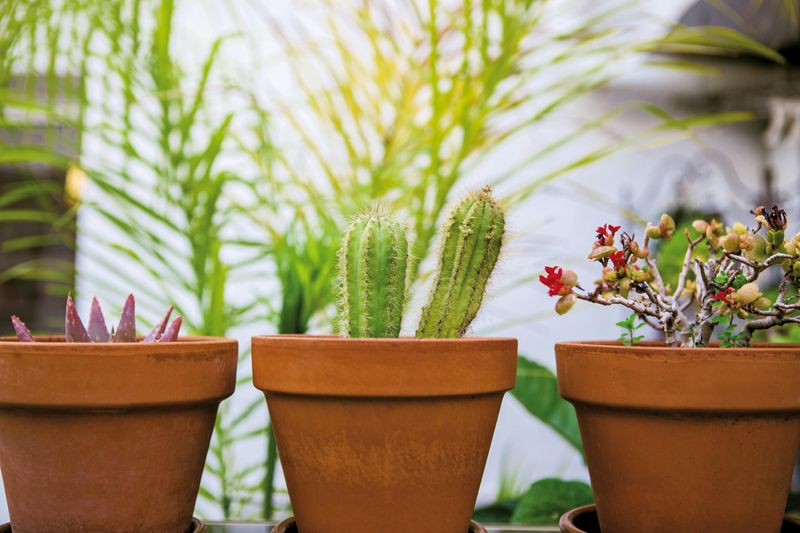
Short outdoor sessions are the cornerstone of a stress-free plant transition. Rather than leaving your plants outside all day from the start, try bringing them out for just two to three hours and then moving them back indoors.
This gives them a taste of outdoor conditions without overwhelming their systems.
Think of it like sunscreen for your plants. You would not spend eight hours in the California sun on your first day at the beach after a winter indoors.
Your plants need the same kind of gradual exposure. Morning hours are ideal because temperatures are cooler, humidity is slightly higher, and the sun is less intense than it will be by early afternoon.
After two or three days of short outdoor sessions, you can start extending the time by an hour or two each day. Watch how the plant responds between sessions.
If leaves look firm and healthy the following morning, that is a good sign the plant is handling the exposure well.
If you notice drooping or curling that does not bounce back within a few hours of coming back inside, scale back the outdoor time and try a slower pace for the next few days.
5. Protect Tender Foliage From Harsh Afternoon Sun
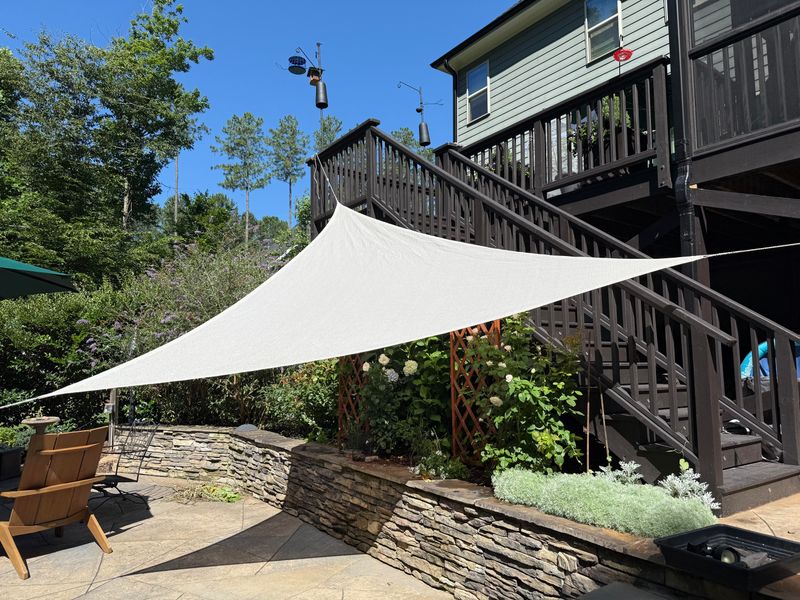
Afternoon sun in California is no joke, especially from late spring onward when the angle of the sun intensifies and temperatures climb.
Plants that were living near a north-facing window or under grow lights are especially vulnerable to the kind of direct, unfiltered light that a California afternoon can deliver.
Shade cloth is one of the most practical tools you can use during this transition. A thirty to fifty percent shade cloth draped over a simple frame or attached to a fence can significantly reduce light intensity while still allowing good air circulation.
It is especially useful in the Central Valley, the Inland Empire, and other areas where spring afternoons can feel more like summer.
Even plants that will eventually tolerate full sun, like succulents or citrus-adjacent tropicals, benefit from afternoon shade protection during the first one to two weeks outdoors.
Tender new leaves that formed indoors are particularly at risk because they lack the waxy cuticle thickness that outdoor-grown leaves develop over time.
Positioning plants so they receive morning sun and afternoon shade is one of the simplest and most effective strategies for protecting foliage during the transition period without slowing down the overall process.
6. Check Soil Moisture More Often Outdoors
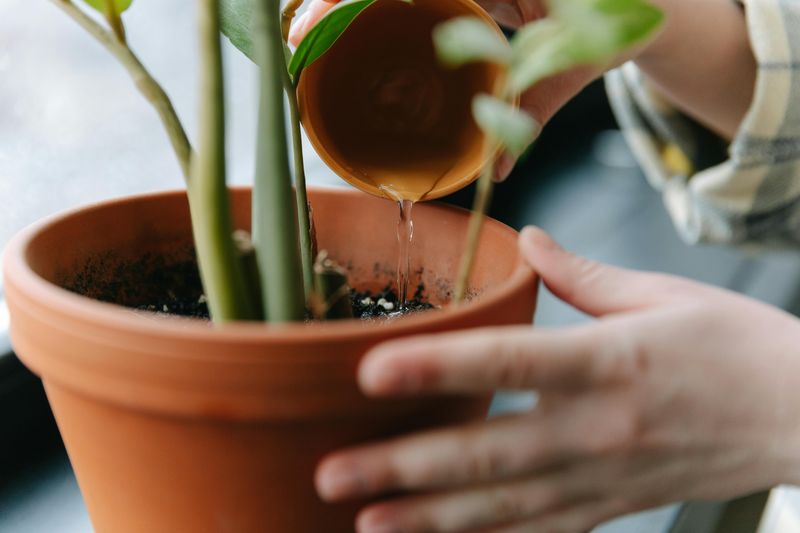
One of the biggest surprises for California gardeners during the outdoor transition is how fast soil dries out once plants are no longer inside.
Even on mild spring days, outdoor conditions like wind, lower humidity, and direct sunlight can pull moisture from pots much faster than a climate-controlled indoor space ever would.
Plants that were fine with watering once a week inside may suddenly need water every two or three days once they move outdoors. The best way to know is to check the soil directly rather than sticking to a schedule.
Push your finger about an inch into the soil. If it feels dry at that depth, it is time to water.
If it still feels moist, give it another day.
In hotter, drier parts of California, terra cotta pots dry out especially fast and may need daily monitoring during warm spells. Plastic or glazed ceramic pots hold moisture longer and can be a better choice during the transition period.
Make sure every pot has drainage holes so excess water can escape, because waterlogged roots are just as damaging as drought stress, and the combination of heat and poor drainage is one of the leading causes of plant loss during this transition.
7. Keep An Eye Out For Wind Stress And Wilting
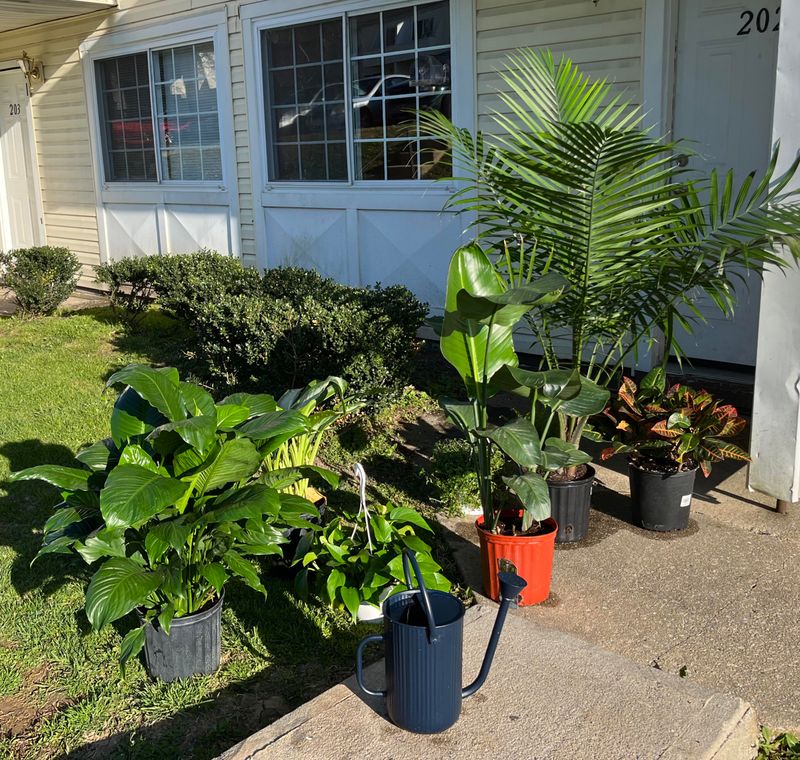
Spring in California often brings gusty winds, especially in coastal areas, mountain passes, and the inland valleys where afternoon breezes can turn into sustained gusts.
Wind is one of the most underestimated stressors for plants transitioning from the calm, still air of your home to the unpredictability of the outdoors.
Wind pulls moisture from leaves faster than roots can replace it, a process called transpiration stress. You might notice leaf edges turning brown or crispy, or the whole plant looking limp even though the soil is moist.
This is the plant struggling to keep up with water loss, not a sign that it needs more water. Moving the plant to a more sheltered spot is the right fix.
Look for spots that offer natural wind protection, like a wall, a dense hedge, a fence, or a corner of your patio that blocks the prevailing breeze.
Coastal California gardeners often deal with persistent afternoon winds off the ocean, while inland gardeners may face dry, warm Santa Ana-style gusts in late spring.
Keeping plants low to the ground or grouped together can also help reduce wind exposure while they are still building their outdoor resilience. Watch wilting patterns closely to distinguish wind stress from heat stress or underwatering.
8. Inspect For Pests Before And After The Move
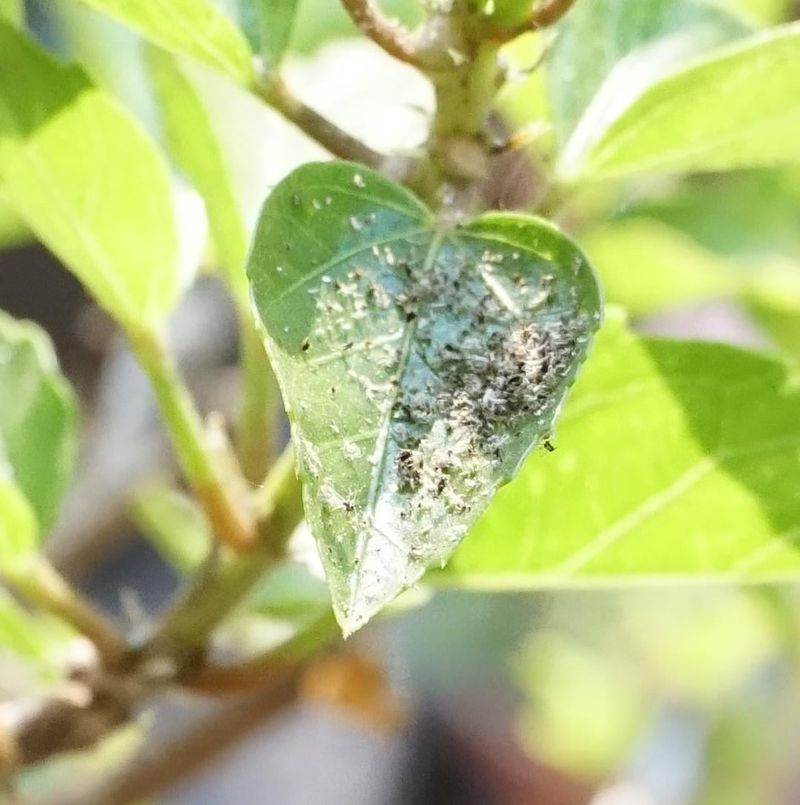
Plants are remarkably good at hiding pest problems until conditions change, and moving outdoors is exactly the kind of change that can cause a small, unnoticed infestation to explode.
Before any plant leaves your home, take a few minutes to check both the tops and undersides of leaves for spider mites, scale insects, mealybugs, and fungus gnats.
Spider mites, in particular, thrive in dry indoor conditions and are incredibly common on houseplants during winter.
They are tiny and easy to miss, but a magnifying glass or even just running your finger along the underside of a leaf can reveal their presence.
Treating an infestation before the plant goes outside is much easier than chasing pests around your yard.
After the first week outdoors, inspect again. Outdoor environments introduce new pest pressures, including aphids, whiteflies, and caterpillars.
California gardens, especially in warmer regions, can have active pest populations year-round. Catching problems early prevents them from spreading to other plants.
A gentle spray of insecticidal soap or neem oil solution handles most common pests without harming beneficial insects when applied carefully in the early morning or evening when pollinators are less active.
9. Hold Off On Fertilizer Until Plants Settle In
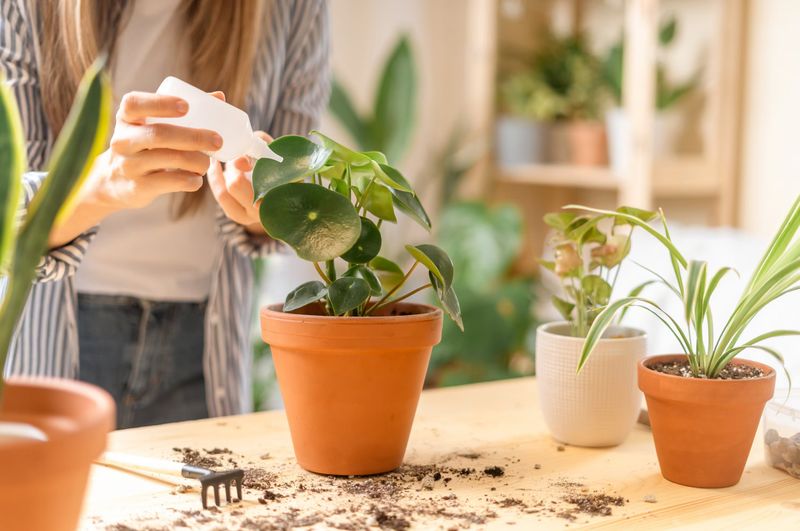
It is tempting to give your plants a nutritional boost right when they head outside, especially after a long winter of slow indoor growth. However, fertilizing during the transition period can actually cause more harm than good.
Plants that are already dealing with new light levels, temperatures, and wind do not need the added stress of processing a surge of nutrients.
Fertilizer encourages new growth, and new growth is the most vulnerable tissue on any plant. Soft, quickly produced leaves and stems are more susceptible to sunburn, wind damage, and pest attack.
Waiting until your plant has been outside for at least two to three weeks and is showing signs of healthy adjustment gives it time to stabilize before you push it to grow.
Once plants are settled and producing new growth on their own, a balanced liquid fertilizer applied at half the recommended strength is a gentle way to support outdoor performance.
California’s warm spring and summer seasons mean most outdoor plants will be ready for regular feeding by late May or early June.
Starting light and building up gradually mirrors the same logic as the rest of this transition process, and it gives your plants the best foundation for a strong growing season ahead.
10. Choose The Right Outdoor Spot For Each Plant
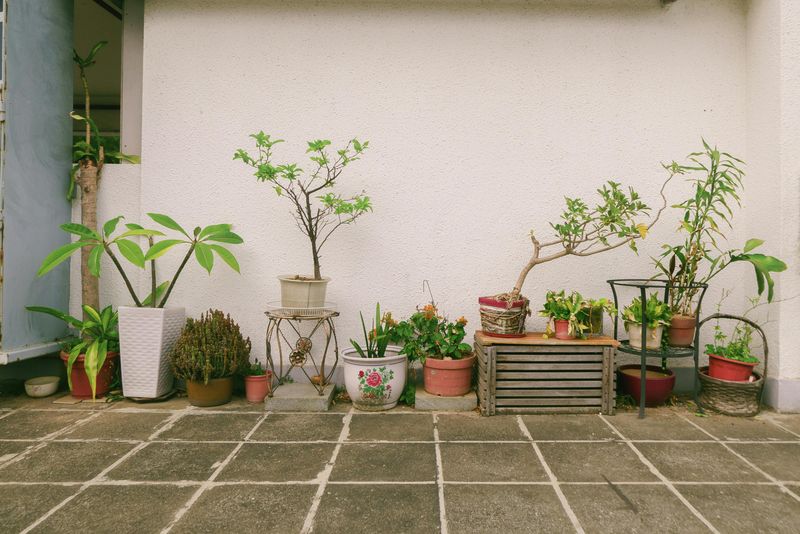
Not every plant wants the same outdoor experience, and California’s diverse landscape means you likely have several different microclimates right in your own yard.
A shaded corner beneath a pergola, a bright south-facing wall, or a raised bed area with reflected heat all create very different growing conditions, and matching the right plant to the right spot makes a significant difference in how well it adjusts.
Ferns, calatheas, and peace lilies do best in spots that mimic the filtered, humid conditions of a forest floor. Succulents, aloes, and snake plants can eventually handle more sun but still benefit from a shaded start.
Fiddle-leaf figs and rubber plants fall somewhere in between, preferring bright indirect light without direct afternoon exposure during their first few outdoor weeks.
Take a walk around your outdoor space at different times of day and note where the sun falls and for how long.
A spot that looks shady in the morning might receive intense reflected heat from a wall or pavement by two in the afternoon.
California gardeners in hot inland areas should be especially thoughtful about reflected heat from concrete surfaces, which can dramatically raise soil temperatures in pots and stress root systems even when air temperatures seem manageable.
11. Bring Plants Back In Quickly If Cold Snaps Hit
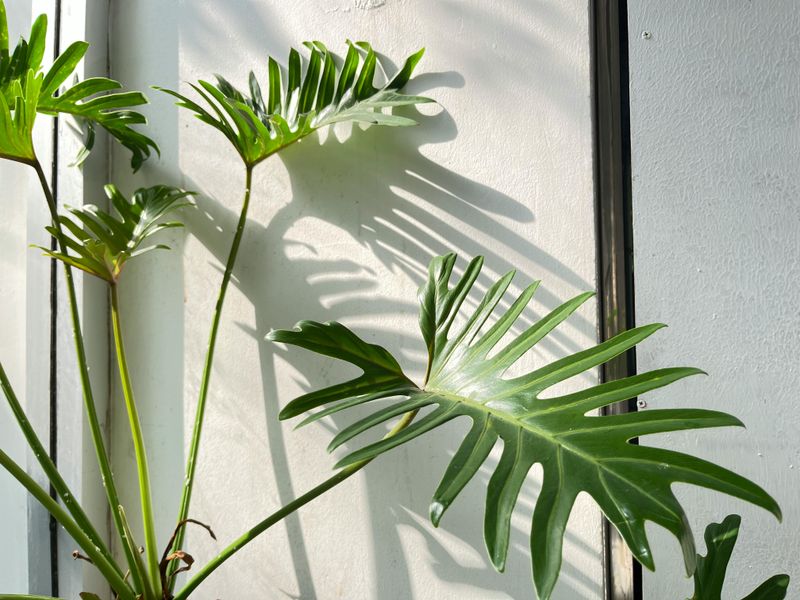
California weather can be unpredictable in spring, and a stretch of warm days does not mean cold nights are finished for the season.
Late-season cold snaps are common in many parts of the state, and a single night below 45 degrees Fahrenheit can cause serious damage to tropical houseplants that have just started adjusting to outdoor life.
Keep an eye on extended weather forecasts rather than just checking the next day’s high. A forecast that shows a temperature drop three or four days out gives you time to plan rather than scramble.
Apps that show hourly overnight temperatures are especially helpful for gardeners in areas prone to cold air drainage, where valley floors can get much colder than surrounding hillsides.
If a cold snap is coming, bring your plants inside before sunset rather than waiting to see how cold it gets. Cold stress can begin well before temperatures reach freezing, and the recovery from cold damage takes weeks.
Coleus, impatiens, basil, and most tropical foliage plants are among the most cold-sensitive and should be the first ones moved back in.
A garage or enclosed porch can work as a temporary shelter if you do not have room to bring everything inside your main living space.
12. Increase Outdoor Time Little By Little Each Week
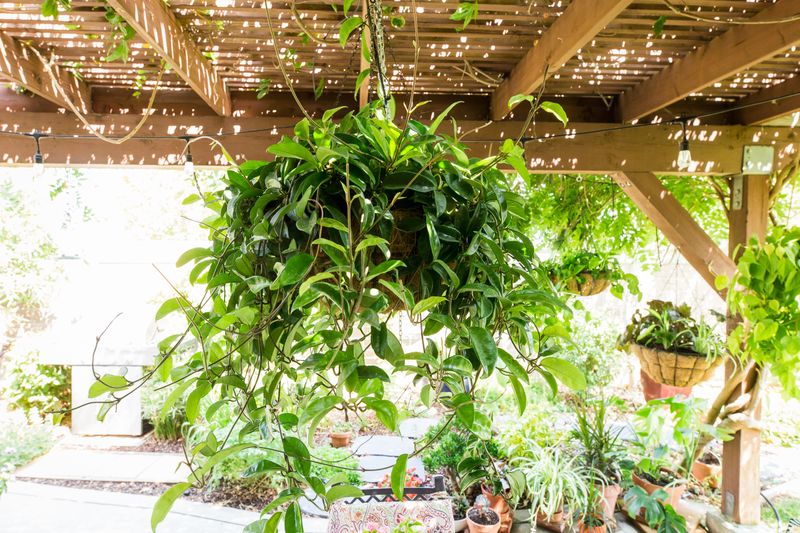
The whole secret to a shock-free outdoor transition comes down to one principle: slow and steady wins every time.
Each week you spend building up your plant’s outdoor exposure is an investment in a healthier, more resilient plant that will reward you with strong growth through California’s long warm season.
During the first week, limit outdoor time to two to four hours in the shade. By the second week, extend sessions to four to six hours and begin introducing filtered morning light.
By the third week, most plants can handle full days outside in a spot that matches their light preferences.
Plants that will eventually live in full sun may need one more week of gradual adjustment before they are ready for extended direct exposure.
Keep a simple log or take weekly photos to track how your plants are responding.
Progress is not always obvious day to day, but comparing photos from week one to week three can reveal remarkable changes in leaf color, texture, and overall plant posture.
California’s spring and early summer offer ideal conditions for this kind of gradual hardening-off process, and the time you invest now sets the stage for a lush, thriving outdoor display all the way through fall.