How To Turn Banana Skins And Coffee Grounds Into Houseplant Food In Washington Homes
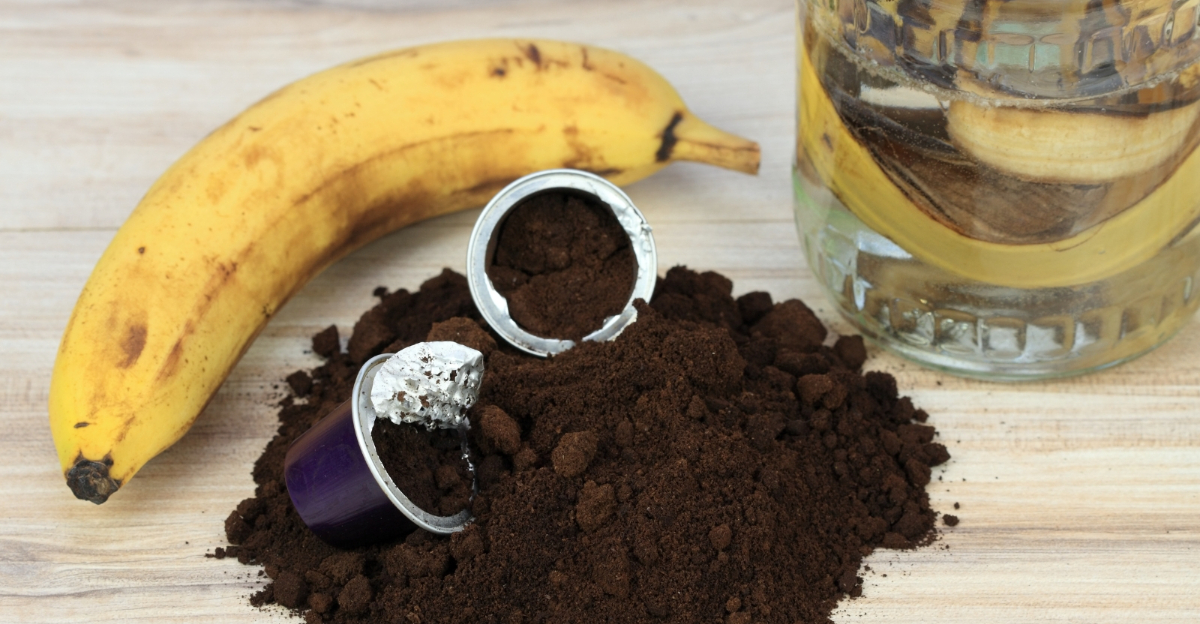
Banana peels and leftover coffee grounds usually head straight for the trash in Washington homes, even though they carry real value for indoor plants.
Long winters and limited light already slow houseplant growth, so wasted nutrients feel even more frustrating during colder months.
Many plant owners rely on bottled fertilizers without realizing everyday kitchen scraps can support steady growth just as effectively.
Indoor conditions across Washington make gentle, slow feeding especially useful, since plants absorb nutrients differently in cooler, dimmer spaces. Homemade options fit naturally into this rhythm.
Using scraps feels simple, but results depend on how they’re prepared and applied.
Raw waste tossed into pots often creates mess or problems instead of benefits.
Handled correctly, these materials support roots, leaf health, and overall balance without overwhelming plants.
This approach turns routine kitchen waste into part of regular plant care. It also shifts feeding into something intentional rather than automatic.
Once plants respond with stronger growth and fewer issues, store-bought solutions start feeling far less necessary.
1. Dry And Prepare Banana Skins Before Using Them Indoors
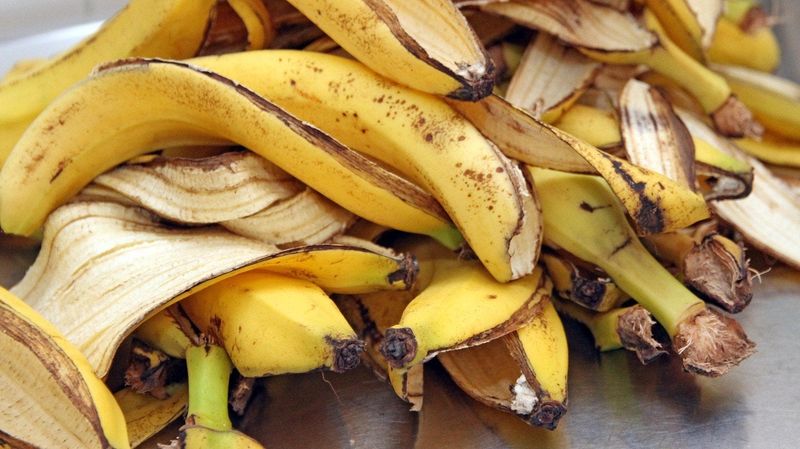
Most people toss banana peels straight into the trash without realizing the potential they hold for houseplants. Fresh peels contain moisture that can attract fruit flies and create unpleasant odors in your home, especially during Washington’s humid summer months.
Allowing the skins to dry completely eliminates these problems and makes the material easier to store and use later.
You can dry banana peels by laying them flat on a baking sheet and placing them in an oven set to the lowest temperature for a few hours. Another method involves cutting the peels into small strips and letting them air-dry on a windowsill for several days.
Once they become brittle and dark, they’re ready to be crushed into smaller pieces or ground into powder.
Storing dried banana skins in an airtight container keeps them fresh for months. This preparation step ensures you always have plant food on hand without worrying about spoilage.
Many Washington gardeners prefer this method because it fits easily into their kitchen routines.
Crushing the dried peels into a fine powder helps nutrients release more quickly into the soil. A coffee grinder or food processor works well for this task.
Powdered banana skin can be sprinkled directly onto the soil surface or mixed into potting mix before planting.
Some people prefer cutting dried peels into small flakes instead of grinding them. Flakes break down more slowly, providing a steady release of nutrients over time.
Both methods work effectively depending on your plants’ needs and your personal preference.
Washington’s cool, dry winters make air-drying banana peels indoors quite manageable. You won’t need to worry about excess humidity slowing down the drying process.
Just make sure the peels are completely dry before storing them to prevent mold growth.
2. Use Banana Skins To Support Flowering And Root Strength
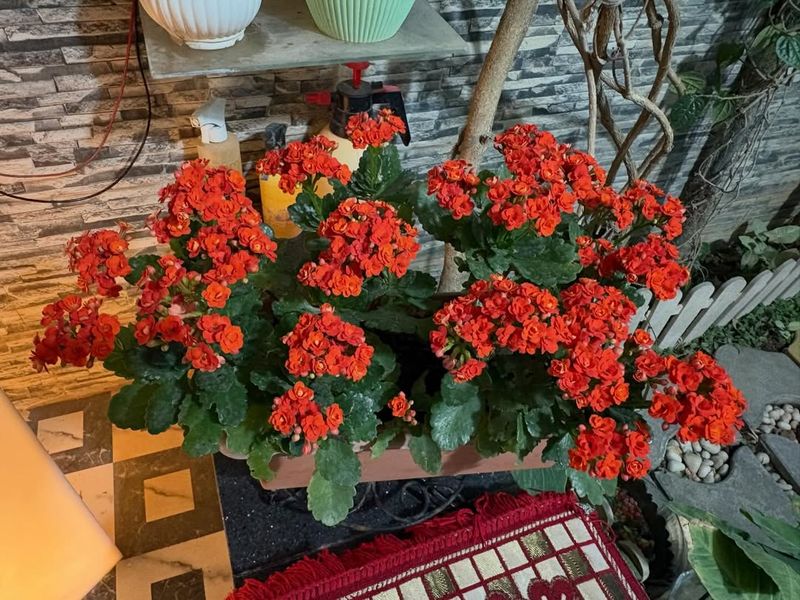
Potassium plays a major role in helping plants produce vibrant blooms and develop strong root systems. Banana peels are naturally rich in this essential nutrient, making them an excellent choice for flowering houseplants like African violets and orchids.
Washington residents with indoor gardens often notice improved color and longer-lasting flowers after adding banana-based food to their care routine.
When potassium levels are adequate, plants can better regulate water uptake and resist stress from temperature changes. This is especially helpful during Washington’s cooler months when indoor heating can dry out the air.
Stronger roots also mean better overall plant health and resilience against pests.
Mixing crushed banana peel powder into the top layer of soil allows nutrients to gradually work their way down to the roots. Watering the plant afterward helps the minerals dissolve and become available for absorption.
This slow-release method prevents nutrient burn and keeps feeding consistent over several weeks.
Some gardeners create a banana peel tea by soaking dried pieces in water overnight. The resulting liquid can be poured directly onto the soil as a gentle liquid fertilizer.
This method works well for plants that prefer moist conditions and need frequent watering.
Flowering plants benefit most from banana peel applications during their active growing season. For many houseplants, this period falls between spring and early fall.
Applying the food every few weeks during this time can lead to noticeable improvements in bloom production.
Root-bound plants also respond positively to the extra potassium from banana skins. Strengthening the root system helps the plant make better use of available space in its container.
Washington homeowners with limited indoor space appreciate this benefit since repotting isn’t always convenient.
3. Rinse And Reuse Coffee Grounds To Avoid Soil Issues
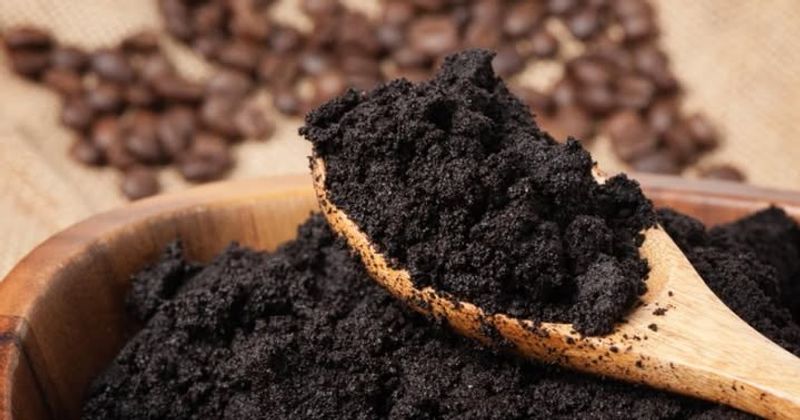
Fresh coffee grounds straight from your morning brew contain oils and residual acidity that can harm certain houseplants. Rinsing used grounds under cool water removes these compounds and makes the material safer for a wider variety of indoor plants.
Many Washington coffee lovers save their grounds daily and rinse them in batches to simplify the process.
After rinsing, spread the grounds on a paper towel or tray to dry completely. Wet coffee grounds can develop mold quickly, especially in the humid conditions sometimes found in Washington kitchens.
Drying them ensures they stay fresh and ready to use whenever your plants need feeding.
Rinsed grounds have a more neutral pH compared to fresh ones, which is important for plants that prefer less acidic soil. While some plants like azaleas and blueberries thrive in acidic conditions, most common houseplants prefer a more balanced environment.
Rinsing helps you use coffee grounds more universally without worrying about pH shifts.
Some gardeners skip the rinsing step and use fresh grounds only for acid-loving plants. This approach works well if you know your plants’ specific needs and can match the right material to each one.
However, rinsing offers more flexibility and reduces the risk of over-acidifying the soil.
Storing rinsed and dried coffee grounds in a sealed container keeps them fresh for months. Label the container so you don’t confuse them with fresh grounds meant for brewing.
Washington homeowners often keep a dedicated jar for plant food grounds separate from their coffee supplies.
Adding rinsed coffee grounds to potting mix before planting improves soil structure and drainage. The grounds help create air pockets that prevent compaction and allow roots to breathe.
This benefit is especially valuable for plants in containers that can become waterlogged over time.
4. Why Coffee Grounds Work Best In Small Amounts
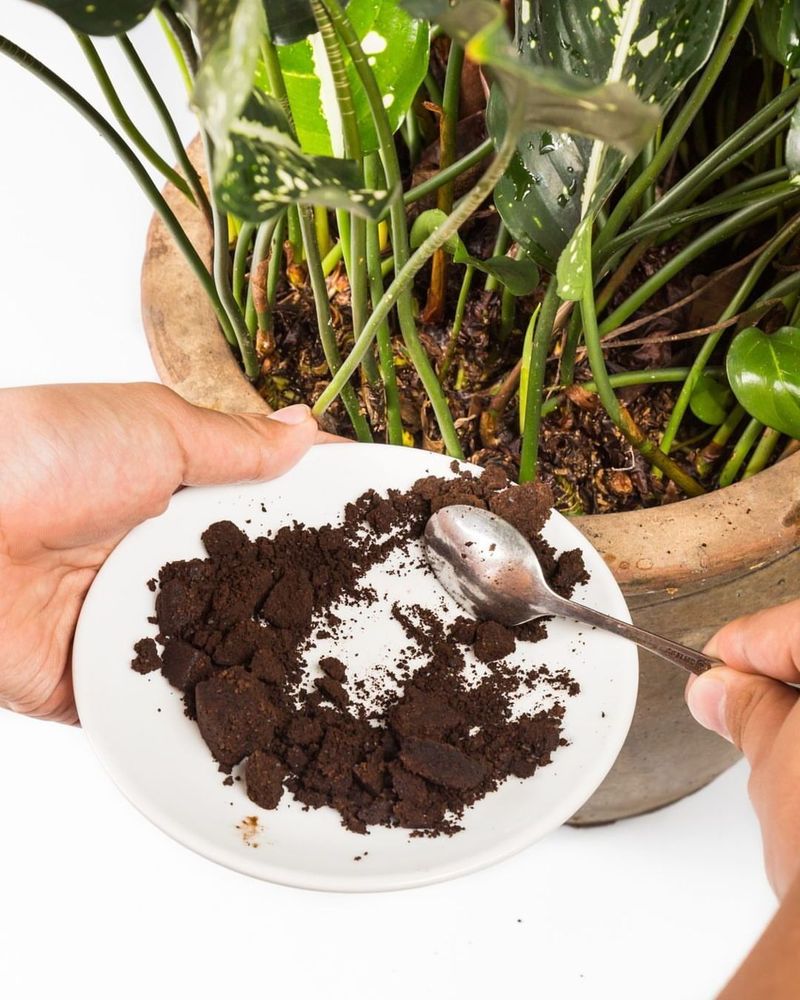
Adding too much coffee ground material to houseplant soil can create problems that outweigh the benefits. Excess grounds can compact the soil, reducing airflow to the roots and making it harder for water to drain properly.
Washington gardeners have learned that moderation is key when incorporating this kitchen scrap into their plant care routine.
A light sprinkling of coffee grounds on the soil surface is usually sufficient for most houseplants. About one to two tablespoons per medium-sized pot every few weeks provides enough nutrients without overwhelming the soil.
Larger plants can handle slightly more, but it’s always better to start small and increase gradually if needed.
Coffee grounds contain nitrogen, which supports leafy green growth. However, too much nitrogen can cause plants to produce excessive foliage at the expense of flowers or fruit.
Balancing coffee grounds with other amendments like banana peels helps create a more complete nutrient profile.
Mixing coffee grounds into the top inch of soil rather than piling them on the surface prevents them from forming a crust. A thick layer can harden and repel water instead of absorbing it.
Gently working the grounds into the soil ensures they integrate well and break down evenly.
Some plants are more sensitive to coffee grounds than others. Succulents and cacti, for example, prefer drier conditions and can suffer if coffee grounds retain too much moisture.
Knowing your plants’ preferences helps you decide how much and how often to apply this type of food.
Observing your plants after each application gives you valuable feedback. If you notice slower growth, yellowing leaves, or water pooling on the soil surface, you may be using too much.
Cutting back on the amount or frequency usually resolves these issues quickly.
5. Mix Kitchen Scraps Into Compost Instead Of Direct Soil Use
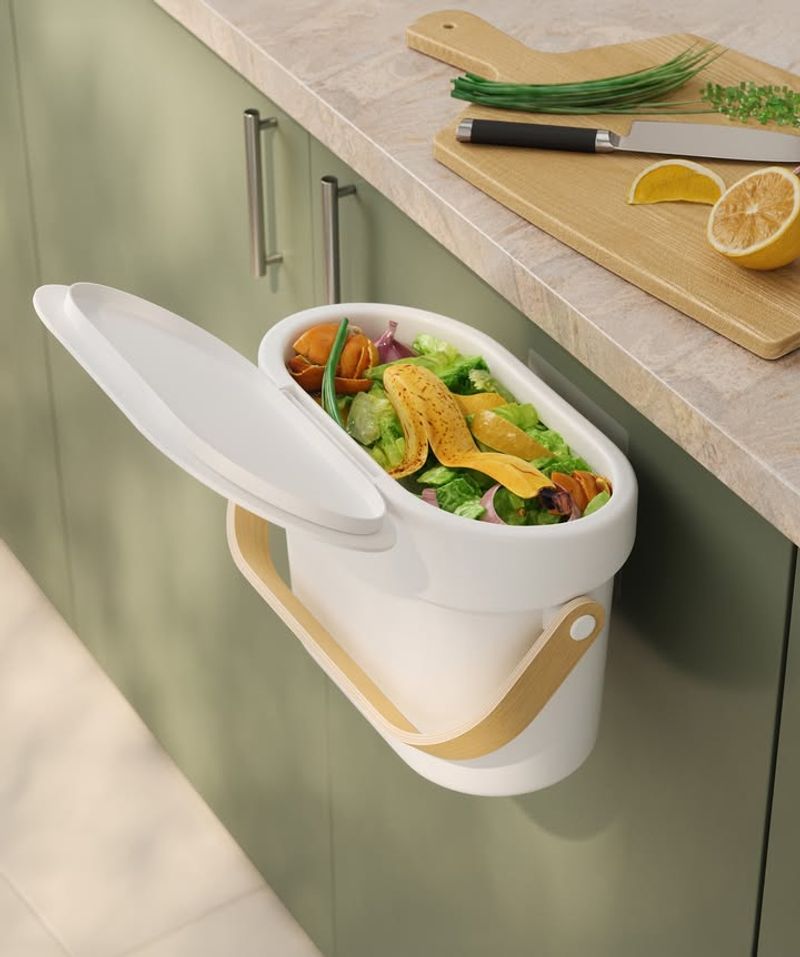
Composting banana skins and coffee grounds before adding them to houseplants offers several advantages over direct application. The composting process breaks down the materials into a form that plants can absorb more easily.
Washington residents with small indoor compost bins find this method convenient and effective for turning scraps into high-quality plant food.
A balanced compost pile needs a mix of green materials like coffee grounds and brown materials like dried leaves or shredded paper. Banana peels count as green material due to their nitrogen content.
Maintaining the right ratio ensures the compost breaks down efficiently without becoming too wet or smelly.
Indoor composting systems designed for apartments and small homes work well for this purpose. Many models use airtight containers that prevent odors from escaping.
Washington homeowners appreciate these systems because they fit neatly under the sink or in a corner of the kitchen.
Adding finished compost to houseplant soil improves its texture and nutrient content. The compost acts as a slow-release fertilizer that feeds plants over several months.
This method reduces the need for frequent applications and makes plant care less time-consuming.
Composting also reduces the risk of introducing pests or mold into your houseplant pots. The heat generated during decomposition eliminates many pathogens and insect eggs.
Finished compost is much safer to use indoors than raw kitchen scraps.
Turning your compost regularly speeds up the breakdown process and prevents unpleasant smells. A small hand tool or even a wooden spoon works fine for indoor bins.
Washington’s mild indoor temperatures are ideal for maintaining an active compost system year-round.
6. Choose Houseplants That Respond Well To Natural Feeding
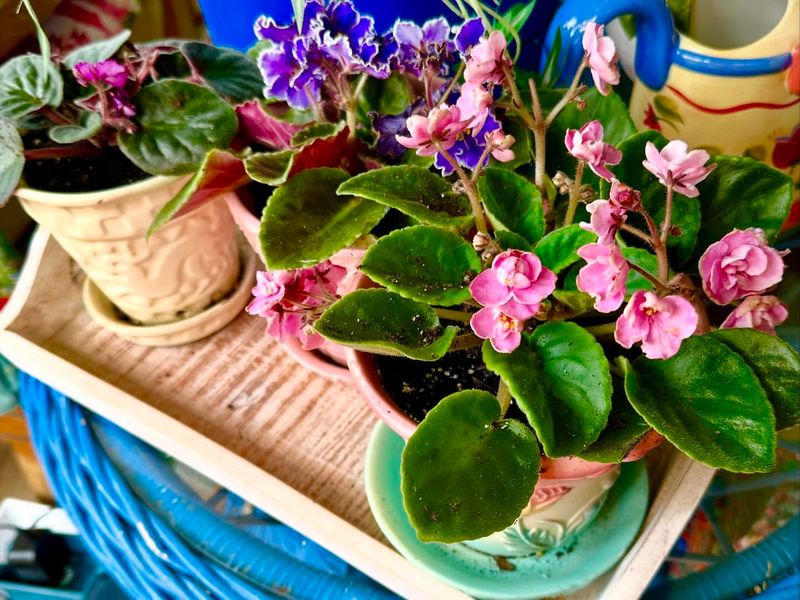
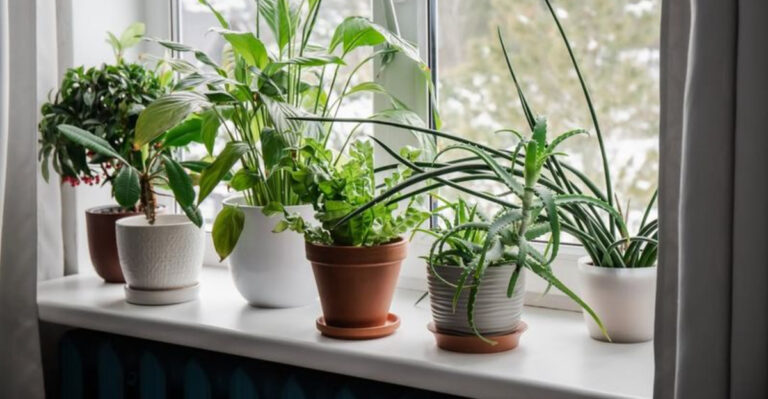
Not every houseplant benefits equally from homemade fertilizers like banana peels and coffee grounds. Some species are heavy feeders that appreciate regular nutrient boosts, while others prefer lean soil and minimal feeding.
Understanding which plants respond best helps you get the most out of your kitchen scraps in Washington homes.
Pothos, philodendrons, and spider plants are excellent candidates for natural feeding. These popular houseplants grow vigorously and use nutrients quickly, making them ideal for experimenting with homemade food.
Washington plant enthusiasts often start with these easy-care varieties before branching out to more specialized species.
Flowering plants like African violets, begonias, and peace lilies also respond well to banana peel and coffee ground amendments. The extra potassium from banana peels supports bloom production, while the nitrogen from coffee grounds keeps foliage lush and green.
Balancing both types of scraps creates a well-rounded feeding program.
Ferns and calatheas appreciate the organic matter and improved soil structure that come from adding composted kitchen scraps. These plants prefer consistently moist soil, and the compost helps retain water without becoming waterlogged.
Washington’s variable indoor humidity makes this benefit especially valuable.
Succulents and cacti, on the other hand, require minimal feeding and can be harmed by too much organic matter. These plants evolved in nutrient-poor environments and don’t need the rich soil that other houseplants crave.
Stick to specialized cactus fertilizers for these varieties rather than kitchen scraps.
Orchids have unique nutritional needs that aren’t fully met by banana peels and coffee grounds alone. While they can tolerate small amounts of these materials, they generally prefer specialized orchid fertilizers.
Washington orchid growers often use homemade food as a supplement rather than the primary nutrient source.
7. How Often Homemade Plant Food Should Be Applied
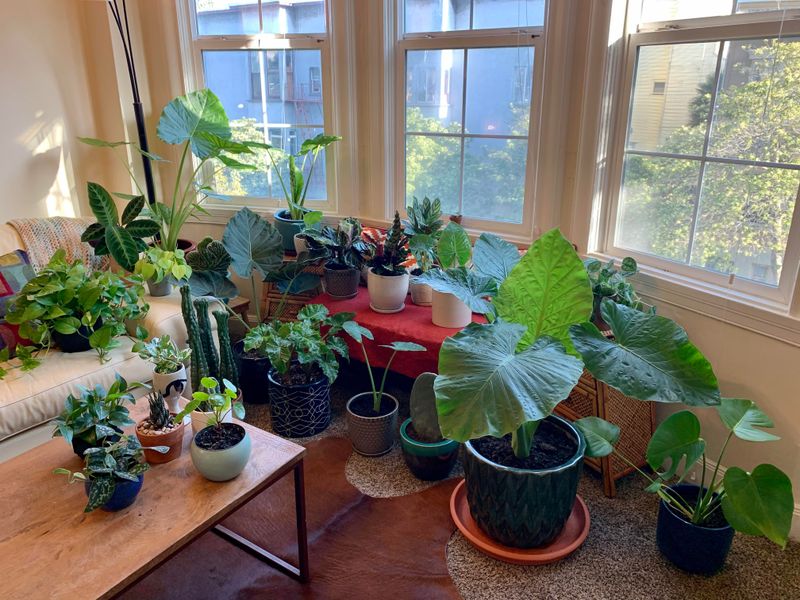
Figuring out the right feeding schedule for homemade plant food takes a bit of observation and patience. Most houseplants benefit from monthly applications during their active growing season, which typically runs from spring through early fall.
Washington’s indoor growing conditions can extend this season slightly due to consistent temperatures and supplemental lighting.
During the winter months, many houseplants enter a dormant or slow-growth phase. Feeding frequency should be reduced to every six to eight weeks or stopped altogether during this time.
Plants use fewer nutrients when they’re not actively growing, and excess food can build up in the soil.
Fast-growing plants may need feeding every two to three weeks during peak growing season. Vining plants and heavy feeders show visible signs of nutrient deficiency more quickly than slow-growing varieties.
Adjusting your schedule based on individual plant needs ensures everyone gets adequate nutrition.
Newly repotted plants don’t need additional feeding for several weeks because fresh potting mix already contains nutrients. Wait at least a month after repotting before applying homemade plant food.
This gives the roots time to adjust to their new environment without being overwhelmed.
Plants showing signs of stress, such as wilting or pest damage, should not be fed until they recover. Adding nutrients to a stressed plant can make the problem worse.
Focus on addressing the underlying issue first, then resume feeding once the plant is healthy again.
Keeping a simple calendar or journal helps you track feeding dates and plant responses. Note when you apply food and any changes you observe over the following weeks.
Washington gardeners find this record-keeping useful for identifying patterns and optimizing their routines.
8. Signs You’re Using Too Much Organic Material
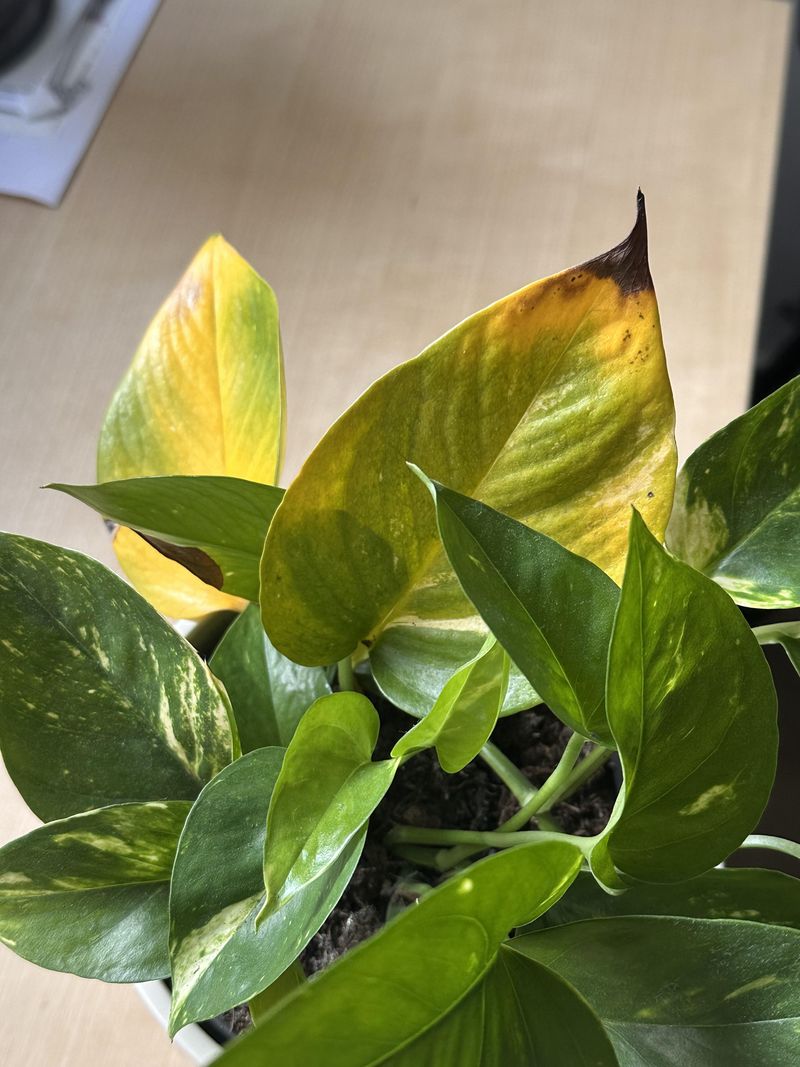
Overfed houseplants display several telltale symptoms that indicate you need to cut back on organic amendments. Yellowing leaves, especially on the lower parts of the plant, can signal nutrient imbalance or root stress from excess material.
Washington plant owners sometimes mistake these signs for underfeeding and add more food, which only makes the problem worse.
A crusty white layer forming on the soil surface often indicates salt buildup from too much fertilizer or organic matter. This crust can prevent water from penetrating the soil and reaching the roots.
Flushing the soil with plain water helps remove excess salts and restore balance.
Stunted growth or wilting despite adequate watering may point to root damage from overly rich soil. Too much organic material can alter soil pH and create conditions that harm delicate root systems.
Reducing feeding frequency and allowing the soil to stabilize usually resolves these issues.
Fungus gnats thriving in your houseplant pots suggest the soil is staying too wet, possibly due to excess coffee grounds retaining moisture. These tiny flies are annoying but also indicate an imbalance in the growing environment.
Cutting back on organic additions and allowing the soil to dry out between waterings helps control them.
Leaf tips turning brown or black can result from fertilizer burn, even from organic sources. When nutrients become too concentrated in the soil, they can damage plant tissues.
Flushing the soil thoroughly and reducing the amount of homemade food usually reverses this problem.
Mold or fuzzy growth on the soil surface indicates excessive moisture and organic matter that isn’t breaking down properly. This is especially common in Washington homes during humid weather.
Scraping off the mold and adjusting your feeding routine prevents it from returning.
9. Safe Storage Tips For DIY Plant Food In Washington Homes
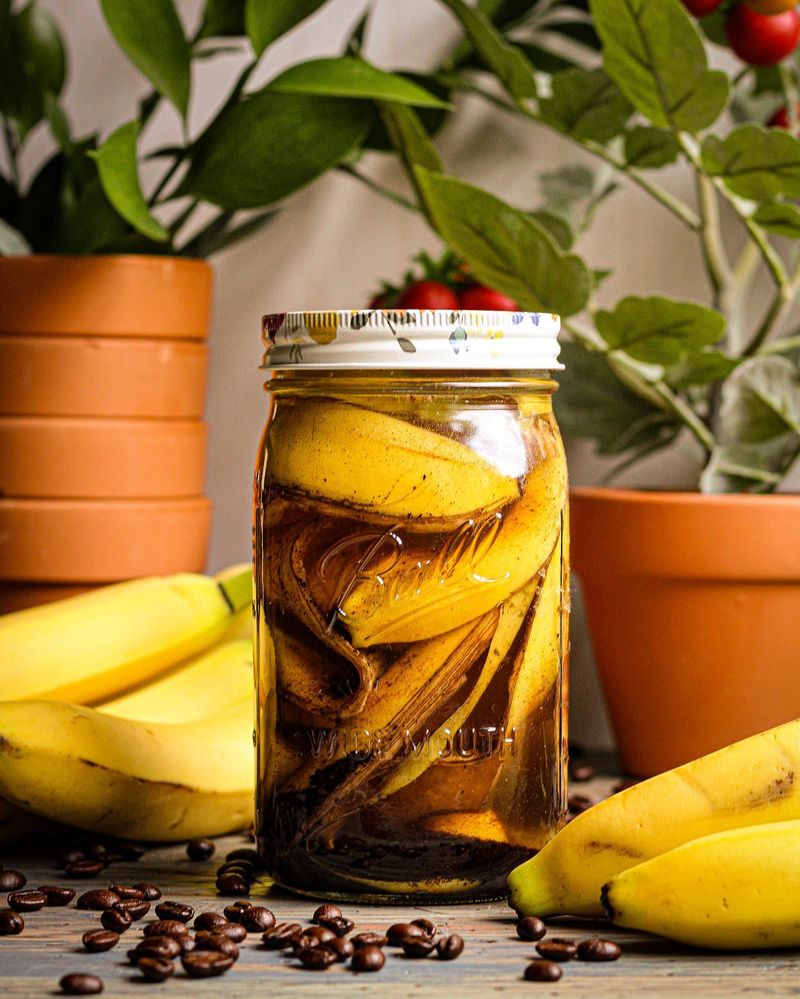
Proper storage keeps your homemade plant food fresh and effective for months. Airtight containers made of glass or plastic work best for storing dried banana peels and rinsed coffee grounds.
Washington’s humidity levels can vary, so sealed containers prevent moisture from getting in and causing mold or clumping.
Labeling each container with the contents and date helps you keep track of what you have on hand. This is especially useful if you store multiple types of homemade amendments.
Clear labels prevent confusion and ensure you use the oldest materials first.
Storing your containers in a cool, dark place like a pantry or cupboard extends the shelf life of your plant food. Heat and light can degrade nutrients over time, reducing effectiveness.
Washington kitchens often have plenty of suitable storage spots away from windows and heat sources.
Keeping plant food containers separate from human food prevents accidental mix-ups. While banana peels and coffee grounds aren’t toxic, they’re not meant for consumption once dried and processed for plants.
Designating a specific shelf or bin for plant supplies helps maintain organization.
Small jars or resealable bags work well for portioning out your plant food. Having ready-to-use amounts makes feeding day quicker and easier.
Washington plant enthusiasts often prepare several small portions at once to streamline their routines.
Checking stored materials periodically ensures they remain dry and mold-free. If you notice any signs of moisture or unusual odors, discard the batch and start fresh.
It’s better to be safe than to risk introducing problems to your houseplants.