How To Turn Your Oregon Property Lines Into Pollinator Habitat
Have you ever noticed how quiet the summers have become? Fewer bees buzzing around, fewer butterflies dancing through the yard.
Pollinators face tough challenges these days, and they need our help more than ever.
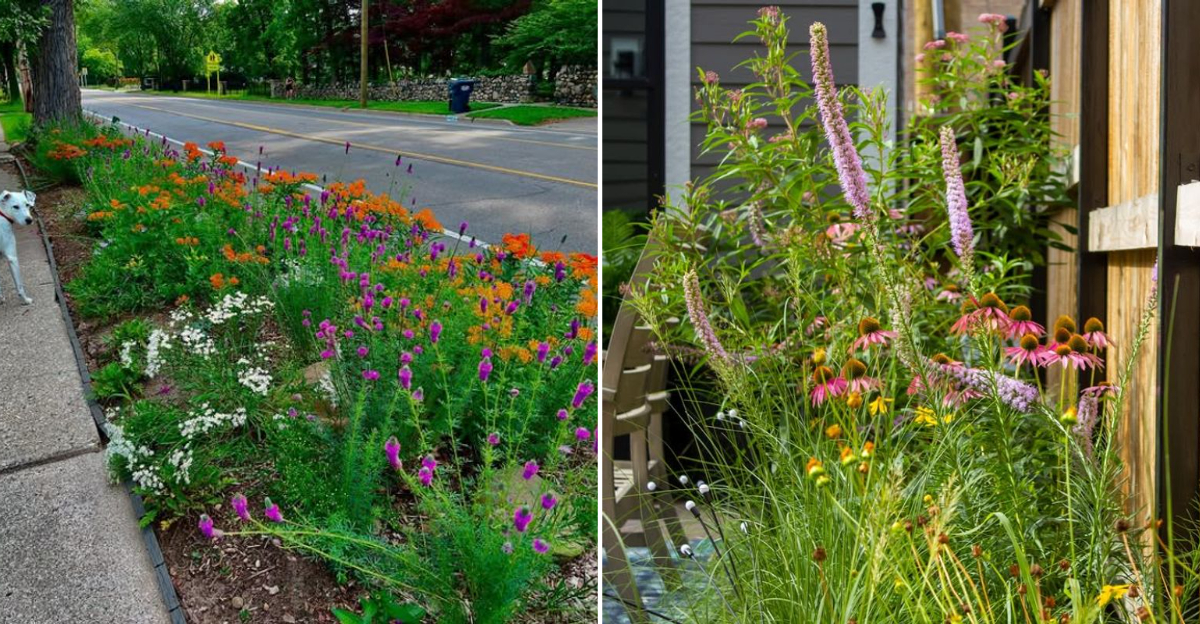
Your property lines, those often-forgotten strips of land along fences and driveways, can become vibrant lifelines for bees, butterflies, hummingbirds, and other helpful creatures.
Oregon offers the perfect climate for creating pollinator-friendly spaces. Our state already hosts incredible native plants that pollinators adore.
When you transform your property edges into habitat, you give these important insects and birds food, shelter, and safe places to raise their young. Plus, you get to enjoy the beauty and activity they bring to your yard.
Turning property lines into pollinator habitat sounds complicated, but it really comes down to simple choices. You can start small and build over time.
Each flower you plant and each chemical you avoid makes a real difference.
Your neighbors might even follow your example, creating connected corridors that help pollinators travel safely through your community.
Ready to make your property lines buzz with life?
These eight practical tips will guide you through the process, from choosing the right plants to maintaining your new habitat throughout the seasons.
Plant Native Oregon Wildflowers Along Boundaries
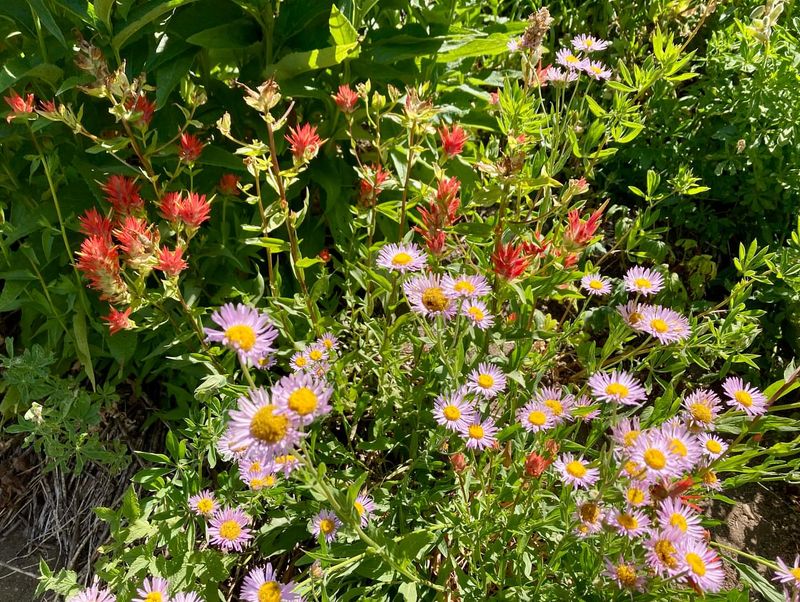
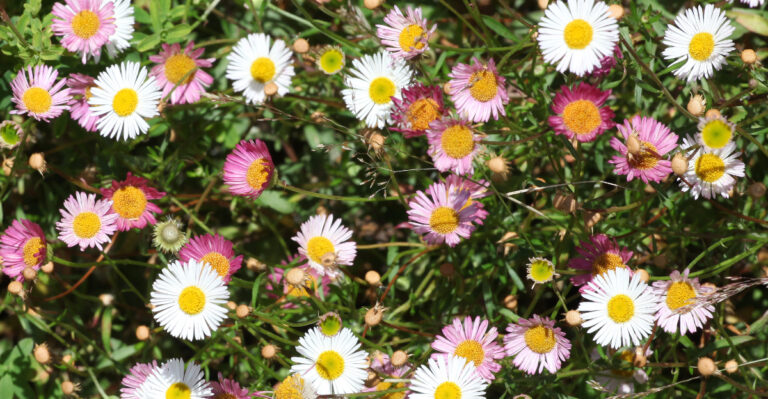
Native wildflowers evolved alongside Oregon pollinators over thousands of years. They provide exactly the nectar, pollen, and shelter that local bees, butterflies, and hummingbirds need to thrive.
Oregon lupine, camas, and columbine bloom at different times, offering food from early spring through late summer. When you plant natives, you create relationships that already exist in nature.
Property lines often get ignored in landscaping plans, but they offer perfect spots for wildflower meadows. These areas typically receive good sunlight and decent drainage.
You can start with small patches and expand gradually as your confidence grows. Native wildflowers need less water than lawn grass once established, which saves you time and money.
Buying native plant seeds or seedlings from Oregon nurseries ensures you get varieties suited to your specific region. Western Oregon natives differ from eastern Oregon species because of climate differences.
Check with local native plant societies for recommendations. They often host plant sales in spring and fall.
Avoid tilling the soil too much before planting. Many native seeds need contact with soil but not deep burial.
Scatter seeds in late fall or early spring, then lightly rake them in. Rain and natural freeze-thaw cycles help them germinate.
Within a year or two, your property line will transform into a colorful, buzzing habitat that requires minimal maintenance while supporting countless pollinators.
Create Layered Plantings With Different Heights
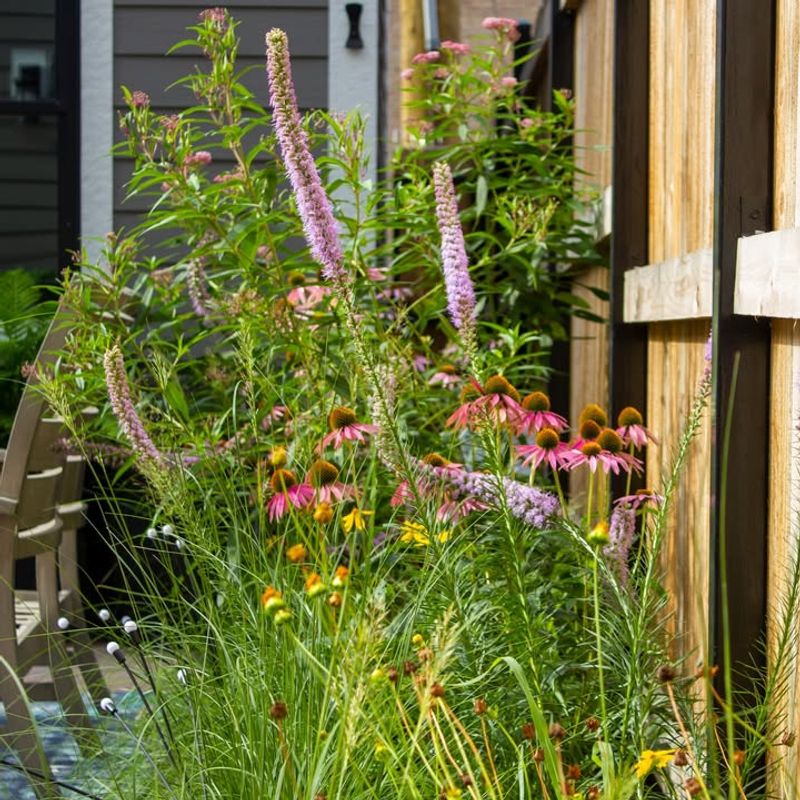
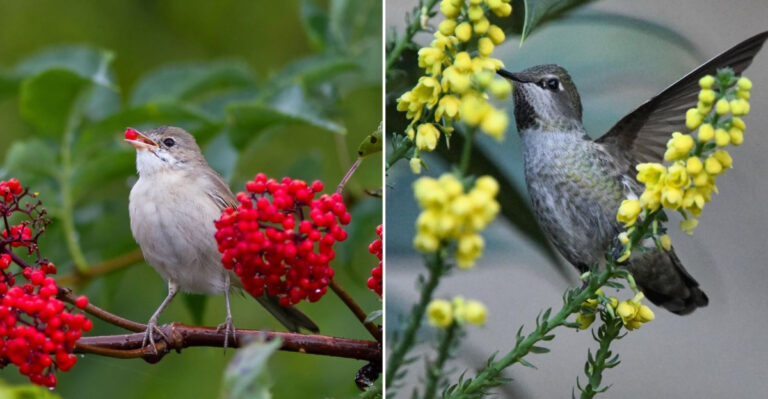
Pollinators visit gardens that offer variety in plant heights and structures. Tall flowering shrubs like oceanspray and red-flowering currant provide nectar for hummingbirds and shelter for nesting bees.
Medium-height perennials such as Oregon sunshine and penstemon attract different butterfly species. Low-growing groundcovers like wild strawberry fill gaps and prevent weeds while feeding ground-nesting bees.
Layering plants mimics natural ecosystems where vegetation grows at multiple levels. This approach creates microclimates within your property line habitat.
Taller plants offer shade and wind protection for smaller species. The varied structure gives pollinators more options for feeding, resting, and hiding from predators.
Birds that eat insects also appreciate layered plantings because they provide hunting perches.
Planning your layers takes some thought but pays off beautifully. Place taller shrubs toward the back of your property line if it borders a fence or structure.
Position medium plants in the middle, and use groundcovers along the front edge. This arrangement creates visual depth while maximizing habitat value.
Make sure each layer includes plants that bloom at different seasons.
Spacing matters too. Give each plant enough room to reach its mature size without crowding neighbors.
Crowded plants compete for resources and become stressed, making them less attractive to pollinators. Check plant tags or online resources for spacing recommendations specific to Oregon growing conditions.
Skip The Pesticides And Herbicides Completely
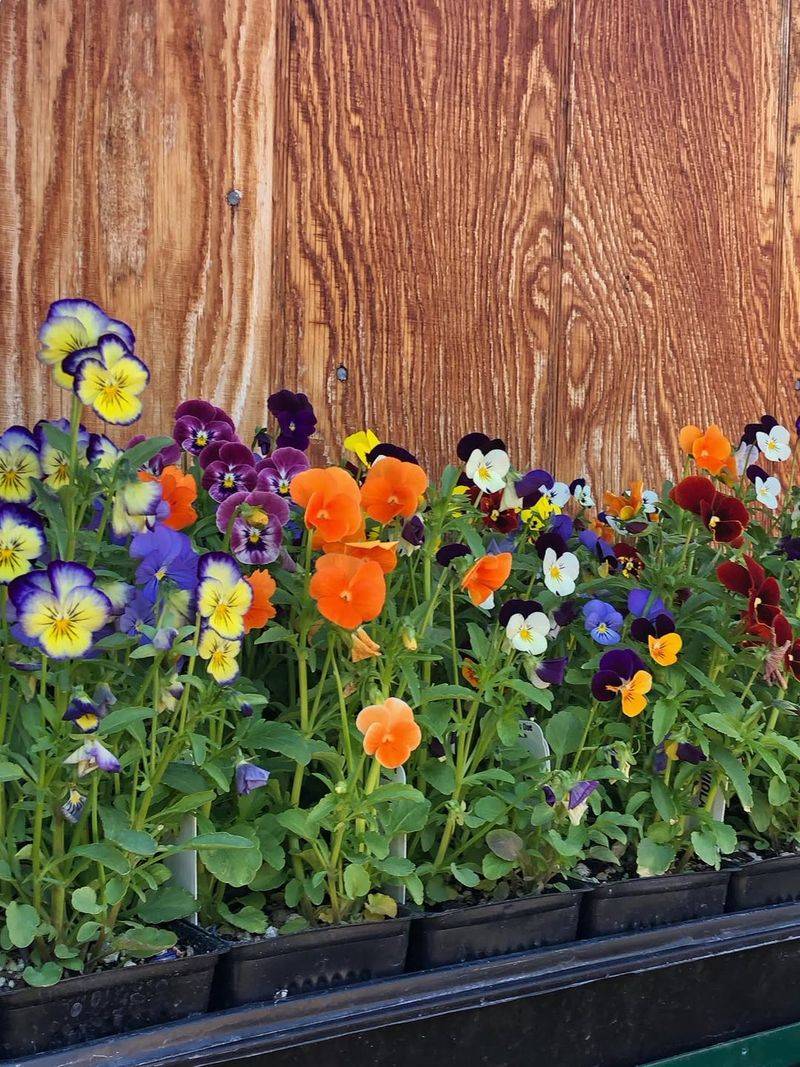
Chemicals designed to control pests and weeds also harm the pollinators you want to attract. Even products labeled as safe can affect bees and butterflies in ways scientists are still discovering.
Neonicotinoids, a common pesticide class, impair bee navigation and reproduction. Herbicides eliminate the very plants that caterpillars need to survive and transform into butterflies.
Your property line habitat functions best as a chemical-free zone. Pollinators are incredibly sensitive to toxins because of their small size and fast metabolisms.
They can pick up chemicals from treated plants and carry them back to their nests or hives. This exposure harms entire colonies, not just individual insects.
When you avoid chemicals, you protect whole pollinator populations.
Worried about pest problems? Healthy, diverse plantings naturally resist most pest issues.
Native plants have built-in defenses against local insects. Beneficial predators like ladybugs and lacewings move in when you stop using pesticides.
They control problem insects for free. Hand-pulling weeds works well in smaller areas, and mulch suppresses weed growth naturally.
If you absolutely must address a serious pest problem, choose the least toxic option available. Insecticidal soaps and horticultural oils target specific pests while breaking down quickly.
Apply treatments in evening when pollinators are less active. Better yet, tolerate some plant damage.
A few chewed leaves mean your habitat is working and feeding the entire food web.
Provide Water Sources With Safe Landing Spots
Pollinators need water just like any living creature, especially during Oregon’s dry summer months. Bees use water to cool their hives and dilute honey for feeding larvae.
Butterflies sip moisture from puddles to get minerals their bodies need. Hummingbirds bathe in shallow water to keep their feathers clean and functional.
Without accessible water, pollinators must travel farther and expend precious energy.
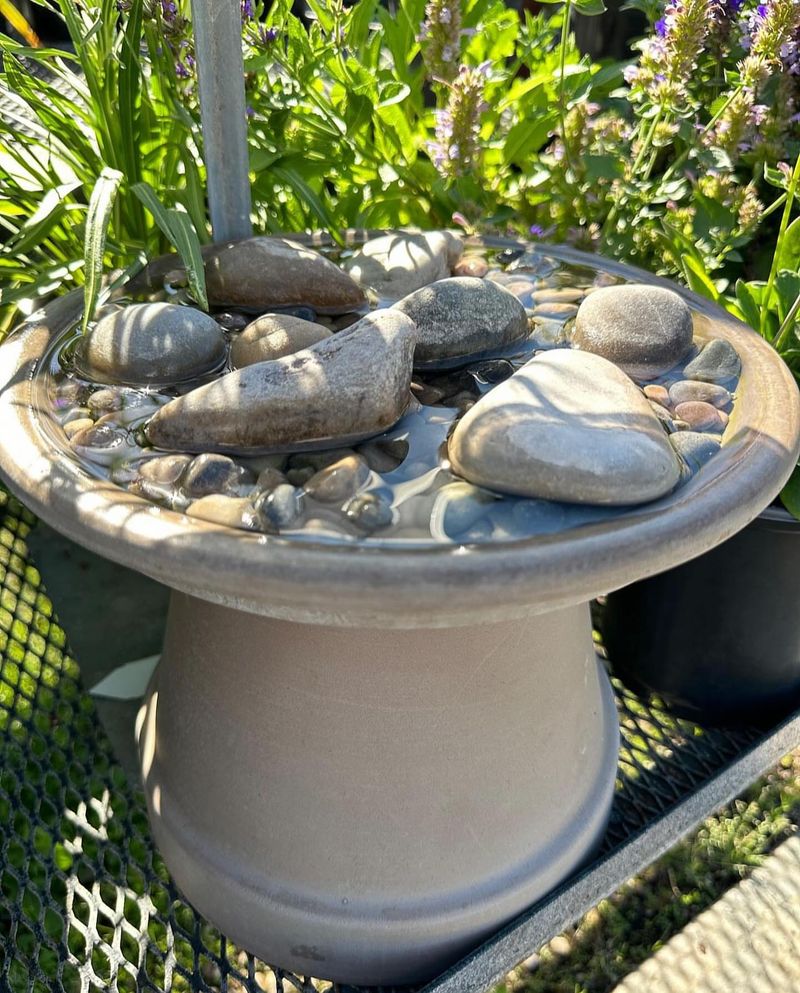
Setting up water stations along your property line takes minimal effort but makes a huge difference. Shallow dishes, birdbaths, or even upturned pot saucers work perfectly.
The key is providing landing spots so insects don’t drown. Place rocks, marbles, or pieces of wood in the water.
Pollinators land on these surfaces and drink safely from the edges.
Change the water every few days to prevent mosquito breeding. Mosquito larvae need about a week to develop, so frequent water changes interrupt their life cycle.
Adding a small water fountain or bubbler also discourages mosquitoes while creating a pleasant sound. Position water sources in partially shaded areas so the water stays cooler and evaporates more slowly.
During hot weather, check water levels daily. Pollinators visit water sources repeatedly throughout the day.
A dried-up water dish forces them to search elsewhere, wasting energy they need for foraging and reproduction. Keeping water available consistently makes your habitat more valuable and helps pollinator populations thrive through challenging conditions.
Leave Some Bare Ground For Ground-Nesting Bees
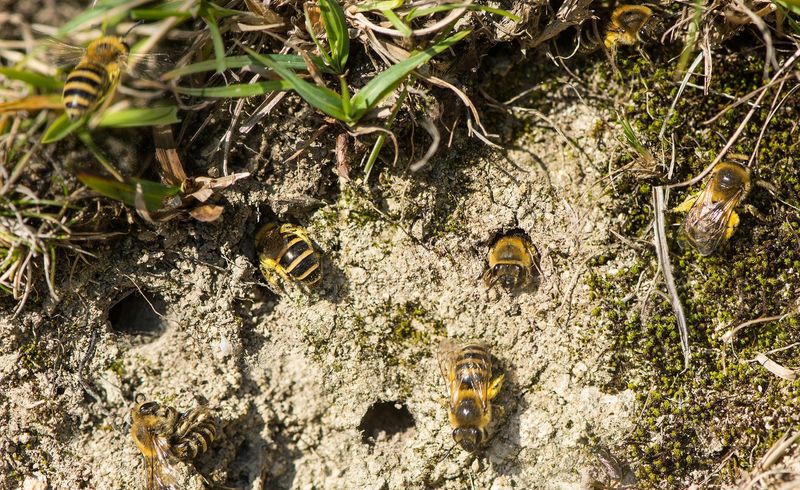
Most people think bees live in hives, but about 70 percent of native bee species actually nest underground. These ground-nesting bees excavate small tunnels in bare or sparsely vegetated soil.
Female bees create individual chambers for each egg, stocking them with pollen and nectar before sealing them up. The larvae develop underground, emerging as adults the following season.
Property lines often include patches of bare ground naturally, especially along driveways or fence lines. Instead of covering every inch with plants or mulch, leave some areas exposed.
Ground-nesting bees prefer well-drained soil in sunny locations. They avoid areas with heavy vegetation or thick mulch because they can’t access the soil surface.
Sandy or loamy soil works better than heavy clay.
You might notice small holes appearing in bare ground areas during spring and summer. These are bee nest entrances, each about the diameter of a pencil or smaller.
Don’t worry about being stung. Ground-nesting bees are solitary and non-aggressive.
They focus on foraging and nesting, not defending a hive. You can walk right past their nests without problems.
Protect nesting areas from foot traffic and digging when possible. Mark the spots mentally or with small stakes so you remember where bees are nesting.
Avoid applying mulch or planting in these areas during the nesting season. Once bees emerge and the season ends, you can gently modify the area if needed, but many bees return to the same nesting sites year after year.
Add Hollow Stems And Wood For Cavity-Nesting Species
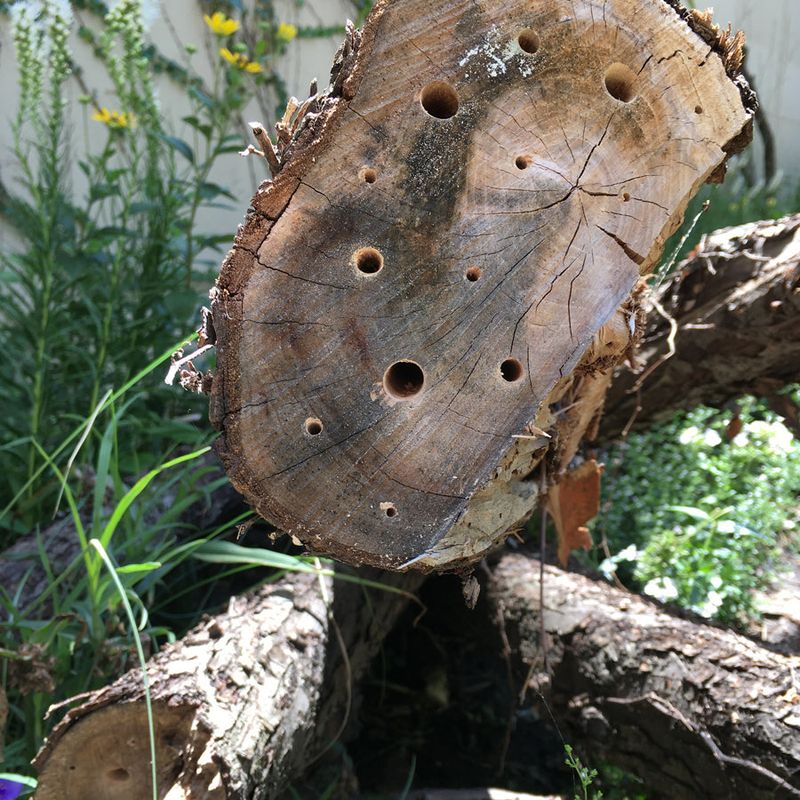
Another large group of native bees nests in hollow stems, holes in wood, and other small cavities. Mason bees, leafcutter bees, and carpenter bees all seek out these protected spaces.
Female bees find suitable holes, then create a series of chambers separated by mud or leaf material. Each chamber gets an egg and a food supply.
The developing bees stay inside through winter and emerge when temperatures warm.
Creating cavity-nesting habitat along property lines is simple and fun. Bundle hollow plant stems like bamboo, elderberry, or raspberry canes together.
Cut them into six to eight-inch lengths and secure them horizontally under an overhang or tree branch. Face the open ends slightly downward to prevent rain from entering.
You can also purchase or build wooden bee houses with pre-drilled holes.
Hole size matters because different bee species prefer different diameters. Drill holes ranging from one-eighth inch to three-eighths inch in diameter.
Make holes about five to six inches deep, and space them at least three-quarters of an inch apart. Use untreated wood blocks or logs.
Avoid pressure-treated lumber because chemicals can harm bees.
Position cavity-nesting structures in sunny spots protected from strong winds. Morning sun helps warm the nests and encourages bee activity.
Mount structures three to six feet off the ground on fence posts, tree trunks, or dedicated stands. Watch for bee activity in spring and summer.
You might see bees carrying mud or leaf pieces, or notice sealed nest entrances indicating successful nesting.
Plan For Continuous Blooms Throughout Growing Season
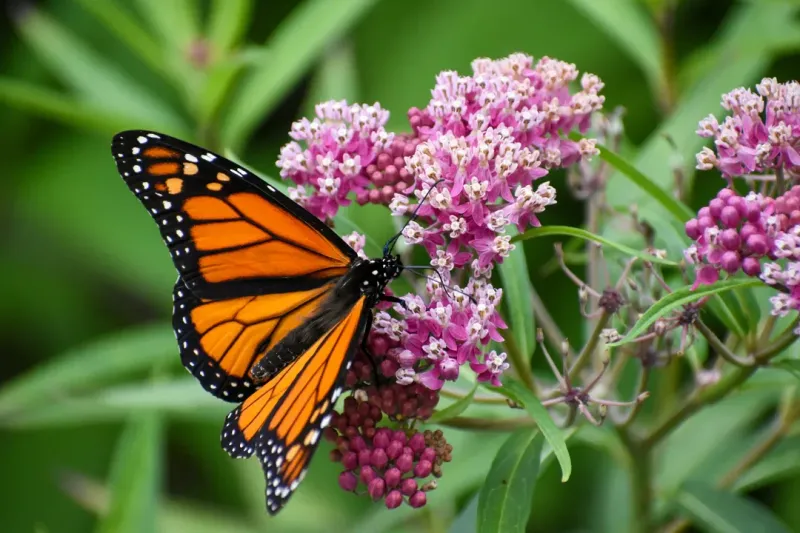
Pollinators need food from the moment they emerge in early spring until they prepare for winter in late fall. A habitat that only blooms in June leaves pollinators hungry during other critical months.
Planning for continuous blooms means selecting plants with staggered flowering times. Early bloomers like Oregon grape and currant feed bees and hummingbirds in March and April.
Summer flowers like penstemon and aster keep food available through hot months. Late-season bloomers such as goldenrod and sedum provide crucial nutrition for pollinators preparing for winter or migration.
Creating a bloom calendar helps you identify gaps in your property line habitat. List the plants you already have and note their bloom times.
Look for months with few or no flowers, then research native plants that bloom during those periods. Aim for at least three different plants flowering during each month of the growing season.
Oregon’s climate allows for eight or nine months of bloom in many areas. Western Oregon gardens can have flowers from February through October.
Eastern Oregon has a shorter season but still offers spring through fall opportunities. Even during brief bloom gaps, pollinators can survive if surrounding months provide abundant resources.
Remember that different pollinators prefer different flower types. Hummingbirds love tubular flowers like columbine and penstemon.
Butterflies prefer flat landing platforms like yarrow and aster. Native bees visit a wide range of flower shapes.
Including diverse flower forms ensures you support the broadest possible range of pollinator species throughout the entire growing season.
Maintain Habitat Gently Without Excessive Tidying
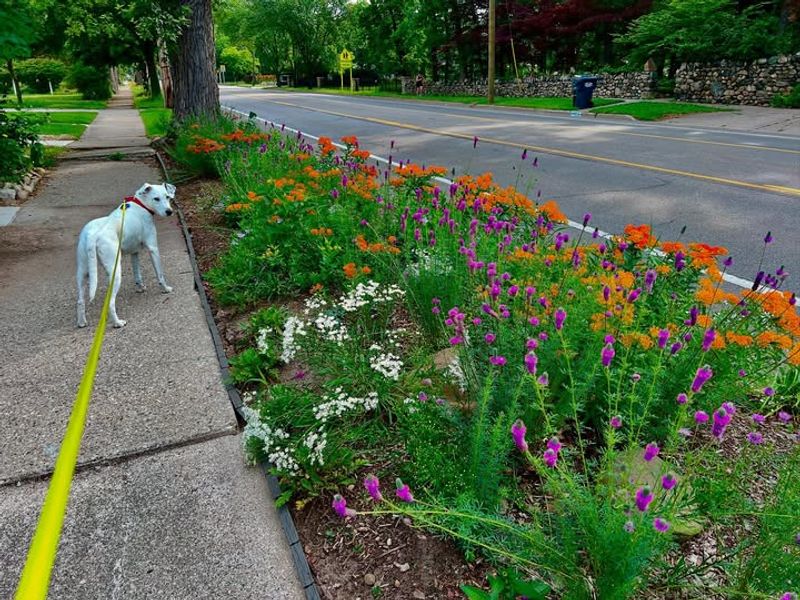
Traditional garden maintenance practices often work against pollinator habitat goals. Cutting everything back in fall removes overwintering sites for beneficial insects.
Raking up all fallen leaves eliminates shelter for butterflies and moths. Removing dead plant stems destroys nests where bee larvae develop through winter.
Many pollinators depend on what gardeners consider mess or clutter.
Shifting to pollinator-friendly maintenance means embracing a slightly wilder aesthetic. Leave flower stalks and seed heads standing through winter.
Birds will appreciate the seeds, and hollow stems shelter overwintering insects. Wait until late spring to cut back dead vegetation.
By then, adult insects have emerged and no longer need their winter homes. Pile trimmed stems in an out-of-the-way corner where they can decompose naturally.
Fallen leaves provide fantastic habitat and soil improvement. Instead of removing them completely, let leaves accumulate in planted areas.
They create cozy spots where butterflies and moths overwinter. As leaves break down, they feed soil organisms and improve soil structure.
You can remove leaves from lawn areas if needed, but pile them around property line plantings.
Reduce mowing along property line edges or eliminate it entirely. Mowing destroys ground-nesting bee sites and removes flowering plants that pollinators need.
If you must mow for access or appearance, raise the mower blade and mow less frequently. Even small changes help.
Maintaining habitat gently takes less work than intensive tidying while providing far more value to the pollinators you want to support.