How To Use Coffee Grounds In Your Georgia Garden The Right Way
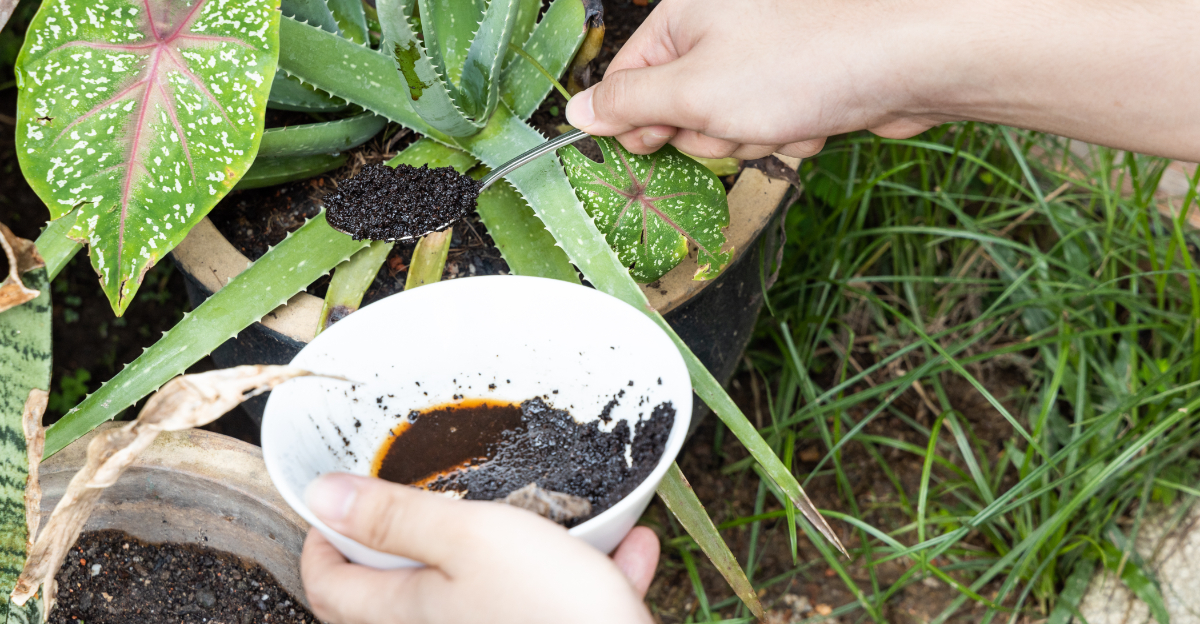
Coffee grounds end up in Georgia gardens all the time, but the results are not always what people expect.
Spreading them straight onto soil or piling them around plants can create more problems than benefits if they are not handled properly.
When used with the right approach, coffee grounds can help improve soil structure and support steady growth. They work best when mixed in correctly or added through compost instead of being dumped in one spot.
Handled carefully, they start to support healthier soil and more consistent plant growth. That is when coffee grounds move from basic kitchen waste to something that actually works in a Georgia garden.
1. Use Coffee Grounds In Thin Layers Instead Of Piling Them Up
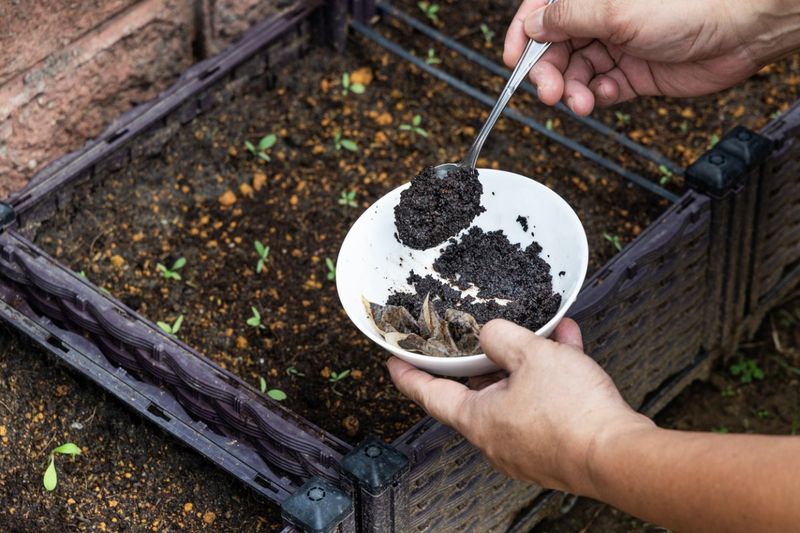
Spreading coffee grounds sounds simple, but the thickness of your layer matters more than most Georgia gardeners expect. A thin layer, around a quarter inch or less, lets water and air move through freely.
Go thicker than that, and the grounds can form a crust that actually repels moisture instead of helping retain it.
Coffee grounds clump together when wet, which happens constantly during Georgia’s rainy spring and summer seasons. Once clumped, they create a dense mat on the soil surface that water struggles to penetrate.
Plants sitting under that mat can end up drier than they would be with no amendment at all.
Staying thin also prevents mold growth, which is a real concern in Georgia’s warm, humid climate. A light dusting across the soil surface works with your garden instead of against it.
Rake it in gently so it blends into the top layer of soil rather than sitting on top in a solid sheet.
Think of it like seasoning food. A little goes a long way, and too much ruins the whole thing.
Gardeners across Georgia who use coffee grounds successfully tend to apply them sparingly and spread them wide rather than concentrating them in one spot.
2. Mix Grounds Into Soil Rather Than Leaving Them On Top
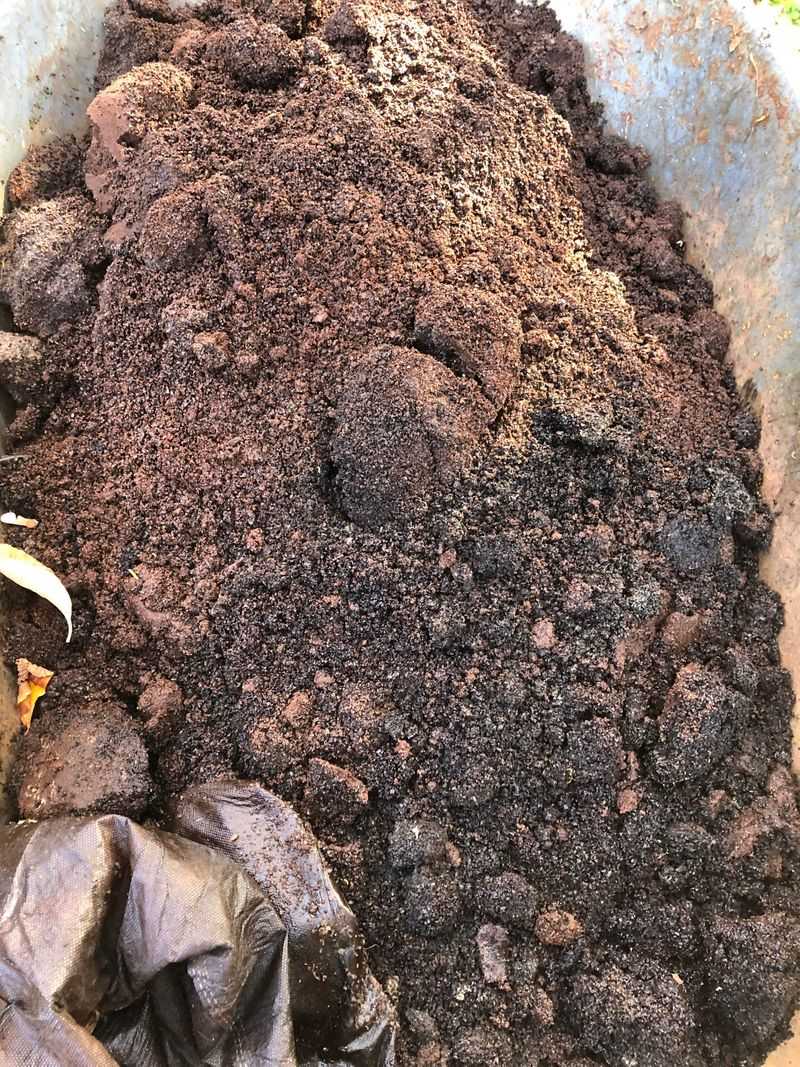
Leaving coffee grounds sitting on top of your soil is one of the most common mistakes Georgia gardeners make. Grounds left on the surface dry out fast in Georgia’s summer heat, lose their benefit quickly, and can still form that crusty layer that blocks water.
Working them into the soil is a completely different story.
When you mix grounds into the top two to three inches of soil, they start breaking down where they can actually do something useful. Soil microbes get access to them, earthworms are attracted to them, and the organic matter begins improving your soil structure over time.
Georgia’s dense clay soil especially benefits from added organic matter because it helps loosen that tight, compacted texture.
A simple hand cultivator or garden fork works fine for this. You do not need any special tools.
Just scatter the grounds lightly, then work them in with a few passes of the fork. Done once a week or every couple of weeks during the growing season, this habit builds better soil gradually without overwhelming your plants.
Your Georgia Garden Changes Every Week. Your Plan Should Too.
Gardening in Georgia changes quickly throughout the season. Every Friday you’ll receive a simple weekly plan showing exactly what to plant, prune, fertilize, harvest, and protect so you never miss the right timing.
Mixing also reduces the chance of attracting pests that might be drawn to fresh grounds sitting openly on the soil.
3. Add Grounds To Compost To Help Break Them Down Properly
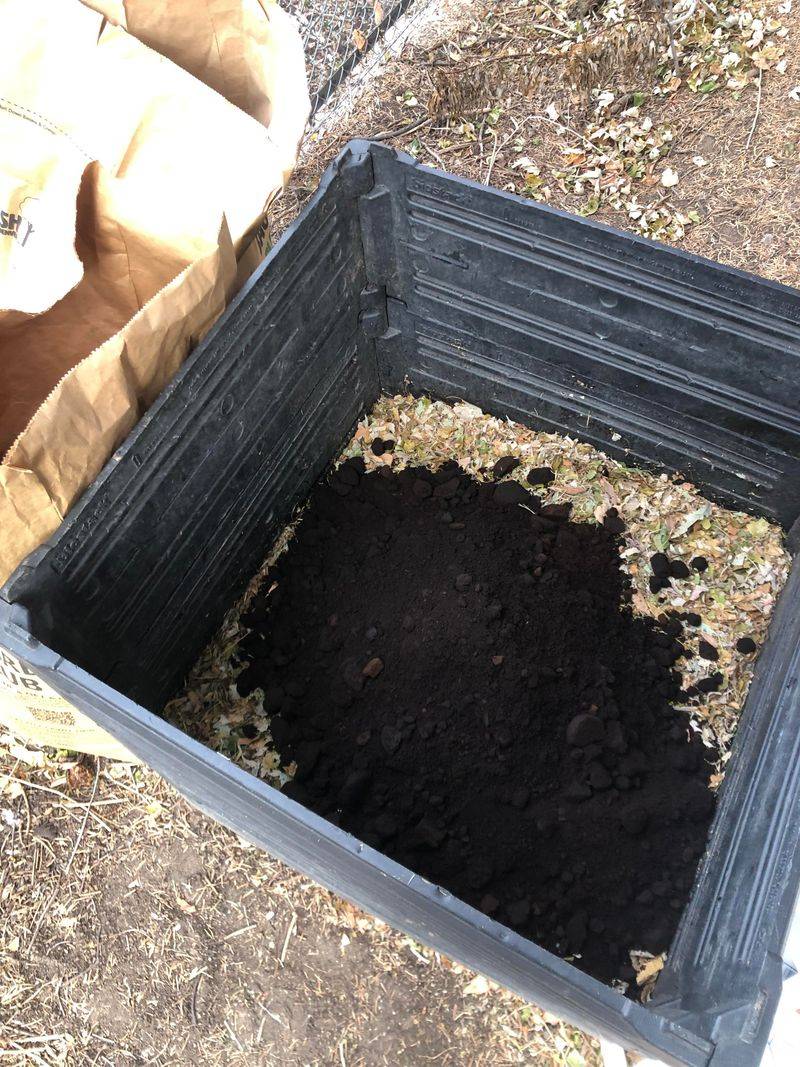
Composting your coffee grounds before applying them to your garden is honestly the safest and most effective approach for most Georgia gardeners.
Raw grounds applied directly can sometimes be too concentrated, but once they have gone through a compost pile, their nutrients become available in a much more balanced way.
Coffee grounds are considered a green material in composting terms, meaning they are nitrogen-rich. Balancing them with brown materials like dried leaves, cardboard scraps, or straw keeps your compost pile from getting too wet and dense.
Georgia produces plenty of fallen leaves in autumn, so you will rarely be short on brown material to balance things out.
Aim for roughly a one-to-four ratio of coffee grounds to brown material by volume. That keeps your pile cooking without becoming a soggy, compacted mess.
Turning the pile every week or two speeds up decomposition and prevents any funky smells from developing in Georgia’s warm, humid air.
4. Use Around Plants That Tolerate Slightly Acidic Soil
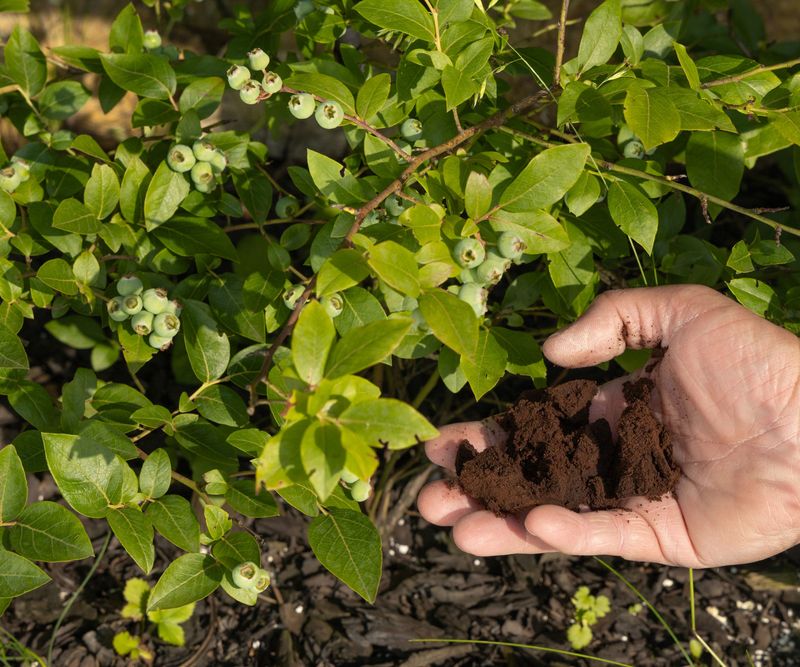
Not every plant in your Georgia garden will appreciate coffee grounds, so knowing which ones do makes a real difference.
Blueberries, azaleas, gardenias, camellias, and hydrangeas all grow beautifully in slightly acidic conditions and are incredibly popular across Georgia for exactly that reason.
These plants naturally thrive in the kind of soil coffee grounds can support.
Georgia’s native soil already tends to lean slightly acidic in many areas, but adding coffee grounds around acid-loving plants gives them an extra edge.
Blueberry growers in particular have found that incorporating grounds into the soil around their plants helps maintain the lower pH those bushes need to absorb nutrients effectively.
A well-nourished blueberry bush in a Georgia summer is a rewarding sight.
Avoid applying coffee grounds around plants that prefer neutral to alkaline soil, like asparagus, lavender, or most brassicas. Pushing the pH too low for those plants can interfere with nutrient uptake and slow their growth noticeably.
Reading your plants is just as important as reading a soil test.
Getting a basic soil test through the
5. Let Used Grounds Cool Before Applying To Plants
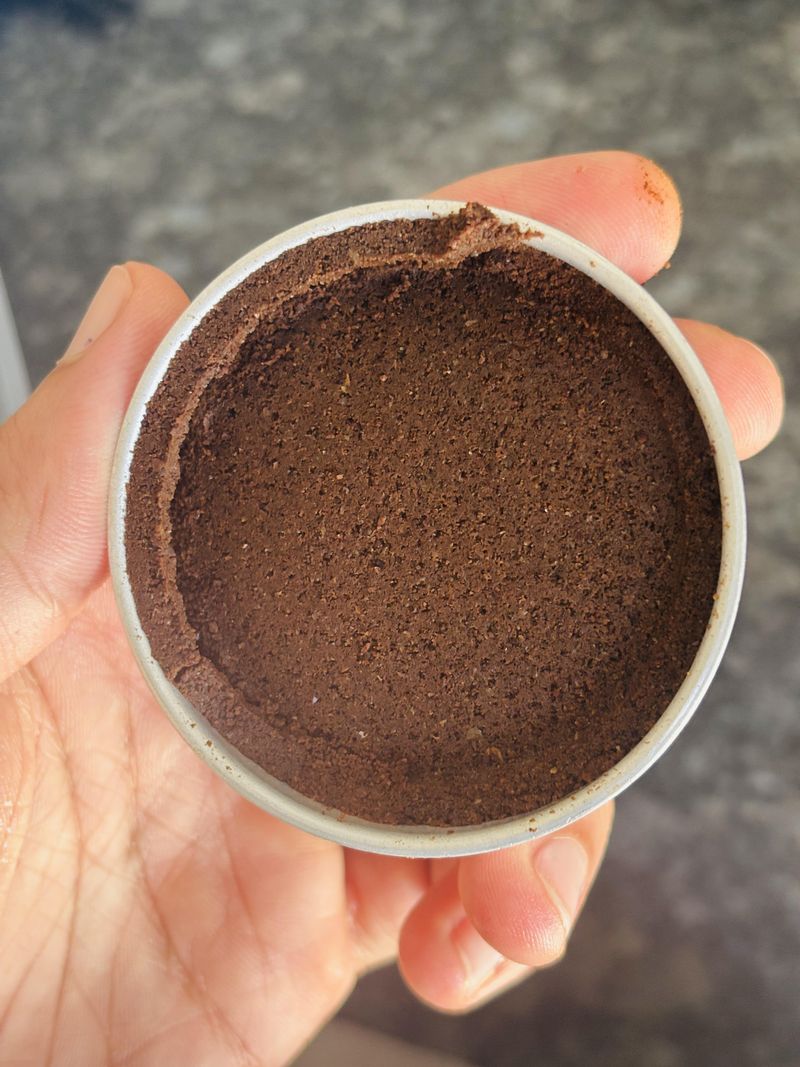
Fresh out of the coffee maker, used grounds are still hot, and applying hot material directly to plant roots or soil is not a great idea.
Letting them cool down completely before heading outside protects your plants from unnecessary heat stress, especially during Georgia’s already brutal summer months.
It sounds like a small detail, but roots are sensitive. Pouring warm or hot grounds around the base of a tomato plant or herb bed on a 95-degree Georgia afternoon adds heat stress that the plant simply does not need.
Cooling grounds down to room temperature first takes maybe 30 minutes and eliminates that risk entirely.
Leaving grounds in an open container while they cool also lets excess moisture evaporate. Drier grounds are easier to spread evenly and less likely to clump into dense patches when they hit your garden soil.
A shallow bowl or an old plate works perfectly for this cooling step.
Some Georgia gardeners collect their grounds throughout the week in a small container kept near the sink, letting each batch cool and dry slightly before adding the next. By the end of the week, they have a manageable amount ready to take outside without any rush.
6. Avoid Overusing Since Too Much Can Block Air And Water
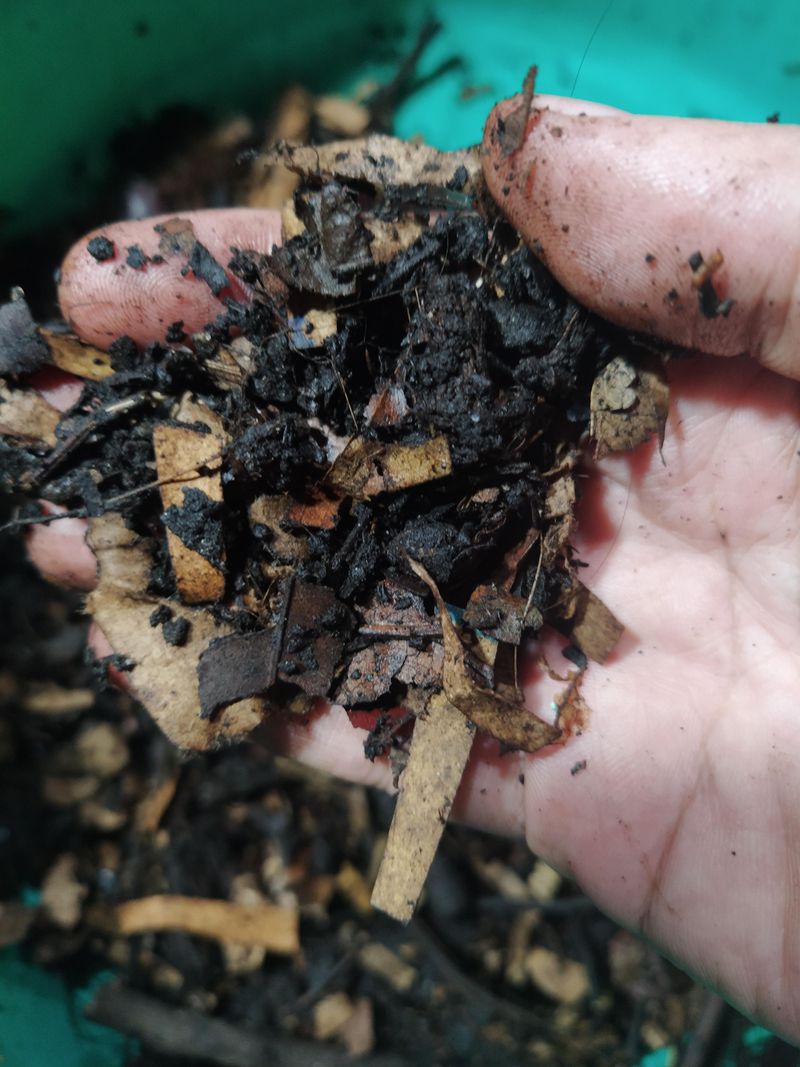
More is not better when it comes to coffee grounds in a Georgia garden. Overuse is probably the single biggest mistake people make, and it happens because coffee grounds seem so harmless and free.
A thick buildup on your soil surface creates a barrier that blocks both air and water from reaching roots below.
Georgia’s summer rainfall can be intense. When coffee grounds have formed a dense crust on the soil surface, heavy rain simply runs off instead of soaking in.
Your plants end up sitting in surface puddles while the root zone stays dry, which is a frustrating and confusing situation for any gardener trying to figure out why their plants look stressed.
Soil microbes also need oxygen to do their job. A thick mat of coffee grounds compresses over time and reduces airflow into the soil, slowing down the microbial activity that makes nutrients available to your plants.
Less microbial activity means slower nutrient cycling, which defeats the whole purpose of adding an amendment in the first place.
A general guideline worth following is to keep coffee grounds to no more than 15 to 20 percent of your total soil amendment volume in any given area.
Mixing them with other materials, spacing out your applications, and monitoring how your soil responds will keep things balanced.
7. Combine With Other Organic Matter For Better Soil Structure
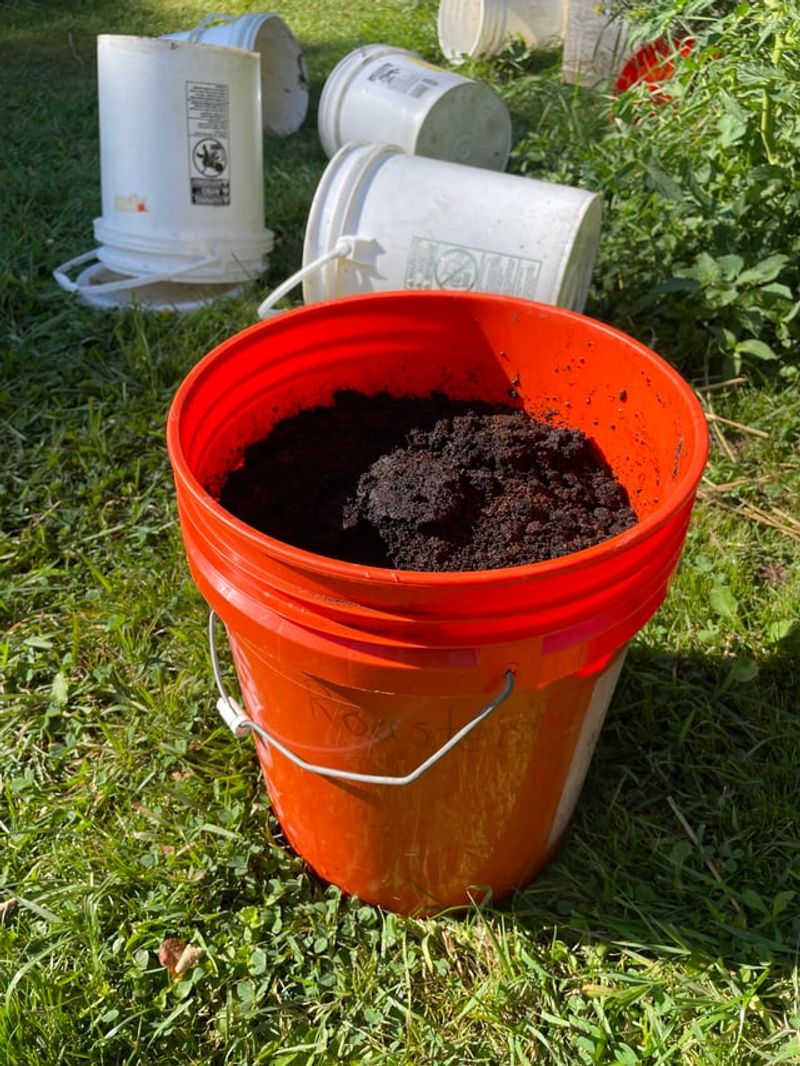
Coffee grounds work best as part of a team, not as a solo act. Pairing them with other organic materials creates a more balanced amendment that improves Georgia’s notoriously tough clay soil far better than any single ingredient could on its own.
Shredded leaves are one of the best partners for coffee grounds in a Georgia garden. Leaves provide carbon-rich bulk that offsets the nitrogen in coffee grounds and helps maintain a healthy soil ecosystem.
Georgia’s oak and sweetgum trees drop enormous quantities of leaves each fall, giving you a free and abundant supply of brown material to work with every single year.
Aged wood chips, straw, and finished compost also blend well with coffee grounds.
Adding a cup or two of grounds to a wheelbarrow of mixed organic material before spreading it across your beds gives you the benefits of coffee grounds without the risks of concentration.
Spreading a blended mix is much easier to do evenly than spreading grounds alone.
Over time, consistently adding blended organic matter to your Georgia garden beds builds what soil scientists call good tilth, meaning the soil becomes easier to work, drains better after rain, and holds moisture longer during dry stretches.