How To Water A Christmas Cactus Indoors During Wisconsin’s Heating Season
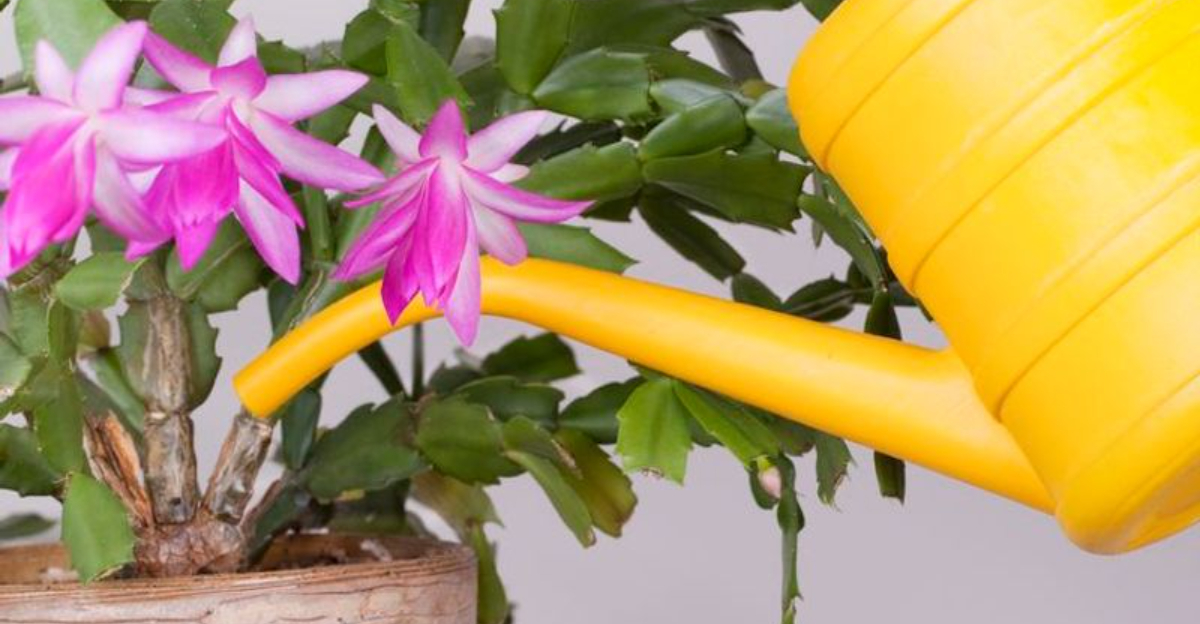
Wisconsin winters bring dry indoor air that can challenge even the hardiest houseplants, making proper watering techniques essential for your Christmas cactus to thrive beautifully.
Your heating system removes moisture from the air, creating conditions that affect how quickly soil dries and how often your plant needs water.
Learning the right watering methods helps your Christmas cactus stay healthy and produce those gorgeous blooms you love seeing during the holiday season.
These nine practical tips will guide you through keeping your plant perfectly hydrated without the common mistakes that lead to problems or stress.
Check Soil Moisture Before Each Watering Session
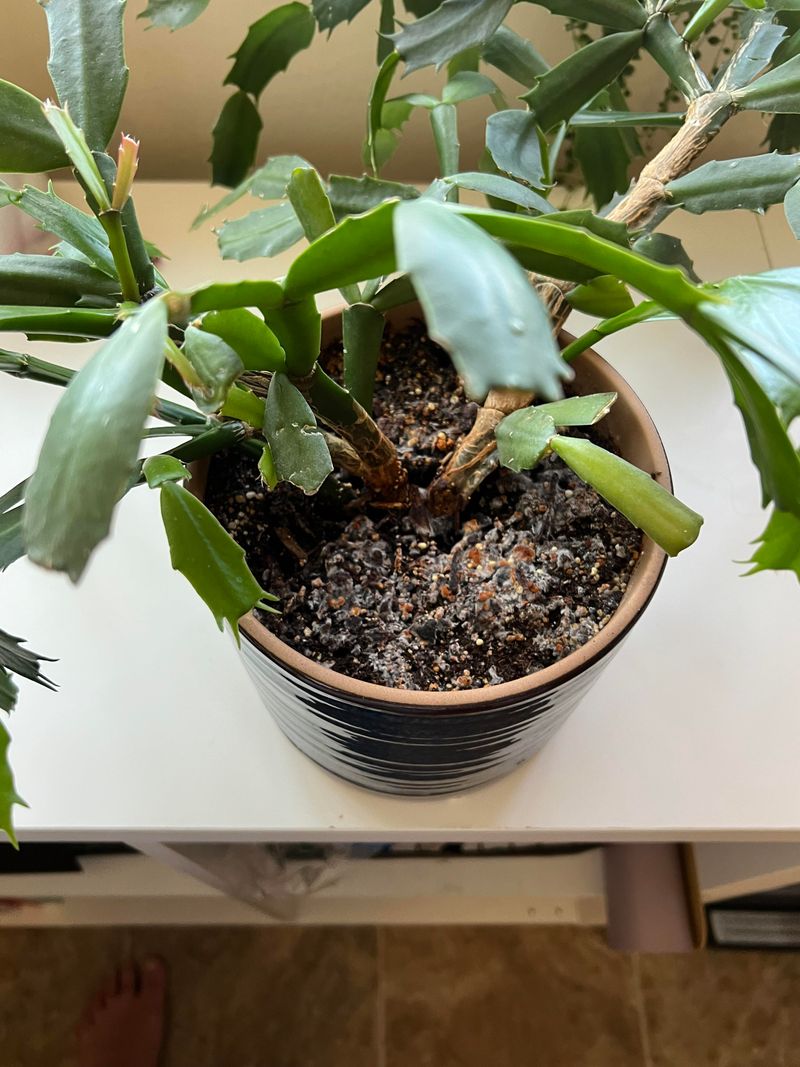
Feeling the soil with your fingertip tells you exactly when your Christmas cactus needs water, preventing both overwatering and underwatering issues that harm plants.
Push your finger about one inch deep into the potting mix to gauge moisture levels accurately.
Dry soil means watering time has arrived, while damp soil indicates you should wait another day or two.
Wisconsin heating systems create unpredictable drying patterns throughout your home, making scheduled watering unreliable for cacti.
Some rooms stay warmer than others, causing soil to dry at different rates depending on plant placement.
Your Christmas cactus prefers slightly moist conditions rather than bone-dry soil between waterings.
Allowing the top inch to dry completely before adding water strikes the perfect balance for healthy root development.
Morning checks work best because you can water immediately if needed, giving plants all day to absorb moisture.
Evening watering sometimes leaves soil too wet overnight, especially in cooler rooms away from heat sources.
Consistent moisture monitoring becomes second nature after a few weeks of practice and observation.
Your plant will reward this attention with vibrant green segments and abundant flower buds when blooming season arrives in winter months.
Use Room Temperature Water Every Time
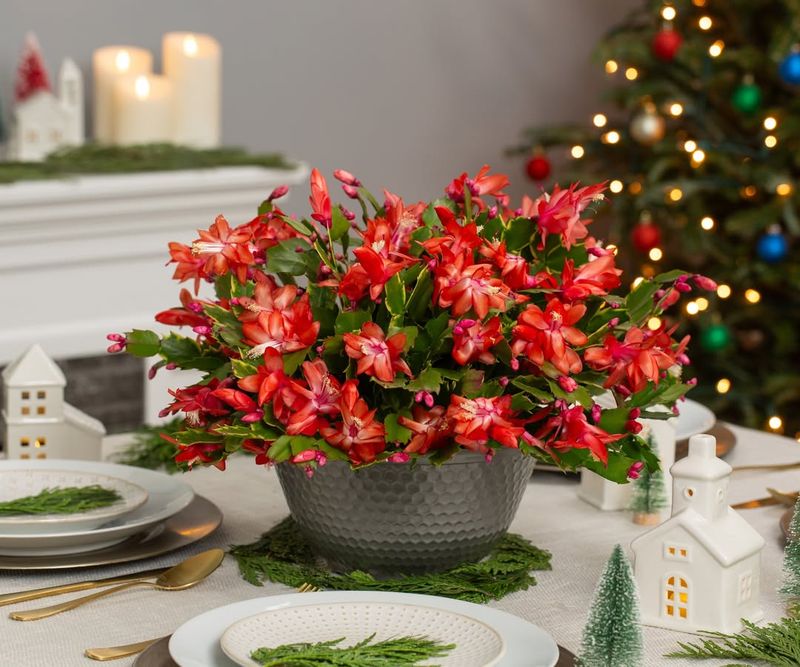
Cold water shocks your Christmas cactus roots, slowing nutrient absorption and potentially causing stress that affects overall plant health and blooming capacity significantly.
Fill your watering container several hours before plant care time, allowing water to reach comfortable room temperature naturally.
Water sitting overnight works perfectly for morning watering routines, eliminating temperature concerns completely.
Sudden temperature changes stress tropical plants like Christmas cacti, which evolved in Brazilian forests with consistently warm conditions year-round.
Your Wisconsin home mimics these conditions indoors, but icy tap water disrupts this comfortable environment temporarily.
Lukewarm water feels neutral against your skin and provides the ideal temperature for root absorption without shocking delicate root hairs.
Hot water damages roots just as badly as cold water, so avoid using water warmed on the stove or in microwaves.
Letting water sit also allows chlorine and other chemicals to dissipate somewhat, creating gentler conditions for your plant’s root system.
Municipal water treatment adds substances that evaporate when exposed to air for extended periods before use.
Keep a dedicated watering pitcher near your Christmas cactus for convenience and consistency throughout the heating season.
This simple habit ensures you always have properly tempered water ready when your plant needs moisture.
Water Thoroughly Until Drainage Occurs
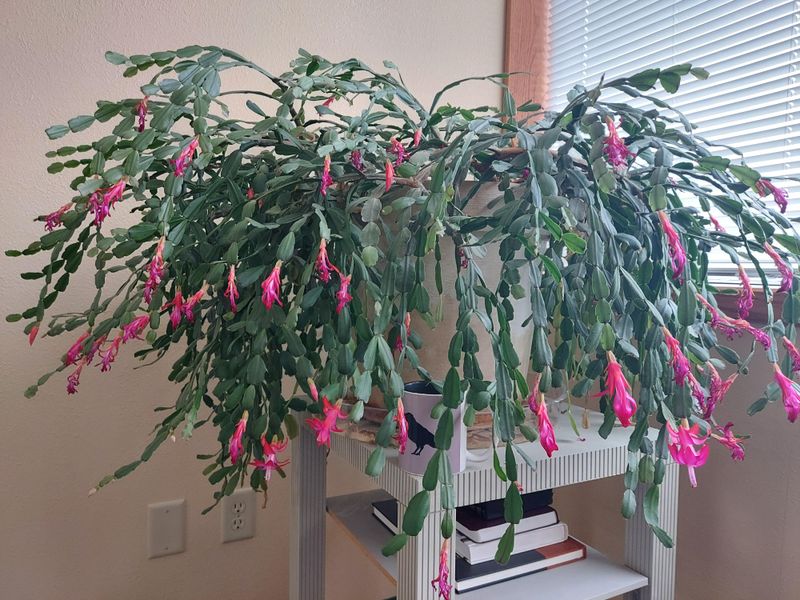
Proper watering means adding enough moisture so excess water flows freely through drainage holes, ensuring complete soil saturation throughout the entire root zone.
Light surface watering leaves lower roots dry and encourages shallow root development that makes plants less stable and resilient.
Thorough watering promotes deep, healthy root systems that support vigorous growth and abundant flowering during blooming periods.
Pour water slowly and steadily across the entire soil surface until you see liquid emerging from the pot’s bottom drainage holes.
This confirms water has reached all soil layers and roots have access to adequate moisture for several days.
Wisconsin’s dry heating season means thorough watering becomes even more critical because surface soil dries deceptively fast while deeper layers remain moist.
Checking drainage ensures you’re not fooled by dry topsoil when deeper roots still have sufficient water available for plant needs.
Empty the drainage saucer fifteen minutes after watering to prevent roots from sitting in standing water that causes rot problems.
Christmas cacti dislike constantly wet conditions despite needing regular moisture, so removing excess water maintains the balance these plants require.
Consistent thorough watering trains roots to grow throughout the pot rather than clustering near the surface seeking moisture.
Strong root systems support healthier plants that resist stress and produce more impressive blooms when conditions trigger flowering responses.
Adjust Watering Frequency Based On Heating Intensity
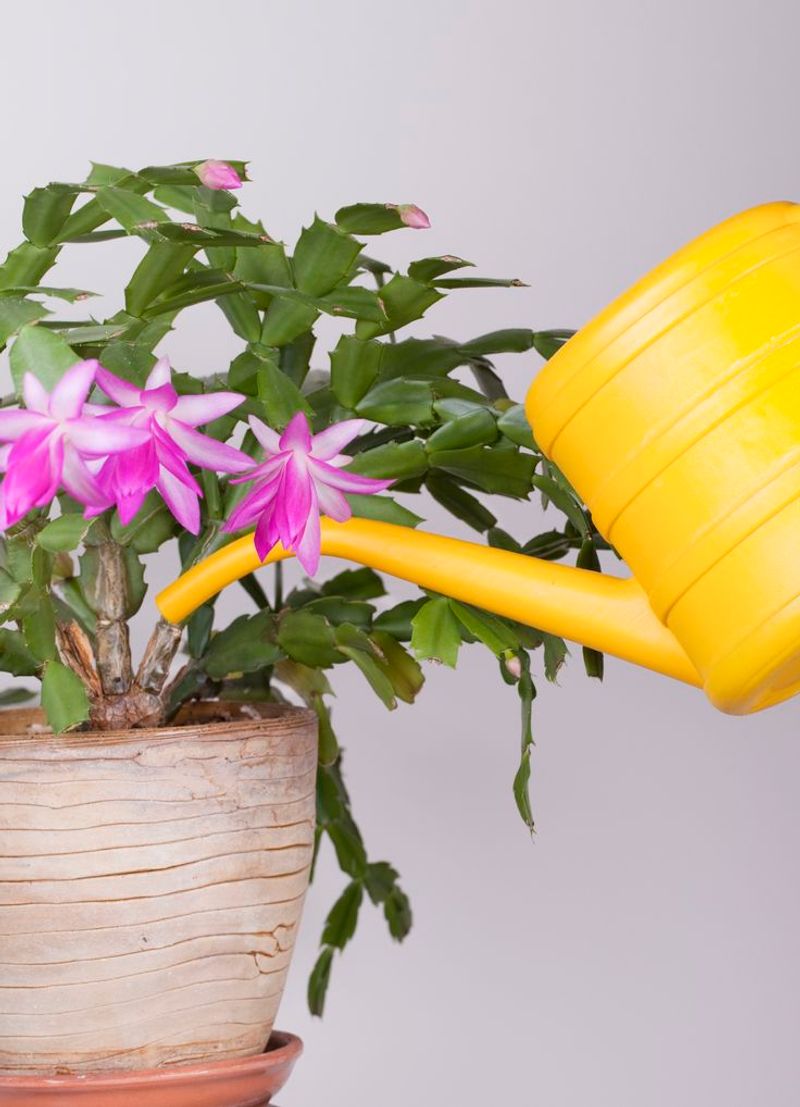
Your furnace cycles more frequently during Wisconsin’s coldest weeks, dramatically increasing how fast soil dries and how often your Christmas cactus requires watering.
Monitor both your thermostat settings and outdoor temperatures to anticipate when soil will dry faster than usual.
Bitter cold snaps force heating systems to run constantly, removing humidity and accelerating moisture loss from potting mix significantly.
During mild winter periods when furnaces cycle less often, your plant may need water only once weekly or even less frequently.
Extreme cold stretches might require watering every three or four days to maintain adequate soil moisture for healthy growth.
Pay attention to how quickly the top inch of soil dries between waterings, adjusting your schedule accordingly rather than following rigid timelines.
Flexibility based on actual conditions keeps your Christmas cactus healthier than any predetermined watering schedule possibly could throughout variable winter weather.
Plants located near heating vents or radiators dry much faster than those positioned away from direct heat sources in your home.
Moving your cactus away from intense heat can reduce watering frequency and create more stable growing conditions overall.
Keep notes about watering frequency during different weather conditions to develop a personalized schedule that works for your specific home environment.
Patterns emerge after a few weeks that help you predict plant needs more accurately as winter progresses.
Monitor Humidity Levels Around Your Plant
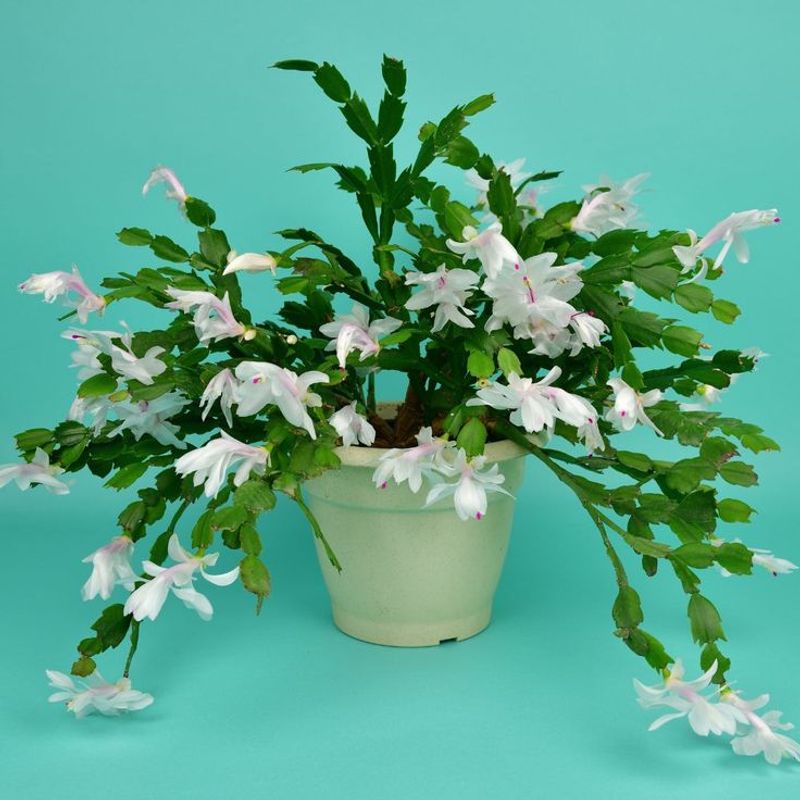
Wisconsin heating systems can drop indoor humidity below twenty percent, creating desert-like conditions that stress your moisture-loving Christmas cactus despite adequate soil watering.
Purchase an inexpensive hygrometer to track humidity levels near your plant’s location throughout the heating season.
These simple devices reveal exactly how dry your indoor air becomes, helping you understand why your plant might struggle despite regular watering.
Christmas cacti prefer humidity levels between forty and sixty percent, which rarely occurs naturally in heated Wisconsin homes during winter months.
Low humidity causes faster soil drying and can lead to segment shriveling even when roots have sufficient moisture available.
Grouping several houseplants together creates a microclimate with slightly higher humidity as plants release moisture through their leaves naturally.
This simple arrangement benefits all your plants without requiring additional equipment or complicated humidity management systems.
Placing a shallow tray filled with pebbles and water beneath your Christmas cactus pot increases local humidity as water evaporates upward.
Ensure the pot sits on pebbles above water level rather than directly in water to avoid root rot problems.
Running a small humidifier near your plant collection provides the most effective humidity boost during Wisconsin’s driest heating months.
Even modest humidity increases help your Christmas cactus maintain healthy, plump segments and develop flower buds more successfully for spectacular blooming displays.
Avoid Watering On Extremely Cold Days
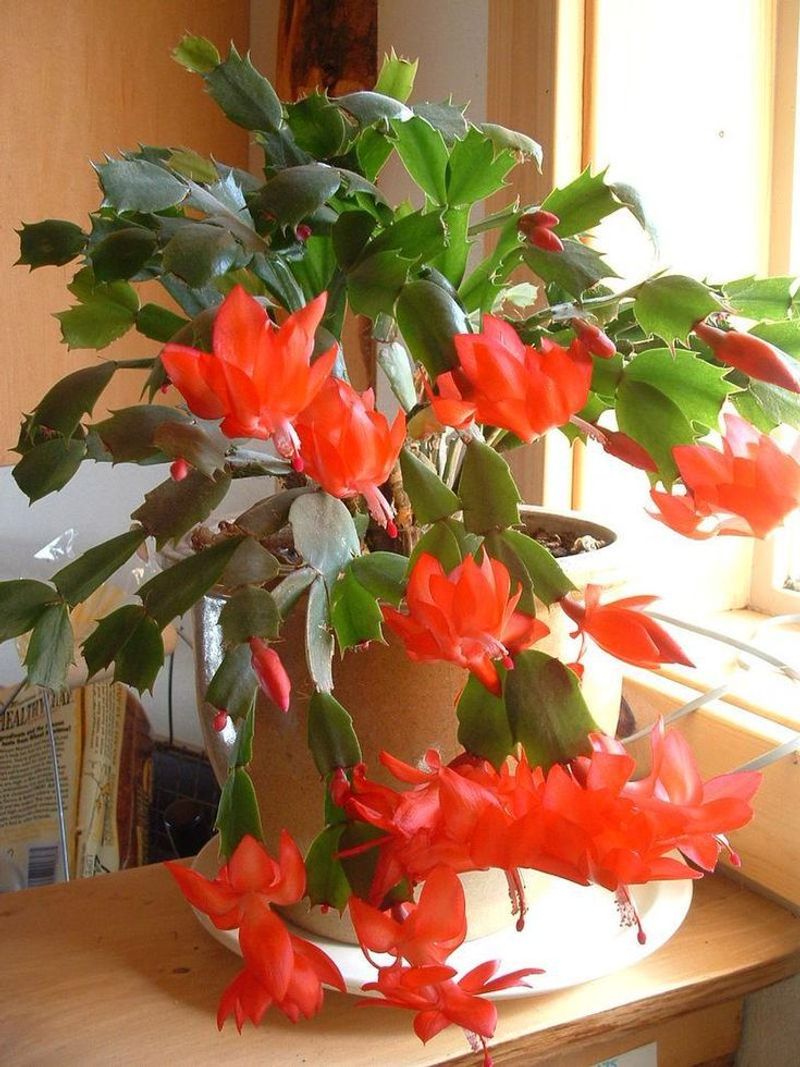
When Wisconsin temperatures plunge below zero, even well-heated homes develop cold pockets near windows where your Christmas cactus might experience chilling that affects watering needs.
Cold soil absorbs water more slowly than warm soil, increasing the risk of overwatering problems when you water during the coldest days.
Roots function less efficiently in cool conditions, taking up moisture at reduced rates compared to their normal activity in warmer temperatures.
Wait for slightly warmer days when possible, or water during the warmest part of afternoon when indoor temperatures peak naturally.
This timing gives your plant the best conditions for efficient water absorption and reduces stress from temperature-related watering complications.
Plants positioned near drafty windows or exterior walls experience cooler root zones that dry more slowly despite low humidity in heated air.
Moving your Christmas cactus away from cold spots during severe weather protects roots and simplifies moisture management throughout challenging winter periods.
Extremely cold outdoor conditions often coincide with maximum heating system operation, creating confusing signals about whether soil is drying quickly or slowly.
Always check soil moisture directly rather than assuming plants need water based solely on how much your furnace runs.
Your Christmas cactus tolerates slight underwatering better than overwatering in cold conditions, so when in doubt during frigid weather, wait an extra day.
Patient observation prevents moisture problems that take weeks to correct once roots become waterlogged or damaged.
Use Pots With Proper Drainage Holes
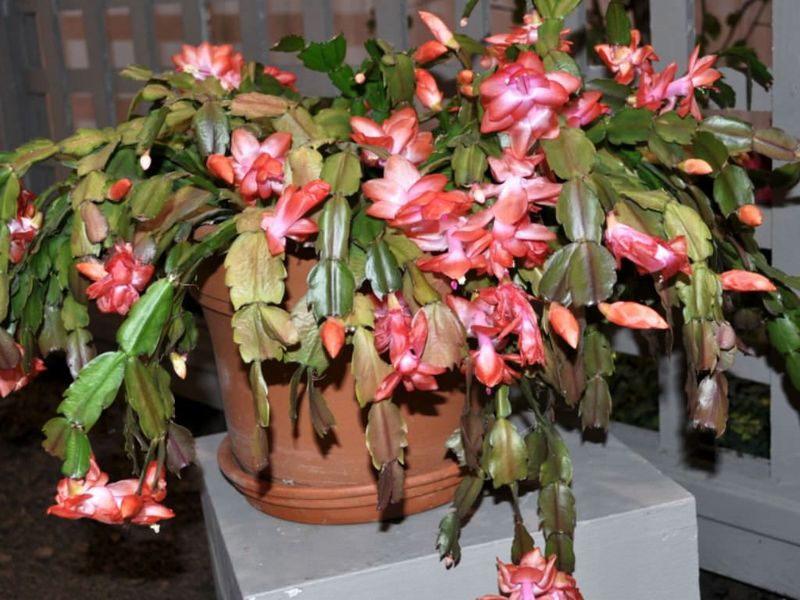
Drainage holes allow excess water to escape freely, preventing the waterlogged soil conditions that quickly damage Christmas cactus roots during Wisconsin’s unpredictable heating season.
Pots without drainage create impossible watering challenges because you must guess the perfect amount of water that saturates soil without creating standing water.
Even experienced gardeners struggle with this balancing act, making drainage holes essential rather than optional for successful cactus care.
Terracotta pots offer additional benefits beyond drainage holes because their porous material allows moisture to evaporate through pot walls, preventing overwatering problems.
Plastic pots work well too if they have adequate drainage, though they retain moisture longer than clay alternatives.
Check that drainage holes haven’t become blocked by compacted soil or roots that need trimming during repotting sessions every few years.
Blocked drainage defeats the purpose of having holes, essentially turning your draining pot into a non-draining container that traps excess water.
Multiple smaller drainage holes work better than one large hole that allows soil to wash out during watering sessions throughout the season.
Three to five quarter-inch holes provide ideal drainage while keeping potting mix contained where roots can access nutrients and moisture.
If you love a decorative pot without drainage, use it as an outer cover for a properly draining inner pot instead.
This compromise gives you beautiful presentation while maintaining the practical drainage requirements your Christmas cactus needs for healthy root development.
Watch For Signs Of Watering Problems

Shriveled, wrinkled segments indicate your Christmas cactus needs water more frequently, while yellowing or mushy segments suggest overwatering has begun damaging root health.
Healthy Christmas cactus segments appear plump, firm, and vibrant green, showing the plant maintains proper moisture balance in your Wisconsin home’s heated environment.
Learning to recognize these visual cues helps you adjust watering practices before serious problems develop that take months to reverse.
Segments that feel soft or appear translucent often indicate root rot from excessive watering or poor drainage during the heating season.
Catching this early allows you to reduce watering frequency and potentially save your plant before damage becomes irreversible or spreads.
Dropped flower buds sometimes result from inconsistent watering that stresses plants during their blooming period in winter months when conditions matter most.
Maintaining steady moisture levels without dramatic wet-dry cycles helps your Christmas cactus complete its flowering cycle successfully with abundant, long-lasting blooms.
Red or purple segment edges can indicate stress from various factors including watering issues, though this coloring also appears naturally in bright light.
Consider all growing conditions together rather than focusing solely on one symptom when diagnosing potential problems with your plant.
Regular observation helps you spot subtle changes before they become obvious problems requiring intervention and recovery time.
Your Christmas cactus communicates its needs clearly once you learn to read the signals it provides through segment appearance and growth patterns.
Reduce Watering Before And During Blooming Period

Christmas cacti naturally bloom during winter months when they experience slightly drier conditions that trigger flower bud formation and development for spectacular displays.
Beginning in October or November, gradually reduce watering frequency to encourage your plant to shift from growth mode into flowering mode naturally.
This mimics the drier conditions Christmas cacti experience in their native Brazilian habitat during their natural blooming season each year.
Allow soil to dry slightly more between waterings than you did during summer and fall, but never let your plant become severely dehydrated.
Moderate dryness signals blooming time, while extreme dryness causes stress that prevents flowering or causes buds to drop before opening.
Once flower buds appear, maintain consistent light moisture without dramatic fluctuations that might shock your plant into dropping its precious buds.
Steady conditions during bud development and flowering ensure you enjoy the maximum number of blooms for the longest possible time.
After flowers fade completely, gradually resume normal watering patterns that keep soil slightly moist throughout the root zone year-round except during bloom preparation.
This cycle of slight reduction followed by normal watering matches your Christmas cactus’s natural rhythms for optimal health and flowering.
Wisconsin’s heating season timing aligns perfectly with Christmas cactus blooming needs, making these plants ideal choices for winter color in Midwest homes.
Understanding this natural cycle helps you provide exactly what your plant requires for breathtaking holiday season displays year after year.