How To Water Hydrangeas The Right Way In North Carolina Gardens
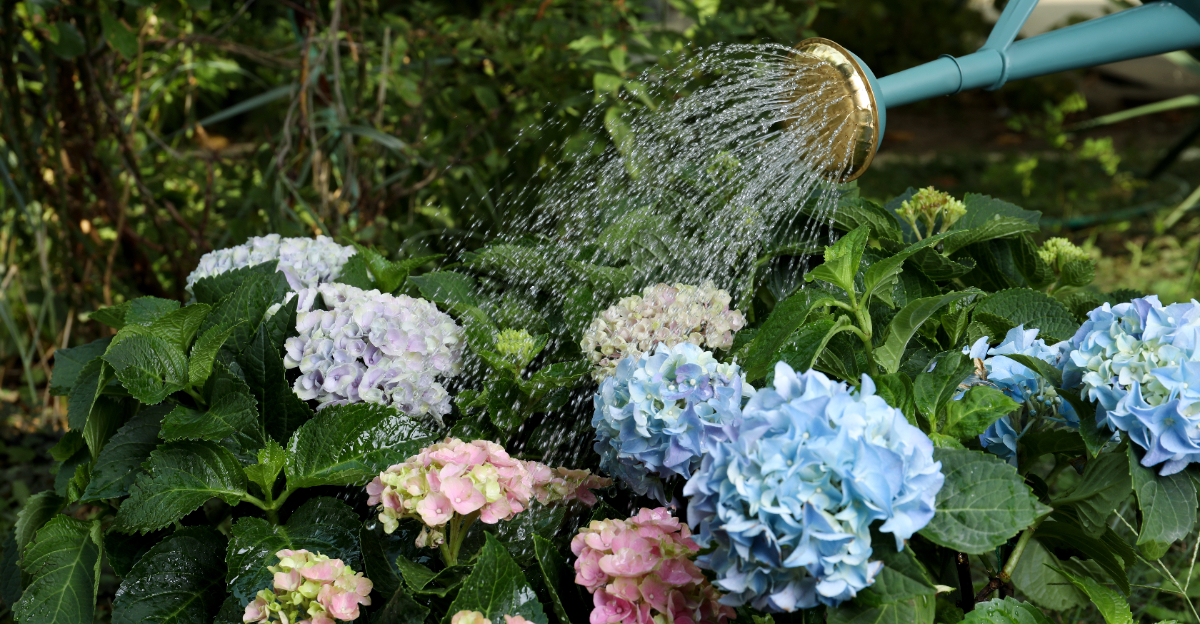
Nothing tests the patience of a North Carolina gardener quite like a wilting hydrangea on a humid afternoon. These iconic shrubs are famous for their dramatic, oversized blooms, but they serve as the ultimate litmus test for your soil moisture levels.
In our region, the combination of intense afternoon sun and heavy clay or sandy coastal soil creates a volatile environment where standard watering rules simply do not apply.
You cannot just spray the hose and hope for the best when the heat index starts climbing in June. Success requires a strategic approach that anticipates the needs of the plant before the leaves begin to droop and turn crisp.
By mastering a few specific hydration techniques tailored to our unique climate, you can ensure those massive flower heads remain turgid and vibrant all summer.
These nine essential insights will transform the way you manage your garden water budget while producing the most resilient hydrangeas on the block.
1. Water Early In The Day
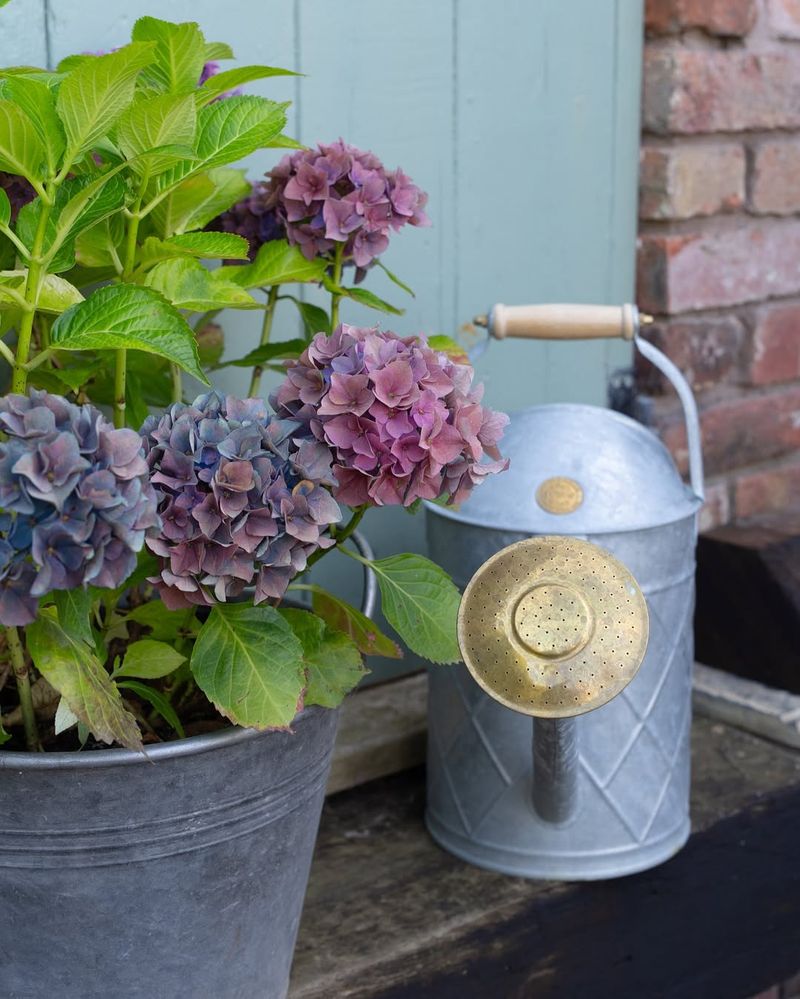
There is something almost magical about a garden in the early morning hours. The air is cool, the sun is low, and your hydrangeas are ready to soak up every drop of water you give them.
Watering early in the day is one of the best habits a North Carolina gardener can build. When you water in the morning, the plant has the entire day to absorb that moisture before the afternoon heat kicks in.
North Carolina summers can get brutally hot, and water given at midday often evaporates before the roots even get a chance to use it. Morning watering gives your plants a real head start.
Another big reason to water early is disease prevention. Wet leaves that stay damp overnight create the perfect environment for fungal problems, which are already a concern in North Carolina’s humid climate.
Morning watering lets any stray water on the foliage dry off naturally throughout the day. Fungal issues like powdery mildew and leaf spot become far less likely when your plants dry out properly.
Making this one simple change to your routine can dramatically improve the long-term health and appearance of your hydrangeas. Start your mornings with a watering can or hose, and your garden will thank you all season long.
2. Deep Watering Is Key
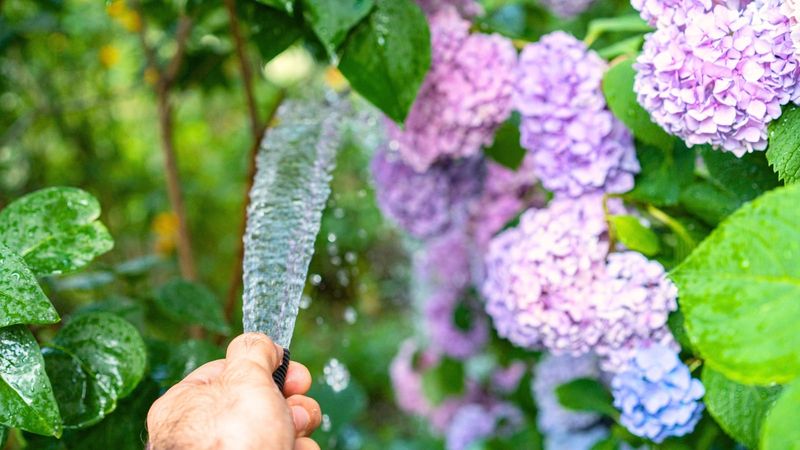
Most people think a quick sprinkle is enough to keep hydrangeas happy, but shallow watering actually does more harm than good.
Hydrangeas have root systems that sit relatively close to the soil surface, which means they need water pushed down deep to truly benefit.
Watering deeply encourages those roots to stretch further into the earth, building strength and resilience.
Aim to moisten the soil to a depth of about six to eight inches each time you water. This might sound like a lot, but it makes a real difference, especially during North Carolina’s hot and dry summer stretches.
Roots that grow deeper into the soil can access moisture that stays cooler and more stable, even when the top layer of ground dries out quickly.
A slow, steady stream of water works better than a fast blast. Let the water soak in gradually so it has time to travel down rather than running off the surface.
You can use a garden hose set to a gentle flow or a soaker hose for best results. Deep watering also means you can water less frequently, which saves time and conserves water.
North Carolina gardeners who water deeply tend to see stronger, more drought-tolerant hydrangeas that keep blooming beautifully even through the warmest weeks of summer.
3. Consistent Moisture Is Crucial
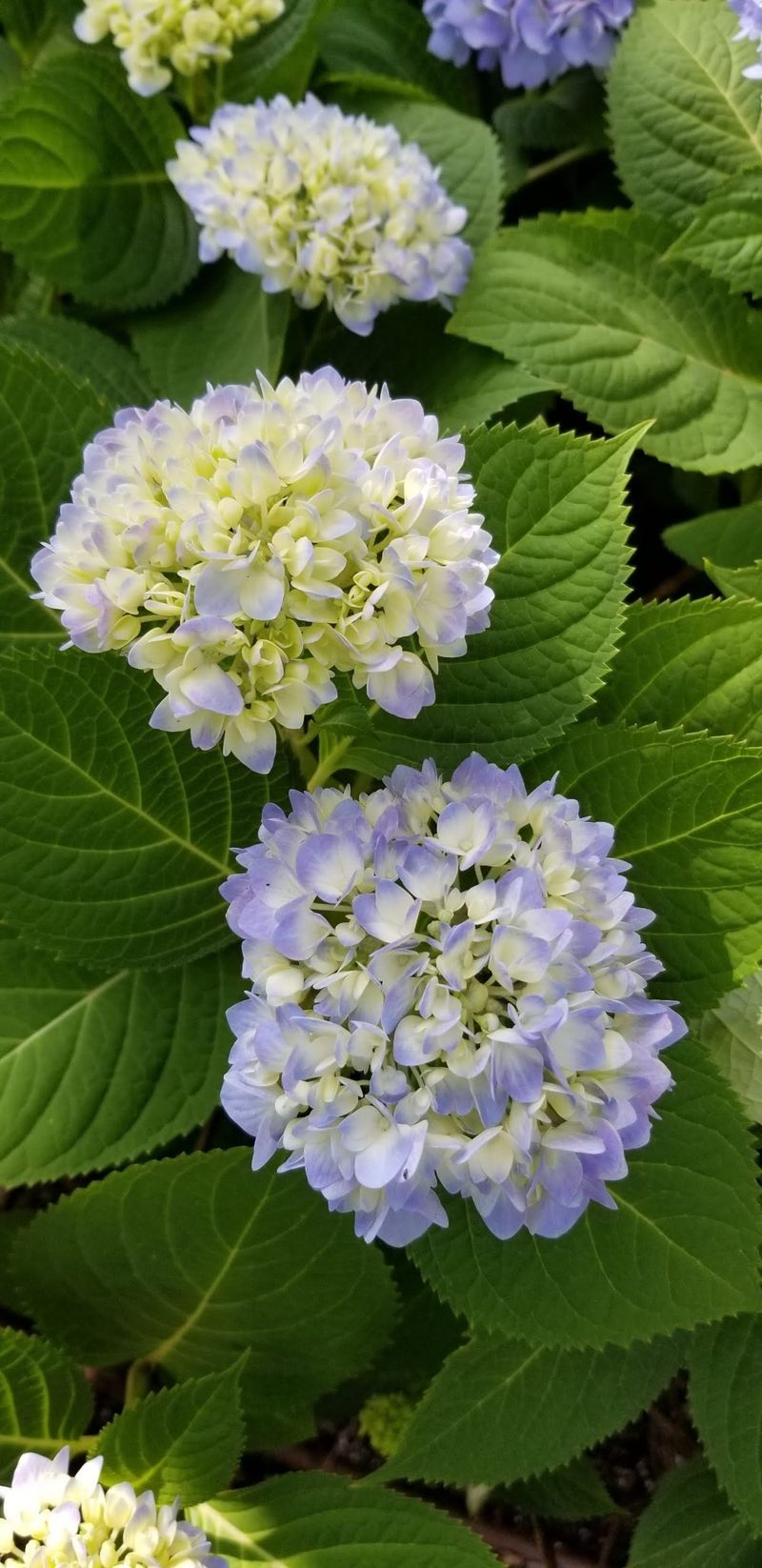
Hydrangeas are not fans of surprises when it comes to water. One week of heavy watering followed by a dry spell can stress the plant, causing wilting, poor blooms, and weak growth.
Keeping the soil consistently moist is the golden rule for growing beautiful hydrangeas in North Carolina.
During the growing season, which runs roughly from spring through early fall in North Carolina, your hydrangeas are working hard. They are pushing out new leaves, developing flower buds, and expanding their root systems.
All of that activity requires a steady supply of water. If rainfall is sparse, plan to water two to three times per week, adjusting based on how quickly the soil dries out in your specific yard.
Sticking your finger about an inch or two into the soil is a quick and reliable way to check moisture levels. If it feels dry at that depth, it is time to water.
You do not have to wait for the plant to look wilted before you act. In fact, waiting until you see drooping leaves means the plant is already under stress.
Catching moisture needs early keeps hydrangeas looking their best. North Carolina gardeners who stay on top of consistent watering schedules enjoy fuller, more vibrant blooms throughout the entire growing season without the setbacks of drought stress.
4. Avoid Overwatering Your Plants
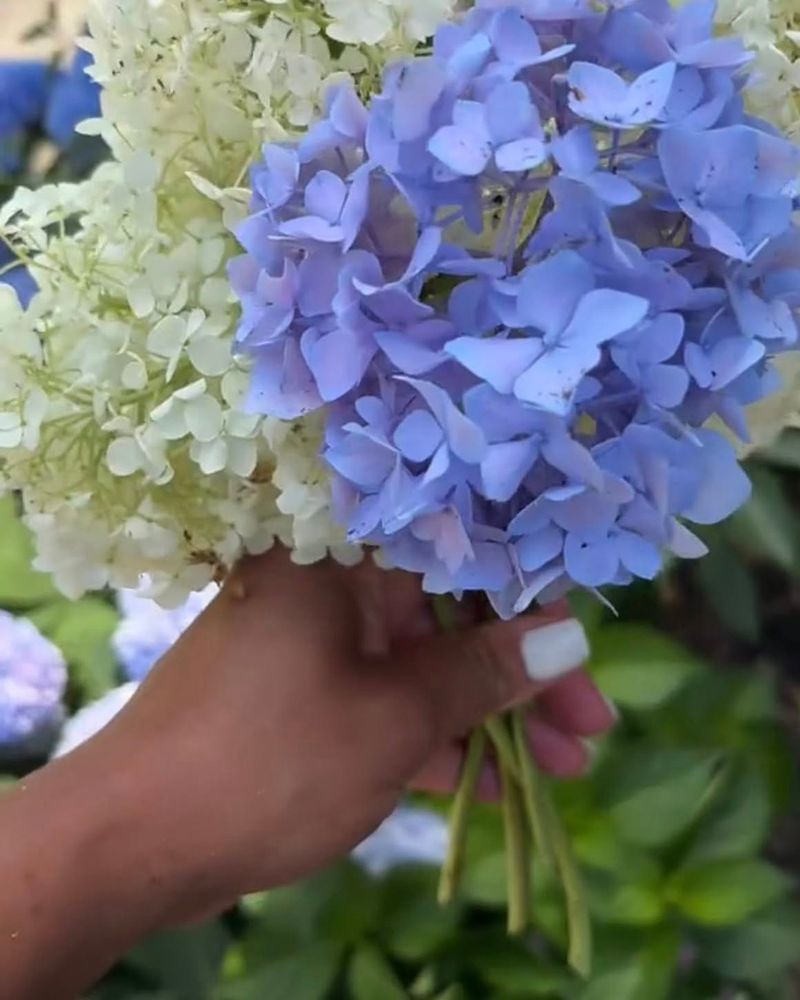
Too much of a good thing can quickly become a problem. Overwatering is one of the most common mistakes North Carolina gardeners make with hydrangeas, and it can lead to serious root issues that are hard to reverse.
The goal is moist soil, not soggy soil. When soil stays waterlogged for too long, the roots cannot get the oxygen they need to function. This leads to root rot, a condition where the roots begin to break down and lose their ability to absorb nutrients and water.
Ironically, overwatered hydrangeas often look like they are not getting enough water, with yellowing leaves and limp stems, which causes gardeners to water even more and worsen the problem.
Before reaching for the hose, always check the soil first. Push your finger about one to two inches into the ground near the base of the plant.
If the soil still feels moist at that depth, hold off on watering for another day or two. Good drainage is just as important as regular watering.
Make sure your planting area does not collect standing water after rain, and consider amending heavy clay soils with compost to improve drainage.
North Carolina gardens with well-draining soil give hydrangeas the healthy, balanced environment they need to produce gorgeous blooms season after season.
5. Mulch To Retain Soil Moisture
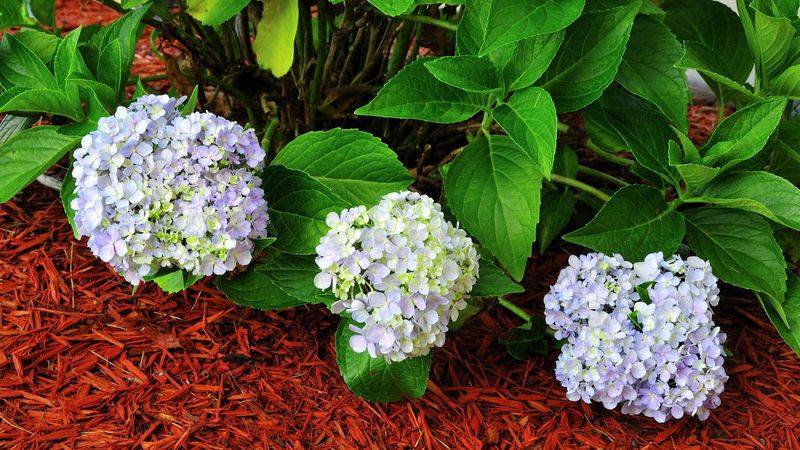
One of the smartest things you can do for your hydrangeas costs very little and takes just a few minutes.
Spreading a two to three inch layer of mulch around the base of each plant is a game-changer for moisture retention, especially during North Carolina’s warm and often dry summer months.
Organic mulches like pine bark, wood chips, or shredded leaves work especially well. They slow down evaporation from the soil surface, which means the moisture from your last watering session sticks around much longer.
That translates to less frequent watering, lower water bills, and healthier plants that do not experience as many dry spells between waterings.
Mulch also helps regulate soil temperature, keeping the root zone cooler during those intense North Carolina heat waves that can spike ground temperatures dramatically. Cooler roots are happier roots, plain and simple.
One important tip: keep the mulch a few inches away from the main stem of the plant. Piling mulch directly against the stem can trap too much moisture and create conditions that encourage stem problems.
Spread it in a ring around the plant instead, starting a couple of inches out from the base. With the right mulching technique, your hydrangeas will stay consistently hydrated, stress-free, and primed to produce the kind of lush, show-stopping blooms that make North Carolina gardens truly stand out.
6. Water Based On Soil Type
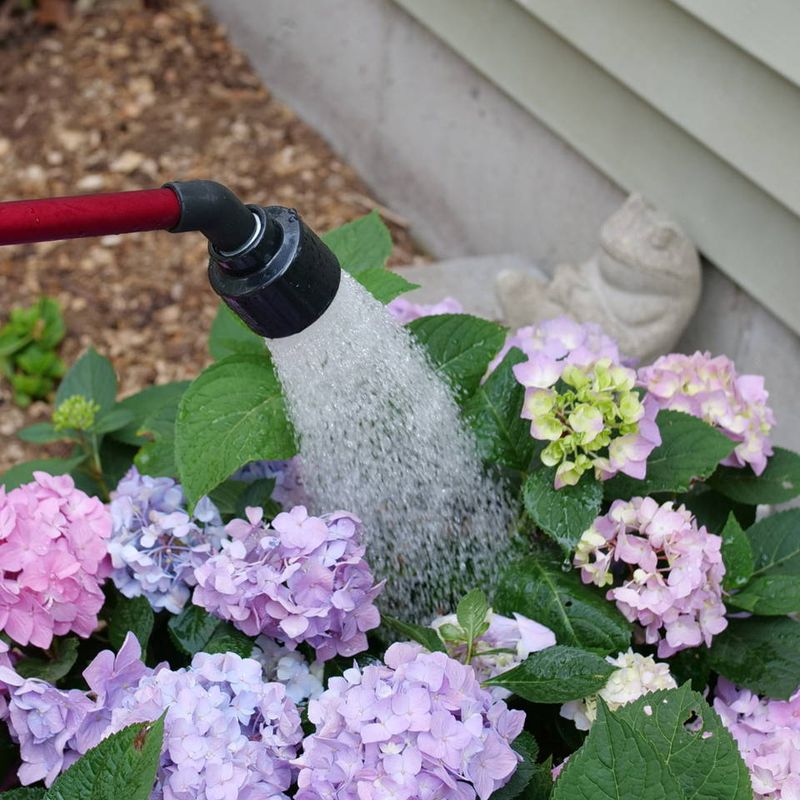
Not every garden in North Carolina has the same soil, and that matters a lot when it comes to watering hydrangeas. The type of soil in your yard directly affects how quickly water drains away and how long moisture stays available to the roots.
Understanding your soil type is one of the most practical steps you can take as a gardener. Sandy soils, which are common in parts of eastern North Carolina, drain very quickly.
Water moves through sandy ground fast, which means your hydrangeas may need more frequent watering to stay properly hydrated.
On the flip side, clay soils, found in many areas of the Piedmont region, hold onto moisture for much longer. Watering too frequently in clay-heavy gardens can lead to waterlogged conditions that stress the roots.
A simple squeeze test can tell you a lot. Take a small handful of moist soil and squeeze it in your fist.
Sandy soil will crumble apart when you open your hand, while clay soil will hold its shape. Loamy soil, which is the ideal mix, will hold shape briefly and then break apart.
Amending your soil with compost can help balance both extremes, improving drainage in clay and boosting moisture retention in sand. Tailoring your watering schedule to match your specific soil type keeps North Carolina hydrangeas thriving through every season.
7. Water At The Base Of The Plant
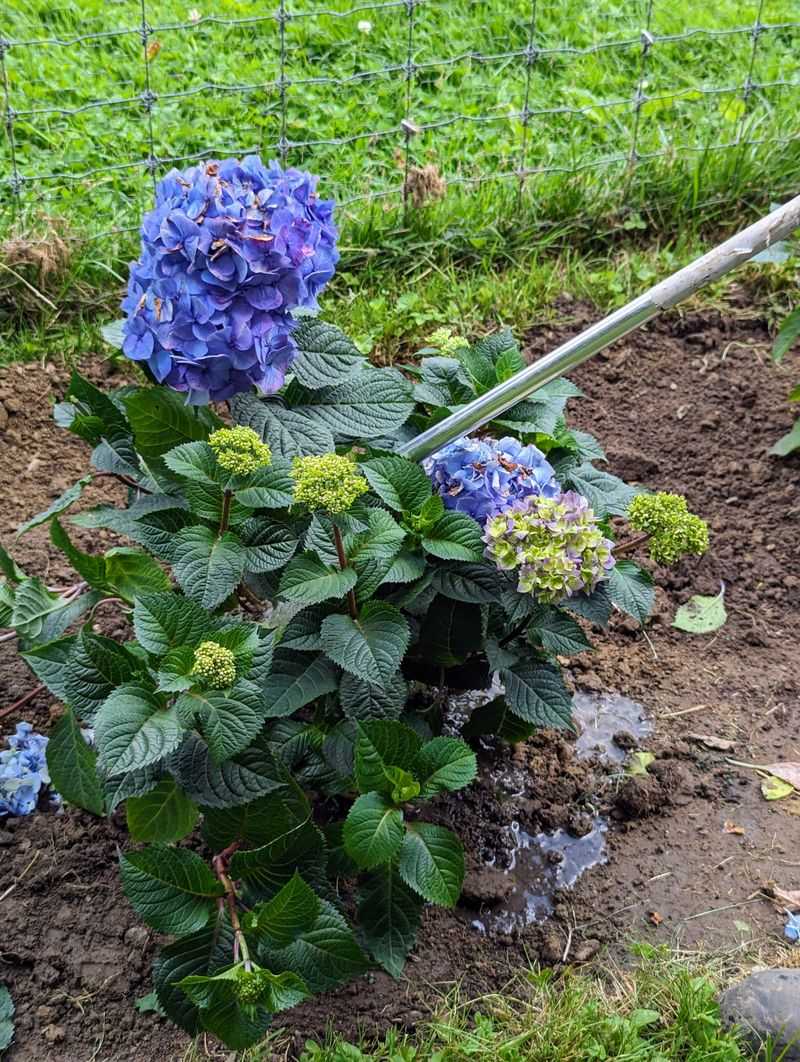
Where you aim the water matters just as much as how much you give. Directing water straight to the base of the hydrangea plant, right at the soil level near the roots, is the most effective and plant-friendly approach.
It gets moisture exactly where the plant needs it most. Watering from above might seem easier, but it comes with real drawbacks.
Wet foliage, especially in North Carolina’s warm and humid summer climate, creates ideal conditions for fungal diseases like powdery mildew and botrytis.
These diseases can spread quickly and affect both the appearance and health of your plants. Keeping the leaves dry during watering is a simple but powerful way to reduce that risk.
A watering wand with an angled head makes it easy to direct water low to the ground without having to crouch down every time. Soaker hoses are another excellent option, since they deliver water slowly and directly to the soil without splashing the foliage at all.
If you use an overhead sprinkler system in your North Carolina garden, consider switching hydrangea zones to a drip or soaker setup instead. The difference in plant health can be noticeable within just a few weeks.
Healthy, dry foliage paired with well-hydrated roots is the winning combination that keeps hydrangeas looking vibrant and full all season long.
8. Adjust Watering During Flowering Season
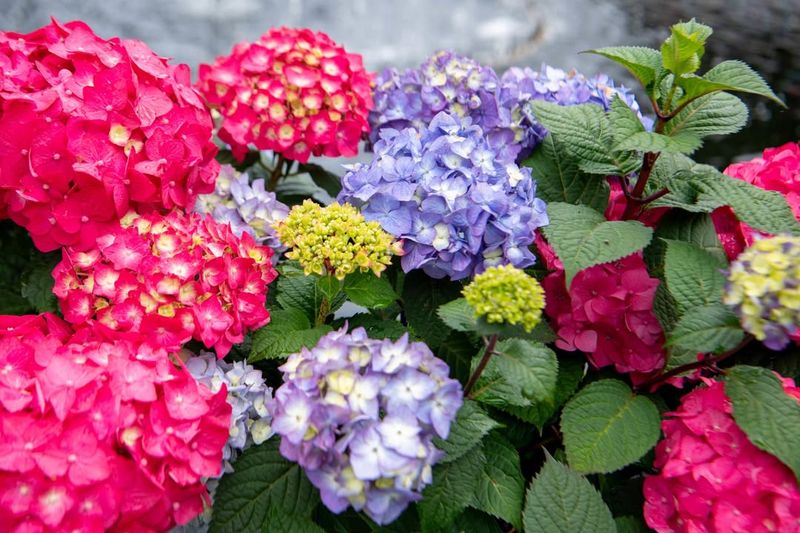
Flowering season is the moment every hydrangea gardener looks forward to, and giving your plants the right amount of water during this time makes all the difference.
From late spring through summer, hydrangeas are working overtime to produce those big, beautiful blooms, and their water needs go up noticeably during this period.
Mophead hydrangeas, one of the most popular varieties in North Carolina gardens, are especially thirsty during bloom time. Their large, rounded flower heads require a lot of energy and moisture to develop fully.
Cutting back on water during this phase can result in smaller blooms, early browning, or flowers that fade before their time. Keeping the soil consistently moist during flowering is one of the best things you can do for your plants.
Pay close attention to the weather during flowering season. North Carolina summers can bring stretches of dry heat that dry out the soil faster than usual.
On hot, sunny days, hydrangeas may need watering more frequently than the rest of the year. Watch for early morning wilting as a signal that the plant needs more water, though always check the soil before adding more.
Afternoon drooping on extremely hot days is normal and does not always mean the plant is thirsty. Learning to read your plants during flowering season helps you give them exactly what they need to put on their best show.
9. Consider Drip Irrigation For Efficiency
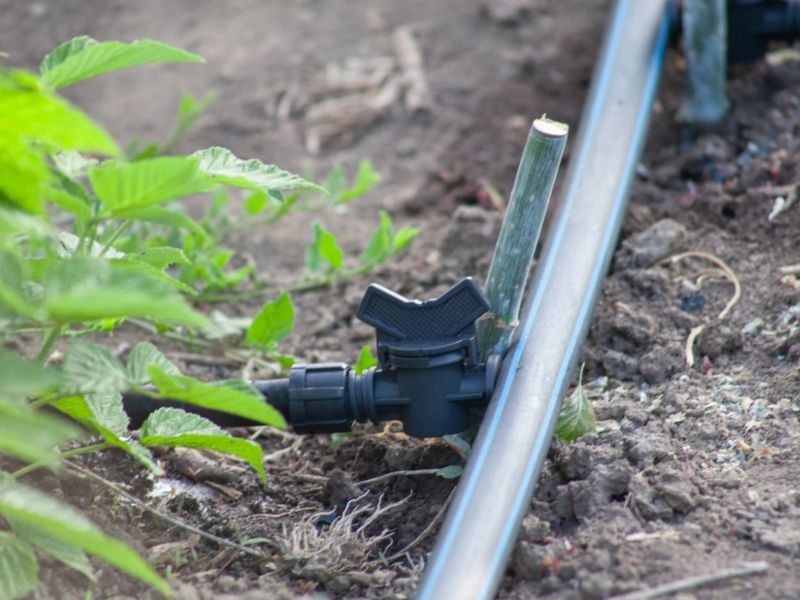
For North Carolina gardeners managing larger garden beds or simply looking for a smarter way to water, drip irrigation is worth serious consideration.
This system delivers water slowly and directly to the soil at the base of each plant, making it one of the most efficient watering methods available for hydrangeas.
Unlike sprinklers or overhead hoses, drip systems keep the foliage completely dry while ensuring the roots receive a steady, controlled supply of moisture.
That means less risk of fungal disease, less water waste from evaporation, and less time spent standing in the garden with a hose.
Soaker hoses offer a more affordable version of the same concept and work beautifully woven through hydrangea beds.
Setting up a drip system might feel like a big project at first, but modern kits are surprisingly easy to install and can be connected to a timer for fully automated watering.
In a state like North Carolina, where summer temperatures can climb high and water conservation matters, an efficient irrigation setup pays off quickly.
You can program the system to run in the early morning, hitting that ideal watering window every single day without lifting a finger.
Whether you have two hydrangea plants or twenty, drip irrigation brings consistency, convenience, and healthier plants together in one smart solution that any North Carolina gardener can appreciate and enjoy.