How To Water Succulent Plants Properly In California Homes And Gardens
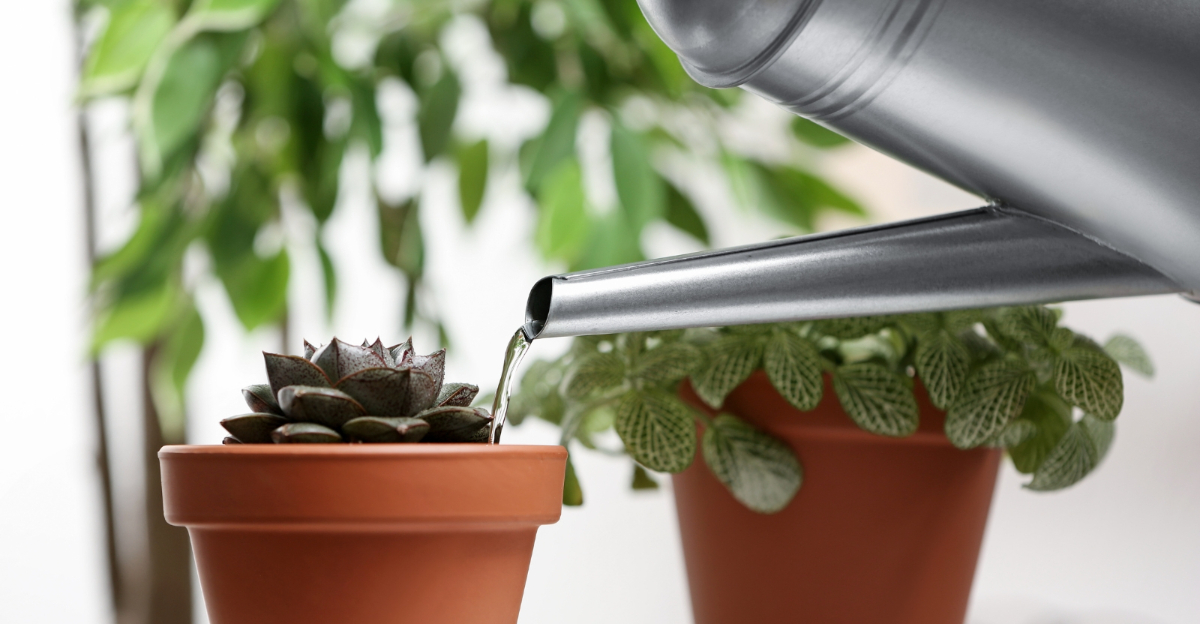
Watering succulent plants in California homes and gardens sounds straightforward, yet the mix of dry air, intense sunlight, and fast-draining soil quietly makes it one of the easiest places to get things wrong.
Succulents may look tough and self-sufficient, but their ability to store water often leads to habits that work against them instead of supporting steady growth.
What succeeds in cooler or more humid climates can quickly cause stress here, especially when watering routines don’t adjust to California’s pace of drying.
Indoor succulents face shifting light, warm rooms, and low humidity, while outdoor plants deal with heat, wind, and rapid evaporation that changes soil conditions almost daily. The mistake usually isn’t forgetting to water, but watering too often before roots have had time to fully dry and breathe.
Succulents respond best when moisture comes deeply and then stops long enough for soil to reset completely.
Learning to read soil, temperature, and plant signals matters far more than sticking to a fixed schedule.
When watering habits finally match California conditions, succulents stop struggling and start doing exactly what they’re known for: growing strong with very little effort.
1. Understand the Soak and Dry Method
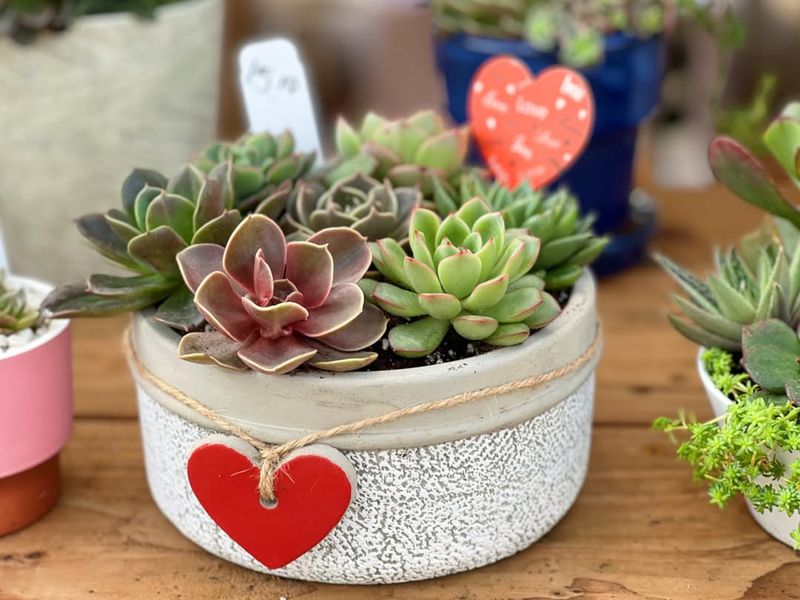
Most gardeners make the mistake of giving succulents tiny sips of water every few days. That approach actually harms these plants more than it helps them.
Succulents evolved in environments where rain comes infrequently but heavily, soaking the soil completely before weeks of drought follow.
California’s climate mirrors these natural conditions in many regions, especially during our long, dry summers. When you water your succulents, you want to drench the soil thoroughly until water runs freely from the drainage holes.
This encourages roots to grow deep and strong as they search for moisture.
After this generous watering, you must wait until the soil dries out completely before watering again. Sticking your finger an inch into the soil helps you check moisture levels accurately.
In California’s hot inland valleys, this might mean watering every week during summer, while coastal areas with cooler, foggier weather might need watering only every two weeks.
The soak and dry method prevents root rot while encouraging healthy root development. Your succulents will reward you with plump, colorful leaves and steady growth.
Patience between waterings is just as important as the watering itself.
2. Choose Pots with Proper Drainage
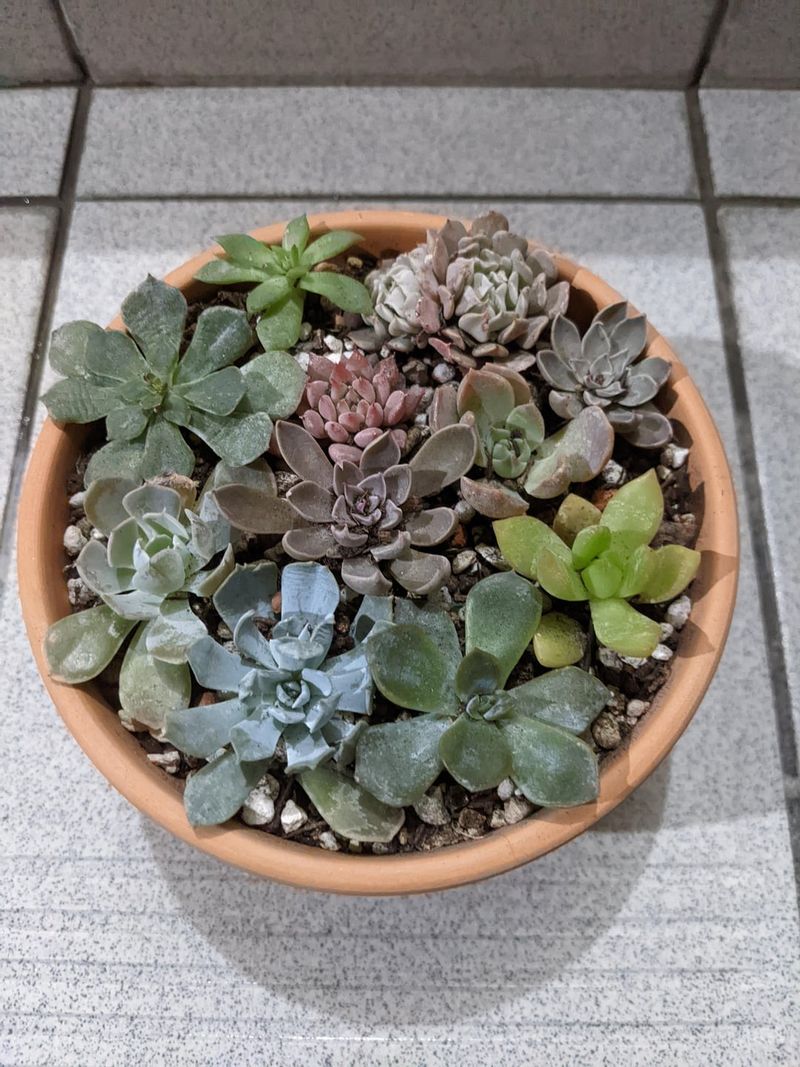
The container you select plays a massive role in keeping your succulents healthy throughout California’s varying seasons. Drainage holes are absolutely necessary, not optional, for these water-storing plants.
Without them, excess water has nowhere to escape, creating a swampy environment that suffocates roots.
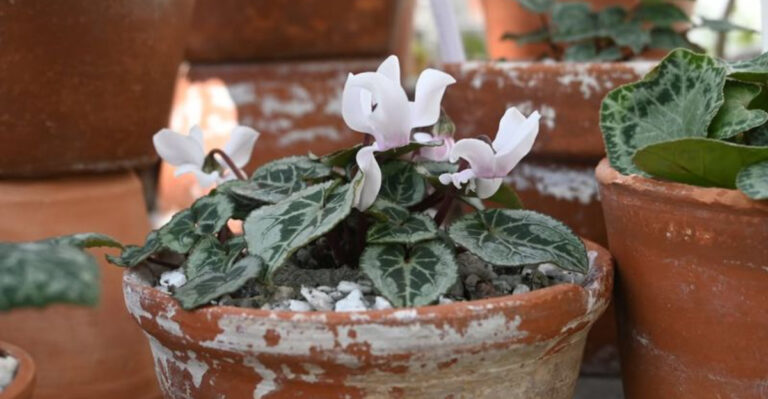
Terracotta pots are especially popular among California succulent enthusiasts because the porous clay allows moisture to evaporate through the sides. This helps soil dry faster, which matches perfectly with succulent needs.
Ceramic pots with drainage holes also work wonderfully, though they retain moisture slightly longer than terracotta.
Plastic containers can work if they have adequate drainage, but they hold moisture longer, so you’ll need to adjust your watering schedule accordingly. Some creative gardeners in California even drill extra holes in the bottoms of decorative pots to improve drainage.
If you fall in love with a pot that lacks holes, use it as a decorative outer sleeve and keep your succulent in a properly draining inner pot.
Saucers beneath pots should be emptied after watering so plants never sit in standing water. This simple habit prevents many common problems California succulent owners face during our occasional rainy periods.
3. Adjust Watering Based on California Seasons
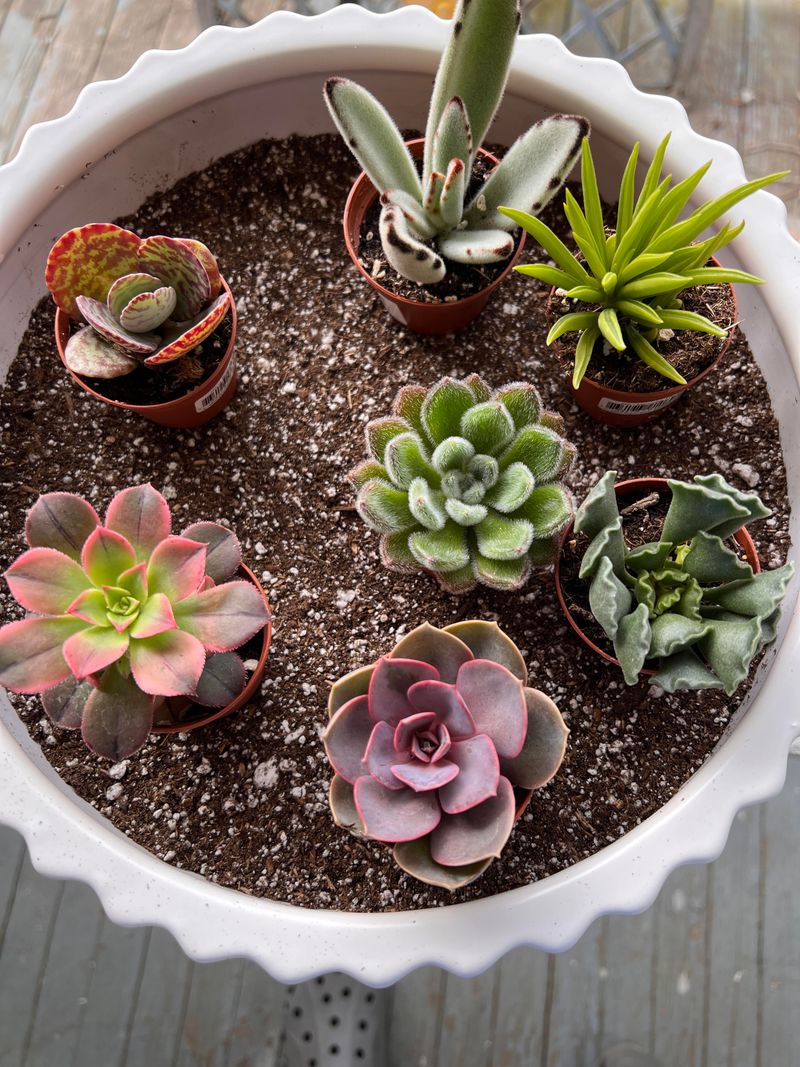
Succulents don’t need the same amount of water year-round, and California’s distinct seasons require you to adapt your approach. During spring and summer, when temperatures climb and sunshine is abundant, succulents enter their active growing phase.
They use water more quickly and need more frequent watering to support new growth.
In California’s coastal regions, summer fog can reduce water needs even during warm months. Inland areas experience intense heat that increases evaporation, meaning you might water twice as often as someone living near the beach.
Pay attention to your specific microclimate rather than following a rigid schedule.
Fall brings cooler temperatures and shorter days, signaling succulents to slow their growth. You’ll notice they need water less frequently as the season progresses.
Winter is when many California gardeners make critical mistakes by continuing their summer watering habits.
During our mild winters, succulents enter dormancy and require minimal water, sometimes only once a month or even less. Overwatering during this rest period is one of the fastest ways to create problems.
Watch your plants for signs of thirst, like slightly wrinkled leaves, rather than watering on autopilot throughout the year.
4. Use the Right Soil Mix for Faster Drying
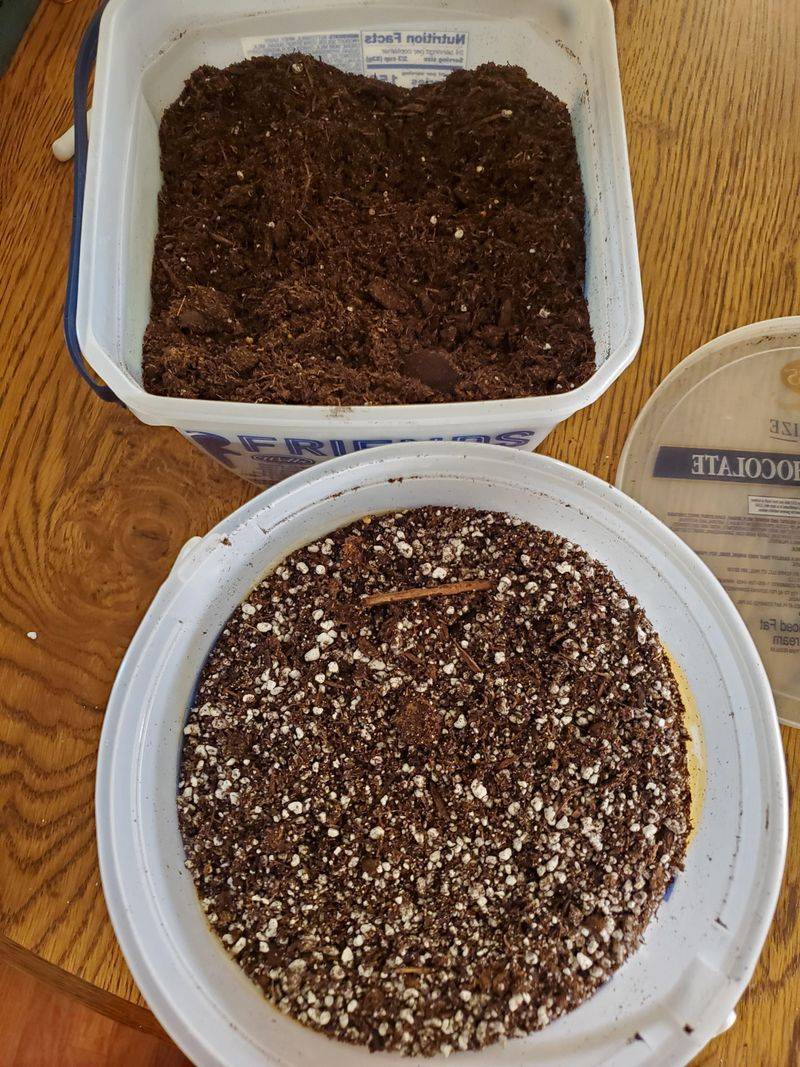
Regular potting soil holds moisture far too long for succulent roots, creating conditions that lead to rot and fungal issues. California succulent growers have perfected soil mixes that drain quickly while still providing necessary nutrients.
A proper succulent mix contains larger particles that create air pockets, allowing water to flow through rapidly.
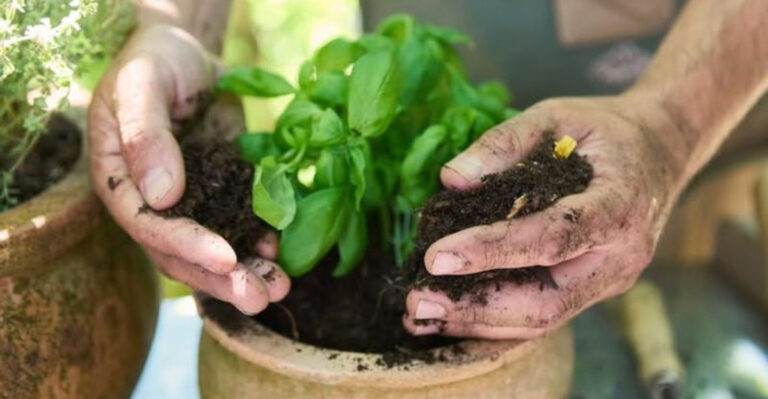
You can purchase pre-made cactus and succulent soil at any California garden center, which provides a good starting point. Many experienced growers modify these mixes by adding extra perlite, pumice, or coarse sand to improve drainage even further.
A common ratio is equal parts succulent soil and drainage material.
Some California gardeners create their own mixes from scratch using components like pine bark, coconut coir, perlite, and pumice. The goal is soil that dries within a few days after watering rather than staying damp for a week or more.
When you water, you should see it flow through quickly rather than pooling on the surface.
Repotting your succulents into proper soil makes watering much easier because you don’t have to worry as much about overdoing it. The fast-draining mix gives you more flexibility and forgiveness, which is especially helpful for beginners navigating California’s varied climate zones.
5. Watch for Signs Your Succulents Need Water
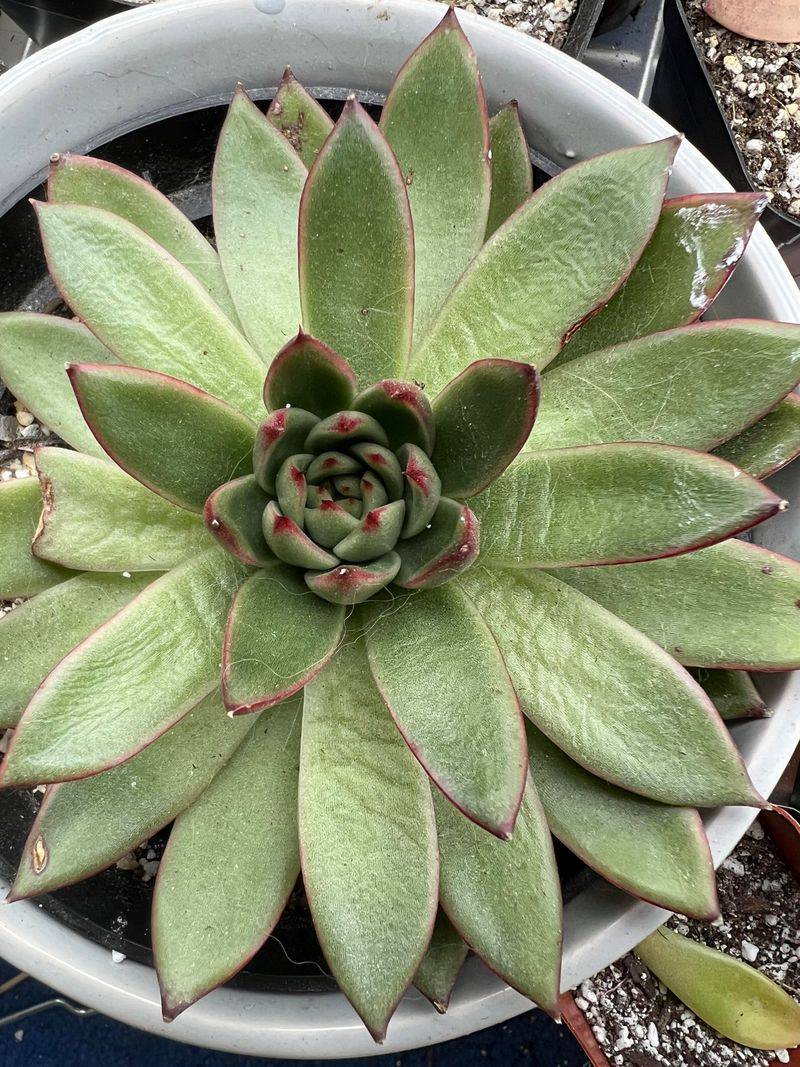
Learning to read your plants is far more effective than following any fixed watering schedule across California’s diverse regions. Healthy succulents have plump, firm leaves filled with stored water.
When they start to need water, you’ll notice the leaves begin to wrinkle slightly or lose their usual firmness.
Some succulents develop leaves that curve inward or fold slightly when thirsty. Others might show a duller color or less vibrant appearance compared to their well-watered state.
These visual cues tell you exactly when your plant is ready for water, removing the guesswork from your routine.
In California’s dry interior valleys, you might see these signs appear more quickly than in humid coastal areas. Bottom leaves naturally shrivel and drop as plants mature, which is normal and not a sign of thirst.
Focus on the newer growth near the center of the plant when evaluating water needs.
If you catch early thirst signs and water promptly, your succulents will plump back up within a day or two. Waiting for these signals prevents overwatering, which shows no early warning signs until serious damage occurs.
Training your eye to spot subtle changes makes you a better succulent caretaker throughout California’s changing weather patterns.
6. Water Early Morning for Best Results
Timing your watering sessions can significantly impact your succulent’s health across California’s temperature extremes. Early morning provides ideal conditions because temperatures are cooler and plants have the entire day to absorb moisture before nightfall.
This timing mimics natural rainfall patterns in their native habitats.
Morning watering allows any excess moisture on leaves to evaporate quickly as the day warms up. In California’s sunny climate, this reduces the risk of fungal problems or sunburn that can occur when water droplets act as magnifying glasses.
Plants enter the hot afternoon hours with satisfied roots but dry surfaces.
Evening watering is generally discouraged because moisture sits on plants and soil overnight when temperatures drop. This extended dampness in California’s cooler nights creates perfect conditions for fungal growth and rot.
If you must water in the evening, be extra careful to keep water off the leaves and crown of the plant.
Midday watering during California’s intense summer heat causes rapid evaporation, meaning less water actually reaches the roots. The sudden temperature change from cool water hitting hot soil can also stress plants.
Establishing a consistent morning routine helps you remember to water while providing optimal conditions for your succulents to thrive.
7. Avoid Getting Water on Succulent Leaves
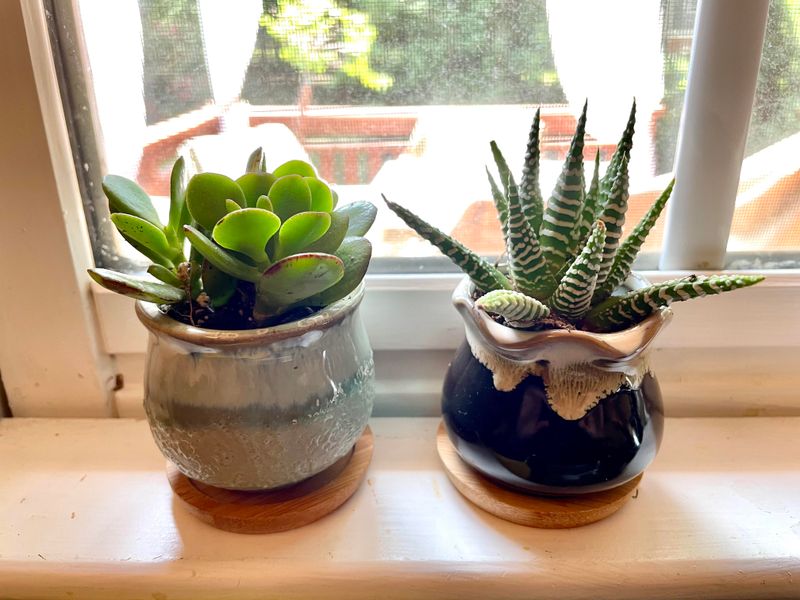
Many California gardeners accidentally create problems by splashing water all over their succulents during watering sessions. While the soil needs thorough soaking, the leaves themselves should stay as dry as possible.
Water sitting in the tight rosettes or on fuzzy leaves can lead to rot, especially in California’s cooler coastal microclimates where evaporation happens more slowly.
Direct your watering can spout or hose directly at the soil level, avoiding the plant body entirely. This takes a bit more care and attention but prevents numerous issues down the line.
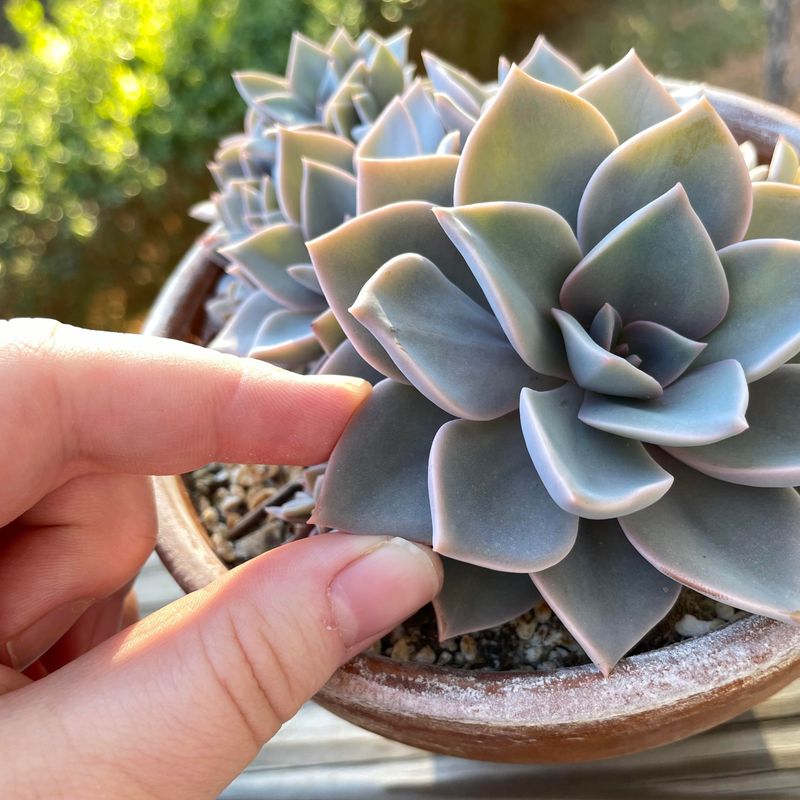
Some succulents have a powdery coating called farina that protects them from sun damage, and water washes this beneficial layer away permanently.
If you accidentally get leaves wet during watering in California’s gardens, gently shake the plant or use a soft cloth to remove standing droplets. Pay special attention to the center crown where water can pool and cause the most damage.
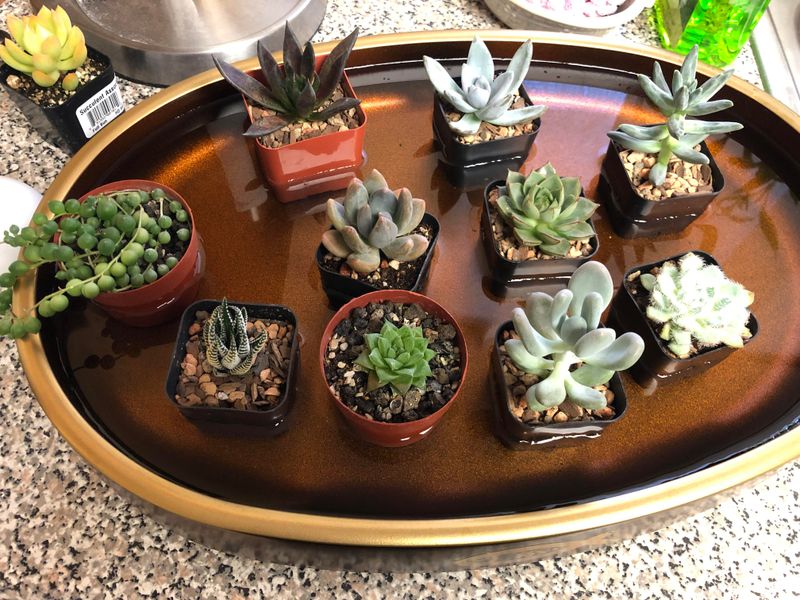
Bottom watering is an alternative method where you place pots in a tray of water and let soil absorb moisture from below, keeping leaves completely dry.
This technique works wonderfully for indoor California succulents but can be time-consuming for large outdoor collections. Whichever method you choose, keeping foliage dry should be a priority for maintaining healthy, beautiful plants throughout the year.
Dry foliage also discourages fungal issues that thrive in damp, shaded conditions common in parts of California.
Over time, careful watering habits lead to sturdier plants with cleaner leaves and fewer setbacks.
8. Reduce Watering for Indoor Succulents
Succulents growing inside California homes face very different conditions than their outdoor cousins. Indoor environments typically have less light, less air circulation, and more stable temperatures year-round.
These factors mean indoor succulents use water much more slowly and need less frequent watering than you might expect.
A succulent thriving outdoors in full California sun might need weekly watering during summer, while the same variety indoors might only need water every two to three weeks. The reduced light means slower growth and lower water consumption.
Indoor air conditioning and heating can affect moisture levels, but generally, indoor plants still need less water than outdoor ones.
California homes with large windows facing south or west provide more light, which increases water needs slightly compared to dimmer locations. Check your indoor succulents carefully before watering, using the finger test to ensure soil has dried completely.
Overwatering is even more problematic indoors where air circulation is limited and soil takes longer to dry.
Many California plant enthusiasts find their indoor succulents need water only once a month during winter when both outdoor and indoor plants are dormant. Starting conservatively and increasing frequency only if you see thirst signs helps you find the perfect rhythm for your specific indoor environment.
9. Consider Your California Climate Zone
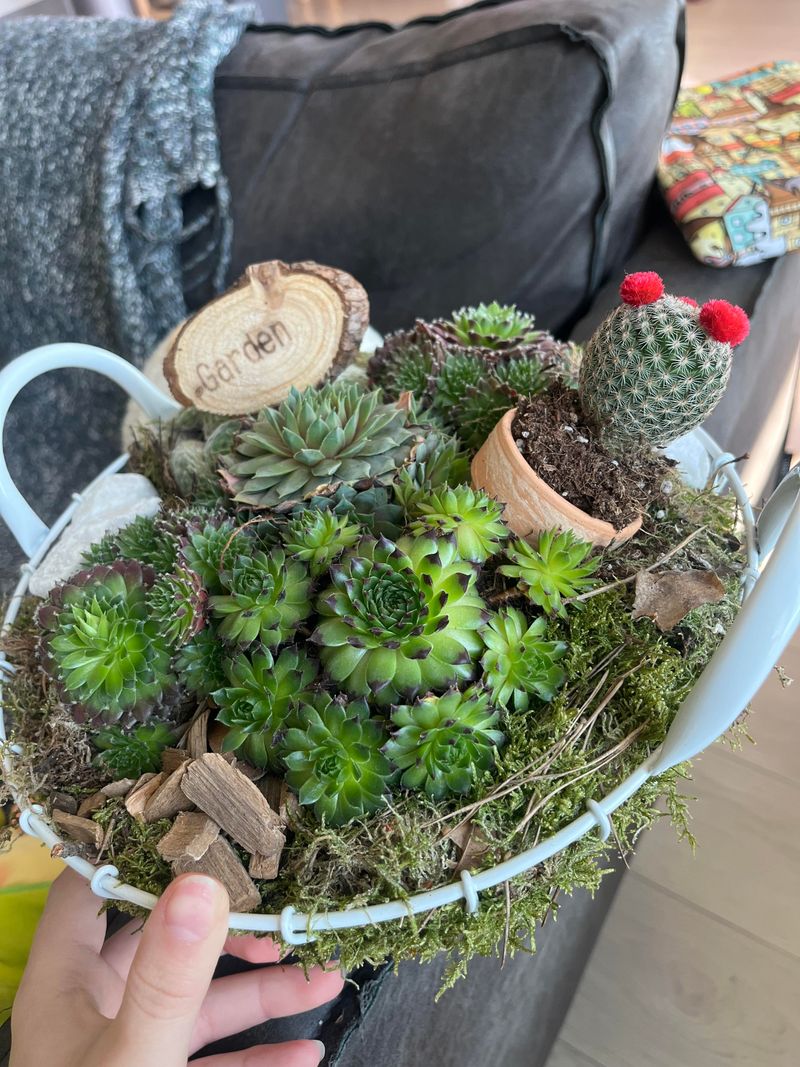
California spans multiple climate zones, from foggy coastal regions to scorching deserts, and each zone demands different watering approaches for succulents. Gardeners in San Diego experience mild temperatures year-round with occasional marine layer fog, while those in Fresno face extreme summer heat and cold winter nights.
These dramatic differences mean there’s no one-size-fits-all watering schedule.
Coastal California residents deal with higher humidity and cooler temperatures, which slow soil drying considerably. Succulents in these areas might need water half as often as those in inland valleys.
Desert regions like Palm Springs require more frequent watering during brutal summer months when temperatures soar above 100 degrees regularly.
Mountain communities in California experience cold winters where succulents might need protection and almost no water for months. Central Valley gardeners navigate intense heat and low humidity that dries soil rapidly.
Understanding your specific zone helps you set realistic expectations for your watering routine.
Local California succulent groups and nurseries provide invaluable advice tailored to your exact area. Observing how your neighbors care for their succulents offers practical insights.
Your plants will also teach you through their appearance and growth patterns what works best in your unique California microclimate, making you a more skilled and confident gardener over time.