How To Winter-Sow Flower Seeds Successfully In Virginia
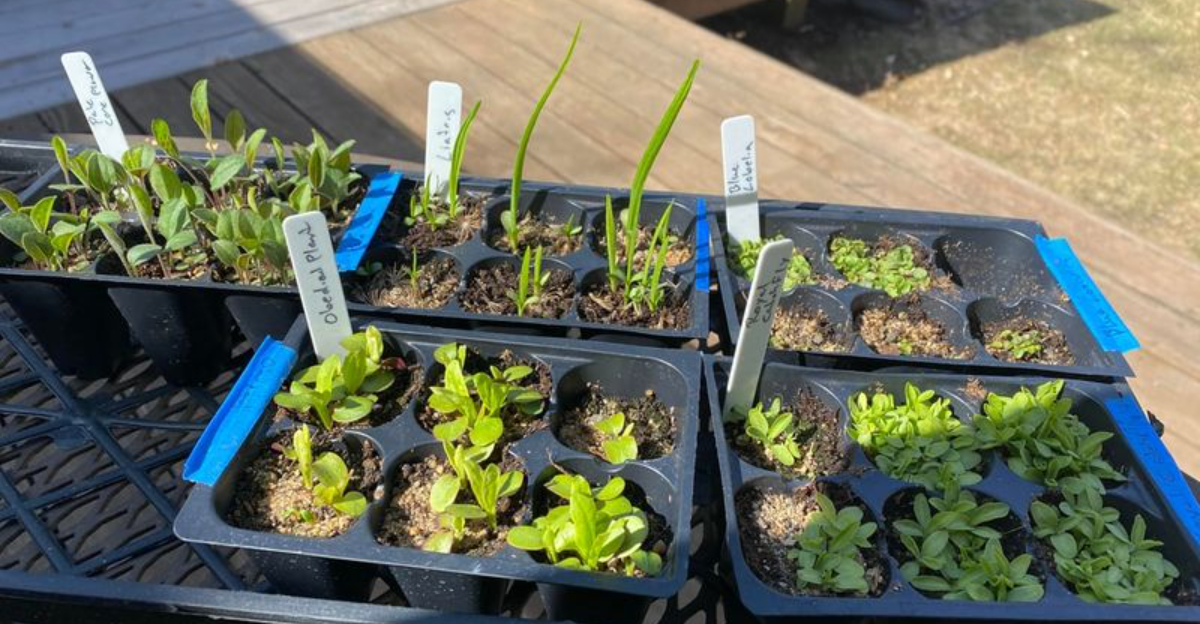
Winter-sowing is a gardening technique that lets you start flower seeds outdoors during the cold months, using nature’s own cycles to help them grow strong and healthy.
Instead of waiting until spring or fussing with indoor seed trays under grow lights, you can plant seeds in simple containers and let winter’s freeze-thaw cycles do the work for you.
Virginia’s climate offers ideal conditions for this method, with its moderate winters and gradual warming in early spring.
Gardeners across the state have discovered that winter-sowing produces hardy seedlings that can handle temperature swings better than plants started indoors.
This approach saves time, money, and space while giving you a head start on a colorful garden.
Whether you’re growing wildflowers, perennials, or annuals, winter-sowing can transform your Virginia landscape with minimal effort and maximum results.
Choose Cold-Hardy Flower Varieties That Thrive In Virginia’s Climate
Not every flower seed is suited for winter-sowing, so selecting the right varieties makes all the difference in your Virginia garden.
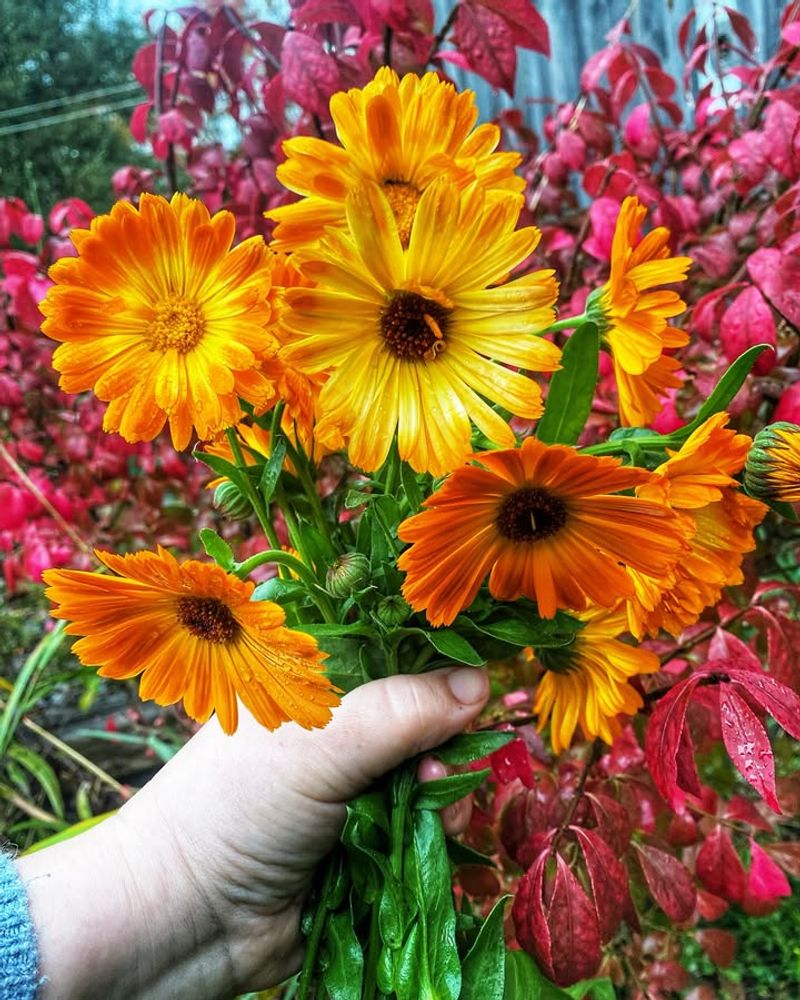
Cold-hardy annuals like calendula, larkspur, and bachelor’s buttons handle freezing temperatures beautifully and germinate when conditions warm up naturally.
Perennials such as coneflowers, black-eyed Susans, and columbine are native to regions with cold winters and actually need that chill period to sprout properly.
Virginia gardeners should focus on seeds that require stratification, which means they need exposure to cold and moisture before they’ll germinate.
Many wildflowers and native species fall into this category, making them perfect candidates for winter-sowing in containers.
Check seed packets for phrases like “direct sow in fall” or “cold stratification required” as clues that they’ll work well with this method.
Local garden centers in Virginia often carry regionally appropriate varieties that have proven successful in the state’s specific climate zones.
Choosing adapted plants means stronger seedlings, better germination rates, and flowers that can handle Virginia’s sometimes unpredictable spring weather.
Research which flowers naturally reseed themselves in your area, as these are usually excellent choices for winter-sowing success.
Starting with the right seeds sets you up for a thriving, colorful garden that requires less maintenance and produces better results.
Use Clear Recycled Containers With Drainage Holes For Mini Greenhouses
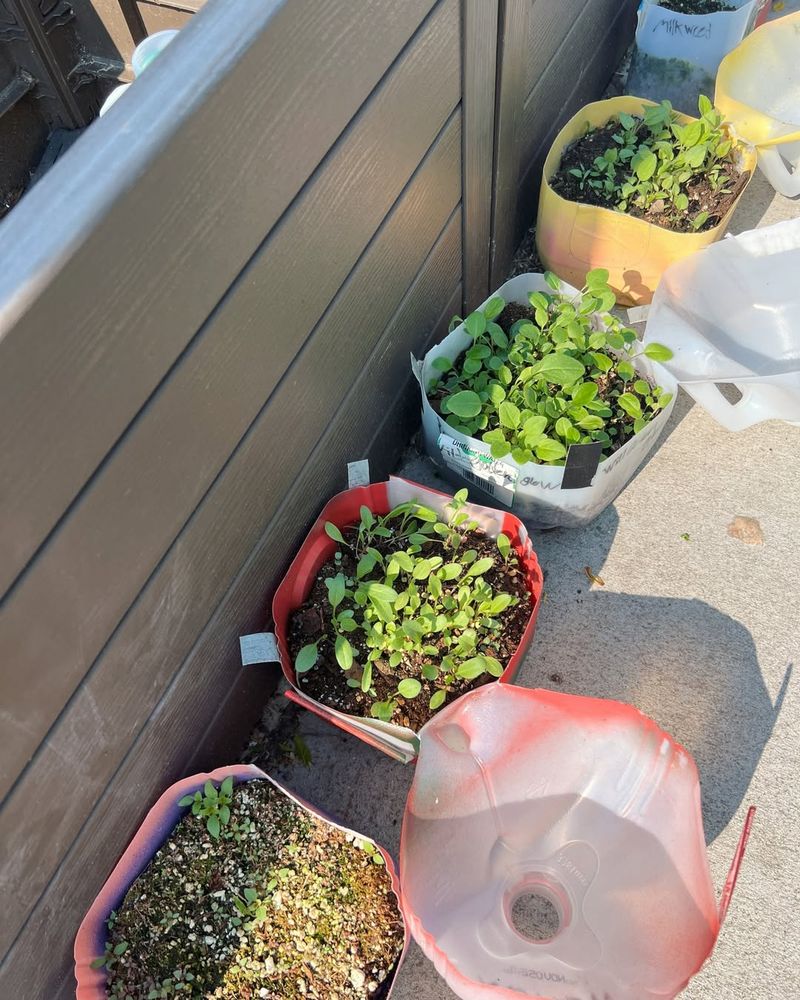
Recycled containers work wonderfully as mini greenhouses for winter-sowing, and you probably have several suitable options already at home.
Milk jugs, juice bottles, and clear plastic takeout containers create perfect environments because they allow sunlight in while protecting seeds from harsh weather.
Cut drainage holes in the bottom of each container to prevent water from pooling, which could cause seeds to rot rather than germinate.
Virginia’s winter rains can be heavy, so good drainage ensures your seeds stay moist without becoming waterlogged.
Transparent or translucent materials are essential because seeds need light exposure to warm up during sunny winter days.
The containers act like tiny greenhouses, trapping warmth during the day and providing some insulation during cold nights.
Make sure your containers are at least three to four inches deep to give roots enough room to develop before transplanting.
Milk jugs work especially well because you can cut them horizontally, leaving a hinge, then tape them back together after planting.
This design makes it easy to check on your seeds and water them if needed during Virginia’s drier winter periods.
Clean containers thoroughly before use to remove any residue that might harm delicate seedlings.
Using recycled materials not only saves money but also reduces waste while giving you sturdy, effective vessels for your winter-sowing project.
Plant Seeds During January Through February For Best Virginia Results
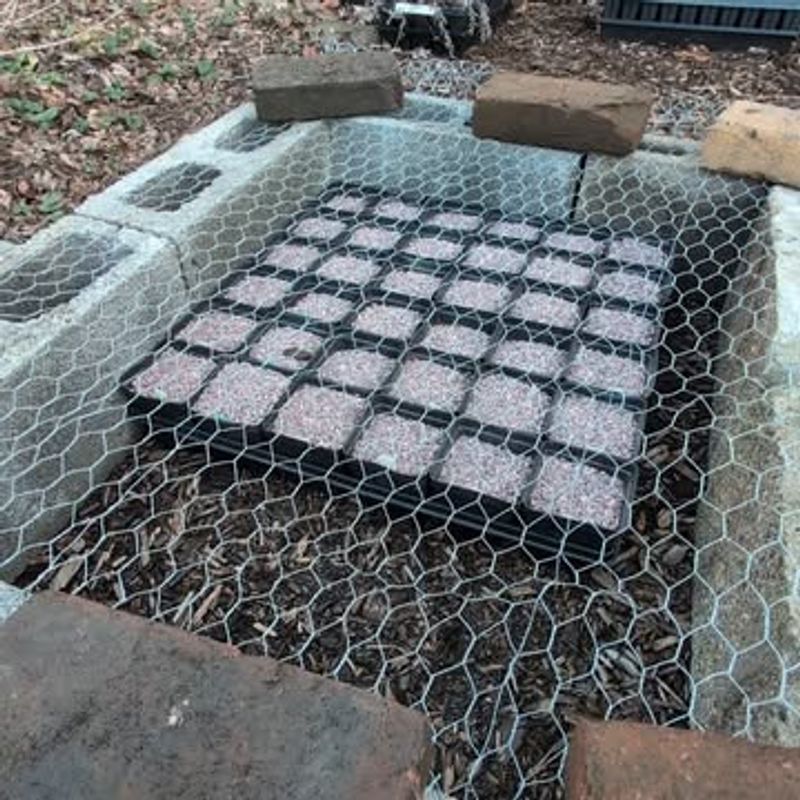
Timing matters significantly when winter-sowing in Virginia, and the sweet spot typically falls between January and February.
These months provide the cold stratification period that many flower seeds require while still giving them time to germinate before spring arrives.
Virginia’s winter temperatures during this window fluctuate enough to trigger the natural processes seeds need to break dormancy.
Planting too early in December might expose seeds to the harshest cold snaps, while waiting until March could mean missing the beneficial freeze-thaw cycles.
Most Virginia gardeners find that mid-January offers ideal conditions, especially in the central and northern parts of the state.
Southern Virginia gardeners might start slightly earlier, while mountain regions could wait until late January or early February.
Seeds planted during this timeframe will experience weeks of cold exposure, which mimics what would happen naturally if they fell to the ground in autumn.
As temperatures gradually warm in March and April across Virginia, your seeds will sense the change and begin sprouting.
This natural timing produces seedlings that are perfectly synchronized with your local growing season.
Keep track of your planting dates in a garden journal so you can refine your timing based on results each year.
Experimenting within this January-February window helps you discover the perfect moment for your specific Virginia location and the flower varieties you choose.
Label Each Container Clearly With Seed Type And Planting Date
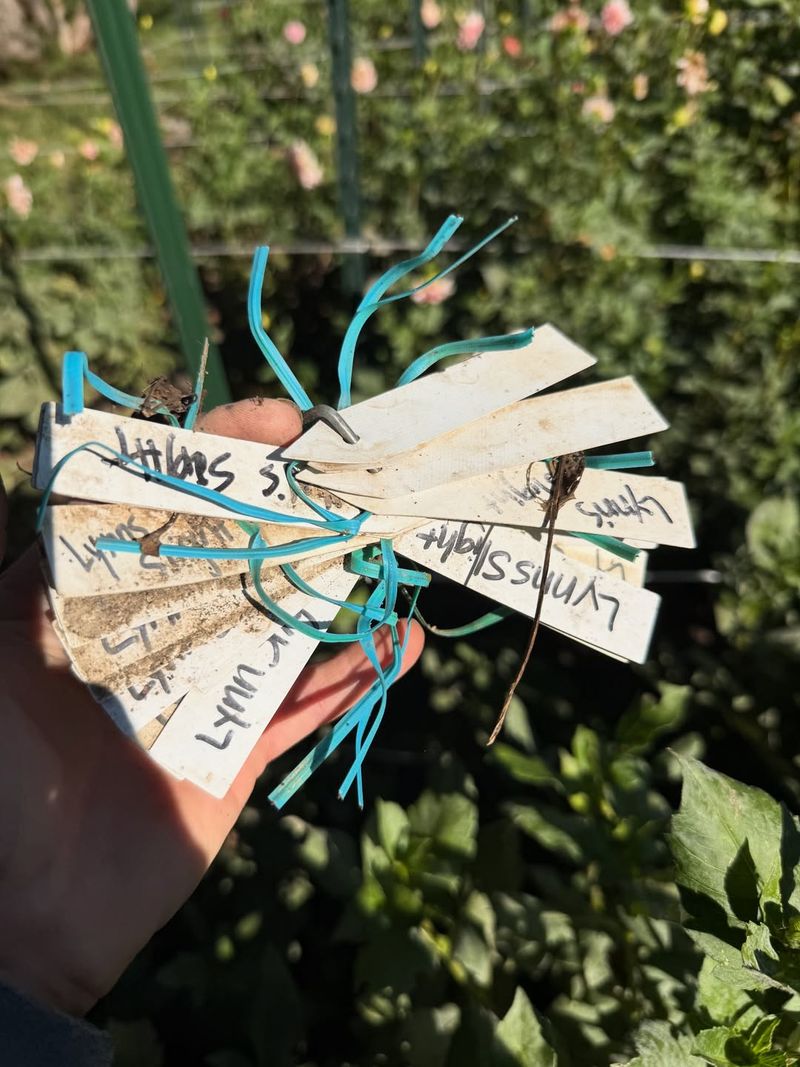
Once you’ve planted multiple containers, they can all start looking alike, making clear labeling absolutely essential for keeping track of what you’ve sown.
Use permanent markers or waterproof labels that can withstand Virginia’s winter weather, including rain, snow, and temperature fluctuations.
Write the flower variety name, planting date, and any other relevant information like seed source or special instructions directly on each container.
Masking tape and regular ink will deteriorate quickly in outdoor conditions, leaving you guessing what’s inside each container come spring.
Garden centers sell specialized plant labels, but you can also make effective ones from cut-up plastic containers or wooden craft sticks treated with waterproof sealant.
Including the planting date helps you track how long germination takes for different varieties in Virginia’s specific climate.
This information becomes valuable reference material for future winter-sowing projects, helping you improve your technique year after year.
Label containers before filling them with soil, as it’s much easier to write on clean, dry surfaces.
Place labels where they’re visible from above so you can identify plants without moving containers around unnecessarily.
Some Virginia gardeners create a simple map or chart showing where each container sits in their outdoor setup as an additional backup system.
Clear labeling prevents the frustration of mystery seedlings and ensures you can provide proper care as different varieties germinate at different rates.
Fill Containers With Quality Seed-Starting Mix Rather Than Garden Soil
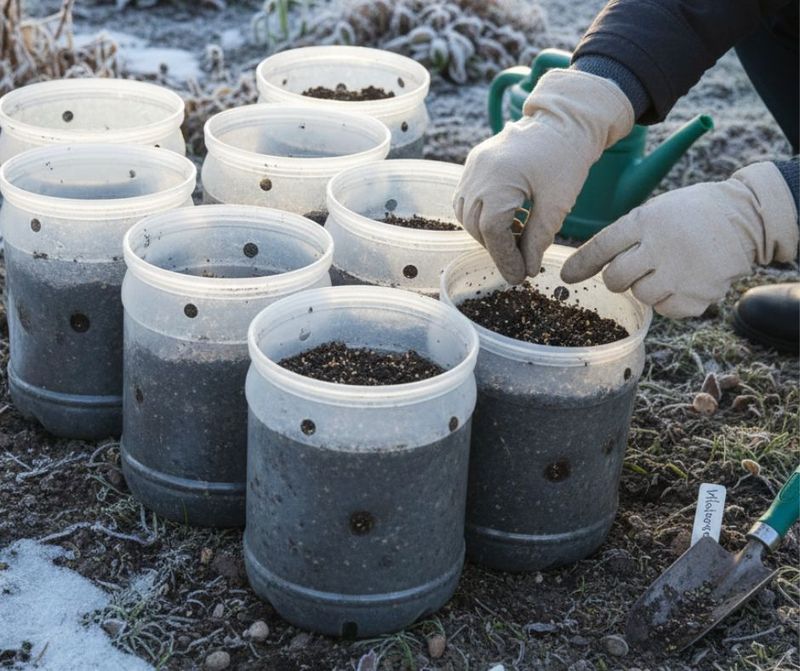
Garden soil might seem like the obvious choice, but seed-starting mix actually provides much better results for winter-sowing in Virginia.
Regular garden soil tends to compact heavily when wet, which prevents proper drainage and can suffocate delicate seeds.
Seed-starting mixes are specially formulated to stay light and fluffy, allowing water to drain while retaining just enough moisture for germination.
These mixes typically contain peat moss or coconut coir, perlite, and vermiculite, creating an ideal texture for tiny roots to penetrate easily.
Virginia’s clay-heavy soils in many regions are particularly problematic for seed starting because they hold too much water and lack proper aeration.
Seed-starting mix is also sterile, meaning it doesn’t contain weed seeds, diseases, or pests that might compete with or harm your flower seedlings.
Fill your containers to within an inch of the top, moistening the mix thoroughly before planting seeds.
Pre-moistening helps ensure even water distribution and prevents seeds from washing away when you water after planting.
Quality seed-starting mix costs more than garden soil, but the improved germination rates and healthier seedlings make it worth the investment.
You can find appropriate mixes at any Virginia garden center, or order them online if you’re planting large quantities.
Using the right growing medium from the start gives your winter-sown flowers the best possible foundation for strong, vigorous growth.
Water Seeds Gently After Planting Then Rely On Natural Precipitation
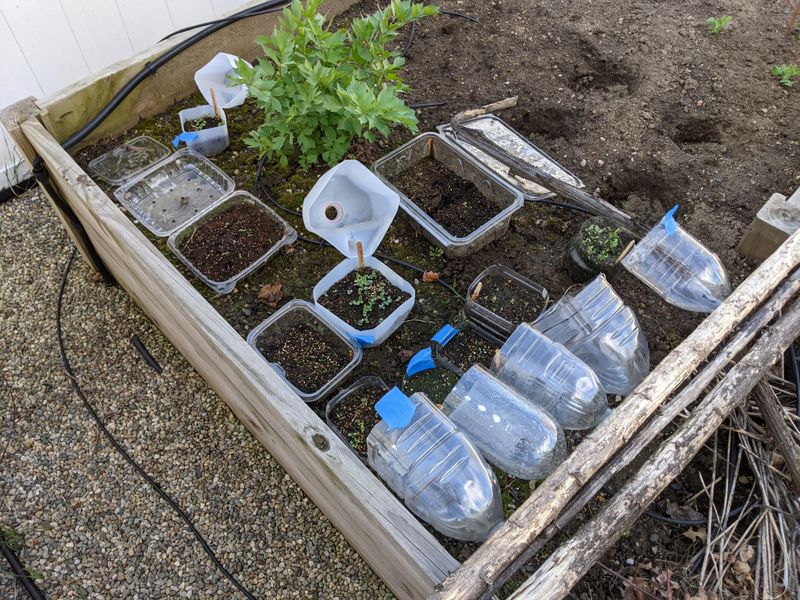
After planting your seeds, give them a gentle initial watering to settle the soil and ensure good seed-to-soil contact.
Use a spray bottle or watering can with a fine rose attachment to avoid washing tiny seeds to one side of the container or burying them too deeply.
This initial watering is crucial because it activates the seed and begins the germination process even in cold Virginia temperatures.
Once you’ve watered and sealed your containers, nature usually takes over the watering duties through rain and snow.
Virginia typically receives adequate winter precipitation, so you won’t need to water again unless you experience an unusually dry period.
Check containers every week or two, and if the soil looks dry more than an inch below the surface, add a little water.
Snow is particularly beneficial because it melts slowly, providing consistent moisture without overwhelming the seeds.
Overwatering causes more problems than underwatering during winter-sowing, as soggy conditions promote rot and fungal issues.
The containers’ drainage holes should release excess water, but make sure they’re not sitting in puddles after heavy Virginia rainstorms.
Tilt containers slightly or place them on raised surfaces to ensure water drains away completely.
As temperatures warm in spring and seedlings emerge, you might need to supplement with occasional watering during dry spells.
Trusting natural precipitation is one of the beautiful simplicities of winter-sowing that makes it so much easier than indoor seed starting.
Place Containers In Outdoor Locations With Good Sunlight Exposure
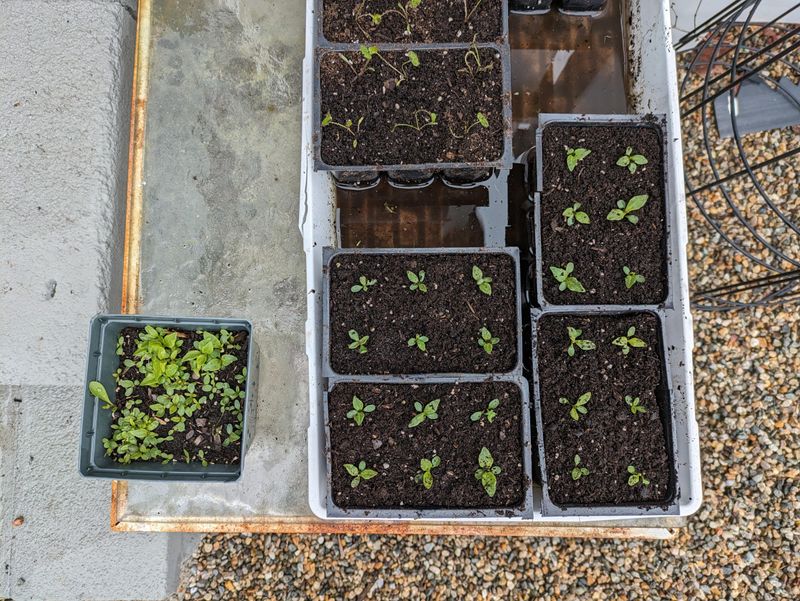
Location matters tremendously for winter-sowing success, and finding a spot with good sunlight exposure gives your seeds the best chance to thrive.
Choose an area that receives at least four to six hours of direct sunlight daily, preferably with southern or southeastern exposure.
Virginia’s winter sun is less intense than summer rays, but it still provides enough warmth to create beneficial temperature fluctuations inside your containers.
These daily warming cycles help break seed dormancy and eventually trigger germination when conditions become right in early spring.
Avoid placing containers in deep shade or on the north side of buildings where they’ll receive minimal sunlight throughout winter.
A sunny deck, patio, or spot along a south-facing fence works perfectly for most Virginia homes.
Make sure containers sit on surfaces that allow drainage, such as wire racks, wooden pallets, or gravel rather than directly on solid concrete.
Elevating containers slightly also improves air circulation and prevents them from sitting in standing water after Virginia’s winter rains.
Wind protection is helpful but not essential; some air movement actually strengthens seedlings and prevents fungal problems.
Check that your chosen location remains accessible throughout winter so you can monitor containers even after snowfall.
Virginia weather can be unpredictable, but containers in sunny, well-drained spots handle temperature swings better than those in marginal locations.
Proper placement sets up ideal microclimates within your mini greenhouses that promote healthy germination.
Ventilate Containers Gradually As Spring Temperatures Warm In Virginia
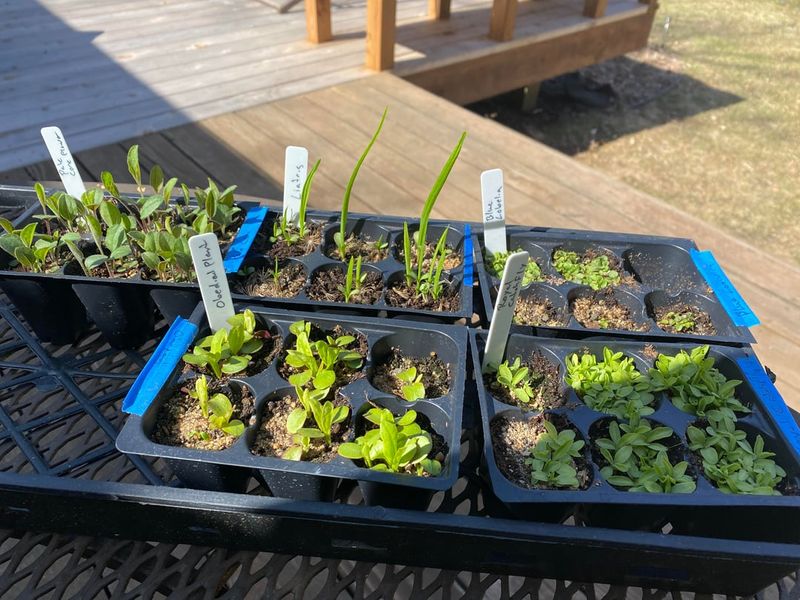
As Virginia transitions from winter to spring, your containers need gradual ventilation to acclimate seedlings to outdoor conditions.
Start opening containers slightly when daytime temperatures consistently reach the 40s and 50s, typically in March for most of the state.
Begin by propping lids open just an inch or two during the warmest part of the day, then closing them again at night.
This hardening-off process helps seedlings adjust to increased air circulation and temperature variations without experiencing shock.
Over the course of a week or two, gradually increase ventilation time and the amount of opening until containers remain fully open.
Virginia’s spring weather can be fickle, with warm days followed by sudden cold snaps, so monitor forecasts and adjust accordingly.
If temperatures are predicted to drop below freezing, close containers completely to protect tender new growth.
Watch for signs that seedlings need more air, such as excessive condensation on container walls or leggy, weak growth reaching toward light.
Once nighttime temperatures stay consistently above freezing and seedlings have several sets of true leaves, you can remove lids entirely.
Southern Virginia gardeners typically begin this process earlier than those in mountain regions, where spring arrives later.
Proper ventilation prevents common problems like damping off, a fungal disease that thrives in overly humid, stagnant conditions.
Gradual acclimation produces sturdy seedlings ready for transplanting into your Virginia garden beds.
Transplant Seedlings Into Garden Beds After Last Expected Frost Date
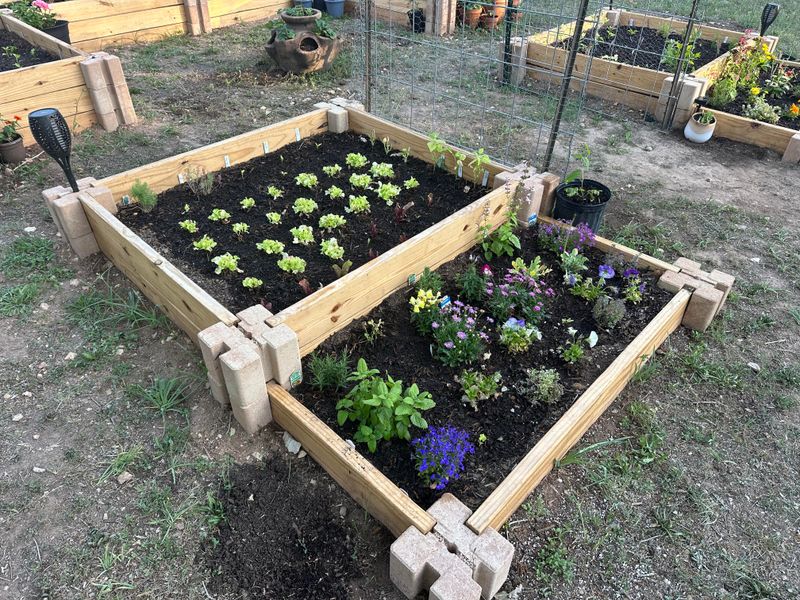
Knowing when to transplant your winter-sown seedlings into Virginia garden beds depends on your specific region’s last expected frost date.
Northern Virginia typically sees last frosts around mid-April, while southern areas might be frost-free by early April and mountain regions wait until late April or early May.
Check with your local Virginia Cooperative Extension office for precise frost date information based on your county.
Wait until seedlings have developed at least two sets of true leaves and are actively growing before considering transplanting.
Choose an overcast day or transplant in the evening to minimize stress on seedlings during their transition to garden beds.
Prepare planting areas by loosening soil and adding compost to give transplants the best possible start in their permanent locations.
Water seedlings thoroughly in their containers an hour before transplanting to ensure roots are hydrated and soil holds together.
Gently remove seedlings from containers, keeping as much soil around roots as possible to avoid disturbing the root system.
Plant at the same depth they were growing in containers, firm soil gently around stems, and water well to eliminate air pockets.
Space plants according to mature size recommendations for each flower variety to prevent overcrowding as they grow.
Virginia’s spring weather can still bring occasional cold nights, so keep row covers handy to protect transplants if unexpected late frosts threaten.
Properly timed transplanting ensures your winter-sown flowers establish quickly and begin blooming earlier than conventionally started plants.
Monitor Containers Throughout Winter For Any Necessary Adjustments
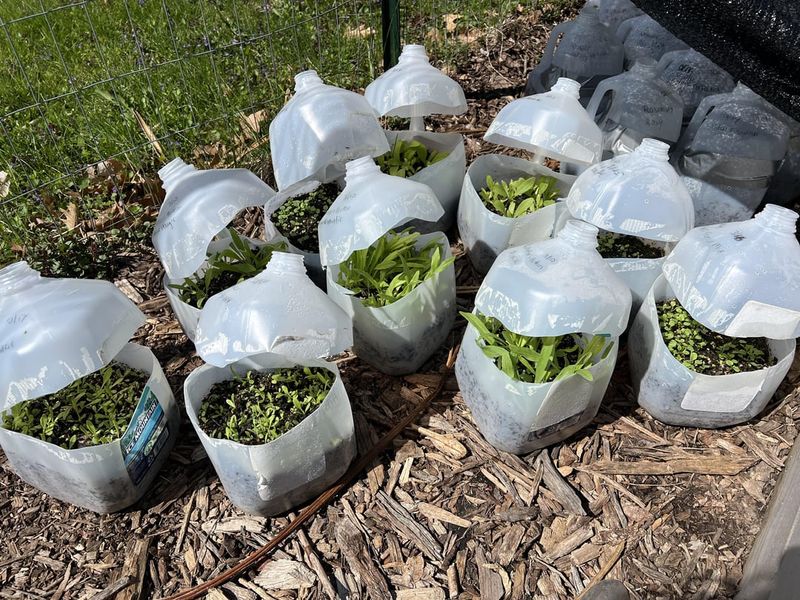
Winter-sowing isn’t a completely hands-off process; periodic monitoring ensures your containers stay in good condition throughout Virginia’s winter months.
Check containers every week or two, looking for issues like blown-over containers, damaged lids, or excessive moisture buildup inside.
Strong winter winds common in Virginia can topple lightweight containers, so reposition them or add small rocks as weights if needed.
Inspect drainage holes to make sure they haven’t become clogged with debris, which could cause water to accumulate and harm seeds.
Heavy snow can bury containers completely, which isn’t necessarily harmful but makes monitoring impossible until it melts.
After major storms, brush excess snow off container tops so sunlight can penetrate once weather clears.
Watch for animal interference, as curious squirrels or birds might try to investigate your containers, potentially disturbing seeds.
If you notice mold or fungus growing on soil surfaces, it usually indicates too much moisture and poor air circulation.
Opening containers briefly on mild days to release excess humidity can help prevent fungal problems in Virginia’s sometimes damp winter climate.
Look for signs of premature germination during warm spells, which occasionally happens with certain varieties during mild Virginia winters.
Early sprouters might need extra protection if cold weather returns, so be prepared to insulate containers temporarily.
Regular monitoring lets you address small problems before they become major setbacks, ensuring your winter-sowing efforts succeed.