How Utah Gardeners Grow The Easiest Low-Water Ground Cover
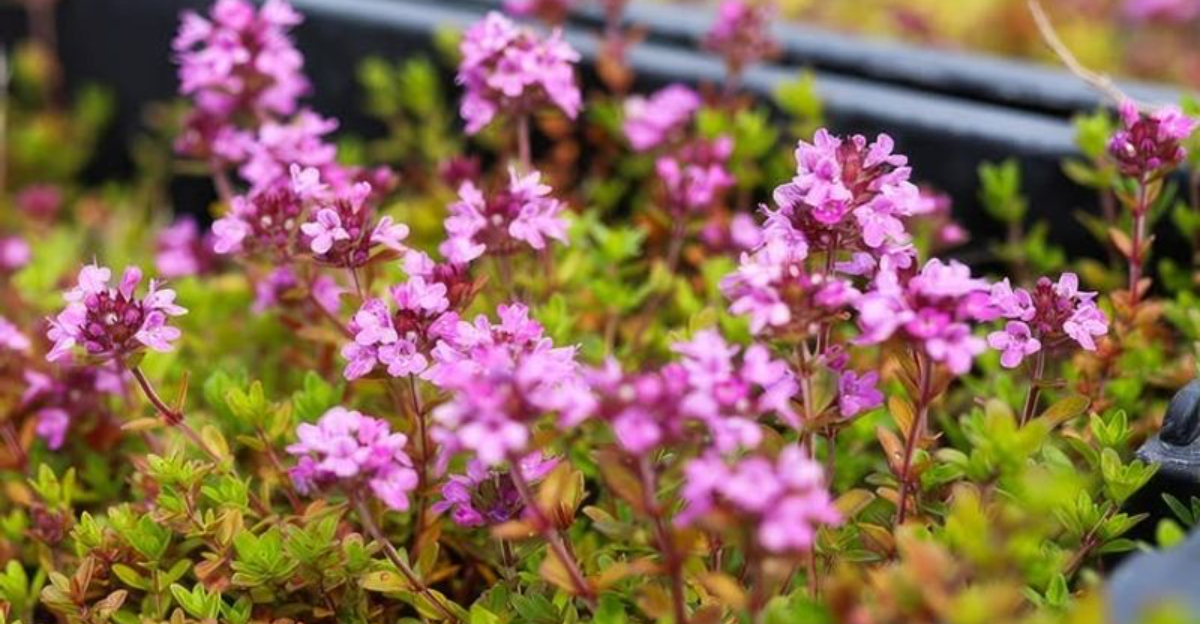
Utah gardens can be tough on plants, with dry soil and hot sun challenging even the hardiest greenery. That’s why red creeping thyme is a game-changer for local gardeners.
Imagine a carpet of vibrant red blooms covering your ground with minimal effort. This low-water ground cover thrives in Utah’s arid climate, spreading quickly to fill bare spots while resisting drought and heat.
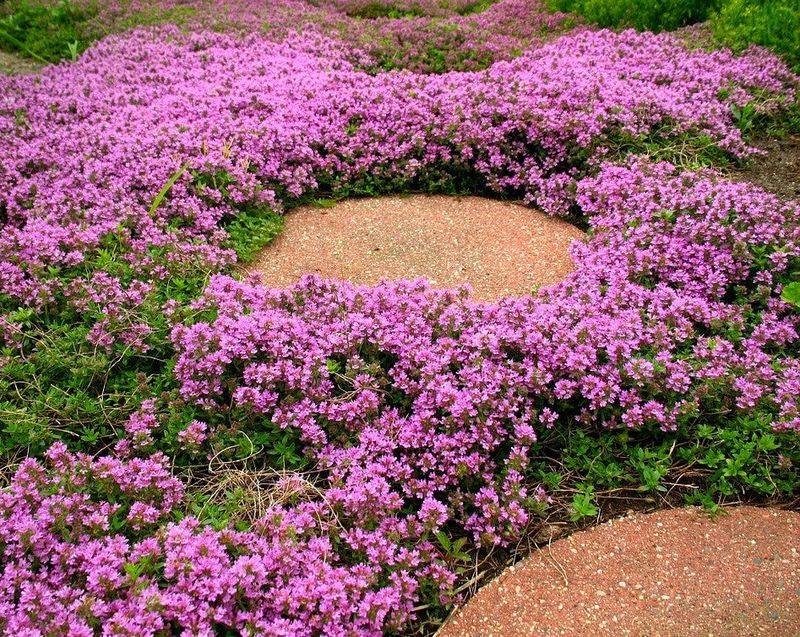
Less watering, more beauty. Beyond its stunning color, red creeping thyme is incredibly versatile, perfect between stepping stones, along pathways, or as a soft, fragrant filler in flower beds.
Its low maintenance makes it ideal for both experienced gardeners and beginners looking to save time and water. Your garden can stay lush and colorful without constant care.
With the right placement and minimal upkeep, Utah gardeners can enjoy red creeping thyme year after year, transforming their outdoor spaces effortlessly.
1. Select A Sunny Location With Excellent Drainage
Finding the perfect spot for red creeping thyme starts with understanding its love for sunshine and well-drained soil.
Utah gardeners know that this Mediterranean herb needs at least six to eight hours of direct sunlight daily to produce its signature carpet of colorful blooms and maintain compact growth.
Shady locations cause the plant to become leggy and sparse, losing the dense mat formation that makes it such an attractive ground cover option.
Drainage matters just as much as sunlight when selecting your planting site. Red creeping thyme absolutely cannot tolerate soggy soil or standing water, which quickly leads to root rot and plant decline.
Utah’s clay-heavy soils present a challenge in many areas, so gardeners often need to amend their planting beds or choose naturally well-drained locations like slopes, raised beds, or rocky areas.
Testing your drainage is simple and takes only a few minutes. Dig a hole about twelve inches deep, fill it with water, and watch how quickly it drains.
If water remains after an hour, you’ll need to improve drainage by adding coarse sand, perlite, or gravel to the soil mix.
South-facing slopes work particularly well throughout Utah because they receive maximum sun exposure and naturally shed excess moisture. Many successful gardeners in Salt Lake City and surrounding communities plant red creeping thyme on berms or slightly elevated areas to ensure water never pools around the roots.
The combination of bright sunshine and fast-draining soil creates ideal conditions that mimic the plant’s native habitat along Mediterranean hillsides, resulting in vigorous growth and abundant flowering throughout the summer months.
2. Prepare Soil With Amendments For Utah’s Alkaline Conditions
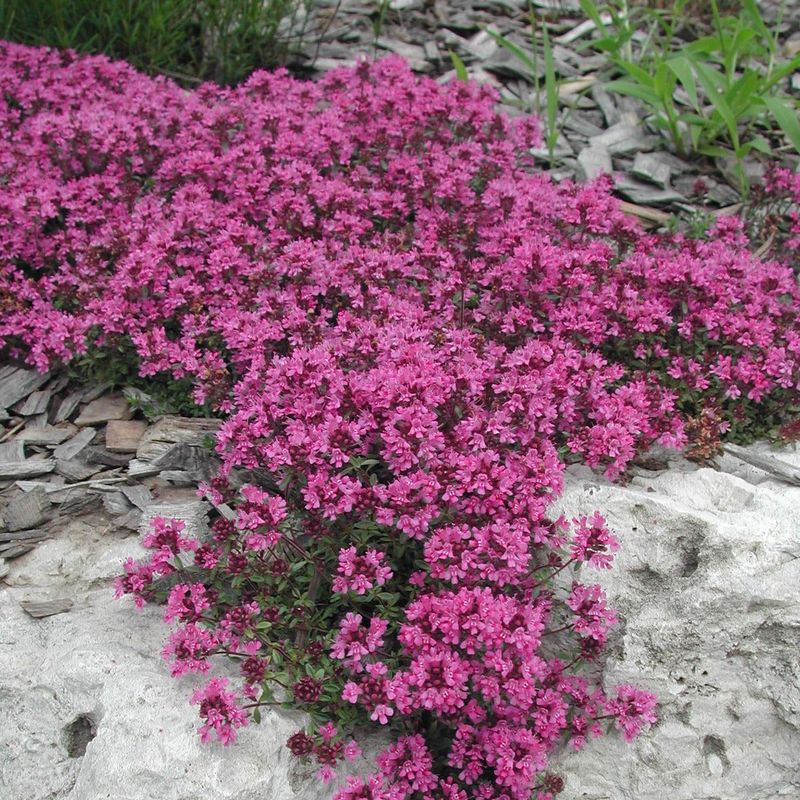
Utah’s naturally alkaline soil poses unique challenges that smart gardeners address before planting red creeping thyme. Most areas across the state have soil pH levels ranging from 7.5 to 8.5, which is higher than the slightly acidic to neutral range this plant prefers.
While red creeping thyme tolerates alkaline conditions better than many herbs, preparing the soil properly gives your plants the best possible start.
Adding organic matter improves soil structure without dramatically changing pH levels. Compost worked into the top six inches of soil enhances drainage in heavy clay areas while also providing nutrients that support healthy root development.
Utah gardeners often mix in coarse sand or fine gravel at a ratio of one part amendment to two parts native soil to create the fast-draining environment thyme requires.
Avoid adding materials that increase soil acidity too much, as extreme pH swings can stress plants adapted to alkaline conditions. A light application of sulfur or acidic compost can help if your soil tests above 8.0, but most Utah locations work fine with just drainage improvements.
Testing your soil before planting provides valuable information about what amendments you actually need rather than guessing.
Many gardeners in Provo and Ogden have found success creating custom planting mixes for their thyme beds.
Combining equal parts native soil, compost, and builder’s sand creates an ideal growing medium that drains quickly while still retaining enough moisture to support establishment.
This preparation step takes extra effort initially but pays off with healthier plants that spread faster and require less maintenance over time in Utah’s challenging growing conditions.
3. Plant In Spring Or Early Fall For Best Establishment
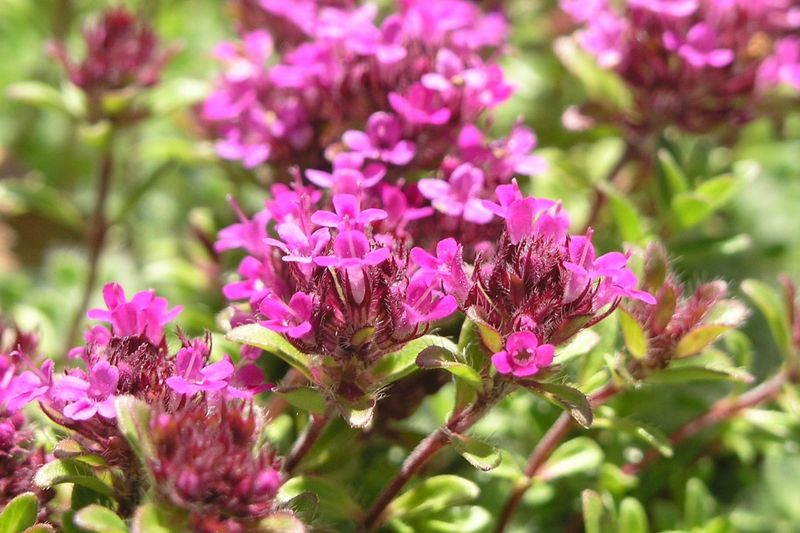
Timing your planting makes a significant difference in how quickly red creeping thyme establishes in Utah gardens. Spring planting after the last frost date gives plants the entire growing season to develop strong root systems before facing winter cold.
Most Utah gardeners can safely plant from late April through May, depending on their specific elevation and local climate patterns.
Early fall represents another excellent planting window that many experienced gardeners prefer. September and early October provide warm soil temperatures that encourage root growth while cooler air temperatures reduce transplant stress.
Plants installed during this period establish roots throughout fall and emerge vigorous and ready to spread quickly the following spring.
Avoid planting during Utah’s hottest summer months from late June through August. Extreme heat stresses young transplants and increases water requirements significantly, making establishment more difficult.
The combination of scorching temperatures and intense sunshine can overwhelm small plants before their roots have anchored properly into the soil.
Winter planting should also be avoided since frozen ground makes digging impossible and plants cannot establish roots in cold soil. Spacing your red creeping thyme plants six to twelve inches apart allows them to fill in and form a solid mat within one to two growing seasons.
Closer spacing creates faster coverage but costs more initially, while wider spacing takes longer to fill in but uses fewer plants.
Gardeners throughout Utah communities from St. George to Logan have learned that proper timing reduces maintenance and increases success rates dramatically.
Plants installed during ideal windows require less supplemental watering, show better growth rates, and develop into healthier specimens that withstand environmental stresses more effectively than poorly timed plantings.
4. Water Deeply But Infrequently Once Roots Establish
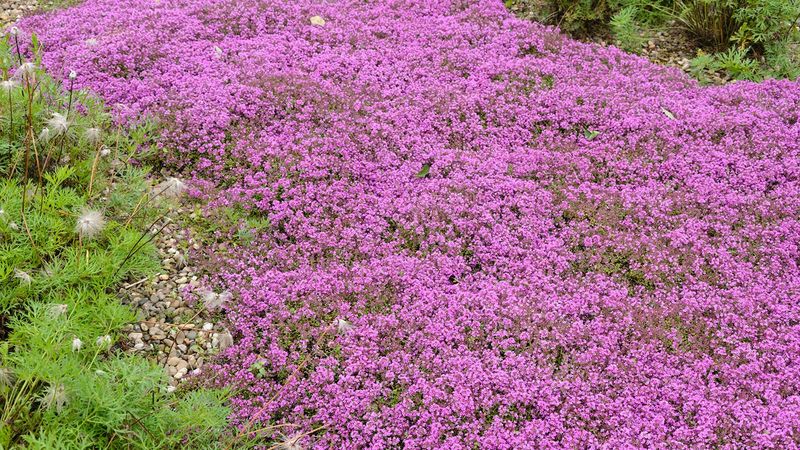
Understanding red creeping thyme’s water needs prevents common mistakes that Utah gardeners sometimes make with this drought-tolerant plant. Newly planted thyme requires regular watering for the first four to six weeks while roots establish into surrounding soil.
During this critical period, water every two to three days, providing enough moisture to keep the root zone consistently damp but never waterlogged.
Once established, red creeping thyme becomes remarkably drought-tolerant and actually prefers drier conditions. Overwatering established plants causes more problems than underwatering, leading to weak growth, reduced flowering, and potential root issues.
Most mature thyme plantings in Utah need supplemental water only once every ten to fourteen days during the hottest part of summer.
Deep watering encourages roots to grow downward rather than staying shallow near the surface. Apply water slowly so it penetrates six to eight inches into the soil rather than running off.
This technique creates drought-resistant plants with extensive root systems that can access moisture from deeper soil layers during dry periods.
Utah’s low humidity and intense sunshine increase evaporation rates, so morning watering works best. Wet foliage dries quickly in morning sun, reducing potential fungal issues that can develop when plants stay damp overnight.
Many successful gardeners in Park City and surrounding mountain communities reduce watering frequency even further once their thyme has been established for a full year.
Observing your plants provides the best watering guidance. If leaves begin looking dull or slightly wilted, it’s time to water.
Otherwise, let the soil dry out completely between waterings to encourage the tough, resilient growth that makes red creeping thyme such a practical choice for water-wise Utah landscapes.
5. Trim Back After Flowering To Maintain Dense Growth
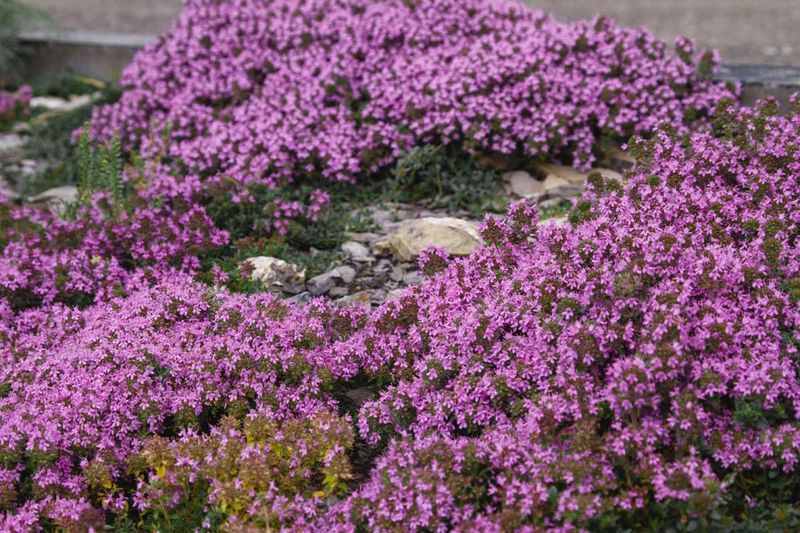
Pruning red creeping thyme keeps plants looking tidy and encourages the thick, compact growth that makes this ground cover so attractive.
After the main flowering period ends in late summer, typically August in most Utah locations, lightly shearing back the plants promotes fresh new growth.
This simple maintenance step takes only minutes but makes a noticeable difference in plant appearance and vigor.
Use sharp garden shears or hedge trimmers to remove the top third of the plant’s height. Cutting back spent flower stems and leggy growth stimulates the plant to produce new shoots from the base, creating a denser mat.
This technique also prevents plants from developing woody centers that can occur when thyme goes unpruned for several years.
Avoid cutting into old woody stems at the plant’s base, as red creeping thyme doesn’t regenerate well from hardwood. Focus your pruning on the green, flexible growth from the current season.
Light trimming works better than severe cutting, which can stress plants and create bare patches that take time to fill back in.
Some Utah gardeners prefer to use their lawn mower set at the highest cutting height to trim large thyme plantings quickly.
This method works well for expansive ground cover areas where hand pruning would be too time-consuming. The mower approach creates an even, uniform appearance across the entire planting.
Early spring offers another opportunity for light grooming before new growth begins. Remove any dry or damaged sections that winter cold may have affected.
Utah’s variable winter temperatures sometimes cause scattered browning, especially in northern regions like Logan, but healthy plants quickly recover and fill in gaps once warm weather returns and encourages active growth throughout the season.
6. Divide And Transplant Sections To Expand Coverage
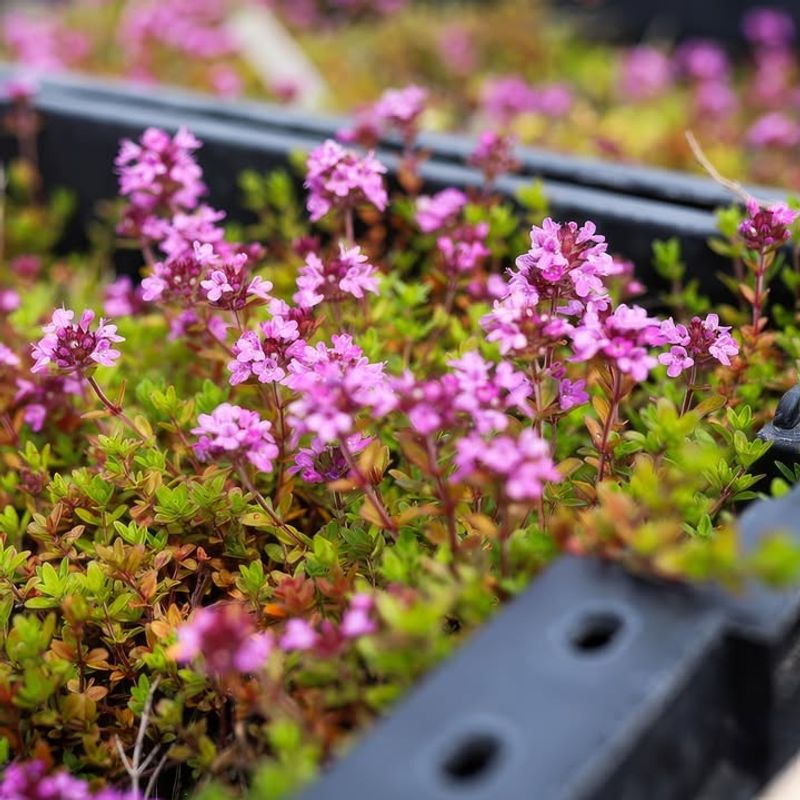
Expanding your red creeping thyme ground cover costs nothing when you divide existing plants to create new sections. This propagation method works beautifully in Utah gardens and allows you to gradually increase coverage without purchasing additional plants.
Spring and early fall provide the best timing for division, giving new sections time to establish before extreme weather arrives.
Start by selecting healthy, vigorous sections from the edges of your established thyme planting. Use a sharp spade or trowel to cut through the root mass, creating pieces roughly four to six inches across.
Each division should include both roots and top growth to ensure it can survive and thrive in its new location.
Prepare the new planting area using the same soil amendments and drainage considerations you used for the original planting. Dig holes slightly larger than your divisions, place them at the same depth they were growing previously, and firm soil gently around the roots.
Water thoroughly after planting to eliminate air pockets and help roots make contact with surrounding soil.
Divisions establish more quickly than seeds and grow faster than small nursery starts in most cases. Within one growing season, your transplanted sections will begin spreading and filling in their new areas.
This method allows Utah gardeners to gradually expand thyme plantings across pathways, around stepping stones, or into new garden beds without significant expense.
Many gardeners in Utah County and Davis County have transformed entire lawn areas into thyme ground cover over several years using this division technique.
The process requires patience but results in extensive, low-maintenance plantings that dramatically reduce water use while creating beautiful, fragrant landscapes that stay green throughout the growing season and require minimal care compared to traditional grass lawns.