How Virginia Gardeners Keep Spring Bulbs Safe From Curious Moles
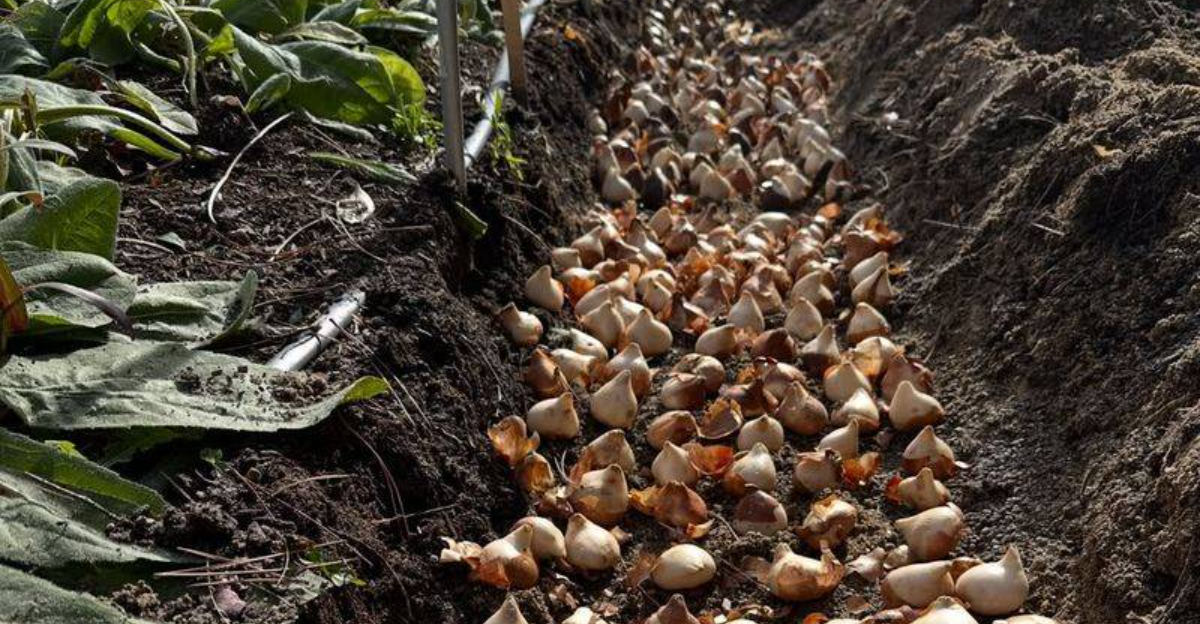
Moles are a common nuisance in Virginia gardens, often disturbing soil around newly planted bulbs.
While moles typically feed on insects rather than bulbs themselves, their tunneling displaces roots and damages flower beds.
Gardeners who understand mole behavior can protect bulbs without resorting to harmful methods.
Timing, planting techniques, and soil management all play important roles in prevention.
Learning how to reduce mole activity helps ensure spring bulbs emerge healthy and undamaged.
A proactive approach allows gardeners to enjoy full blooms while maintaining balanced garden ecosystems.
Plant Bulbs Inside Wire Mesh Cages
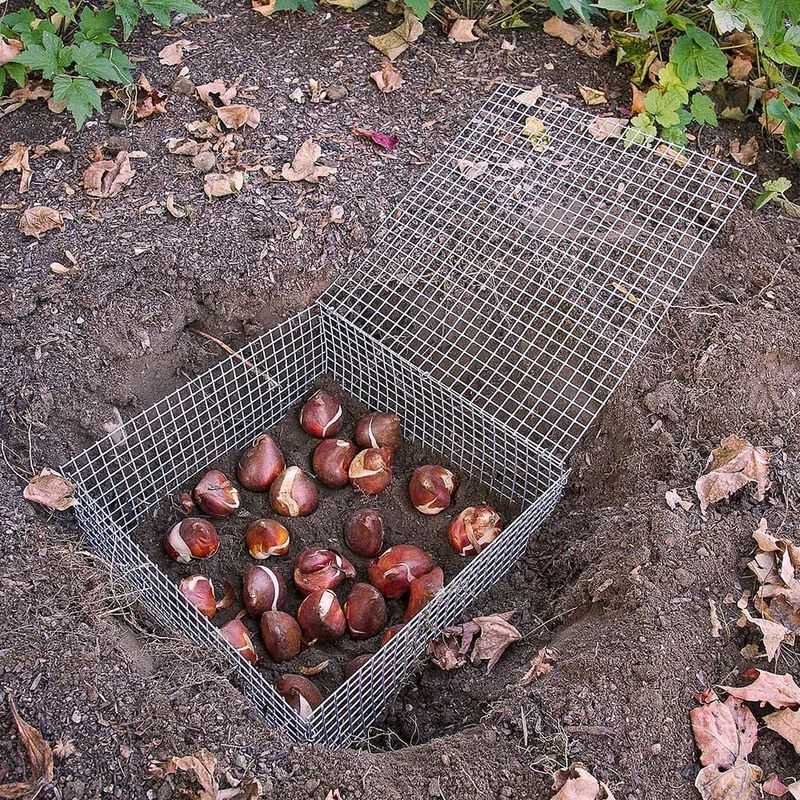
Hardware cloth creates an underground fortress that shields your tulips, daffodils, and crocuses from tunneling moles without preventing roots from spreading naturally.
This galvanized steel mesh features small openings—typically half-inch squares—that allow water and nutrients to pass through while blocking curious diggers from reaching your bulbs.
Virginia gardeners swear by this method because it provides long-lasting protection season after season.
Building these protective cages takes minimal effort and supplies you can find at any hardware store.
Simply cut the hardware cloth into squares or rectangles, fold the edges upward to create box shapes, and nestle your bulbs inside before covering with soil.
Some gardeners prefer basket-style designs with handles made from the same mesh material for easier removal when dividing bulbs years later.
The beauty of this approach lies in its simplicity and effectiveness combined.
Your spring bulbs develop normally, sending roots through the mesh openings while remaining completely inaccessible to moles traveling through surrounding soil.
Many Virginia gardeners report zero bulb disturbance after switching to this caging method, even in areas with heavy mole activity.
The initial investment in materials pays off handsously when your spring garden emerges intact and spectacular each year.
Improve Soil Drainage To Reduce Earthworms

Moles follow their food source, and earthworms represent their primary dietary staple throughout Virginia’s varied landscapes.
When you transform heavy, moisture-retaining clay into well-drained soil, earthworm populations naturally decline because they prefer consistently damp environments.
This shift makes your garden beds far less appealing to hungry moles searching for their next meal.
Amending your soil with coarse sand, perlite, or composted pine bark improves drainage significantly while creating conditions better suited for bulb health anyway.
Spring bulbs actually thrive in well-drained soil since waterlogged conditions can cause rot and fungal problems.
Virginia’s clay-heavy soils benefit tremendously from these amendments, transforming dense earth into friable growing medium that both bulbs and gardeners appreciate.
Installing French drains or creating slight slopes in planting beds further enhances water movement through the soil profile.
Some experienced gardeners incorporate raised mounds within their landscapes specifically for bulb plantings, ensuring excess moisture drains away quickly after spring rains.
As earthworm populations decrease in these drier conditions, moles naturally redirect their tunneling efforts toward moister areas where food sources remain abundant.
Your bulb beds become less trafficked underground highways and more peaceful growing spaces for spectacular spring displays.
Firm Soil After Planting Bulbs
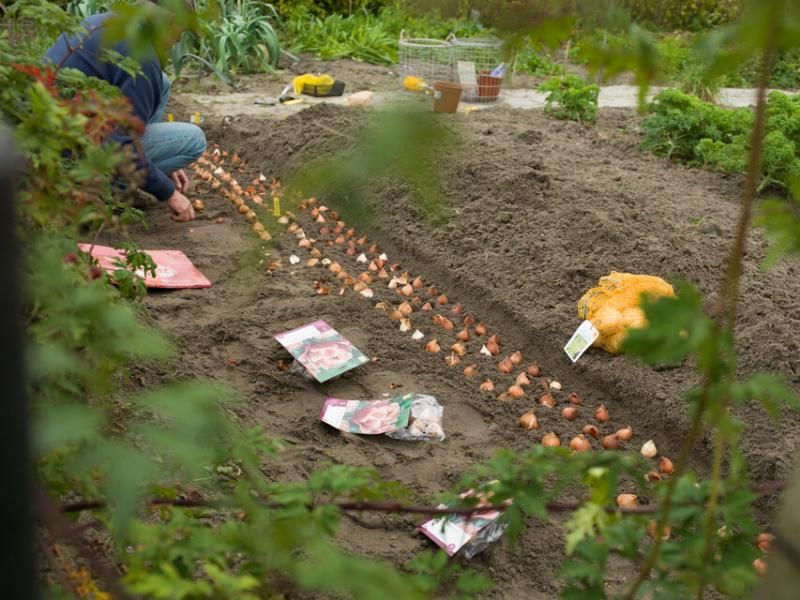
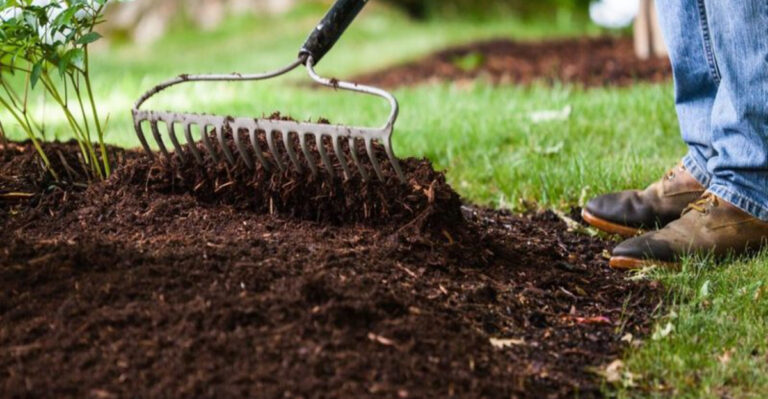
Compacted earth creates an uninviting environment for moles because their tunneling system depends on loose, easily excavated soil.
After placing your tulip, daffodil, or hyacinth bulbs at proper depths, firmly pressing the backfill soil creates resistance that discourages future digging in those specific areas.
This simple technique requires no special equipment—just your hands, feet, or the back of a garden spade.
Virginia gardeners often walk systematically across newly planted bulb beds, applying even pressure that compresses soil particles together without creating harmful compaction that restricts root growth.
The goal involves finding that sweet spot where soil remains firm enough to collapse shallow tunnels yet loose enough for bulb roots to penetrate downward.
Many experienced planters water thoroughly after firming, which further settles soil particles into place.
Moles prefer easy excavation routes where soil yields effortlessly to their powerful front paws and streamlined bodies.
When they encounter firmly packed earth, they typically redirect their tunneling toward areas offering less resistance.
Repeating this firming process each autumn when planting new bulbs establishes consistent protection across your garden beds.
Some gardeners also firm the soil surface periodically throughout late fall and winter, especially after detecting fresh mole activity nearby, reinforcing the message that your bulb areas aren’t worth the excavation effort.
Use Raised Beds With Protected Bottoms

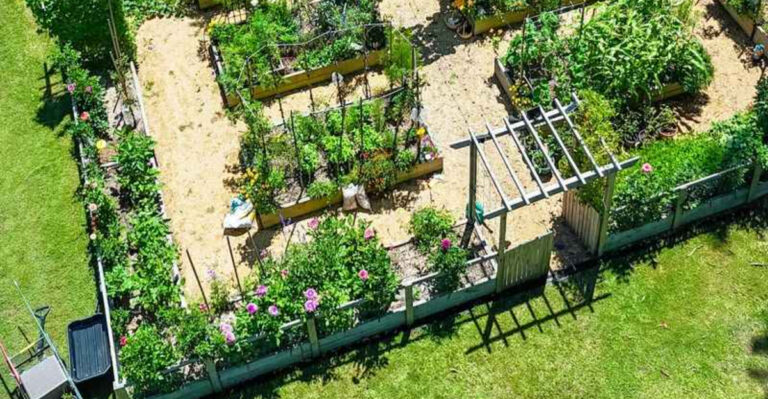
Elevated planting areas with hardware cloth or welded wire bottoms create impenetrable barriers that moles simply cannot breach from below.
This architectural approach to mole prevention works beautifully in Virginia gardens where traditional in-ground planting struggles against persistent tunneling activity.
Constructing these protective structures provides permanent solutions that last for many growing seasons.
Building a mole-proof raised bed starts with attaching quarter-inch or half-inch hardware cloth to the bottom frame before adding soil.
Staple or screw the mesh securely to prevent any gaps where determined diggers might squeeze through.
Many Virginia gardeners build beds between twelve and twenty-four inches tall, providing ample depth for bulb planting while elevating the growing surface above ground-level mole highways.
Filling these protected beds with quality soil mix creates ideal growing conditions for spring bulbs while maintaining complete separation from surrounding earth where moles tunnel freely.
The mesh bottom allows excellent drainage—actually better than many native Virginia soils—while roots easily penetrate through the openings.
Gardeners appreciate how raised beds warm faster in spring, often producing earlier blooms than ground-level plantings.
Adding decorative edging or painting the wooden frames transforms these functional barriers into attractive landscape features that showcase your spring bulb collections without fear of underground disturbance.
Apply Castor Oil Based Repellents

Natural repellents containing castor oil make the soil environment unpleasant for moles without introducing harsh chemicals that might harm your spring bulbs or beneficial garden organisms.
These products work by coating soil particles and earthworms with a substance moles find distasteful, encouraging them to relocate their tunneling activities elsewhere.
Virginia gardeners appreciate this gentle yet effective approach to protecting their bulb investments.
Available in both liquid concentrate and granular formulations, castor oil repellents require regular application throughout fall and early spring for maximum effectiveness.
Most products recommend treating the area every four to six weeks, especially after heavy rainfall that can wash away the protective coating.
Some gardeners create their own mixtures using pure castor oil, dish soap, and water, applying the solution with garden sprayers directly to bulb planting areas.
The beauty of this method lies in its environmental friendliness and compatibility with organic gardening practices.
Castor oil won’t damage your tulips, daffodils, or crocuses as they emerge in spring, and it breaks down naturally in the soil over time.
Many Virginia gardeners report noticeable reductions in mole activity within two to three weeks of consistent application.
Combining this repellent strategy with other physical barriers creates multiple layers of protection that significantly reduce the chances of spring bulb disturbance throughout the growing season.
Remove Garden Debris And Thick Ground Cover

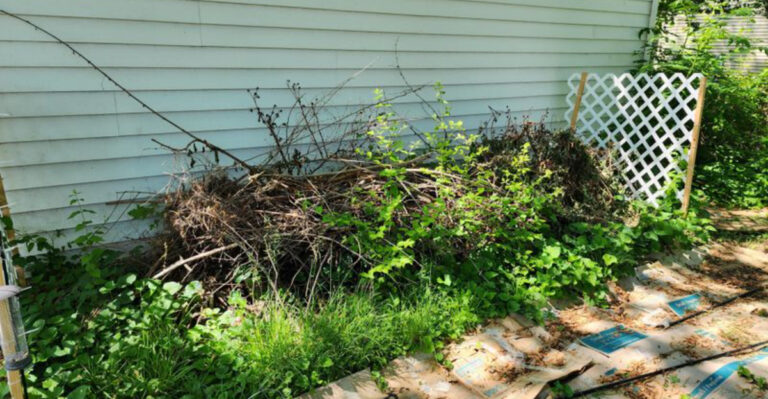
Dense leaf litter, overgrown ground covers, and accumulated garden debris create perfect concealment for mole tunnels and surface runs that crisscross your landscape.
Moles feel more confident traveling through areas where thick vegetation shields their movements from aerial predators like hawks and owls.
Clearing this protective cover makes your garden less attractive to these underground travelers.
Virginia gardeners benefit from regular garden cleanup that removes fallen leaves, trims back spreading ground covers, and eliminates brush piles near bulb planting areas.
This maintenance work serves double duty—improving garden appearance while simultaneously reducing mole habitat.
Many experienced planters maintain a buffer zone of at least three feet around their spring bulb beds, keeping this space relatively clear of dense vegetation that might harbor mole activity.
Exposed soil surfaces allow natural predators better visibility when hunting for moles, creating an environment where these burrowing mammals feel vulnerable and exposed.
Some gardeners replace thick organic mulches with thin layers of decorative gravel or river rock around bulb plantings, materials that don’t provide the same concealment as shredded bark or leaf mold.
This strategy proves especially effective when combined with other protective measures, creating an integrated approach that addresses multiple aspects of mole behavior and habitat preferences simultaneously throughout your Virginia garden landscape.
Install Underground Fencing Around Bulb Beds
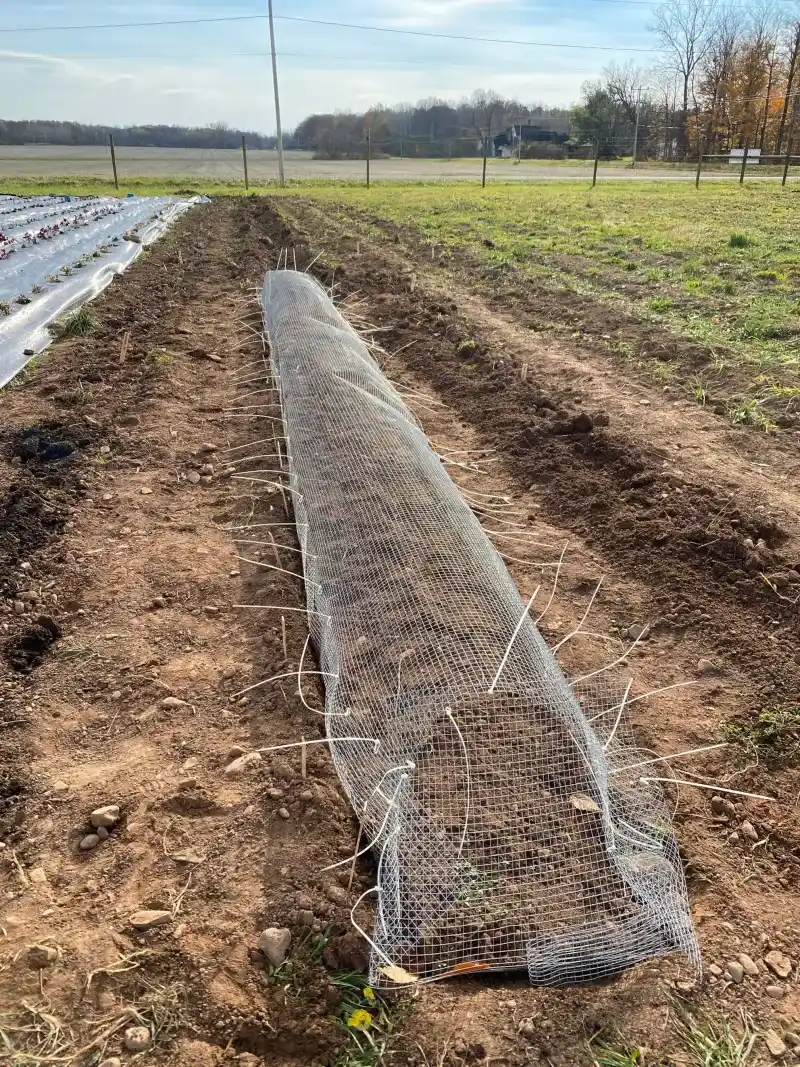
Vertical barriers buried around the perimeter of your bulb planting areas block moles from tunneling horizontally into protected zones from surrounding soil.
This containment strategy works remarkably well in Virginia gardens where mole populations remain high but you want to safeguard specific showcase beds.
Hardware cloth or welded wire mesh sunk two feet deep creates walls moles rarely attempt to bypass.
Installation requires digging a narrow trench around your bulb bed perimeter, standing the mesh vertically with several inches extending above ground, then backfilling to secure the barrier in place.
Many gardeners bend the top few inches outward at a ninety-degree angle, creating an additional deterrent that prevents moles from climbing over the fence.
The underground portion extends deep enough to intercept typical mole tunnel depths, which rarely exceed eighteen inches in Virginia’s soil conditions.
This method proves particularly valuable for protecting established bulb collections or formal garden displays where appearance matters greatly.
Once installed, the fencing provides years of reliable protection with virtually no maintenance required.
Some Virginia gardeners paint or disguise the above-ground portion with decorative edging materials, seamlessly integrating the functional barrier into their landscape design.
The investment in time and materials pays substantial dividends when your prized tulip collection emerges undisturbed each spring, showcasing the spectacular blooms you carefully planned and planted the previous autumn.
Water Less Frequently During Inactive Periods
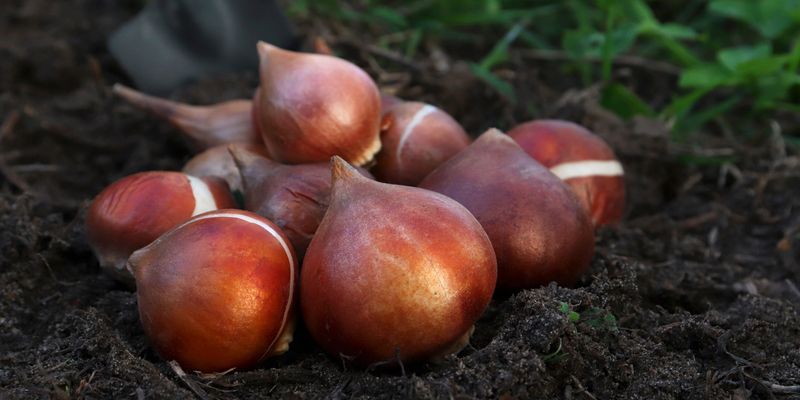
Moisture management plays a surprising role in mole activity since earthworms—their primary food source—concentrate in consistently damp soil areas.
During late fall through early spring when your bulbs remain dormant underground, reducing supplemental irrigation makes the soil environment less hospitable to both earthworms and the moles that hunt them.
This water-conservation strategy benefits your utility bills while discouraging mole traffic through bulb planting zones.
Virginia’s natural precipitation patterns typically provide adequate moisture for dormant bulbs without additional watering during cooler months.
Allowing the soil to dry somewhat between rain events creates conditions earthworms find less favorable, prompting them to migrate toward moister areas of your landscape.
Moles follow these food sources, naturally redirecting their tunneling activities away from your drier bulb beds toward locations where prey remains abundant.
Spring bulbs actually prefer slightly drier conditions during dormancy compared to their active growing season anyway, making this strategy beneficial for plant health beyond mole management.
Excessively wet soil during winter months can promote bulb rot and fungal diseases that compromise spring flowering.
Many experienced Virginia gardeners monitor soil moisture levels with simple finger tests, watering only when the top several inches become quite dry.
This balanced approach maintains adequate hydration for bulb survival while creating less attractive hunting grounds for moles throughout the dormant season.
Compact Soil Along Known Tunnel Paths

Moles invest considerable energy creating their underground tunnel networks, and repeatedly destroying these pathways sends a clear message that your garden isn’t worth the constant reconstruction effort.
When you discover fresh tunnel ridges near your bulb plantings, immediately compact the soil by walking along the raised areas or using a lawn roller.
This persistent response frustrates moles and often convinces them to establish territories elsewhere.
Virginia gardeners who practice this technique consistently report better success than those who ignore mole activity until damage becomes severe.
Checking your bulb beds every few days throughout fall and early spring allows you to catch new tunneling activity quickly.
Some determined gardeners patrol their gardens twice daily during peak mole seasons, collapsing any fresh tunnels before they become established travel routes.
The psychology behind this method involves making your property more trouble than it’s worth from the mole’s perspective.
Each time they rebuild a collapsed tunnel, they expend energy that could be spent hunting for food in easier locations.
After several cycles of tunnel construction and destruction, most moles relocate to neighboring areas where their excavation efforts remain undisturbed.
Combining this active management with other preventive measures creates a comprehensive defense system that protects your spring bulbs while encouraging moles to find more hospitable territories beyond your garden boundaries.
Encourage Natural Predators
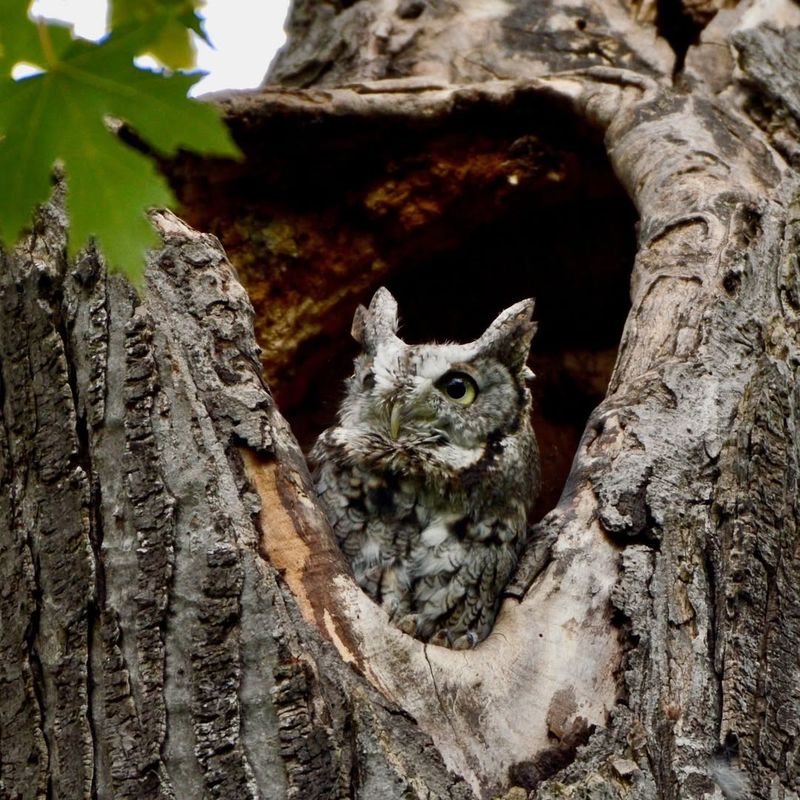
Nature provides its own mole management system through predators that hunt these burrowing mammals as regular dietary staples.
Barred owls, barn owls, red-tailed hawks, and various snake species all consume moles when opportunities arise.
Virginia gardeners who create welcoming habitats for these natural hunters often see mole populations decrease without any direct intervention required.
Installing owl boxes on poles or tall trees near your garden encourages these nocturnal hunters to establish territories that include your property.
Owls hunt primarily during dawn and dusk hours when moles occasionally surface to forage or relocate.
Maintaining brush piles at property edges provides habitat for black rat snakes and other species that actively hunt burrowing mammals.
Keeping some areas of your landscape relatively open allows hawks better visibility for spotting mole activity from aerial vantage points.
This ecological approach requires patience since predator populations build gradually over multiple seasons, but the long-term benefits extend far beyond mole management alone.
Your garden becomes part of a healthy ecosystem where natural checks and balances maintain pest populations at manageable levels.
Many Virginia gardeners find tremendous satisfaction in watching owls patrol their properties at twilight or observing hawks perched in nearby trees.
Creating this wildlife-friendly environment protects your spring bulbs while supporting biodiversity and connecting your garden to the broader natural world in meaningful, sustainable ways.