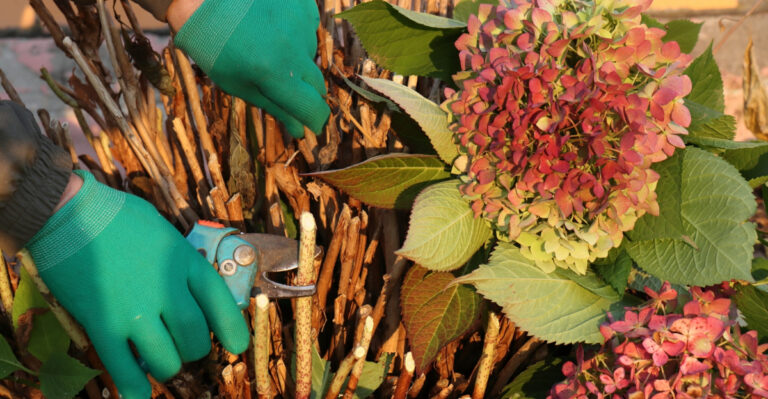
How Virginia Gardeners Overwinter Their Tender Perennials For Spring Success
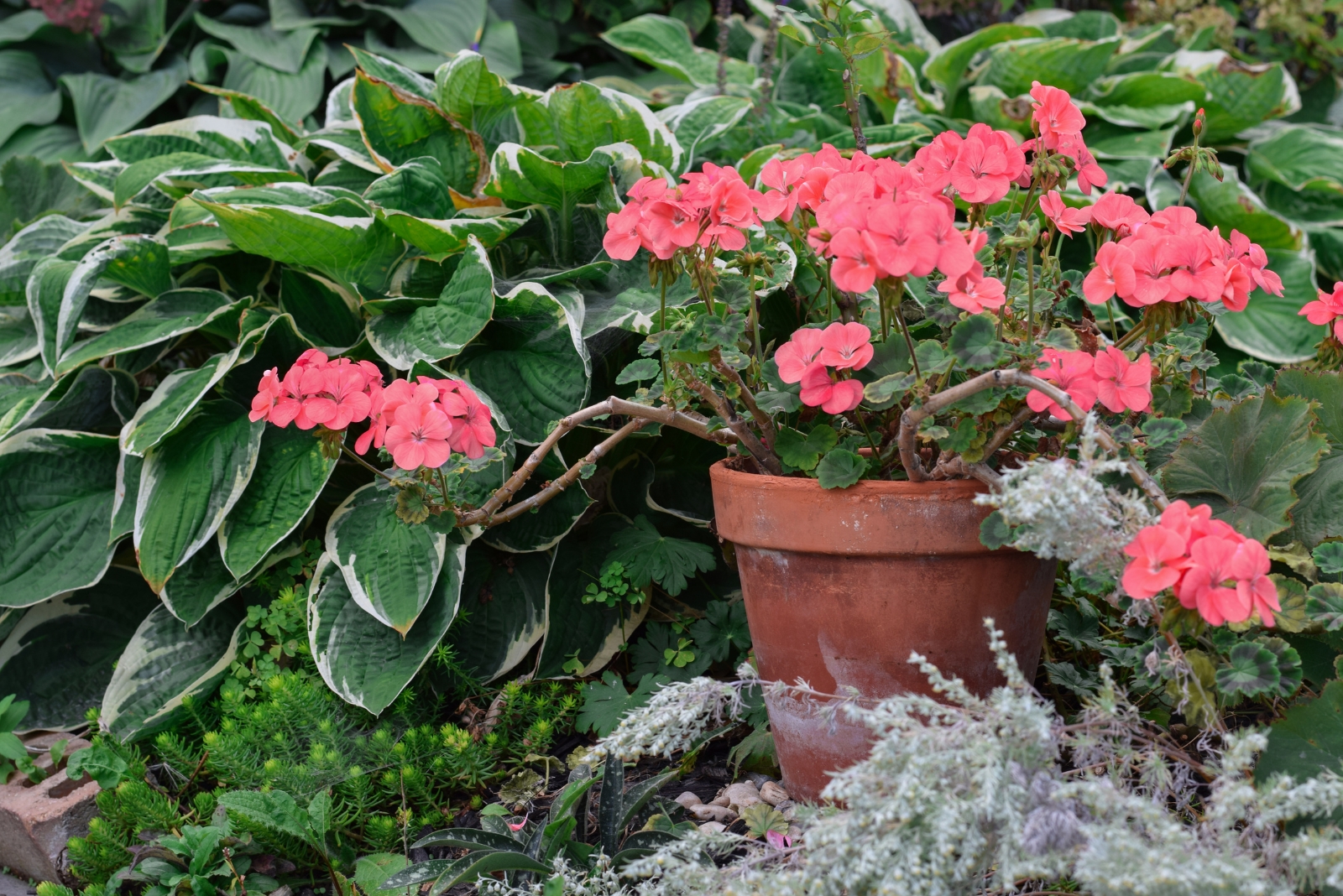
Virginia winters can be tricky for garden lovers who want to keep their favorite tender perennials alive until spring arrives again.
These plants thrive during warm months but struggle when temperatures drop below freezing, often suffering damage or failing to return next season.
Learning proper overwintering techniques helps protect your investment and ensures a vibrant garden filled with returning favorites year after year.
Smart strategies make all the difference between losing cherished plants and enjoying their beauty for seasons to come.
Bring Container Plants Indoors Before First Frost
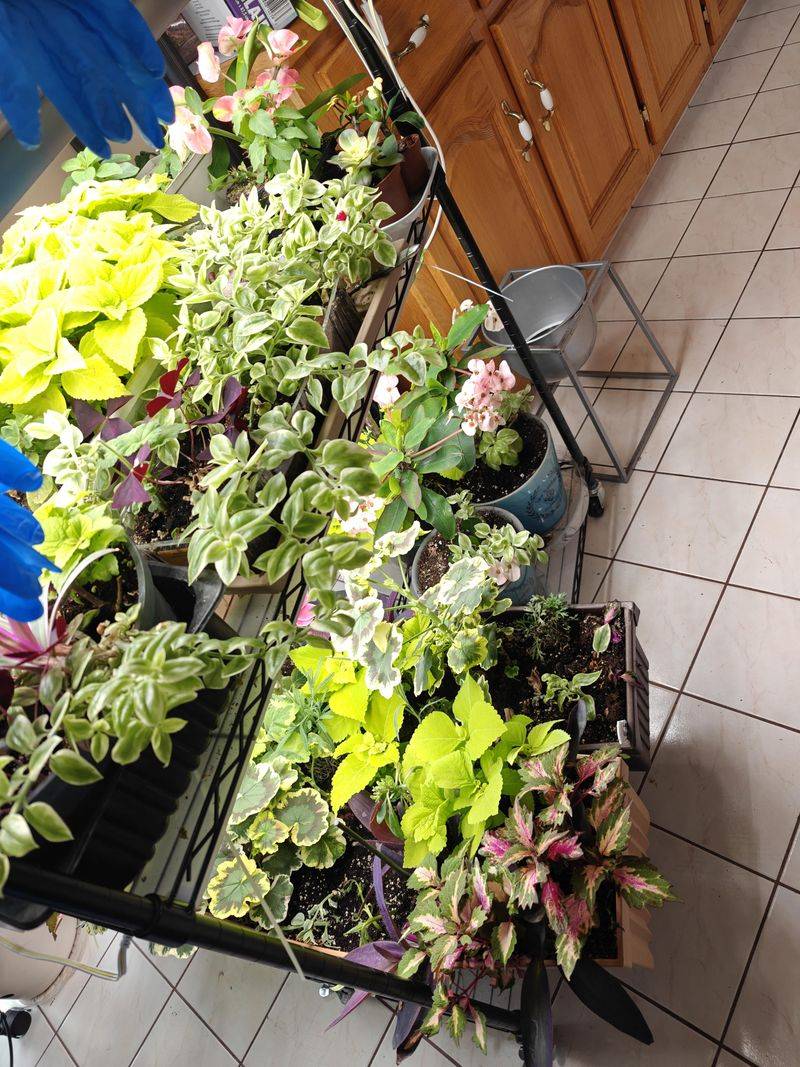
Timing matters when protecting container-grown tender perennials from Virginia’s unpredictable autumn weather patterns.
Watch local forecasts carefully and move pots inside at least one week before the first expected frost date in your area.
This gives plants time to adjust to indoor conditions without the shock of sudden temperature changes.
Choose a bright location near south-facing windows where your perennials can receive adequate sunlight during shorter winter days.
Garages, sunrooms, and basements with grow lights work well for plants that need cooler temperatures during dormancy.
Before bringing anything inside, inspect each plant thoroughly for hitchhiking pests like aphids, spider mites, or whiteflies that could spread to other houseplants.
Spray foliage with insecticidal soap or neem oil solution if you spot any unwanted visitors.
Clean pot exteriors to remove soil and debris that might harbor insect eggs.
Virginia gardeners often group their tender perennials together indoors to create a humid microclimate that benefits tropical species.
Place trays filled with pebbles and water beneath pots to increase moisture levels around plant leaves.
Reduce watering frequency since indoor plants grow more slowly during winter months and need less moisture than during active growing seasons.
Dig And Store Tender Bulbs Properly
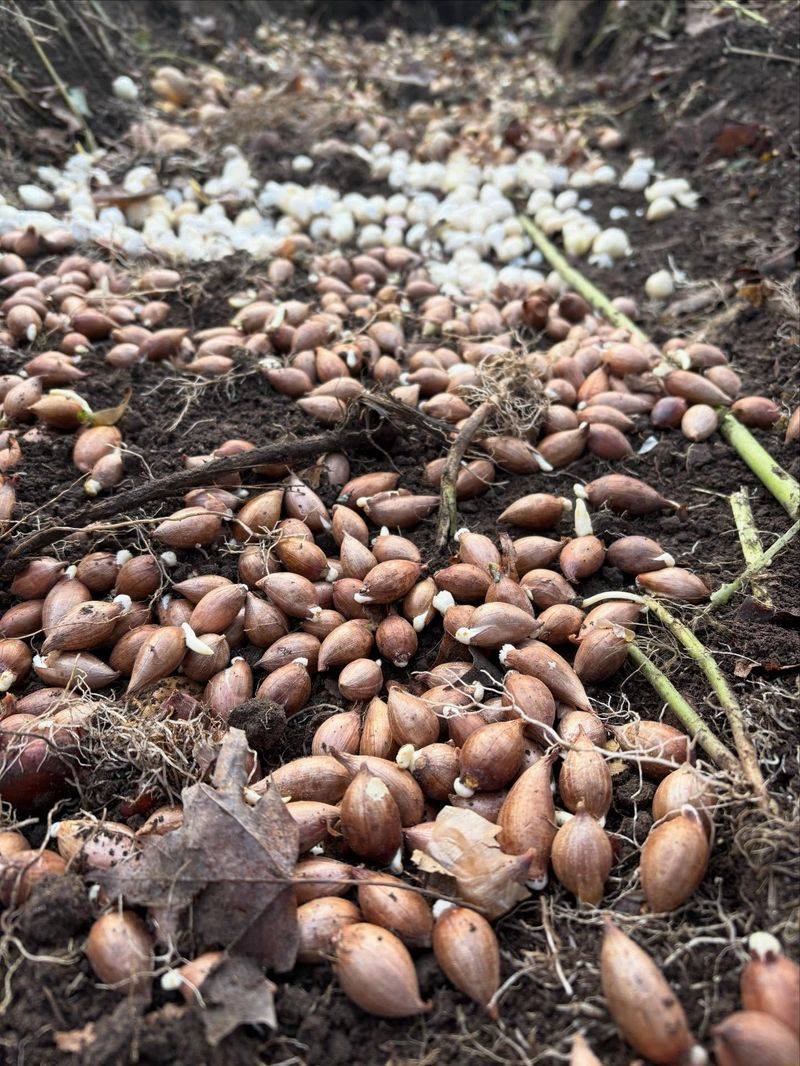
Certain bulbs and tubers cannot survive frozen ground, so Virginia gardeners carefully excavate them each fall for safe storage.
Dahlias, cannas, caladiums, and gladiolus top the list of tender bulbs requiring this extra attention before cold weather arrives.
Wait until foliage naturally yellows or gets touched by light frost before digging, as this signals the plant has finished storing energy.
Use a garden fork or spade to carefully lift bulbs from soil, working in a circle around the plant base to avoid damaging underground structures.
Shake off loose dirt and trim stems back to about two inches above the bulb crown.
Allow them to air dry in a shaded, well-ventilated spot for several days until outer skins feel papery.
Pack dried bulbs in cardboard boxes or paper bags filled with slightly damp peat moss, vermiculite, or sawdust to prevent shriveling during storage.
Label each container clearly with the plant variety and color if you grow multiple types.
Store boxes in cool locations maintaining temperatures between 40 and 50 degrees Fahrenheit, such as unheated basements or attached garages.
Check stored bulbs monthly throughout winter, removing any that show signs of rot or mold to protect healthy specimens nearby.
Virginia’s humidity levels sometimes require adjusting storage medium moisture if bulbs appear too dry or damp.
Apply Thick Mulch Layers Around Borderline Hardy Plants
Some perennials fall into a gray area where they might survive Virginia winters with proper insulation from extreme temperature swings.
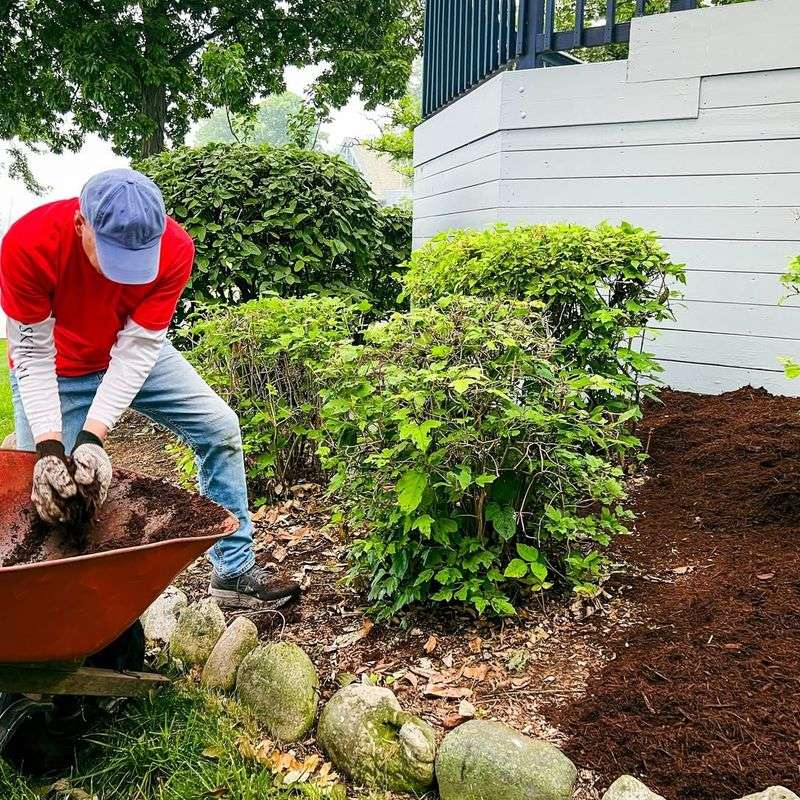
Marginal plants like hardy hibiscus, fig trees, and certain salvias benefit tremendously from generous mulch applications that protect root zones.
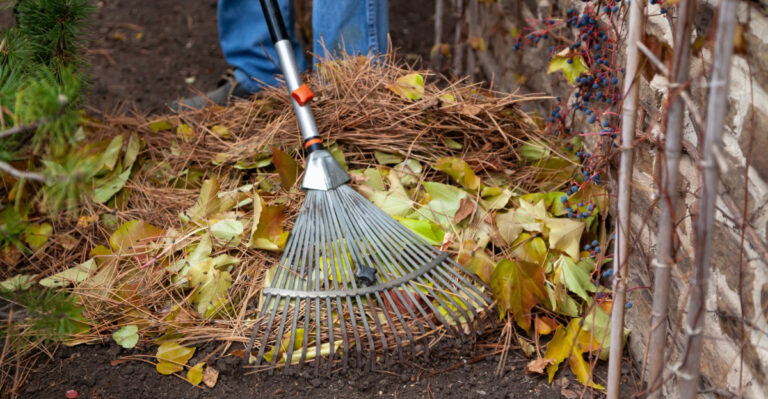
Apply a layer four to six inches deep after the ground begins to freeze, using materials like shredded leaves, pine straw, or wood chips.
Mulching too early encourages rodents to nest in the cozy material and potentially damage plant crowns while searching for food.
Wait until temperatures consistently stay below 40 degrees at night before adding protective layers.
Pull mulch slightly away from plant stems to prevent moisture buildup that leads to rot problems during wet winter periods.
Virginia’s mid-Atlantic climate experiences freeze-thaw cycles that heave plants out of soil, exposing roots to damaging cold and drying winds.
Proper mulching minimizes these temperature fluctuations and keeps soil consistently frozen until spring thaw arrives.
Remove excess mulch gradually in early spring as temperatures warm and new growth emerges from the ground.
Leave a thin layer in place to conserve moisture and suppress weeds during the growing season.
Composted leaves work especially well since they break down over winter, enriching soil while providing protection.
Many Virginia gardeners save fall leaves specifically for this dual-purpose application around their most vulnerable perennial specimens.
Take Cuttings For Indoor Propagation
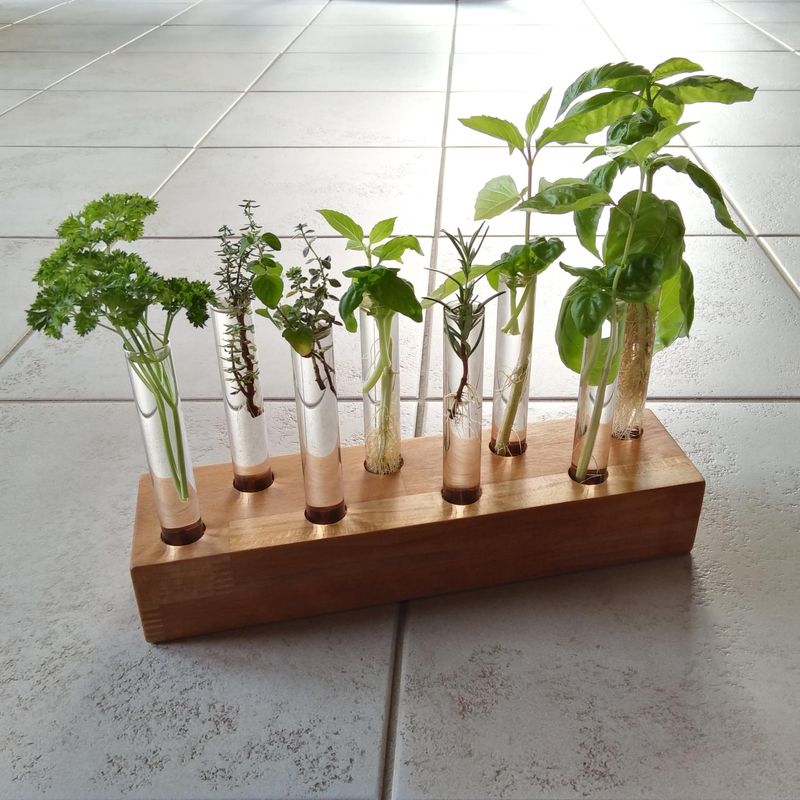
Propagating new plants from cuttings offers an insurance policy against losing favorite tender perennials during unpredictable Virginia winters.
Coleus, begonias, geraniums, and many herbs root easily from stem cuttings taken in late summer or early fall.
Select healthy stems without flowers, cutting just below a leaf node with clean, sharp scissors or pruning shears.
Remove lower leaves from each cutting, leaving only two or three sets at the top to reduce moisture loss during rooting.
Dip cut ends in rooting hormone powder to encourage faster root development, though many plants root successfully without this step.
Insert cuttings into small pots filled with moistened seed-starting mix or perlite, then cover with clear plastic bags to maintain humidity.
Place pots in bright, indirect light away from cold windows and heating vents that create drafts.
Most cuttings develop roots within three to six weeks when kept at room temperature with consistently moist growing medium.
Once roots appear through drainage holes or gentle tugging shows resistance, transplant young plants into larger containers with regular potting soil.
These rooted cuttings stay indoors until all danger of frost passes in spring, then transition outdoors gradually.
Virginia gardeners love this method because it produces multiple free plants from one parent specimen, allowing them to expand their collections or share with friends.
Young plants grown from fall cuttings often outperform their parent plants the following season.
Reduce Watering As Growth Slows Down
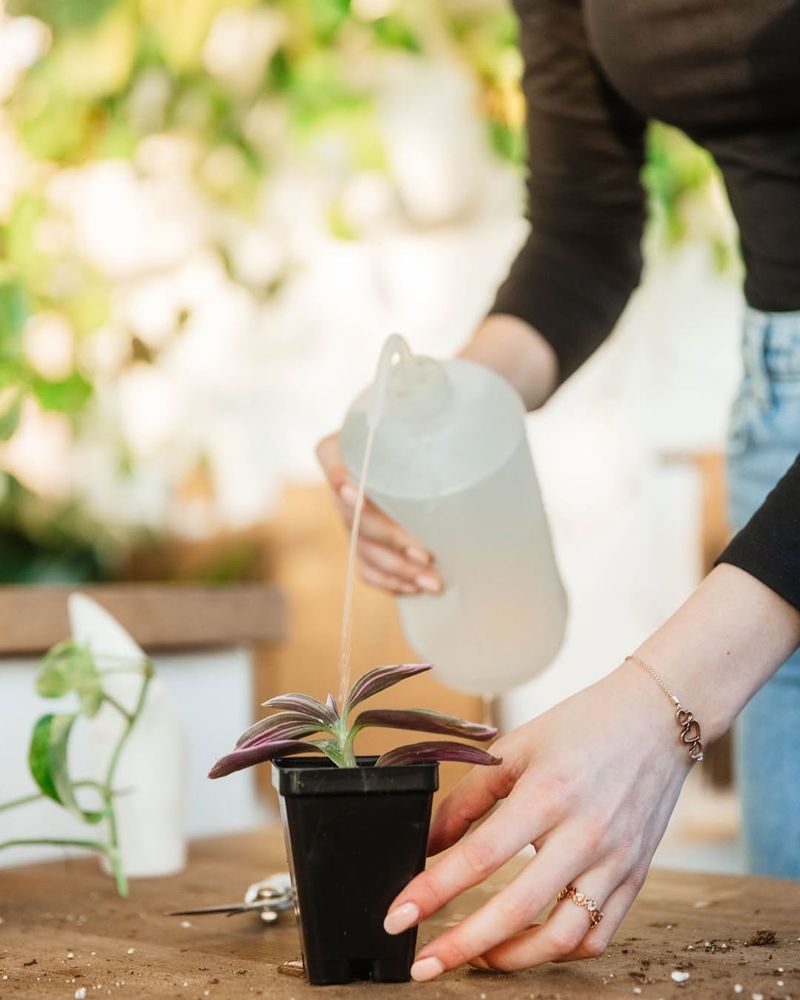
Overwatering ranks among the top reasons tender perennials fail to survive winter indoors, even when other conditions seem perfect.
Plant metabolism slows dramatically during shorter days and cooler temperatures, meaning they absorb far less water than during active summer growth.
Virginia gardeners adjust their watering schedules significantly once plants move inside or enter dormancy outdoors under protection.
Check soil moisture by inserting your finger two inches deep before watering, only adding water when the top layer feels completely dry.
Many tropical perennials prefer staying slightly dry during winter rather than sitting in constantly moist soil that encourages root rot.
Use room-temperature water rather than cold tap water straight from the faucet, which can shock sensitive roots.
Different plant types require varying moisture levels during dormancy periods.
Succulents and cacti need almost no water throughout winter months, while ferns appreciate more consistent moisture to prevent foliage from drying out completely.
Reduce fertilizer applications as well, since plants cannot process nutrients efficiently when growth slows or stops entirely.
Resume normal watering schedules gradually as daylight increases in late winter and you notice new growth emerging.
Virginia’s indoor heating systems create dry air that pulls moisture from both soil and plant leaves faster than expected.
Monitor plants weekly to catch any signs of drought stress, such as wilting or leaf edges turning brown, adjusting your watering routine accordingly.
Construct Simple Cold Frames For Extra Protection
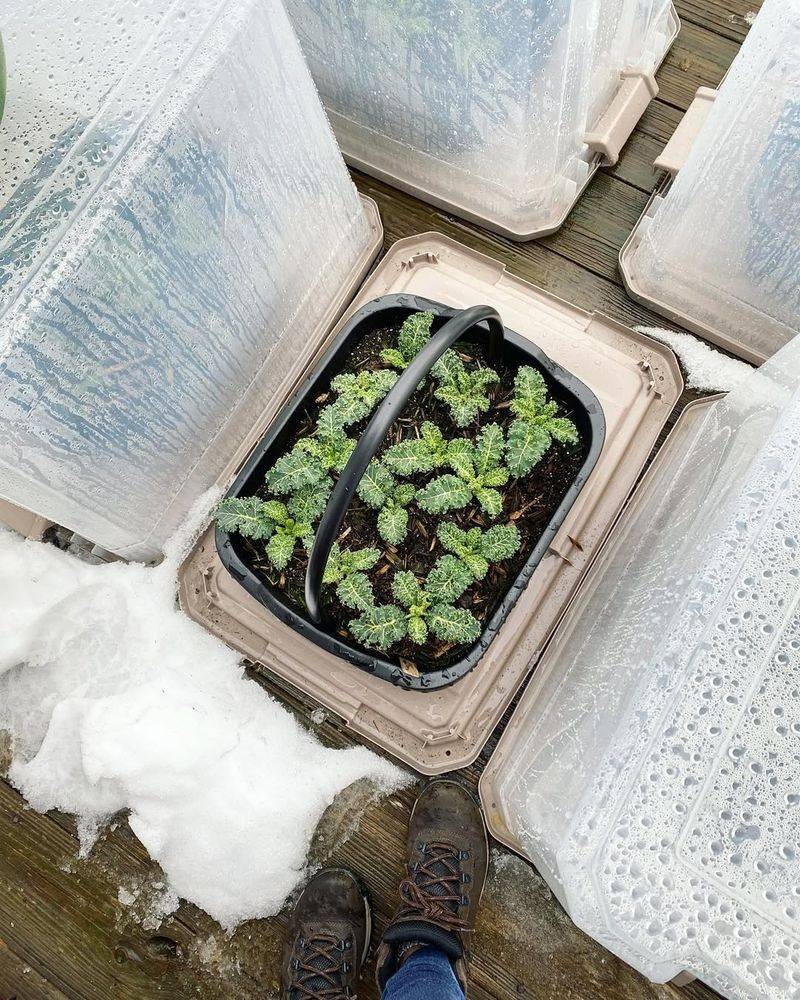
Cold frames extend the growing season and provide affordable shelter for tender perennials that need just a few extra degrees of warmth.
These simple structures consist of a bottomless box with a transparent lid that traps solar heat during sunny winter days.
Virginia gardeners position cold frames against south-facing walls or buildings that provide additional warmth and wind protection during harsh weather.
Build frames from scrap lumber, hay bales, or recycled windows to keep costs minimal while creating effective microclimates for vulnerable plants.
The transparent top allows sunlight to penetrate while blocking cold winds that damage tender foliage and stems.
Prop lids open during unusually warm winter afternoons to prevent overheating, which can be just as harmful as freezing temperatures.
Place potted tender perennials inside cold frames or plant directly in the ground beneath the protective covering.
Add extra insulation on extremely cold nights by draping old blankets or bubble wrap over the frame exterior.
Monitor temperatures inside the frame with a simple thermometer, aiming to keep conditions above 35 degrees for most tender species.
Cold frames work particularly well for protecting semi-hardy perennials like lavender, rosemary, and certain ornamental grasses that struggle in exposed locations.
Virginia’s variable winter weather makes cold frames valuable tools since you can easily adjust ventilation based on daily temperature fluctuations.
Many gardeners discover that plants overwintered in cold frames emerge stronger in spring than those kept indoors under artificial conditions.
Group Plants By Their Temperature Requirements
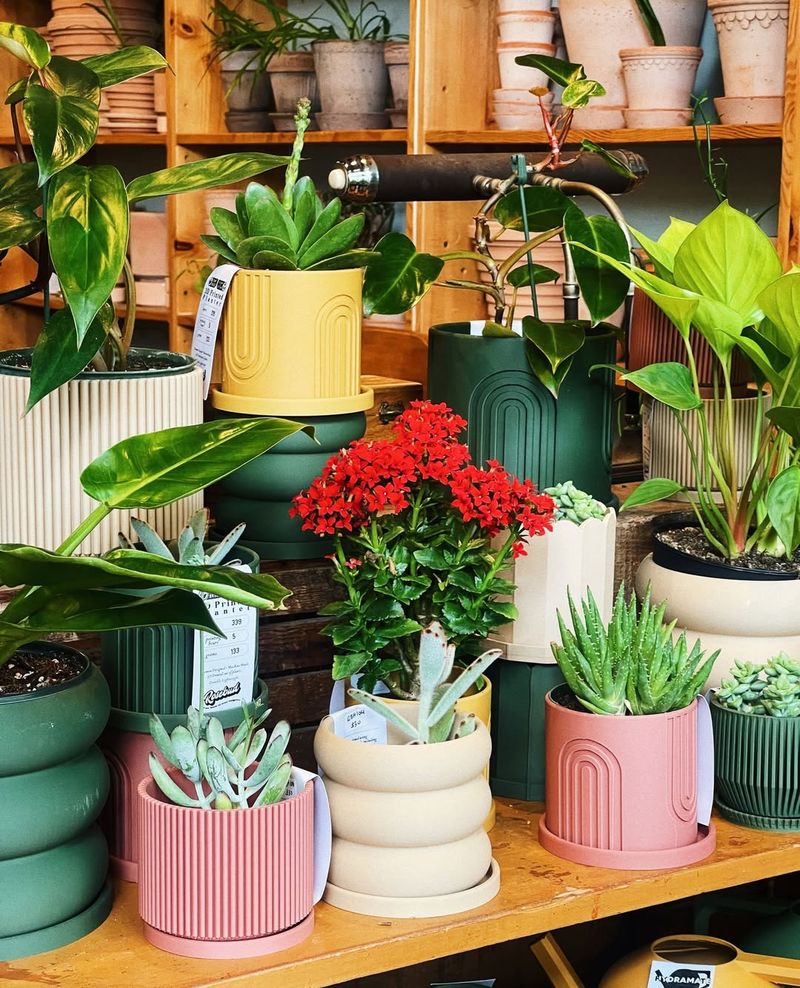
Not all tender perennials need the same winter conditions, so organizing them by temperature preferences helps each species thrive until spring returns.
Tropical plants like hibiscus and bougainvillea prefer warmer spots maintaining temperatures above 60 degrees throughout winter months.
Other tender perennials enter dormancy and actually benefit from cooler conditions between 40 and 50 degrees that signal rest periods.
Virginia gardeners create different zones within their homes to accommodate these varying needs without heating entire spaces unnecessarily.
Warm-loving plants cluster near sunny windows in main living areas where temperatures stay consistently comfortable.
Dormant plants move to unheated porches, garages, or basement areas where cooler temperatures keep them resting without freezing.
Geraniums, fuchsias, and many herbs fall into the cool-dormant category, happily surviving winter in minimally heated spaces with little care required.
They lose leaves and appear lifeless but maintain living roots that resprout vigorously when returned to warmth and light in spring.
Label each plant with its preferred temperature range to avoid confusion when deciding placement for winter storage.
Research specific requirements for unfamiliar species before assuming they need tropical conditions indoors.
Virginia’s climate allows some creativity with storage locations since attached garages rarely freeze completely and basements maintain moderate temperatures naturally.
Matching plants to appropriate environments significantly improves survival rates while reducing the energy costs of keeping everything in heated living spaces throughout the cold season.
Prune Strategically Before Moving Plants Inside
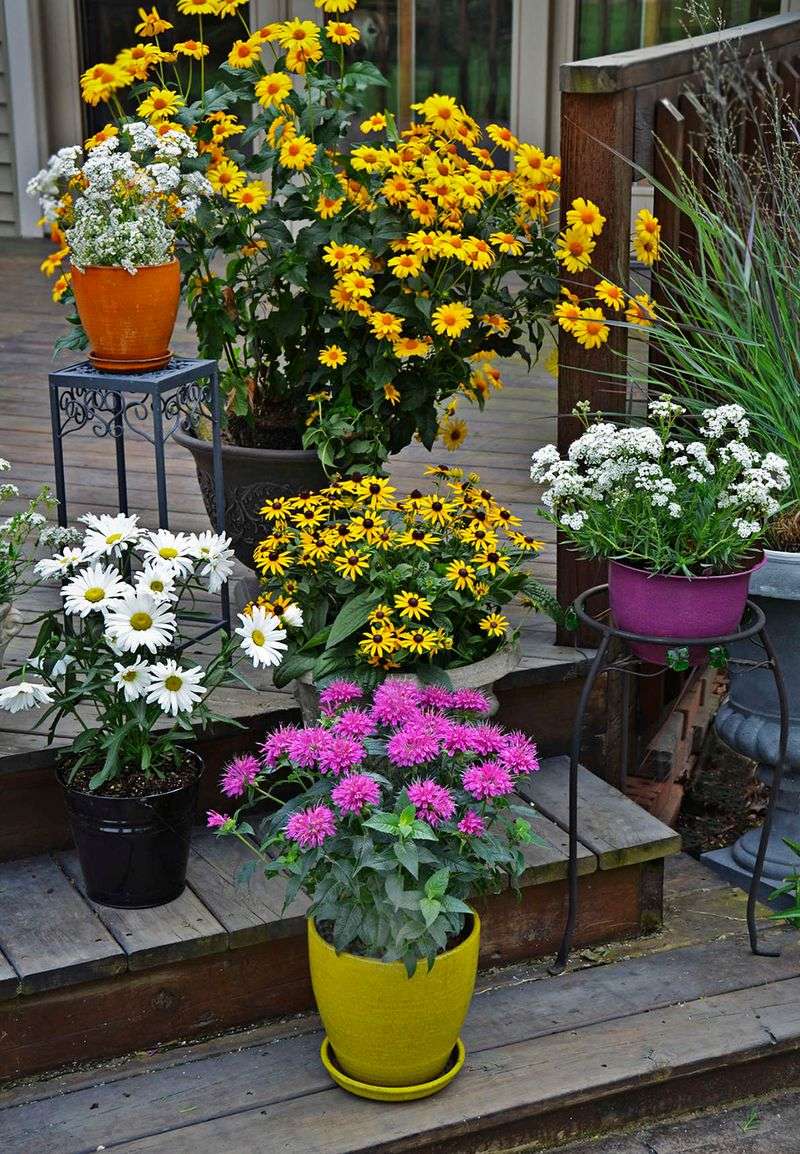
Trimming tender perennials before bringing them indoors makes the transition easier while reducing pest problems and space requirements.
Cut back leggy growth by one-third to one-half, creating more compact plants that fit better on windowsills and shelving units.
Remove any yellowing or damaged foliage that might harbor disease or attract fungus gnats once plants move into humid indoor environments.
Virginia gardeners debate the best timing for pruning, with some preferring to trim before the move and others waiting until plants adjust indoors.
Early pruning reduces transplant shock by limiting the amount of foliage the roots must support during the stressful transition period.
Clean cuts heal faster than ragged tears, so always use sharp, sterilized pruning tools to minimize infection risks.
Avoid heavy pruning on plants that bloom on old wood, such as certain fuchsia varieties, since you might remove next season’s flower buds.
Research specific pruning requirements for each species to avoid accidentally eliminating spring blooms through overzealous cutting.
Save healthy stem cuttings removed during pruning for propagation, giving you backup plants if anything goes wrong during winter storage.
Many tender perennials respond to pruning by producing bushier, more attractive growth once spring arrives and they return outdoors.
Shape plants while pruning to encourage the form you want next season rather than just randomly cutting back overgrown areas.
Virginia’s shorter winter days provide less light for photosynthesis, so reduced foliage actually helps plants survive with limited energy production during dormancy.
Monitor For Pests Throughout Winter Months
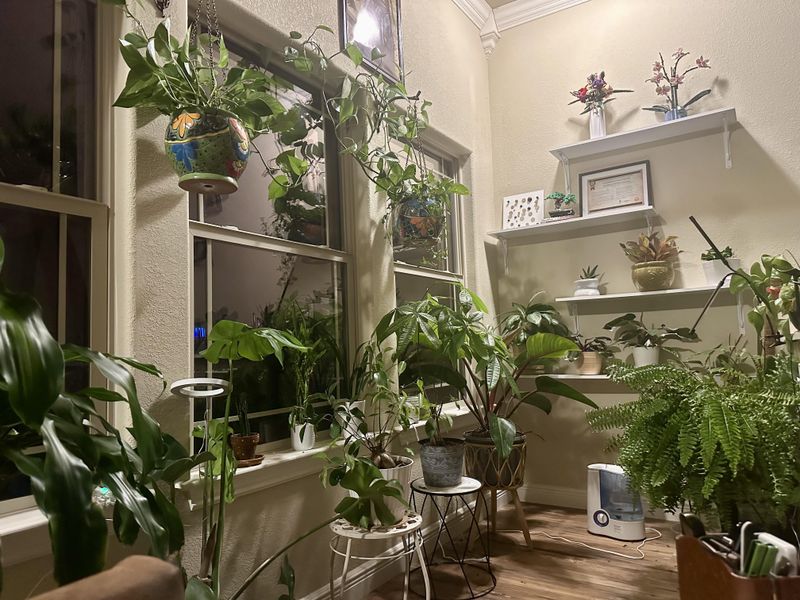
Indoor conditions create perfect breeding grounds for common houseplant pests that can devastate tender perennials before spring planting season arrives.
Spider mites, aphids, mealybugs, and fungus gnats multiply rapidly in warm, dry environments typical of heated Virginia homes during winter.
Inspect plants weekly by examining both sides of leaves, stems, and soil surfaces for early signs of infestation.
Catching pest problems early makes treatment much simpler than waiting until populations explode and spread to nearby plants.
Look for telltale signs like sticky residue, tiny webs, cottony masses, or small flying insects around pots.
Isolate any infested plants immediately to prevent pests from migrating to healthy specimens.
Treat minor infestations with insecticidal soap spray or neem oil applied according to package directions every five to seven days.
Wipe leaves with damp cloths to physically remove pests while checking for hidden colonies in leaf axils and stem crevices.
Yellow sticky traps hung near plants catch adult fungus gnats and whiteflies, helping you monitor population levels.
Maintain good air circulation around indoor plants to discourage pest establishment and fungal diseases that thrive in stagnant conditions.
Space pots adequately and run small fans on low settings to keep air moving without creating cold drafts.
Virginia’s indoor winter environments lack the natural predators that control pest populations outdoors, making vigilant monitoring essential for protecting valuable tender perennials until they can return to gardens.
Gradually Acclimate Plants When Spring Returns
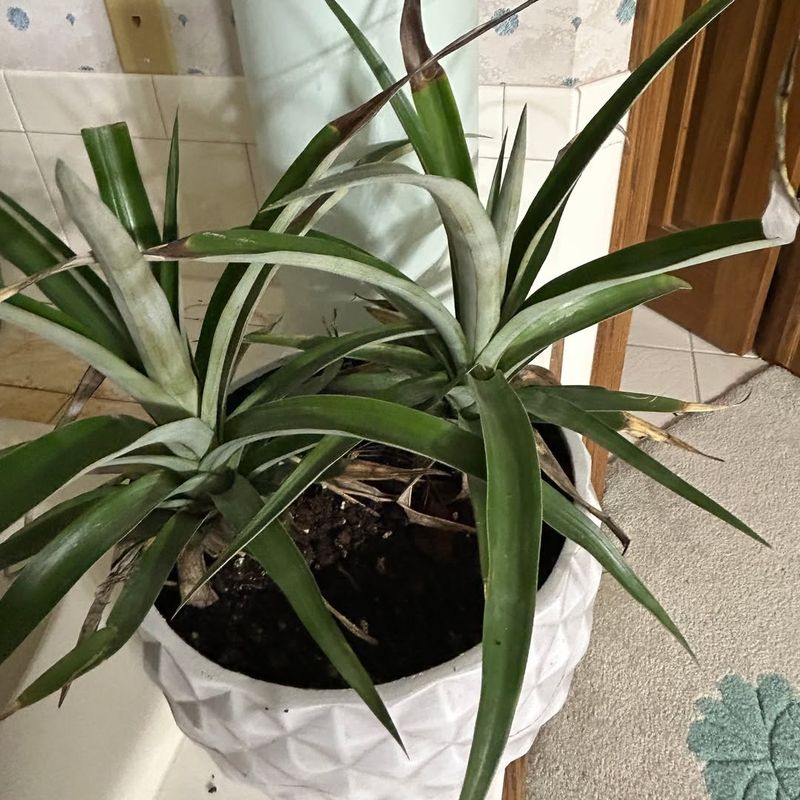
Rushing tender perennials back outside after months indoors often results in shocked, sunburned plants that struggle to recover from the abrupt transition.
Virginia gardeners practice hardening off, a gradual acclimation process that strengthens plants before permanent outdoor placement in spring.
Start the process about two weeks before your area’s last expected frost date, choosing a mild day to begin outdoor exposure.
Place plants in a shaded, protected location for just one to two hours the first day, then bring them back inside before temperatures drop.
Increase outdoor time by an hour or two each day while gradually moving plants into brighter light conditions.
Watch for signs of stress like wilting or leaf scorch, slowing the process if plants show distress.
After about ten days of increasing exposure, plants can stay outside overnight if temperatures remain above 50 degrees consistently.
Continue protecting them from strong winds and intense midday sun for several more days before planting in their permanent garden locations.
This careful transition allows leaves to develop thicker cuticles and stems to strengthen, preparing plants for full sun and weather exposure.
Virginia’s spring weather can be unpredictable, with warm spells followed by surprise cold snaps that threaten tender growth.
Keep plants in movable containers until you feel confident that winter has truly passed and temperatures will remain stable.
Patient gardeners who invest time in proper hardening off enjoy more vigorous growth and better flowering throughout the coming season.