How Virginia Gardeners Prepare Soil Now For A Stronger Spring Garden
Virginia gardens enter winter with potential quietly tucked beneath leaves and mulch, and smart gardeners know that preparation now pays dividends in spring.
Proper soil care strengthens roots, improves drainage, and ensures nutrients are ready when plants wake from dormancy.
Tasks such as clearing debris, adding compost, testing pH, and lightly tilling enrich the ground and correct deficiencies before planting begins.
Cover crops or mulches can protect soil from erosion and lock in moisture through colder months, creating an environment that encourages robust growth.
By investing time now, Virginia gardeners reduce spring headaches like compacted soil, poor germination, and nutrient imbalances, setting the stage for a healthy, productive season.
Test Your Soil pH And Nutrient Levels
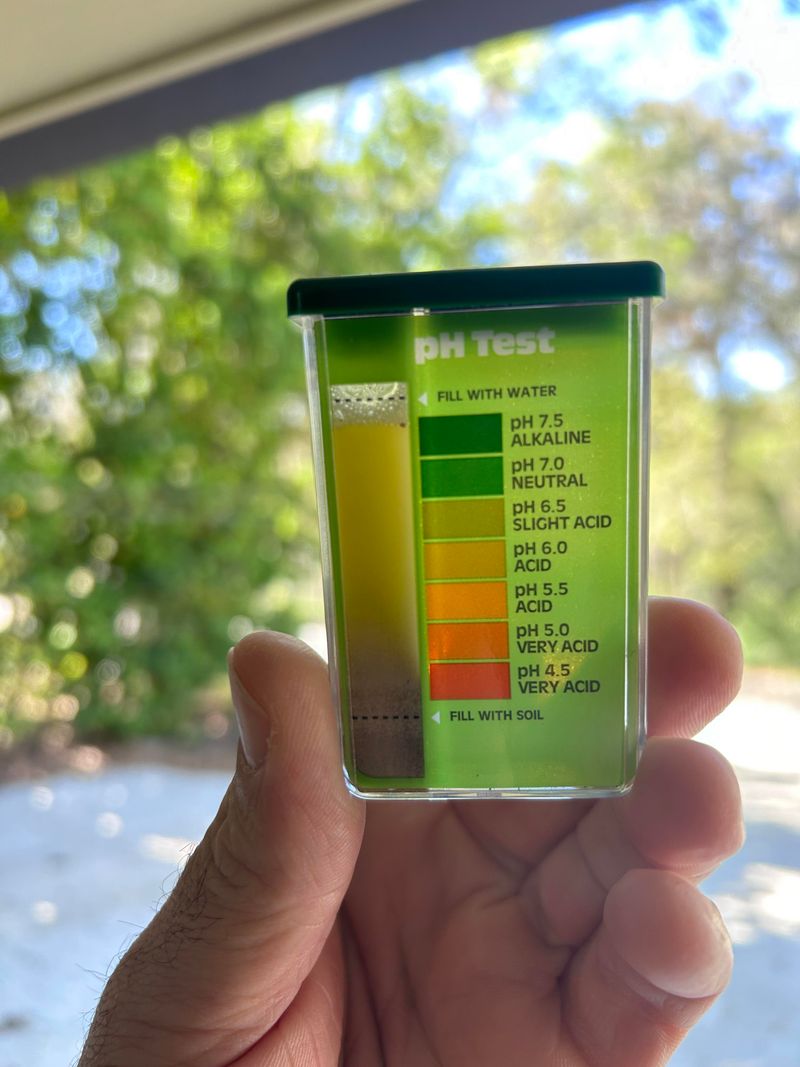
Most Virginia soils lean toward acidic, which can limit how well plants absorb nutrients even when fertilizer is present.
A simple soil test reveals the exact pH level and shows which nutrients need boosting before planting season arrives.
Virginia Cooperative Extension offices offer affordable testing kits that provide detailed results within a few weeks.
Once you know your soil’s chemistry, you can make targeted improvements rather than guessing what might help.
If pH sits too low, adding lime raises it gradually over winter months.
Sulfur works in reverse for soil that tests too alkaline, though this is less common in Virginia gardens.
Nutrient deficiencies show up clearly in test results, guiding you to add specific amendments like bone meal for phosphorus or greensand for potassium.
Nitrogen levels fluctuate more than other nutrients, so many gardeners wait until spring to address that need.
Testing every two to three years keeps you informed about changes in your soil’s composition.
Winter testing gives amendments time to integrate fully before roots need them.
Soil chemistry shifts slowly, so early action means balanced conditions when seedlings emerge.
This one simple step eliminates much of the guesswork from gardening and sets the stage for healthier plants all season long.
Add Compost And Organic Matter Generously
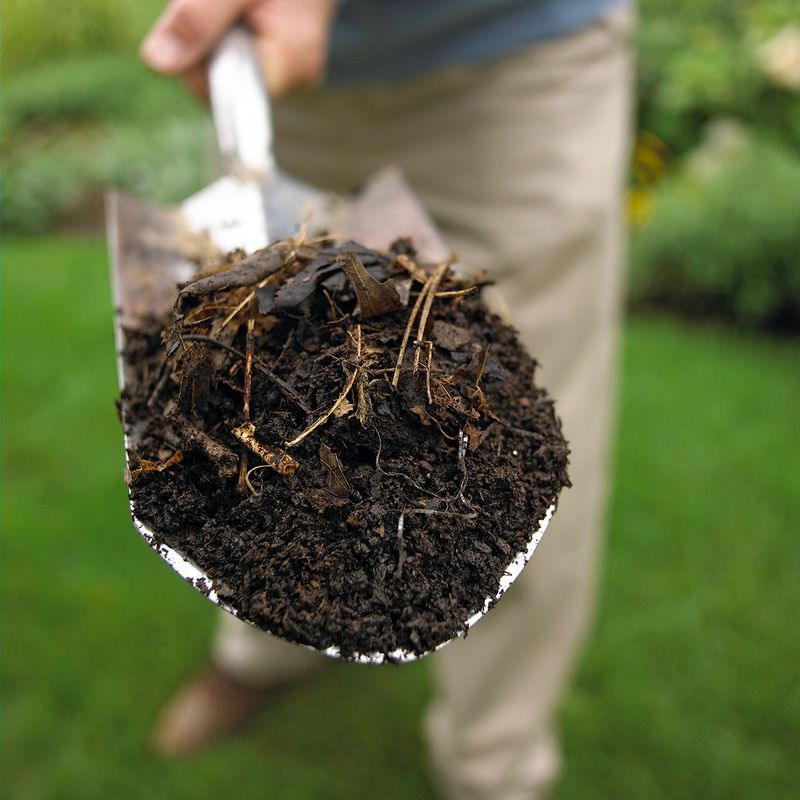
Rich, crumbly compost transforms even the most stubborn Virginia clay into soil that drains well and feeds plants naturally.
Organic matter improves soil structure by creating tiny air pockets that roots love to explore.
Spread a three to four inch layer over garden beds now, and winter weather will begin breaking it down into nutrients plants can use.
Compost also acts like a sponge, holding moisture during dry spells while preventing waterlogging when rain comes heavy.
This balance is especially valuable in Virginia, where summer can swing between drought and downpour within the same week.
Well-rotted leaves, aged manure, and finished compost from your own pile all work beautifully for this purpose.
Worms and beneficial microbes thrive in organic-rich soil, creating a living ecosystem beneath the surface.
These tiny helpers break down organic material further and leave behind castings that plants absorb easily.
The more life your soil contains, the less you need to rely on synthetic fertilizers.
Applying compost in fall or early winter gives it months to meld with existing soil.
By spring, the boundary between added material and original earth becomes hard to distinguish.
Gardens fed with regular compost applications produce stronger plants with better flavor and greater resistance to stress.
Plant Cover Crops For Natural Soil Building
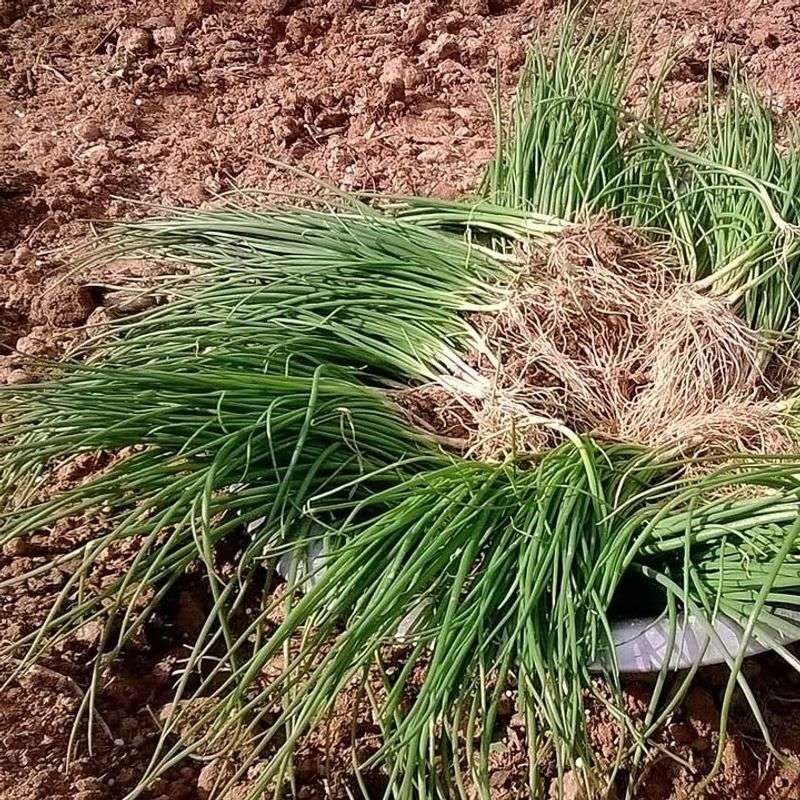
Cover crops work like a living blanket that protects and enriches soil through the coldest months.
Winter rye, crimson clover, and hairy vetch all thrive in Virginia’s climate and pump organic matter into the ground as they grow.
Their roots break up compacted layers and create channels that improve drainage long after the plants are gone.
Legume cover crops like clover and vetch have a special talent—they pull nitrogen from the air and store it in root nodules.
When you turn these plants into the soil in spring, that captured nitrogen becomes available to your vegetable and flower crops.
This natural fertilizer costs nothing and builds soil fertility year after year.
Cover crops also prevent erosion during winter rains and keep weeds from claiming empty beds.
Their dense growth shades out unwanted plants while holding precious topsoil in place.
Even a light snowfall looks beautiful on a green cover crop field.
Sow cover crop seeds in late summer or early fall for best establishment before cold weather arrives.
In spring, cut them down a few weeks before planting and either till them under or let them decompose on the surface as mulch.
This technique mimics natural soil building processes and reduces the need for purchased amendments.
Reduce Compaction With Deep Turning
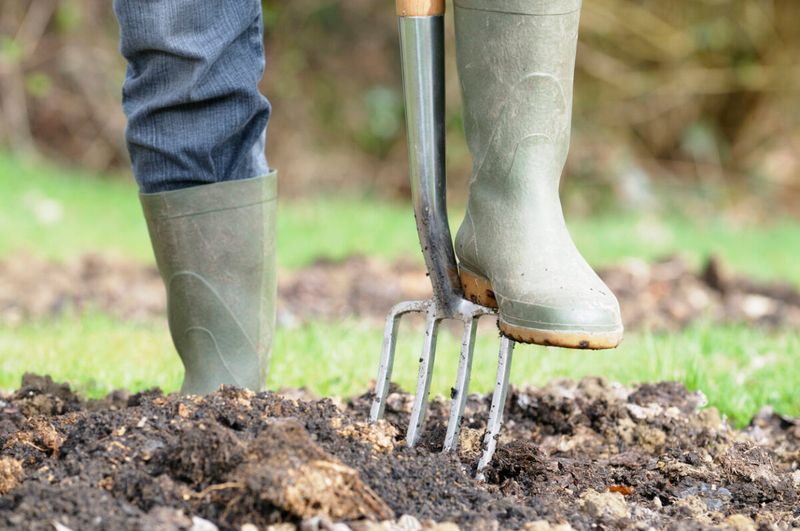
Compacted soil suffocates roots and prevents water from reaching where plants need it most.
Virginia’s clay-heavy earth is particularly prone to packing down after summer foot traffic and heavy rains.
Fall offers the ideal window to loosen those tight layers without disturbing active plant roots.
A garden fork works better than a shovel for breaking up compaction because it lifts and separates soil rather than slicing through it.
Push the fork in deep, rock it back gently, then move over a few inches and repeat.
This process creates air spaces and allows water to penetrate deeper than it could in packed earth.
Avoid working soil when it is soaking wet, as this can actually make compaction worse.
Wait for a day when soil is moist but not muddy—it should crumble in your hand rather than forming a sticky ball.
Timing this work correctly protects soil structure and makes the task much easier.
Adding coarse sand or perlite along with organic matter helps maintain the improved structure you create.
These materials keep tiny soil particles from squeezing back together as tightly.
Once loosened and amended, your garden beds will drain better and warm up faster in spring, giving plants an earlier start to the growing season.
Mulch Beds To Protect And Insulate
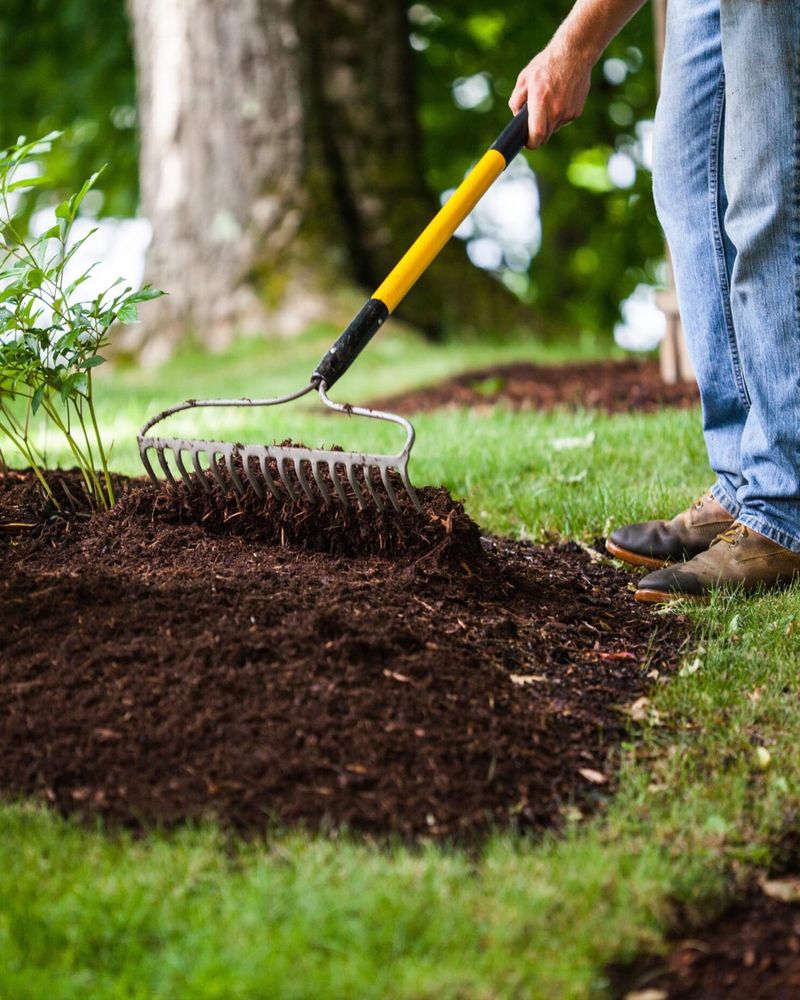
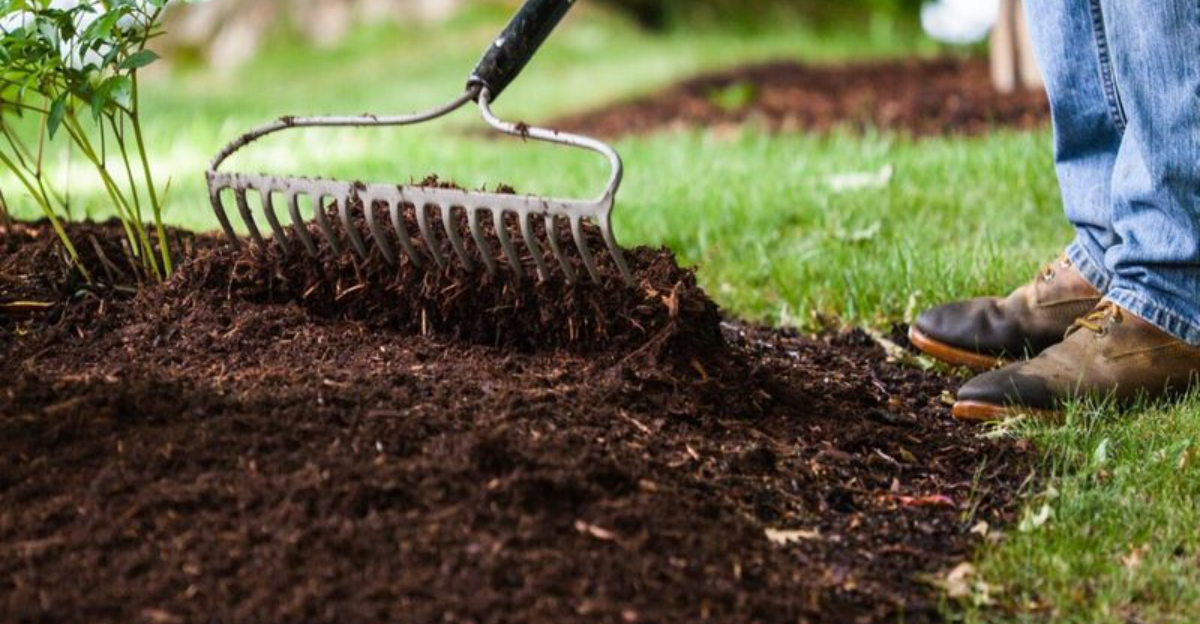
A thick layer of mulch acts like a cozy blanket that moderates soil temperature and prevents erosion during winter storms.
Shredded leaves, straw, or wood chips spread three to four inches deep keep soil from freezing and thawing repeatedly, which can damage soil structure.
This protection is especially important for perennial beds and areas where you plan early spring planting.
Mulch also suppresses weeds that try to sprout during mild winter days.
Fewer weeds in winter means less competition for your spring crops and less work for you when gardening season begins.
As mulch breaks down slowly over months, it adds organic matter to the soil beneath.
Choose mulch materials that suit your garden’s needs and aesthetic preferences.
Shredded leaves are free if you have trees nearby and break down relatively quickly to enrich soil.
Wood chips last longer and work well for pathways, while straw is lightweight and easy to pull aside when planting time arrives.
Apply mulch after the ground has cooled but before the hardest freezes arrive.
This timing gives soil a chance to release excess moisture while still providing winter protection.
Come spring, you can leave mulch in place and plant right through it, or rake it aside to let soil warm up faster in cool-season beds.
Incorporate Amendments For Specific Needs

Every garden has unique nutritional gaps that targeted amendments can address more effectively than general fertilizers.
Bone meal slowly releases phosphorus, which strengthens root development and helps flowers form.
Rock phosphate provides a longer-lasting phosphorus source that continues feeding plants for several seasons.
Greensand supplies potassium and trace minerals that improve disease resistance and overall plant vigor.
Wood ash from your fireplace adds potassium and raises pH, making it useful in acidic Virginia soils—but use it sparingly because a little goes a long way.
Gypsum improves clay soil structure without changing pH, helping water move through heavy earth more easily.
Blood meal and feather meal offer organic nitrogen that releases gradually as soil microbes break them down.
These amendments work more slowly than synthetic fertilizers but feed soil life while nourishing plants.
Kelp meal provides a wide spectrum of micronutrients and natural growth hormones that boost plant health.
Mix amendments into the top six to eight inches of soil during fall preparation.
This gives them time to begin breaking down and become available to plant roots by spring.
Combining several amendments based on your soil test results creates a customized nutrition plan that addresses your garden’s specific weaknesses and builds long-term fertility.
Control Erosion On Slopes And Exposed Areas
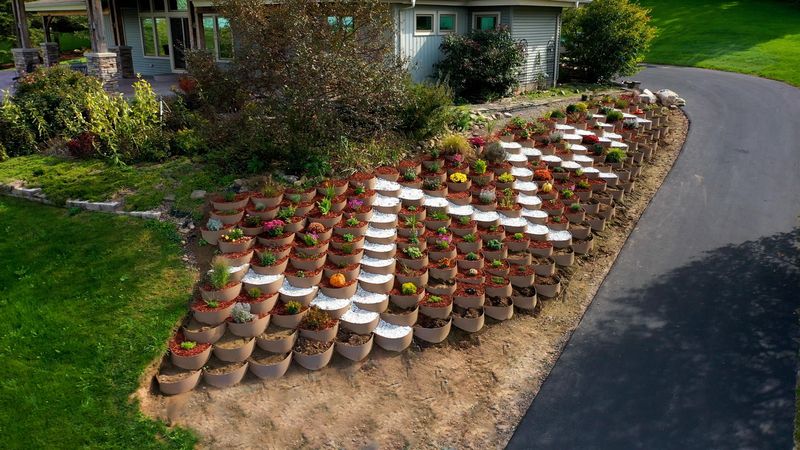
Virginia’s winter rains can wash away precious topsoil from sloped beds and leave your garden depleted before spring arrives.
Bare soil is especially vulnerable to erosion, losing nutrients and organic matter with every heavy downpour.
Protecting these areas now preserves the improvements you have made and keeps your garden’s foundation intact.
Ground covers like winter creeper or perennial grasses hold soil in place with their root systems.
For annual vegetable beds on slopes, cover crops provide similar protection while adding nutrients for next season.
Even a temporary covering of burlap or erosion control fabric can prevent loss until plants establish.
Creating small terraces or installing simple borders helps slow water flow and gives it time to soak in rather than run off.
Stacked stones, landscape timbers, or even sturdy branches arranged along the contour can make a significant difference.
These barriers trap sediment and gradually build up level planting areas.
Mulch plays a double role on slopes by protecting soil surface and adding weight that resists washing.
Apply it more thickly on sloped areas than on flat ground, and consider using coarser materials that interlock better.
Addressing erosion during the dormant season means your carefully prepared soil stays where you put it, ready to support vigorous growth when gardening season returns.