How Virginia Homeowners Maintain Green Norfolk Pines In Winter
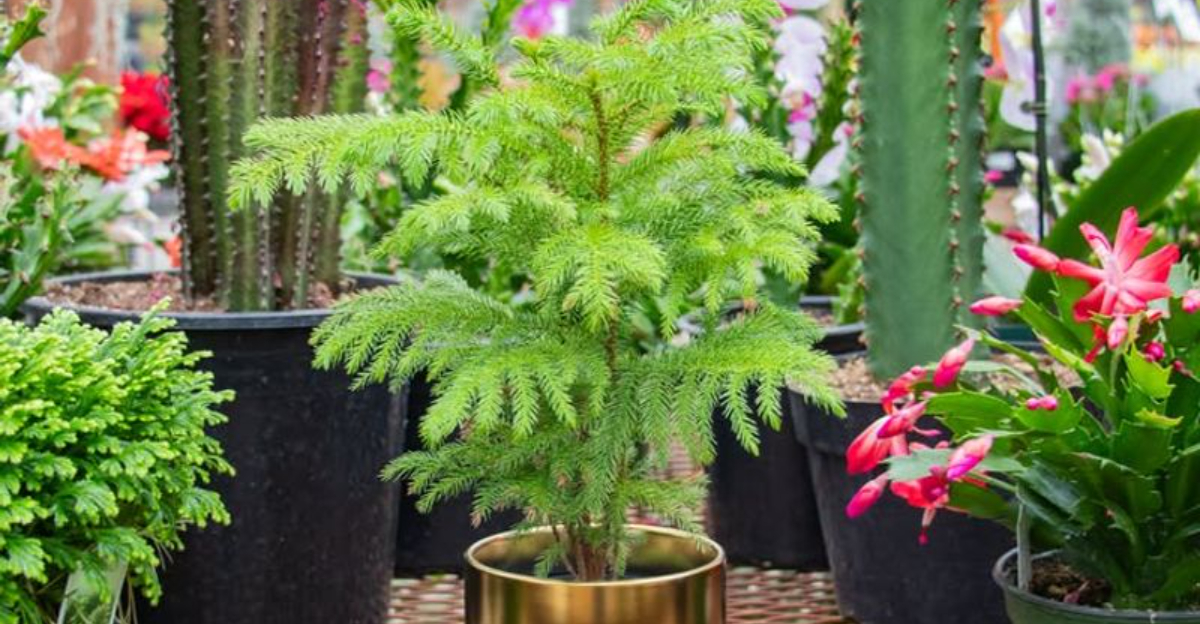
Norfolk pines can lose their rich green color fast during Virginia winters, especially once indoor heat and low humidity kick in.
I’ve seen these trees struggle simply because winter care stayed the same while their environment quietly changed.
With a few smart adjustments that fit winter conditions, Norfolk pines can stay green, balanced, and healthy until spring returns.
1. Proper Watering Schedules Keep Roots Healthy
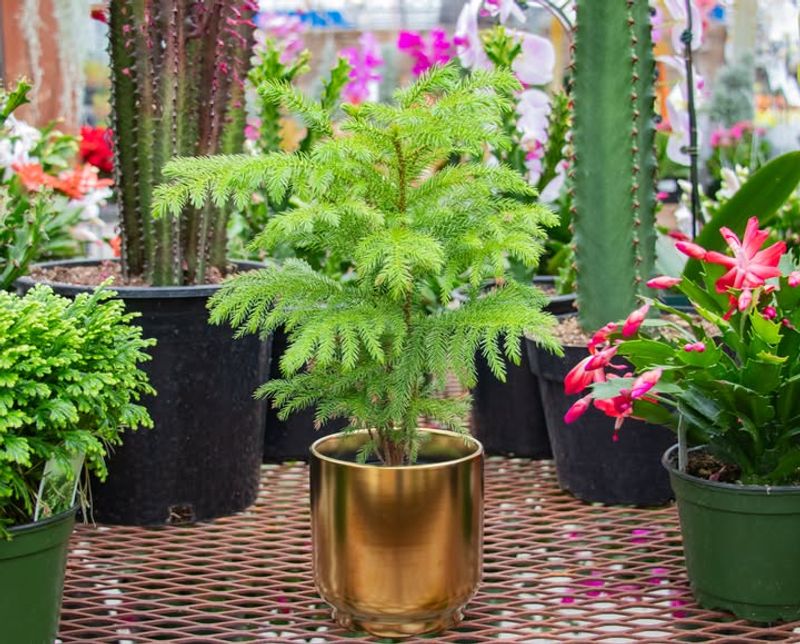
Moisture balance matters tremendously when caring for Norfolk pines during cold months, especially for families living throughout Virginia’s varied climate zones.
Indoor heating systems remove humidity from air, causing soil to dry faster than you might expect during normal circumstances.
Check soil moisture weekly by inserting your finger about two inches deep to determine if watering is necessary right now.
Water thoroughly until liquid drains from bottom holes, then empty saucers to prevent root rot from developing in containers.
Many Virginia homeowners set calendar reminders to maintain consistent watering routines that prevent both overwatering and dangerous underwatering situations.
Room temperature water works best because cold water can shock sensitive roots and cause unnecessary stress to your plant.
Adjust watering frequency based on your home’s temperature and humidity levels, which vary significantly across different Virginia neighborhoods.
Proper hydration keeps needles green and prevents the browning that makes Norfolk pines look unhealthy and unattractive during winter.
2. Humidity Levels Matter More Than You Think
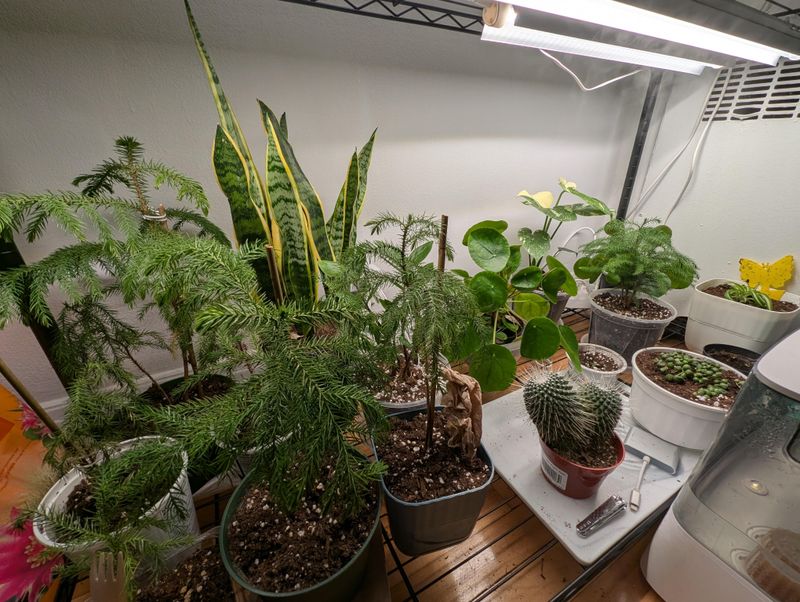
Norfolk pines naturally grow in tropical environments where moisture fills the air constantly, unlike typical conditions found in Virginia homes.
Central heating dramatically reduces indoor humidity during winter, creating desert-like conditions that stress these moisture-loving plants significantly and noticeably.
Placing pebble trays filled with water beneath pots creates localized humidity without waterlogging soil or causing messy spills everywhere.
Room humidifiers provide excellent benefits for both Norfolk pines and people living in dry Virginia homes during cold weather months.
Grouping several houseplants together creates a microclimate where plants release moisture through transpiration, helping each other thrive naturally.
Misting foliage lightly once or twice weekly adds temporary moisture, though this method alone cannot solve serious humidity problems effectively.
Bathrooms and kitchens naturally have higher humidity levels, making them potentially ideal locations for Norfolk pines in Virginia residences.
Maintaining humidity between forty and fifty percent keeps needles vibrant and prevents the crispy brown tips that signal distress.
3. Strategic Placement Away From Heat Sources
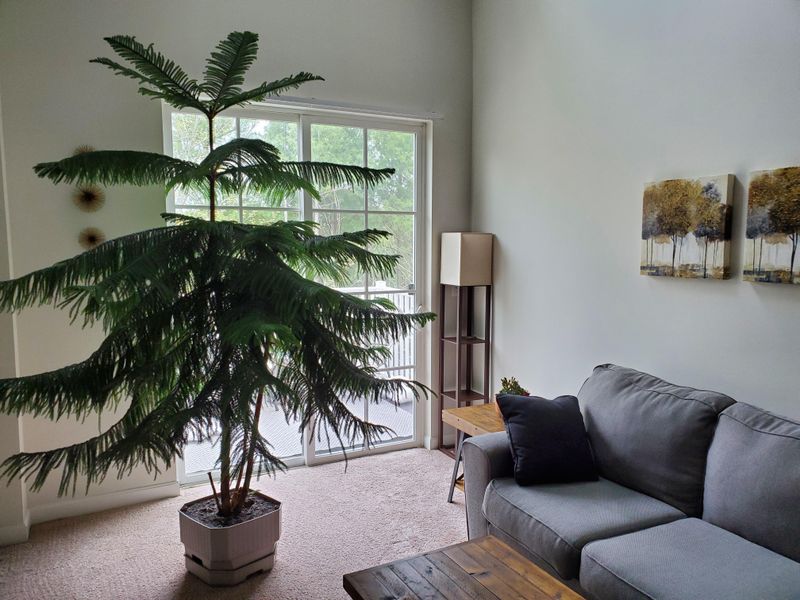
Location choices dramatically impact Norfolk pine health throughout winter months, particularly in Virginia homes with various heating systems installed currently.
Radiators, heating vents, and fireplaces create hot, dry zones that rapidly dehydrate Norfolk pines and cause needles to brown quickly.
Position your plant at least three feet away from any direct heat source to protect it from temperature extremes.
Drafty windows and exterior doors expose Norfolk pines to cold air blasts that shock foliage and weaken overall plant health.
Bright, indirect light near east or west-facing windows provides ideal conditions for Norfolk pines living in Virginia households year-round.
Avoid placing plants directly against cold windowpanes where temperatures drop significantly at night, causing stress and potential damage overnight.
Rotating your Norfolk pine quarterly ensures all sides receive equal light exposure, promoting balanced growth and preventing lopsided development.
Virginia homeowners find success placing Norfolk pines in stable locations where temperature and light remain relatively consistent throughout each day.
4. Temperature Consistency Prevents Needle Drop
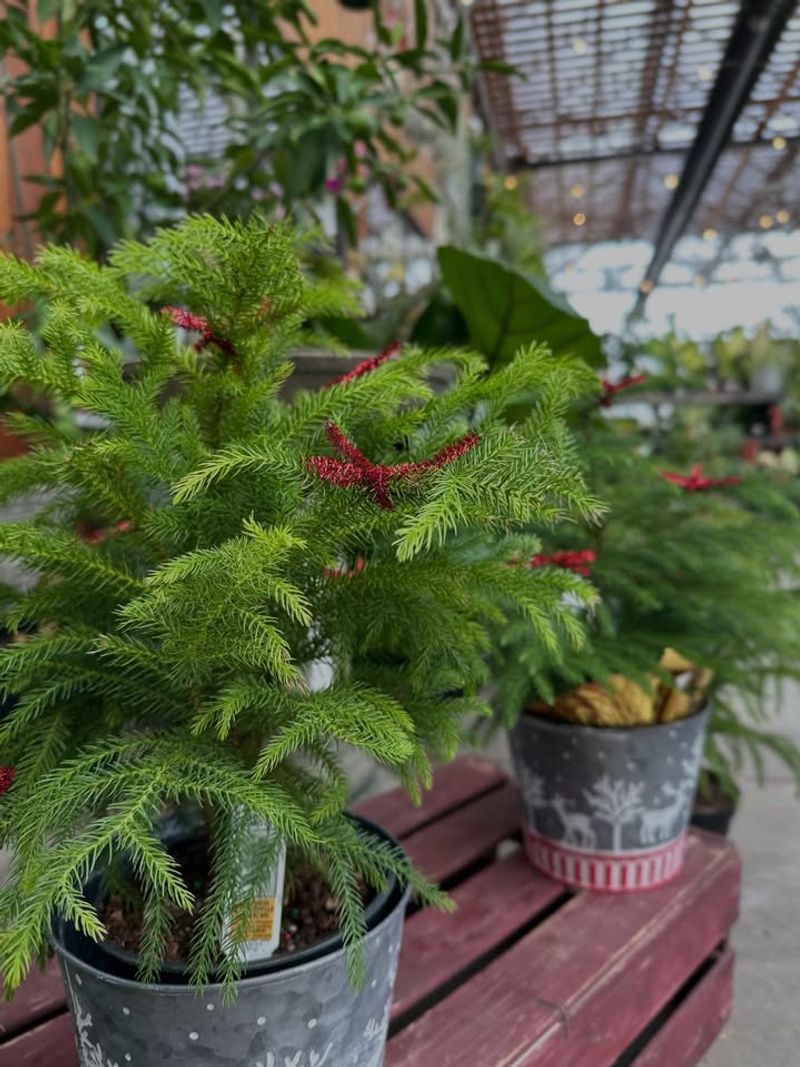
Norfolk pines prefer stable temperatures between sixty and seventy degrees Fahrenheit, which many Virginia homes maintain comfortably during winter seasons.
Sudden temperature fluctuations stress these sensitive plants, causing needles to yellow and drop prematurely, leaving bare branches behind unfortunately.
Avoid moving Norfolk pines frequently between rooms with different temperatures, as this creates unnecessary stress on the plant’s system.
Nighttime temperatures can drop near windows, so consider moving plants slightly inward during especially cold Virginia nights when necessary.
Thermostats set too low at night may save energy but can harm tropical plants unaccustomed to significant temperature swings.
Monitor room temperatures with a simple thermometer to ensure your Norfolk pine experiences consistent conditions throughout each twenty-four hour period.
Virginia homeowners with programmable thermostats should avoid dramatic temperature changes that might benefit heating bills but harm sensitive houseplants.
Consistent warmth encourages steady growth and maintains the deep green color that makes Norfolk pines such attractive holiday decorations.
5. Fertilizing Schedules Change During Dormancy
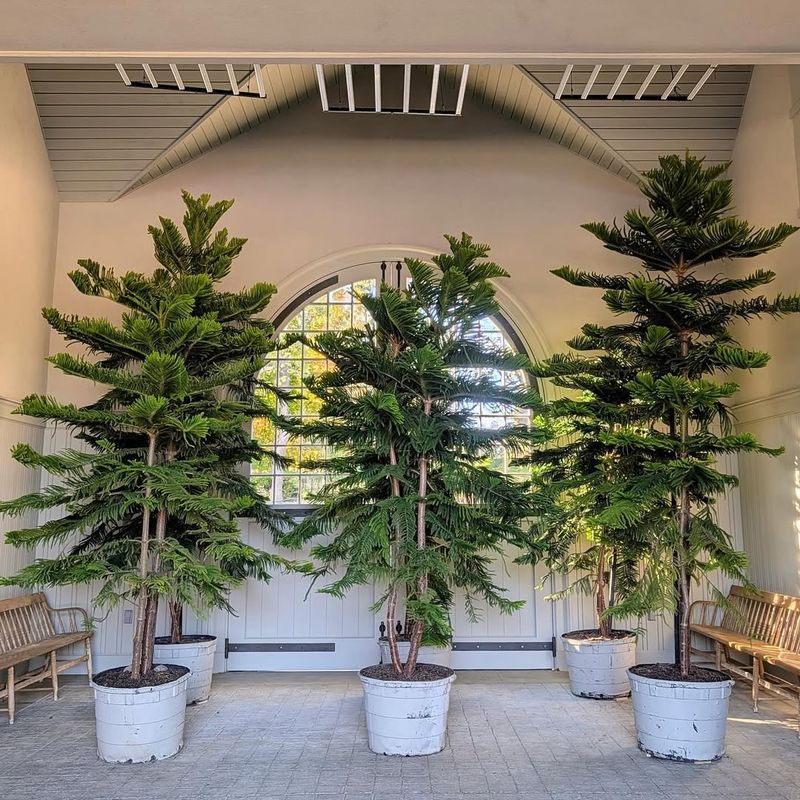
Growth slows considerably during winter months as Norfolk pines enter a semi-dormant period, requiring adjusted fertilization schedules from Virginia gardeners.
Reduce feeding frequency to once monthly using diluted liquid fertilizer at half the strength recommended on product labels typically.
Over-fertilizing during dormancy causes salt buildup in soil, which damages roots and creates brown tips on otherwise healthy foliage.
Balanced fertilizers with equal nitrogen, phosphorus, and potassium ratios work best for maintaining Norfolk pine health throughout cold seasons.
Some Virginia homeowners pause fertilizing completely from December through February, resuming applications when spring growth begins appearing naturally again.
Flush soil occasionally with plain water to remove accumulated salts that build up from repeated fertilizer applications over time.
Organic fertilizers release nutrients slowly, providing gentle nourishment without overwhelming Norfolk pines during their restful winter period in homes.
Watch for signs of nutrient deficiency like yellowing needles, which indicate your plant needs additional feeding despite the season.
6. Regular Inspection Catches Problems Early
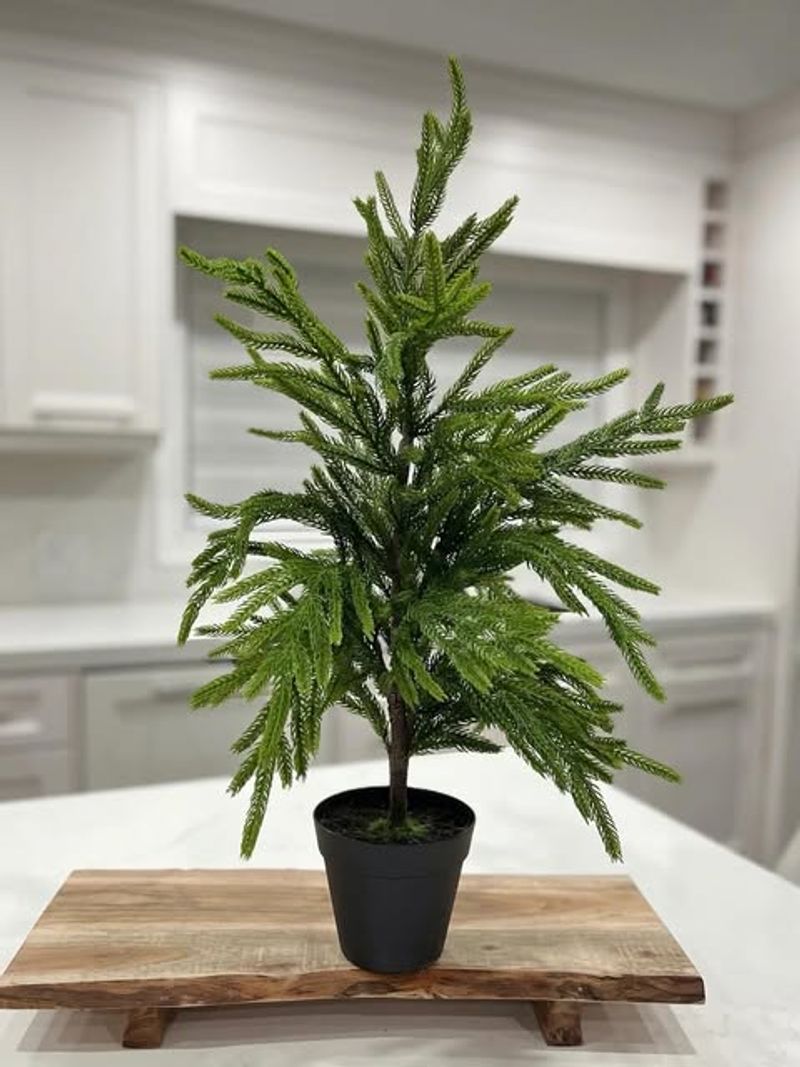
Weekly examinations help Virginia homeowners identify potential issues before they become serious problems requiring extensive intervention or professional help.
Look closely at needle color, checking for yellowing, browning, or unusual discoloration that indicates stress, pest infestation, or disease.
Spider mites thrive in dry indoor conditions, creating fine webbing between branches and causing stippled, unhealthy-looking foliage over time.
Scale insects appear as small brown bumps on stems and needles, sucking plant juices and weakening Norfolk pines gradually.
Remove dead or damaged branches promptly using clean, sharp scissors to prevent problems from spreading to healthy plant tissue.
Check soil surface for mold growth or fungus gnats, which indicate overwatering or poor drainage issues needing immediate correction.
Virginia homeowners who catch problems early can address them with simple solutions before extensive damage occurs to their plants.
Regular inspections become quick, easy habits that protect your investment and keep Norfolk pines looking spectacular throughout winter months.
7. Pruning Techniques Maintain Attractive Shape
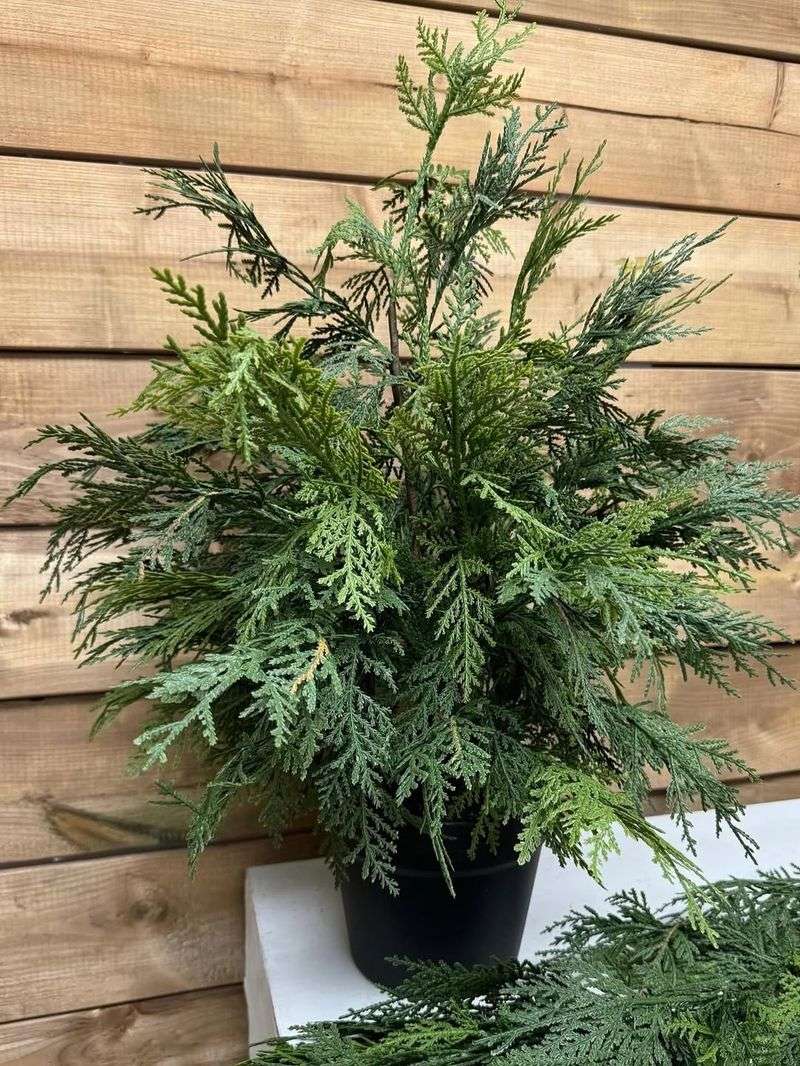
Careful trimming keeps Norfolk pines looking tidy and attractive throughout winter, especially important when displaying them prominently in Virginia homes.
Remove only brown, dried needles and obviously damaged branches to maintain the plant’s natural pyramidal shape without excessive cutting.
Avoid cutting the main leader stem at the top, as this permanently damages the tree’s characteristic symmetrical appearance forever.
Sterilize pruning tools with rubbing alcohol between cuts to prevent spreading diseases or infections from one branch to another.
Late winter provides the best timing for any necessary pruning before new spring growth begins emerging on Norfolk pines.
Some Virginia homeowners gently brush away accumulated dust from needles using soft paintbrushes, improving the plant’s ability to photosynthesize.
Shaping should be minimal since Norfolk pines naturally grow in pleasing forms without requiring extensive intervention from their owners.
Light maintenance pruning keeps plants healthy and attractive while respecting their natural growth patterns and inherent beauty throughout seasons.
8. Soil Quality Affects Long-Term Health
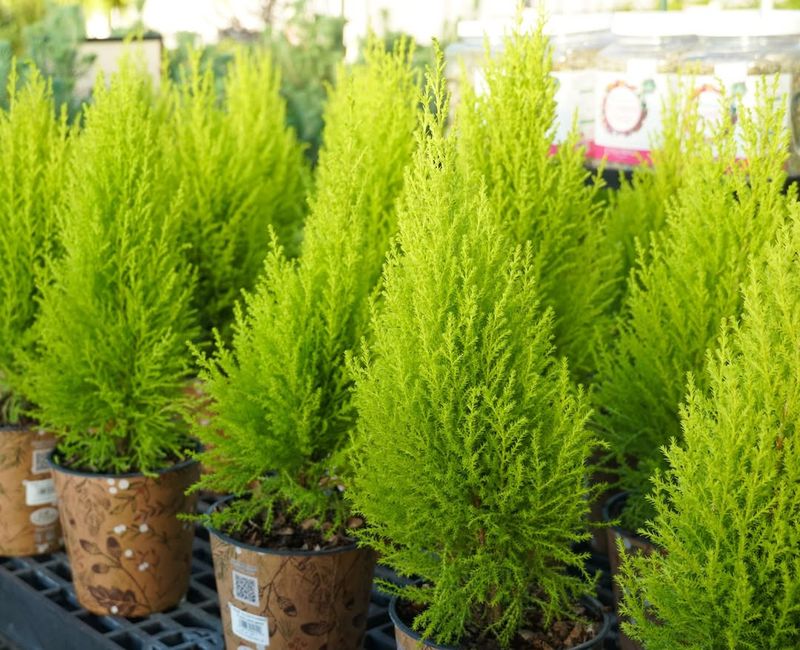
Well-draining potting mix prevents waterlogged conditions that lead to root rot, a common problem for Norfolk pines in Virginia households.
Standard houseplant soil mixed with perlite or sand improves drainage while retaining enough moisture to keep roots adequately hydrated.
Repotting every two or three years refreshes soil nutrients and provides growing room for expanding root systems in healthy plants.
Choose pots with adequate drainage holes to allow excess water to escape freely, preventing soggy conditions that harm root health.
Acidic soil with pH between five and six creates ideal growing conditions for Norfolk pines adapted to specific soil chemistry.
Virginia homeowners can test soil pH using inexpensive kits available at garden centers, adjusting conditions with appropriate amendments if needed.
Top-dressing with fresh potting mix annually adds nutrients without disturbing established root systems or causing unnecessary transplant shock.
Quality soil provides the foundation for healthy Norfolk pines that maintain their gorgeous green color throughout winter and beyond successfully.
9. Light Exposure Requirements Stay Important
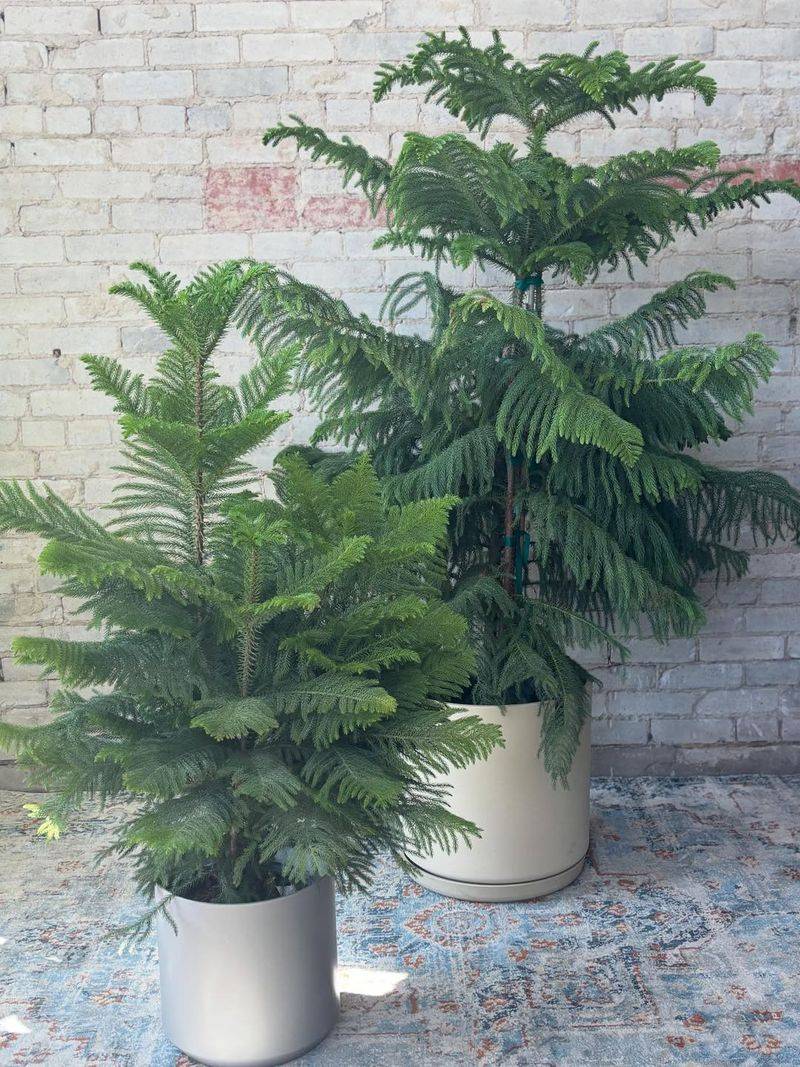
Adequate sunlight remains essential even during shorter winter days when natural light becomes limited throughout Virginia’s latitude and climate.
Norfolk pines need at least four hours of bright, indirect sunlight daily to maintain healthy photosynthesis and vibrant green coloration.
South-facing windows provide maximum light exposure during winter months when sun angles stay lower throughout the shortened daylight period.
Supplemental grow lights help Norfolk pines thrive in darker rooms or homes with limited natural window light available year-round.
Position grow lights about twelve inches above plant tops, running them for ten to twelve hours daily to simulate natural conditions.
Insufficient light causes Norfolk pines to develop sparse, weak growth and lose their attractive dense appearance over extended time periods.
Virginia homeowners living in heavily shaded areas benefit significantly from adding artificial lighting to supplement natural window exposure effectively.
Proper lighting combined with other care practices ensures Norfolk pines remain healthy, green, and beautiful throughout the entire winter season.