How Warmer Winters Are Shifting Garden Soil In Minnesota
Warmer winters are slipping into Minnesota so quietly that you barely notice the shift until your garden soil starts behaving in new ways.
You can almost feel the ground holding moisture differently, settling softer, and responding to cold snaps with a rhythm that doesn’t match past seasons.
It creates this odd sense that your garden is changing faster than the calendar admits, and you’re standing right in the middle of it.
And once you see those small signs, you can’t help wondering what other quiet changes are already happening beneath your feet.
1. Freeze-Thaw Cycles Are Happening More Often
Soil in Minnesota used to freeze solid for months, but warmer winters mean it freezes and thaws repeatedly instead of staying frozen straight through.
Each time water in the soil freezes, it expands and pushes soil particles apart, creating tiny cracks and gaps throughout your garden beds.
When temperatures rise again, the ice melts and soil contracts, but it never quite returns to its original structure after all that movement happens.
This constant expanding and contracting breaks down soil clumps into smaller pieces, which sounds helpful but actually causes problems for plant roots trying to anchor themselves securely.
Minnesota gardeners notice their soil becoming looser and more crumbly each spring, which means nutrients wash away more easily when rain or snowmelt flows through the garden.
Adding organic matter like compost helps bind soil particles together and reduces damage from this freeze-thaw cycle that keeps repeating throughout the winter season.
2. Earthworms Are Staying Active Longer
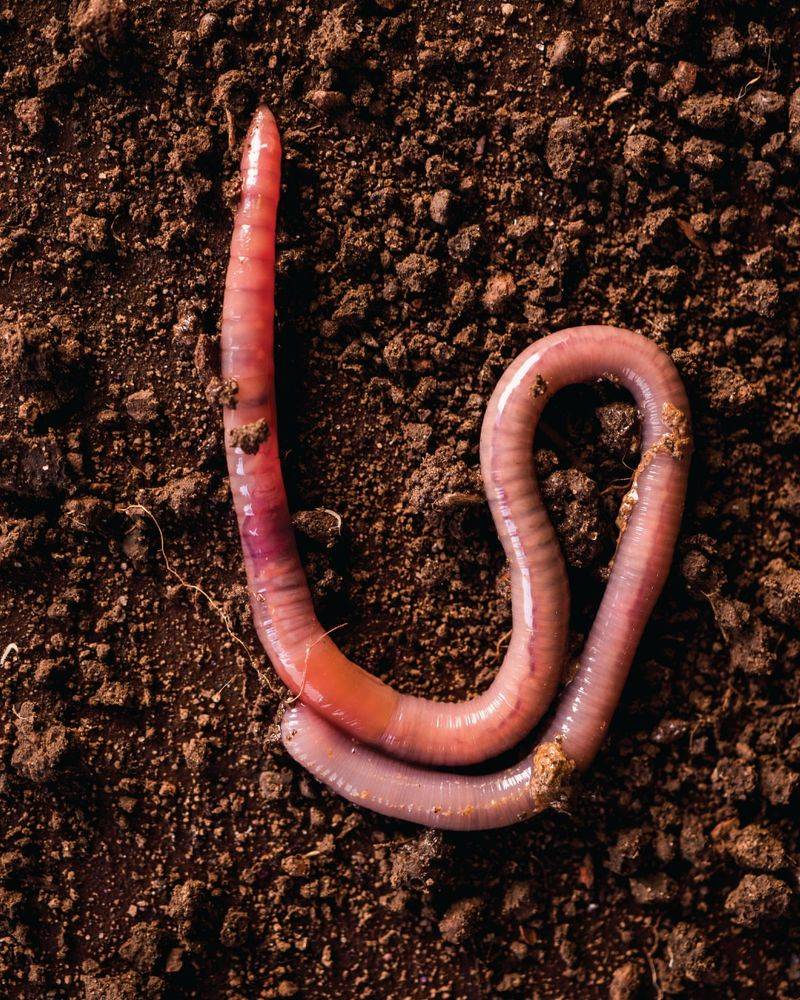
Earthworms usually burrow deep underground when Minnesota soil gets too cold, but milder winters let them stay near the surface much longer than before.
Active earthworms keep tunneling through soil, creating pathways that help air and water move through your garden beds even during months that used to be completely frozen solid.
Their continued activity means they keep eating organic material and producing castings, which are nutrient-rich droppings that improve soil quality throughout the extended active season.
Gardens across Minnesota benefit from this extra earthworm activity because better soil structure develops when these creatures work longer before finally going dormant for winter.
However, some non-native jumping worms also thrive in warmer conditions, and they consume organic matter so quickly that topsoil becomes grainy and less able to hold moisture properly.
Monitoring your garden for different earthworm types helps you understand whether the changes happening underground are helping or hurting your soil health over time.
3. Snow Cover Is Less Reliable As Insulation
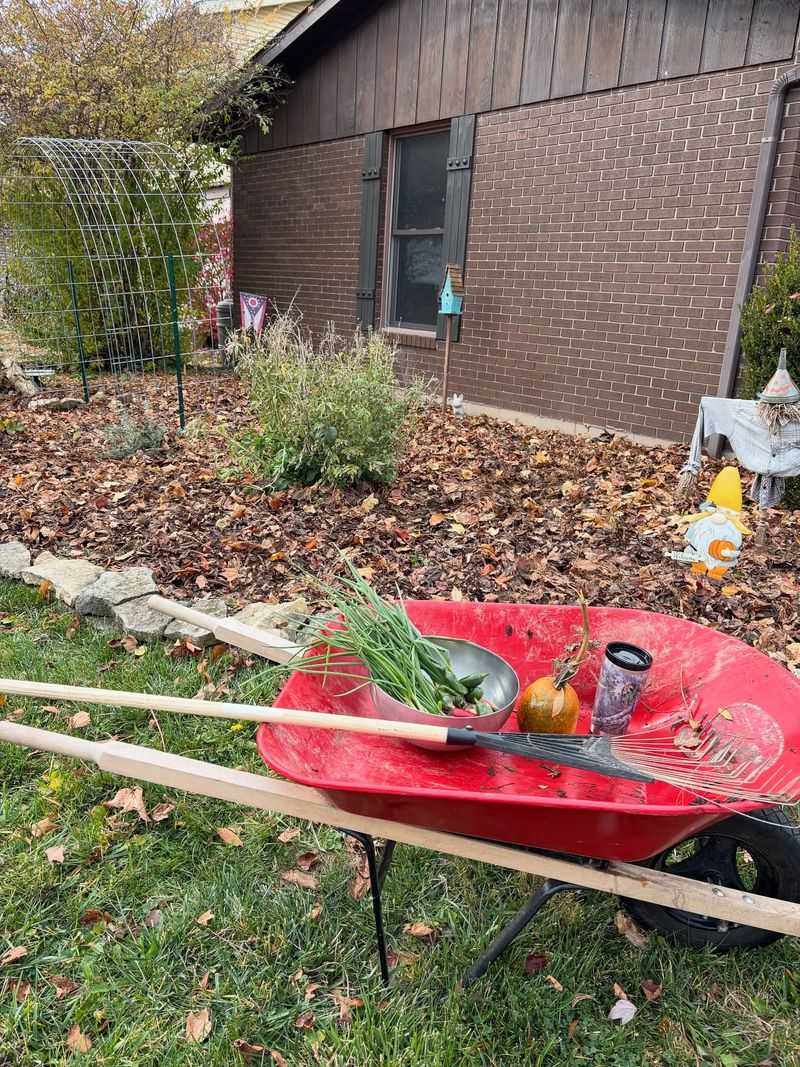
Snow used to blanket Minnesota gardens all winter long, acting like a thick comforter that kept soil temperatures steady and protected everything underneath from extreme cold.
Warmer winters bring less snow and more periods where soil sits completely exposed to freezing air, wild temperature swings, and harsh winds that dry out the surface.
Without reliable snow insulation, soil temperatures drop lower during cold snaps and rise higher during warm spells, stressing beneficial microorganisms that prefer stable conditions throughout the season.
Exposed soil also loses moisture faster because wind and occasional sunny days evaporate water from the surface, leaving garden beds drier than they would be under snow protection.
Minnesota gardeners notice their perennials struggling more in spring because roots experienced temperature extremes that damaged delicate root hairs responsible for absorbing water and nutrients from surrounding soil.
Applying mulch in late fall provides artificial insulation that mimics snow cover, helping maintain more consistent soil temperatures even when natural snowfall becomes unpredictable from year to year.
4. Soil Microbes Are Confused About Seasons
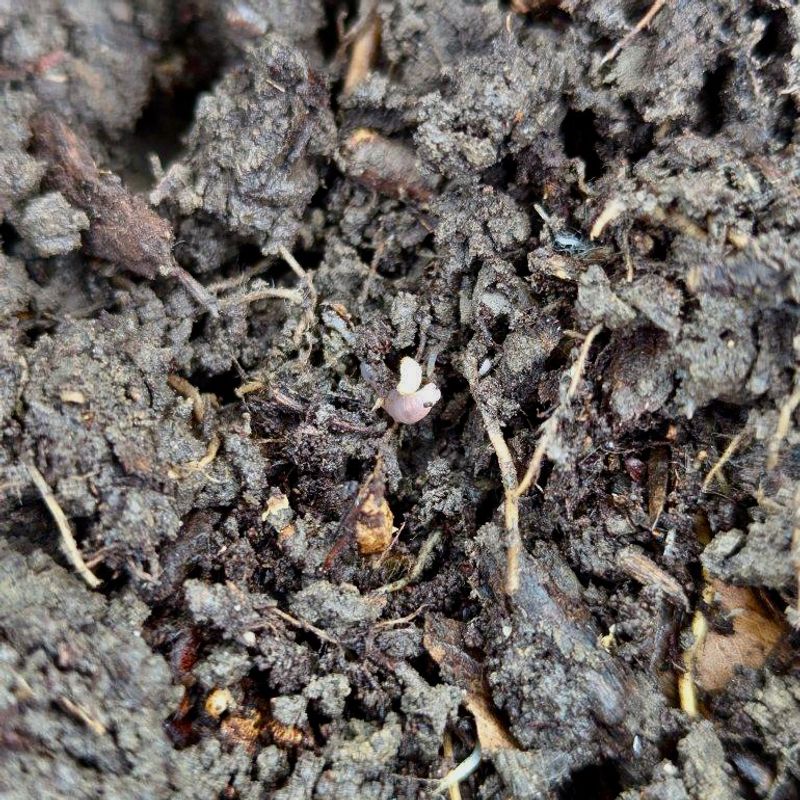
Billions of tiny bacteria and fungi live in Minnesota garden soil, and they usually slow down or go dormant when temperatures drop below freezing for extended periods.
Warmer winters with frequent temperature fluctuations wake these microbes up repeatedly, causing them to burn through energy reserves they need for surviving until spring actually arrives for real.
When microbes become active during warm spells, they start breaking down organic matter and releasing nutrients, but plants cannot use those nutrients because they remain dormant through winter.
Rain and snowmelt wash away these released nutrients before spring planting begins, meaning your Minnesota garden loses fertility that would normally stay locked in organic matter until warmer weather.
Confused microbes also face increased stress from temperature changes, and some beneficial species decline while others that prefer warmer conditions begin moving into Minnesota from southern regions.
Adding compost regularly helps maintain diverse microbial communities that can better handle unpredictable conditions, ensuring your soil stays biologically active and healthy despite changing winter patterns affecting the entire state.
5. Organic Matter Breaks Down Faster
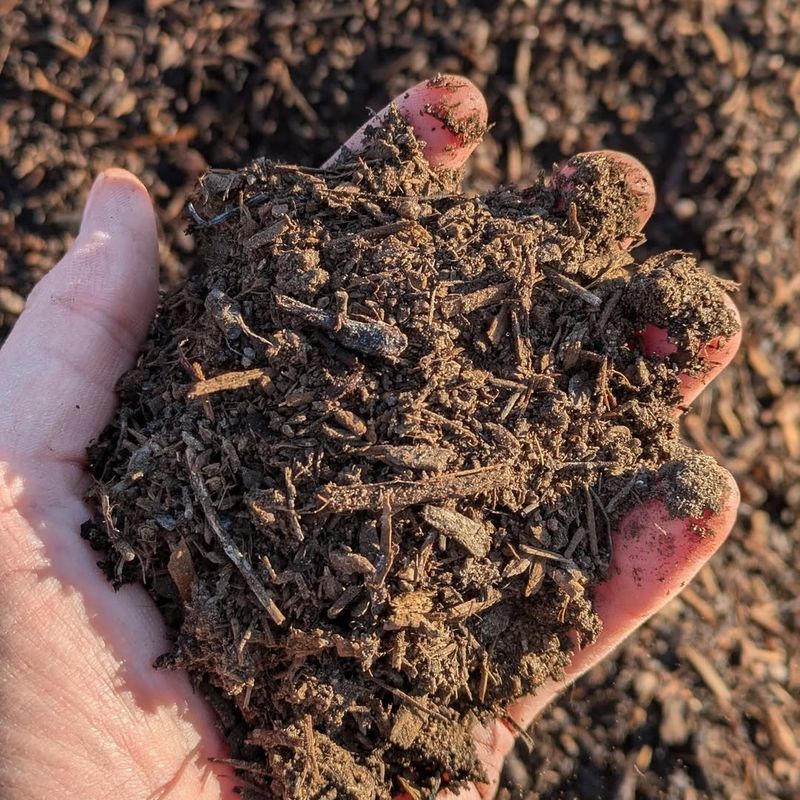
Leaves, grass clippings, and other organic materials you add to Minnesota gardens used to decompose slowly during winter because freezing temperatures stopped most breakdown activity for months.
Milder winters mean decomposition continues longer into fall and starts earlier in spring, with microbes staying active during warm periods that interrupt what used to be solid freezing.
Faster organic matter breakdown sounds beneficial because it releases nutrients sooner, but it also means your soil loses valuable organic material that provides structure and water-holding capacity over time.
Gardens need constant replenishment of organic matter because it disappears more quickly than before, leaving soil more compact and less fluffy if you do not add compost or mulch regularly.
Minnesota gardeners find themselves adding twice as much organic material compared to what their parents or grandparents needed to maintain healthy, rich soil that supports vigorous plant growth throughout the season.
Fall applications of shredded leaves or compost help replace what decomposes faster, ensuring your garden maintains adequate organic content despite warmer conditions speeding up natural breakdown processes happening underground year-round.
6. Soil Compaction Is Increasing
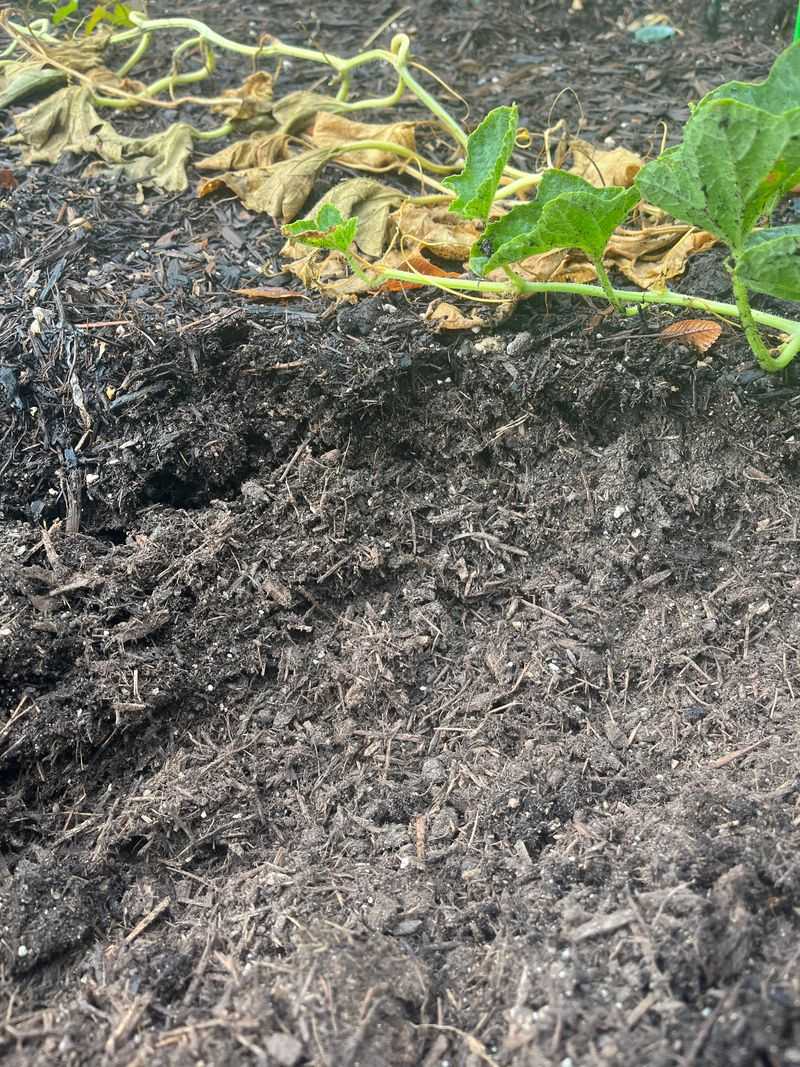
Frozen soil in Minnesota traditionally stayed hard as concrete all winter, preventing anyone from walking on garden beds or moving equipment across yards until spring thaw arrived.
Warmer winters create more days when soil partially thaws, becoming soft and vulnerable to compression from footsteps, equipment, or even heavy snow that packs down on unfrozen ground.
Walking on partially thawed soil squeezes out air pockets between soil particles, crushing the structure that plant roots need for growing downward and accessing water stored in deeper layers.
Compacted soil drains poorly because water cannot move through tightly packed particles, leading to puddles on the surface and soggy conditions that stress plant roots during spring rains.
Minnesota gardens with compacted soil also warm up slower in spring because dense soil holds more water, and that extra moisture takes longer to evaporate before planting can begin.
Avoiding garden beds during warm winter spells protects soil structure, and adding compost or using raised beds helps counteract compaction that increases when traditional winter freezing becomes less reliable across the state.
7. Perennial Roots Are Emerging Too Early
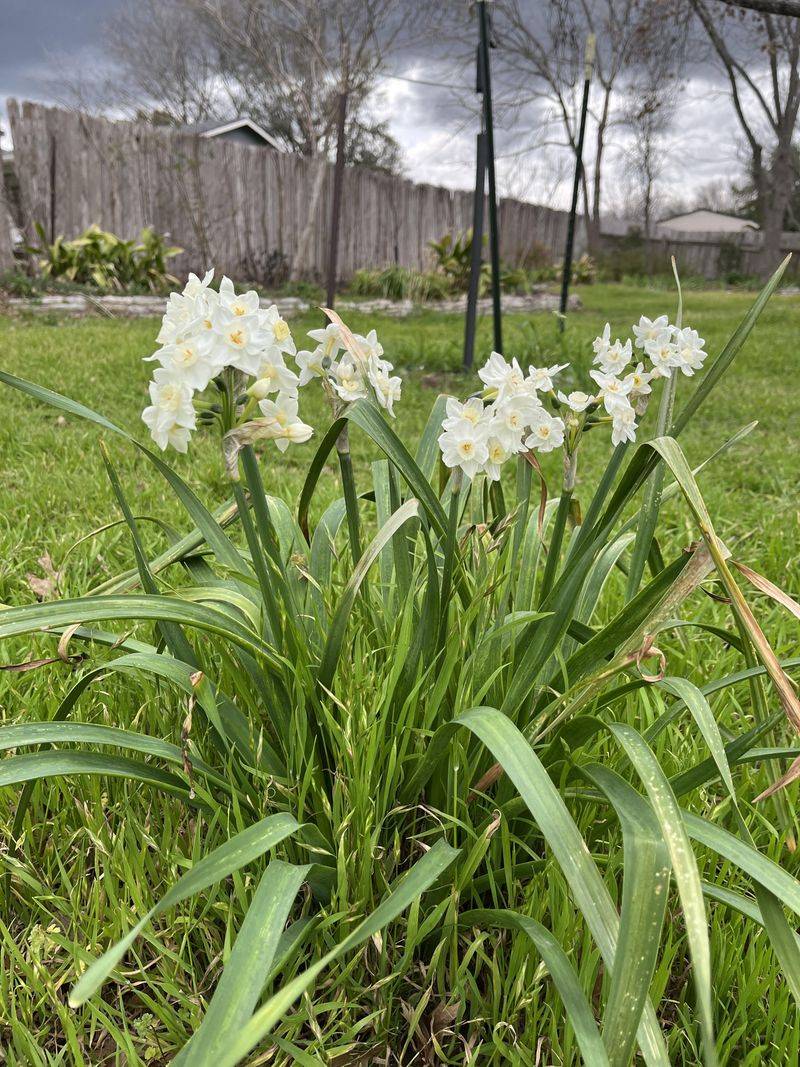
Perennial plants in Minnesota gardens rely on consistent cold temperatures to stay dormant through winter, waiting for reliable spring warmth before sending up new shoots from underground roots.
Warmer winter days trick these plants into thinking spring arrived early, causing them to break dormancy and start growing when freezing temperatures will almost certainly return and damage tender growth.
Early emergence wastes energy stored in roots, and when hard freezes return, new growth gets damaged or stops developing, forcing plants to use even more stored energy for recovery.
Soil temperature fluctuations confuse plant hormones that normally trigger growth at the right time, leading to weakened perennials that produce fewer flowers and struggle to thrive during the actual growing season.
Minnesota gardeners notice their hostas, daylilies, and other perennials looking stressed in spring, with stunted growth resulting from multiple false starts caused by unseasonable warmth interrupting proper winter dormancy.
Mulching perennial beds heavily in late fall helps insulate soil and keep temperatures more stable, reducing the chance that warm spells will trigger premature growth that ultimately weakens your plants over time.
8. Soil pH Is Shifting Gradually
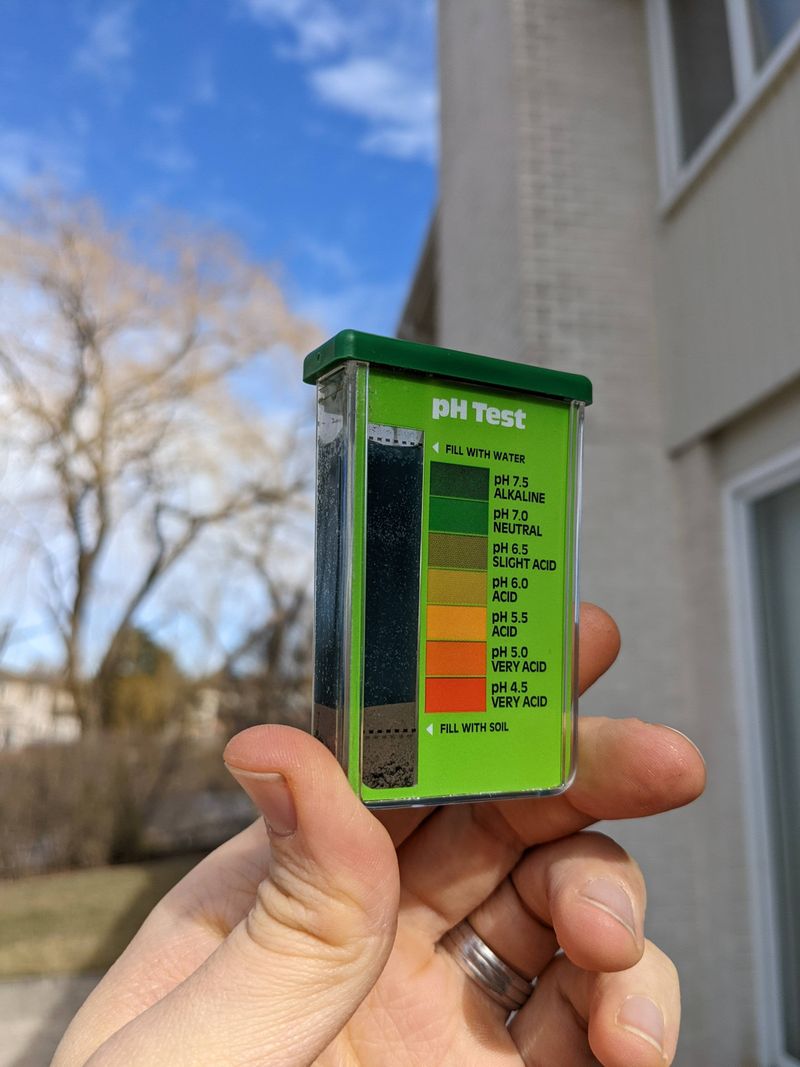
Soil pH measures how acidic or alkaline your garden is, and Minnesota soils typically stay relatively stable because frozen winters slow down chemical processes that change pH levels.
Warmer winters increase microbial activity and speed up decomposition, both of which release acids and other compounds that gradually alter soil pH in ways that used to take much longer.
Increased rainfall and reduced snow cover also affect pH because more water moving through soil washes away certain minerals while concentrating others, shifting the balance that plants depend on.
Plants adapted to Minnesota’s traditional soil conditions may struggle as pH drifts outside their preferred range, showing yellowing leaves or poor growth even when you provide adequate water and fertilizer.
Testing soil pH every spring helps Minnesota gardeners catch these shifts early, allowing you to add lime to raise pH or sulfur to lower it before problems become serious.
Understanding that climate change affects soil chemistry reminds us that gardening practices must evolve, and monitoring pH becomes more important as warmer winters continue altering the underground environment supporting everything we grow.
9. Moisture Levels Are More Unpredictable
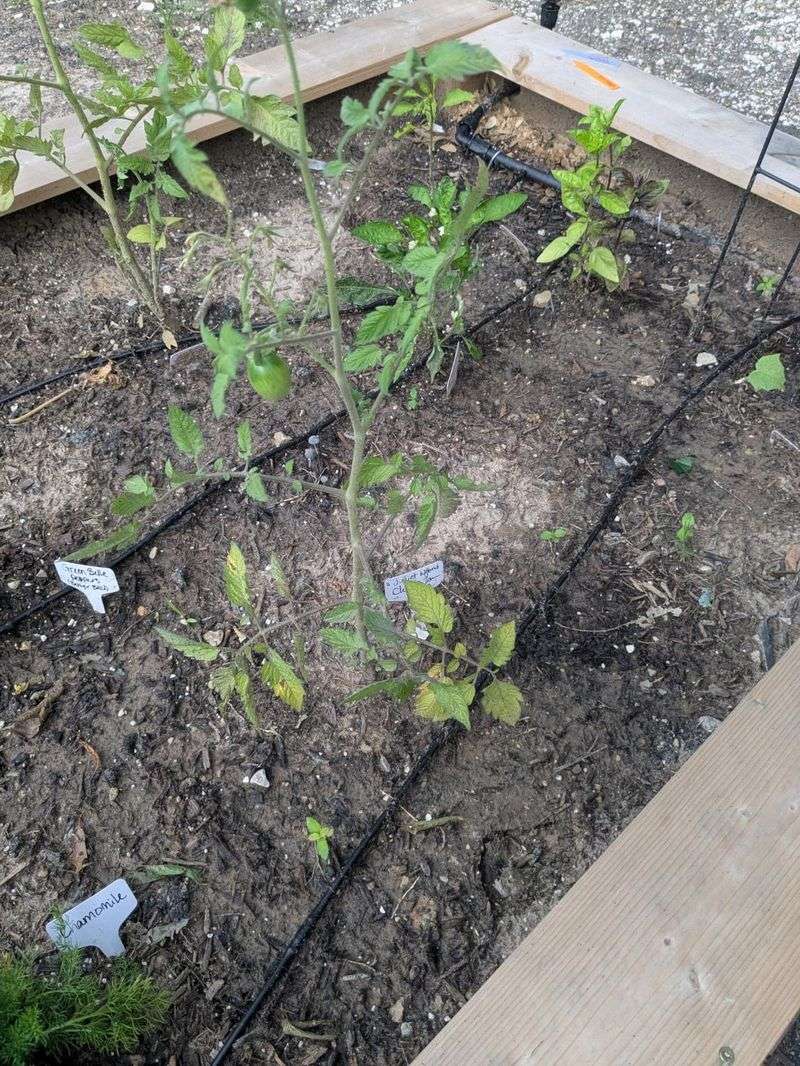
Traditional Minnesota winters locked moisture in frozen soil for months, creating predictable conditions that gardeners counted on when planning spring planting schedules and irrigation needs for the season.
Warmer winters bring cycles of freezing and thawing that cause moisture to move up and down through soil layers, sometimes pooling in low spots and other times evaporating rapidly from exposed surfaces.
Gardens experience more extreme moisture swings, with some areas staying soggy while others dry out completely, making it harder to maintain consistent conditions that most vegetables and flowers prefer for healthy growth.
Unpredictable moisture also affects soil structure because very wet soil becomes sticky and prone to compaction, while very dry soil turns hard and resists water absorption when rain finally arrives.
Minnesota gardeners find themselves needing better drainage solutions in some beds and more water retention strategies in others, even within the same yard, because winter moisture patterns no longer follow predictable rules.
Installing rain gardens or adding organic matter improves soil’s ability to handle moisture extremes, creating a buffer that helps maintain more stable conditions despite increasingly erratic winter weather affecting gardens statewide.
10. Beneficial Insects Are Waking Up At Wrong Times
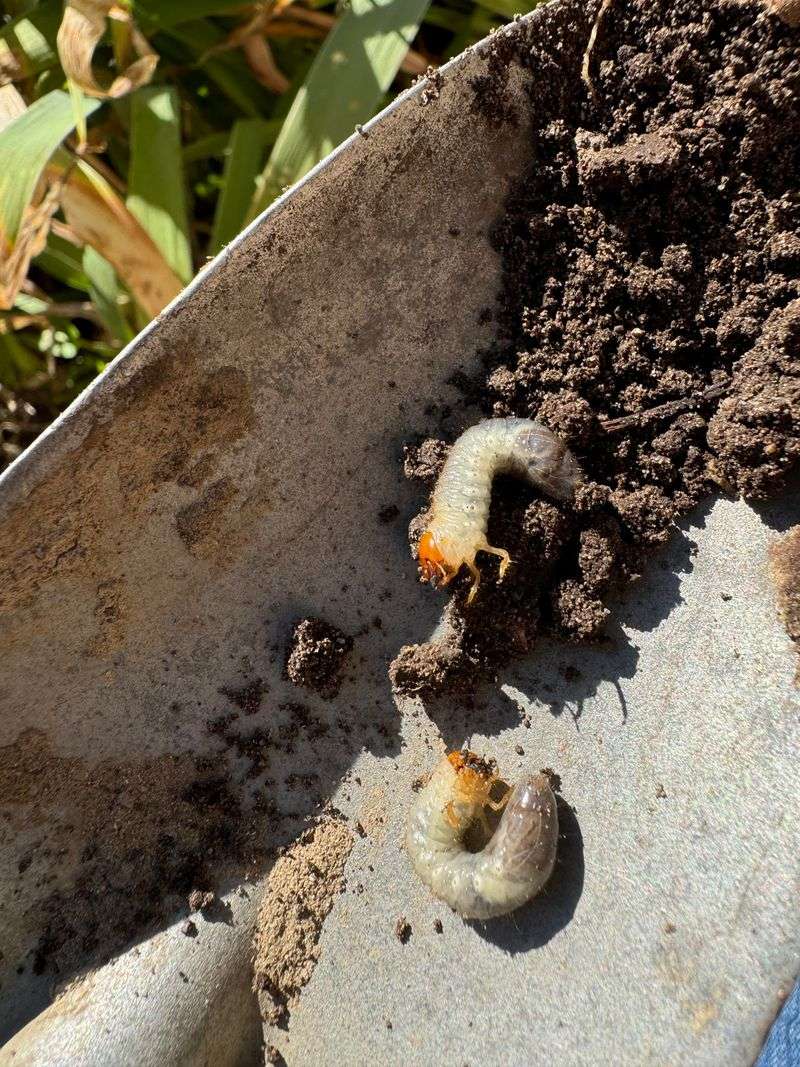
Many helpful insects spend winter as eggs, larvae, or adults buried in Minnesota garden soil, relying on cold temperatures to keep them dormant until spring flowers and pest insects appear.
Warmer winter temperatures wake these beneficial creatures too early, before food sources become available, causing them to waste energy searching for meals that simply do not exist yet in gardens.
Early emergence also exposes beneficial insects to harsh conditions when cold weather returns, reducing their populations and leaving gardens with fewer natural pest controllers when growing season actually begins in spring.
Soil-dwelling predatory insects like ground beetles face particular challenges because their life cycles become mismatched with prey insects that may emerge at different times under changing climate conditions affecting Minnesota.
Gardens lose natural pest control when beneficial insect populations decline, forcing gardeners to rely more on sprays or other interventions that used to be unnecessary when insect timing aligned properly with seasons.
Leaving leaf litter and plant stems standing through winter provides shelter that helps beneficial insects survive temperature fluctuations, supporting populations that keep your Minnesota garden healthy despite warming trends disrupting natural timing.