How Year-Round Feeders Help California Hummingbirds Thrive
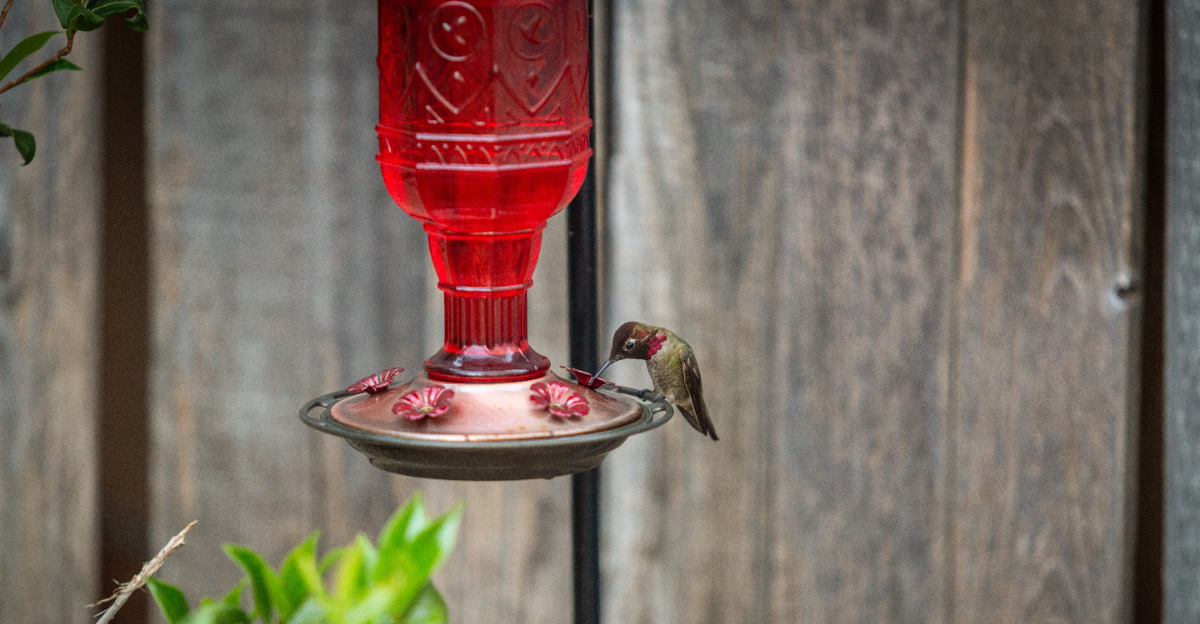
California’s mild climate makes it a year-round home for several hummingbird species, and keeping feeders filled throughout all seasons can make a real difference in their survival and success.
While many people only think about hummingbirds in spring and summer, these tiny birds face challenges during winter months and migration periods when natural nectar sources become scarce.
Year-round feeding provides a reliable energy source that helps hummingbirds maintain their incredibly fast metabolisms, supports breeding efforts, and gives migrating birds the fuel they need for their journeys.
Understanding how to properly maintain feeders and create a welcoming habitat can transform your yard into a hummingbird haven that benefits these remarkable birds all year long.
1. Why Some Hummingbirds Stay Year-Round
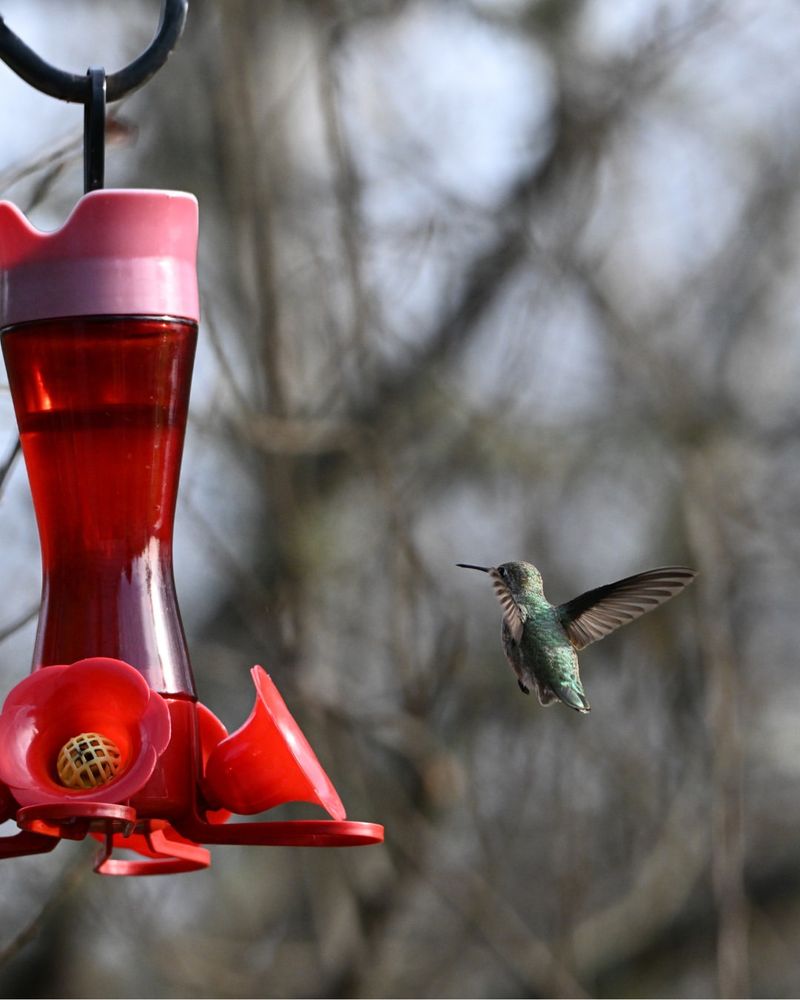
Walk outside on a January morning in California and you might be surprised to see a hummingbird zipping past your window. Unlike many regions where hummingbirds disappear completely in winter, California hosts several species that stick around all year.
Anna’s Hummingbirds are the most common year-round residents throughout much of the state, particularly along the coast and in urban areas. Allen’s Hummingbirds also overwinter in Southern California, while other species pass through during migration.
These permanent residents have adapted to California’s Mediterranean climate, where mild winters and diverse plant life provide enough resources to survive.
Your feeders become especially critical during winter months when fewer flowers bloom naturally. Hummingbirds need to consume half their body weight in nectar daily just to fuel their rapid metabolisms, and a single cold night without adequate food can be fatal.
By maintaining feeders year-round, you provide a dependable energy source when natural nectar becomes scarce.
Many gardeners mistakenly take feeders down in fall, thinking hummingbirds have all migrated south. This assumption can actually harm resident populations that depend on supplemental feeding during leaner months.
Keeping feeders up ensures these tiny survivors have the calories they need to make it through chilly mornings and shorter days when insects and flowering plants are less abundant.
2. Feeders Provide Steady Nectar
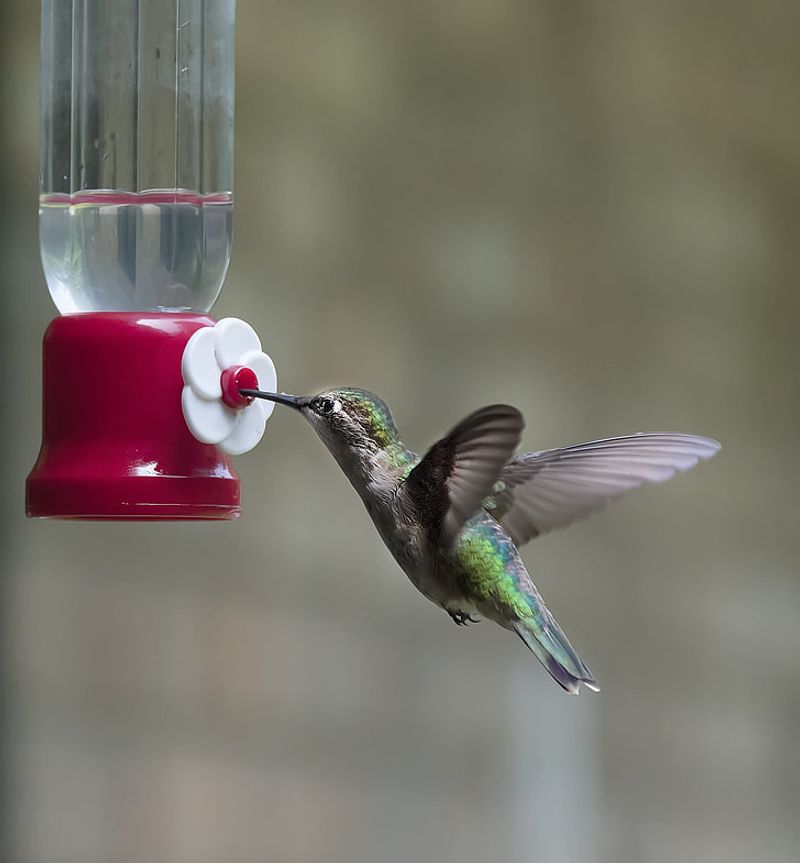
Natural nectar sources fluctuate wildly depending on what’s blooming in your neighborhood at any given time. Spring brings an explosion of flowers, but by late summer or during drought periods, options become limited.
Feeders bridge these gaps with consistent nutrition.
Think of your feeder as a reliable convenience store for hummingbirds. While they still forage for insects and visit flowers for natural nectar, having a predictable food source reduces the energy they spend searching for meals.
This efficiency matters tremendously for birds that burn calories at astonishing rates and must feed every ten to fifteen minutes during daylight hours.
California’s long dry summers can stress many flowering plants, causing them to produce less nectar or stop blooming altogether. During these tough periods, your feeder becomes even more valuable.
Hummingbirds establish feeding territories and remember reliable food sources, so a well-maintained feeder will attract regular visitors who come to depend on it.
The consistency also benefits breeding females who need extra calories for egg production and feeding young. Rather than spending precious energy flying long distances to find scattered flowers, they can quickly refuel at your feeder and return to nest duties.
This steady supply can make the difference between successful reproduction and nest failure during challenging weather conditions or seasonal nectar shortages.
3. Winter Feeding Matters
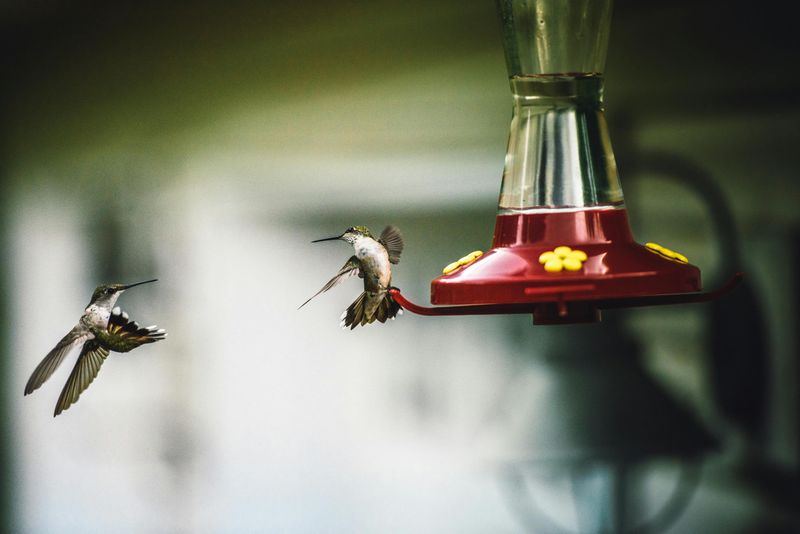
December through February can be surprisingly tough months for California hummingbirds. While temperatures rarely drop to freezing in most regions, cooler weather means fewer insects to eat and many plants enter dormancy or reduce flowering significantly.
Anna’s Hummingbirds actually begin their breeding season in winter, with males performing elaborate dive displays as early as December. This counterintuitive timing means they need tremendous amounts of energy precisely when natural food sources are least abundant.
Females building nests and incubating eggs in January and February require constant nutrition to maintain body temperature and successfully raise chicks.
Your winter feeder becomes a lifeline during this critical period. Check it daily since cold nights can cause nectar to freeze in some inland areas, and even coastal regions experience chilly mornings.
Bringing feeders inside overnight and putting them back out at dawn ensures hummingbirds have access to liquid food when they need it most desperately after a long, cold night.
Many people assume hummingbirds migrate away entirely, but this misconception can leave resident birds struggling. By keeping feeders filled and functional throughout winter, you support breeding success and help maintain healthy local populations.
The commitment is minimal compared to the significant impact on these remarkable year-round residents.
4. Support During Breeding Season
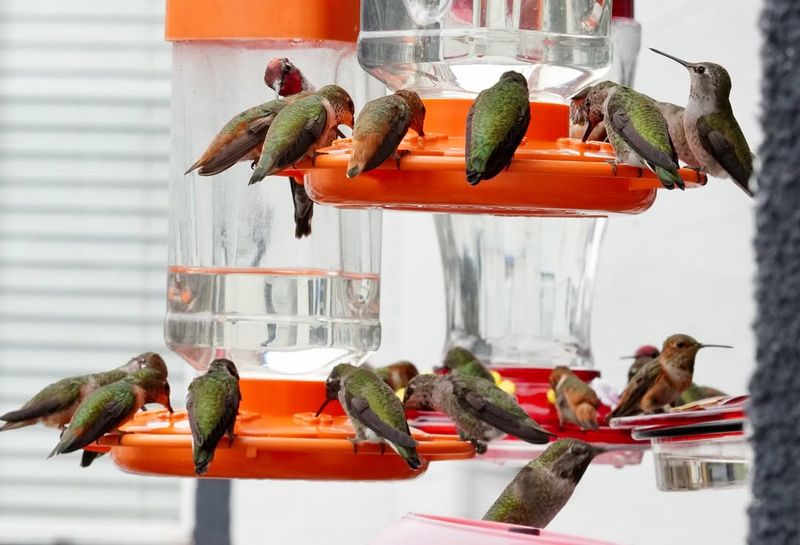
Breeding season places extraordinary demands on hummingbird physiology. Females must produce eggs that together weigh nearly half their body mass, then incubate them while maintaining their own metabolism.
Once chicks hatch, mothers make hundreds of feeding trips daily, catching tiny insects and gathering nectar to fuel rapid growth.
California’s main breeding season runs from late winter through early summer, though timing varies by species and location. During this exhausting period, females benefit enormously from having a nearby feeder where they can quickly tank up between nest visits.
Males also need extra calories to fuel their energetic courtship displays and defend territories.
Position feeders within view of potential nesting sites but not so close that they attract predators or create too much traffic near sensitive nest areas. Hummingbirds often nest in the same general area year after year, so maintaining feeders consistently helps establish your yard as prime breeding habitat.
The protein from insects remains essential for chick development, but nectar from feeders provides the quick energy boost parents need to keep hunting effectively. A well-fed mother can make more foraging trips and raise healthier young.
By supporting breeding birds with reliable feeders, you contribute directly to the next generation of hummingbirds in your neighborhood.
5. Help During Migration
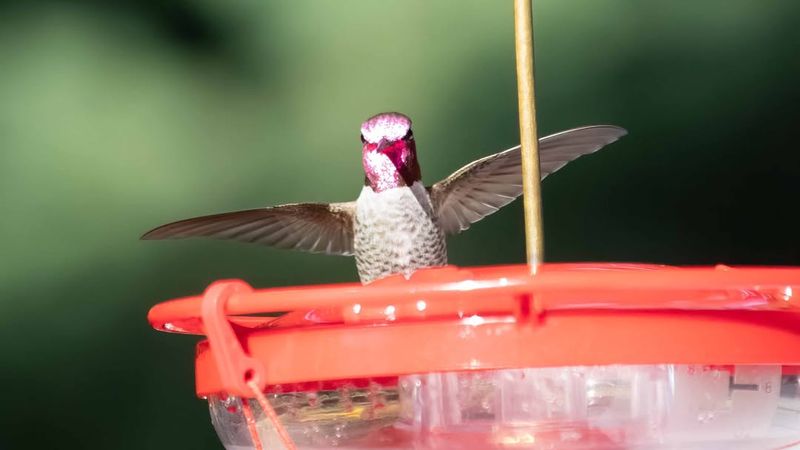
California serves as both a destination and a highway for migrating hummingbirds. While Anna’s stay put year-round, other species pass through in spring and fall, creating periods of intense feeder activity.
Rufous Hummingbirds migrate along the Pacific Coast, and Black-chinned, Costa’s, and Calliope Hummingbirds travel through various parts of the state.
These migrants face an exhausting journey requiring enormous energy reserves. A Rufous Hummingbird traveling from Alaska to Mexico must gain significant weight before departure and refuel regularly along the route.
Your feeders provide crucial stopover resources that allow migrants to rest and rebuild fat stores before continuing their journey.
Peak migration periods typically occur in March through April for northbound birds and July through September for southbound travelers. During these windows, you might notice increased competition at feeders as residents and migrants overlap.
Putting up additional feeders reduces territorial conflicts and ensures all birds get adequate nutrition.
Some migrants arrive exhausted and desperately need immediate calories. A well-maintained feeder might literally save a life by providing that critical energy boost.
Even if you primarily see Anna’s Hummingbirds most of the year, your feeders serve a broader conservation purpose by supporting the remarkable journeys of multiple species passing through California’s diverse landscapes.
6. Keep Nectar Clean And Fresh
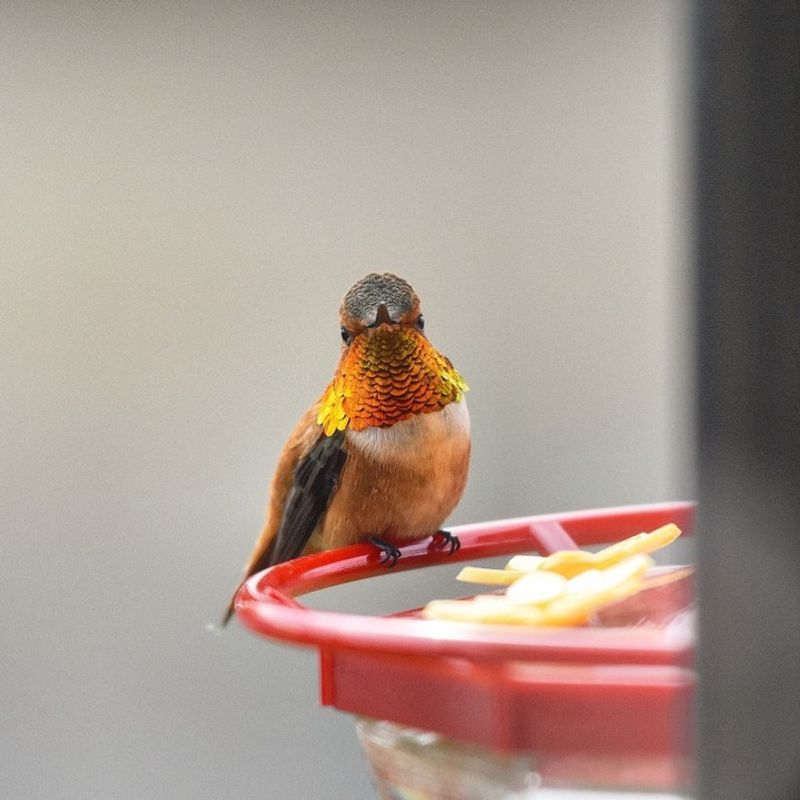
Maintaining clean feeders matters more than most people realize. Nectar spoils quickly in California’s warm weather, and dirty feeders can harbor dangerous molds, bacteria, and fermentation that make hummingbirds sick.
Black mold growing around feeding ports is particularly harmful and can cause fatal tongue infections.
Change nectar every three to five days during hot weather, and even more frequently when temperatures climb above 90 degrees. Cooler months allow slightly longer intervals, but never let nectar sit more than a week.
If liquid looks cloudy, discard it immediately regardless of how recently you filled the feeder.
Clean feeders thoroughly with hot water and a bottle brush designed to reach all crevices. Avoid soap unless absolutely necessary, and rinse extensively if you use any.
A diluted vinegar solution works well for removing stubborn residue without leaving harmful chemicals. Pay special attention to feeding ports where mold accumulates first.
California’s intense summer sun accelerates spoilage, so consider positioning feeders in partial shade during the hottest months. This simple adjustment keeps nectar fresh longer and reduces your maintenance workload.
The extra effort invested in cleanliness directly translates to healthier hummingbirds visiting your yard. Sick birds stop visiting contaminated feeders, so consistent cleaning ensures your good intentions actually benefit rather than harm these delicate visitors.
7. Avoid Common Feeder Mistakes
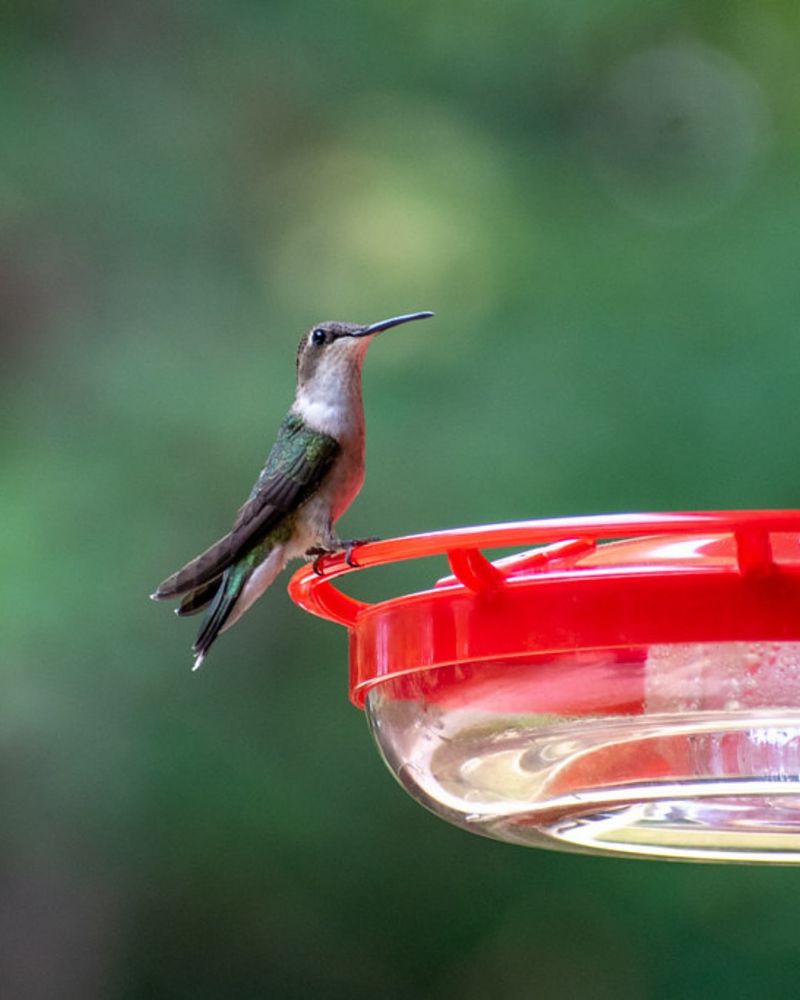
Several well-intentioned mistakes can actually harm the hummingbirds you’re trying to help. Red dye, once commonly recommended, is completely unnecessary and potentially harmful.
Hummingbirds are attracted to the feeder’s red plastic parts, not the nectar color. Commercial mixes containing dyes should be avoided entirely.
The correct nectar recipe is simple: four parts water to one part white granulated sugar. Never use honey, artificial sweeteners, brown sugar, or organic sugars, as these can cause dangerous fermentation or contain additives harmful to hummingbirds.
Boiling water helps sugar dissolve completely and slows bacterial growth, though it’s not absolutely necessary if you’re changing nectar frequently.
Placing too few feeders for the number of visiting birds creates unnecessary competition and stress. Dominant hummingbirds will aggressively defend a single feeder, preventing others from feeding.
Space multiple feeders around your yard where aggressive birds can’t see and defend them all simultaneously. This simple strategy allows more birds to feed peacefully.
Another common error is taking feeders down too early in fall or putting them up too late in spring. California’s year-round residents and variable migration timing mean feeders should stay available continuously.
The myth that feeders prevent migration persists despite scientific evidence showing birds migrate based on instinct and day length, not food availability. Your feeders won’t trap birds who should migrate.
8. Build A Hummingbird-Friendly Garden
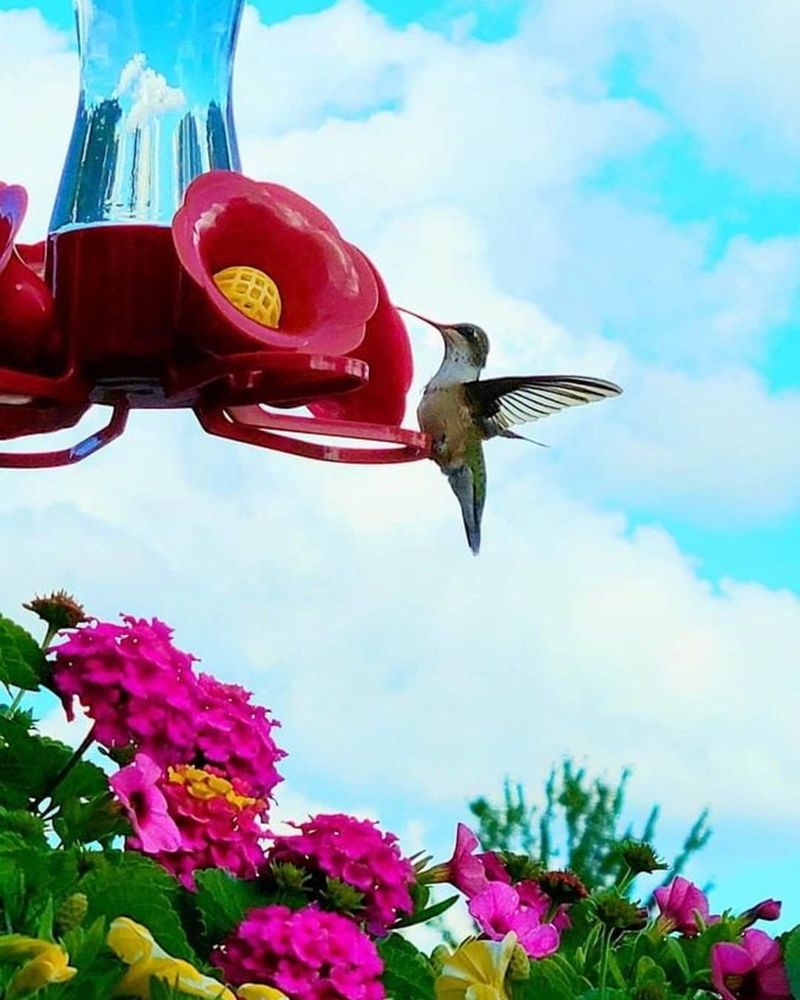
Feeders work best as part of a broader habitat strategy that includes flowering plants hummingbirds naturally prefer.
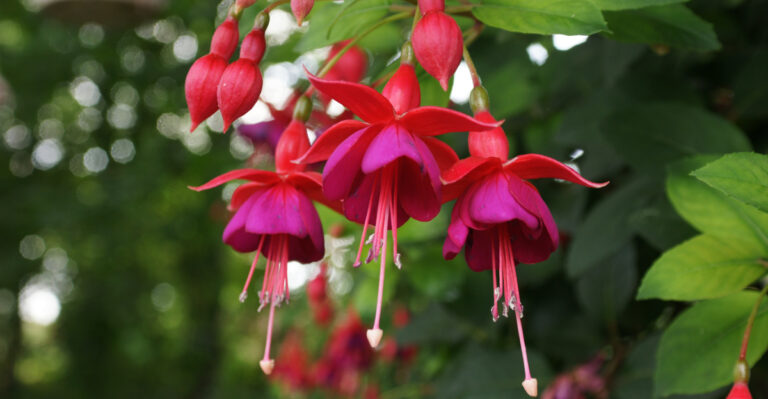
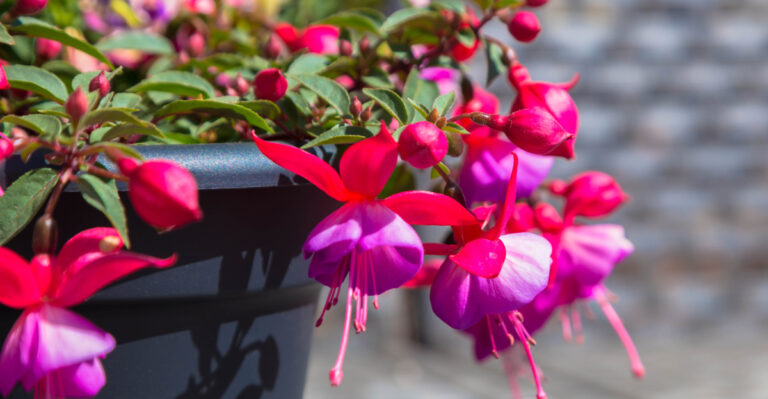
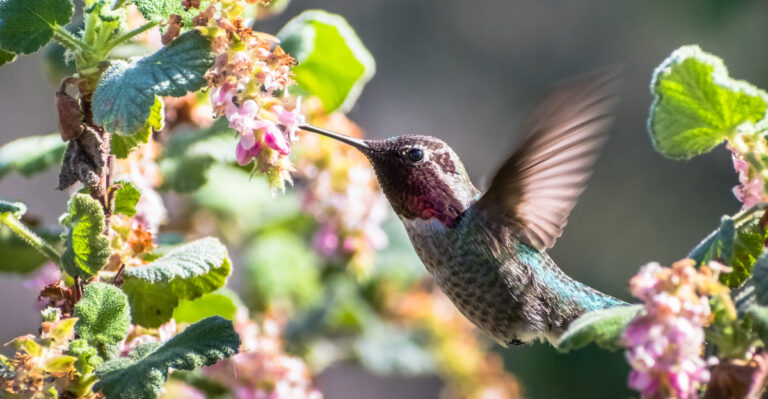
California natives like California Fuchsia, Penstemon, Salvia, and Red Flowering Currant provide nectar throughout different seasons while requiring minimal water once established.
Plan your garden for sequential blooming so something flowers year-round. Early bloomers like Ribes support winter breeders, spring plants fuel migration, summer flowers sustain residents during heat, and fall bloomers prepare migrants for their journeys.
This thoughtful planning creates a natural buffet that complements your feeders rather than replacing them.
Include plants at various heights since different species prefer different feeding zones. Shrubs, perennials, and vines create vertical diversity that accommodates multiple birds feeding simultaneously.
Dense shrubs also provide important nesting sites and shelter from predators and weather.
Avoid pesticides entirely in hummingbird habitat. These birds consume enormous quantities of small insects and spiders for protein, and pesticides reduce this essential food source while potentially poisoning birds directly.
A healthy insect population benefits hummingbirds far more than pristine foliage.
Water features add another dimension to hummingbird habitat. These birds love flying through fine mist or bathing in shallow water.
A simple mister attachment on your hose or a fountain with a gentle spray creates irresistible bathing opportunities. Combined with feeders and nectar plants, these elements transform your yard into prime hummingbird real estate.