Hurricane Isaias May Have Left Hidden Damage Beneath Georgia Trees
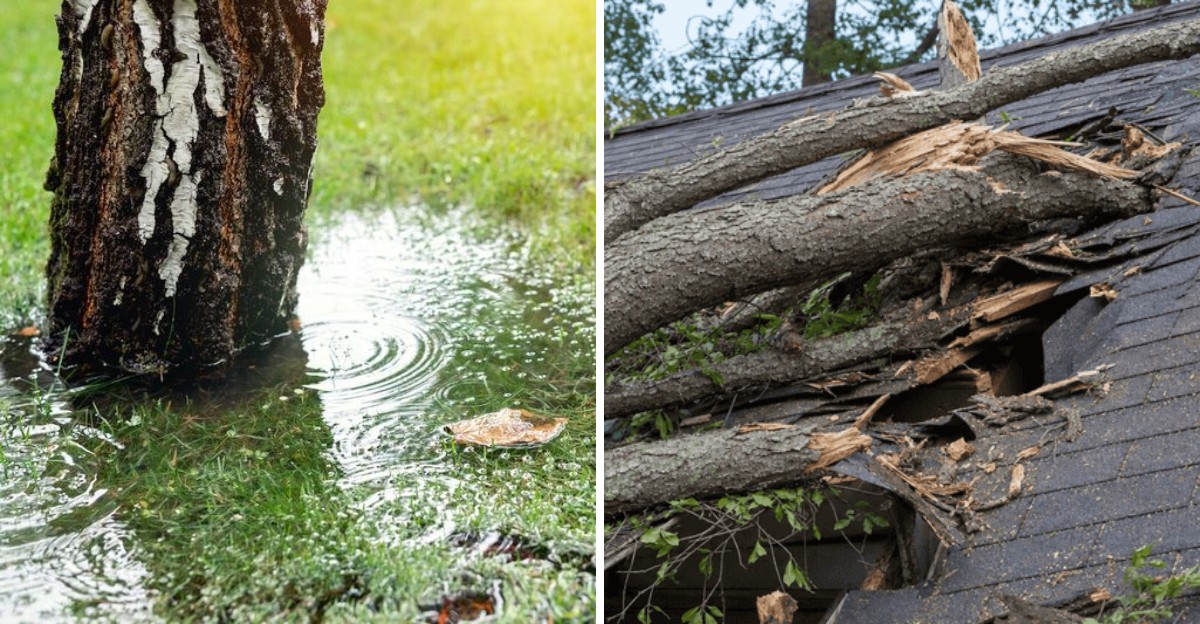
Hurricane Isaias passed through Georgia years ago, but some trees exposed to its strong winds may still have problems that are difficult to spot.
Storm damage does not always show up as broken branches. Strong winds can also disturb roots or weaken connections that remain hidden beneath the soil.
That possibility makes older storm exposure worth considering when a tree begins showing unusual changes.
Take a closer look at trees that have started leaning, developing cracks, or showing signs of instability. These symptoms deserve attention regardless of when the original damage occurred.
Not every struggling tree has a connection to Isaias, so avoid assuming the storm caused it.
If something looks concerning, have a qualified arborist assess the tree before attempting major work. Understanding the problem matters more than guessing its cause.
1. Trees Still Standing After The Storm Aren’t Always In The Clear
Surviving the wind is only half the story. A tree can ride out a storm and still carry damage that grows worse with time.
Strong gusts bend trunks and twist limbs in ways that may leave small internal cracks you cannot see from the yard.
Roots can also take a beating when wet soil lets them shift. Since most of that happens underground, a tree may look normal for weeks or even longer.
Around coastal Georgia, where Isaias passed closest, live oaks, pines, and water oaks are common yard trees worth checking.
Start with a slow walk around each large tree. Look at the trunk, the base, and the ground nearby before you glance up at the canopy.
Take photos from the same spots each time you check. Comparing pictures over a few months can reveal a slow lean or thinning leaves you might otherwise miss.
Keep in mind that not every odd sign means trouble. Older trees often have quirks from past storms, droughts, or pruning, so a single clue may not tell the whole story.
What matters most is change. A tree that suddenly looks different after a big storm deserves a closer look, especially if it stands near your house, driveway, or a play area.
2. Soaked Soil And Strong Gusts Can Loosen Roots Below Ground
Wet ground acts a lot like loose sand under your feet. When soil fills with water, it loses some of its grip on the roots holding a tree in place.
Add strong wind to that soggy soil, and the tree can rock back and forth more than usual.
That rocking may stretch or snap smaller roots without leaving obvious marks above ground. Shallow-rooted trees and those growing in compacted or poorly drained areas may be at higher risk, though results vary by species and site.
Clay soils, common across much of the Georgia Piedmont, can hold water for a long time after heavy rain.
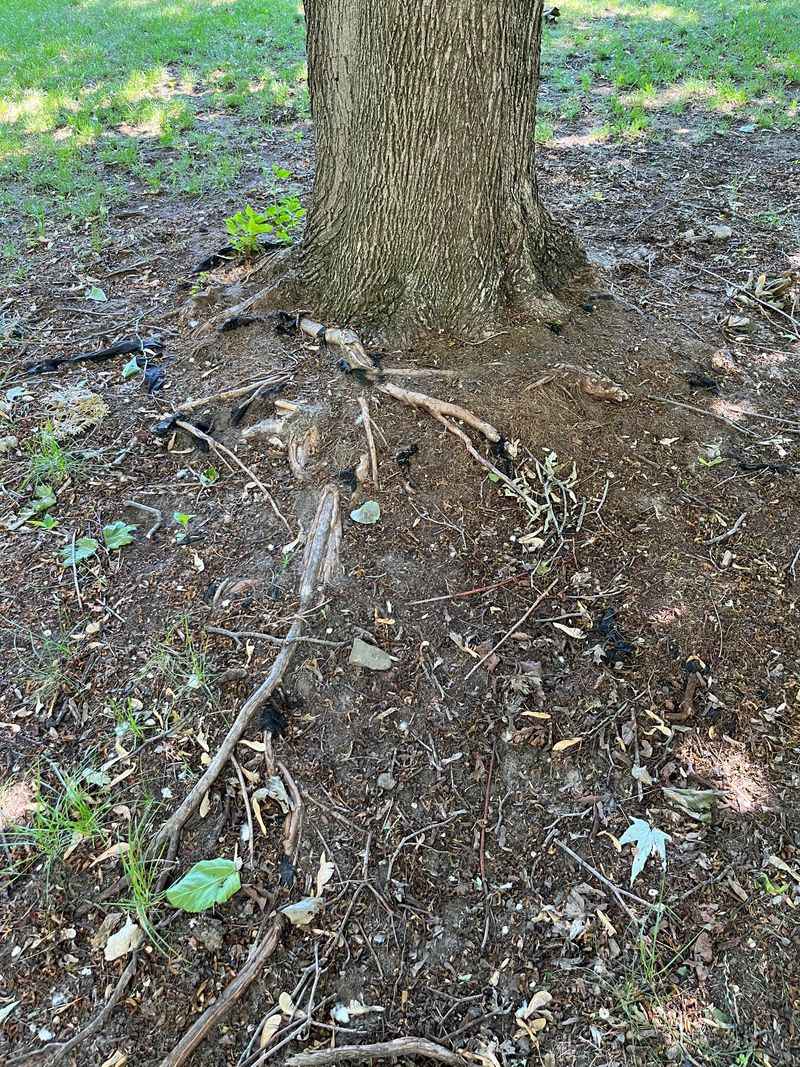
So what can you check? Look for gaps between the trunk and the soil, or a ring of loosened dirt around the base.
Gently pressing the ground with your foot near the trunk may reveal spongy spots. Avoid pushing hard on the tree itself, since that could be unsafe if roots are weak.
Your Georgia Garden Changes Every Week. Your Plan Should Too.
Gardening in Georgia changes quickly throughout the season. Every Friday you’ll receive a simple weekly plan showing exactly what to plant, prune, fertilize, harvest, and protect so you never miss the right timing.
Try not to park cars or pile heavy materials under trees while the soil stays wet.
Extra weight can compact the ground and squeeze roots that may already be stressed. Give the area time to dry out, and watch for any new lean before deciding on next steps.
3. Heaving Soil Near The Trunk Can Signal A Shifting Root Plate
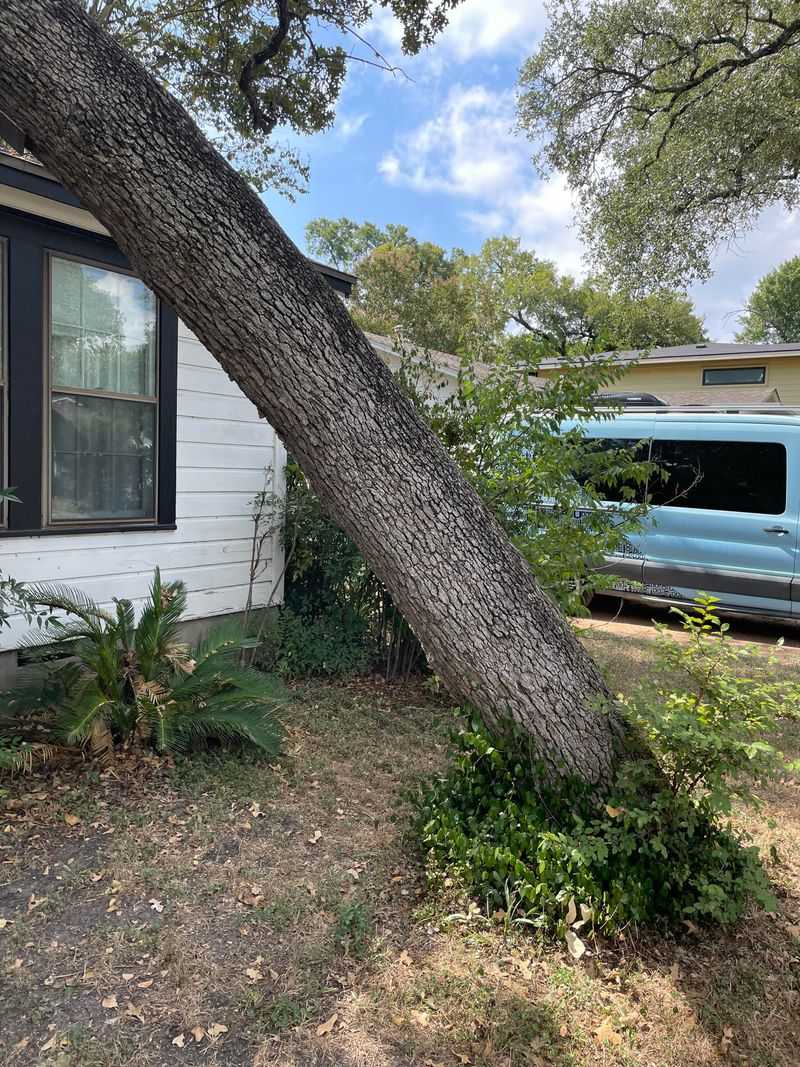
Raised dirt at the base of a tree is a red flag worth taking seriously. Arborists call the mass of roots and soil under a tree the root plate.
When that plate starts to tip, the ground on one side may lift, crack, or bulge upward.
You might notice torn grass, a small mound, or a split in the soil running in a curve near the trunk. On the opposite side, the ground can sometimes sink slightly.
Pair those clues with a fresh lean, and the tree may be losing its anchor.
Not every lean is new, of course. Trees often grow at an angle toward sunlight, and that kind of lean usually develops slowly over years without soil movement.
A storm-related lean tends to appear suddenly, often alongside lifted soil or exposed roots. In Georgia neighborhoods with tall pines, this pattern can be easier to spot after heavy rain.
If you see heaving soil, keep people and pets away from the fall zone.
Do not try to pull the tree upright or prop it with ropes. Large trees can shift unpredictably, so a professional assessment is the safest next move.
4. Fresh Cracks And Splits Often Hide Where Large Limbs Meet
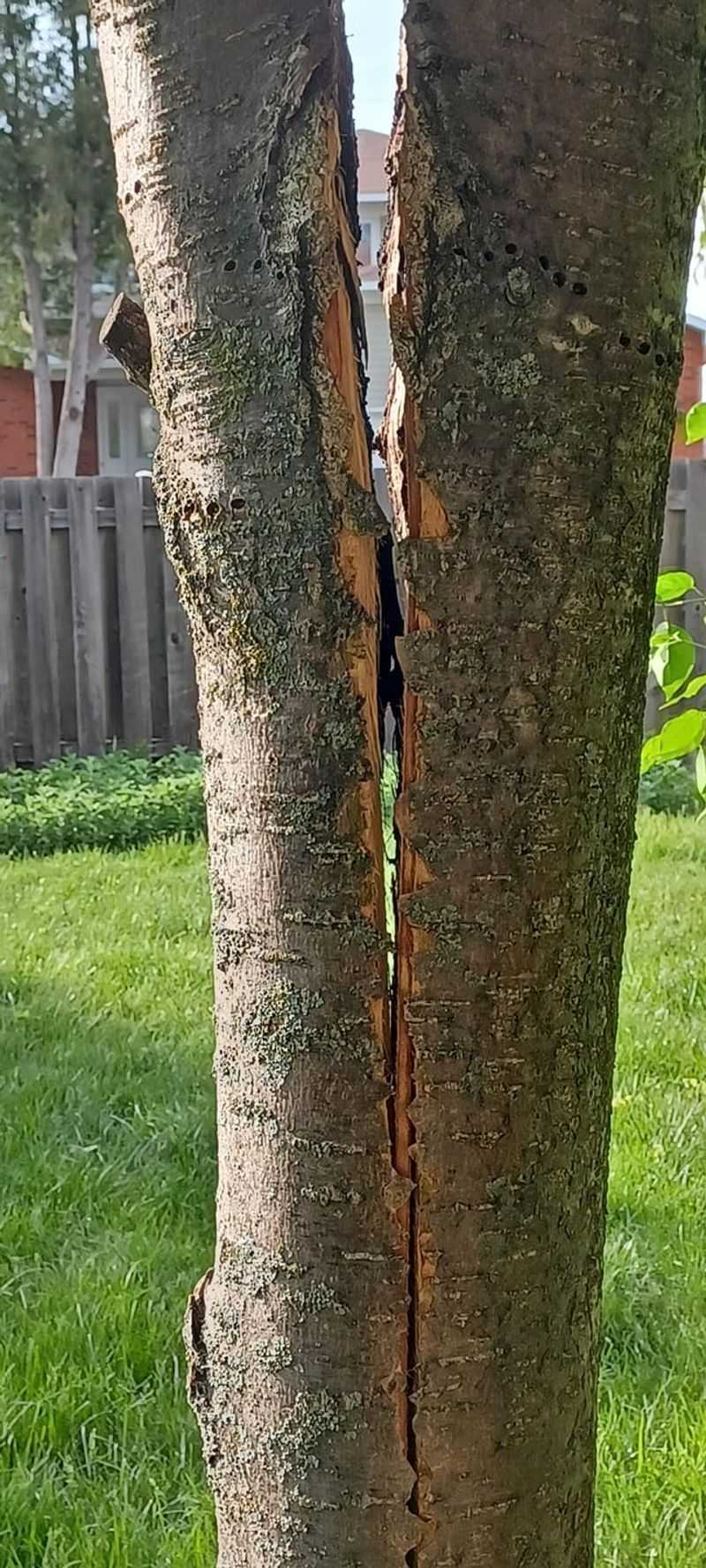
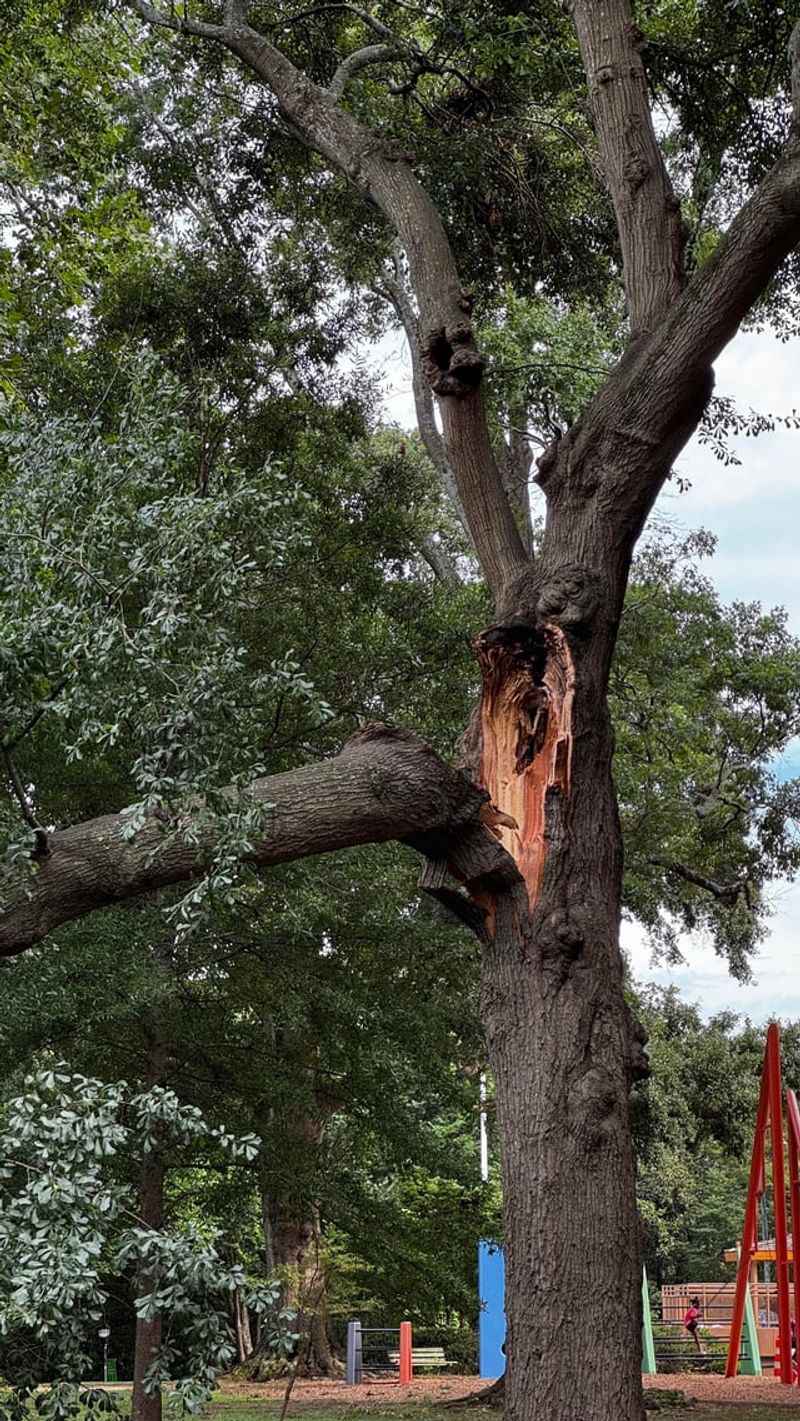
Look up at the spot where two big limbs join. That connection, called a union or crotch, carries a lot of stress during high winds.
Trees with two trunks growing from one point, known as codominant stems, can be prone to splitting there.
Bark often gets pinched inside these tight V-shaped unions. That trapped bark can make the joint weaker than a wide, U-shaped connection, though many such trees stand for decades.
Fresh cracks may show pale, clean wood that looks different from older, darker bark. Sometimes you will see sap or a damp line running down from the split.
Binoculars help a lot for this job. Scan from the trunk upward on a clear day, checking each major union from more than one angle.
Across Georgia, Bradford pears are well known for splitting at weak unions during storms.
Water oaks and some maples can develop similar problems as they age.
Small surface cracks in bark are not always serious. A deep split that goes through a union, especially one that seems to widen, calls for prompt attention from a qualified arborist.
5. Broken Branches Caught In The Canopy Pose A Falling Risk
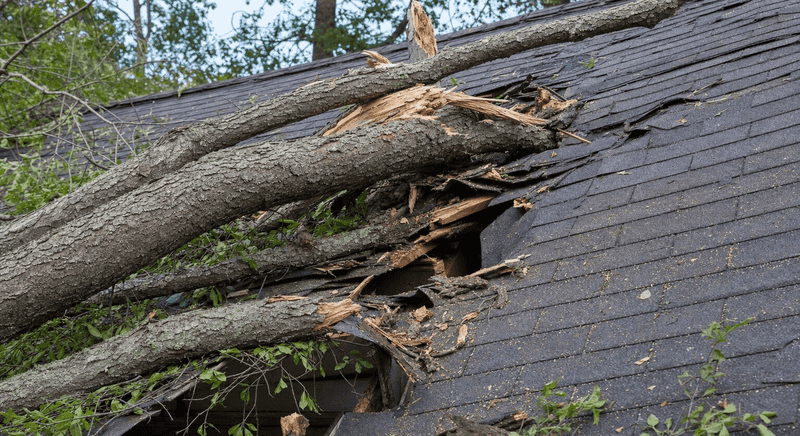
Some of the most dangerous storm damage hangs right over your head. Arborists often call broken limbs stuck in a canopy hangers or widowmakers.
These branches can sit quietly for days or weeks before a breeze shakes them loose.
Even a medium-sized limb falling from high up can hurt someone or dent a car. That makes hangers worth spotting early, especially above sidewalks, patios, and driveways.
Look for leaves that have turned brown on just one section while the rest stays green.
That patch may mark a branch that snapped but did not fall. Also watch for limbs dangling at odd angles or resting across other branches.
Resist the urge to climb up or yank them down with a rope. Removing hangers safely takes training and proper gear, and the risk increases near power lines.
If a broken limb touches or sits near utility lines, stay back and contact your power company instead of a tree service.
Many Georgia utilities handle hazards near their lines, though rules differ between providers. Meanwhile, rope off the area below the hanger so family members and visitors avoid walking underneath it.
6. Stress From Flooding Can Show Up In The Leaves Next Spring
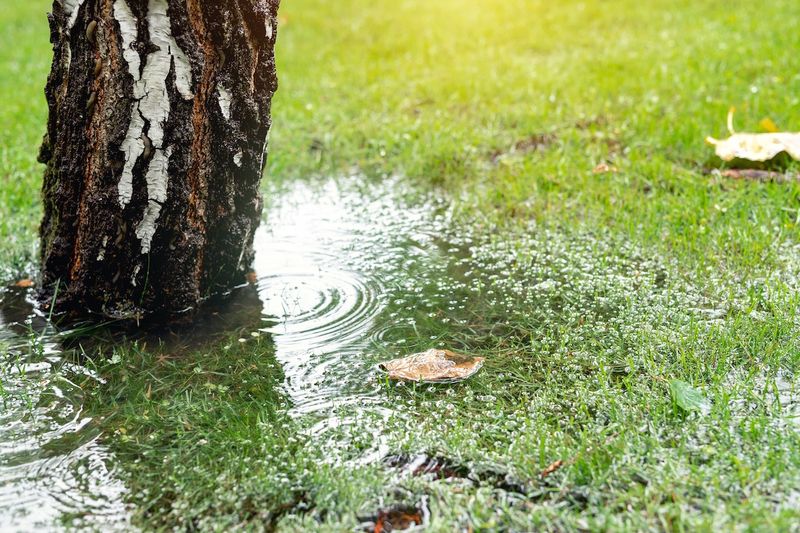
Patience can be hard when you want answers right now. Flood stress, however, does not always show up in the same season the water came.
Roots sitting in waterlogged soil can run short on oxygen. When that happens, they may lose some ability to take up water and nutrients.
The effects might not appear until the next growing season, when the tree pushes out new leaves.
Watch for leaves that come in smaller than usual, paler in color, or sparse along certain branches. Twigs that fail to leaf out at the tips can also point to root trouble.
These same symptoms can come from drought, disease, insects, or construction damage. So a thin canopy next spring does not prove flooding was the cause, though it adds to the picture.
Species matter here too. Bald cypress and some swamp-loving trees handle wet feet well, while dogwoods and many ornamentals in Georgia tend to struggle in soggy ground.
Skip heavy fertilizing in hopes of a quick fix.
Extra fertilizer can push new growth that stressed roots may not support. Instead, mulch lightly, avoid compacting the soil, and water during long dry spells.
7. A Certified Arborist Can Assess Trees Too Big To Judge Safely
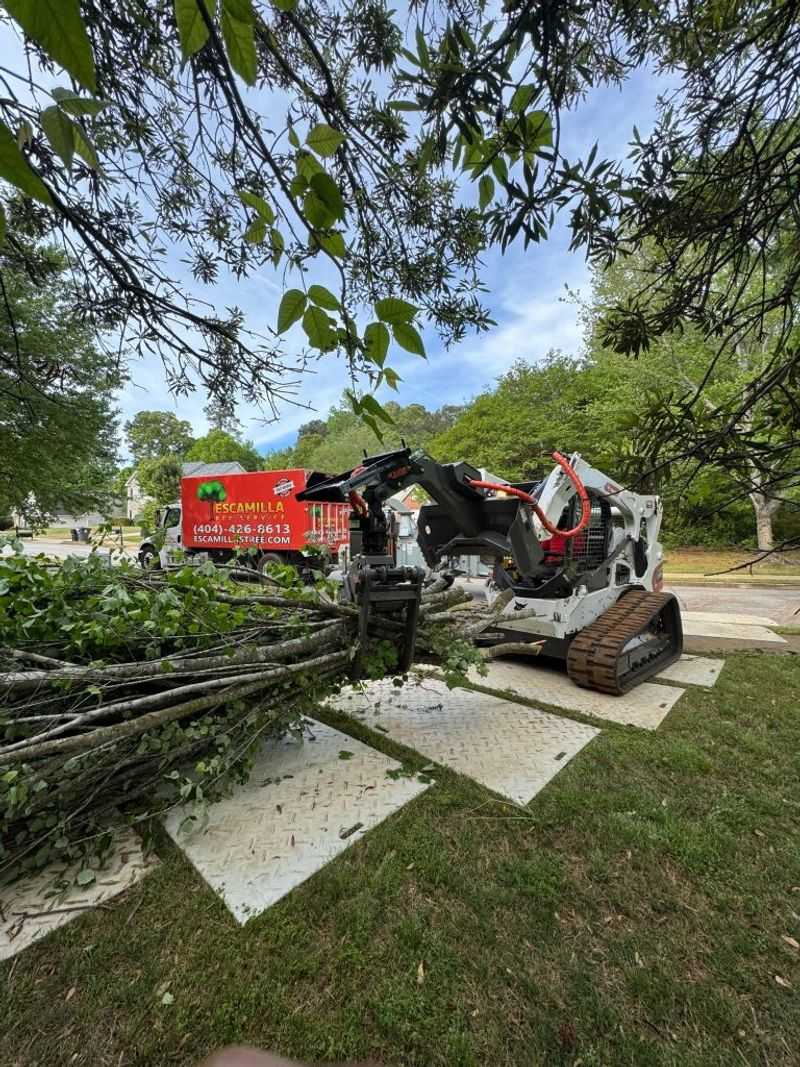
Big trees deserve expert eyes. When a tree towers over your roof, guessing about its health simply is not worth the risk.
An ISA Certified Arborist has passed an exam through the International Society of Arboriculture and keeps up with continuing education.
These professionals know how to spot decay, weak unions, and root problems that homeowners often miss. Some use tools like sounding mallets or resistance drills to check inside trunks.
You can search for certified arborists by ZIP code on the ISA website. Ask for proof of certification and liability insurance before any work begins.
Be cautious of door-to-door crews that show up right after a storm.
Some are honest, but others push quick removals or ask for large payments up front. Getting two or three written estimates can help you compare advice and pricing fairly.
A good arborist will not always recommend removal. Pruning, cabling, or simply monitoring may be reasonable options, depending on the tree’s species, age, and condition.
Your local UGA Cooperative Extension office in Georgia can also share helpful guidance on tree care and choosing a reputable professional.
A clear assessment gives you peace of mind and a plan you can trust.