Hydrangea Pruning Mistakes Oregon Gardeners Make
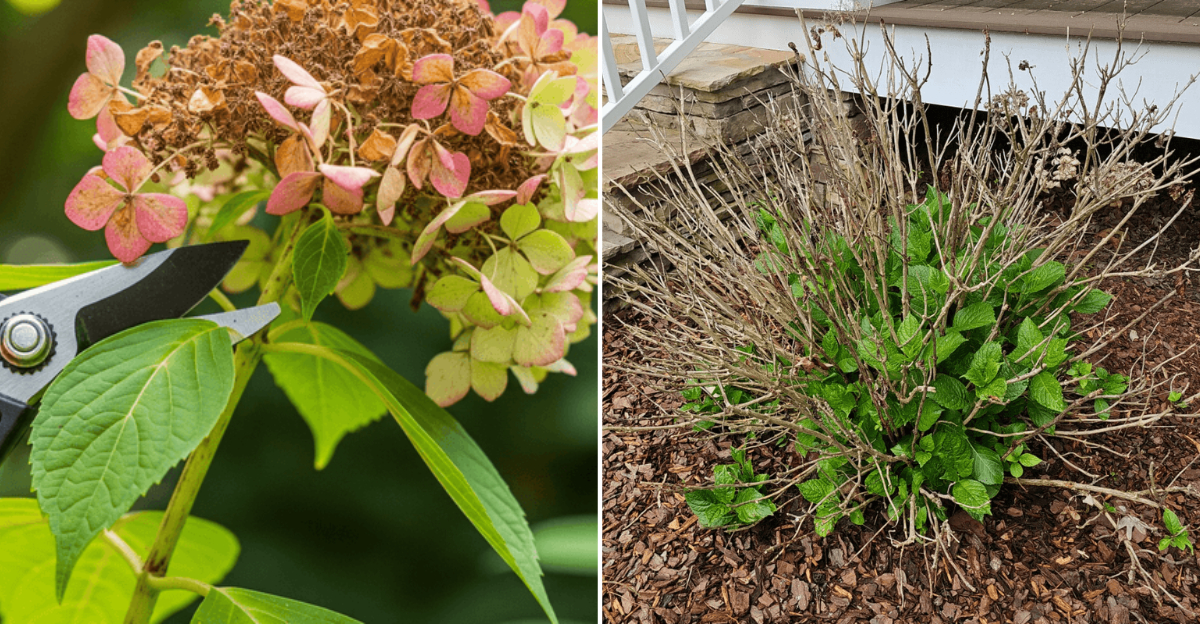
Big, fluffy hydrangea blooms can steal the show in any Oregon garden. One season they look amazing, and the next season… nothing but leaves.
The usual culprit is not bad luck. It is pruning at the wrong time or cutting the wrong stems. Many gardeners mean well with the clippers but end up trimming away the very buds that would have turned into those huge summer flowers.
Oregon’s cool, rainy climate also affects how hydrangeas grow, which makes timing even more important.
A few small pruning mistakes can cost a whole season of blooms, but the good news is they are easy to fix once you know what to watch for.
1. Pruning At The Wrong Time
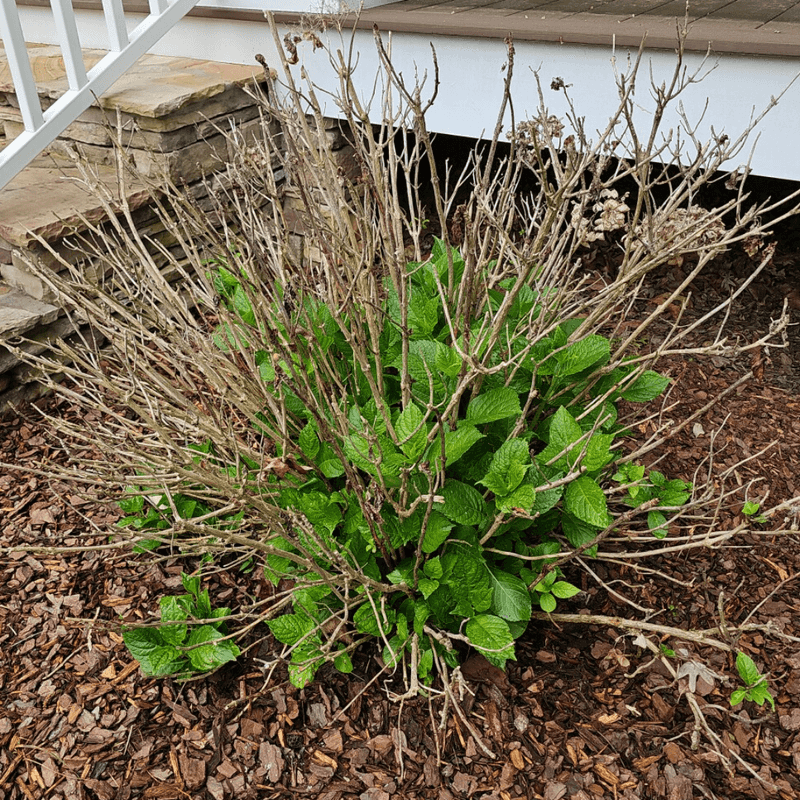
Timing is everything when it comes to hydrangeas, and getting it wrong is one of the most common mistakes Oregon gardeners make. Many people grab their pruning shears in early spring, thinking it is the best time to tidy up their yard.
But depending on the type of hydrangea you have, that could mean cutting off all the flower buds you were counting on.
Hydrangeas that bloom on old wood, like Bigleaf and Oakleaf varieties, set their buds during late summer and fall. If you prune them in spring, those buds are already gone.
You end up with a perfectly shaped plant that produces no blooms at all, which is incredibly frustrating after a full growing season of waiting.
In Oregon, where the growing season has its own rhythm, the rule of thumb is to prune old-wood bloomers right after they finish flowering in late summer.
New-wood bloomers, like Panicle and Smooth hydrangeas, can be pruned in late winter or early spring before new growth starts.
Knowing your variety and matching your timing to it makes all the difference between a stunning display and a disappointing summer in your Oregon garden.
2. Cutting Back Too Much Growth
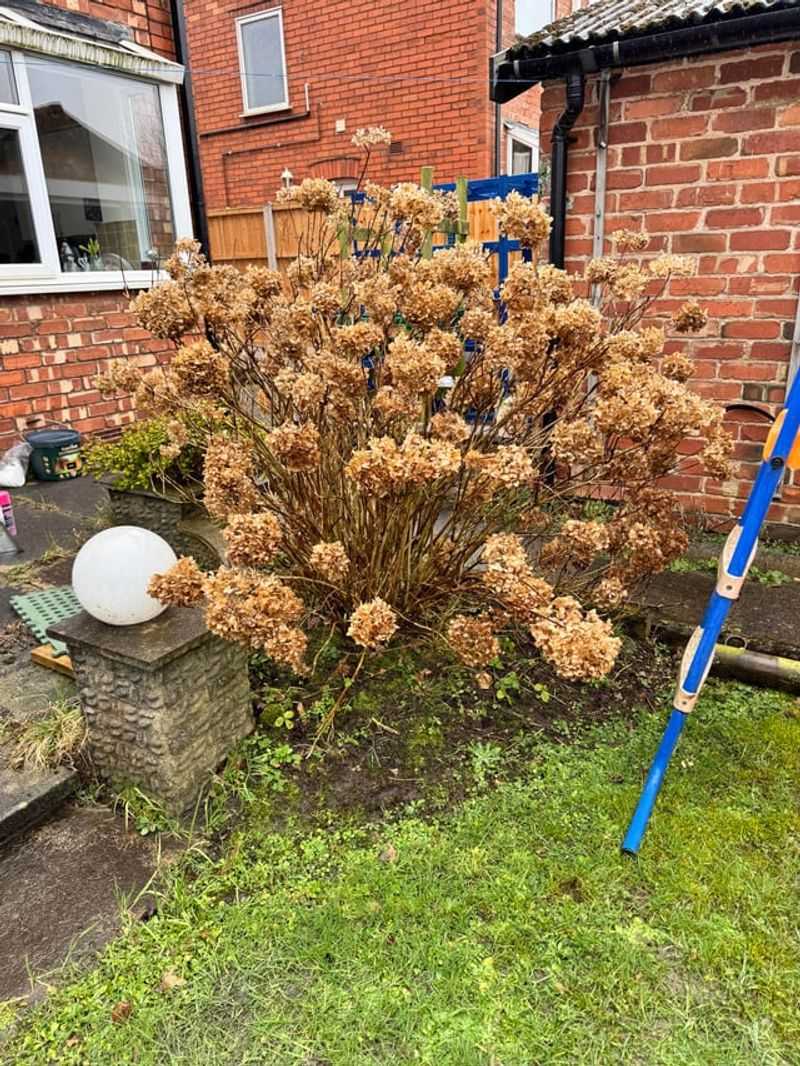
Some gardeners believe that harder pruning means better results. It feels logical, right?
Cut more, get more. But with hydrangeas, removing too much growth at once can seriously stress the plant and reduce flowering for an entire season or longer.
When you cut back old-wood bloomers too aggressively, you are removing the very stems that carry next year’s flower buds. Even with new-wood bloomers, which can handle more pruning, going too far can exhaust the plant’s energy reserves.
Instead of bouncing back with vigorous blooms, the shrub spends all its energy just trying to recover.
In Oregon’s mild but sometimes unpredictable climate, hydrangeas need enough stored energy to push through spring growth and produce flowers. A good rule is to never remove more than one-third of the plant at one time.
Focus on cutting out weak, crossing, or crowded stems rather than reducing the overall size dramatically. Light, thoughtful pruning keeps the plant strong and encourages it to put that energy into producing the big, showy blooms that Oregon gardeners love.
Less really is more when it comes to hydrangea pruning.
3. Removing Next Year’s Flower Buds
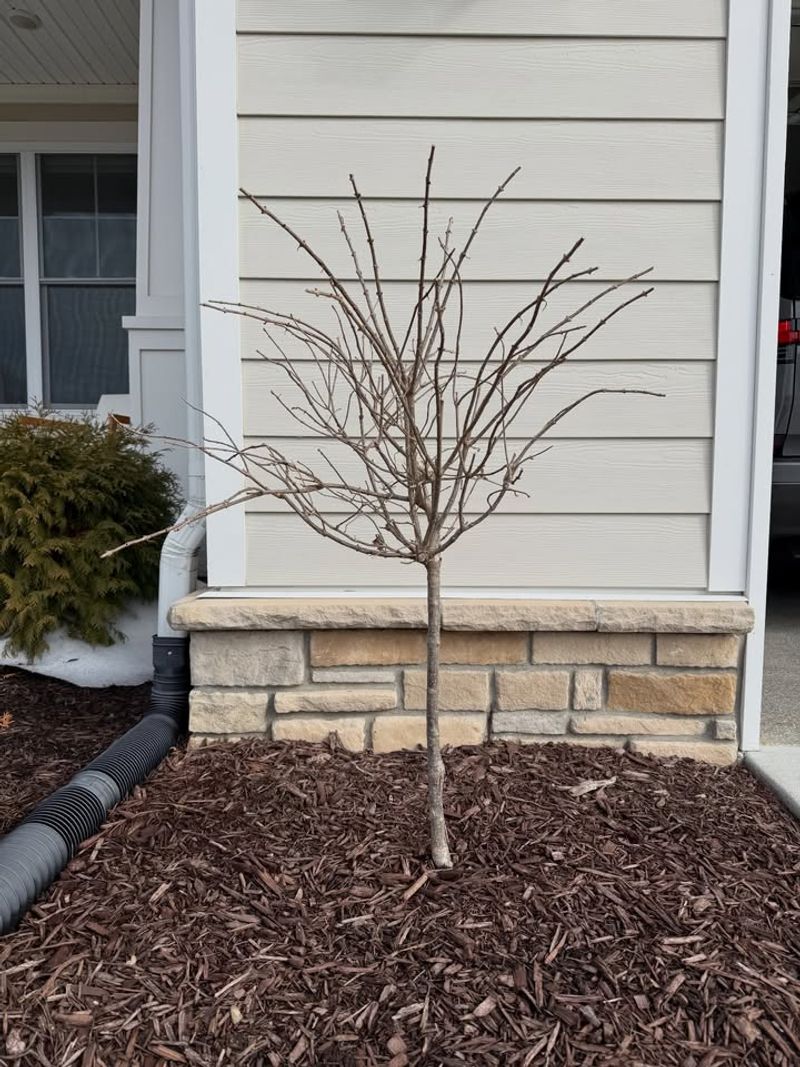
Accidentally cutting off next year’s flower buds is heartbreaking, especially when you do not realize it until summer arrives and your hydrangea stays stubbornly green.
Many Oregon gardeners make this mistake without even knowing it because the buds can be easy to miss, especially early in the season when they are small and tight.
Old-wood bloomers like Bigleaf hydrangeas form their buds on last year’s stems during late summer and fall. Those buds sit quietly through Oregon’s wet winters, waiting to burst into bloom come spring.
When you prune those stems in fall or early spring, the buds go with them, and there is no getting them back for that year.
Learning to spot those small, rounded buds before you cut is a skill worth developing. Run your fingers along each stem and look for the swollen nodes that signal a bud is there.
If you are unsure whether a stem has buds, wait until you see the first signs of green growth in spring before making any cuts. A little patience goes a long way in protecting your blooms and keeping your Oregon garden looking its absolute best all summer long.
4. Ignoring The Hydrangea Type
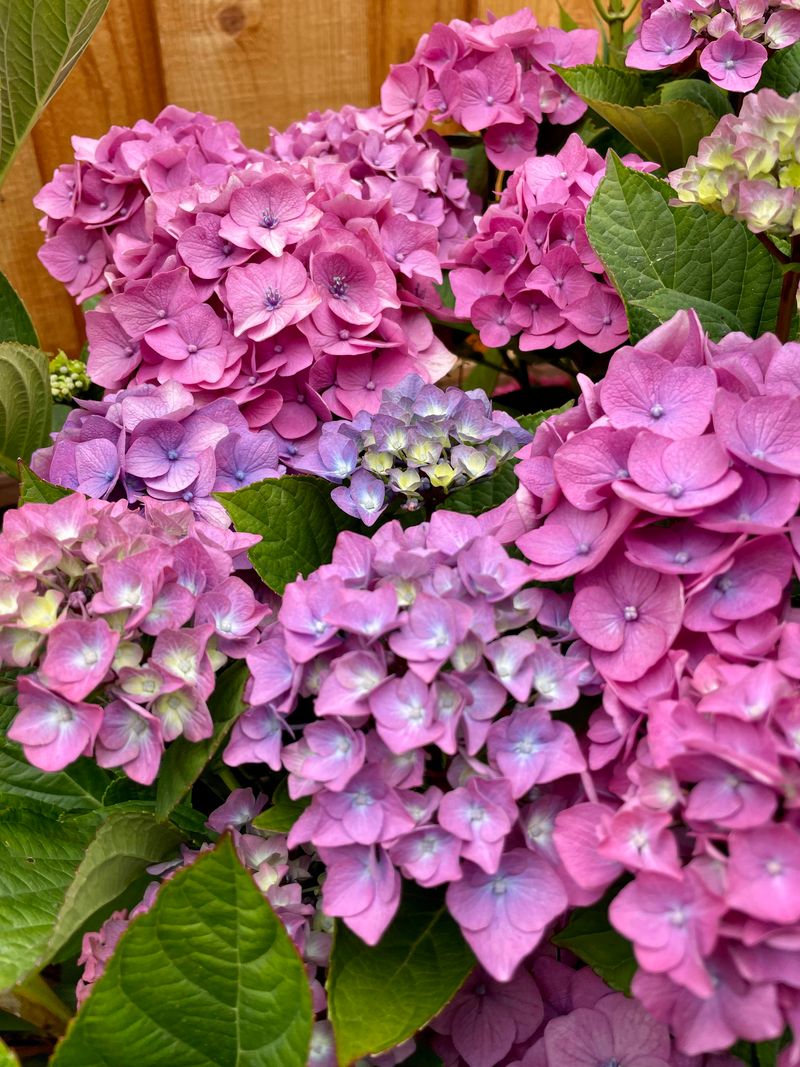
Not all hydrangeas follow the same rules, and treating them like they do is a mistake that trips up even experienced Oregon gardeners. There are several popular types grown across the state, and each one has its own pruning needs, timing, and habits.
Ignoring those differences is a fast way to end up with a yard full of leafy shrubs and no flowers.
Bigleaf hydrangeas bloom on old wood and need gentle, well-timed pruning after flowering. Panicle hydrangeas, which are extremely popular in Oregon landscapes, bloom on new wood and can handle harder pruning in late winter.
Smooth hydrangeas also bloom on new wood and are very forgiving. Oakleaf hydrangeas bloom on old wood and also have beautiful fall foliage that makes them a favorite in Pacific Northwest gardens.
Before you ever pick up your pruning shears, take a moment to identify exactly what type of hydrangea you are working with. Check the shape of the leaves, the flower head style, and when it bloomed last season.
Many Oregon garden centers can help you identify your variety if you bring in a photo or a cutting. Knowing your type is the single most important step toward pruning success.
5. Using Dull Or Dirty Tools
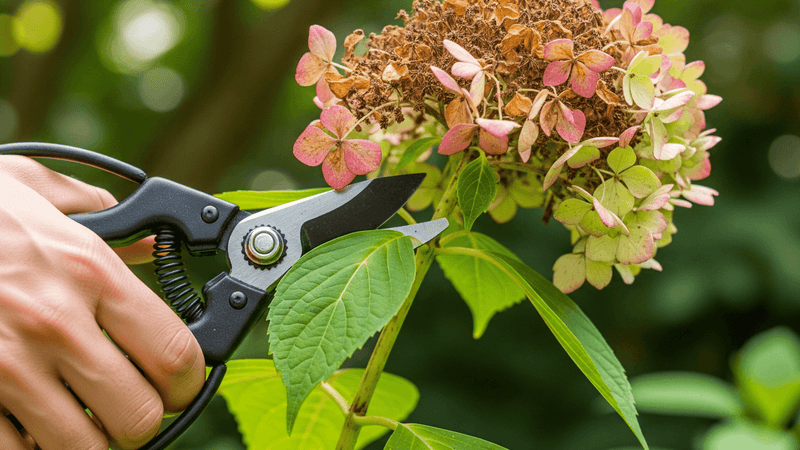
Grabbing whatever pruning shears are hanging in the garage without checking their condition first is a habit that can cause real problems for your hydrangeas. Dull blades crush and tear stems rather than making a clean cut.
That torn tissue takes much longer to heal and creates an open wound that can invite disease and pests into the plant.
Dirty tools are an even bigger risk. If you have been pruning other plants in your Oregon garden, those shears could be carrying fungal spores or bacteria from one shrub to the next.
Hydrangeas are not immune to disease, and a contaminated cut is an easy way to spread problems you did not even know existed in your yard.
Before you start pruning, sharpen your blades and wipe them down with a diluted bleach solution or rubbing alcohol. It takes only a few extra minutes, but it protects your plants significantly.
Make clean cuts just above a healthy bud or branch junction, angling slightly so water runs off rather than pooling on the cut surface.
Sharp, clean tools are one of the simplest and most effective ways Oregon gardeners can protect their hydrangeas and keep them thriving season after season.
6. Pruning Too Late In The Season
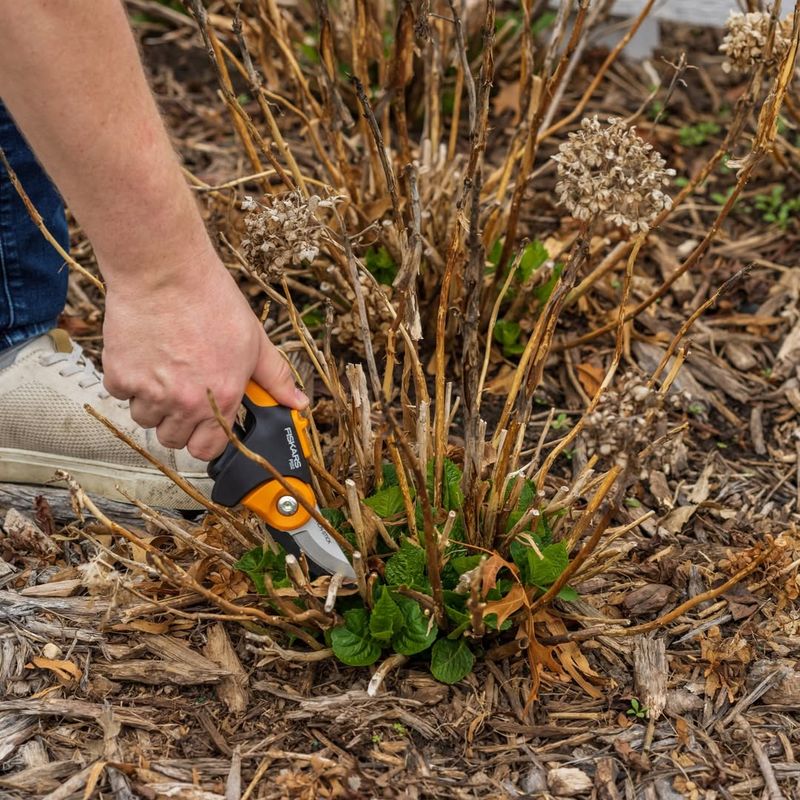
Waiting too long to prune is just as problematic as pruning at the wrong time of year. Many Oregon gardeners put off their garden chores as summer winds down, thinking there is still plenty of time.
But pruning old-wood bloomers too late in the season can remove the buds that are already forming for next year’s flowers.
Once a Bigleaf or Oakleaf hydrangea has finished blooming, there is a narrow window to prune before new buds begin to set. In Oregon, that window typically runs from right after flowering ends through mid-to-late summer.
As the season moves into fall, those buds are developing and becoming more vulnerable to being accidentally removed.
Late-season pruning also encourages tender new growth that does not have enough time to harden off before Oregon’s cooler fall and winter temperatures arrive. That soft, new growth can be damaged by early frosts, which are not uncommon in parts of the state.
Plan your pruning schedule in advance and stick to it. Mark your calendar as soon as your hydrangeas finish blooming so you do not miss the window.
A little organization goes a long way in keeping your Oregon garden healthy and blooming beautifully year after year.
7. Skipping Damaged Branches
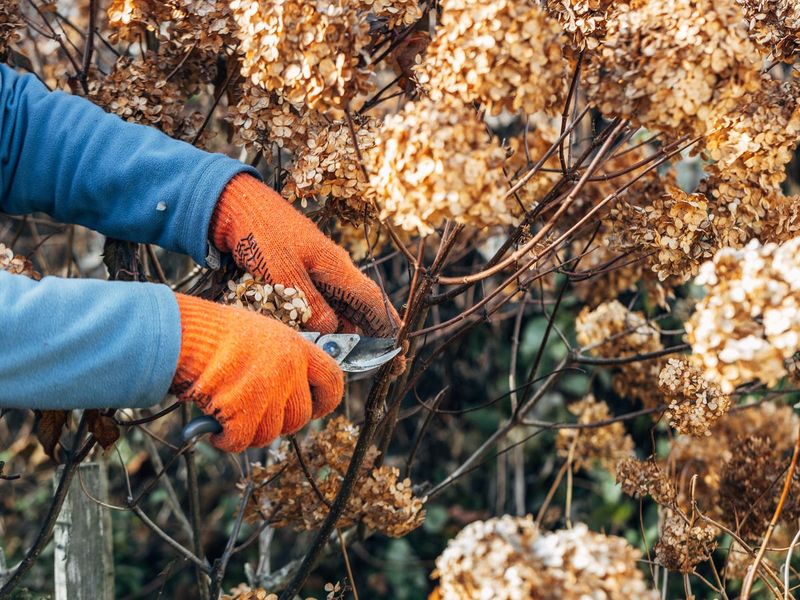
Walking past a damaged or broken branch without removing it is a mistake many Oregon gardeners make when they are in a hurry or just doing a quick visual check of their yard. Leaving damaged wood on a hydrangea is not just an eyesore.
It can actually hold the plant back from growing and blooming at its full potential.
Damaged branches, whether from winter weather, physical breakage, or disease, pull energy away from the healthy parts of the plant. Oregon winters can be tough on hydrangeas, especially in inland areas where temperatures drop more sharply.
Branches that have been weakened by frost or cracked by wind should be removed cleanly as soon as you notice them.
Look for stems that appear hollow, discolored, or that simply do not show any signs of life when spring growth begins. Cut them back to a healthy set of buds or all the way to the base if needed.
Removing damaged wood also improves airflow through the center of the plant, which helps reduce the risk of fungal issues that thrive in Oregon’s often damp and rainy conditions.
Keeping your hydrangea free of damaged wood is a simple habit that pays off with healthier plants and better blooms.
8. Not Adjusting For Oregon’s Climate
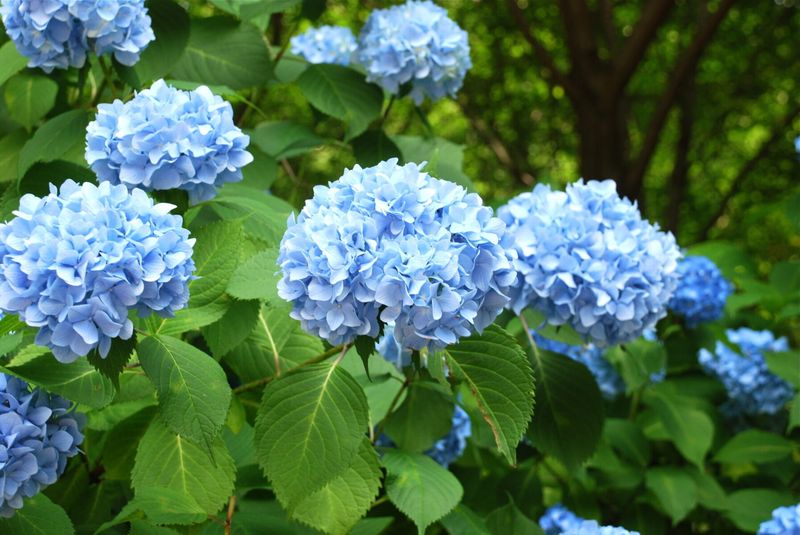
Oregon is not a one-size-fits-all gardening state. The climate along the coast is completely different from the Willamette Valley, and both are different from Eastern Oregon.
Applying generic pruning advice without considering your specific local conditions is a mistake that can lead to poor results, no matter how carefully you follow the basic rules.
In Western Oregon, the mild and wet winters mean hydrangeas often hold onto their old growth longer than in colder climates.
Gardeners here have a bit more flexibility with timing, but the high moisture also means fungal diseases can spread quickly through improperly pruned or damaged stems.
Keeping cuts clean and removing damaged wood promptly is especially important in these wetter regions.
In Eastern Oregon, where winters are colder and drier, protecting hydrangea buds from harsh freezes is a bigger priority. Gardeners in those areas may need to delay pruning until they are certain the worst of the cold has passed.
Paying attention to your local frost dates, rainfall patterns, and seasonal temperatures helps you make smarter pruning decisions.
Oregon gardeners who learn to work with their specific regional climate, rather than against it, are the ones who end up with the most spectacular hydrangea displays every single season.