8 Hydrangea Varieties That Benefit From Spring Pruning In Georgia
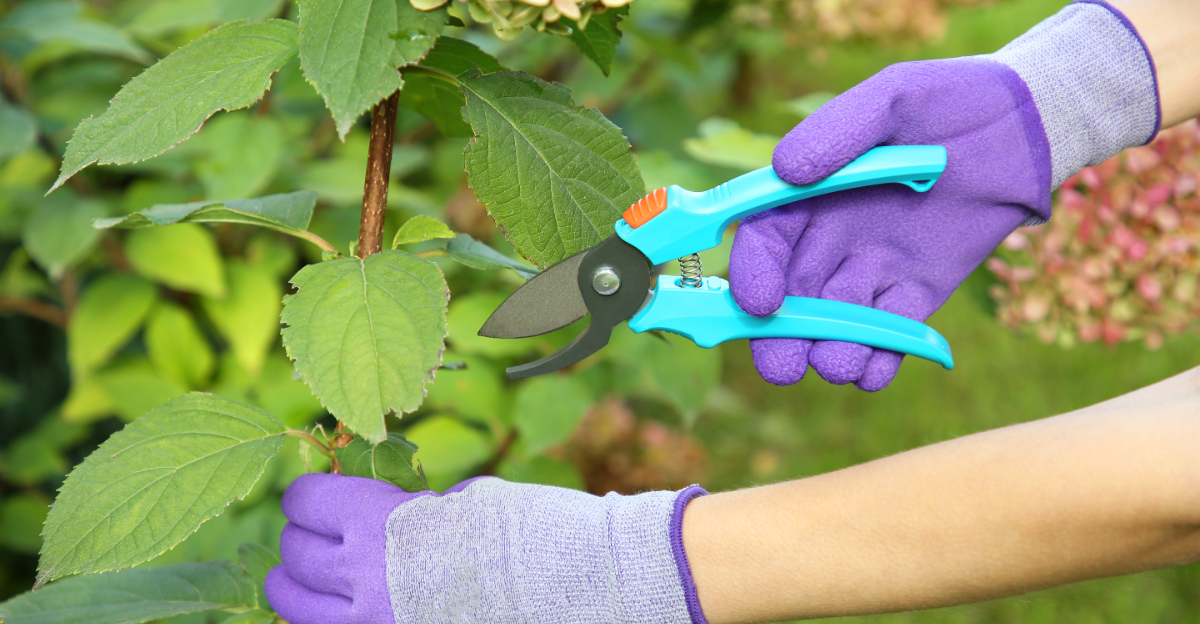
Hydrangeas in Georgia can look quiet in early spring, yet this stage plays a bigger role in how they perform later than many expect.
Branches still show last season’s structure, and it can be hard to tell which ones will support strong blooms and which ones will not.
A careful approach at this point can shape how full the plant looks and how evenly flowers appear once the season moves forward. Some varieties respond well to early cuts, while others do better when left alone, which adds to the confusion.
That difference becomes clear once growth begins to push out and plants either fill in properly or fall short of their potential.
Knowing which hydrangeas benefit from spring pruning helps avoid missed blooms and leads to a more balanced display through the season.
1. Limelight Responds Well To Spring Pruning
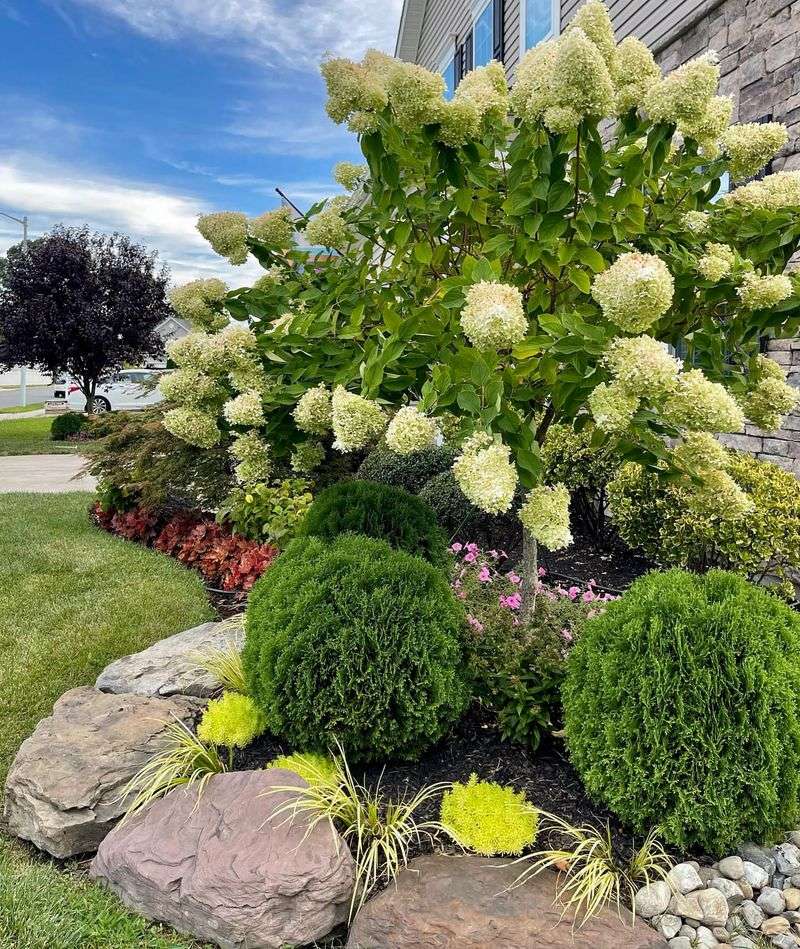
Limelight is one of those panicle hydrangeas that practically rewards you for cutting it back hard in early spring. Left unpruned year after year, the stems get long and floppy, and the flowers end up smaller than they should be.
A good cutback in April in Georgia can still give the plant a clean start.
Cutting the stems back by about one-third to one-half encourages strong new growth that can support the large, cone-shaped flower heads Limelight is known for. Without that pruning, older wood tends to produce thinner stems that bend under the weight of the blooms.
Georgia summers are hard on plants, and giving Limelight a solid structural base through smart pruning helps it stay upright through heat and afternoon thunderstorms.
Sharp, clean pruners matter more than most people realize. Ragged cuts can invite disease, especially in Georgia’s humid spring conditions.
Cut just above an outward-facing bud to encourage an open, airy shape that allows good air circulation. Limelight can reach six to eight feet tall if left alone, but regular spring pruning keeps it at a more manageable size for most home landscapes.
Most gardeners in Georgia find that a consistent annual trim produces noticeably fuller plants with more blooms than skipping a season would.
Applying a light layer of mulch around the base helps retain moisture and keeps roots cooler as temperatures rise.
2. Annabelle Produces Bigger Blooms After Cutting Back
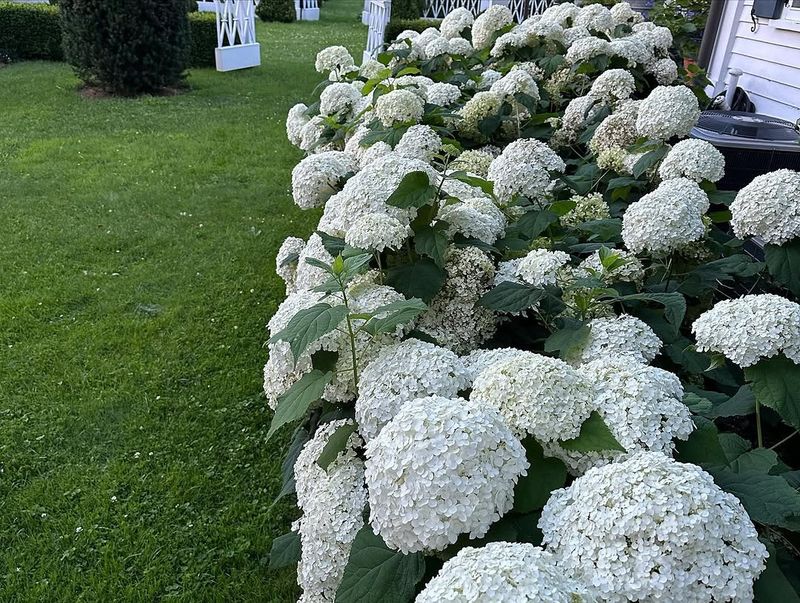
Annabelle smooth hydrangea has a reputation for producing some of the largest white flower heads you will find on any shrub, but that only happens consistently when you cut it back properly each spring.
Skip the pruning and the stems grow tall and weak, causing the heavy blooms to flop over by midsummer.
In Georgia, that flopping gets worse when heavy rain hits during bloom season.
Cutting Annabelle back to about six to twelve inches from the ground in early spring sounds dramatic, but it works. New shoots push up quickly once Georgia temperatures start warming.
Those new stems are thicker and more capable of holding up the famously large flower heads without staking.
Annabelle blooms on new wood, so there is no risk of losing flowers by pruning before growth begins. Removing all the old woody stems also helps clean up the plant and clears out any leftover material that built up over winter.
In Georgia’s climate, winter cold is usually mild enough that Annabelle does not suffer serious stem damage, but old stems still become less productive over time. Consistent annual pruning keeps the plant vigorous and the blooms impressively sized.
Most gardeners who try this approach notice a clear improvement in flower size within the first season of proper pruning.
Watering deeply once new growth begins helps support strong stem development and keeps the plant from stressing during early warm spells.
3. PeeGee Handles Heavy Pruning Easily
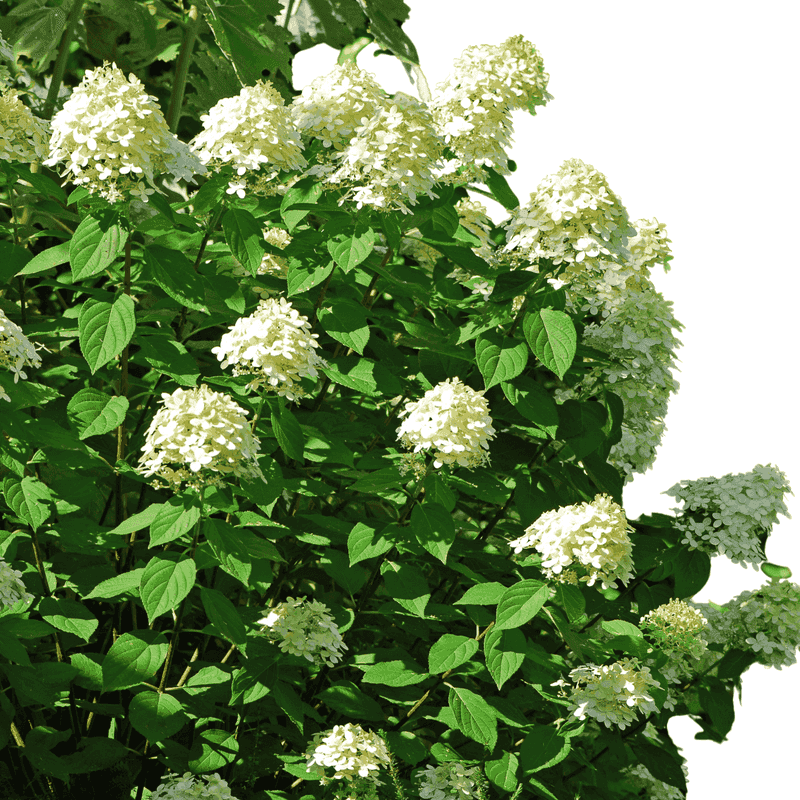
PeeGee hydrangea has been growing in Southern yards for well over a century, and one reason it has stuck around is its ability to bounce back from hard pruning without complaint.
It is a panicle type, which means it blooms on the current season’s wood, making spring pruning not just safe but genuinely useful for improving the plant’s performance.
In Georgia, PeeGee is often trained into a tree form with a single trunk and a rounded canopy of branches. Pruning in early spring helps maintain that shape and prevents the plant from becoming an overgrown, tangled mess.
Cutting back the previous year’s growth by about half encourages the new shoots to develop evenly and produce more flowering tips. More flowering tips means more blooms, plain and simple.
Heavy pruning on PeeGee rarely causes lasting setbacks as long as it is done before new growth emerges. Once growth begins to push, pruning becomes less effective, so acting earlier in the season tends to give better results.
Removing crossing branches and any stems that are rubbing against each other also improves air circulation, which matters in Georgia’s humid climate where fungal issues can develop.
PeeGee is a tough, adaptable plant, and spring pruning is one of the most straightforward ways to keep it productive and well-shaped for years.
A light layer of mulch around the base helps keep soil moisture more consistent as temperatures rise. Feeding lightly during spring can also support steady growth without pushing overly soft stems.
4. Incrediball Benefits From Early Season Cuts
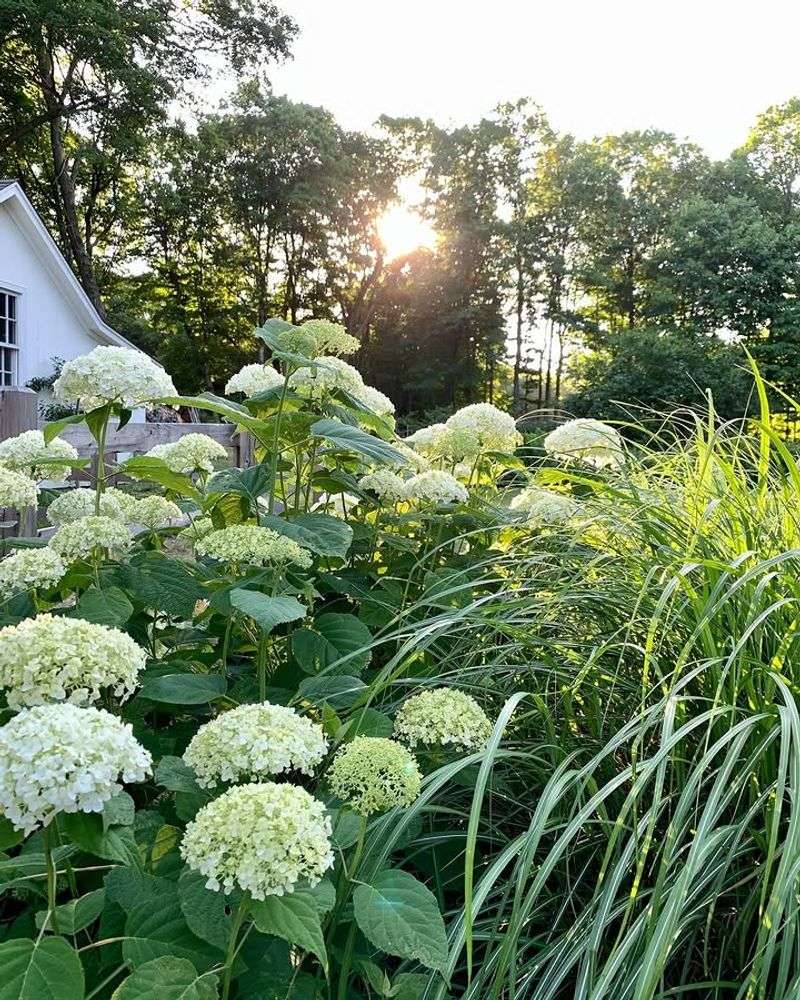
Incrediball was bred specifically to fix the flopping problem that Annabelle is sometimes criticized for, but even with its stronger stems, spring pruning still plays an important role in keeping it performing well in Georgia gardens.
Cutting it back in early spring encourages fresh, vigorous growth that produces the impressively large flower heads the variety is named for.
Without an annual cutback, Incrediball tends to put energy into lengthening older stems rather than producing new ones. New stems are what carry the best blooms.
In Georgia, where spring arrives early and growth can take off quickly, getting those cuts done before new growth begins helps keep the plant on track.
Waiting too long means pruning into actively growing stems, which is harder on the plant and less effective overall.
A good approach is to cut stems back to about twelve to eighteen inches, leaving a sturdy framework that supports the new growth coming up from the base.
Incrediball can get quite large, sometimes reaching five feet tall and wide, so spring pruning also helps keep it proportional in smaller garden spaces.
Remove any stems that look thin or soft from winter, since those rarely produce quality blooms anyway. In Georgia’s climate, Incrediball responds quickly after pruning, often pushing out noticeable new growth within a few weeks of a spring cutback.
5. Little Lime Stays Compact After Pruning
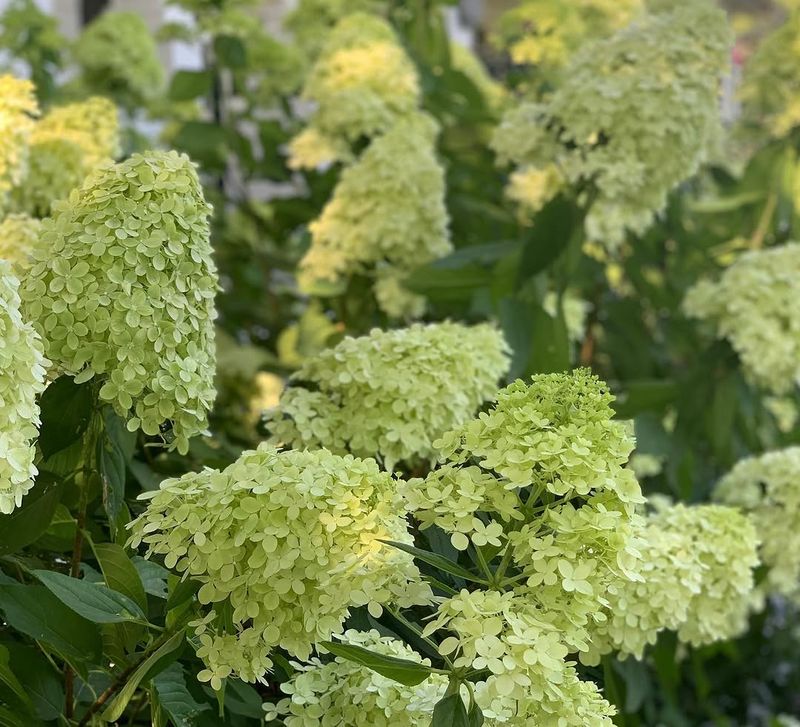
Compact shrubs have a way of looking messy fast, and Little Lime is no exception if you let it go without pruning for a couple of seasons.
As a dwarf panicle hydrangea, it typically stays between three and five feet tall, but skipping spring pruning allows it to push outward in uneven directions that make it look unkempt rather than tidy.
In Georgia, early spring is the right time to cut Little Lime back. Trim the previous year’s stems by about one-third, cutting just above a healthy bud.
That simple step redirects the plant’s energy into producing new shoots that will carry this season’s flowers. Little Lime blooms on new wood, so spring pruning does not cost you any flowers.
One thing gardeners in Georgia appreciate about this variety is how quickly it fills back in after pruning. The plant is naturally dense, and a light trim in early spring tends to make it even fuller by midsummer.
Little Lime works well in smaller garden beds, containers, or along walkways where size control genuinely matters.
Keeping it consistently pruned each spring also prevents the base from becoming too woody, which can happen in warmer climates where the growing season is long.
A little effort in early spring pays off noticeably when the blooms arrive in late summer.
6. Bobo Grows Fuller With A Light Trim
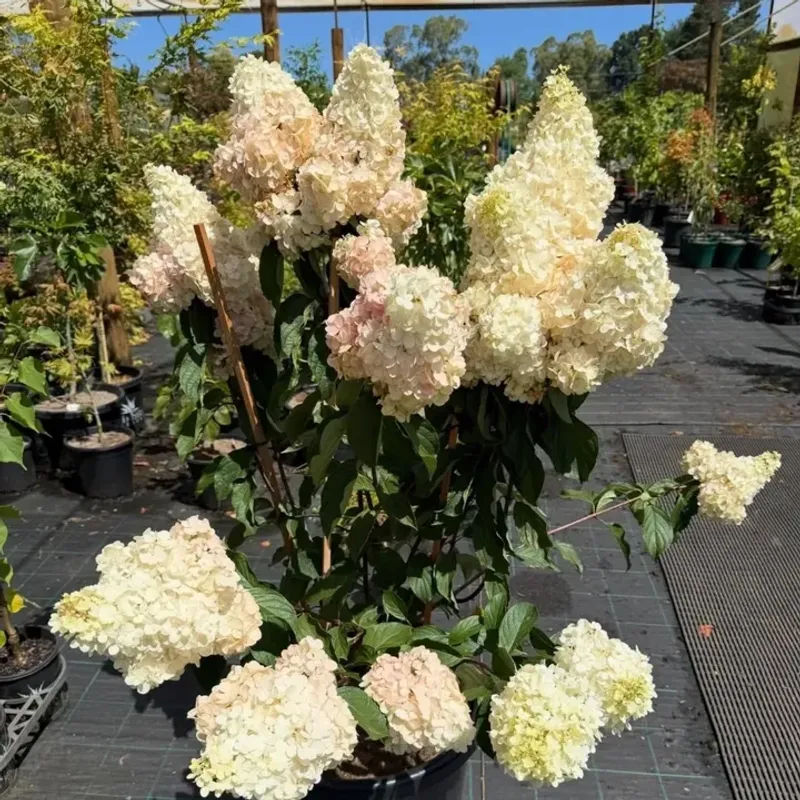
Bobo is one of the smallest panicle hydrangeas available, and its naturally low, mounded shape is a big part of its appeal for Georgia gardeners working with limited space.
Even so, skipping pruning eventually leads to a plant that looks tired and produces fewer flowers on the outer portions of the shrub where light cannot reach the interior well.
A light trim in early spring is usually all Bobo needs. Unlike some of the larger panicle types, Bobo does not require aggressive cutting to perform well.
Removing about one-quarter to one-third of the stem length keeps the plant tidy and stimulates the new growth that carries the blooms. Getting this done before active growth begins helps the plant respond more evenly.
Because Bobo stays naturally small, around two to three feet tall, overpruning can actually work against you by removing too much of the plant’s productive structure. The goal is a gentle refresh rather than a dramatic cutback.
Cleaning up any damaged or crossing stems while you prune also improves airflow through the center of the plant, which helps reduce humidity-related issues during Georgia’s warm, wet summers.
Bobo tends to bloom heavily from midsummer through fall, and consistent light pruning each spring is one of the more reliable ways to keep that bloom production strong year after year.
7. Invincibelle Spirit Blooms Better When Cut Back
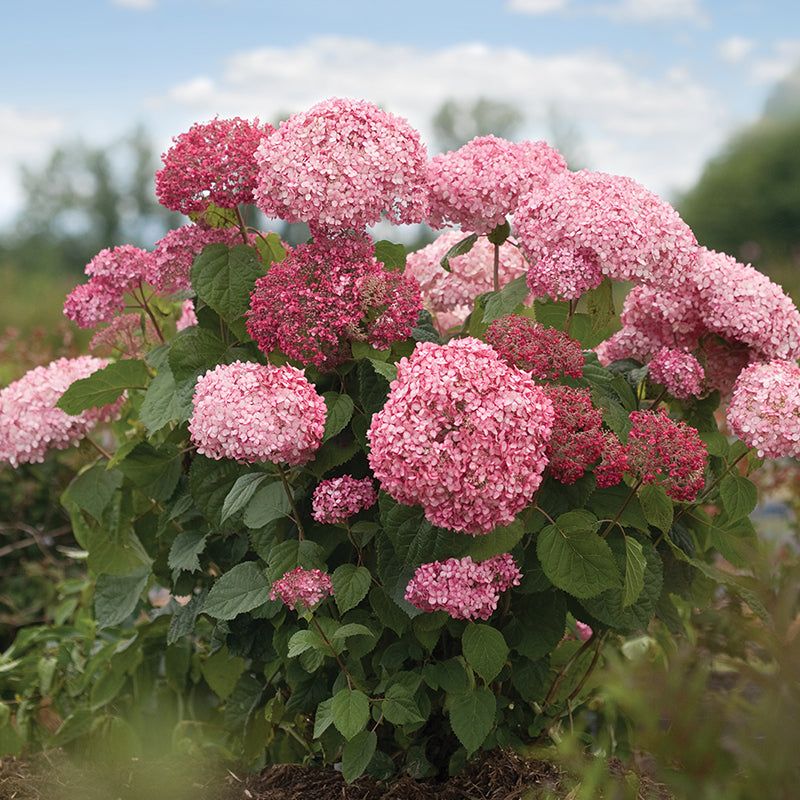
Pink-blooming smooth hydrangeas were rare for a long time, which is part of what made Invincibelle Spirit such a notable introduction when it arrived.
Beyond the color, what makes it practical for Georgia gardens is that it blooms on new wood, meaning spring pruning actively improves its flower output rather than reducing it.
Cutting Invincibelle Spirit back to about eight to twelve inches in early spring encourages strong new stems that can support the medium to large pink flower heads without bending.
In Georgia’s climate, where plants can put on a lot of growth quickly once temperatures rise, starting with a clean cutback helps the plant develop a more even, balanced shape rather than growing unevenly from the previous year’s framework.
One thing worth noting about this variety is that bloom color can shift slightly depending on soil conditions, so do not be surprised if the pink varies a bit from what you expected. That is normal and unrelated to pruning.
What pruning does affect is stem strength and flower quantity. Removing old, woody stems completely at ground level every few years, while trimming the rest back in spring, helps keep the plant from becoming too crowded at the base.
In Georgia, Invincibelle Spirit typically blooms from midsummer onward, and a proper spring pruning routine gives it the best possible start heading into bloom season.
8. Little Quick Fire Responds Well To Spring Pruning
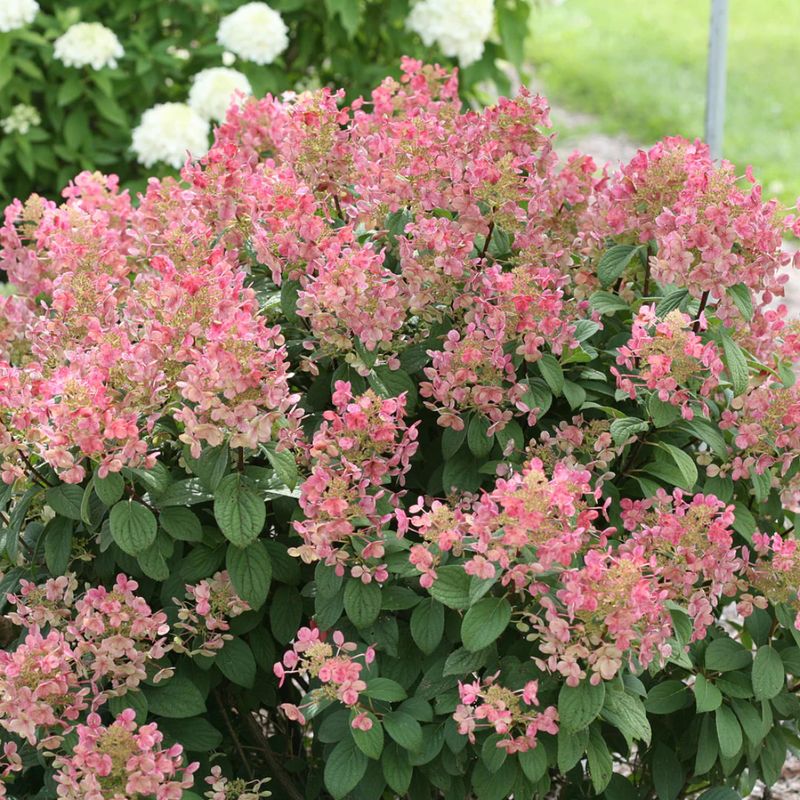
Little Quick Fire stands out for its early bloom time, often flowering weeks before other panicle hydrangeas. That early performance depends heavily on how it is pruned at the start of the growing season.
Because it blooms on new wood, pruning in early spring will not reduce flowers. It actually helps the plant produce stronger stems and a more consistent display.
In Georgia, pruning should be done in early spring, just as buds begin to swell but before active growth fully takes off. This timing allows the plant to direct its energy into fresh shoots instead of maintaining older, less productive wood.
When pruning is skipped, stems often grow longer and weaker, which makes them more likely to bend once the flower heads develop.
A moderate cutback works best for this variety. Removing about one third of the previous year’s growth keeps the structure balanced while still encouraging vigorous new stems.
It also helps prevent the plant from becoming too tall or uneven, which can happen quickly in a warm climate with a long growing season.
Thinning out a few older stems at the base improves airflow through the center, which is especially important in humid conditions. With consistent yearly pruning, Little Quick Fire stays compact, upright, and produces a fuller, earlier bloom display each season.
Pruning at the right time also helps the plant hold its shape better through Georgia’s heat and heavy summer rain.