8 Ideal Indoor Locations For Spider Plants In Illinois Homes
That moment when a spider plant looks fine but never quite takes off can be more puzzling than an outright struggling plant.
In many Illinois homes, spider plants survive almost anywhere, which makes it easy to assume placement doesn’t really matter.
Over time, though, subtle differences between rooms start to show up in how full the plant looks, how fast it sends out babies, and how crisp the leaves stay.
Not every less-than-perfect spot is a problem, and spider plants are famously patient.
When growth feels stalled or leaves lose their springy look, it usually traces back to where the plant is spending most of its day.
Light quality, air movement, and nearby heat sources quietly shape how comfortable it feels indoors. Illinois homes bring seasonal shifts that affect those factors more than most people realize.
Choosing the right indoor locations helps spider plants grow with confidence and show their best form year-round.
1. Bright Living Room With Indirect Light
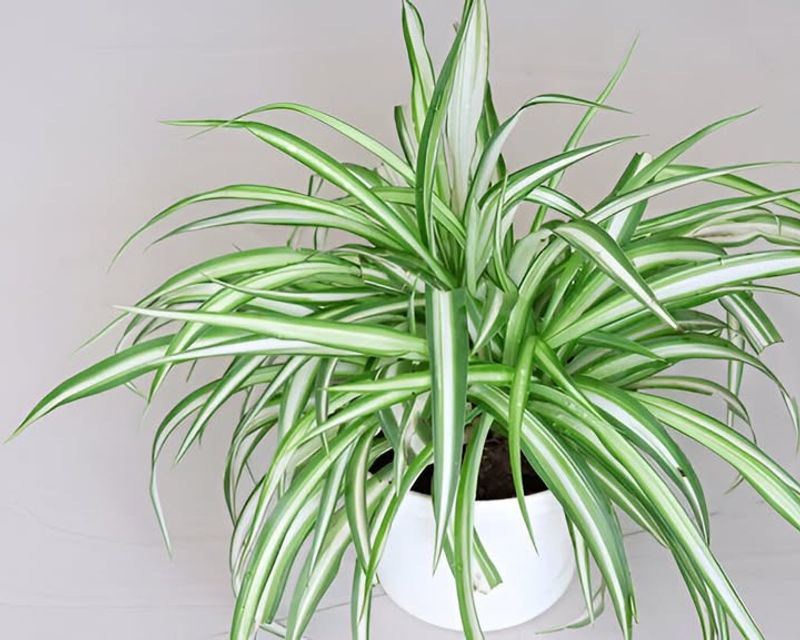
Your living room gets plenty of foot traffic, making it a perfect showcase for your spider plant’s cascading foliage. Indirect light streaming through your windows creates an environment that mimics the plant’s natural habitat under forest canopies.
Position your plant a few feet back from south or west-facing windows to prevent leaf scorching.
Illinois homes often feature spacious living areas with multiple windows, giving you flexibility in placement. A corner spot near a window works wonderfully, allowing the plant to receive consistent brightness without harsh direct rays.
You can place it on a plant stand, bookshelf, or side table where it won’t get knocked over during daily activities.
Temperature stability matters in living rooms where you spend most of your time. Spider plants prefer temperatures between 65-75°F, which matches typical indoor comfort levels in Illinois throughout the year.
Your heating and cooling systems naturally maintain this range, reducing stress on the plant.
Consider the room’s humidity levels, especially during winter when Illinois heating systems dry out indoor air. Spider plants appreciate moderate humidity, so grouping several plants together or placing a small humidifier nearby helps maintain moisture.
You’ll notice healthier leaf tips and more vigorous growth when humidity stays balanced.
The living room’s social atmosphere means you’ll check on your plant regularly, making it easier to spot watering needs or potential issues. Regular observation helps you respond quickly to any changes in leaf color or growth patterns.
This consistent attention keeps your spider plant thriving and looking its absolute best year-round.
2. Near An East-Facing Window
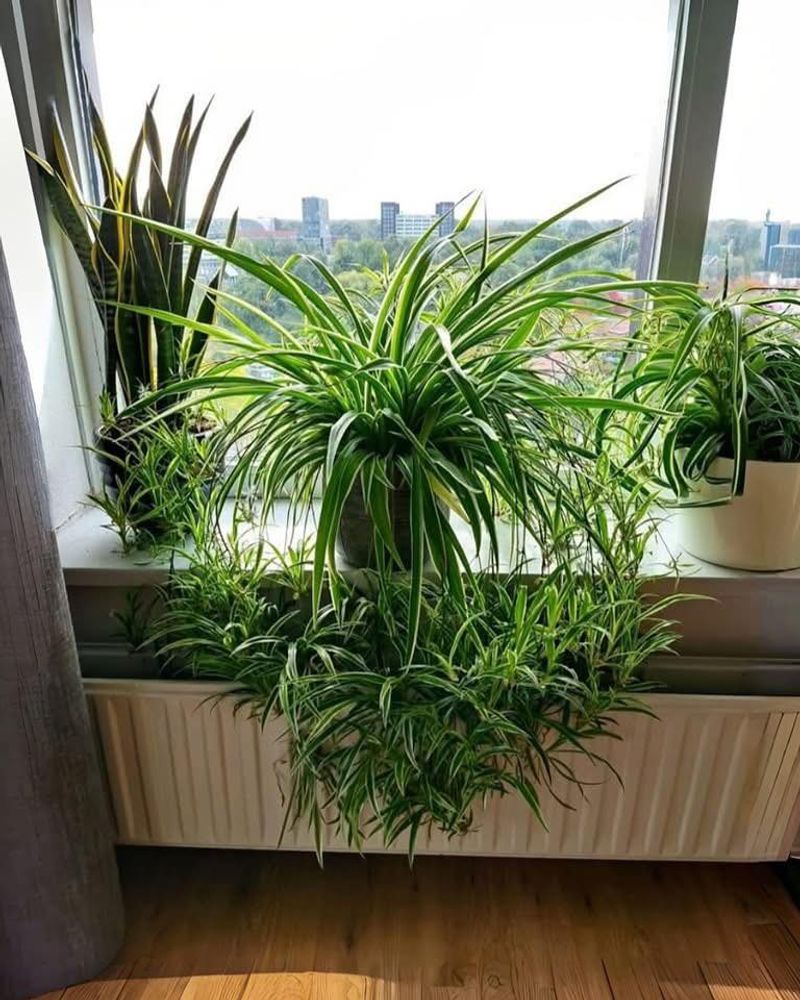
Morning sunlight offers the gentlest rays of the day, making east-facing windows an excellent choice for spider plants. The soft dawn light energizes your plant without overwhelming its delicate leaves.
Illinois mornings provide just enough brightness to promote healthy photosynthesis and vibrant leaf coloration.
Placing your spider plant within three feet of an east window gives it optimal exposure during the cooler morning hours. By afternoon, when the sun moves westward, your plant enjoys comfortable shade that prevents stress.
This natural rhythm matches how spider plants grow in their native environments where they receive filtered morning light.
Window placement in Illinois homes varies by season, affecting how much light reaches your plant. During summer months, morning sun stays gentler and cooler, while winter brings less intense but still beneficial light.
You might adjust your plant’s distance from the window slightly as seasons change to maintain ideal conditions.
East windows often overlook yards or gardens, creating a pleasant view while your spider plant soaks up morning rays. The combination of natural scenery and indoor greenery enhances your home’s peaceful atmosphere.
Your plant becomes part of a larger connection between indoor and outdoor spaces.
Watch for signs that your plant is getting the right amount of light near an east window. Healthy growth includes new shoots, consistent leaf color, and the development of baby plantlets on long stems.
If leaves start looking pale or washed out, move the plant slightly closer to increase light exposure gradually.
3. Kitchen With Natural Light
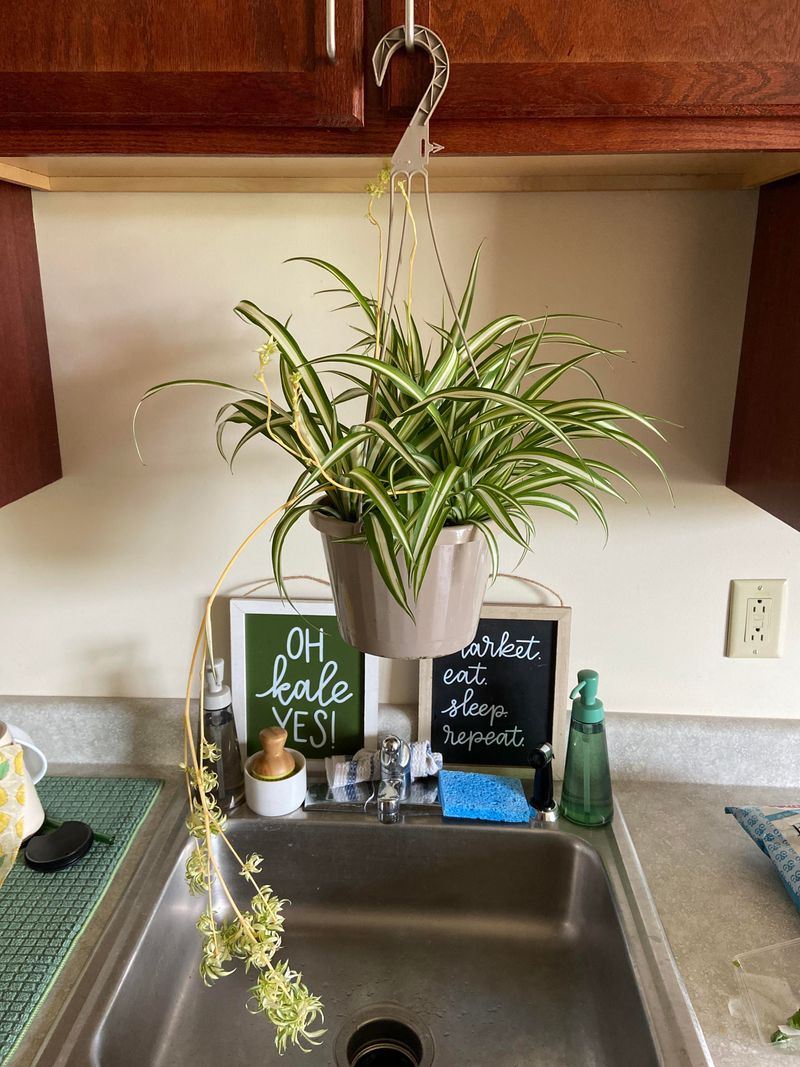
Kitchens provide a unique combination of light, warmth, and humidity that spider plants absolutely love. Steam from cooking and dishwashing creates moisture in the air, mimicking tropical conditions where these plants naturally thrive.
Your Illinois kitchen becomes a mini greenhouse when you prepare meals regularly.
Counter space near a window offers an ideal perch for your spider plant, keeping it away from direct heat sources like stoves and ovens. The plant adds a fresh, living element to your cooking space while benefiting from the room’s naturally elevated humidity levels.
Just ensure it’s positioned where it won’t interfere with food preparation or get splashed with oils or harsh cleaning products.
Natural light in kitchों varies depending on window size and direction, but most Illinois kitchens receive adequate brightness for spider plants. A spot on top of cabinets or hanging from the ceiling near a window maximizes light exposure while saving valuable counter space.
The cascading foliage creates an attractive visual element that softens hard kitchen surfaces.
Temperature fluctuations in kitchens rarely bother spider plants since they tolerate a wide range. Cooking activities might temporarily raise temperatures, but your plant handles these brief changes without issue.
The consistent warmth during meal preparation actually promotes faster growth during Illinois’s cooler months.
Your kitchen’s social nature means you’ll interact with your spider plant multiple times daily, making care reminders natural. You’ll notice when soil looks dry or when leaves need dusting while going about your normal routine.
This frequent contact helps you maintain optimal plant health effortlessly.
4. Bathroom With A Window
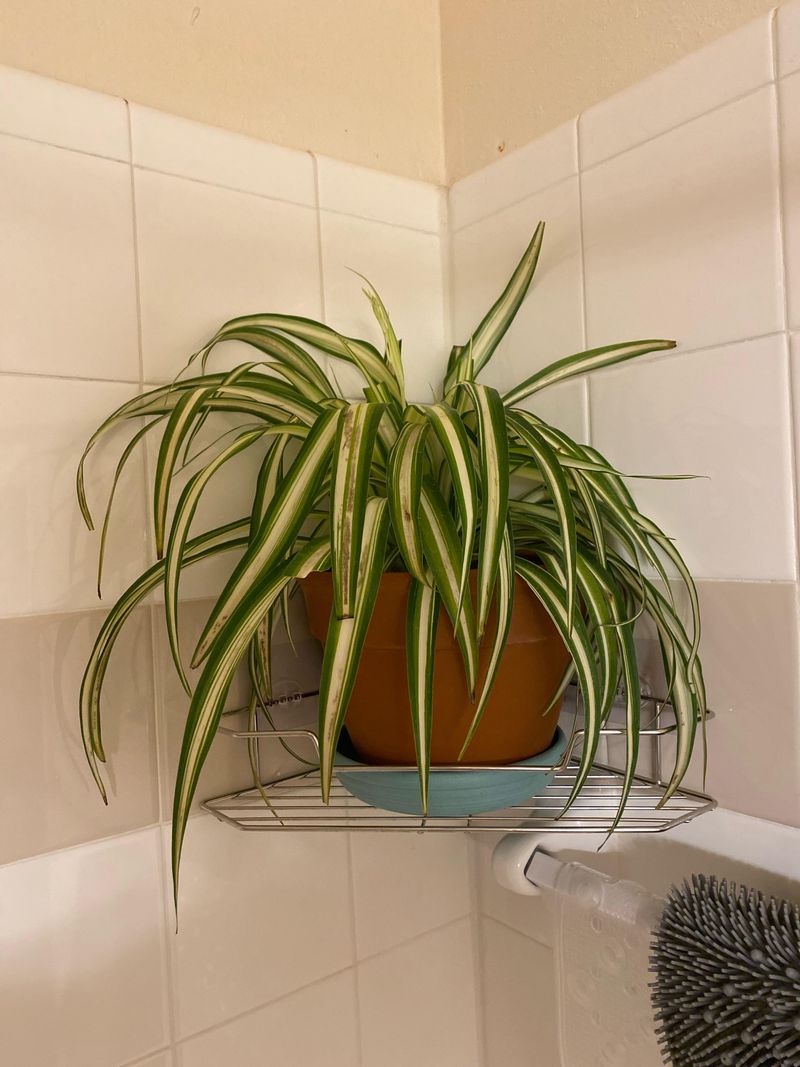
Bathrooms offer high humidity levels that spider plants find incredibly beneficial, especially during dry Illinois winters. Shower steam and running water create a moisture-rich environment that keeps leaf tips from browning and promotes lush growth.
Your plant thrives in these conditions that many other houseplants would find too humid.
A windowsill or shelf near your bathroom window provides both light and humidity in perfect balance. The frosted or textured glass common in bathroom windows filters harsh rays while still allowing plenty of brightness through.
This natural diffusion protects your spider plant from sunburn while maintaining healthy photosynthesis.
Privacy concerns often mean bathroom windows stay covered with curtains or blinds, but spider plants adapt well to lower light levels. As long as the room receives some natural light during the day, your plant will manage nicely.
You might need to rotate it occasionally to ensure even growth on all sides.
Space limitations in Illinois bathrooms sometimes require creative placement solutions for plants. Hanging baskets work beautifully in bathrooms, suspending your spider plant from the ceiling or a sturdy hook near the window.
The cascading foliage adds elegance while keeping the plant safely away from countertop clutter.
Regular bathroom use means consistent humidity rather than occasional spikes, which benefits your spider plant tremendously. The stable moisture levels prevent the stress that comes from alternating between bone-dry and overly wet conditions.
Your plant develops stronger roots and more resilient leaves in this predictable environment, making bathroom placement one of the smartest choices available.
5. Bedroom Window Area With Filtered Light
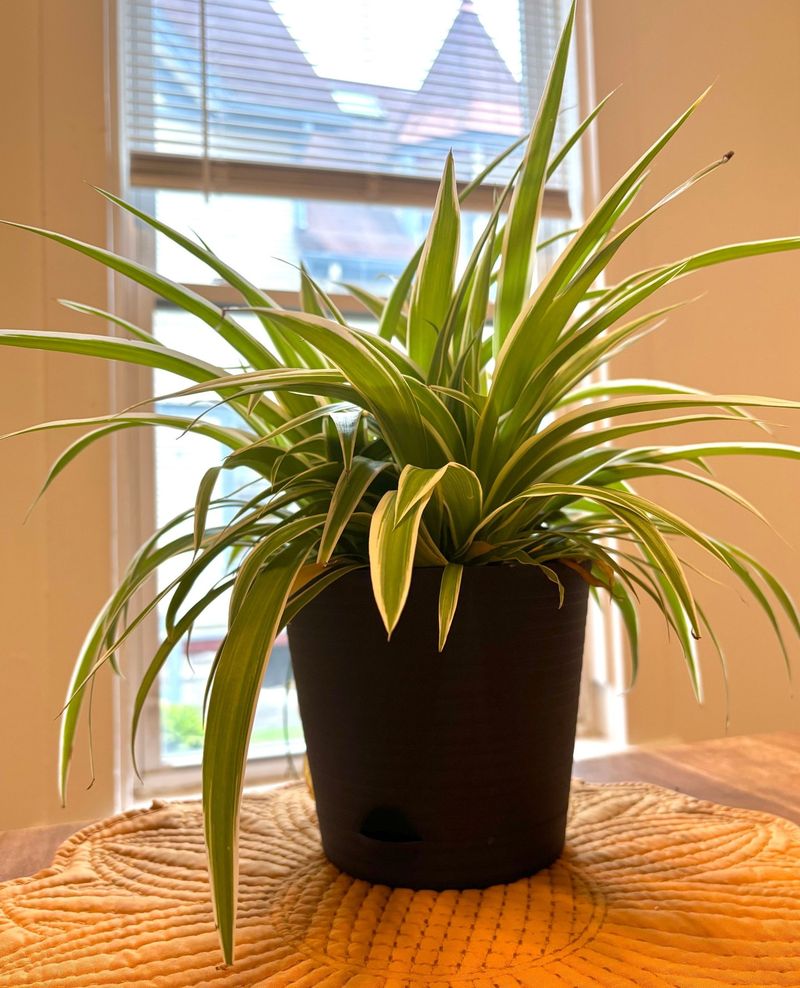
Bedrooms provide a calm, stable environment where temperature and light conditions remain relatively constant throughout the day. Spider plants appreciate this consistency, responding with steady growth and healthy foliage.
The peaceful atmosphere of your Illinois bedroom creates an ideal home for these adaptable plants.
Filtered light near bedroom windows comes naturally from curtains, blinds, or sheers that you use for privacy and sleep comfort. This diffused brightness gives your spider plant exactly what it needs without overwhelming exposure to direct sun.
Position your plant on a dresser, nightstand, or windowsill where it receives this gentle illumination during daylight hours.
Air quality improvement makes spider plants particularly valuable in bedrooms where you spend roughly a third of your life. These plants filter common indoor pollutants while releasing oxygen, contributing to a healthier sleeping environment.
You’ll breathe easier knowing your bedroom air stays fresher with this natural purifier working quietly beside you.
Illinois bedrooms often feature multiple windows with different exposures, giving you options for plant placement. North-facing windows provide consistent but dimmer light, while east or west windows offer brighter conditions.
Experiment with different spots to see where your spider plant looks happiest and grows most vigorously.
Nighttime temperatures in bedrooms typically drop a few degrees, which spider plants actually enjoy. This natural cooling mimics outdoor temperature fluctuations and can encourage the development of those charming baby plantlets on long stems.
You’ll wake up each morning to a thriving green companion that enhances your personal space beautifully.
6. Home Office Near A Window
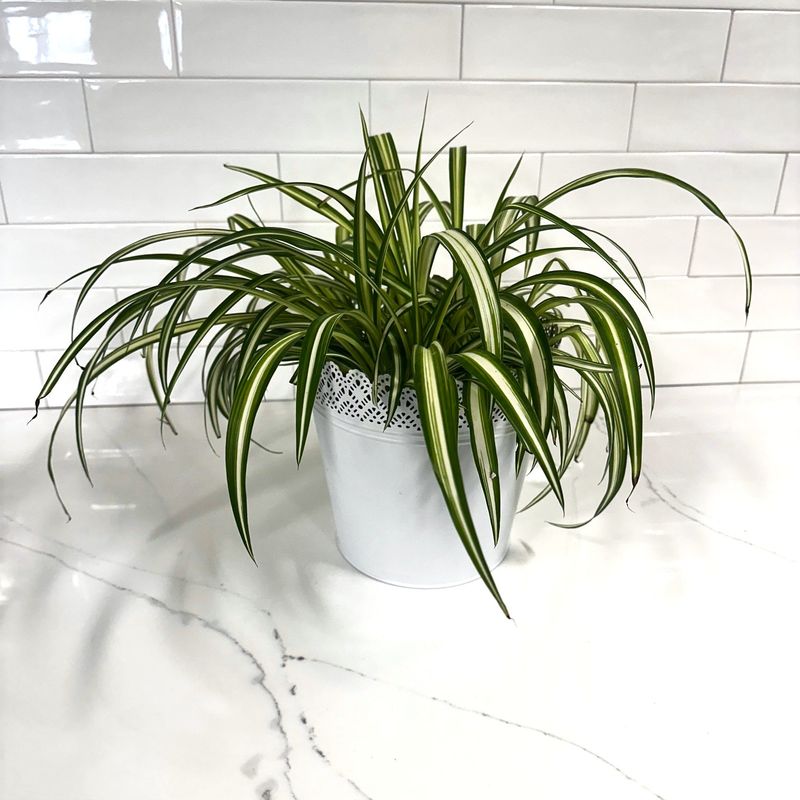
Working from home has become increasingly common in Illinois, making home offices prime real estate for spider plants. Natural light near your workspace reduces eye strain while the plant’s presence lowers stress and improves concentration.
You’ll find yourself more productive with this green companion keeping you company during long work sessions.
Desk placement near windows gives your spider plant ideal light exposure while staying within your field of vision. The gentle movement of its cascading leaves provides a welcome distraction during mentally demanding tasks.
Research shows that having plants in workspaces boosts mood and creativity, making your home office more enjoyable and effective.
Temperature control in home offices tends to be consistent since you need comfort during work hours. Spider plants thrive in the same temperature range that keeps you productive, typically between 65-75°F.
Your climate control efforts benefit both you and your plant simultaneously throughout the year in Illinois.
Window proximity means your plant receives adequate light without taking up valuable desk space if you place it on a nearby shelf or filing cabinet. The vertical dimension of office furniture offers multiple placement options that keep your workspace functional while incorporating greenery.
You can even use a small plant stand to elevate your spider plant for better light access.
Regular presence in your home office means you’ll notice immediately if your plant needs water or shows any signs of distress. This constant monitoring prevents small issues from becoming serious problems.
Your spider plant becomes a living reminder to take breaks, stretch, and step away from your screen periodically for your own wellbeing.
7. Hanging Near A Bright Window
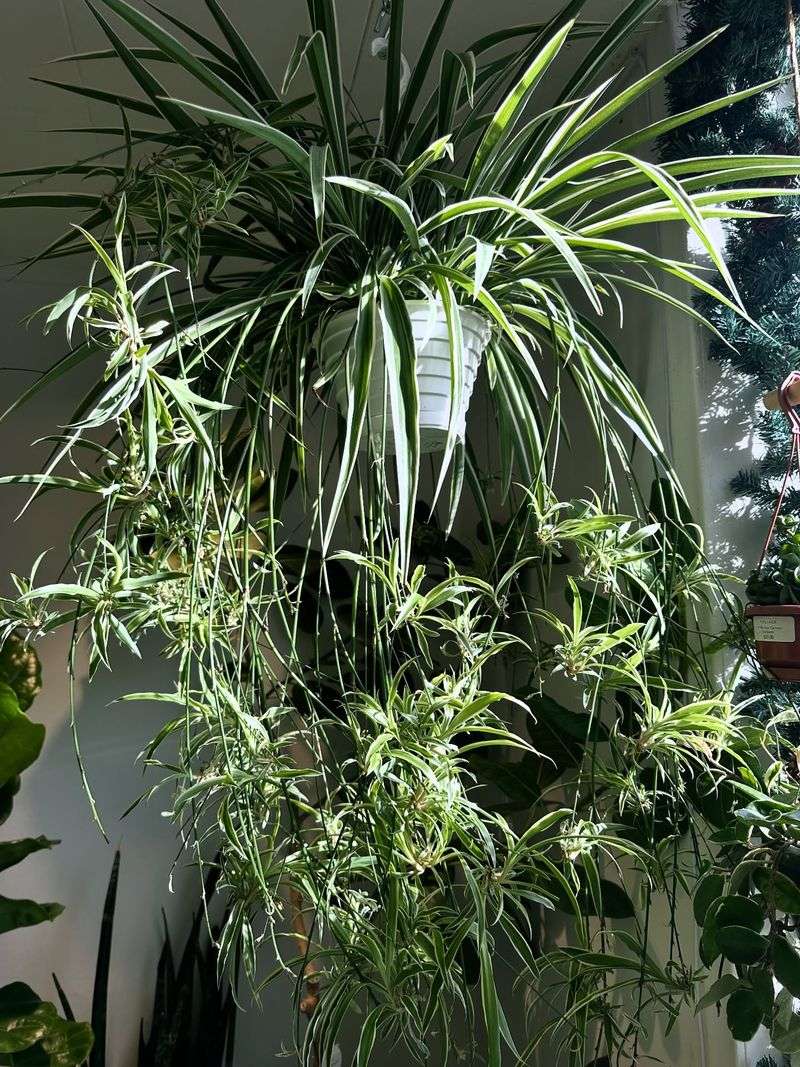
Hanging baskets showcase spider plants at their absolute finest, allowing the cascading foliage to flow freely in all directions. Suspended near a bright window, your plant receives light from multiple angles while creating a stunning vertical garden element.
Illinois homes with high ceilings particularly benefit from this dramatic display option.
Ceiling hooks or wall-mounted brackets positioned near windows provide secure anchor points for hanging your spider plant. The elevation protects it from curious pets and small children while maximizing available light exposure.
You’ll need to ensure the hanging mechanism can support the weight of your plant, pot, and moist soil safely.
Watering hanging plants requires more attention since excess water needs somewhere to drain without damaging floors or furniture. Use saucers specifically designed for hanging baskets or water your plant in a sink or bathtub, allowing it to drain completely before rehanging.
This extra step prevents water damage while ensuring your spider plant gets the moisture it needs.
Air circulation around hanging plants tends to be better than those sitting on surfaces, reducing the risk of fungal issues or pest problems. The improved airflow helps soil dry at a healthy pace between waterings.
Your spider plant develops stronger stems and more robust roots when air moves freely around all parts of the plant.
Rotating hanging plants ensures even growth on all sides since light comes primarily from the window direction. Give your basket a quarter turn every few weeks to prevent lopsided development.
You’ll maintain a full, symmetrical appearance that looks beautiful from every angle in your Illinois home.
8. Hallway With Consistent Daylight
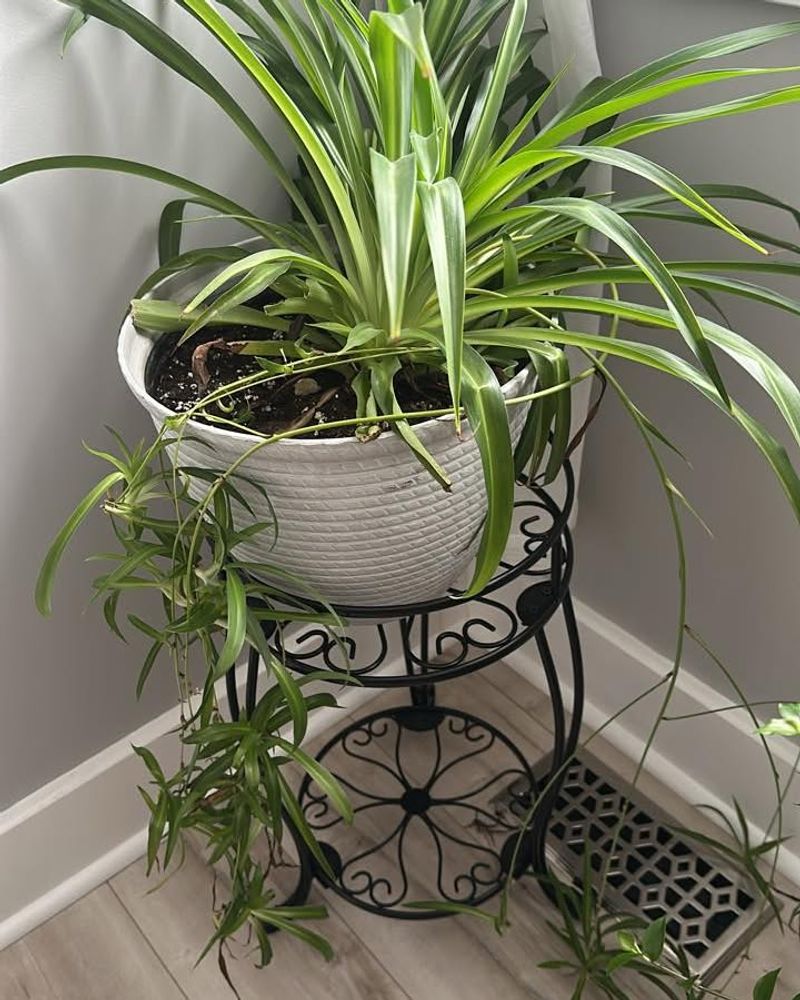
Hallways often get overlooked as potential plant locations, but they can be perfect for spider plants when natural light is available. A window at the end of your hallway or skylights above provide the brightness your plant needs while transforming a transitional space into something special.
Illinois homes with well-lit corridors offer unique opportunities for creative plant placement.
Console tables, narrow shelves, or wall-mounted planters work beautifully in hallways where floor space is limited. Your spider plant adds visual interest to an area that might otherwise feel plain or utilitarian.
The vertical nature of hallway design actually complements the cascading growth habit of spider plants perfectly.
Foot traffic through hallways means you’ll pass your plant multiple times daily, making care reminders natural and convenient. You’ll quickly notice if leaves look droopy or if soil seems dry during your regular comings and goings.
This frequent contact ensures your plant receives timely attention without requiring special trips to check on it.
Consistent daylight in hallways creates stable growing conditions that spider plants appreciate. Unlike rooms where curtains get opened and closed, hallway light remains relatively constant throughout the day.
This predictability helps your plant establish steady growth patterns without the stress of fluctuating light levels.
Temperature in Illinois hallways typically stays moderate since they connect climate-controlled rooms. Your spider plant benefits from this stable environment without exposure to drafts from exterior doors or temperature swings near windows.
The result is healthy, consistent growth that makes your hallway feel more welcoming and alive throughout every season.