If A Neighbor’s Tree Falls In Your Maryland Yard, Who Handles It?
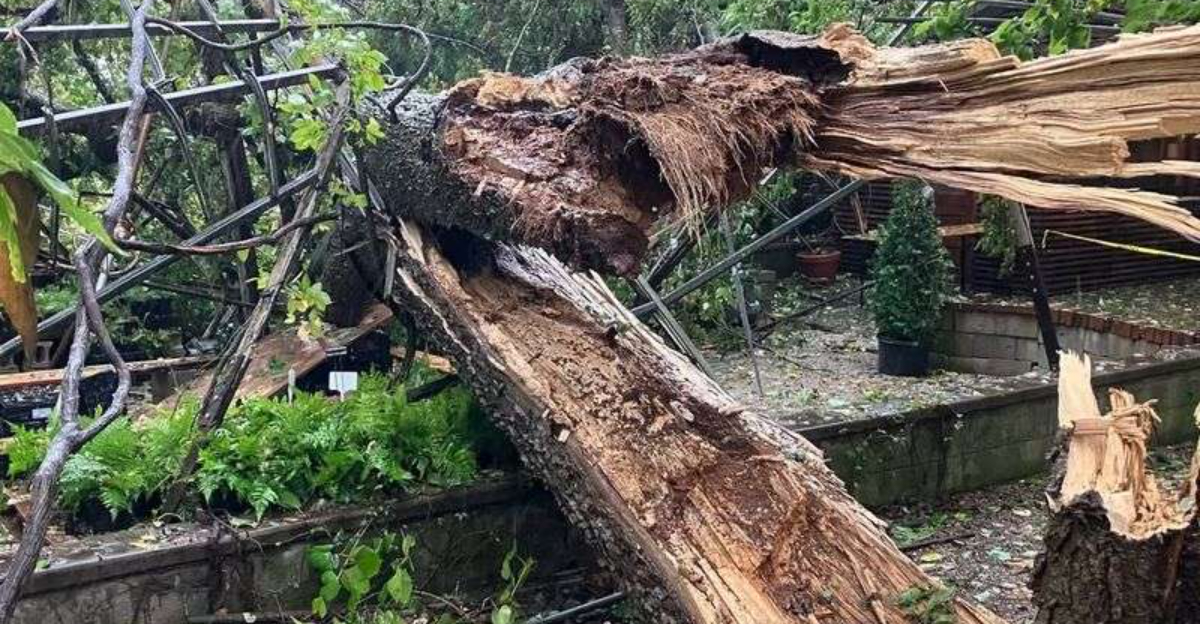
A sudden crash in your yard can be alarming—especially when it’s a neighbor’s tree sprawled across your lawn. In Maryland, determining responsibility isn’t always straightforward.
Liability depends on whether the tree was healthy, neglected, or clearly hazardous, and knowing the rules can save homeowners from costly disputes or unnecessary stress.
One falling tree can turn a quiet day into a legal headache! If a healthy tree falls during a storm or due to natural causes, homeowners are generally responsible for the cleanup on their property.
However, if the tree was dead, diseased, or improperly maintained, the neighbor may be liable for damages.
Insurance, local ordinances, and documentation of prior warnings all play a role in determining responsibility. Not every fallen tree means your neighbor is automatically at fault.
Maryland homeowners who understand the law and document incidents carefully can resolve tree damage efficiently, involve insurance if needed, and maintain neighborly relations.
Knowledge and preparation prevent disputes and ensure your yard is restored safely. Fallen trees are messy—but knowing the rules keeps cleanup fair and stress-free.
The Tree Owner Is Not Automatically Responsible
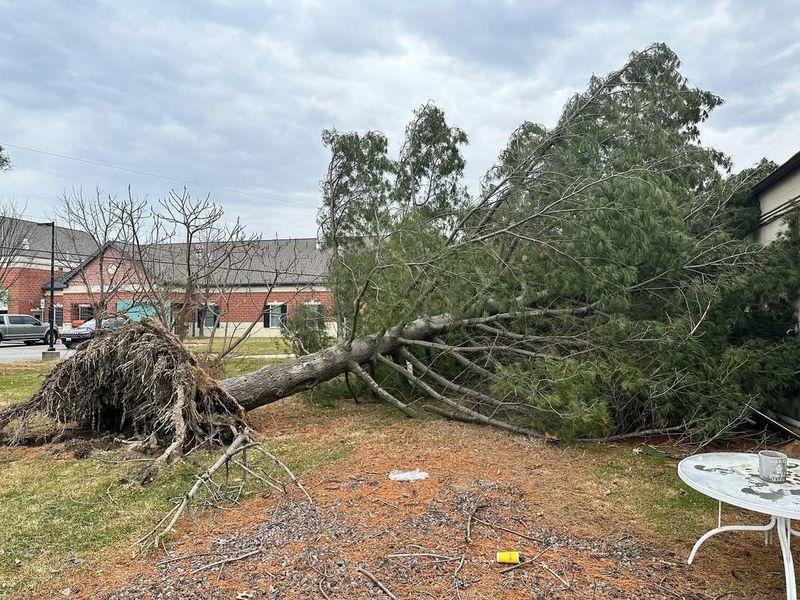
Maryland follows a unique approach when trees tumble across property lines during storms or natural events.
Unlike some states that immediately point fingers at the tree owner, Maryland law recognizes that nature sometimes acts unpredictably.
Simply owning the tree doesn’t automatically make someone liable for every branch that lands in your begonias. This principle protects property owners from unreasonable financial burdens when weather strikes without warning.
A homeowner who properly maintains their trees shouldn’t face automatic blame when a surprise windstorm topples even a healthy specimen.
The law balances fairness between neighbors while acknowledging that trees, despite our best care, remain living organisms subject to natural forces beyond complete human control.
Understanding this baseline helps set realistic expectations after a tree incident occurs. Rather than immediately demanding your neighbor cover all costs, the situation requires careful evaluation of circumstances.
Was the tree showing warning signs? Did weather play the primary role? These questions matter more than simple ownership when determining who handles what expenses.
Many homeowners mistakenly assume their neighbor must pay for everything simply because the tree originated on their land.
This misconception can strain neighborly relationships and lead to unnecessary legal disputes that benefit no one.
Negligence Changes Responsibility
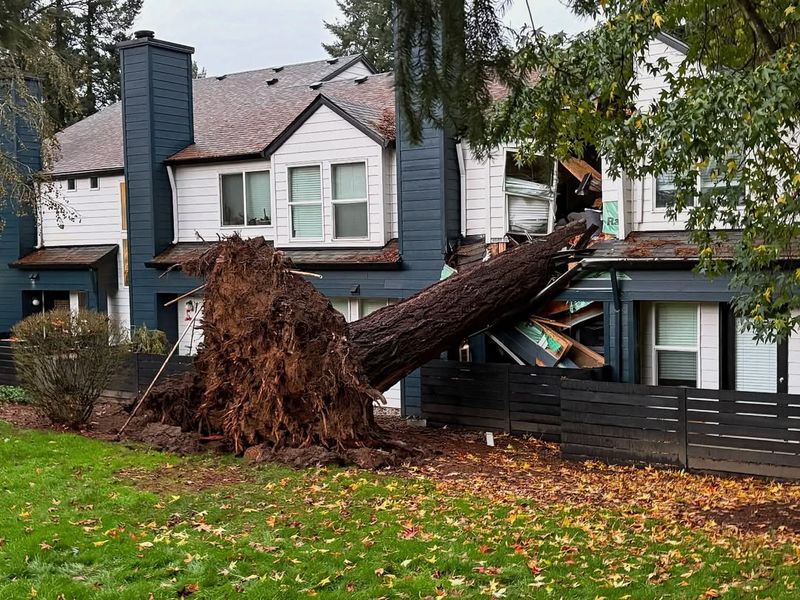
Everything shifts when a tree was clearly unhealthy before it fell. Visible rot, hollow trunks, fungal growth, leaning structures, or extensive branch loss all signal potential danger.
When owners ignore these warning signs, they may face liability for resulting damage because they had reasonable opportunity to prevent the incident.
Negligence in tree care means failing to take action a reasonable person would take under similar circumstances.
If large sections of bark are peeling away, revealing decay underneath, a responsible owner should investigate further.
When mushrooms sprout from the trunk base or roots, this often indicates serious internal problems requiring professional assessment.
Maryland courts examine whether the owner knew or should have known about the hazardous condition. A massive crack visible from the street creates different expectations than internal decay hidden beneath healthy-looking bark.
The standard focuses on observable conditions that would alert a reasonably attentive property owner to potential problems.
Proving negligence requires demonstrating the tree showed clear danger signs before falling. Photographs, witness statements, and expert testimony help establish what conditions existed.
Once negligence is proven, the tree owner may become responsible for damage their failing tree caused on your property, shifting the financial burden significantly from the standard act of God scenario.
Proof Of Prior Knowledge Is Critical
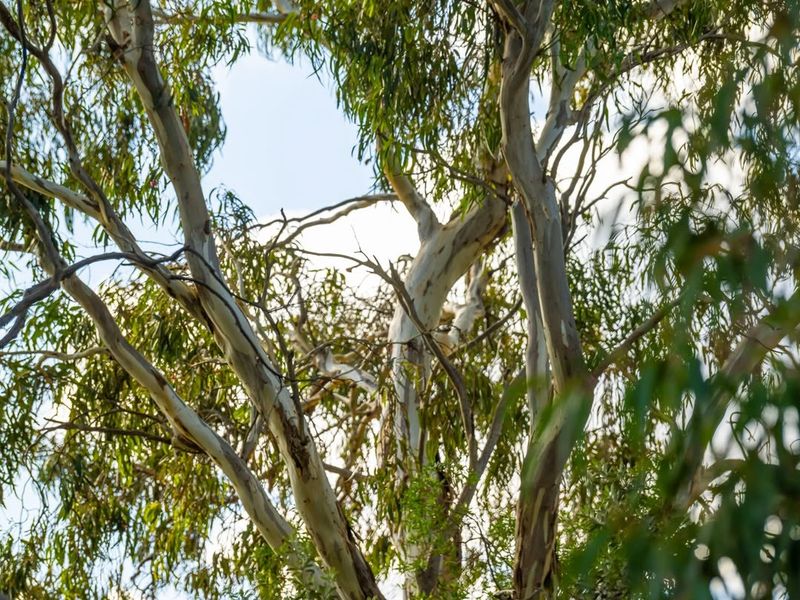
Winning a negligence claim against your neighbor requires solid evidence they knew about the tree’s dangerous condition.
Verbal conversations hold less weight than documented warnings, making written communication essential when you spot concerning tree conditions near your property line.
Certified letters, emails with delivery confirmation, and text messages create valuable records. Arborist reports provide powerful evidence because they come from trained professionals who assess tree health for a living.
If you previously hired an arborist who identified hazards in your neighbor’s tree, that report becomes crucial documentation.
Similarly, if your neighbor had their own tree assessment showing problems, this proves they possessed knowledge of the danger.
Photographs timestamped before the fall demonstrate visible decay, leaning, or other warning signs. Take pictures from multiple angles, including close-ups of problem areas like fungal growth or bark damage.
These images help establish what a reasonable observer could have noticed about the tree’s condition. Municipal records sometimes contain relevant information, especially if code enforcement issued notices about hazardous trees.
HOA correspondence may also document complaints or required actions. Building your case means gathering every piece of evidence showing your neighbor had awareness or should have had awareness of their tree’s dangerous state before it crashed into your yard.
Damage On Your Side Is Usually Yours To Handle First
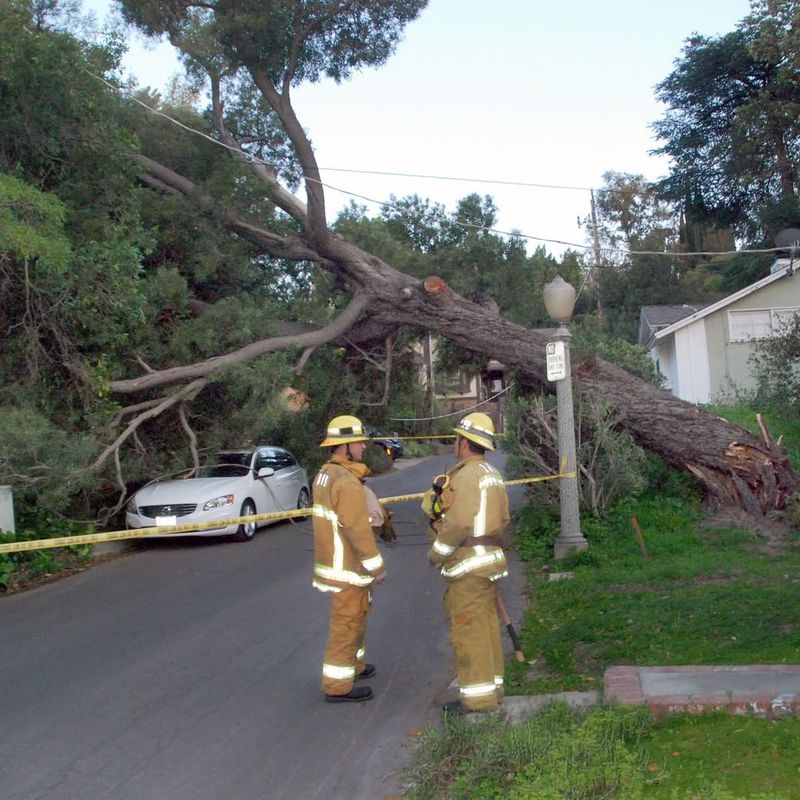
When tree debris lands on your property, your homeowner’s insurance typically becomes the first line of financial protection.
Crushed fences, damaged sheds, torn-up landscaping, and other destruction occurring within your property boundaries generally fall under your policy coverage.
This remains true even when the tree originated from your neighbor’s yard, provided no negligence existed. Most homeowner policies include coverage for tree damage under dwelling protection and other structures provisions.
Your deductible applies, meaning you’ll pay that amount before insurance coverage kicks in. Filing a claim starts the process of getting repairs handled, though you should photograph everything thoroughly before cleanup begins.
Insurance companies may pursue subrogation against your neighbor if evidence suggests negligence played a role. This means your insurer might seek reimbursement from your neighbor’s insurance after paying your claim.
However, this process happens between insurance companies, allowing you to get repairs started without waiting for lengthy liability determinations.
Some homeowners hesitate to file claims, worried about premium increases. However, tree damage from storms often qualifies as a covered peril that shouldn’t dramatically impact your rates.
Consult your insurance agent about your specific policy terms and how filing might affect future premiums before making decisions about whether to claim or pay out of pocket.
Your Neighbor Handles Damage On Their Side
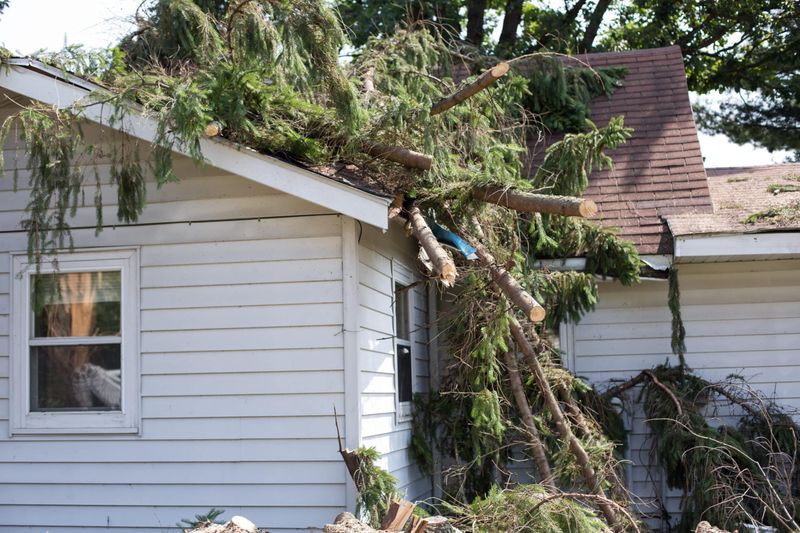
Property lines create clear boundaries for responsibility when tree damage occurs.
Even when the same fallen tree causes destruction on both properties, each owner typically handles repairs on their respective side.
Your neighbor’s crushed shed, damaged driveway, or landscape destruction remains their financial responsibility, just as your side falls to you.
This division makes practical sense and prevents complicated disputes about who pays for what when damage spans multiple properties. Clean separation along property lines simplifies insurance claims and repair coordination.
Each homeowner works with their own insurance company, contractors, and repair timelines without needing constant coordination with neighbors.
Exceptions arise when negligence gets proven. If your neighbor’s neglected tree falls and damages both properties, they may face liability for destruction on both sides.
However, establishing this requires meeting the burden of proof regarding their knowledge of the hazardous condition, which we covered in earlier sections.
Sometimes neighbors cooperate on shared cleanup costs for efficiency, especially when the tree trunk straddles the property line or when good relationships exist. These voluntary arrangements can save money through shared equipment rental or contractor services.
However, no legal obligation requires such cooperation unless specific negligence or local ordinances create different standards.
Maintaining open communication often leads to smoother resolution than rigid insistence on strict legal divisions.
You Own The Fallen Portion Once It’s On Your Land
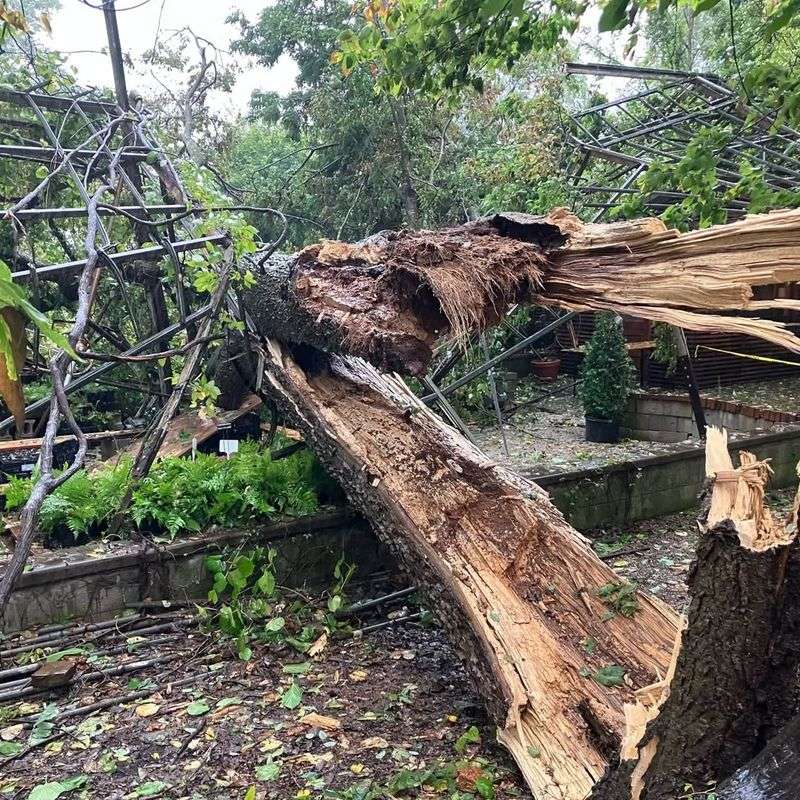
Maryland law grants you ownership of tree portions that land within your property boundaries, regardless of where the tree originally grew.
This means you hold legal authority to cut up, remove, or dispose of branches, trunks, and debris without seeking your neighbor’s permission.
You’re not required to haul everything back across the property line or wait for your neighbor to handle cleanup. This ownership principle gives you control over your own property and cleanup timeline.
If massive branches block your driveway or damage your garden beds, you can immediately hire removal services without coordinating schedules with your neighbor.
You’re free to keep usable firewood, chip branches for mulch, or arrange municipal pickup according to your preferences.
However, ownership of fallen portions doesn’t obligate your neighbor to pay removal costs unless negligence is established. The tree material becomes yours to handle, which includes bearing the cleanup expenses.
Many homeowners find this surprising, expecting the tree owner to automatically cover removal, but Maryland law places this responsibility with the property where debris lands.
Some neighbors voluntarily help with cleanup or share removal costs, particularly when relationships remain friendly and the tree was clearly healthy before falling. These gestures reflect goodwill rather than legal obligation.
Understanding your ownership rights helps you move forward with cleanup confidently while knowing what you can reasonably expect from your neighbor.
Local Ordinances Or HOAs May Add Extra Rules
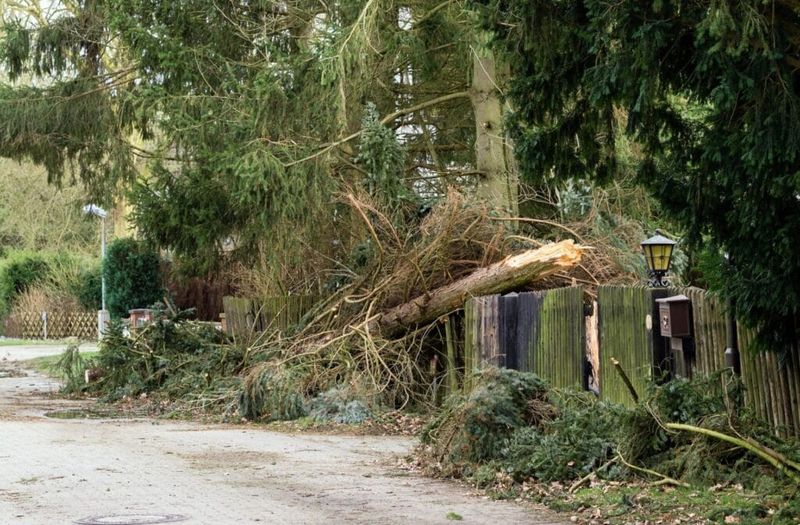
Beyond state law, local county ordinances and homeowner association regulations can create additional requirements affecting tree responsibility.
Some Maryland counties mandate property owners address hazardous trees within specific timeframes after receiving notice.
These local rules may impose fines or enforcement actions when owners ignore dangerous tree conditions, strengthening your position if negligence becomes an issue.
HOA covenants frequently include landscape maintenance standards requiring members to maintain trees in safe condition.
These private agreements can establish stricter standards than state law, potentially making it easier to hold negligent tree owners accountable.
Review your HOA documents to understand what tree maintenance obligations exist and what enforcement mechanisms the association can employ.
Municipal tree ordinances sometimes protect certain species or sizes, requiring permits before removal even on private property.
These regulations can complicate situations where you want to prevent future problems by removing a threatening tree near your property line.
Understanding permit requirements before taking action helps avoid violations and potential fines. County and city codes may also address nuisance trees, overhanging branches, and root damage to sidewalks or utilities.
These provisions create additional avenues for addressing problem trees before they fall.
Consulting your local code enforcement office or HOA management provides clarity about what rules apply in your specific Maryland location, potentially offering solutions beyond standard state liability laws.