If You Are Visiting North Carolina This Stunning Botanical Garden Is An Absolute Must See
A quiet garden escape waits just beyond the busy pace of campus life, offering a refreshing world of greenery and calm.
In Charlotte, the UNC Charlotte Botanical Gardens welcome visitors to explore a vibrant collection of tropical plants, native species, and thoughtfully designed landscapes that thrive in North Carolina’s climate.
Located at 9090 Craver Rd, this inviting space blends natural beauty with peaceful surroundings, creating an ideal place to slow down and reconnect with nature.
Lush foliage, seasonal blooms, and carefully arranged garden areas provide inspiration for plant lovers while offering a soothing retreat for anyone seeking fresh air and quiet moments.
Students often find a relaxing place to study, photographers discover endless natural detail, and visitors enjoy leisurely walks through ever changing scenery.
The UNC Charlotte Botanical Gardens stand as a free and welcoming green sanctuary, inviting everyone to experience the beauty, diversity, and calming charm of North Carolina’s living landscape.
Discover A Living Plant Collection In The Heart Of UNC Charlotte

Right on the UNC Charlotte campus, you can explore a remarkable collection of plants from around the world without paying a single penny.
The botanical gardens function as living classrooms where researchers study plant biology and students learn hands-on horticultural skills.
Visitors wander through carefully curated displays that showcase everything from regional favorites to exotic specimens.
The gardens span roughly ten acres of thoughtfully designed landscapes. Each area serves a purpose beyond just looking pretty.
Scientists use these spaces to conduct research on plant adaptations, growth patterns, and conservation methods.
Walking through the collections feels like flipping through pages of a botanical encyclopedia. You’ll spot plants arranged by family, region, or ecological function.
Informative signs help you understand what you’re seeing and why each plant matters. Students from various departments visit regularly to sketch, photograph, or simply observe nature. The gardens bridge the gap between textbook learning and real-world application.
Faculty members bring classes here to demonstrate concepts that come alive when you can touch, smell, and see them up close. This isn’t just a pretty park. It’s an active research facility that welcomes curious minds.
The combination of education, conservation, and public access makes this spot unique in the Charlotte area.
Explore The Beautiful McMillan Greenhouse Filled With Tropical Plants
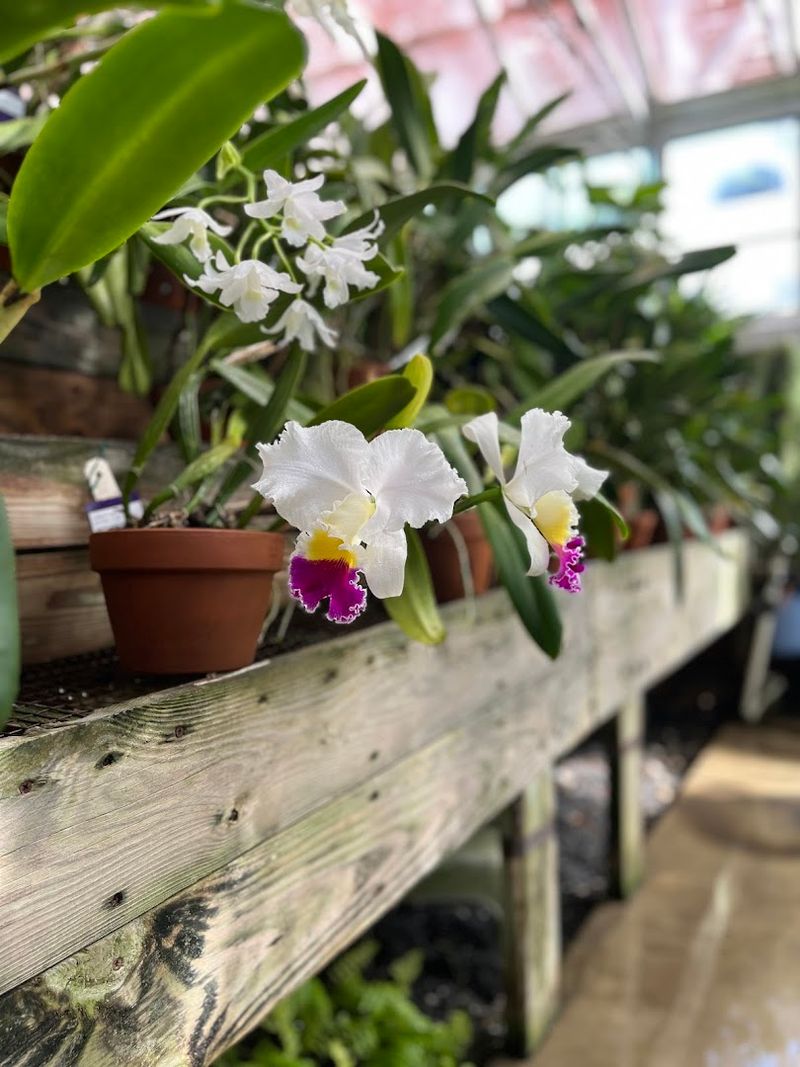
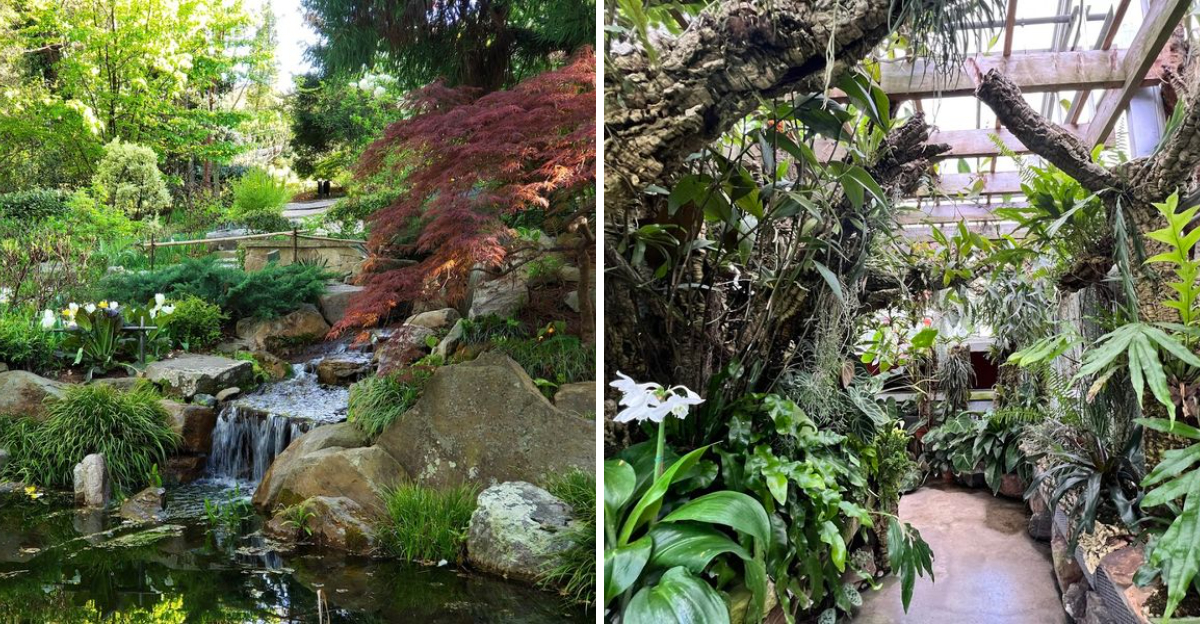
Step inside the McMillan Greenhouse and you’ll instantly feel the warm, humid air that tropical plants crave. This climate-controlled space houses an impressive collection of orchids, bromeliads, carnivorous plants, and towering palms.
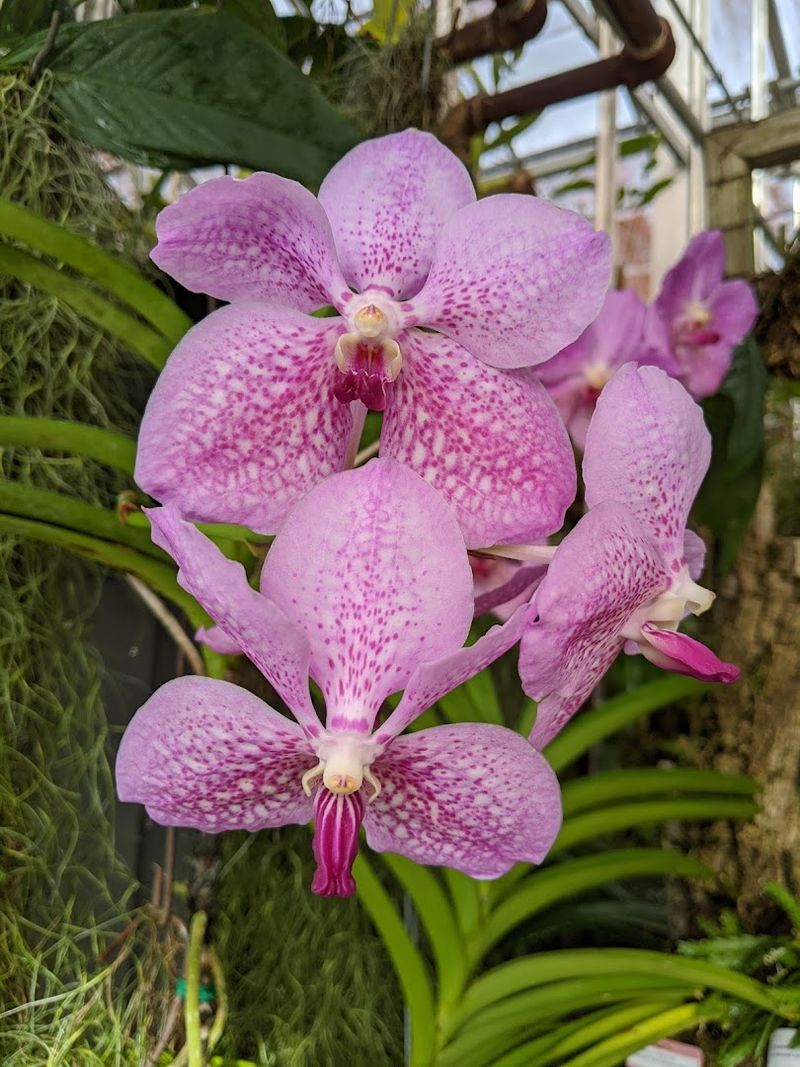
Multiple rooms create different microclimates suited to various plant needs. The orchid room particularly catches visitors’ eyes with two levels of blooming beauties in every color imaginable.
Some specimens are rare cultivars rarely seen outside specialized collections. The careful arrangement allows you to appreciate each plant’s unique characteristics without feeling overwhelmed.
Carnivorous plants get their own dedicated display area. Bright green Venus flytraps sit alongside pitcher plants with deep burgundy leaves.
These fascinating specimens demonstrate nature’s creative solutions to nutrient-poor environments.
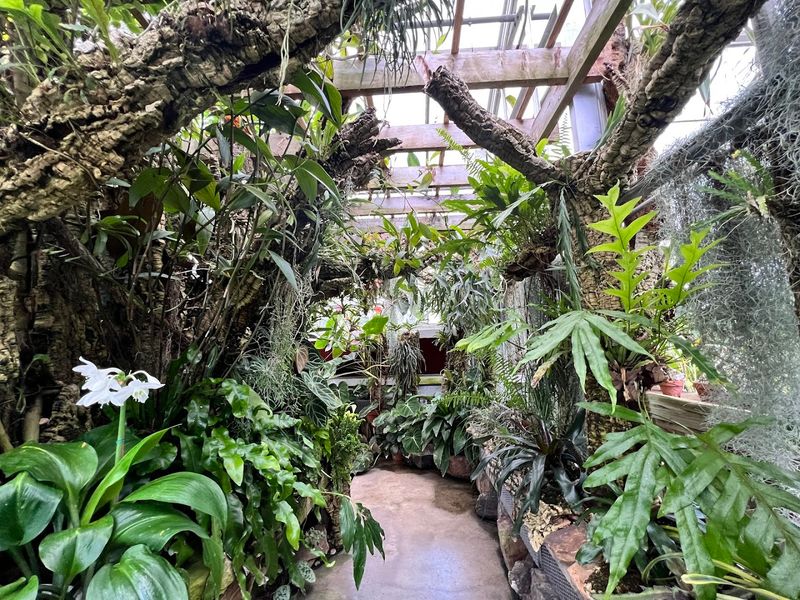
The tropical room stretches upward with impressive height. Mature palms reach toward the glass ceiling while vines cascade from hanging baskets.
Walking through feels like visiting a rainforest without leaving North Carolina.
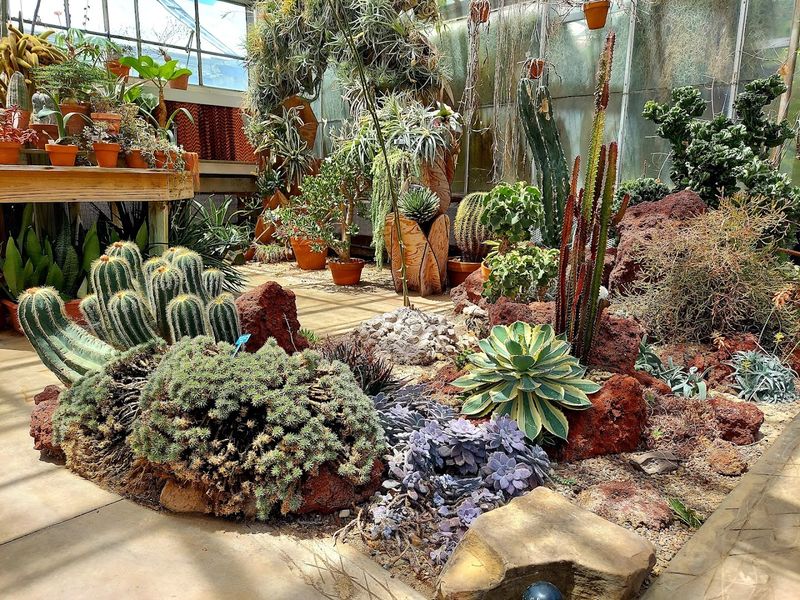
Succulents and cacti occupy a drier section where water-wise plants show their sculptural beauty. The greenhouse operates Monday through Friday from nine in the morning until four in the afternoon.
You can spend as much time as you want examining these global plant treasures under one roof.
Walk Through Outdoor Gardens Designed For The Carolina Climate

Beyond the greenhouse, outdoor gardens demonstrate what thrives naturally in the Carolina Piedmont region. These spaces highlight plants perfectly suited to local temperatures, rainfall patterns, and soil conditions.
Gardeners gain practical knowledge by seeing which species flourish without excessive maintenance.
Native azaleas and rhododendrons create spectacular spring displays along shaded paths. Their blooms paint the landscape in shades of pink, white, and coral.
These tough plants handle Carolina’s hot summers and occasional winter freezes with ease.
The gardens showcase both native species and well-adapted introductions from similar climates worldwide. This approach helps visitors understand that successful gardening means working with nature rather than against it.
You’ll notice how certain plants naturally group together based on their water and sunlight needs.
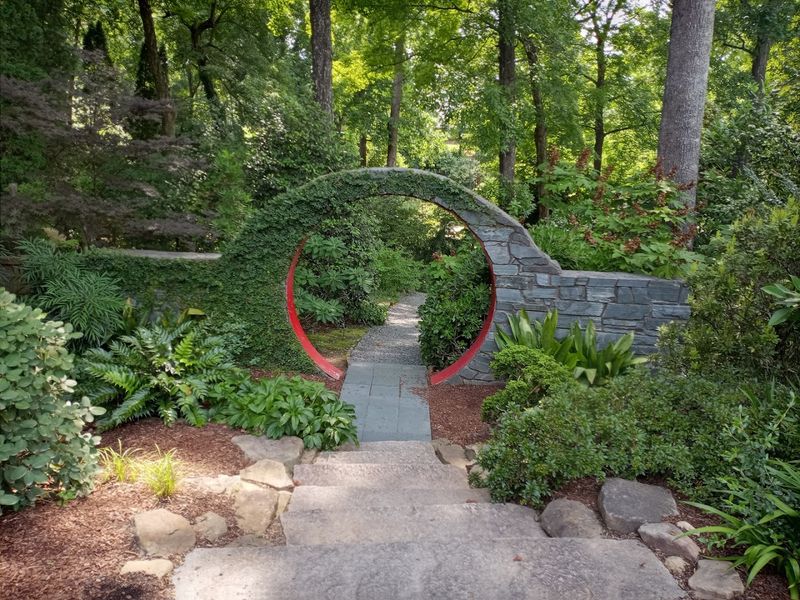
Hardwood trees provide dappled shade over woodland gardens where ferns and wildflowers carpet the forest floor. This naturalistic design mimics the region’s original ecosystems.
Walking these trails feels more like hiking through preserved wilderness than touring a formal garden.
Seasonal changes dramatically transform the outdoor spaces. Spring brings early bulbs and flowering trees. Summer showcases heat-loving perennials. Fall delivers spectacular foliage colors.
Even winter reveals interesting bark textures and evergreen structure that many gardeners overlook.
A Peaceful Natural Space Perfect For Relaxing Walks
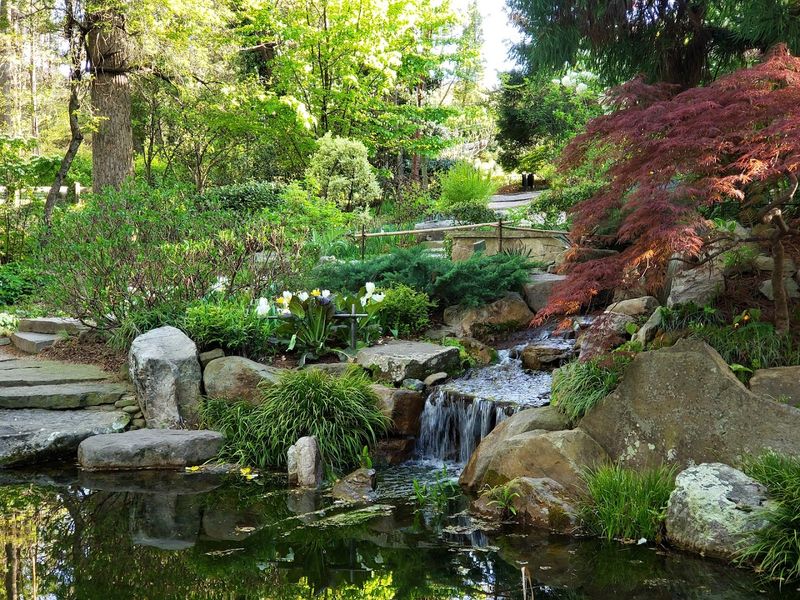
Sometimes you just need to escape the noise and pressure of daily life. The botanical gardens offer winding trails where birdsong replaces traffic sounds and green canopies filter harsh sunlight.
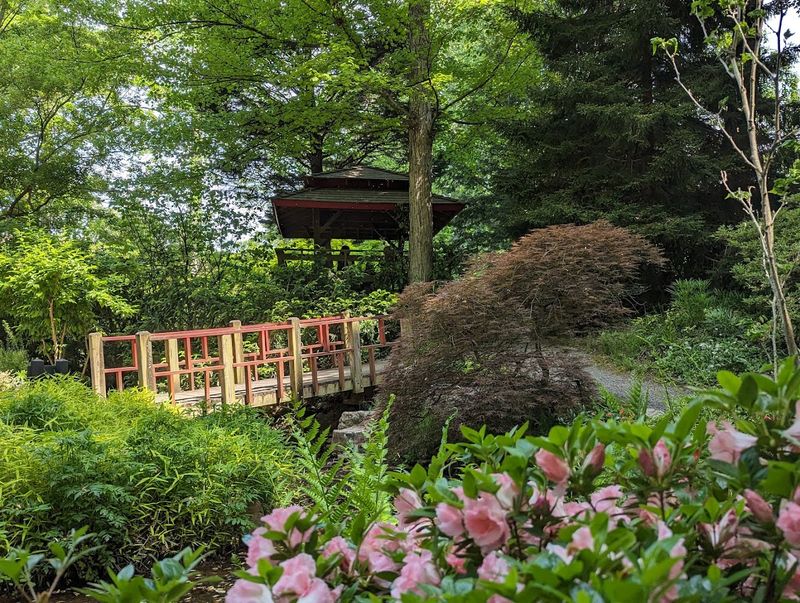
Multiple benches invite you to sit and simply breathe. Wooden bridges cross small streams where water trickles over rocks. These architectural touches add interest without disrupting the natural feel.
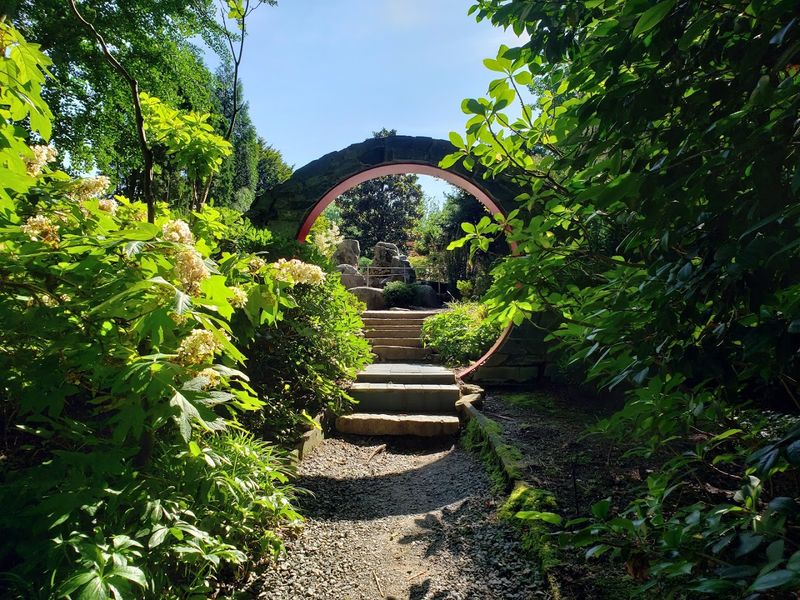
Paths curve gently, revealing new views around each bend rather than stretching out in predictable straight lines.
Visitors often mention how surprisingly quiet the gardens feel despite sitting on an active university campus. The thick plantings and thoughtful design create a buffer from surrounding activity.
Students bring textbooks to study under trees while others sketch or meditate. The gardens don’t require intense physical effort. Paths remain relatively level and accessible for various fitness levels.
You can complete a quick twenty-minute loop or spend hours exploring every corner at your own pace.
Many people discover the gardens accidentally while on campus for other reasons. Once they experience the calming atmosphere, they return regularly.
Some make it part of their weekly routine, using garden walks to decompress and reconnect with nature without driving far from home.
Learn About Native Plants And Regional Ecosystems
Understanding your local ecosystem starts with knowing which plants naturally belong here. The botanical gardens excel at teaching visitors about native species and their ecological roles.
Informative signage explains how each plant fits into the larger environmental picture. Native plants support local wildlife in ways that exotic species simply cannot. Birds rely on specific plants for nesting materials and food sources.
Butterflies need particular host plants where their caterpillars can develop safely. The gardens demonstrate companion planting concepts that work in natural settings.
You’ll see how certain plants grow together in the wild, supporting each other through shared root systems or complementary growing habits. These observations translate directly into better home garden planning.
Conservation messages appear throughout without feeling preachy. The displays simply show what happens when we preserve biodiversity versus creating plant monocultures. Seeing healthy, thriving native plant communities makes the benefits obvious.
Educational programs occasionally run through the gardens, though self-guided exploration works perfectly well. The thoughtful plant selections and clear labeling mean you’ll learn plenty just by paying attention as you walk.
Each visit reveals something new about how regional plants adapt to local conditions and support broader ecological health.
Seasonal Changes Bring New Colors And Blooms Throughout The Year
Gardens that look identical year-round quickly become boring. The UNC Charlotte Botanical Gardens transform dramatically as seasons shift, giving repeat visitors fresh experiences each time they return.
Early spring bulbs push through winter soil when most plants still sleep. March and April explode with flowering trees and shrubs. Cherry blossoms, magnolias, and redbuds create spectacular shows that last just weeks before leaves emerge.
This fleeting beauty makes each visit feel special and time-sensitive. Summer brings lush green growth and heat-loving bloomers. Daylilies, coneflowers, and black-eyed Susans attract butterflies and bees.
The gardens feel full and abundant during these warm months when everything grows vigorously.
Autumn delivers the spectacular foliage colors that make the Southeast famous. Maples turn crimson while hickories glow golden yellow.
The Japanese maple collection in the Asian garden becomes particularly stunning. Cooler temperatures make walking more comfortable after summer’s humidity.
Winter reveals garden bones that summer foliage hides. Interesting bark textures, evergreen structures, and seed heads provide visual interest.
Visiting during colder months shows you design principles that work year-round rather than depending solely on flowers. Each season offers unique reasons to visit and different lessons for home gardeners.
A Great Place For Plant Lovers, Gardeners, And Students
Whether you’re a master gardener or just starting to appreciate plants, these gardens offer something at your level. Serious horticulturists study plant labels and growth habits to improve their own landscapes.
Beginners simply enjoy the beauty while absorbing information naturally. Photography enthusiasts find endless subjects among the diverse plant collections.
Macro photographers capture intricate flower details while landscape photographers compose wider scenic shots. The changing light throughout the day creates different moods and opportunities.
Students from multiple academic programs use the gardens as outdoor laboratories. Biology majors study plant physiology.
Art students sketch botanical subjects. Environmental science students observe ecosystem interactions in real time.
The gardens support both formal research projects and casual personal interest. You might spot someone carefully measuring plant growth or simply someone enjoying lunch on a bench surrounded by greenery.
Both uses are equally valid and welcomed. Plant sales occasionally happen when the gardens thin their collections or propagate extras. These events let you take home well-grown specimens while supporting the facility.
The staff knows these plants intimately and can offer growing advice specific to local conditions. This combination of education, inspiration, and community makes the gardens valuable beyond their aesthetic appeal.
Supports Pollinators And Garden Biodiversity
Healthy gardens buzz with insect activity. The botanical gardens intentionally include plants that feed and shelter bees, butterflies, and other beneficial insects.
Watching pollinators work among the flowers demonstrates their critical role in plant reproduction and food production.
Native flowering plants provide nectar and pollen that local insects evolved to use. These relationships developed over thousands of years.
When gardens include appropriate native species, they become part of a larger ecological network supporting wildlife.
You’ll spot various butterfly species throughout warmer months. Monarchs visit milkweed plants where they lay eggs.
Swallowtails flutter among tall flowers. These beautiful insects serve as indicators of overall garden health and biodiversity.
The gardens avoid pesticides that would harm beneficial insects. This chemical-free approach creates safe habitat where pollinators can thrive.
Seeing robust insect populations reminds visitors that gardens should support life rather than just looking pretty.
Different plants bloom at different times, providing continuous food sources from early spring through fall. This succession keeps pollinator populations stable throughout growing seasons.
Home gardeners can copy this strategy by selecting plants with staggered bloom times. The gardens essentially demonstrate how thoughtful plant choices create ecosystems that support far more than just the plants themselves.
A Free And Accessible Garden Experience In Charlotte
Many botanical gardens charge substantial admission fees that prevent regular visits. The UNC Charlotte Botanical Gardens remain completely free to the public, removing financial barriers to enjoying nature.
This accessibility makes them a valuable community resource that anyone can use. The gardens welcome visitors during daylight hours every day. The greenhouse operates Monday through Friday from nine until four.
This schedule accommodates various lifestyles and allows flexibility in planning your visit. Parking presents the main challenge, with only a few dedicated visitor spots near the greenhouse. Arriving early helps secure convenient parking.
Weekend visits sometimes offer easier parking when campus activity decreases. Some visitors park further away and enjoy the short walk.
The facility encourages donations to support ongoing maintenance and plant acquisitions. A donation box sits near the entrance for those who wish to contribute.
However, donations remain completely optional and nobody will pressure you. Wheelchair users can access the greenhouse easily. Outdoor trails vary in difficulty, with some paths featuring uneven terrain.
The main routes remain relatively accessible though not perfectly smooth. Free admission means you can visit frequently without worrying about cost adding up.
This open-door policy reflects the university’s commitment to sharing educational resources with the broader Charlotte community.
Inspires Ideas For Your Own Garden At Home
Walking through well-designed gardens sparks creativity for your own outdoor spaces. You’ll notice successful plant combinations that balance colors, textures, and heights.
These professional examples help you visualize possibilities for your home landscape. The gardens demonstrate how to group plants with similar water and sunlight needs. This practical approach saves maintenance time and keeps plants healthier.
You can mentally note which combinations thrive together and replicate them at home. Seeing mature plant sizes helps you plan appropriate spacing. Many gardeners plant too closely because they don’t realize how large specimens eventually grow.
The botanical gardens show plants at various life stages, helping you understand their full potential.
Color schemes throughout the gardens offer inspiration beyond basic plant selection. You’ll observe how foliage colors matter as much as flowers. Silver, burgundy, and chartreuse leaves create interest even when blooms fade.
The gardens prove that beautiful landscapes don’t require exotic, high-maintenance plants. Many displays feature readily available species that perform reliably in Carolina conditions.
You can implement these ideas without hunting down rare specimens or spending excessive money. Taking photos during your visit creates a personal reference library of design ideas.
Later, when planning your own garden projects, these images remind you what caught your eye and why certain combinations worked so well.