If You Buy Just One New Plant This Winter, Choose A Hellebore In Oregon
Winter gardening in Oregon can feel like trying to squeeze blood from a stone.
The skies stay gray, the ground stays cold, and most plants seem to throw in the towel until spring.
Still, there is one plant that refuses to fade into the background.
While everything else looks half asleep, the hellebore steps into the spotlight and steals the show.
This plant blooms when the deck is stacked against it.
Snow on the ground, frost in the air, and hellebores keep going like they have something to prove.
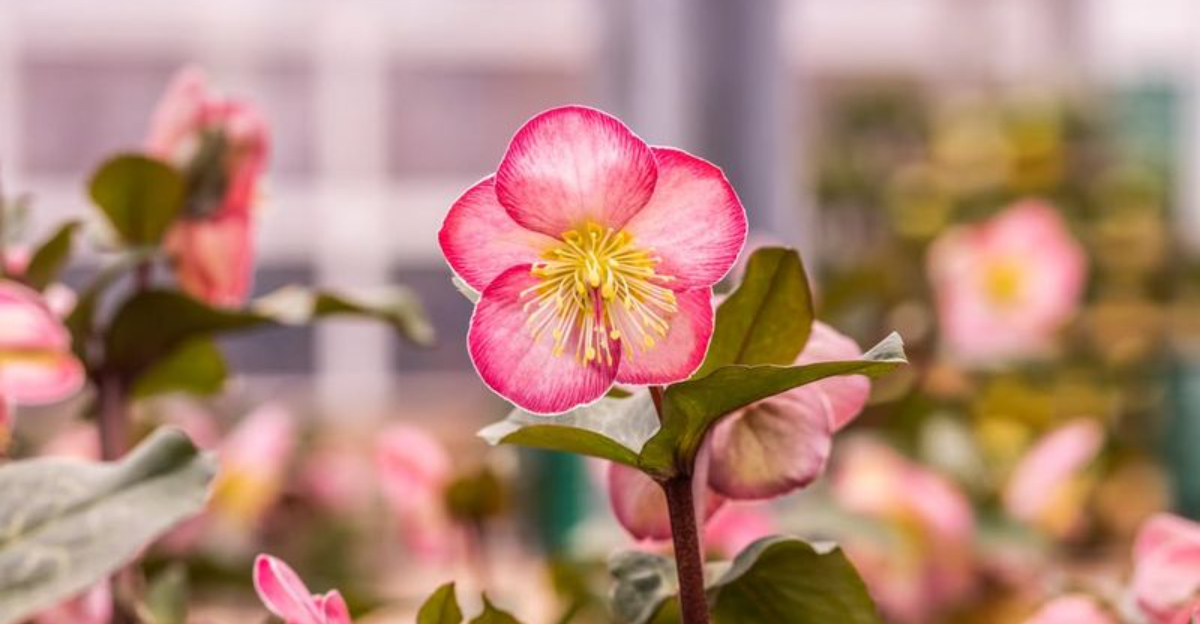
Their nodding flowers pop up just when gardeners need a win the most, adding color and life at a time when gardens usually look bare and beaten down.
In Oregon’s damp winters, that kind of toughness is worth its weight in gold.
Hellebores also play the long game.
Once established, they stick around for years with little fuss, shrugging off cold snaps and soggy soil.
They look right at home tucked under trees, along shaded paths, or near the front door where winter color matters most.
If you want a plant that earns its keep and then some, a hellebore is the smart money choice this winter.
1. Blooms When Nothing Else Will
Picture stepping outside on a chilly February morning in Portland and spotting delicate flowers nodding gracefully in your garden while your neighbors’ yards sit empty and colorless.
Hellebores are truly magical because they produce their stunning blooms during the darkest, coldest months of the year.
While most perennials are hiding underground waiting for spring, these tough plants push out beautiful cup-shaped flowers that can last for months.
Oregon winters are known for being wet, cloudy, and sometimes downright dreary, which makes hellebores even more valuable to local gardeners.
They typically start flowering in January or February and continue well into April, giving you nearly three full months of color.
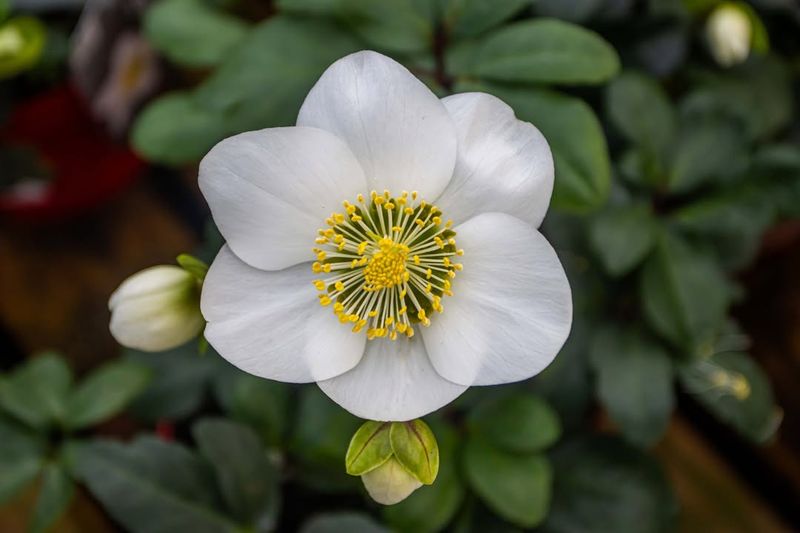
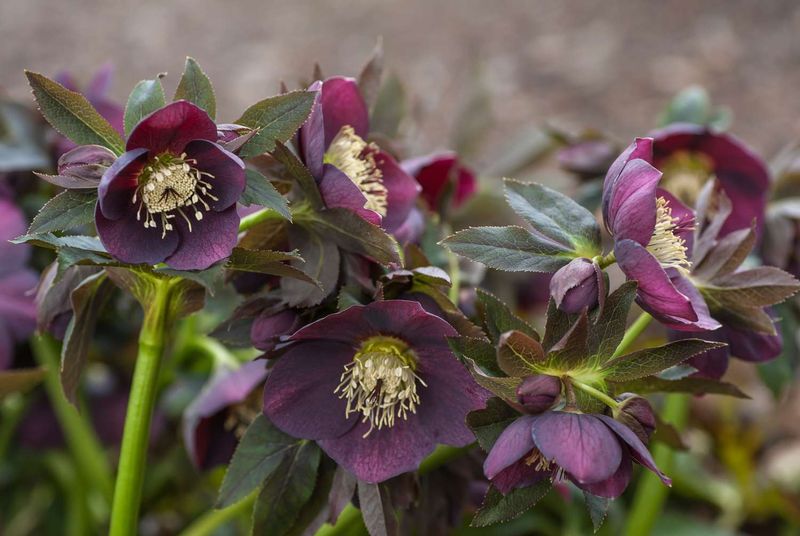
The flowers come in an incredible range of colors including creamy whites, soft pinks, deep purples, burgundy reds, and even unusual shades like chartreuse green and slate gray.
What makes these blooms extra special is their downward-facing habit, which protects the delicate petals from heavy rain and snow.
This means your hellebore flowers stay fresh and beautiful even during Oregon’s wettest weather.
Many gardeners in Eugene, Salem, and Bend have discovered that hellebores provide that much-needed burst of joy during winter months when cabin fever starts setting in.
Instead of staring at bare soil and dormant shrubs, you can enjoy watching bees and early pollinators visiting your hellebore blooms on those rare sunny winter afternoons.
2. Thrives In Oregon’s Climate
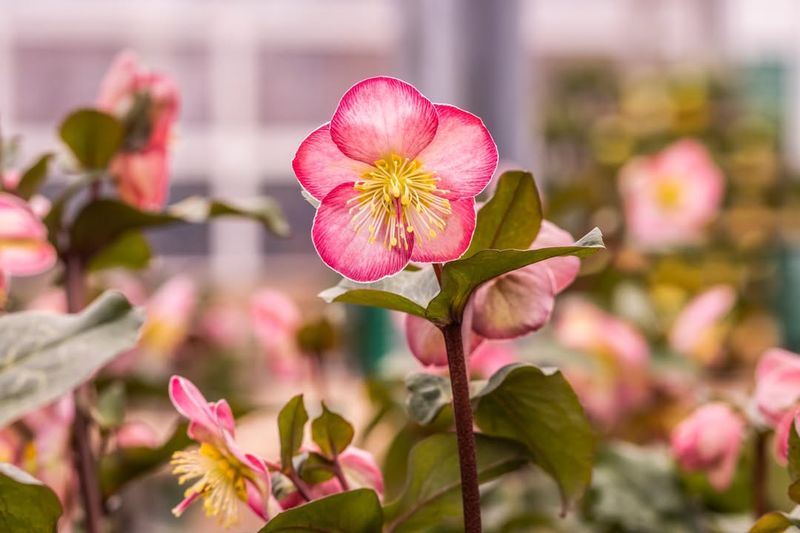
Oregon’s climate can be tricky for many garden plants, but hellebores seem custom-made for the Pacific Northwest weather patterns.
These plants actually prefer cool, moist conditions, which means they’re perfectly suited to the wet winters and mild summers found throughout the Willamette Valley and coastal regions.
Unlike sun-loving annuals that struggle in our frequently overcast skies, hellebores flourish in partial to full shade, making them ideal for those difficult spots under trees or on the north side of your house.
The winter rainfall that sometimes causes problems for other plants is actually beneficial for hellebores.
They need consistent moisture during their growing and blooming season, and Oregon delivers exactly that without you having to drag out the hose.
In areas like Corvallis, Ashland, and Hood River, gardeners appreciate plants that don’t require constant attention or special care, and hellebores fit that description perfectly.
These hardy perennials can handle temperatures well below freezing, which is important for those living in Oregon’s higher elevations or inland valleys where winter nights get especially cold.
They’re rated for USDA hardiness zones 4 through 9, and most of Oregon falls comfortably within that range.
The combination of our mild temperatures, ample rainfall, and long periods of cloud cover creates an environment where hellebores not only survive but actually thrive and multiply over the years.
Many Oregon gardeners report that their hellebores become more vigorous and produce more flowers with each passing season, creating stunning displays that improve rather than decline over time.
3. Deer And Rabbit Resistant
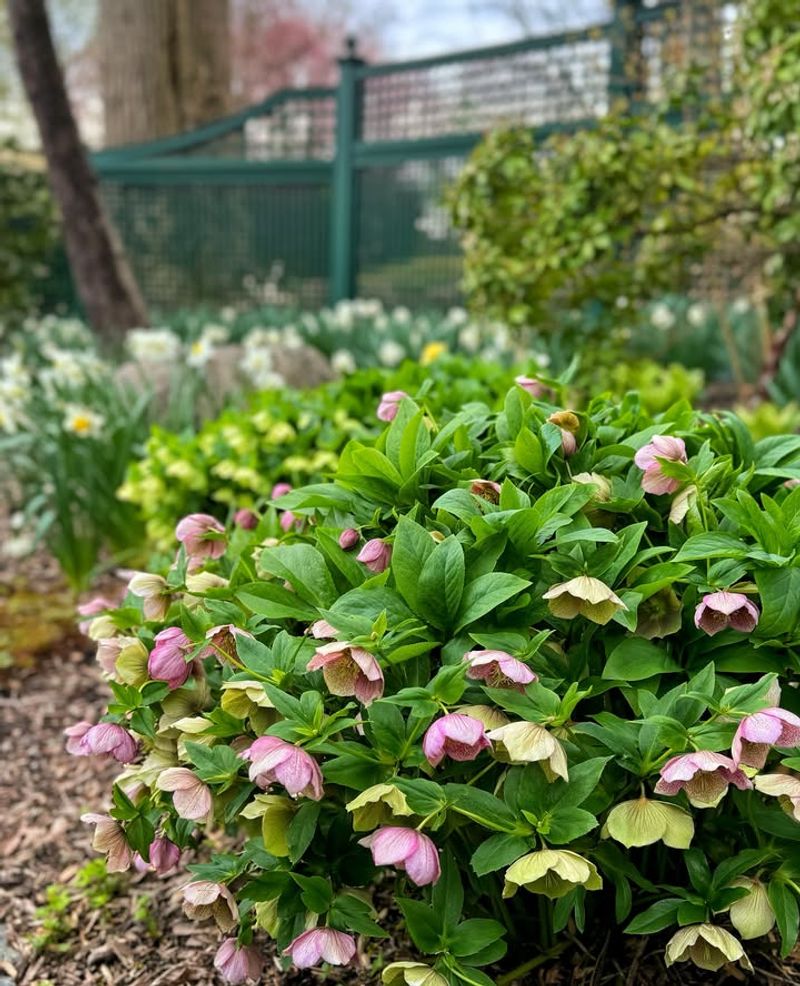
Anyone who gardens in Oregon knows the frustration of planting something beautiful only to find it nibbled down to nubs by hungry deer or rabbits the very next morning.
Wildlife is abundant throughout Oregon, from suburban neighborhoods in Beaverton to rural properties in Central Oregon, and finding plants that animals won’t devour can feel like an impossible task.
Hellebores offer a wonderful solution to this common gardening headache because deer and rabbits naturally avoid them.
The secret lies in the plant’s natural defense system.
Hellebores contain compounds that make them unpalatable and even slightly toxic to browsing animals, so wildlife instinctively leave them alone.
This doesn’t mean they’re dangerous to have in your yard, but it does mean you can plant them without worrying about waking up to find them destroyed.
For gardeners in areas with heavy deer pressure, like those living near forests or open spaces, hellebores become even more valuable because they’re among the few flowering plants that consistently survive untouched.
This resistance extends to rabbits, which can be just as destructive as deer in Oregon gardens, especially in spring when they’re raising their young and need extra nutrition.
While rabbits will happily munch on tulips, hostas, and many other perennials, they skip right past hellebores.
This means you can create beautiful winter and early spring displays without investing in expensive fencing or repellents.
Gardeners in places like Gresham, Hillsboro, and Medford have found that hellebores allow them to have attractive landscaping even in areas where wildlife pressure would normally make gardening nearly impossible.
4. Low Maintenance And Long-Lived
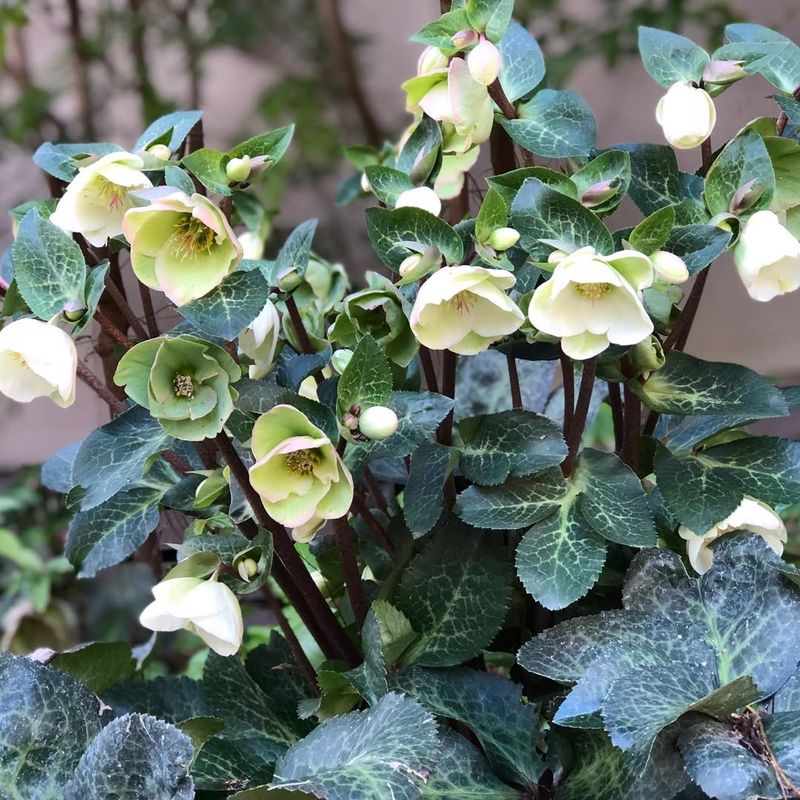
Busy schedules, unpredictable weather, and the demands of everyday life mean most Oregon gardeners want plants that don’t require constant fussing and attention.
Hellebores are champions in the low-maintenance category, asking for very little once they’re established in your garden.
After planting, they basically take care of themselves, returning year after year with minimal intervention from you.
Unlike annuals that need replacing every season or perennials that require frequent division, hellebores can stay in the same spot for decades.
They develop deep root systems that make them drought-tolerant during Oregon’s dry summers, though they appreciate occasional watering during extended hot spells.
You don’t need to deadhead the flowers unless you want to for aesthetic reasons, and many gardeners actually enjoy watching the blooms mature into interesting seed pods.
The only regular maintenance most hellebores need is removing old, tattered leaves in late winter before new growth emerges, which takes maybe fifteen minutes per plant.
These plants rarely suffer from serious pest or disease problems, especially in Oregon’s climate where good air circulation and natural rainfall help keep foliage healthy.
They don’t need staking, special fertilizers, or winter protection in most parts of the state.
Gardeners in Lake Oswego, Tigard, and Bend appreciate that hellebores just keep performing year after year without demanding extra time or resources.
Many people report having hellebore plants that are ten, fifteen, or even twenty years old, still producing abundant flowers and looking better with age.
This longevity means your initial investment pays off many times over as the plants mature and spread slowly into impressive clumps.
5. Perfect For Shady Spots
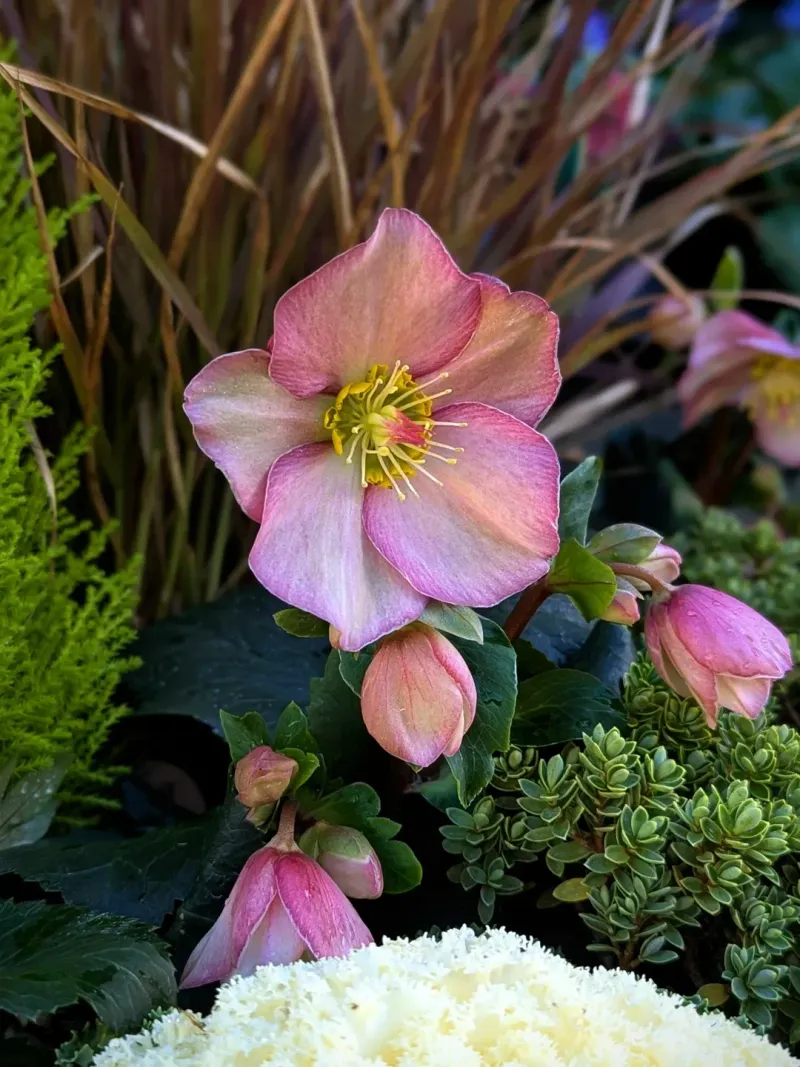
Every Oregon gardener struggles with those difficult shady areas where most flowering plants refuse to bloom or even grow properly.
Maybe you have mature trees that cast deep shadows, or perhaps the north side of your house never sees direct sunlight.
These challenging spots often become problem areas filled with weeds or bare soil because finding attractive plants that actually thrive in shade can be surprisingly difficult.
Hellebores change that equation completely by offering beautiful flowers and evergreen foliage specifically adapted to low-light conditions.
In their native habitats across Europe and Asia, hellebores grow on forest floors beneath deciduous trees, so they’re naturally programmed to bloom in winter when tree canopies are bare and light levels are relatively high, then tolerate deeper shade during summer months.
This growth pattern makes them absolutely ideal for planting under Oregon’s native trees like Douglas firs, bigleaf maples, and Oregon white oaks.
They also work beautifully along the shaded sides of buildings, fences, and walls where other plants struggle.
The flowers seem to glow in shady conditions, and their nodding habit means you can appreciate their beauty even when planted on slopes or in raised beds.
Gardeners throughout Oregon, from rainy Astoria to the Cascade foothills near Sisters, have discovered that hellebores solve the shade garden dilemma by providing reliable color without requiring full sun.
They pair wonderfully with other shade-lovers like ferns, hostas, and bleeding hearts, creating layered plantings that look intentional and beautiful rather than like afterthoughts in forgotten corners of the yard.
6. Evergreen Foliage Year-Round
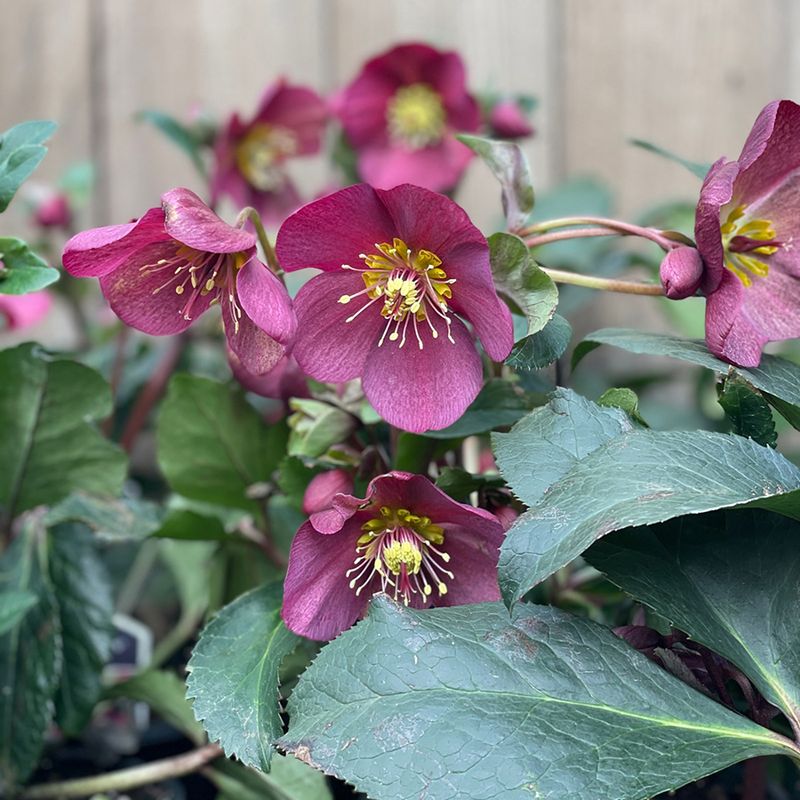
Most perennials disappear completely during winter, leaving behind empty spaces and bare ground that make your garden look unfinished and neglected.
Hellebores break this pattern by maintaining their attractive foliage throughout the entire year, providing structure and greenery even during the coldest months.
Their dark green, leathery leaves create a handsome backdrop for winter blooms and continue looking good long after the flowers fade in spring.
The foliage grows in distinctive palm-shaped clusters, with each leaf divided into seven to nine pointed segments that create an elegant, architectural appearance.
This interesting texture adds visual interest to garden beds and borders even when the plants aren’t blooming.
In Oregon’s mild climate, hellebore leaves stay fresh and attractive through most of the year, only occasionally showing wear by late winter when new growth begins emerging.
Many gardeners in places like Springfield, Newberg, and Roseburg value this evergreen quality because it means their gardens never look completely bare or abandoned during the off-season.
The substantial foliage also serves practical purposes beyond just looking nice.
It helps suppress weeds by shading the soil around the plants, reducing the time you need to spend pulling unwanted growth.
The leaves also provide shelter for beneficial insects and small creatures that help keep your garden ecosystem healthy and balanced.
As a bonus, the evergreen nature means you get year-round value from your hellebores rather than just a few weeks of interest like you would with spring bulbs or summer annuals.
This makes them an excellent investment for Oregon gardeners who want their landscapes to look intentional and cared-for during every season.
7. Easy To Grow And Propagate
Gardening should be enjoyable rather than stressful, and hellebores deliver on that promise by being remarkably easy to grow, even for beginners.
You don’t need advanced horticultural knowledge or special equipment to succeed with these plants in Oregon.
Simply choose a spot with partial shade and reasonably good drainage, dig a hole, plant your hellebore at the same depth it was growing in its container, and water it in well.
That’s essentially all you need to do to get started with these wonderful perennials.
Hellebores adapt to a wide range of soil types, from the heavy clay common in the Willamette Valley to the volcanic soils found in Central Oregon.
They appreciate soil enriched with compost or other organic matter, but they’ll still perform adequately in less-than-perfect conditions.
Once established, which usually takes just one growing season, they become quite self-sufficient and require minimal care beyond occasional watering during dry summer months.
Another exciting aspect of growing hellebores is their tendency to self-seed when conditions are favorable.
Mature plants will drop seeds around their base, and you’ll often discover baby hellebores popping up nearby after a year or two.
These seedlings can be left in place to create natural-looking drifts, or carefully dug up and moved to new locations around your property.
Many Oregon gardeners have expanded their hellebore collections for free simply by transplanting these volunteer seedlings.
You can also divide established clumps in early fall, though this is rarely necessary since hellebores prefer being left undisturbed.
This combination of easy care and natural propagation means your initial purchase of one or two plants can eventually become a substantial collection that fills shady areas throughout your Oregon garden.