If You Buy One New Plant This Winter, Make It A Camellia In Georgia
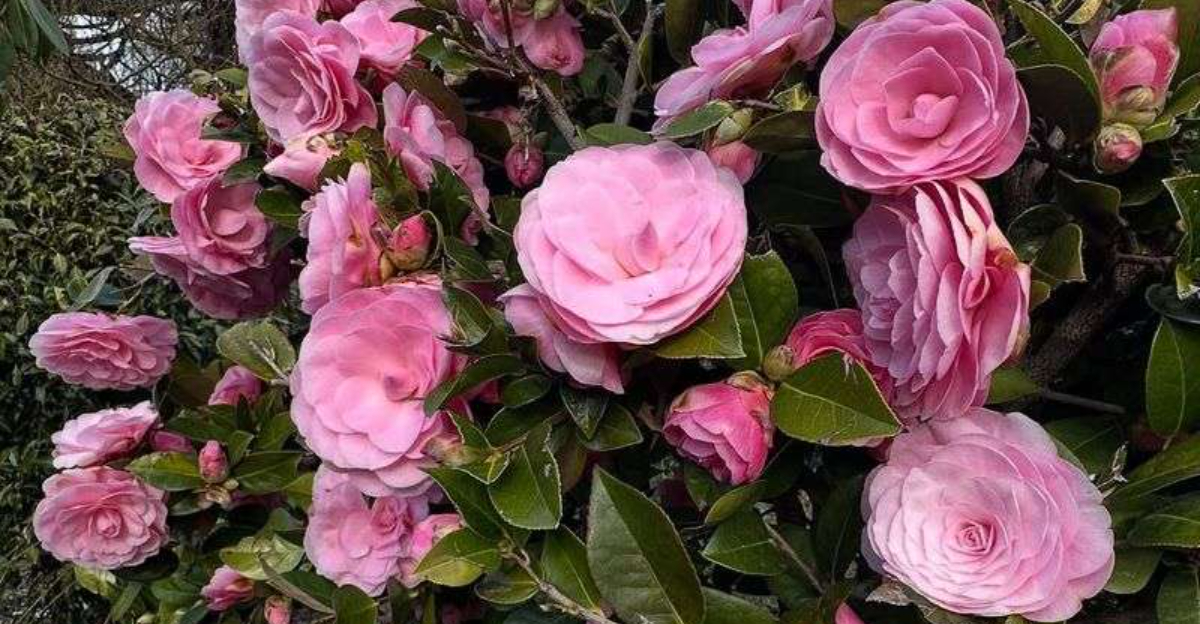
Winter gardens in Georgia don’t have to settle for bare branches and dull views.
While many plants take the season off, camellias step into the spotlight, blooming when most landscapes are fast asleep.
Their glossy evergreen leaves and perfectly sculpted flowers feel almost defiant against winter’s quieter backdrop—and that’s exactly what makes them so special.
Camellias are tailor-made for Georgia’s climate.
They shrug off mild winters, thrive in acidic soils, and reward patience with weeks of lush, rose-like blooms in shades of white, pink, and deep red.
Once established, they’re remarkably low-maintenance, asking little more than consistent moisture and the right spot out of harsh afternoon sun.
For gardeners craving color without constant upkeep, camellias deliver in spades.
They anchor landscapes year-round, attract pollinators when little else is flowering, and instantly elevate the look of any yard.
If you’re adding just one new plant this winter, choose something that pulls its weight.
In Georgia, camellias don’t just survive winter—they steal the show.
Camellias Bloom When Most Georgia Gardens Are Bare
Walking through a Georgia garden in January usually means seeing mostly brown stems and empty branches.
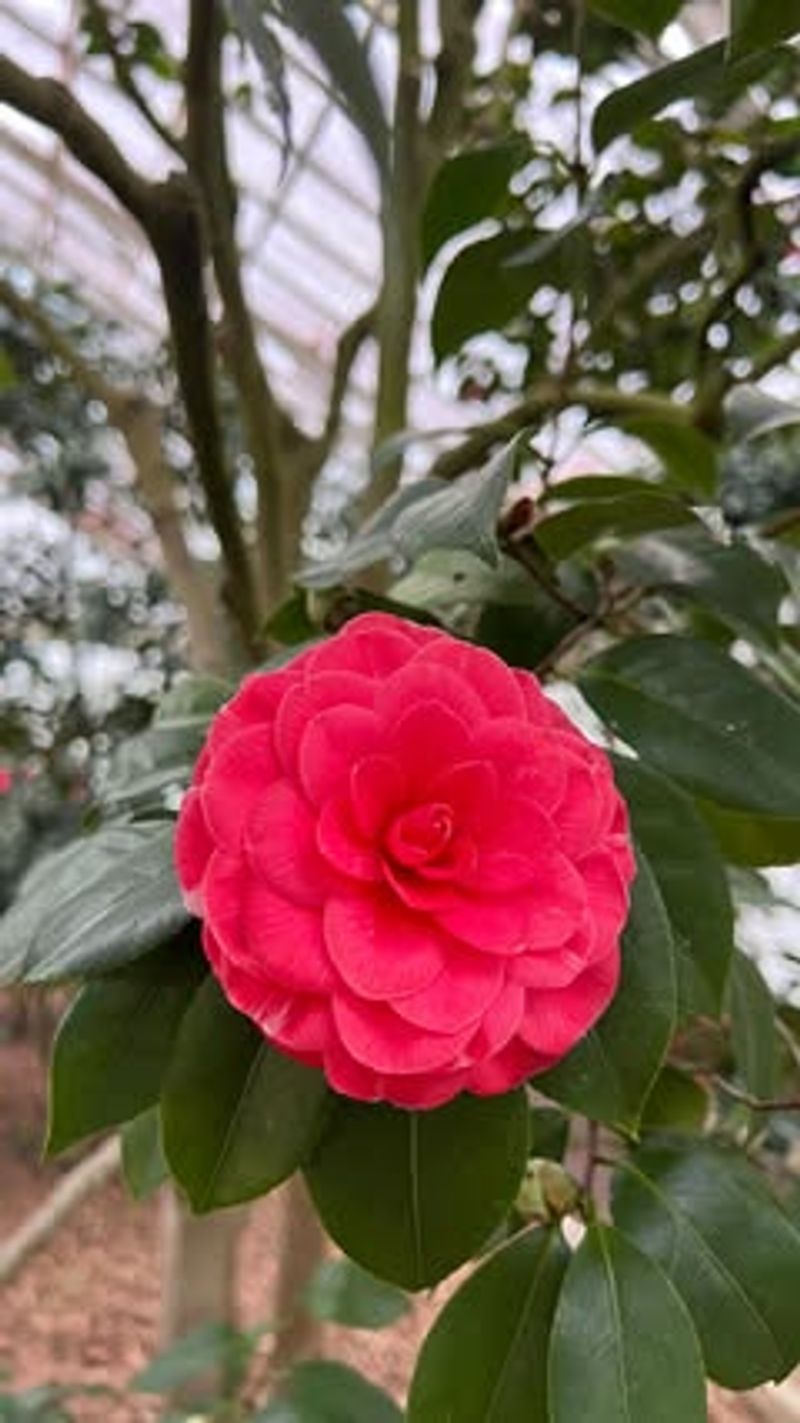
Camellias change that picture completely with their bold, colorful flowers that appear from late fall through early spring.
While your neighbors stare at lifeless landscapes, your yard becomes a showstopper with bright pinks, reds, whites, and even variegated blooms lighting up the scene.
This winter color isn’t just pretty—it lifts your spirits during gray days and gives your home instant curb appeal when other properties look drab.
Georgia’s climate lets camellias shine brightest between November and March, exactly when most flowering plants take their seasonal break.
The blooms can last for weeks, especially if you choose varieties that stagger their flowering times.
Some camellias start blooming in October, while others wait until February, giving you months of continuous color.
Imagine stepping outside on a chilly morning and seeing fresh blossoms covered in dew, looking like nature’s own artwork.
That’s the magic camellias bring to Georgia winters.
They transform what could be a dormant season into a celebration of life and beauty that makes every glance out your window worthwhile.
Camellias Thrive In Georgia’s Mild Winters
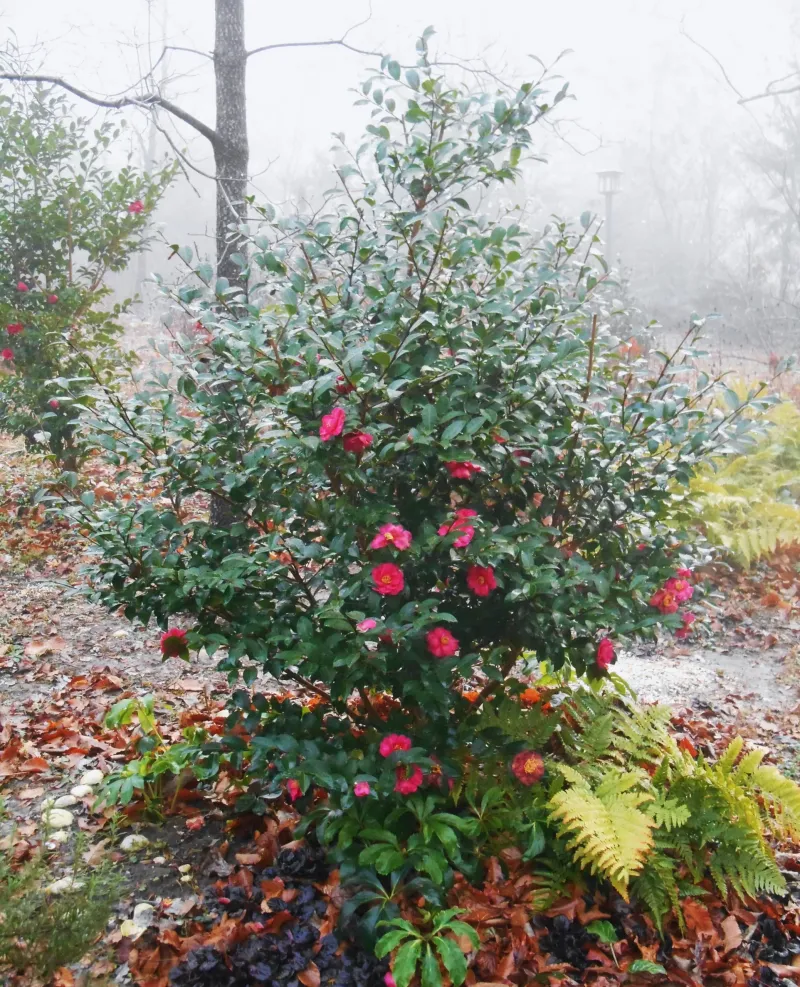
Georgia winters offer the perfect sweet spot for camellias—cold enough to trigger blooming but rarely harsh enough to damage these beauties.
Most camellia varieties handle temperatures down to 10-15 degrees Fahrenheit without breaking a sweat, and Georgia’s average winter lows rarely dip that far in most regions.
This means your camellia can flourish year after year without needing special protection or fussy winter care routines.
Compare that to tropical plants that shiver and struggle through Georgia’s cooler months, or northern plants that find our winters too warm to perform well.
Camellias sit right in that goldilocks zone where conditions are just right.
The occasional cold snap might nip a few blooms, but the plant itself stays strong and healthy, ready to produce more flowers as temperatures moderate.
Even better, Georgia’s winter moisture patterns suit camellias perfectly since they prefer consistent dampness without waterlogged soil.
Our winter rains keep roots happy without the constant watering you’d need in summer.
This natural compatibility means less work for you and better results in your landscape.
When you choose a plant that matches your climate naturally, gardening becomes easier and more rewarding, giving you gorgeous results without constant intervention or worry.
Winter Planting Helps Camellias Establish Strong Roots
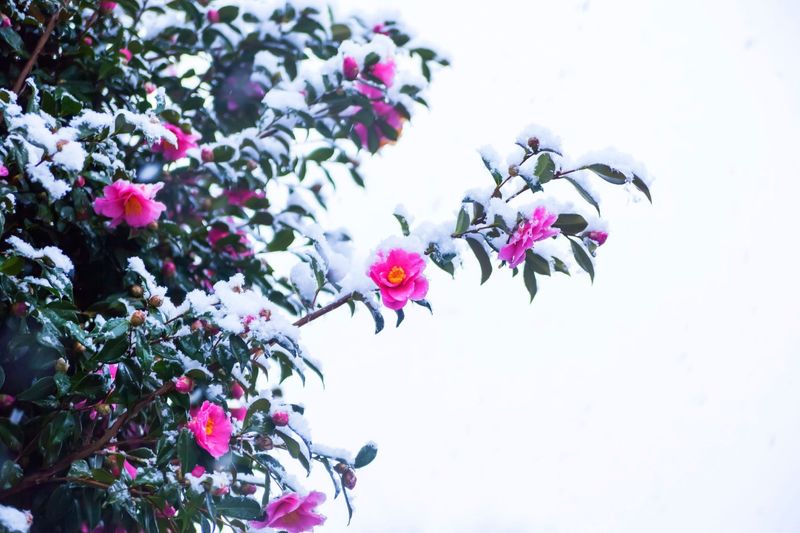
Planting during Georgia’s winter months gives camellias a serious advantage that many gardeners overlook.
Cool temperatures mean less stress on newly planted shrubs because they’re not fighting summer heat while trying to establish roots.
The plant can focus all its energy underground, building a strong foundation before the demands of spring growth kick in.
Winter planting also means you won’t need to water constantly since cooler weather and natural rainfall keep soil moisture more consistent.
This reduces the risk of transplant shock and helps your camellia settle into its new home with minimal fuss.
By the time hot weather arrives, your shrub will have months of root development behind it, making it far more resilient and ready to handle summer challenges.
Another bonus: nurseries often have excellent camellia selections in winter because that’s when these plants look their absolute best with blooms on display.
You can see exactly what flower color and form you’re getting instead of guessing from a label.
The dormant season also gives you time to prepare the planting site properly without rushing.
You can amend soil, choose the perfect location, and get everything right before your camellia goes in the ground, setting up a relationship that will reward you for decades to come.
Evergreen Foliage Delivers Year-Round Structure
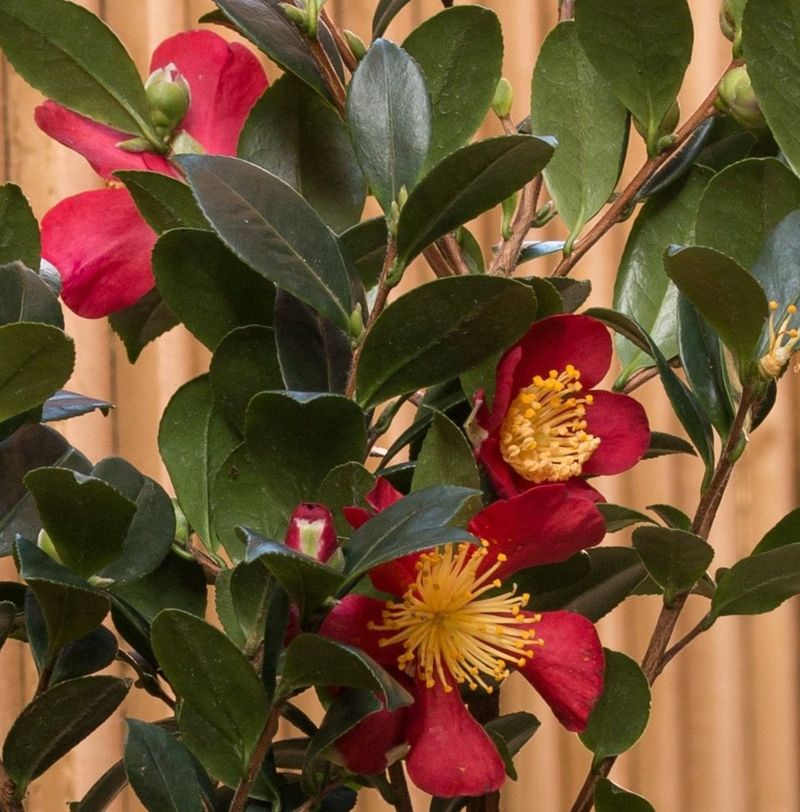
Flowers steal the spotlight, but camellia foliage deserves its own standing ovation for what it brings to Georgia gardens.
Those thick, glossy leaves stay vibrant and green every single month, giving your landscape bones and structure even when blooms fade.
This evergreen quality makes camellias incredibly valuable for creating year-round interest and framing other seasonal plants.
The deep green color provides a sophisticated backdrop that makes neighboring flowers pop while adding a sense of permanence and maturity to your property.
Unlike deciduous shrubs that leave gaps in your design for half the year, camellias maintain their presence through every season.
They work beautifully as foundation plants near your home, screening plants for privacy, or anchor points in mixed borders.
The leaf texture itself adds another dimension—each leaf catches light differently, creating subtle plays of shadow and shine that keep the plant visually interesting.
This quality becomes especially important in winter when you’re relying on foliage rather than flowers for garden appeal.
Professional landscapers love camellias for this exact reason: they deliver consistent beauty without seasonal gaps.
For homeowners, this means your investment keeps paying dividends all year long, not just during a brief flowering period, making camellias one of the smartest choices for Georgia landscapes.
Camellias Handle Shade Better Than Many Flowering Shrubs
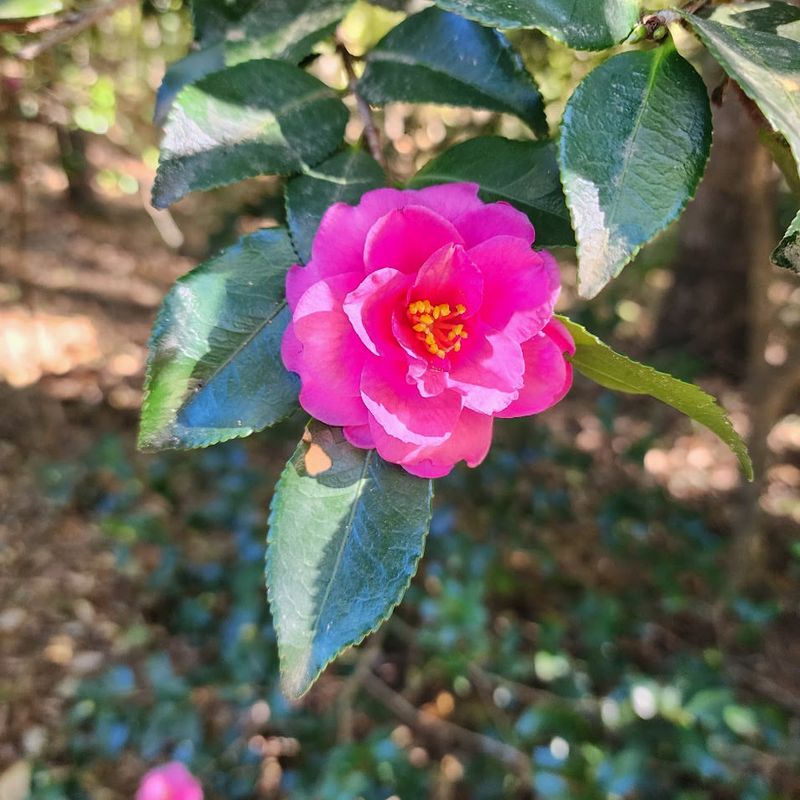
Finding flowering shrubs that actually bloom well in shade can feel like searching for a unicorn, but camellias break that frustrating pattern.
These plants naturally grow under forest canopies in their native habitats, so they’ve evolved to thrive with filtered light rather than demanding full sun.
This makes them perfect for those tricky spots under mature trees or on the north side of your Georgia home where many other flowering plants would sulk and refuse to bloom.
Ideally, camellias prefer morning sun with afternoon shade, which protects their blooms from harsh rays while still providing enough light for flower production.
Too much direct sun, especially in Georgia summers, can actually scorch leaves and fade flowers, making shadier locations better choices in many cases.
The common mistake is planting sun-loving shrubs in shade and then wondering why they struggle—camellias eliminate that problem entirely.
They’ll reward you with abundant blooms even in spots where azaleas might produce only sparse flowers.
This shade tolerance also means you can layer your landscape vertically, planting camellias beneath taller trees to create depth and interest at multiple levels.
Your garden becomes richer and more complex, using every bit of available space effectively while working with your site’s natural conditions instead of fighting against them.
They’re Surprisingly Low-Maintenance Once Established
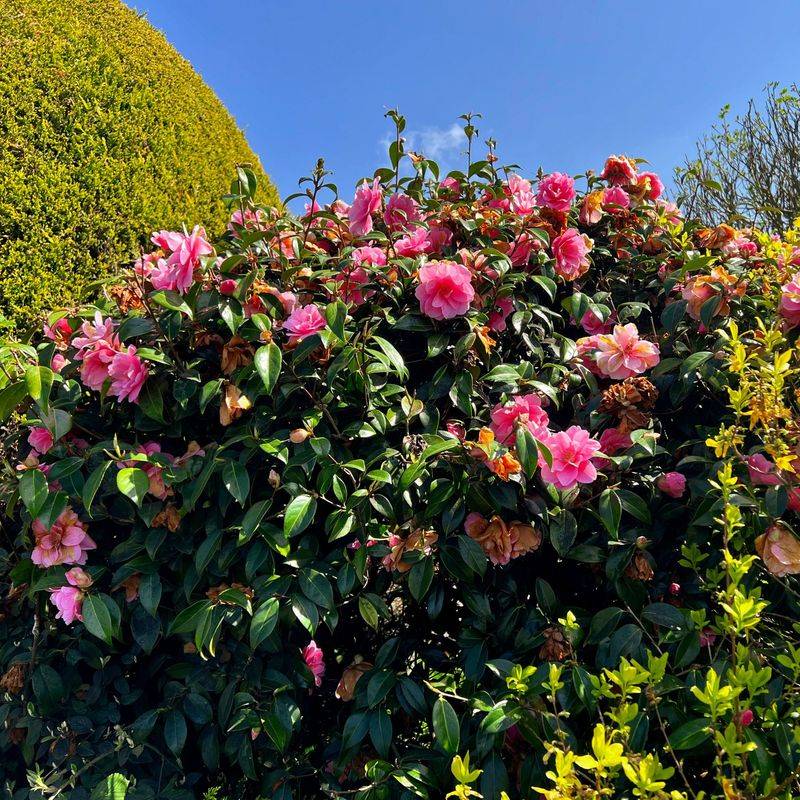
Busy Georgia gardeners will appreciate how camellias refuse to be drama queens once they settle into your landscape.
After the first year or two of establishment, these shrubs basically take care of themselves with minimal intervention required.
They don’t need constant pruning to maintain their shape—camellias naturally grow into attractive, rounded forms without much help from you.
Unlike roses that demand regular spraying and feeding, or perennials that need dividing every few years, camellias just keep doing their thing with little fuss.
A layer of mulch to maintain soil moisture and acidity, occasional watering during severe droughts, and maybe a light pruning after blooming to remove wayward branches—that’s essentially the entire maintenance routine.
They’re not heavy feeders, so you won’t spend every weekend mixing fertilizers or worrying about nutrient deficiencies.
Pest problems tend to be minor and infrequent, especially compared to more finicky ornamentals.
This low-maintenance nature makes camellias ideal for people who want beautiful results without dedicating every spare moment to garden chores.
You can travel, work long hours, or simply enjoy your weekends without guilt because your camellias will be perfectly fine.
They’re the reliable friend who doesn’t need constant attention but always shows up looking great, making them perfect for modern lifestyles where time is precious and simplicity is valued.
Camellias Live For Decades—And Get Better With Age
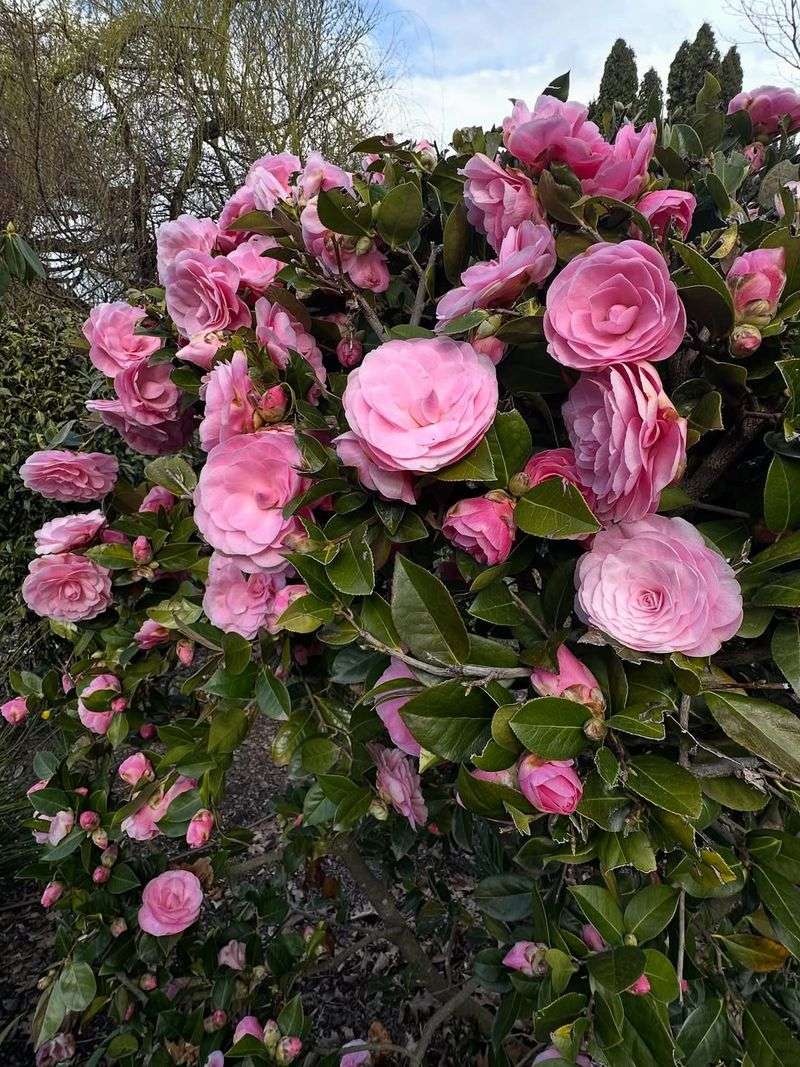
Most garden plants give you a few good years before needing replacement, but camellias play the long game in spectacular fashion.
These shrubs can live for fifty years or more, becoming treasured heirlooms that connect generations of families to their Georgia homes.
Even better, they don’t just survive for decades—they actually improve with age, growing more impressive and floriferous as years pass.
A young camellia might produce a modest number of blooms, but give it ten years and you’ll have a specimen plant covered with hundreds of flowers that stops traffic.
This longevity makes camellias an incredibly smart investment compared to annuals you replant every year or short-lived perennials that fade after a few seasons.
The cost per year of enjoyment drops dramatically when you’re getting decades of beauty from a single purchase.
Mature camellias also add significant value to your property, signaling to potential buyers that the landscape has been thoughtfully developed and cared for over time.
Real estate agents know that established plantings can actually increase home values and appeal.
As your camellia grows, it becomes a landmark in your garden—the anchor point around which other plantings revolve.
You’ll find yourself planning additions based on where that magnificent camellia stands, creating a landscape that feels cohesive and intentional rather than randomly assembled.
Winter Blooms Support Pollinators During Scarce Months
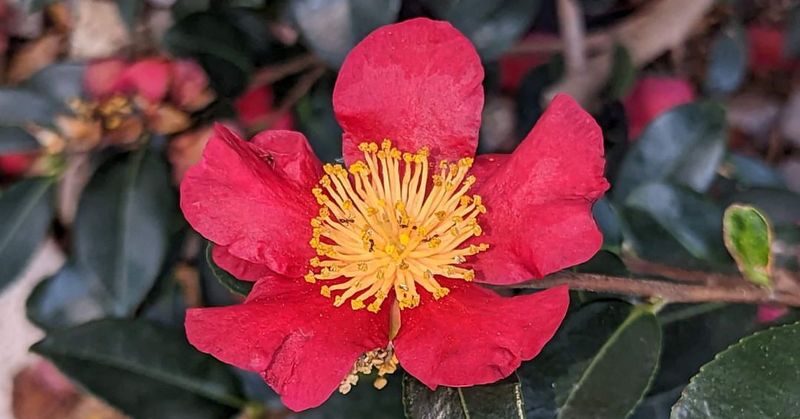
Early pollinators emerging during warm winter days in Georgia face a serious problem: finding food when most plants haven’t started blooming yet.
Camellias solve this issue by providing valuable nectar and pollen right when these beneficial insects need it most.
Bees, butterflies, and other pollinators visiting your winter-blooming camellias get energy sources that help them survive until spring flowers appear in abundance.
This ecological contribution matters more than many gardeners realize because supporting pollinators during lean times strengthens their populations for the entire growing season.
Healthier pollinator communities mean better fruit set on your vegetables and more successful reproduction for native plants throughout your neighborhood.
By planting camellias, you’re not just beautifying your own yard—you’re contributing to the broader ecosystem’s health and resilience.
Watching bees work your camellia blooms on a February afternoon brings a special kind of satisfaction, knowing you’re providing something genuinely helpful.
It connects you to natural cycles and reminds you that gardens serve purposes beyond human enjoyment.
Some camellia varieties produce more pollen than others, with single-flowered types generally offering better pollinator resources than fancy doubles.
Choosing a mix of flower forms gives you both visual variety and maximum ecological benefit, creating a garden that’s beautiful and functional at the same time.
Camellias Fit Formal, Cottage, And Modern Garden Styles
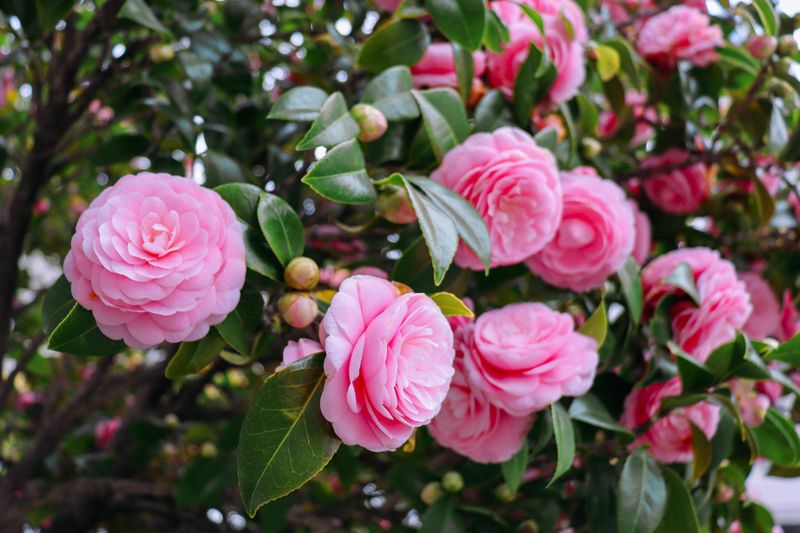
Garden design trends come and go, but camellias adapt to virtually any style you can imagine with remarkable versatility.
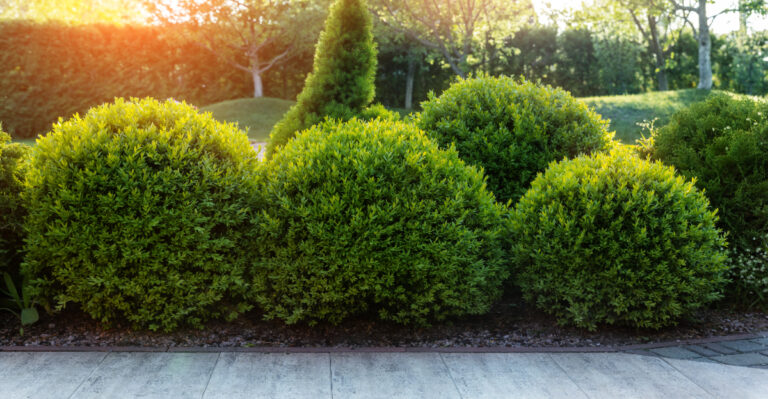
In formal landscapes, they can be pruned into neat hedges or geometric shapes that provide structure and symmetry.
Their naturally tidy growth habit means maintaining formal lines doesn’t require constant clipping or endless maintenance hours.
Cottage gardens benefit from camellias too, where their romantic blooms mix beautifully with perennials, bulbs, and old-fashioned favorites for that lush, abundant look.
The glossy foliage provides a sophisticated counterpoint to more casual plantings without clashing or looking out of place.
Modern landscapes embracing minimalism and clean lines can use camellias as sculptural focal points, perhaps underplanted with simple groundcovers for maximum impact with minimal complexity.
A single stunning camellia can anchor an entire contemporary design, proving that less really can be more.
They work equally well as foundation plantings near your home, specimens in lawn areas, or massed plantings for dramatic effect.
This adaptability means your camellia investment stays relevant even if your design preferences change over time.
You won’t need to rip out plants and start over when you redecorate—your camellia simply takes on a new role in the updated design, continuing to earn its place in your Georgia landscape regardless of current trends.
Camellias Make Georgia Gardens Look Established Instantly
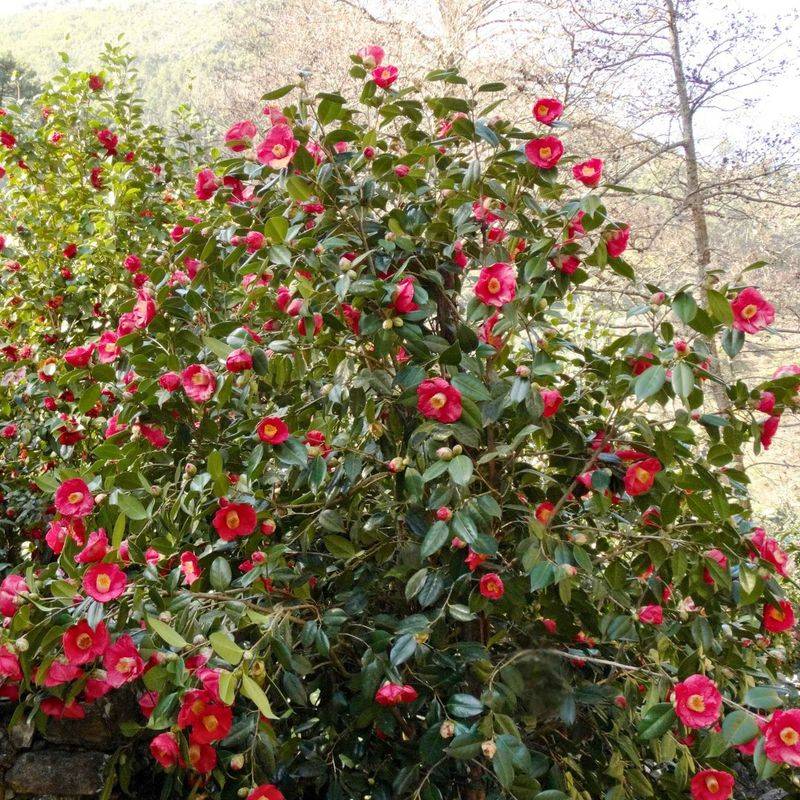
New landscapes often look sparse and unfinished, taking years to develop that settled, mature appearance that makes a house feel like a home.
Camellias shortcut that waiting period by bringing instant gravitas and polish to your Georgia property, even when planted just this season.
A blooming camellia commands attention and suggests thoughtful planning, making your entire landscape appear more developed than it actually is.
This instant maturity factor is especially valuable if you’ve recently moved or completed new construction and want your yard to look intentional rather than bare.
Winter planting amplifies this benefit because you can select camellias already in bloom, getting immediate color and presence from day one.
The substantial size of most nursery camellias—often three to five feet tall—means you’re not starting with tiny sticks that take forever to make an impact.
You’re installing plants that already have presence and character, transforming your landscape overnight.
As spring arrives, your winter-planted camellia will have established roots and be ready to push new growth, looking like it’s been there for years rather than months.
This head start sets your entire garden up for success, giving you a framework to build around and inspiration to keep developing your outdoor spaces with confidence and vision for seasons to come.