If You Garden In Central Oregon, You Need These 10 Reliable Plants
Gardening in Central Oregon is not for the faint of heart. Between chilly nights, intense sun, dry air, and a shorter growing season, plants have to be tough to truly thrive here.
But that does not mean your landscape has to feel sparse or struggle to shine. The key is choosing dependable varieties that can handle temperature swings, lean soil, and limited water without losing their good looks.
Reliable plants bring steady color, sturdy structure, and resilience that carries your garden through unpredictable weather.
Once established, the right picks settle in confidently and reward you with blooms, texture, and year after year performance.
If you are tired of planting something new each season only to watch it falter, these hardworking options are ready to prove themselves in Central Oregon’s unique climate and help your garden feel strong, vibrant, and beautifully complete.
1. Russian Sage (Perovskia atriplicifolia)
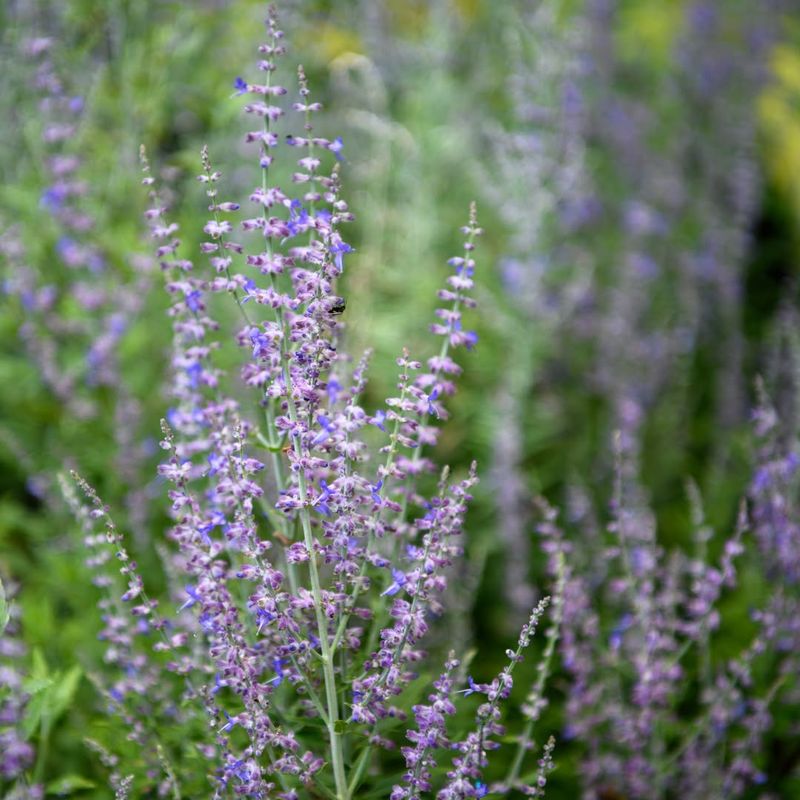
Few plants put on a show quite like Russian Sage in the heat of a Central Oregon summer. Those tall, airy spikes of lavender-blue flowers look almost like a purple haze floating above the garden.
It blooms from midsummer all the way into fall, giving you color when many other plants have already faded out.
Russian Sage loves the dry, sunny conditions that Central Oregon is known for. Once it gets established, it barely needs any extra watering.
The silvery stems and finely cut leaves also look attractive even before the flowers open up.
This plant grows two to four feet tall and wide, so give it some space. It does best in well-drained soil, which is easy to find in Central Oregon’s sandy or rocky ground.
Plant it in a spot that gets full sun all day, and it will reward you every single season.
Bees and butterflies absolutely love the flowers. Deer tend to avoid it because of the strong herbal scent.
If you want a low-maintenance plant that looks stunning and handles tough conditions, Russian Sage belongs in your Central Oregon garden without question.
2. Blanket Flower (Gaillardia aristata)
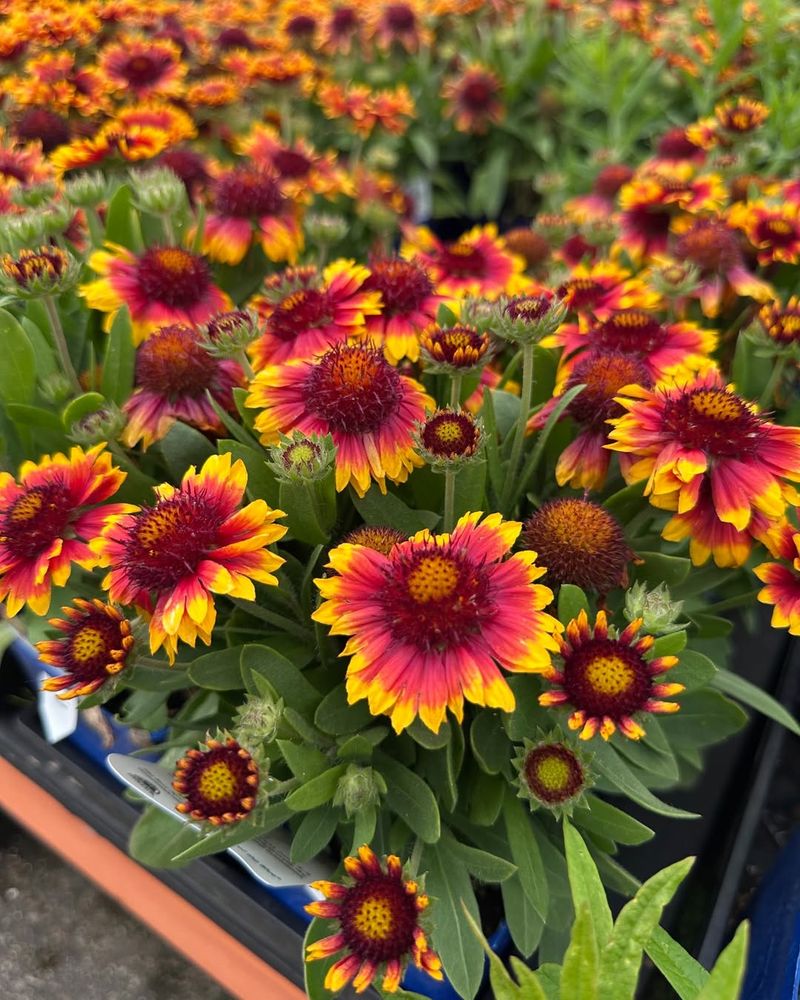
Native to the western United States, Blanket Flower brings some of the most eye-catching color you will find in any Central Oregon garden. The blooms are bold and fiery, with petals that mix red, orange, and yellow in a pattern that looks almost like a sunset.
It is cheerful, tough, and completely at home in high desert conditions.
Blanket Flower thrives in full sun and poor, dry soil. That makes it a natural fit for Central Oregon, where the ground is often sandy and rainfall is scarce.
Overwatering is actually one of the few things that can cause problems for this plant, so less is more when it comes to irrigation.
It blooms from early summer through fall, which is a long season of color. Deadheading the spent flowers encourages even more blooms to form.
The plant typically grows one to two feet tall and spreads to form a nice clump over time.
Pollinators go absolutely wild for Blanket Flower. Butterflies, bees, and even hummingbirds visit regularly.
It also self-seeds, so you may find new plants popping up nearby each year, which is a welcome bonus for any Central Oregon gardener.
3. Penstemon (Penstemon strictus / barbatus)
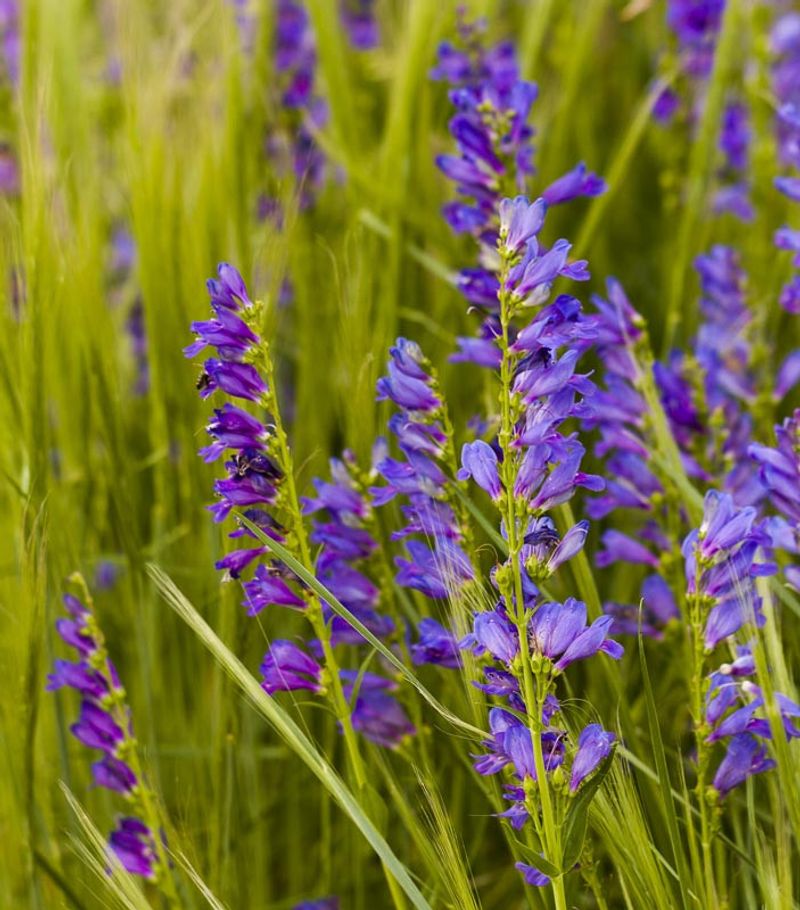
Walk through any wild area of Central Oregon in early summer and you are likely to spot Penstemon growing naturally along roadsides and hillsides. That tells you everything you need to know about how well it handles the local climate.
It is native, tough, and genuinely beautiful without requiring much attention from the gardener.
Penstemon strictus, also called Rocky Mountain Penstemon, sends up tall spikes of deep purple-blue tubular flowers. Penstemon barbatus leans more toward red and coral shades.
Both types are excellent choices for Central Oregon gardens. They bloom in late spring and early summer, filling a gap when other plants are just getting started.
Plant Penstemon in full sun and well-drained soil. It handles drought very well once established, making it a smart pick for water-conscious gardeners.
Avoid heavy clay soils or spots where water tends to pool after rain.
Hummingbirds are especially drawn to the tubular flowers, which are perfectly shaped for their long bills. Penstemon also supports native bees and other pollinators.
If you want a plant that feels right at home in Central Oregon and brings wildlife to your yard, Penstemon is an easy, rewarding choice.
4. Yarrow (Achillea millefolium)
Yarrow has been growing wild across Oregon for thousands of years, and there is a very good reason it has stuck around so long. It is one of the most resilient plants you can put in the ground.
Hot sun, dry soil, rocky terrain, and occasional drought are all conditions that Yarrow handles without missing a beat.
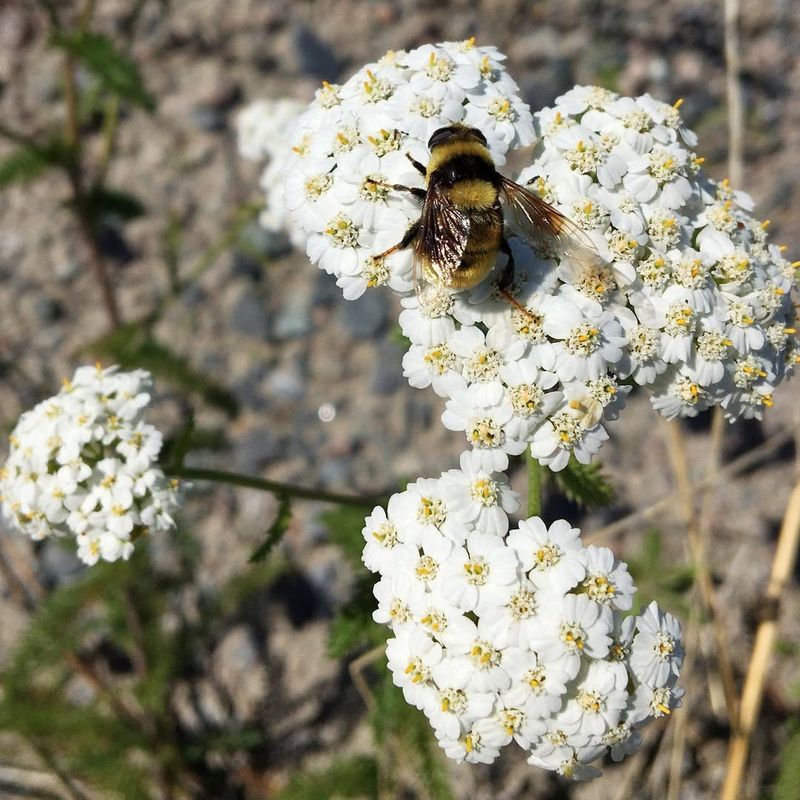
The flat-topped flower clusters come in white, yellow, pink, and red depending on the variety you choose. They bloom from late spring through midsummer and attract a huge number of beneficial insects.
The feathery, fern-like foliage stays attractive even when the plant is not in bloom, adding texture to your Central Oregon garden all season long.
Yarrow spreads over time through underground runners, so it works beautifully as a ground cover or filler between other plants. If you want to keep it contained, simply divide the clumps every few years.
It grows well in full sun and poor, dry soil, which describes most of Central Oregon perfectly.
One fun fact: Yarrow was historically used as a medicinal herb by many Native American tribes. Today, it is valued mostly for its garden performance and wildlife benefits.
It is a plant with real history and real staying power.
5. Sedum / Stonecrop (Hylotelephium spectabile types)
Stonecrop earns its name honestly. It grows happily in rocky, gravelly soil where most plants would struggle to survive.
In Central Oregon, where the ground can be dry and full of volcanic rock, Sedum is practically in its element. It stores water in its thick, fleshy leaves, which means it can handle long dry spells without any trouble at all.
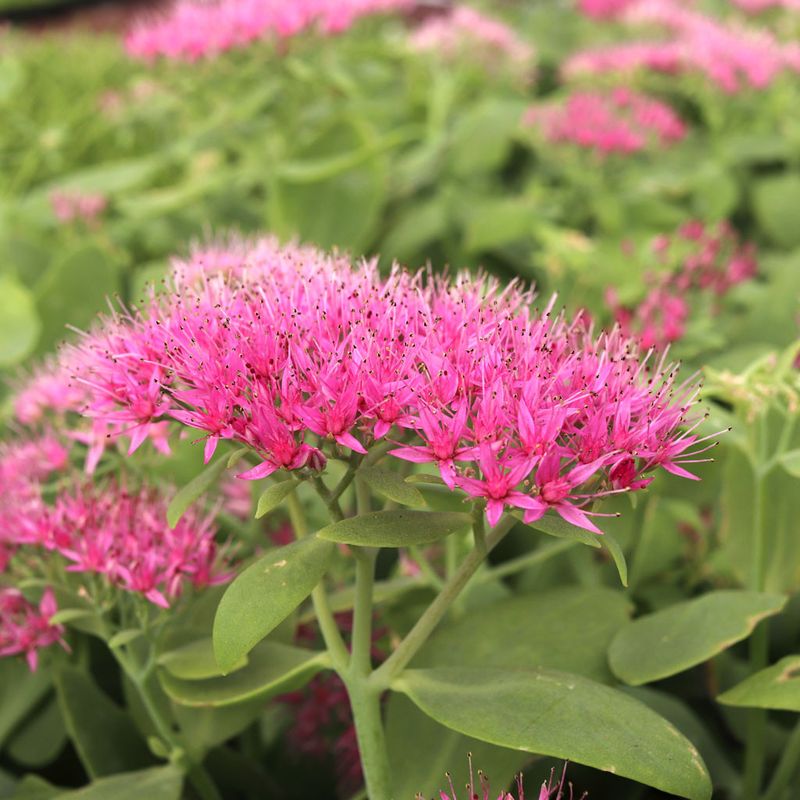
The Hylotelephium spectabile types, sometimes still called Sedum spectabile, are among the most popular choices for Central Oregon gardens. They grow in tidy mounds of blue-green succulent foliage and then burst into large, flat flower heads of pink or rose-red in late summer.
That late-season bloom is especially valuable when other flowers are winding down.
Butterflies love Sedum. The flowers are a magnet for monarchs and swallowtails in late summer, making your garden feel alive with movement and color.
Plant it in full sun with excellent drainage, and it will grow stronger every year.
Sedum is also a great choice for rock gardens, slopes, and containers. It pairs well with ornamental grasses and other drought-tolerant plants that thrive in the Central Oregon climate.
Low maintenance does not get much better than this.
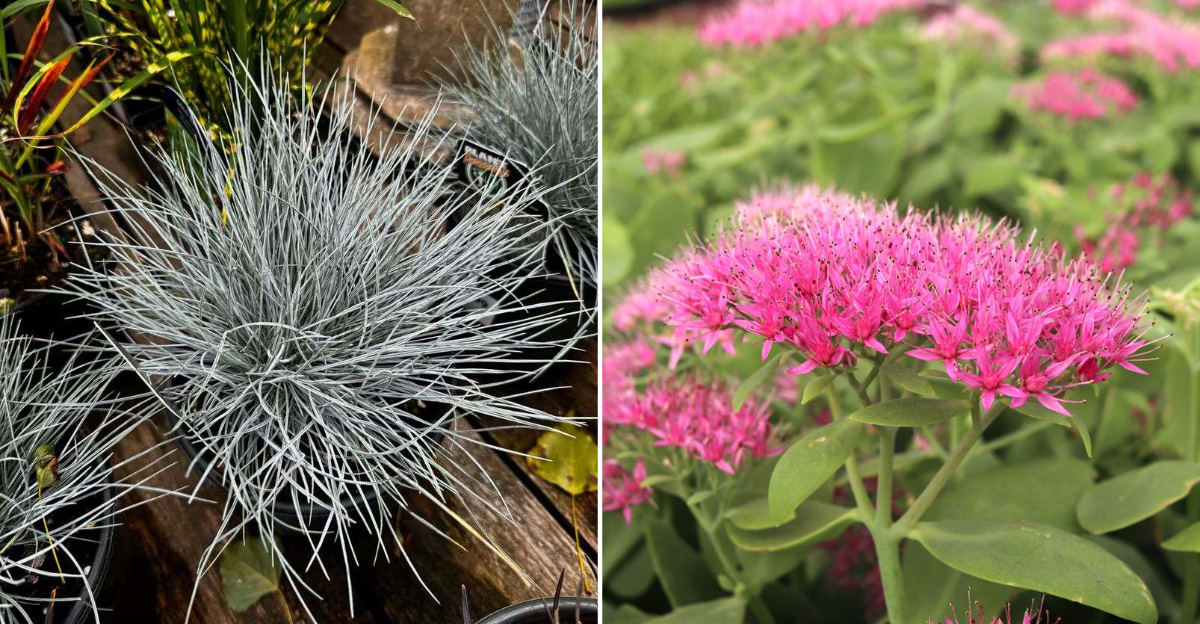
6. Blue Fescue (Festuca glauca)
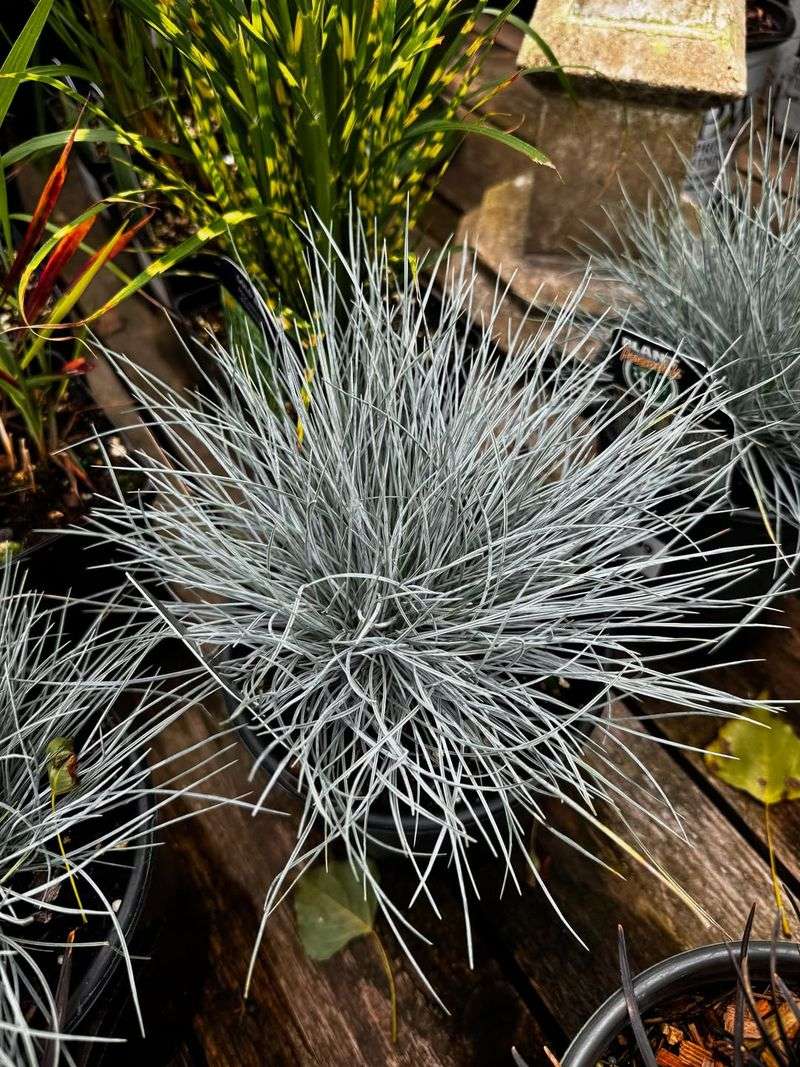
There is something almost sculptural about Blue Fescue. Those tight, spiky tufts of blue-silver grass look like little sea creatures rising up from the ground.
In a Central Oregon garden, they add color, texture, and structure in a way that most flowering plants simply cannot match. And they look that way year-round, not just when they are blooming.
Blue Fescue is a cool-season ornamental grass that stays relatively small, usually around eight to twelve inches tall. That makes it perfect for edging pathways, filling gaps between larger plants, or creating a repeating pattern across a garden bed.
The blue color intensifies in full sun, which is easy to come by in Central Oregon.
It handles dry conditions very well and actually prefers soil that drains quickly. Heavy or consistently wet soil can cause the center of the clump to rot out, so raised beds or rocky ground works best.
Divide the clumps every two to three years to keep them looking fresh and full.
Pair Blue Fescue with Blanket Flower, Russian Sage, or Yarrow for a stunning combination that thrives in Central Oregon conditions. The contrasting colors and textures make the whole planting look intentional and polished without a lot of extra effort.
7. Oregon Sunshine (Eriophyllum lanatum)
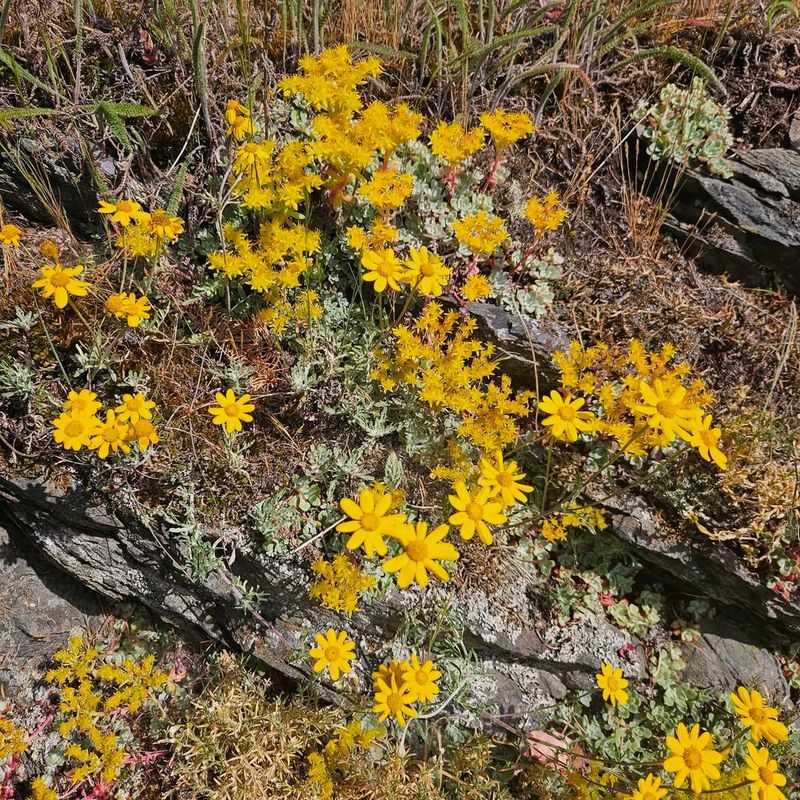
The name alone is enough to make you smile. Oregon Sunshine is a cheerful little wildflower that grows naturally across much of Oregon, including the dry hillsides and rocky slopes of Central Oregon.
It is one of those plants that feels like it belongs here because it genuinely does. No coaxing, no fussing, just flowers.
The blooms are bright, sunny yellow with the classic daisy shape, and they cover the plant from late spring into early summer. The foliage is silvery and woolly, which helps the plant reflect sunlight and retain moisture during the dry Central Oregon summers.
It grows six to eighteen inches tall depending on conditions.
Plant Oregon Sunshine in full sun and well-drained soil. It is extremely drought-tolerant once established and actually performs better in lean, dry soil than in rich, amended garden beds.
Too much water or fertilizer can make it floppy and less floriferous.
This plant supports native bees and other pollinators at a time of year when food sources are just starting to open up. It also works beautifully in naturalistic or wildlife gardens.
If you want a plant that celebrates everything Central Oregon is about, Oregon Sunshine is a perfect fit from the very first season.
8. Kinnikinnick (Arctostaphylos uva-ursi)
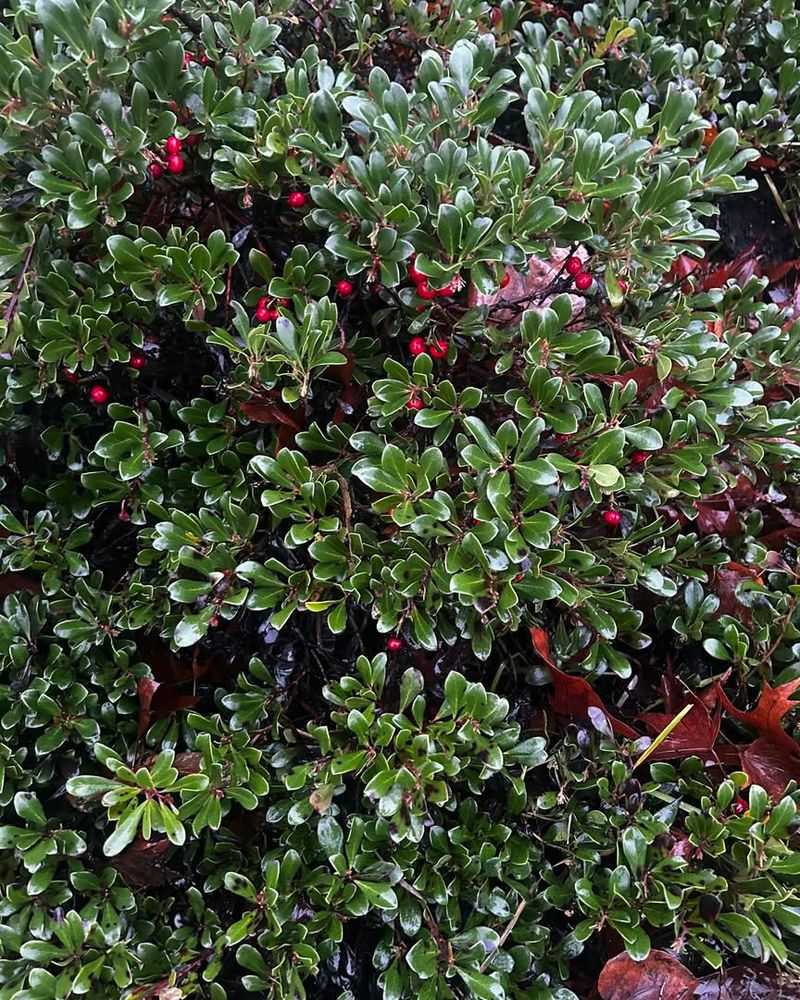
Ask any experienced Central Oregon gardener what their favorite ground cover is, and there is a good chance the answer is Kinnikinnick. It is a native evergreen ground cover that spreads slowly across the ground, forming a dense, weed-suppressing mat of small, glossy leaves.
It stays green through winter, which is a major plus in a region with cold, snowy months.
In spring, tiny pink or white bell-shaped flowers appear. By fall, those flowers turn into bright red berries that birds absolutely love.
Robins, thrushes, and other wildlife visit regularly to snack on the fruit. That makes Kinnikinnick both a beautiful and functional addition to any Central Oregon garden.
It grows best in full sun to partial shade and prefers well-drained, slightly acidic soil. Once established, it is extremely drought-tolerant and requires almost no maintenance.
It does not like to be overwatered, so keep irrigation minimal after the first growing season.
Kinnikinnick is ideal for slopes, rocky areas, and spots where erosion is a concern. Its spreading roots hold the soil in place effectively.
If you have a challenging area in your Central Oregon yard where nothing else seems to work, give Kinnikinnick a try. It almost always succeeds.
9. Serviceberry (Amelanchier alnifolia)
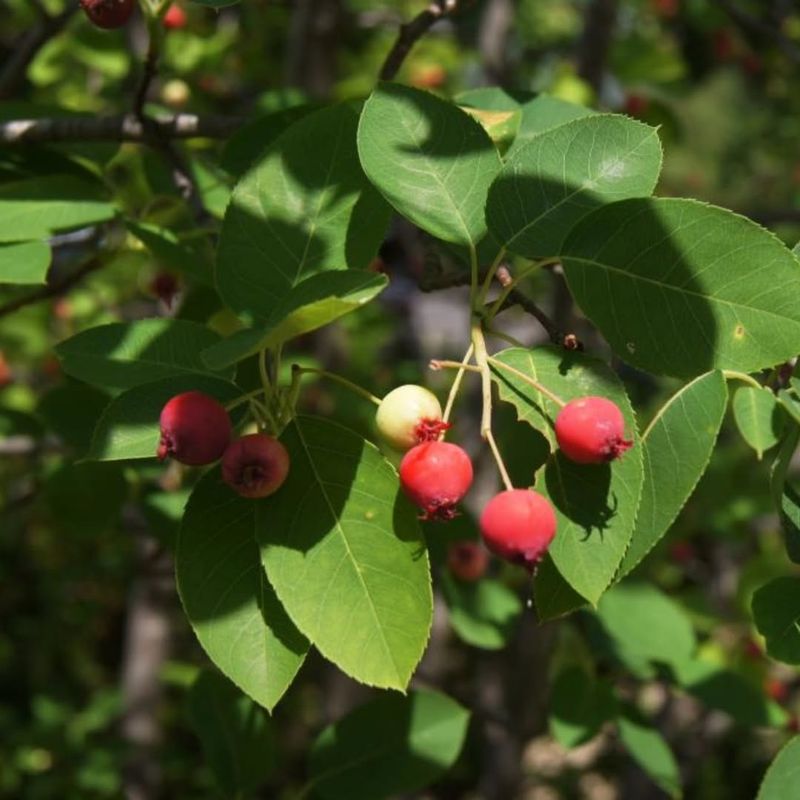
Serviceberry might be the most underrated shrub in all of Central Oregon. It gives you four full seasons of interest: white flowers in early spring, green foliage through summer, sweet edible berries in early summer, and brilliant orange-red fall color before it goes dormant.
Very few plants can match that kind of seasonal performance in one package.
Also called Saskatoon Berry, this shrub is native to the Pacific Northwest and grows naturally in parts of Central Oregon. It typically reaches six to fifteen feet tall, making it useful as a hedge, a backdrop plant, or even a small tree with some light pruning.
It adapts well to a range of soil types, including the dry, rocky ground common in Central Oregon.
The berries are edible and taste a bit like blueberries with a hint of almond. Birds love them too, so expect some competition at harvest time.
Plant Serviceberry in full sun to partial shade for best results.
It is moderately drought-tolerant once established and requires very little fertilizer. Serviceberry also supports a wide range of native pollinators during its early spring bloom period.
For a multi-season shrub that feels truly at home in Central Oregon, this one deserves a permanent spot in your yard.
10. Ponderosa Pine (Pinus ponderosa)
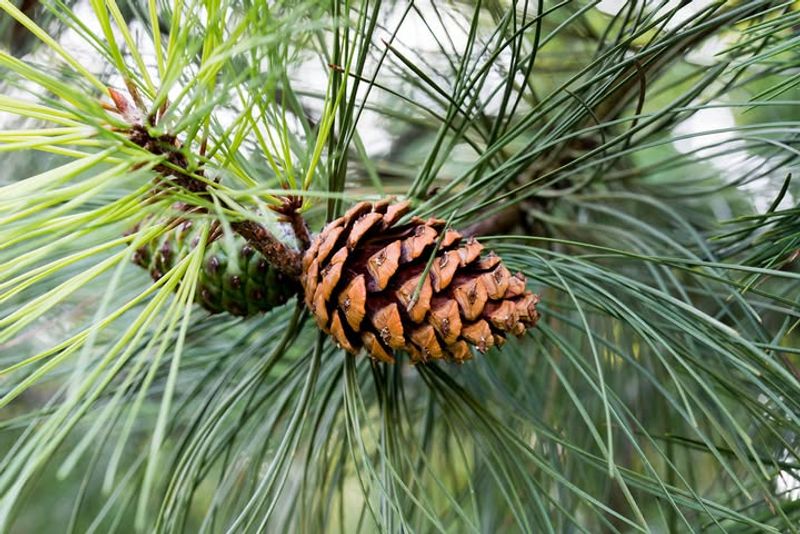
Central Oregon and Ponderosa Pine are nearly inseparable. Drive through Bend, Sisters, or Redmond, and you will see these magnificent trees everywhere.
They define the look and feel of the region more than almost any other plant. Planting one in your yard is like putting down roots in the most literal sense possible.
Ponderosa Pine is a large tree, eventually reaching sixty to one hundred feet tall in the wild. In a home garden, it grows more slowly and can be managed with space planning.
The long, dark green needles grow in bundles of three, and the bark develops a beautiful orange-red color as the tree matures. That bark is one of the most distinctive features in all of Central Oregon’s landscape.
It thrives in full sun and well-drained, sandy or rocky soil. It is highly drought-tolerant once established, making it perfectly suited for the dry Central Oregon climate.
Young trees do need regular watering for the first couple of seasons to get their roots going strong.
The scent of Ponderosa Pine bark on a warm summer day is something Central Oregon residents know well. It smells faintly like vanilla or butterscotch.
Planting one connects your garden to the wild landscape that makes this region so special and so beloved.