If You Plant Anything Before Spring In Oregon, Make It These 9 Native Plants
Late winter is one of the smartest planting windows Oregon gardeners get. The soil is moist, temperatures are cool, and native plants are naturally wired to settle in before spring takes off.
Planting now gives roots time to anchor, adjust, and wake up ready to grow the moment warmer days arrive.
Even better, native species already understand Oregon’s rain patterns, soils, and seasonal swings, which means less fuss and stronger long term success for you.
Instead of rushing into spring with fragile starts, you are building a garden that is already one step ahead. The right early choices can bring better blooms, healthier growth, and a landscape that feels naturally in tune with its surroundings.
If you are going to plant anything before spring truly begins, these dependable Oregon natives are the ones most likely to reward you season after season.
1. Nootka Rose (Rosa nutkana)
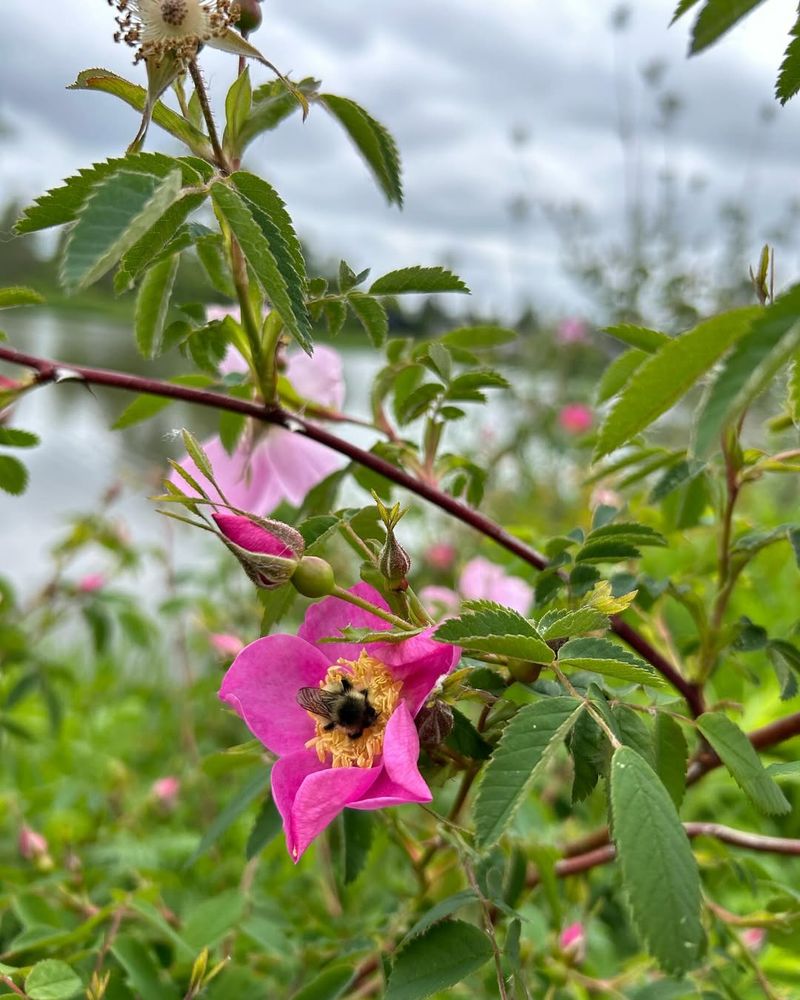
Walk through any coastal forest or stream edge in Oregon, and you’ll likely spot the soft pink blooms of Nootka Rose nodding in the breeze. This native rose thrives when planted before spring because it uses our rainy season to grow deep, water-seeking roots.
Unlike fussy hybrid roses, this one actually appreciates Oregon’s cloudy skies and doesn’t sulk when summer takes its time arriving.
Plant bare-root specimens now while they’re dormant, and they’ll wake up already settled into your garden’s rhythm. The soil stays workable through most of our winters, making this an ideal time to dig.
Choose a spot with decent drainage but don’t stress too much, this rose tolerates clay better than most.
By June, you’ll have fragrant pink flowers that attract native pollinators like nobody’s business. The hips that follow feed birds through fall and winter, creating a year-round wildlife hub.
Nootka Rose grows four to six feet tall with an easygoing, arching habit that looks natural rather than formal.
Avoid planting too deep, keep the root crown at soil level. Water it in well after planting, then let winter rains do the rest of the work for you.
2. Farewell To Spring (Clarkia amoena)
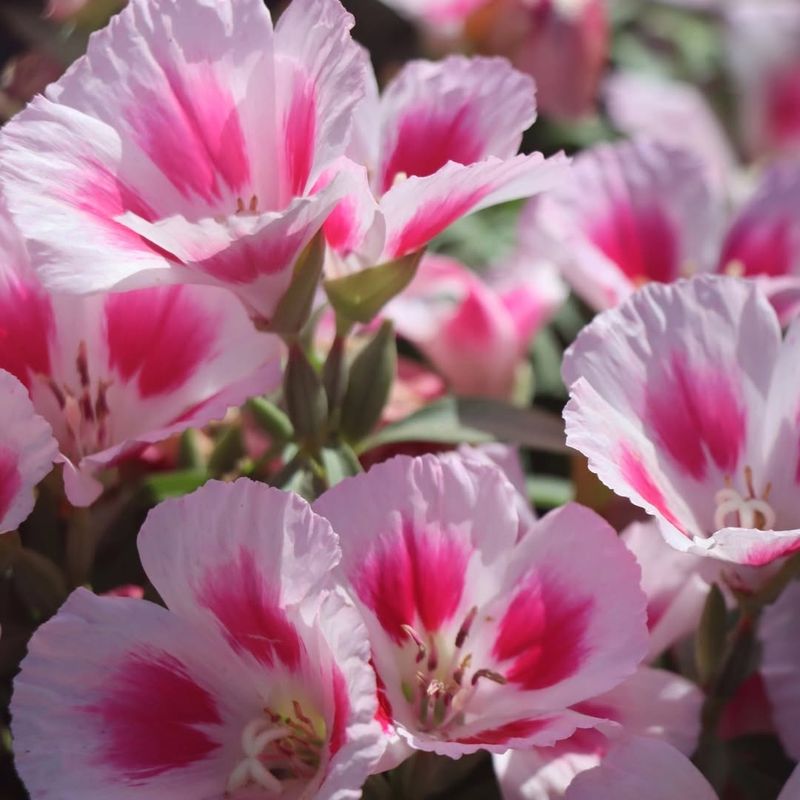
Seeds scattered across bare soil in late winter seem like nothing special until May arrives and suddenly your garden explodes with color.
Farewell to Spring is one of those generous annuals that asks very little but delivers armloads of silky, cup-shaped flowers in shades of pink, lavender, and salmon.
The trick is getting them in the ground early, ideally before spring officially starts.
Direct-sow seeds now while the soil is still cool and moist. They need a period of cold dampness to germinate properly, which Oregon winters provide perfectly.
Just scatter them over prepared soil, press them in lightly, and let nature handle the rest. No fussing required.
These flowers grow about two feet tall with delicate stems that sway beautifully in the breeze. They bloom from late spring into summer, filling gaps between perennials with cheerful color.
Pollinators adore them, especially native bees that time their emergence with these blooms.
Don’t overwater once established, Clarkia actually prefers drier conditions once it’s growing. Rich soil isn’t necessary either; average garden soil works fine.
The biggest mistake is planting too late, which results in weak plants that struggle in summer heat.
3. Globe Gilia (Gilia capitata)
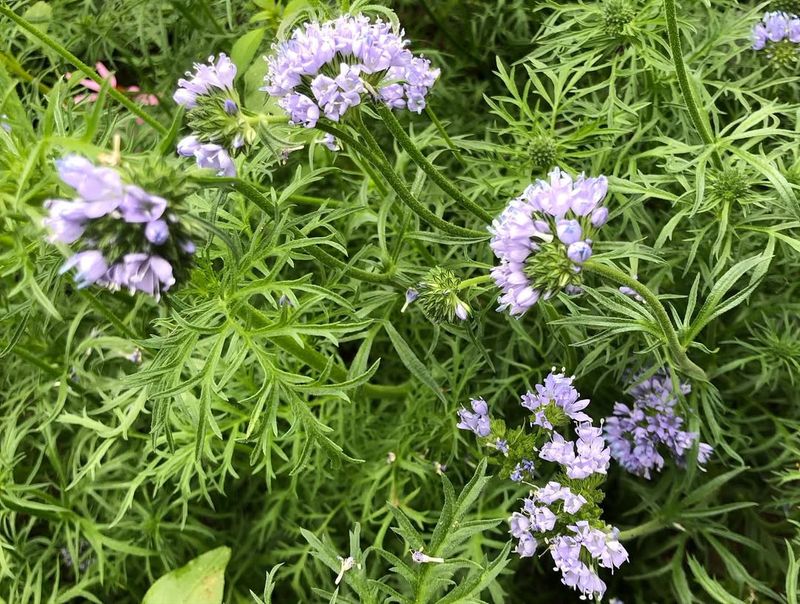
There’s something wonderfully architectural about Globe Gilia, with its perfectly round flower heads perched on slender stems like tiny lavender pom-poms.
This native annual thrives when sown in fall or very early spring, using our cool, wet season to develop strong root systems before flowering.
Planting now gives you a serious head start on summer blooms.
Scatter seeds directly where you want them to grow, Globe Gilia doesn’t transplant well and prefers to settle in from the beginning. The seeds are tiny, so mix them with sand for easier, more even distribution.
Press them gently into the soil surface but don’t bury them deep. Light helps them germinate.
By midsummer, you’ll have airy clusters of blue-violet flowers that attract butterflies, bees, and hummingbirds throughout the day. The plants reach about two feet tall with feathery foliage that looks delicate but handles Oregon weather beautifully.
They self-sow reliably if you let some flower heads go to seed.
Globe Gilia tolerates our clay soil better than many annuals and doesn’t need fertilizer. Water during establishment, then back off, these plants actually perform better with moderate moisture rather than constant wetness.
4. Western Buttercup (Ranunculus occidentalis)
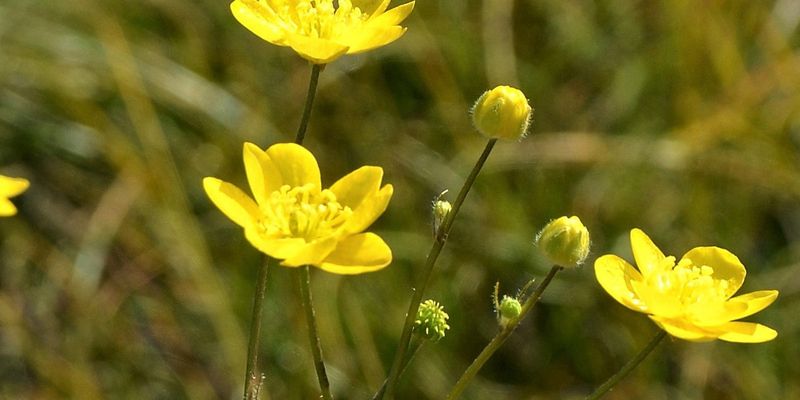
Glossy yellow petals catching weak winter light signal that spring is closer than the calendar suggests. Western Buttercup is one of Oregon’s earliest native bloomers, often flowering in late winter if conditions are right.
Planting before spring gives these cheerful perennials time to establish roots while the soil is cool and moist, exactly what they prefer.
Set out bare-root plants or divisions now, choosing spots with partial shade and decent drainage. Western Buttercup naturally grows in woodland edges and meadows where soil stays somewhat moist but never waterlogged.
They’ll tolerate full sun in coastal areas but appreciate afternoon shade inland where summers run hotter.
The flowers appear from February through May, providing critical early nectar for emerging pollinators. Plants stay low, rarely topping eight inches, making them perfect for front borders or naturalizing under deciduous trees.
The foliage dies back in summer, so pair them with later-blooming companions that fill the space.
Don’t plant in heavy, constantly wet clay, these buttercups need some drainage despite their moisture-loving nature. Mulch lightly after planting to conserve moisture without smothering the crown.
Once established, they spread slowly through rhizomes, creating cheerful yellow drifts over time.
5. Streambank Lupine (Lupinus rivularis)
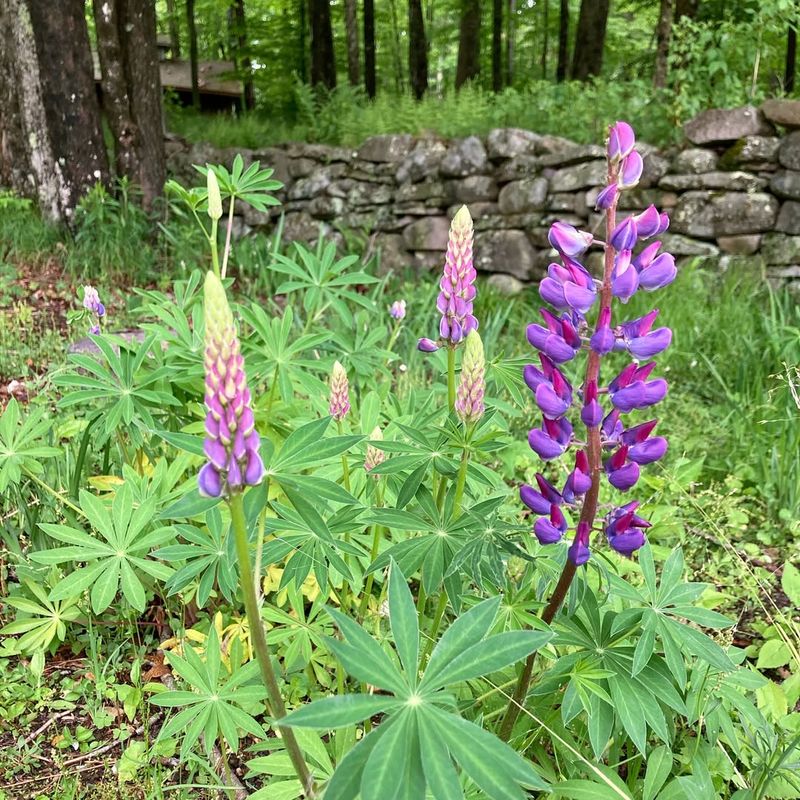
Few sights match the drama of lupine spires rising along Oregon streams in late spring, their purple-blue flowers reflected in clear water. Streambank Lupine is perfectly adapted to our wet winters and relatively dry summers, making pre-spring planting ideal.
The plants use winter moisture to develop extensive root systems that help them sail through summer with minimal irrigation.
Plant containerized starts now rather than waiting for warmer weather. Lupines form deep taproots that establish better when planted while still dormant or just beginning to grow.
Choose locations with full sun to light shade and soil that drains reasonably well, despite the name, they don’t need constant wetness.
These perennials grow two to three feet tall with distinctive palmate leaves and stunning flower spikes that attract native bumblebees. They’re nitrogen-fixers, actually improving your soil over time by adding nutrients through their root nodules.
This makes them excellent companions for other natives with higher nutrient needs.
Avoid overwatering once plants are established, lupines actually prefer drier conditions in summer. Don’t fertilize heavily either, as rich soil encourages leafy growth at the expense of flowers.
The biggest challenge is slugs on young growth, so use organic deterrents if needed.
6. Blue Eyed Grass (Sisyrinchium idahoense)
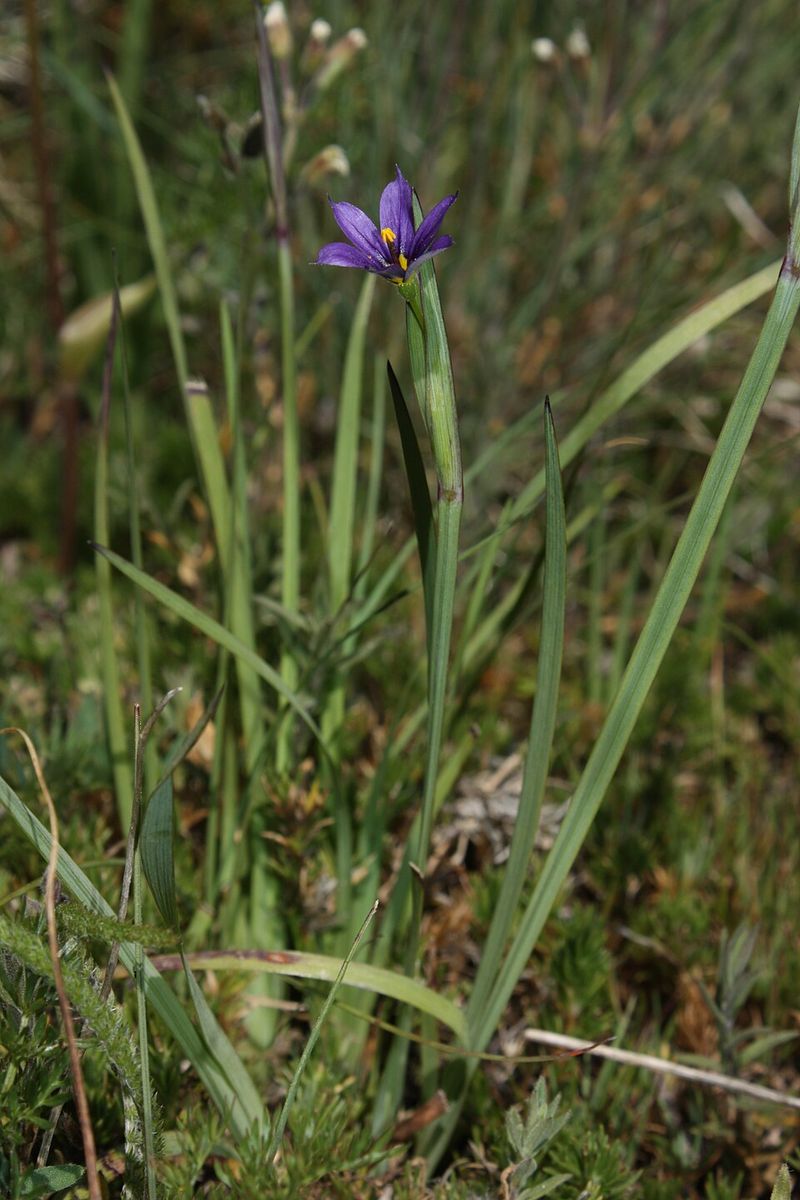
Despite its name, this charming native is actually related to irises, not grasses, though the slender foliage certainly fools most people at first glance.
Blue Eyed Grass produces delicate star-shaped flowers in shades of blue and purple, each bloom lasting just a day but replaced continuously through spring.
Planting before spring allows the small rhizomes to settle in and prepare for their flowering show.
Set out divisions or small plants now while they’re dormant or just starting growth. They prefer full sun to light shade and tolerate a wide range of soil conditions, from sandy to clay, as long as drainage is reasonable.
These tough little perennials handle Oregon’s wet winters without complaint.
The plants stay compact, rarely exceeding ten inches tall, making them perfect for rock gardens, front borders, or naturalizing in lawn areas you’re converting to meadow. The grass-like foliage blends beautifully with true grasses and sedges.
Flowers appear from April through June, attracting small native bees.
Don’t overwater in summer, Blue Eyed Grass actually prefers drier conditions once established. They self-sow modestly, gradually creating small colonies without becoming aggressive.
Divide clumps every few years to maintain vigor and spread them around your garden.
7. Meadow Checkermallow (Sidalcea campestris)
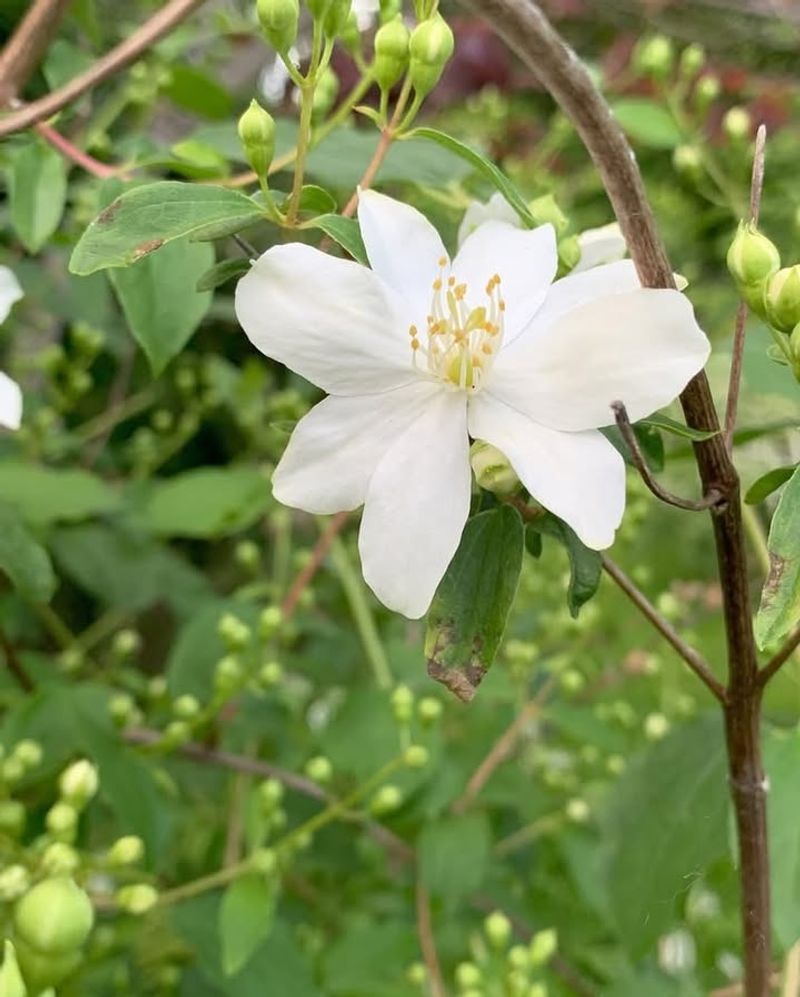
Tall spires of soft pink flowers nodding above other meadow plants create exactly the kind of relaxed, natural look that Oregon gardens do best.
Meadow Checkermallow is a native perennial that blooms from late spring into summer, providing weeks of color with minimal fuss.
Getting plants in the ground before spring gives their root systems time to establish before the flowering push begins.
Plant bare-root or containerized specimens now in full sun to very light shade. They prefer moderately moist soil during the growing season but handle dry spells once established.
Clay soil is fine, these natives evolved in Oregon’s prairies and meadows where heavy soil is common.
Plants reach three to four feet tall with hollyhock-like flowers in shades of pink and rose. The blooms attract butterflies, bees, and hummingbirds throughout their long flowering period.
Cut back spent flower stalks to encourage additional blooms and prevent self-sowing if you prefer controlled growth.
Avoid planting in constantly wet areas, despite their moisture tolerance, they need decent drainage. Don’t over-fertilize, as rich soil produces floppy growth that requires staking.
Water regularly through the first summer, then reduce irrigation as plants mature and develop deeper roots.
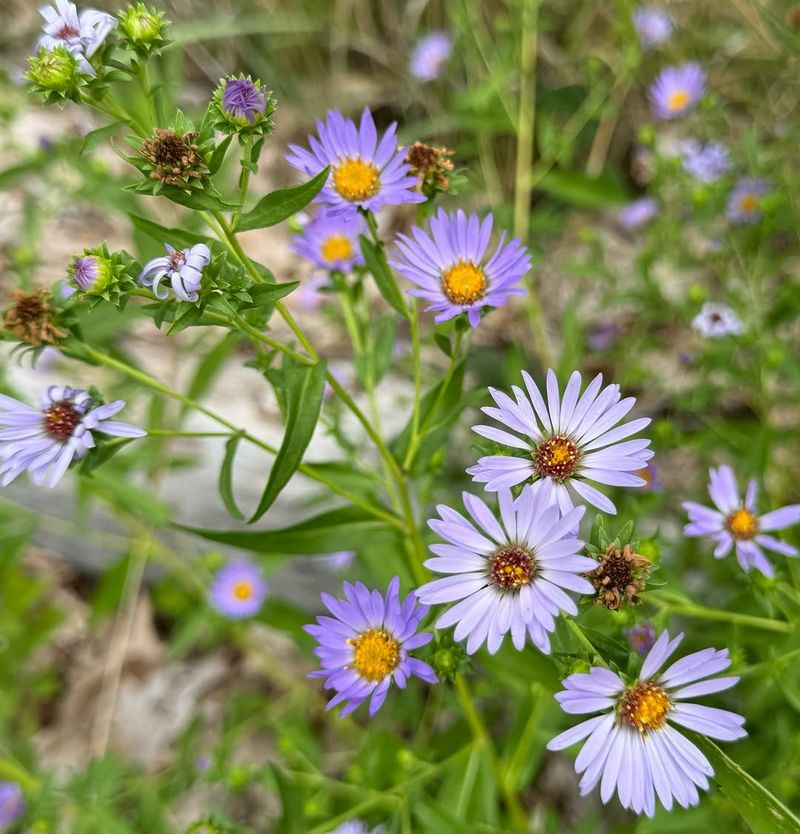
8. Douglas Aster (Symphyotrichum subspicatum)
Most gardeners focus on spring bloomers, but late-season color is just as important, especially for pollinators preparing for winter.
Douglas Aster fills that crucial late-summer gap with clouds of purple-blue flowers that appear just when many other plants are winding down.
Planting before spring allows these perennials to establish strong roots that support abundant fall flowering.
Set out plants now while they’re dormant, choosing locations with full sun to partial shade. Douglas Aster tolerates a range of conditions but performs best with moderate moisture and decent drainage.
They naturally grow in meadows and woodland edges throughout Oregon, so they’re perfectly adapted to our climate.
Plants grow two to three feet tall with a somewhat sprawling habit that looks natural rather than formal. The flowers attract butterflies, native bees, and migrating monarchs, making them essential for pollinator gardens.
Cut plants back by half in early summer to encourage bushier growth and more flowers.
Don’t let soil dry out completely during establishment, but avoid overwatering, these asters handle dry spells better than constant wetness. They spread slowly through rhizomes, creating larger clumps over time.
Divide every few years to control size and rejuvenate older plants.
9. Mock Orange (Philadelphus lewisii)
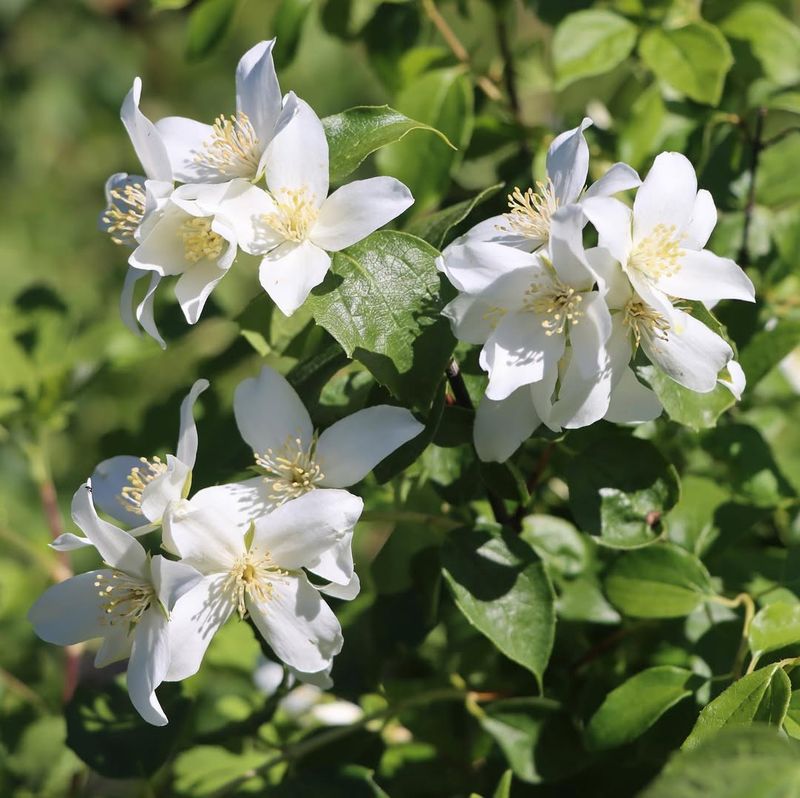
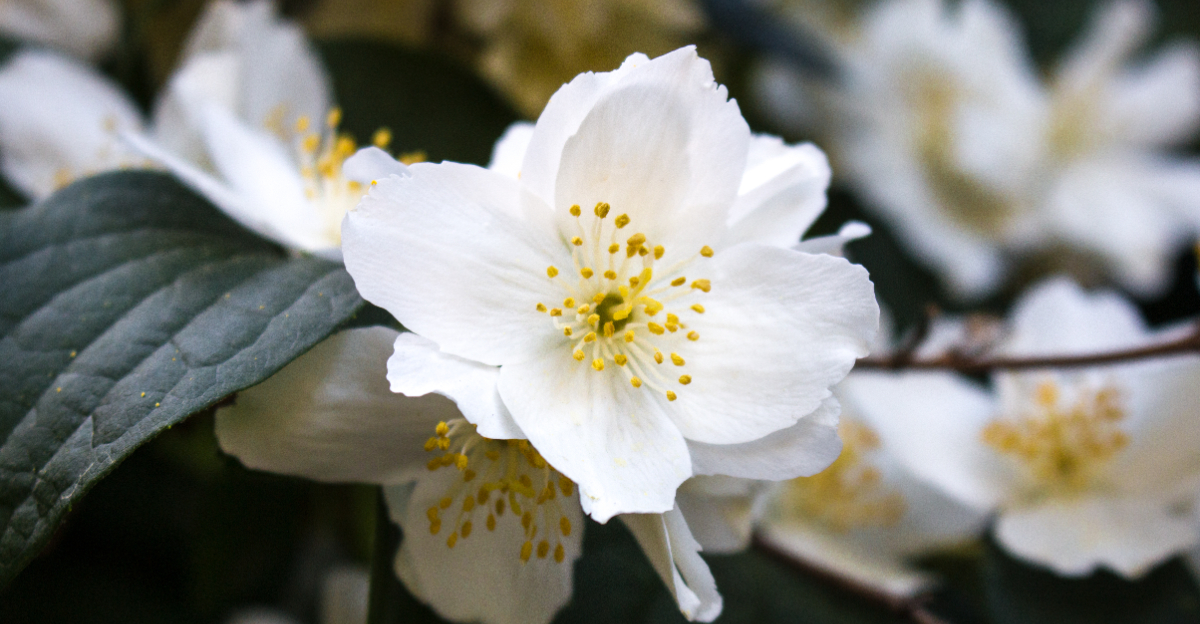
The sweet fragrance of Mock Orange blooms drifting through June gardens is one of those sensory experiences that defines Pacific Northwest summers. This native shrub produces masses of white, four-petaled flowers that smell like orange blossoms, hence the name.
Planting before spring gives bare-root specimens time to settle in and prepare for their first flowering season.
Set out plants now while they’re still dormant, choosing spots with full sun to partial shade. Mock Orange tolerates various soil types, including clay, as long as drainage is reasonable.
They naturally grow along streams and in open forests throughout Oregon, handling both moisture and periodic dryness.
Mature shrubs reach six to ten feet tall with an arching, fountain-like form that looks beautiful even without flowers. The blooms appear in late spring to early summer, attracting native bees and butterflies.
After flowering, the shrub provides structure and screening through fall and winter.
Avoid planting in deep shade, which reduces flowering significantly. Don’t over-fertilize, these natives prefer lean conditions and produce better flowers with minimal nutrients.
Water regularly through the first summer, then reduce irrigation as plants establish. Prune lightly after flowering to maintain shape and remove older wood.