If You See Fresh Bark Damage On Young Trees In Michigan Check For This First
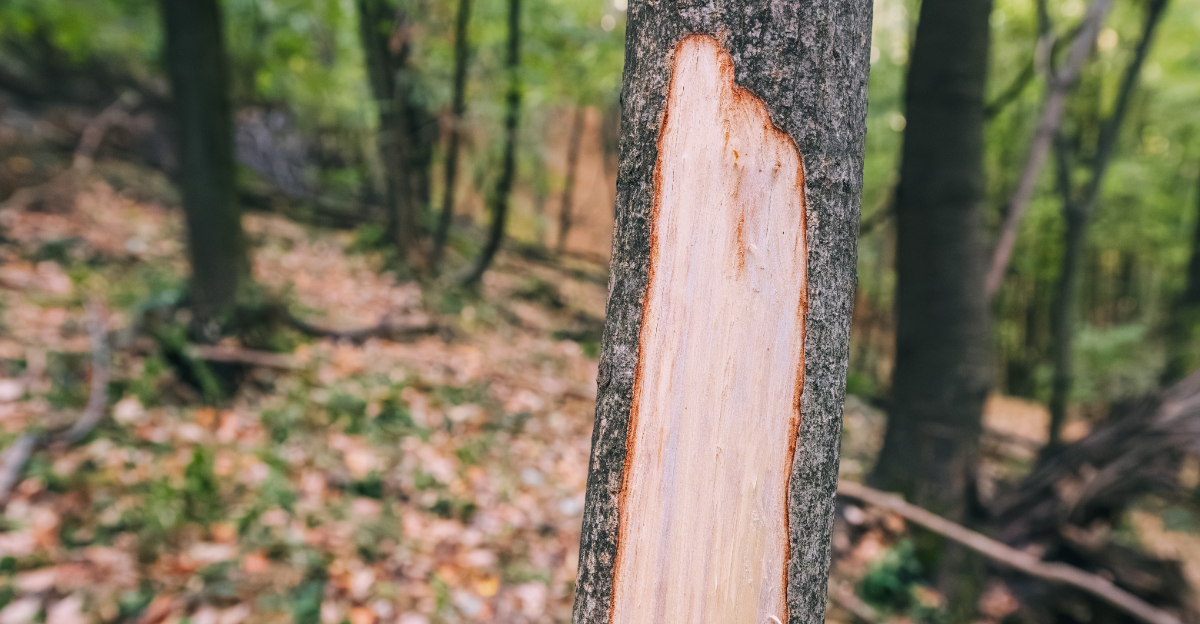
Fresh bark damage on young trees can be alarming, especially in Michigan just as the growing season begins. You may notice rough patches, missing bark, or marks that were not there before winter ended.
It can feel like something serious is happening to your tree, even if everything looked fine just weeks earlier. In many cases, this type of damage has a simple explanation tied to early spring activity.
As food sources are still limited, certain animals turn to young trees, leaving behind clear signs once the snow is gone. The timing often catches gardeners off guard, making it seem like the problem appeared overnight.
What you see now is usually the result of steady feeding during late winter and early spring. Once you know what to check for first, it becomes much easier to identify the cause and protect your trees moving forward.
1. Check For Rabbit Damage First
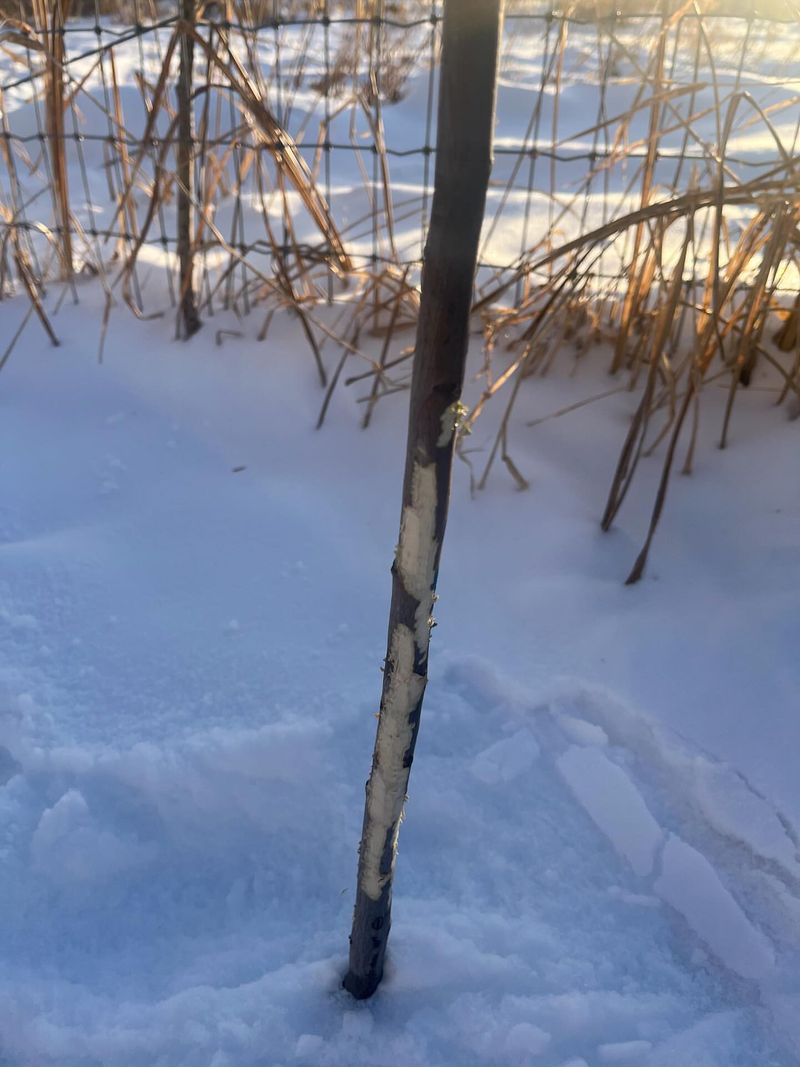
Rabbits are the number one suspect when you spot fresh bark damage on a young tree in Michigan. These small animals are surprisingly bold when food runs low in late winter, and young trees with thin, smooth bark become an easy target.
The damage they leave behind has a very specific look that sets it apart from other causes. Rabbit feeding marks are clean, sharp, and often angled at about 45 degrees.
You will usually find the damage low to the ground, typically within the first one to two feet of the trunk. Smaller branches may also show clipped ends that look almost like someone used a pair of scissors on them.
Across Michigan, especially in suburban neighborhoods and rural areas with open fields nearby, rabbit populations stay active all winter long. They do not hibernate, so when grasses and plants are buried under snow, tree bark becomes a go-to food source.
Young fruit trees, maples, and ornamental shrubs are especially vulnerable.
The best way to protect your trees is to wrap the lower trunk with a plastic spiral tree guard or hardware cloth before winter arrives. Wrapping should extend above the typical snowpack line in your area of Michigan.
Checking your young trees regularly through February and March gives you the best chance of catching rabbit activity before too much bark is removed.
2. Look At The Height Of The Damage
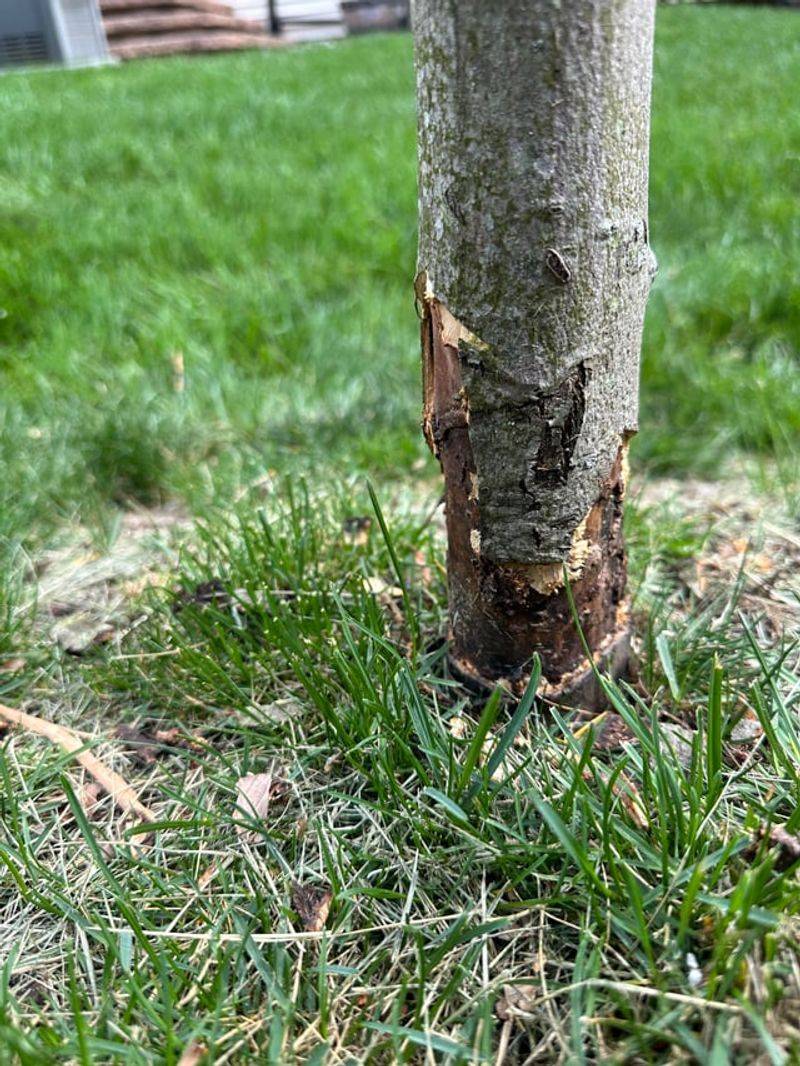
One of the smartest tricks for identifying what caused bark damage on a young tree is simply measuring how high up the damage goes.
The height of the chewing or stripping tells you a lot about which animal was involved, and it is one of the first things Michigan arborists and extension agents recommend checking.
Rabbits typically feed from ground level up to about two or three feet high. However, Michigan winters can bring deep snowpack, and when snow builds up around the base of a tree, it essentially gives rabbits a raised platform to feed from.
This means damage that appears higher than expected may still point to rabbit activity rather than a larger animal.
Deer, on the other hand, can reach much higher, sometimes up to six feet off the ground. If you notice damage that starts above the three-foot mark and has a ragged or torn appearance, that height alone is a strong clue that deer may be responsible.
In Michigan, both the Lower and Upper Peninsula see significant deer pressure on young trees each season.
Always take note of where the damage begins and ends on the trunk. Photograph it next to something with a known height for reference.
That simple step can save you time and help you choose the right protective strategy for your specific trees and property location in Michigan.
3. Check For Girdling Around The Trunk
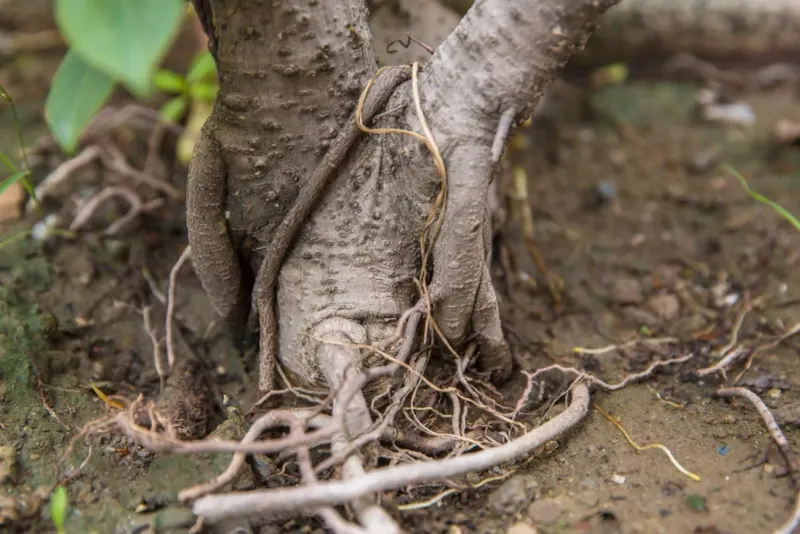
Girdling is one of the most serious forms of bark damage a young tree can experience. When bark is removed all the way around the trunk in a complete ring, it cuts off the pathway that carries nutrients and water between the roots and the canopy above.
A fully girdled tree will struggle to push out new growth, and you may notice wilting leaves or poor spring performance as the first signs of trouble.
In Michigan, girdling is often caused by rabbits or voles working through the winter months when the damage is hidden under snow. By the time spring arrives and the snow melts, homeowners are sometimes surprised to find a ring of damage they never saw happening.
Catching partial girdling early gives the tree a real fighting chance at recovery.
If the bark has been removed only partway around the trunk, the tree can often recover on its own with proper care. Keeping the exposed area clean, avoiding additional stress, and making sure the tree gets consistent water through the growing season all help.
Some Michigan gardeners and tree care professionals also use a technique called bridge grafting to help nutrients move past a girdled section.
Protecting young trees before winter is always the smarter move. Hardware cloth cylinders placed around the trunk and pushed slightly into the soil at the base are one of the most effective ways to prevent girdling in Michigan yards and orchards.
4. Look For Vole Damage At Soil Level
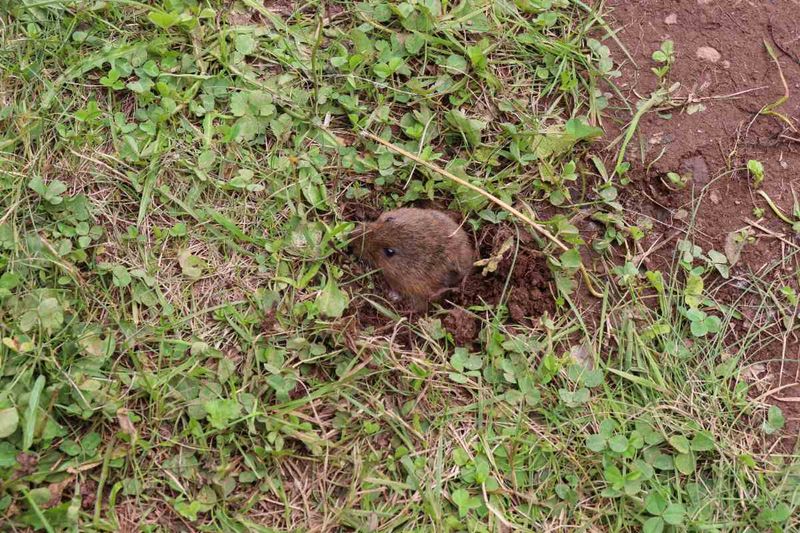
Voles are small, mouse-like rodents that often go completely unnoticed until the snow melts in spring and the evidence they left behind becomes visible.
Unlike rabbits, voles tend to feed right at or just below the soil surface, which means their damage shows up at the very base of the trunk rather than higher up on the stem.
One telltale sign of vole activity is a network of shallow runways or tunnels pressed into the grass or mulch around the base of a tree.
These little paths, sometimes called surface runways, are created as voles travel back and forth under the protective cover of snow during the winter months. In Michigan, this pattern becomes very clear once the ground thaws in late March or April.
Vole gnawing marks look different from rabbit damage. The marks tend to be irregular, with multiple small tooth impressions rather than the clean angled cuts that rabbits make.
The bark at the base of the trunk may look rough and scraped, sometimes extending slightly below the soil line where the roots begin.
Keeping mulch pulled back several inches from the base of young trees helps reduce the cozy habitat voles look for.
A cylinder of hardware cloth buried a few inches into the soil and extending about a foot above ground is one of the most reliable ways to protect young Michigan trees from vole feeding each winter season.
5. Check For Deer If Damage Is Higher And Ragged
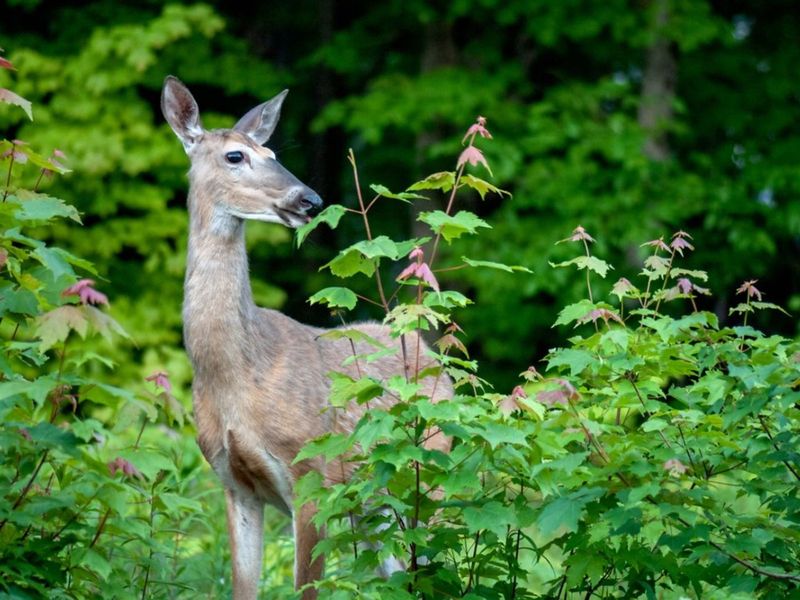
Deer damage has a very distinctive look that is hard to mistake once you know what to search for. Because deer do not have upper front teeth, they cannot make clean cuts the way rabbits do.
Instead, they grab bark and rip it away from the trunk, leaving behind a ragged, shredded appearance that often looks like something pulled at the bark from multiple directions.
The height of the damage is another strong giveaway. Deer typically feed between three and six feet above the ground, well above the range where rabbits and voles operate.
If you spot torn bark in that upper zone on your young trees, deer activity should immediately move to the top of your list of suspects, especially if you live in a suburban or rural area of Michigan near woodlands or open fields.
Michigan has a large and widespread white-tailed deer population, and young trees in both the Lower and Upper Peninsula face regular pressure from deer browsing.
Beyond feeding on bark, male deer also rub their antlers against young trunks during the fall rut, which can strip bark and cause significant structural damage to the tree.
Protecting young trees from deer in Michigan often requires physical barriers like wire cages or deer netting around individual trees. Repellent sprays can also help, though they need to be reapplied regularly, especially after rain.
Planting deer-resistant species nearby can reduce overall browsing pressure on your more vulnerable young trees.
6. Look For Fresh Droppings Or Tracks
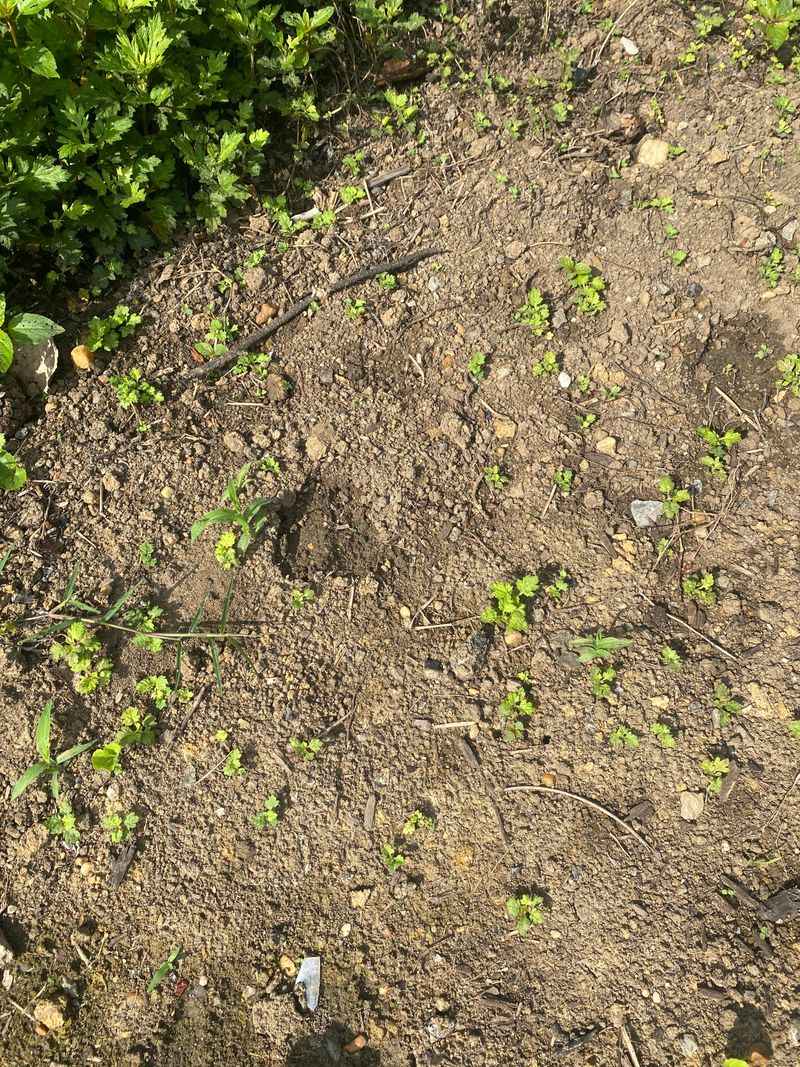
Animal signs left around a damaged tree are like a trail of clues just waiting to be read.
Fresh droppings and tracks near the base of a young tree can confirm which animal is responsible for the bark damage, and that confirmation makes a huge difference when it comes to choosing the right protection strategy.
Guessing wrong wastes time and money. Rabbit droppings are small, round, and pellet-shaped, usually clustered together near the base of the tree or along nearby paths.
Rabbit tracks show a distinctive hopping pattern, with two larger hind feet landing ahead of two smaller front feet. These signs are especially easy to spot in soft soil or light snow in Michigan during early spring.
Deer signs are much larger and harder to miss. Deer hooves leave deep, pointed, heart-shaped impressions in soft ground, and deer droppings look like clusters of dark oval pellets roughly the size of a large grape.
Finding either of these near a tree with high ragged damage strongly confirms deer involvement.
Vole evidence tends to be subtler. Look for tiny runways pressed into grass or mulch, and small elongated droppings about the size of a grain of rice.
In Michigan, checking for these signs right after the snow melts is the most productive time, since the evidence is fresh and the ground is soft enough to hold clear impressions from animal activity around your young trees.
7. Damage Often Happens During Late Winter Food Shortages
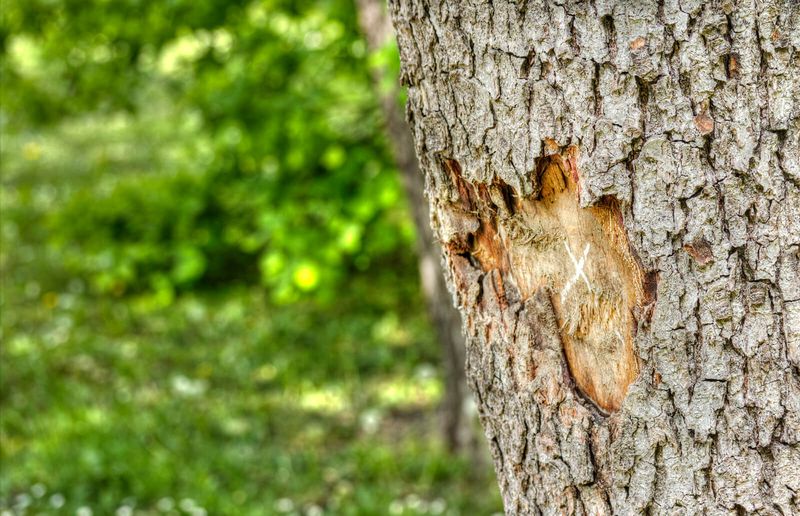
Timing matters a lot when it comes to fresh bark damage on young trees in Michigan. Most animal feeding on tree bark happens during a very specific window, typically from mid-January through early April, when natural food sources are either buried under snow or have not yet started growing back.
Animals that remain active through winter, like rabbits, voles, and deer, turn to whatever is available, and the bark of young trees is one of the most accessible options.
Michigan winters can be long and hard, especially in the Upper Peninsula, where snowpack can persist for months. That extended period of cold and limited food pushes wildlife to feed on things they might otherwise ignore.
Young trees with thin bark, like fruit trees, maples, and ornamentals, are especially attractive because their bark is easier to access and more nutritious than older, rougher bark.
April is often the month when Michigan homeowners first notice the damage, simply because the snow has finally melted and the evidence is suddenly visible.
By that point, the feeding has already stopped as new plant growth emerges and animals shift back to their preferred food sources.
Noticing the damage in spring does not mean it is too recent, it likely happened weeks earlier during the coldest stretch of winter.
Planning ahead before winter arrives is the most effective approach. Installing tree wraps, hardware cloth guards, and checking your young trees monthly through the cold season keeps you ahead of the problem and protects your investment in Michigan landscaping and orchards.