If You See This Bug In Michigan Do Not Touch It
If you spot a strange, colorful bug hopping around your yard in Michigan, your first instinct might be curiosity. Resist it.
There is one invasive insect you should never touch, and it is causing serious trouble across the state: the spotted lanternfly. This flashy pest may look harmless, but it can damage trees, crops, and even backyard plants at an alarming rate.
Worse, it spreads fast and lays eggs in sneaky places like outdoor furniture, firewood, and vehicles. Michigan officials and gardeners alike are on high alert, and knowing what to do can make a real difference.
Whether you are a homeowner, gardener, or just someone who enjoys spending time outside, spotting this bug is not something to ignore.
Let’s break down why this insect is such a big deal, how to identify it quickly, and what steps you should take to protect your yard and local environment.
Invasive Species Status Makes This Bug A Serious Threat
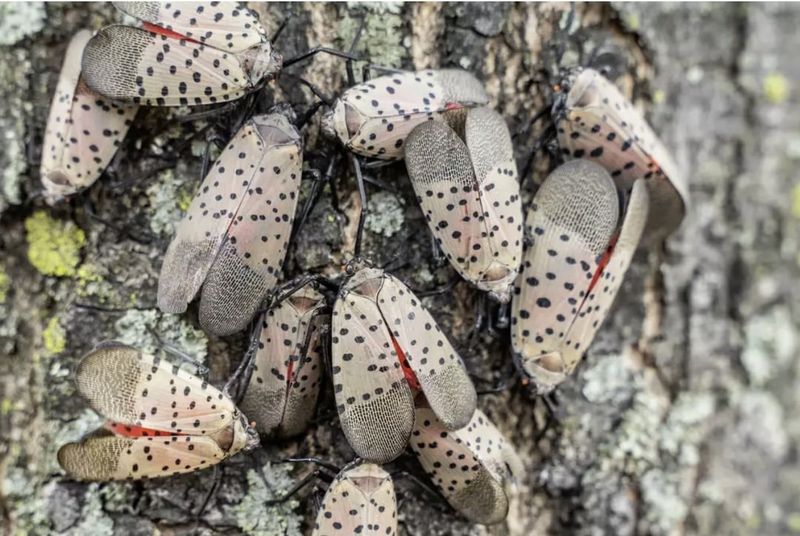
Originating from Asia, the spotted lanternfly arrived in Pennsylvania back in 2014. Since then, it has spread rapidly across multiple states.
Michigan officials worry this planthopper could establish populations here next. What makes an insect invasive? It lacks natural predators in new environments.
The spotted lanternfly thrives without the checks and balances found in its native habitat. This allows populations to explode unchecked.
Early detection programs throughout Michigan focus on preventing establishment before infestations grow. Agriculture officials monitor high-risk areas near borders with affected states.
Stopping this pest early saves millions in crop losses later. Michigan’s diverse ecosystems face particular vulnerability from this invader. The state’s vineyards, orchards, and hardwood forests provide ideal feeding grounds.
Once established, these insects prove incredibly difficult to control. Neighboring states have spent enormous resources battling established populations with limited success. Prevention through vigilant monitoring offers Michigan’s best defense.
Every resident can help by learning to recognize this distinctive pest. The economic impact extends beyond agriculture into tourism and recreation. Infested areas become less enjoyable for outdoor activities.
Protecting Michigan means staying informed and reporting suspicious sightings promptly.
Host Plant Preference Puts Many Species At Risk
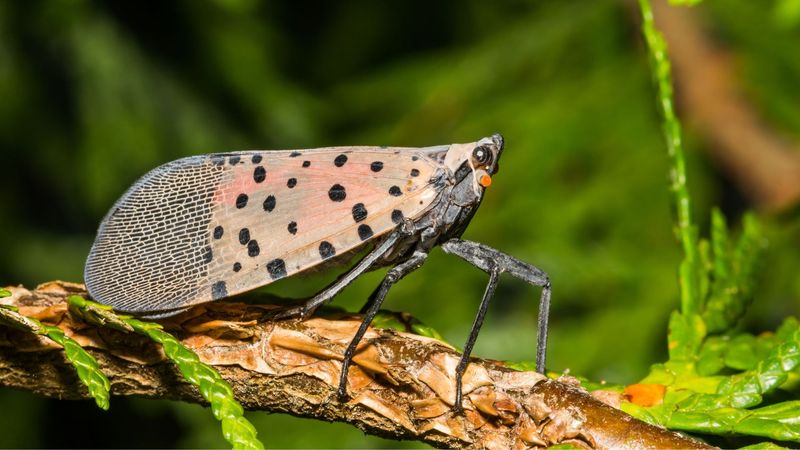
Tree-of-heaven serves as the spotted lanternfly’s favorite host plant. This invasive tree from China grows commonly along roadsides and disturbed areas.
Finding these trees helps predict where lanternflies might first appear. However, these pests don’t limit themselves to just one species. They feed on over 70 different plants throughout their lifecycle.
Grapevines suffer particularly severe damage from lanternfly feeding. Michigan’s fruit industry faces enormous risk from potential establishment. Apple orchards, peach trees, and cherry farms could experience devastating losses.
The wine industry in particular watches this threat with growing concern. Hardwood trees including maples, walnuts, and oaks also attract these feeders. Urban and suburban landscapes contain plenty of suitable host plants.
Even backyard gardens might harbor vulnerable species. Homeowners should familiarize themselves with common host plants on their property. Regularly inspecting these trees during growing season helps catch early signs.
Pay special attention to tree-of-heaven if it grows nearby. Removing tree-of-heaven might seem helpful but requires careful consideration. These trees can spread aggressively when cut improperly.
Consult local extension services before attempting removal projects yourself.
Plant Damage Symptoms Help Identify Infestations Early
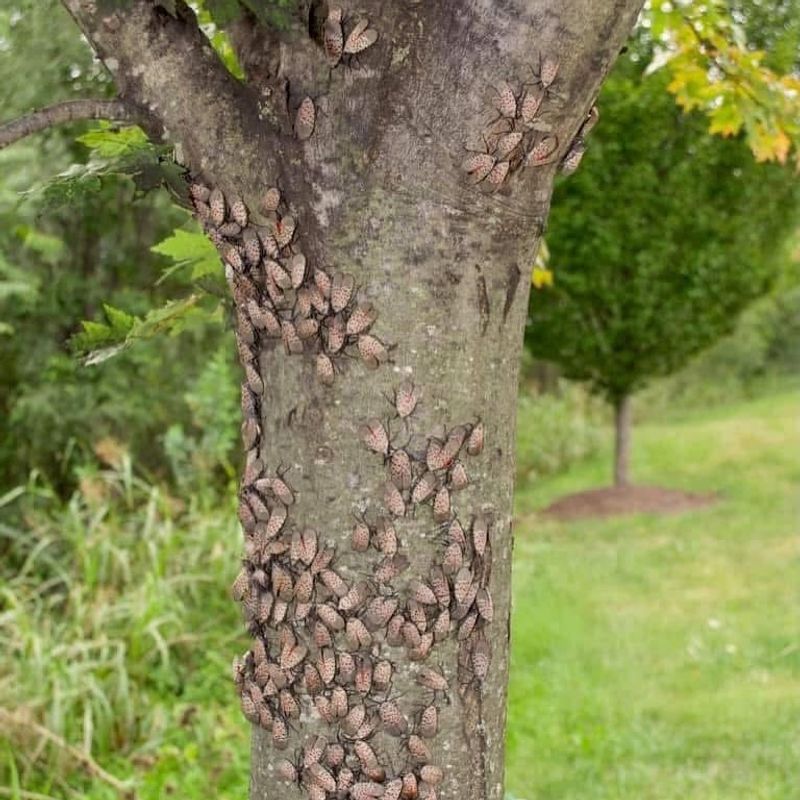
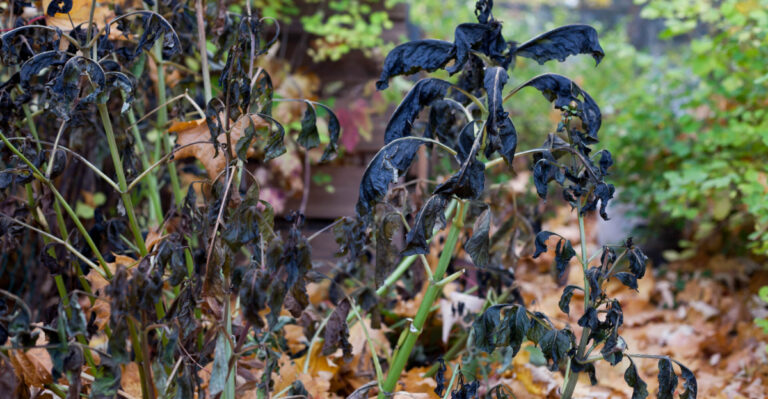
Spotted lanternflies feed by piercing plant tissue and sucking out nutritious sap. This feeding behavior weakens trees and vines significantly over time.
Plants struggle to transport water and nutrients properly after repeated attacks. Watch for wilting leaves even when soil moisture seems adequate. Branches may show reduced vigor or stunted growth patterns.
Fruit and nut production often drops dramatically on infested trees. The honeydew these insects excrete creates additional problems beyond direct feeding damage. This sticky, sugary substance drips onto surfaces below infested branches.
Cars, patio furniture, and walkways become coated with this mess. Sooty mold grows rapidly on honeydew-covered surfaces, turning everything black and grimy. This mold blocks sunlight from reaching lower leaves on plants.
The combination of feeding damage and mold can seriously compromise plant health. Sap weeping from tree trunks indicates heavy feeding pressure from large populations. Look for dark staining or oozing along bark surfaces.
These symptoms often appear worse on the sunny side of trees. Michigan gardeners should inspect susceptible plants weekly during growing season. Early detection allows faster response before populations explode.
Document any suspicious symptoms with photos for reporting purposes.
Distinctive Appearance Changes Through Development Stages
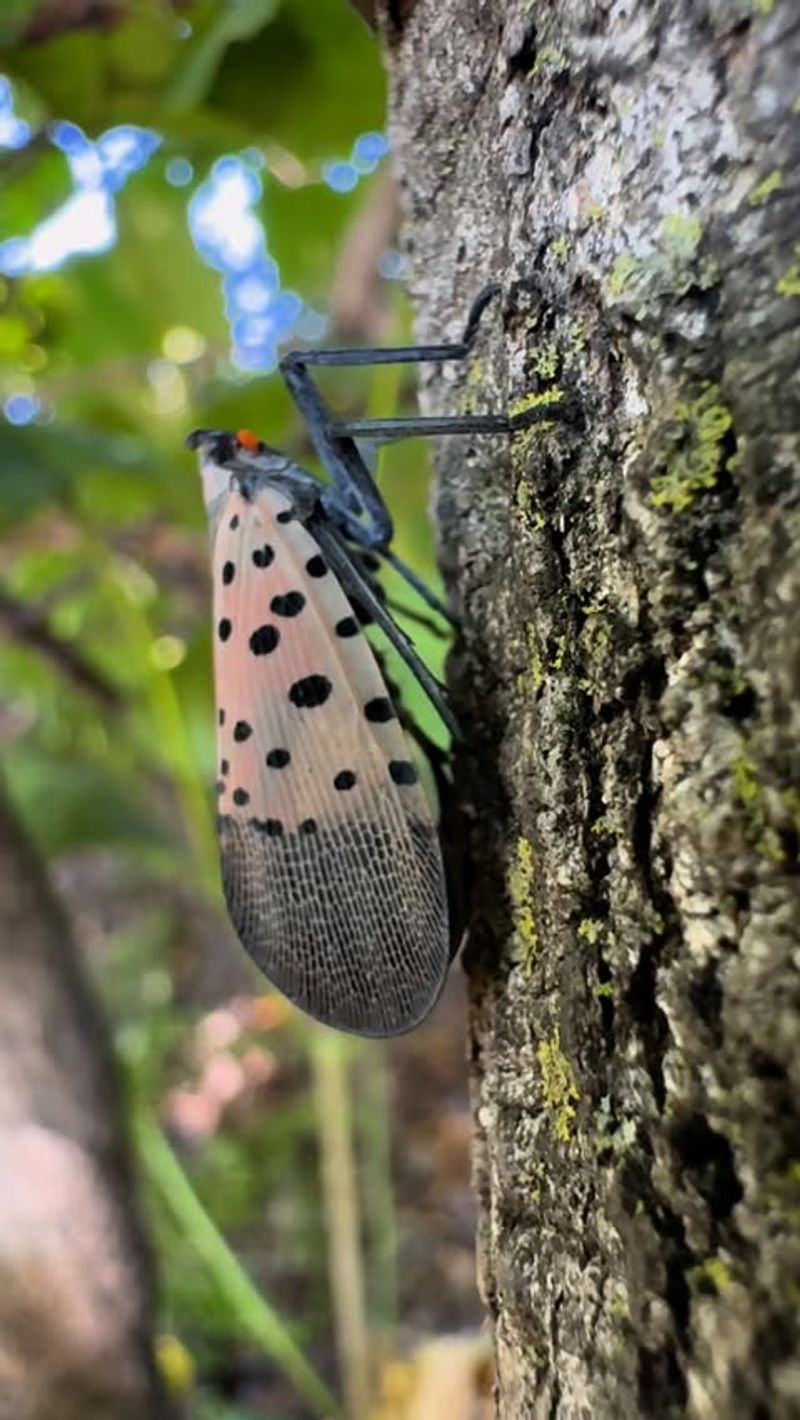
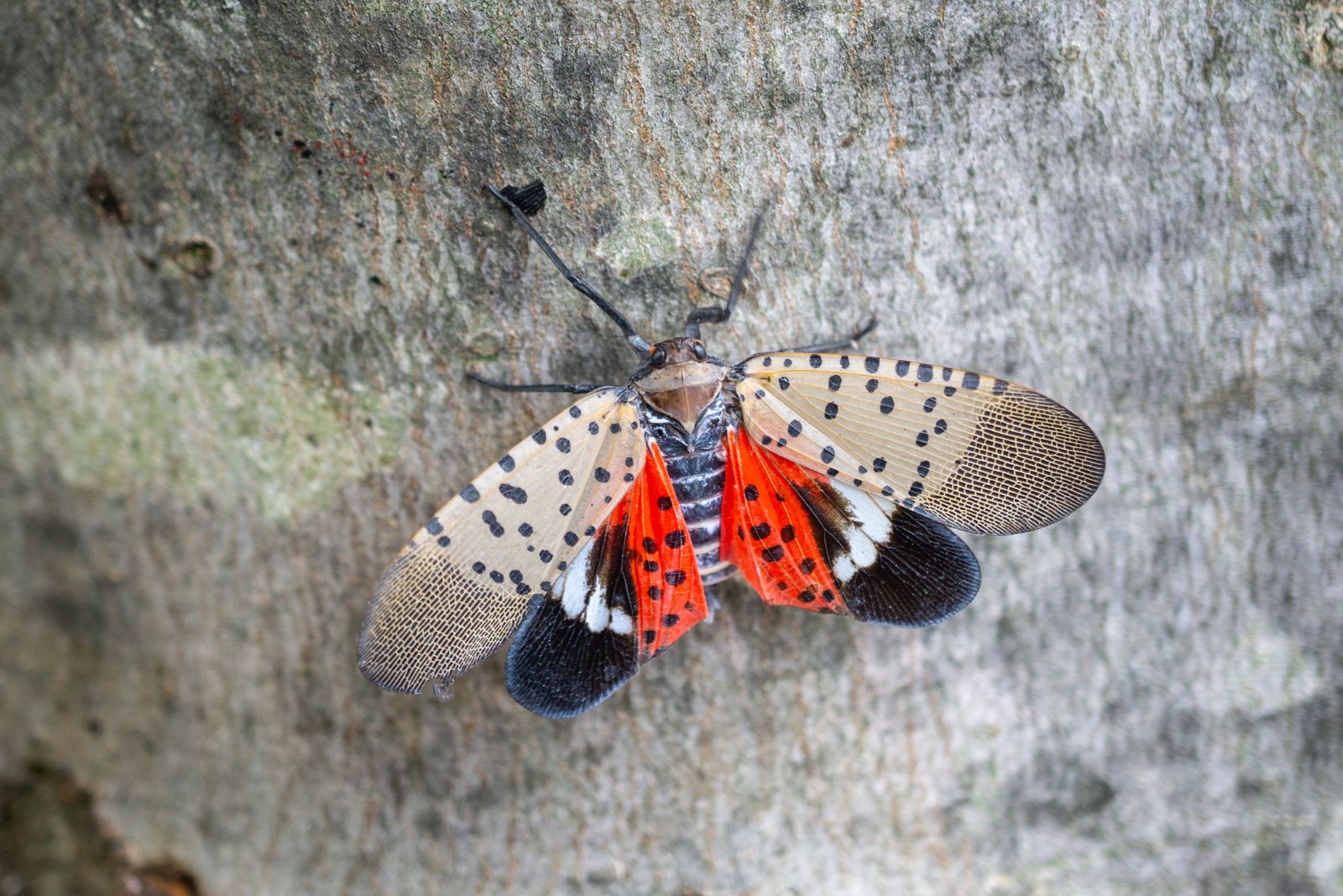
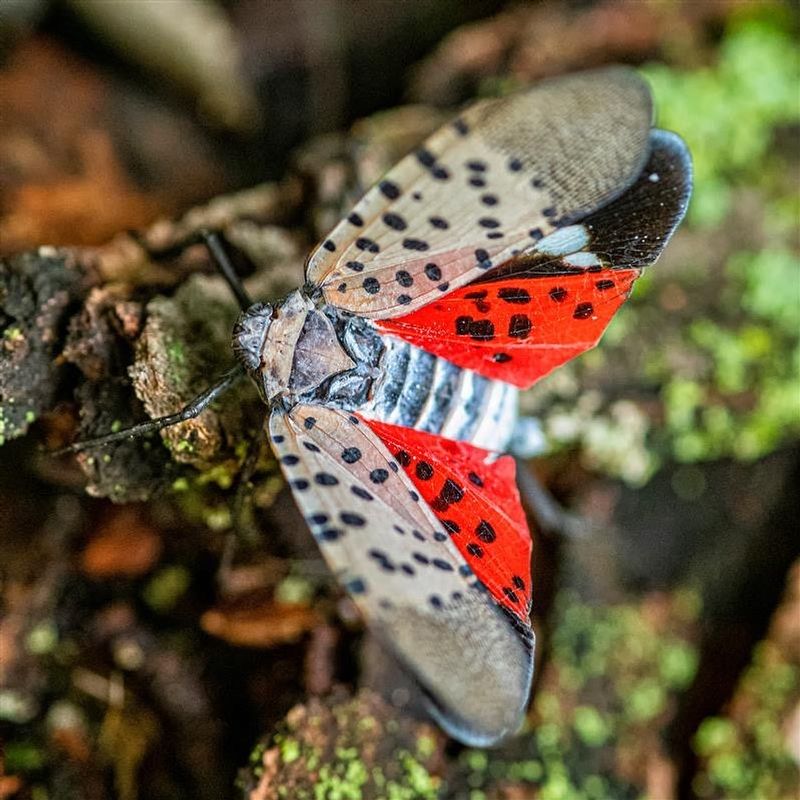
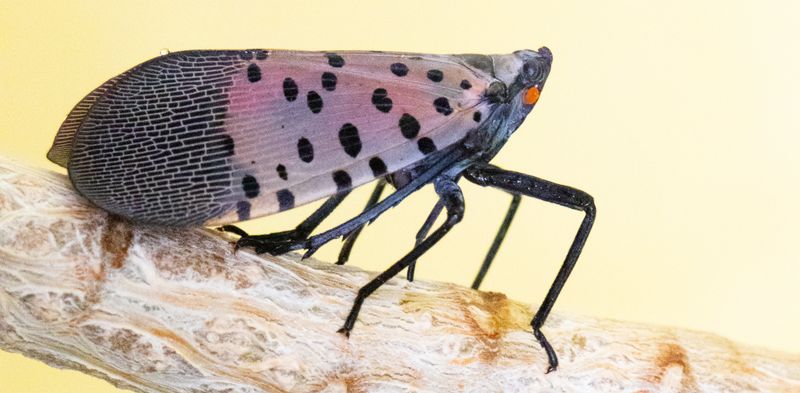
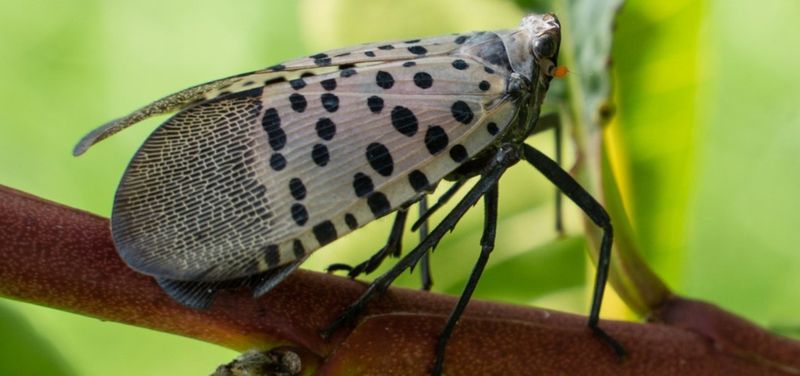
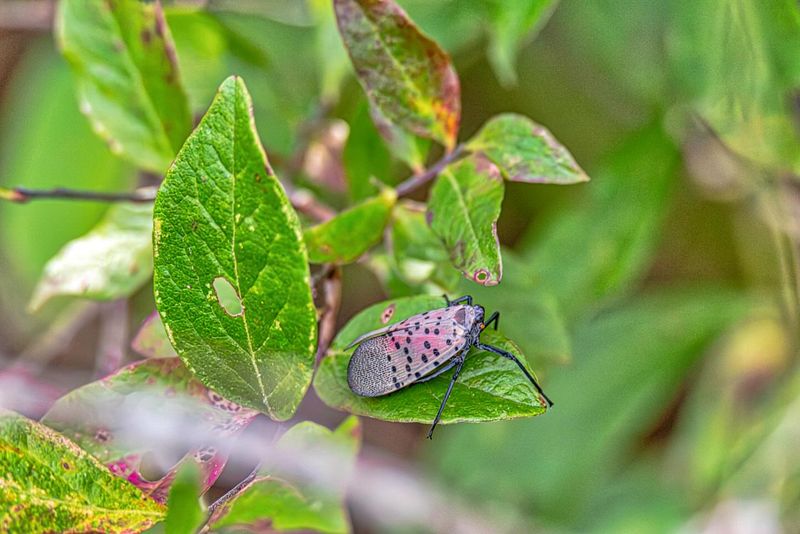
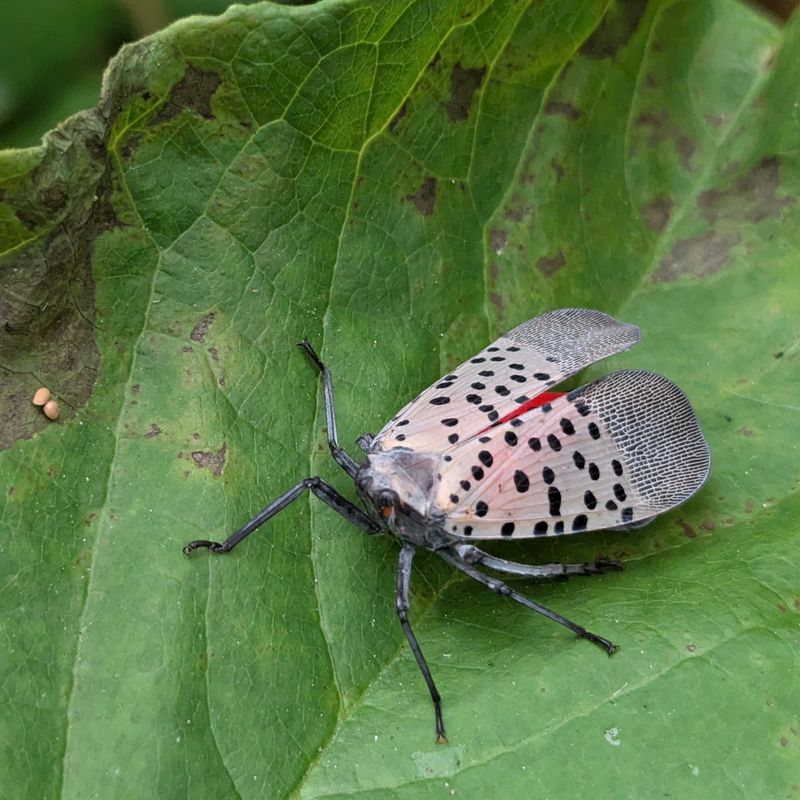
Adult spotted lanternflies measure about one inch long with striking visual features. Their folded wings appear grey with distinctive black spots arranged in patterns.
When they spread their wings, brilliant red underwings flash into view. This dramatic coloring serves as a warning to potential predators. The bright red and black combination signals that they taste unpleasant.
However, Michigan lacks predators that have learned to recognize these warnings.
Young nymphs look completely different from adults, making identification more challenging. Early-stage nymphs appear black with bright white spots covering their bodies.
They move actively across plants searching for feeding sites. Later-stage nymphs develop red coloring along with their black and white markings. These older nymphs grow larger and more conspicuous on plant surfaces.
They still lack wings but hop energetically when disturbed. Learning to recognize all life stages proves essential for effective monitoring. Nymphs emerge in spring while adults appear in summer and fall.
Each stage presents different identification challenges for observers. Take clear photos if you spot any suspicious insects matching these descriptions. Compare your findings with official identification guides from Michigan agriculture authorities.
When in doubt, report it anyway for expert verification.
Life Cycle Timing Determines Best Monitoring Periods
Female spotted lanternflies lay egg masses during late fall before cold weather arrives. Each mass contains 30 to 50 eggs covered with a waxy, mud-like coating. These masses appear on tree bark, rocks, vehicles, and outdoor equipment.
Egg masses survive harsh winter conditions that would eliminate adult insects. Protected by their covering, eggs remain viable until spring warmth triggers hatching. This survival strategy allows populations to persist through Michigan’s cold winters.
Nymphs begin emerging from egg masses in late April through early June. Timing depends on spring temperatures and local climate conditions. Warmer springs accelerate development while cool weather delays emergence.
Multiple nymph stages occur throughout summer as insects grow and molt. Each stage lasts several weeks before nymphs transform into the next form. Adults finally appear in mid to late summer.
Adults remain active through fall until hard frosts eliminate them completely. However, they lay next year’s eggs before perishing. This cycle continues annually wherever populations become established.
Michigan residents should focus monitoring efforts during peak activity periods. Check for egg masses during winter and early spring.
Watch for nymphs from May through July and adults from August through November.
Rapid Spread Occurs Through Accidental Human Transport
Spotted lanternflies excel at hitchhiking on human belongings and transportation. Adults readily land on vehicles, campers, and trailers parked near infested areas.
They hide in wheel wells, cargo areas, and other protected spots. Firewood transport represents one of the most common spread pathways. Egg masses attached to logs travel long distances before anyone notices them.
Never move firewood from areas with known lanternfly populations. Outdoor furniture, grills, and camping equipment also carry these stowaways between locations. A single egg mass transported to Michigan could start a new infestation.
Always inspect items carefully before moving them from other states. Commercial shipping and freight transport pose additional risks for long-distance movement. Businesses must remain vigilant about checking shipments from affected areas.
Trucking companies have implemented inspection protocols in high-risk regions. Recreational vehicles returning from trips to infested states need thorough inspection. Check every exterior surface, storage compartment, and hidden crevice carefully.
Egg masses blend surprisingly well with many surfaces. Michigan residents should inspect vehicles after visiting Pennsylvania, New York, or other affected states. Look carefully at bumpers, grills, mirrors, and undercarriage areas.
Remove and destroy any suspicious egg masses found.
Legal Reporting Requirements Help Track This Pest
Michigan’s Department of Agriculture and Rural Development coordinates spotted lanternfly surveillance efforts. They maintain a reporting system for suspected sightings throughout the state.
Quick reporting helps officials respond before populations establish themselves.
Citizens play a crucial role in early detection monitoring programs. Your eyes on the ground multiply the effectiveness of official surveillance.
Even uncertain sightings provide valuable information for tracking this pest.
Reporting a sighting takes just a few minutes using online forms. Include clear photos showing the insect from multiple angles if possible.
Note the exact location, date, and what plant the insect was found on. Officials investigate all credible reports to verify species identification.
Expert entomologists can distinguish spotted lanternflies from similar-looking native insects. This prevents false alarms while catching real threats quickly.
Some reports may request physical specimens for laboratory confirmation. Follow instructions provided by officials for collecting and preserving samples.
Proper handling ensures accurate identification results. Michigan agriculture depends on vigilant citizens watching for invasive species. Your report could prevent millions in crop losses statewide.
Consider it your civic duty to report suspicious insects promptly.
Do Not Touch This Bug To Prevent Contamination Spread
Avoiding physical contact with spotted lanternflies protects against accidental spread. These insects can cling to clothing, bags, and personal items easily. Touching them increases the chance of transporting them to new locations.
Crushing spotted lanternflies might seem like helpful pest control but creates problems. Body fluids can contaminate your belongings and transfer to other surfaces.
This residue might contain eggs or attract other insects. Instead of touching suspicious insects, photograph them from a safe distance. Use your phone’s zoom feature to capture detailed images.
These photos help experts confirm identification without risking spread. If you must collect a specimen for official reporting, use a sealed container. Avoid direct hand contact by using gloves or tools.
Follow specific collection instructions provided by agriculture authorities. Children should learn to observe insects without touching or handling them. Teach them that some bugs need to stay where they are.
Make it a fun science observation activity instead. Pets might try to catch or eat spotted lanternflies they encounter. While not toxic, this behavior could spread the insects around your property.
Keep animals away from suspected lanternflies when possible.
Early Detection Is Critical For Protecting Michigan Agriculture
Michigan’s agricultural economy depends heavily on crops vulnerable to spotted lanternfly damage. The state’s grape and wine industry alone contributes hundreds of millions annually.
Protecting these industries requires catching infestations before they explode. Once established, spotted lanternfly populations grow exponentially within just a few years. Control becomes increasingly expensive and difficult as numbers increase.
Early intervention costs a fraction of managing established populations.
Neighboring states provide cautionary examples of delayed response consequences. Pennsylvania’s grape industry has suffered significant losses despite aggressive control efforts.
Michigan can avoid this fate through proactive monitoring. Ornamental landscapes and urban forests also benefit from early detection programs. Street trees and park plantings represent substantial community investments.
Protecting these resources maintains property values and quality of life. Every Michigan resident can contribute to early detection efforts simply by staying informed. Learn what spotted lanternflies look like at different life stages.
Check host plants on your property regularly during active seasons. Report any suspicious findings immediately rather than waiting for certainty. False reports cause no harm but missed detections could prove costly.
Your vigilance might save Michigan’s agriculture and natural beauty for future generations.