If You See This Caterpillar In Pennsylvania Gardens Do Not Touch It
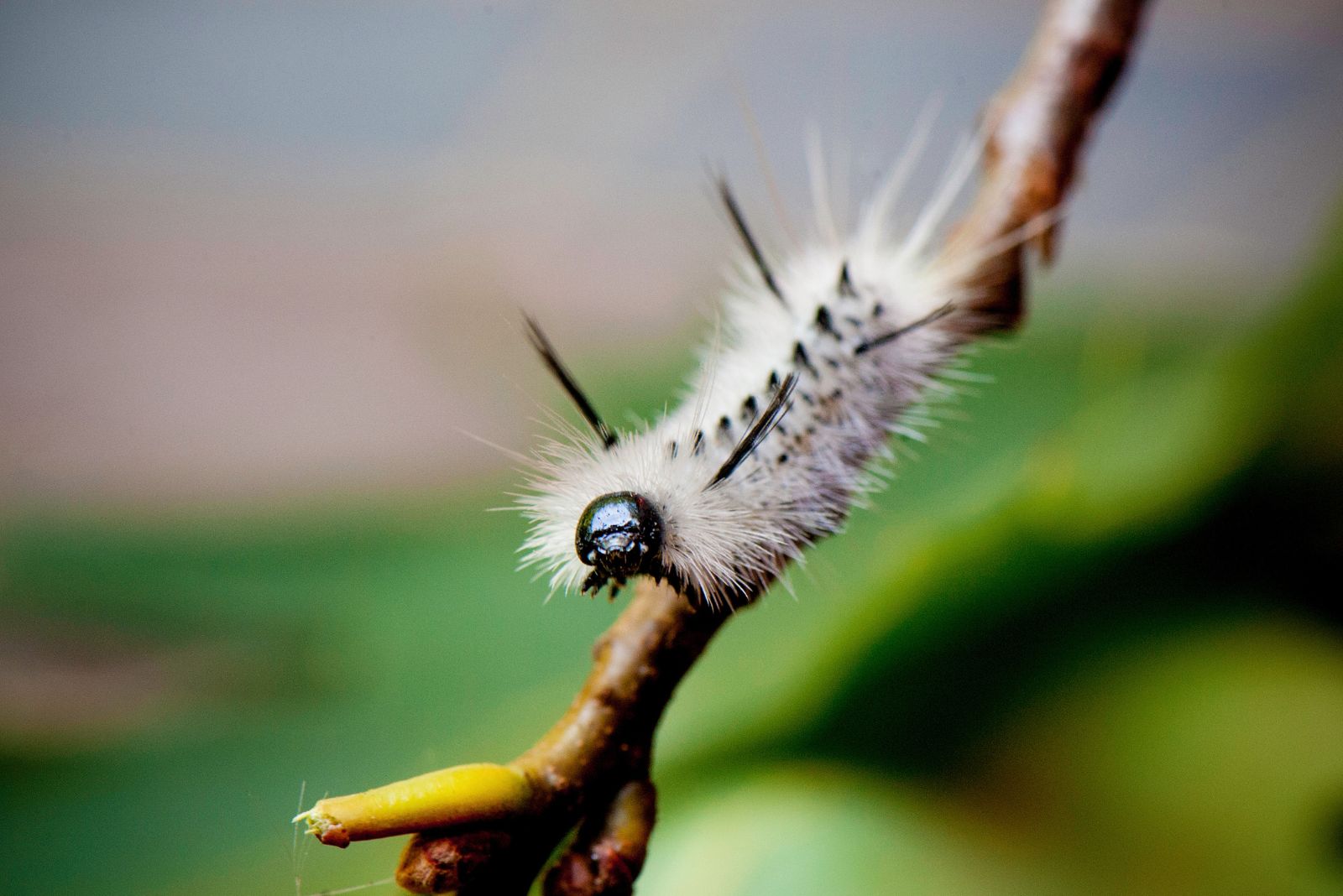
At first glance, it might not look like something you need to worry about. In fact, this fuzzy white caterpillar can seem almost harmless, even a little interesting, as it crawls across leaves or garden paths in Pennsylvania.
That soft, tufted look is exactly what makes it easy to underestimate. A lot of people see it and assume it is safe to pick up or brush aside without a second thought.
That is where the trouble starts. Some caterpillars are best admired from a distance, and this is definitely one of them.
In Pennsylvania gardens, it is one of those surprising creatures that can turn a simple moment outdoors into a painful lesson if you get too close. For gardeners, kids, and curious pet owners, knowing what to avoid matters just as much as knowing what to plant.
The hickory tussock moth caterpillar may look almost gentle, but appearances are doing a lot of work here. When this one shows up in the garden, hands-off is the smartest rule.
It Is The Hickory Tussock Moth Caterpillar
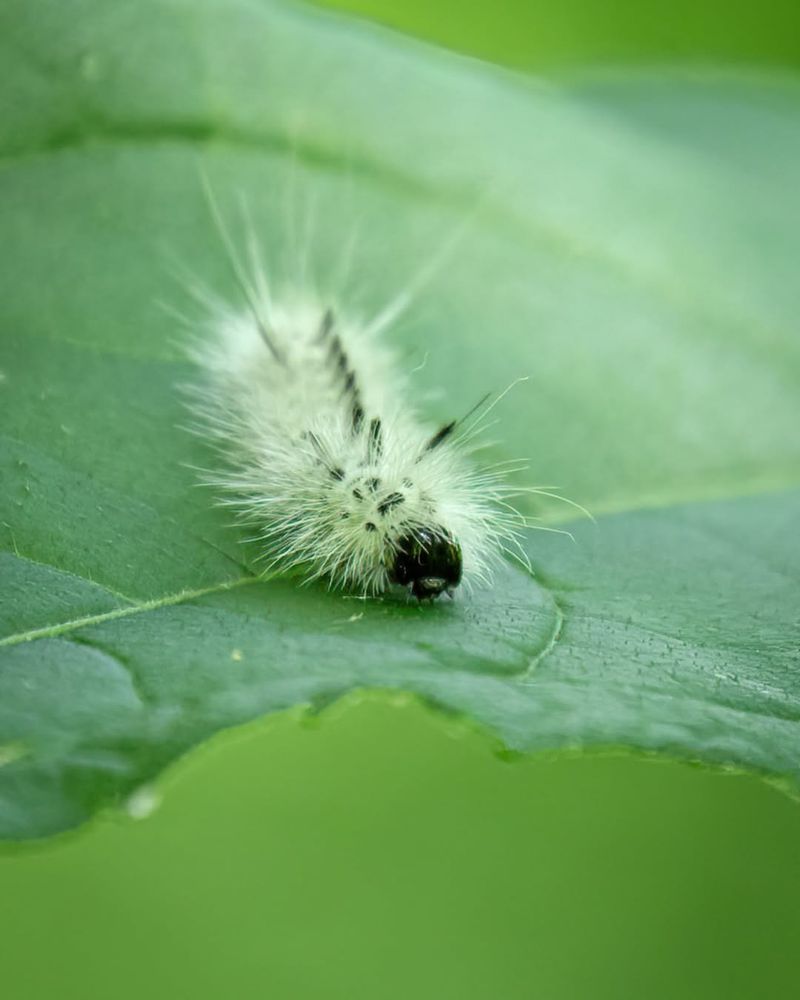
You might spot it resting on a leaf and think it looks like a tiny fluffy toy. The hickory tussock moth caterpillar is one of the most eye-catching insects you can find in Pennsylvania gardens.
Its bright white fuzzy body and bold black markings make it stand out against green leaves and tree bark. Many people are tempted to pick it up because it looks so unusual and harmless.
But its hairs can irritate the skin of sensitive people. The caterpillar belongs to the species Lophocampa caryae, and it goes through several stages before becoming a moth.
During its caterpillar stage, it grows those distinctive tufts of hair that serve as a defense against predators.
Those hairs are not just for show. They are hollow and can break off and stick into your skin if you make contact.
For most people, the result is mild irritation or a rash. The hairs can also transfer to your eyes or mouth if you touch your face after handling one.
Children are especially likely to pick up caterpillars out of curiosity, so it is worth teaching them to look but not touch.
The hickory tussock moth caterpillar is a native insect in Pennsylvania and across much of eastern North America. It is not rare or unusual to find one.
In fact, during late summer and early fall, populations can be quite noticeable on host trees in home landscapes. Recognizing this caterpillar quickly is the first step to keeping yourself and your family safe in the garden.
Why You Should Never Touch It
Reaching out to touch a fuzzy caterpillar feels natural, especially when it looks as striking as the hickory tussock moth caterpillar. However, that instinct is exactly what can lead to an itchy afternoon.
The hairs on this caterpillar are the main reason gardeners across Pennsylvania are being warned to keep their hands away.
The hairs can cause skin irritation, particularly for people who are more sensitive. The reaction is usually a red, itchy rash that appears where the hairs made contact.
Some people may also notice a mild burning sensation. The good news is that there are no known cases of systemic allergic reactions from the hairs of this specific caterpillar.
That said, the discomfort is real and worth avoiding. The hairs are designed to break off easily and embed in skin, which is what causes the irritation.
Even brushing lightly against the caterpillar can be enough to cause a reaction in sensitive individuals. Children and people with skin sensitivities should be especially careful.
The warning is not about fear or panic. It is simply about making a smart choice when you see one in the garden.
You do not need to be alarmed if you spot one on a tree or shrub in Pennsylvania. Just admire it from a safe distance.
If you have young children playing nearby, point it out and explain why they should not pick it up. A little awareness goes a long way toward avoiding unnecessary skin irritation during outdoor activities.
How To Recognize It In The Garden
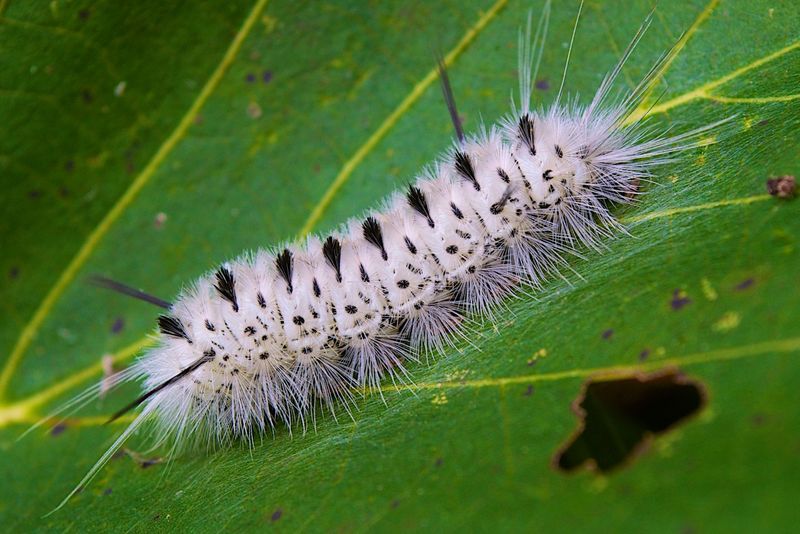
Knowing exactly what to look for makes all the difference when you are working in your Pennsylvania garden. The hickory tussock moth caterpillar has a very specific appearance that sets it apart from other fuzzy caterpillars you might come across.
Once you know the signs, you will recognize it right away.
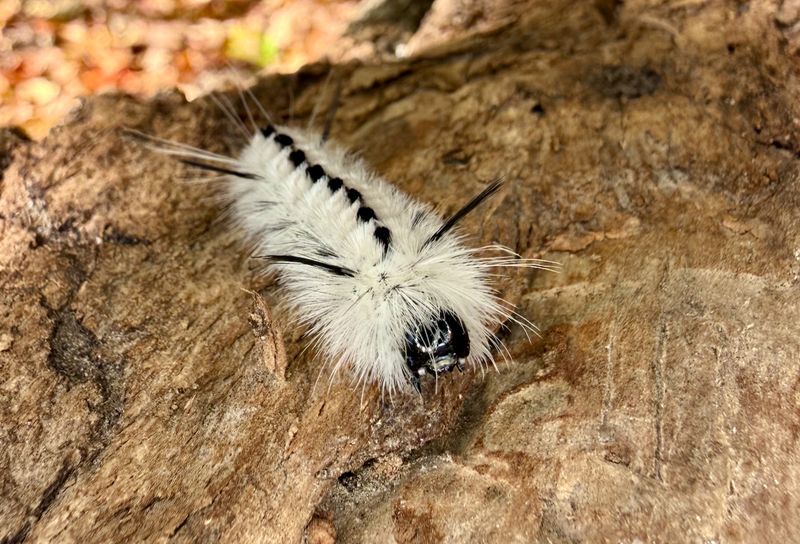
Start with the body color. This caterpillar is mostly white and covered in soft-looking fuzzy hair.
Running along its back are distinct black tufts that form two rows. These dark patches contrast sharply with the white fuzz and make the caterpillar look almost patterned.
Near the front and rear of the body, you will notice longer black hair pencils that stick out like antennae or tails.
The caterpillar grows to about one and a half inches long when fully mature. It moves slowly and is often found resting on the upper surface of leaves.
Sometimes you will spot several of them together on the same branch or leaf cluster, especially earlier in the season when they are younger and feeding in groups.
Look for it on hardwood trees and shrubs rather than in flower beds or vegetable gardens. It tends to stay on the leaves and branches of its host plants.
If you see a fuzzy white caterpillar with black markings anywhere in your Pennsylvania yard, do not touch it until you can confirm what it is. Take a photo from a safe distance and compare it to reference images online.
The combination of white fuzz and black tufts is the clearest identifier for this species.
Where Pennsylvanians May Spot It
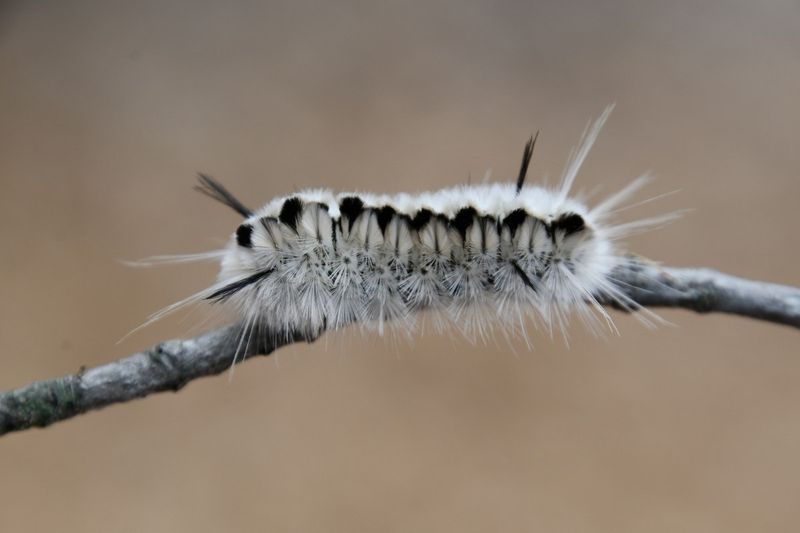
Spotting this caterpillar is more common than many Pennsylvania residents might expect. The hickory tussock moth caterpillar does not limit itself to wild forests.
It regularly shows up in home landscapes, backyards, and gardens, especially when certain host trees are growing nearby.
As its name suggests, hickory trees are a favorite food source. Walnut trees and their relatives are also common host plants.
Beyond those, the caterpillar has been found feeding on other hardwoods like oak, elm, and ash. If your Pennsylvania property has any of these trees, there is a reasonable chance you could encounter one during late summer or early fall.
Western Pennsylvania has seen reports of this caterpillar appearing in residential areas where wooded lots border neighborhoods.
The caterpillars feed on leaves high in the tree canopy but often drop down to lower branches or even the ground as they mature and search for places to form their cocoons. That is when they are most likely to be found at eye level or on garden paths.
It is also worth checking shrubs and lower-growing plants near large hardwood trees. The caterpillar can wander from its host tree and end up on nearby vegetation.
Gardeners in Pennsylvania who spend time pruning shrubs or raking leaves in the fall should keep an eye out. Finding one on a leaf you are about to pick up is easier than you might think.
Staying alert while working outdoors in your Pennsylvania yard is the best way to avoid an unexpected encounter with this fuzzy visitor.
What To Do If You Find One
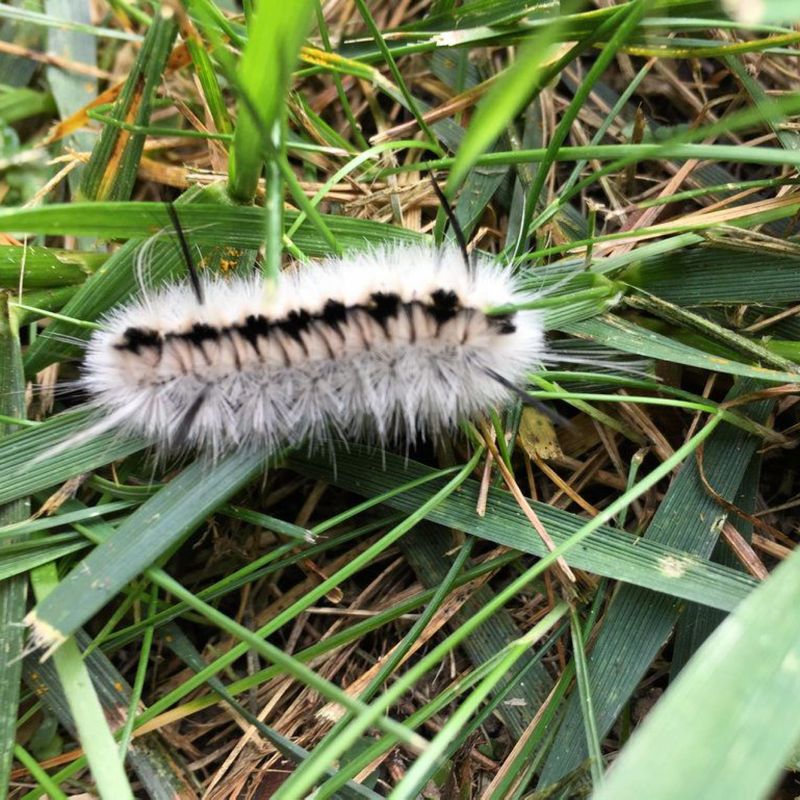
Coming across a hickory tussock moth caterpillar in your Pennsylvania garden does not have to be a stressful moment. The most important rule is simple: do not touch it with bare hands.
That single step will prevent most of the skin irritation problems that come from encountering this caterpillar.
If you need to move it for some reason, use thick gardening gloves or a stick to guide it gently without making skin contact. Keep children and pets away from the area while you handle the situation.
Kids are naturally curious about fuzzy insects, so a calm explanation about why they should look but not touch goes a long way.
Sometimes the best action is no action at all. If the caterpillar is on a tree branch or shrub and not in anyone’s way, simply leave it alone.
It will move on its own as it continues feeding and eventually forms a cocoon. There is no need to remove it unless it is in a high-traffic area where accidental contact is likely.
If skin contact does happen, public health guidance recommends washing the affected area gently with soap and water right away. Avoid rubbing the skin, as that can push the hairs in deeper.
Reactions can range from mild redness to more noticeable burning or swelling. Applying a cool compress can help reduce discomfort.
Over-the-counter anti-itch creams may also provide relief. If symptoms get worse or do not improve within a day or two, it is a good idea to check in with a healthcare provider. Most reactions are mild and manageable at home.
Why This Caterpillar Still Belongs In Nature
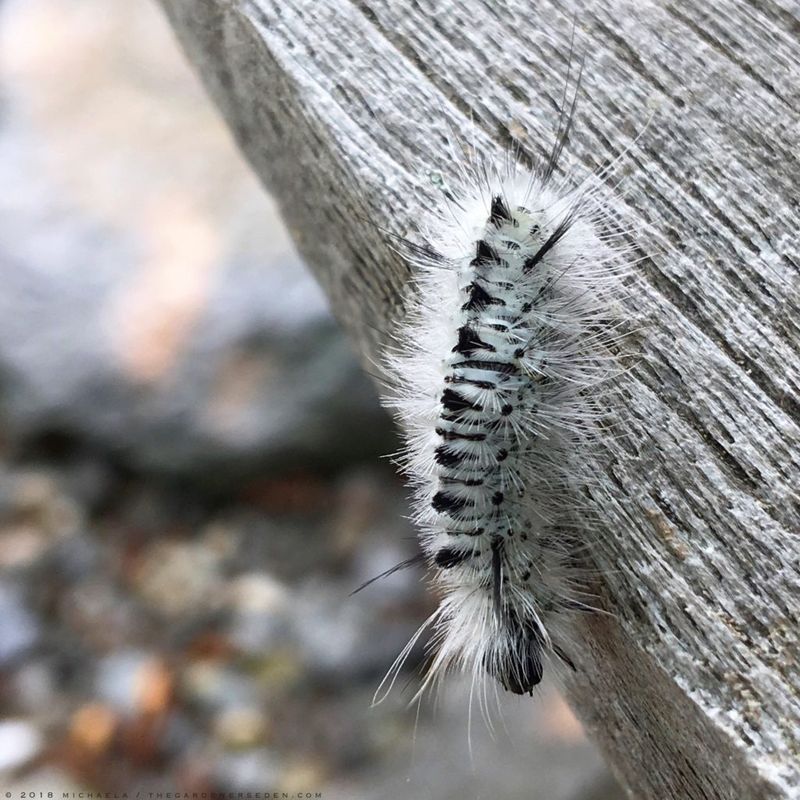
Not every unfamiliar insect needs to be removed or feared. The hickory tussock moth caterpillar is a native species in Pennsylvania and across much of the eastern United States, meaning it has been part of the local ecosystem for a very long time.
It is native and typically found in small numbers that do not cause widespread damage to trees.
Removing every caterpillar you see would actually be harmful to the local food web. Birds, parasitic wasps, and other insects rely on caterpillars like this one as a food source.
Disrupting that balance can have effects that ripple through your entire yard and beyond. Native insects play an important role in keeping local ecosystems healthy and functioning.
The goal when you spot one in your Pennsylvania garden is not to destroy it. The goal is simply to recognize it and keep a safe distance.
Appreciating it from afar is completely fine. You can even take a photo to share with neighbors or local nature groups so others know what to watch for in their own yards.
Pennsylvania is home to a rich variety of native insects, and the hickory tussock moth caterpillar is just one of them. Understanding which insects to avoid touching and which ones to leave alone is part of being a thoughtful and responsible gardener.
Letting this caterpillar go about its business without interference is the right call. It will eventually become a moth, complete its life cycle, and contribute to the natural world right in your own backyard.