If You See This Weird Bug In Pennsylvania, Don’t Touch It
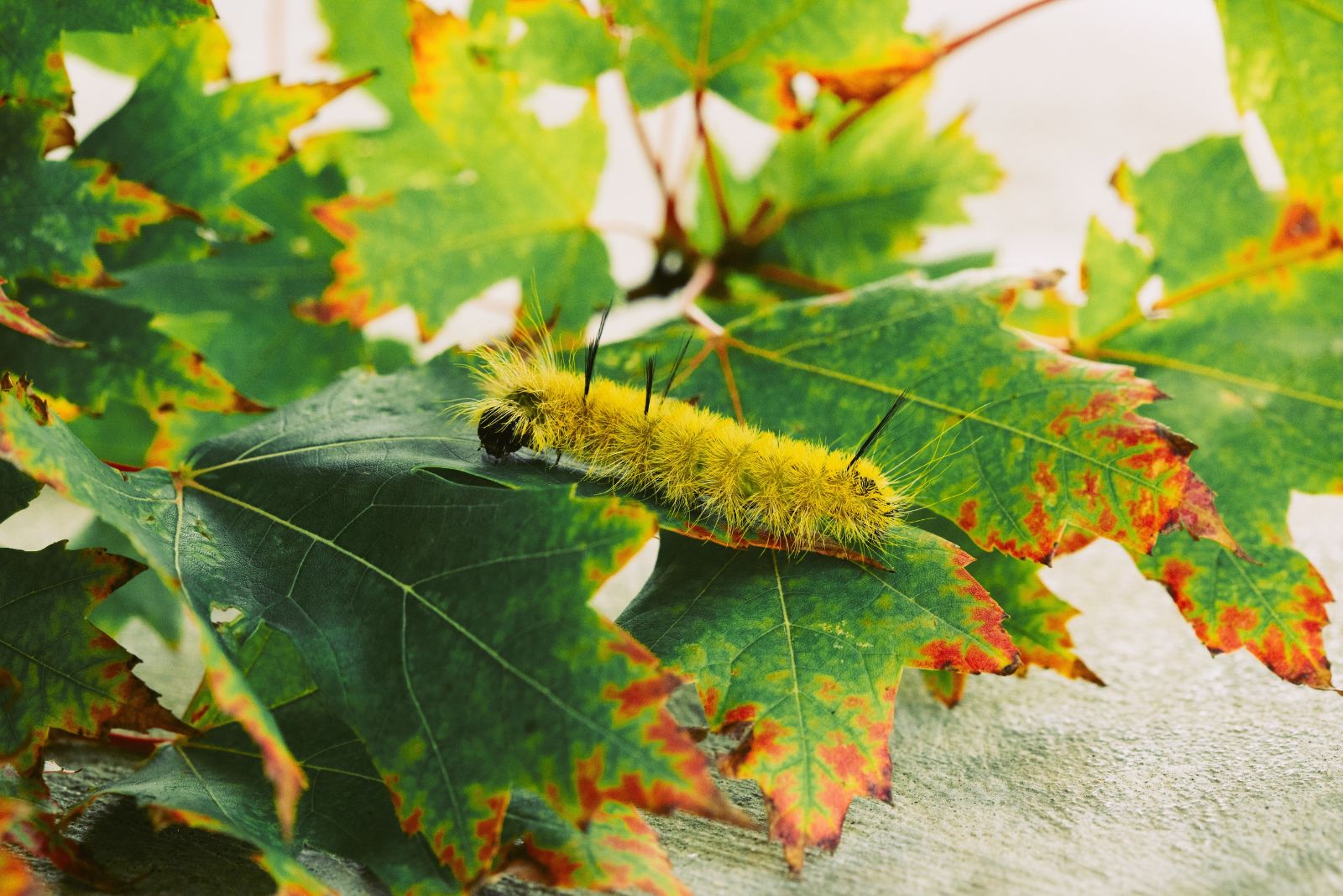
Some bugs look so odd that curiosity kicks in before caution does. In Pennsylvania, one fuzzy little creature has a way of standing out the moment you spot it on a leaf, branch, or garden plant.
It does not look especially threatening at first. In fact, it can seem almost harmless, which is exactly why people get too close.
When something appears soft and unusual instead of sharp or scary, the instinct is often to inspect it, point it out, or even touch it. That is where the trouble starts.
This strange visitor is the American dagger moth caterpillar, and despite its small size, it is not something you want on your skin. Its long hairs can trigger irritation and leave behind an uncomfortable reaction that quickly turns a simple moment outside into a bad memory.
In a Pennsylvania yard or garden, it can show up when you are trimming plants, pulling weeds, or checking leaves up close.
Knowing what it looks like before that happens can save you a lot of regret. Some bugs are best admired from a distance, and this is definitely one of them.
1. How To Identify The American Dagger Moth Caterpillar
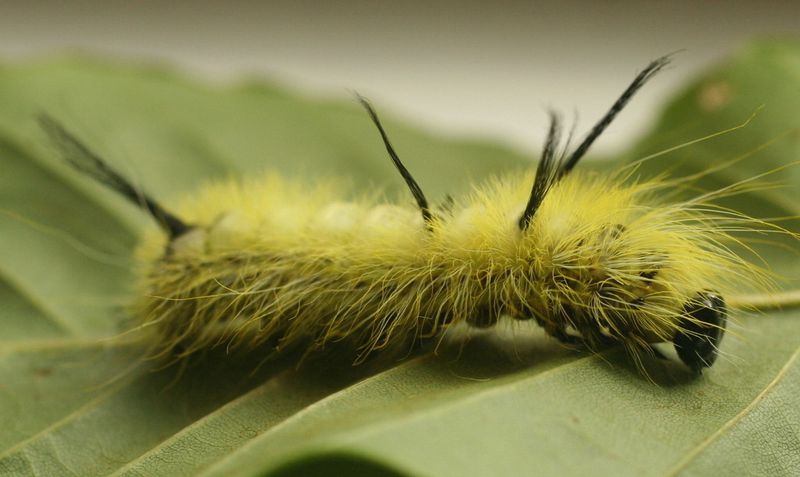
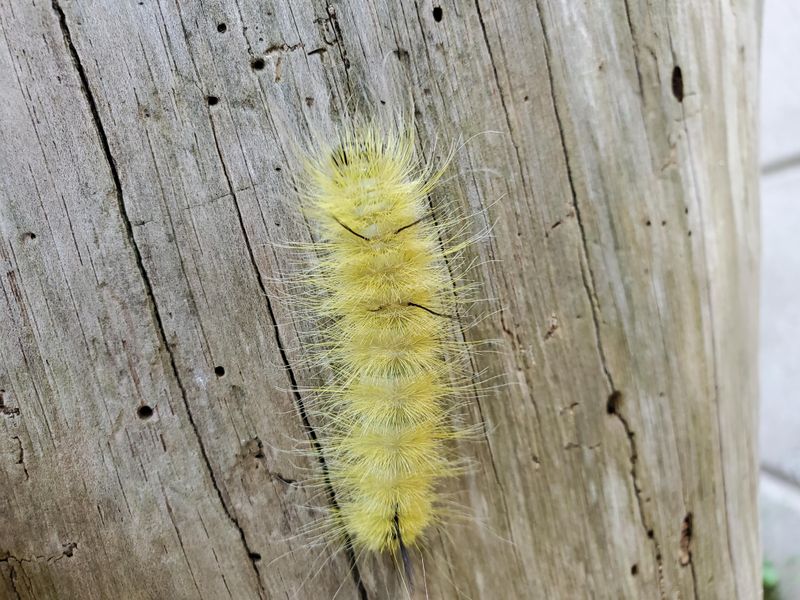
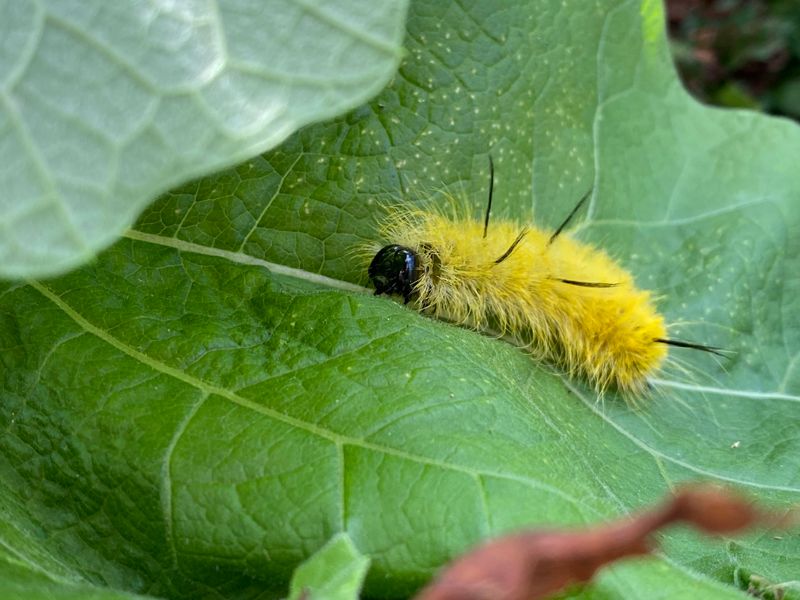
Bright yellow and covered in thick, fluffy hairs, the American Dagger Moth Caterpillar is one of the most eye-catching bugs you can find in Pennsylvania. At first glance, it almost looks like a tiny, cheerful pompom crawling across a leaf.
That soft, fuzzy appearance is exactly what makes people want to reach out and touch it, but that would be a mistake.
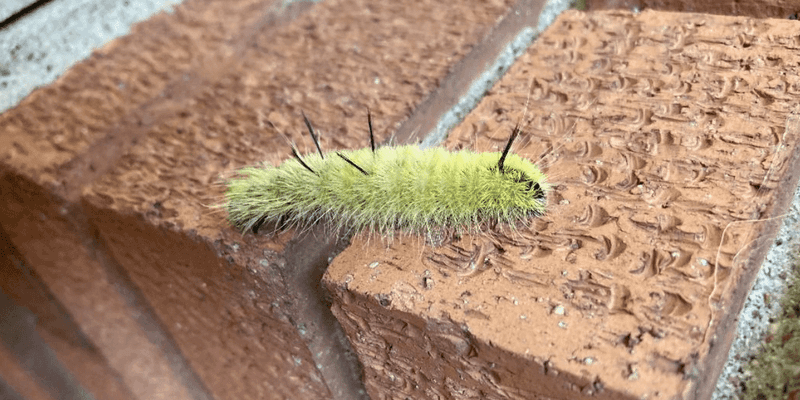
The caterpillar’s body is yellow to creamy white, and it can grow up to about two inches long. What really sets it apart are the long, thin black tufts of hair called pencils.
These pencils stick out near the front, middle, and back of the body, almost like little antennae pointing in different directions. No other common caterpillar in Pennsylvania looks quite like this.
Many people mistake it for a harmless garden bug because of its almost playful look. Kids especially find it interesting, which is why parents in Pennsylvania should know how to recognize it.
The yellow fuzz combined with those dramatic black hair spikes makes identification pretty straightforward once you know what to look for. Spotting it early means you can steer clear before anyone accidentally makes contact.
Fun fact: this caterpillar eventually becomes the American Dagger Moth, a brownish-gray moth with dark markings on its wings. The adult moth is far less noticeable than its younger form.
So if you see something fuzzy and yellow with bold black tufts on a tree or shrub in Pennsylvania, you are almost certainly looking at this caterpillar. Take a photo from a safe distance and admire it without touching.
2. Why You Shouldn’t Touch It
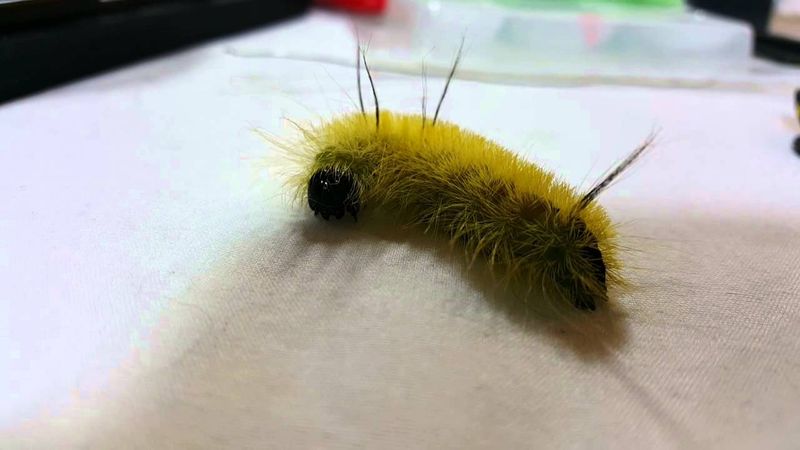
Go ahead and look, but keep your hands to yourself. The American Dagger Moth Caterpillar might look soft and cuddly, but those fuzzy hairs are actually a natural defense system.
When they make contact with skin, they can break off and cause a surprisingly uncomfortable reaction for many people in Pennsylvania.
The hairs, sometimes called urticating hairs, can trigger itching, redness, a burning or stinging feeling, and even a raised rash. Not everyone reacts the same way.
Some people barely notice anything, while others end up with a pretty irritating skin reaction that can last for hours or even a couple of days. The reaction depends on your skin sensitivity and how much contact you had with the caterpillar.
Children tend to have more sensitive skin, which means their reactions can be more noticeable than those in adults. Pets can also be affected if they sniff or paw at the caterpillar out of curiosity.
This is especially worth keeping in mind if you have a dog that likes to investigate everything in the yard.
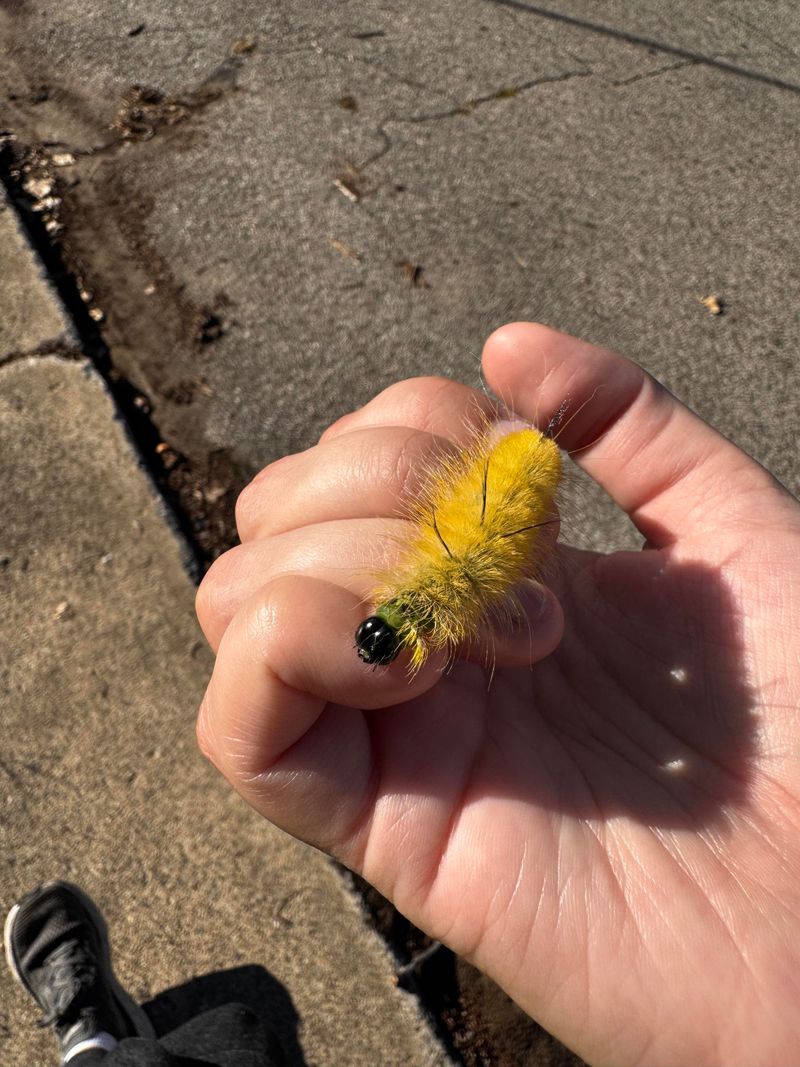
The bottom line is simple: direct handling of this caterpillar is never a good idea. Even picking it up with just one finger can transfer enough hairs to cause irritation.
Pennsylvania residents who spend time outdoors, whether hiking, gardening, or just playing in the backyard, should know this risk. Admiring the caterpillar from a safe distance is the smartest move.
The bug is interesting to look at, but the discomfort it can cause is definitely not worth a closer inspection with your bare hands.
3. Where Pennsylvanians Are Most Likely To Spot It
You are not going to find this caterpillar hanging out on your rose bushes or tomato plants. The American Dagger Moth Caterpillar prefers trees and shrubs, and Pennsylvania has plenty of them.
Wooded areas, backyards with large trees, parks, and forest trails are all prime spots where this fuzzy bug likes to hang out.
Some of its favorite host plants include maple, oak, elm, birch, willow, hickory, ash, walnut, and poplar trees. These trees are incredibly common across Pennsylvania, which means the caterpillar has no shortage of places to live and feed.
If your yard has any of these trees, there is a real chance you could come across one at some point, especially during late summer and early fall when the caterpillar is most active.
They tend to rest on leaves or crawl along branches and tree bark. Sometimes they drop from trees onto the ground below, which is how unsuspecting people end up nearly stepping on them or accidentally picking them up.
Children playing under large trees in Pennsylvania should be reminded to watch where they sit or place their hands.
State parks and hiking trails throughout Pennsylvania, from the Pocono Mountains to the forests of central and western parts of the state, are also common spots.
Birdwatchers and hikers who spend a lot of time near wooded areas are more likely to encounter this caterpillar than someone in a city apartment.
Knowing which trees attract it helps you stay alert and avoid an unpleasant surprise during your next outdoor adventure in the Keystone State.
4. Is It Dangerous To Your Garden Or Just Strange-Looking?
Spotting a fuzzy yellow caterpillar on your favorite tree might send a wave of panic through any Pennsylvania gardener. But before you start worrying about your entire yard being destroyed, take a breath.
The American Dagger Moth Caterpillar feeds on leaves, but a single caterpillar or even a small group of them is rarely enough to cause serious damage to a healthy tree.
These caterpillars are leaf feeders, meaning they chew through foliage as they grow. In large numbers, they could potentially cause some noticeable leaf loss on smaller trees or younger plants.
However, most healthy, established trees in Pennsylvania can handle a moderate amount of leaf feeding without suffering any long-term effects. The tree will generally bounce back just fine once the caterpillar moves on.
Where the real concern lies is not with your garden but with the people and pets in it. The caterpillar poses far more of a physical discomfort risk to humans and animals than it does a landscape emergency.
Most Pennsylvania homeowners who encounter one or two of these caterpillars in their yard will not see any significant plant damage worth stressing over.
Think of it this way: the caterpillar is more of a personal caution issue than a full-blown garden crisis. Unless you notice a very large infestation on a small or already stressed tree, the best approach is to leave the caterpillar alone and let nature do its thing.
If you are genuinely concerned about tree health, a local Pennsylvania extension office or certified arborist can assess the situation and offer solid guidance tailored to your specific yard.
5. What To Do If You Find One In Your Yard
Finding one of these fuzzy yellow caterpillars in your Pennsylvania yard might feel alarming at first, but there is no need to panic. The most important rule is straightforward: do not touch it with your bare hands.
Even a brief moment of contact can be enough to transfer those irritating hairs to your skin.
If the caterpillar is in a spot where it is not bothering anyone and is not in a high-traffic area, the easiest option is simply to leave it alone. It will eventually move on or complete its life cycle without causing any major issues.
Nature has a way of handling things, and sometimes the best action is no action at all.
If you do need to move it, for example if it has landed on a piece of outdoor furniture, a child’s toy, or a spot where kids or pets frequently play, use thick gloves or a garden tool to gently relocate it to a nearby shrub or tree.
Never use your bare fingers, even if you think you will be careful. The hairs can transfer even with the lightest touch.
Keep children and pets away from the area until the caterpillar is gone. Kids are naturally curious and may not understand why they should not pick it up, so a simple and calm explanation goes a long way.
You can also take this as a fun teaching moment about Pennsylvania wildlife and the importance of respecting bugs from a safe distance. Knowing how to handle the situation calmly makes the whole experience much less stressful for everyone involved.
6. What Happens If You Touch It And What To Do Next
Accidents happen, especially with curious kids around. If someone in your Pennsylvania household touches an American Dagger Moth Caterpillar, do not panic.
The reaction is uncomfortable but manageable in most cases, and there are clear steps you can take right away to reduce the irritation.
Start by washing the affected area gently with soap and water. This helps remove any loose hairs that may still be on the skin.
Scrubbing too hard can actually push the hairs deeper into the skin, so keep it gentle. Pat the area dry with a clean towel after washing.
If you can see hairs still stuck in the skin, try using tape to lift them off carefully. Press a piece of tape over the area and peel it back slowly.
This technique can help remove the tiny hairs without spreading them further. Avoid scratching the area, even if it itches, because scratching can make the irritation worse and may cause the hairs to break apart and spread.
After cleaning up, keep an eye on the reaction. Mild redness, itching, and a stinging sensation are common and usually fade within a few hours to a day or two.
Applying a cold pack or an over-the-counter hydrocortisone cream can help ease the discomfort in the meantime.
If the reaction seems to be spreading, getting worse rather than better, or if the person is having any trouble breathing or swelling beyond the contact area, seek medical attention right away. While severe reactions are not common, they can happen.
Pennsylvania urgent care clinics and medical professionals are familiar with insect-related skin reactions and can help quickly if needed.