If You See Tiny Holes In Your Leaves This North Carolina Pest May Be The Cause
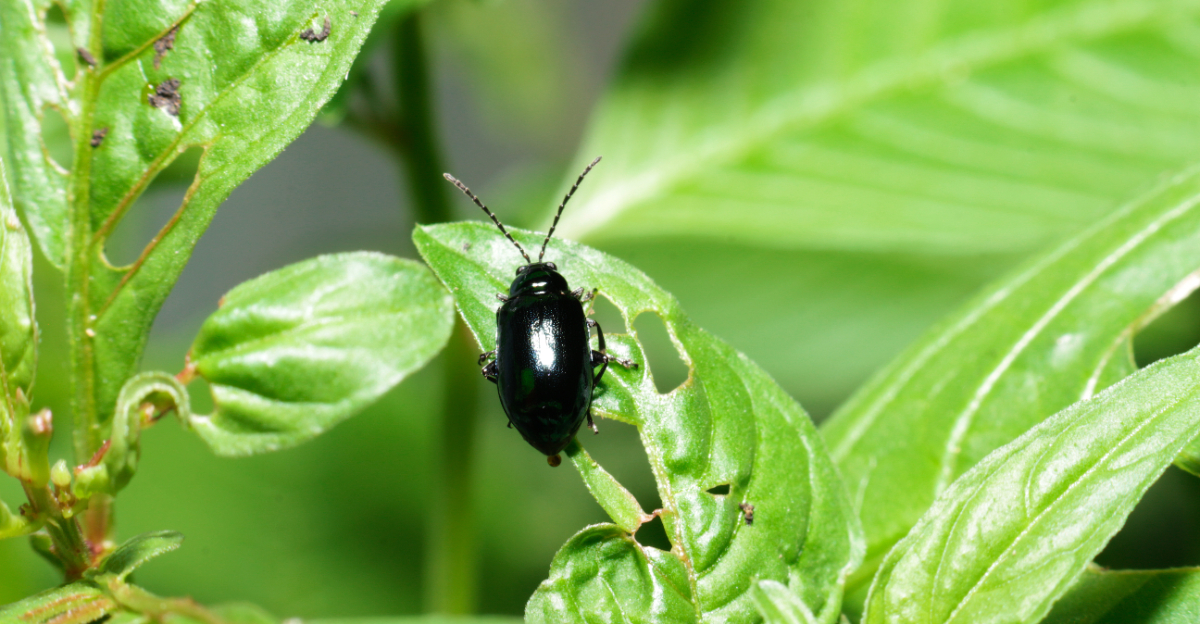
Have you spotted tiny, perfectly round holes popping up on your plant leaves as if someone used a miniature hole punch overnight? That kind of damage often points to one sneaky culprit that many North Carolina gardeners know all too well.
Flea beetles may be tiny, but they can turn healthy plants into riddled leaves fast, especially once warm weather kicks in.
These quick jumping pests love tender new growth and can quietly spread across your garden before you even realize what is happening.
Left unchecked, they can slow plant growth, weaken seedlings, and ruin the look of vegetables and ornamentals alike. The good news is you do not have to let them take over.
Once you understand how flea beetles behave and what attracts them, you can stop the damage early and protect your garden all season long.
Flea Beetles Create Distinctive Shot-Hole Damage In Leaves
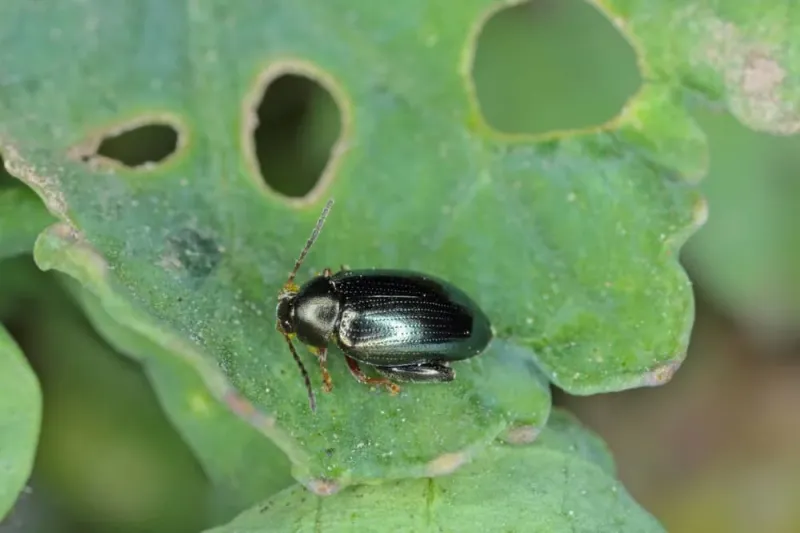
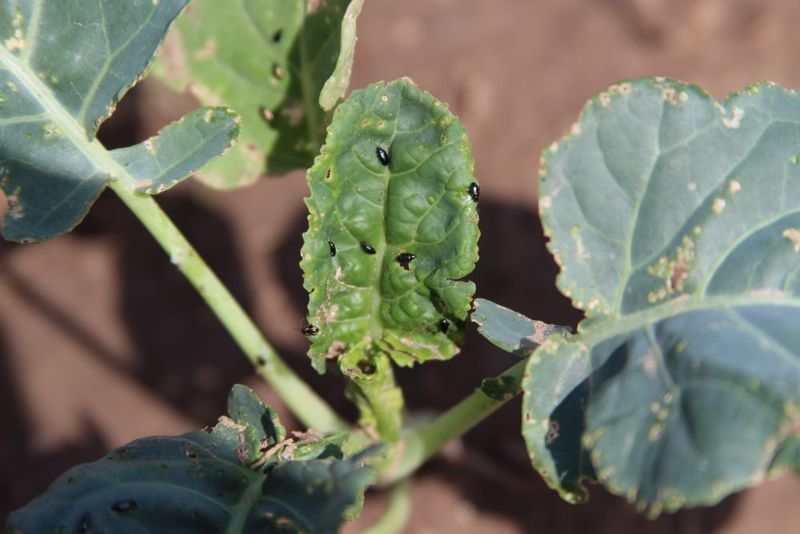
Walking through your garden, you might spot leaves that look like they’ve been peppered with tiny perforations. This distinctive pattern is the calling card of flea beetles.
These insects use their chewing mouthparts to remove small circular sections of leaf tissue, creating holes that typically measure between one-sixteenth and one-eighth inch across.
The damage appears scattered rather than clustered, giving affected plants a distinctive appearance.
The feeding pattern differs from other common garden pests. Caterpillars tend to eat leaf edges or create larger irregular holes. Slugs leave behind ragged damage with slime trails.
Flea beetles, however, create clean, round perforations that penetrate completely through the leaf surface. The holes often appear in greater numbers on younger, more tender foliage where the beetles prefer to feed.
This type of damage becomes most noticeable during active feeding periods. Multiple beetles feeding on the same plant can create hundreds of tiny holes across several leaves.
While a few holes might seem harmless, extensive feeding reduces the leaf area available for photosynthesis. This reduction impacts the plant’s ability to produce energy and grow properly.
Recognizing this shot-hole pattern early allows gardeners to identify the problem quickly. Once you know what to look for, distinguishing flea beetle damage from other pest issues becomes straightforward.
The distinctive appearance serves as an early warning system for beetle activity in your garden.
Many Vegetable Crops Attract These Hungry Beetles
Flea beetles show strong preferences for certain plant families, making some crops more vulnerable than others.
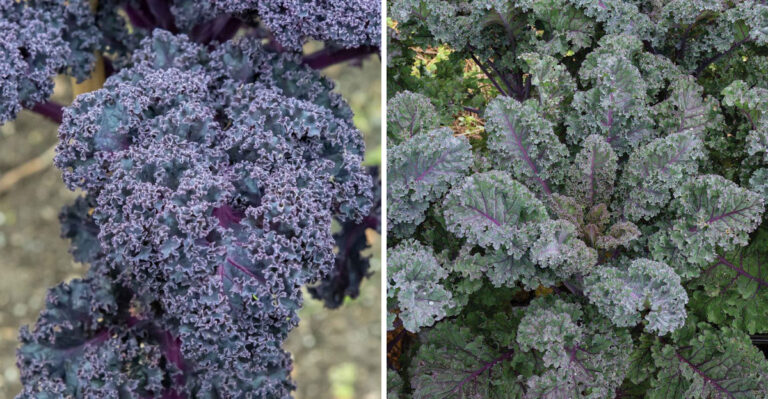
Brassicas top their favorite foods list, including cabbage, broccoli, kale, collards, radishes, and turnips. These cool-season vegetables often bear the brunt of early spring beetle activity.
Gardeners growing cruciferous crops need to stay particularly vigilant during planting season.
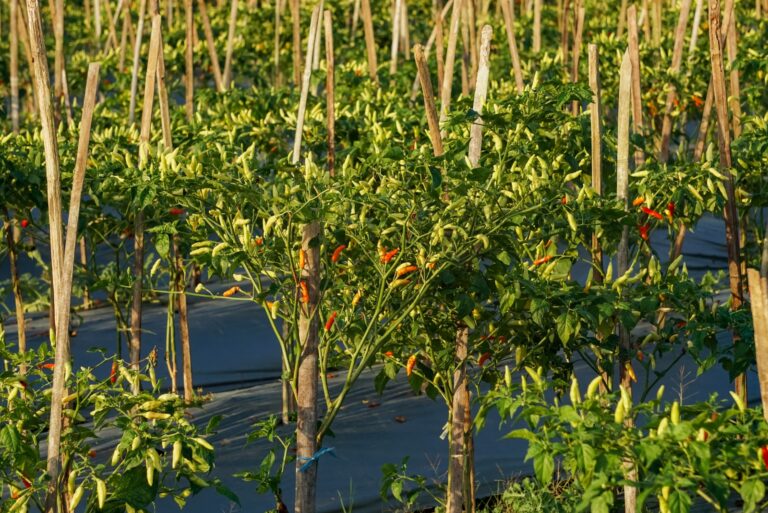
Nightshade family members also attract significant beetle attention. Eggplants, tomatoes, potatoes, and peppers all serve as host plants for various flea beetle species. Young eggplant transplants seem especially appealing to these pests.
The tender leaves of newly planted nightshades provide an irresistible food source for hungry beetles emerging from winter dormancy.
Beyond vegetables, certain ornamental plants and weeds also host flea beetle populations. Some species feed on flowers like petunias and marigolds. Others prefer weedy plants in the same families as cultivated crops.
This diversity of host plants means beetles can survive even when preferred vegetables aren’t available. They simply move to alternative food sources nearby.
Understanding which crops face the highest risk helps with garden planning. Rotating susceptible vegetables to different locations each year can reduce pest pressure. Interplanting less attractive crops among vulnerable ones sometimes confuses beetles.
Knowing your enemy’s preferences gives you a strategic advantage in protecting your harvest throughout the growing season.
Young Plants Face The Greatest Risk From Feeding
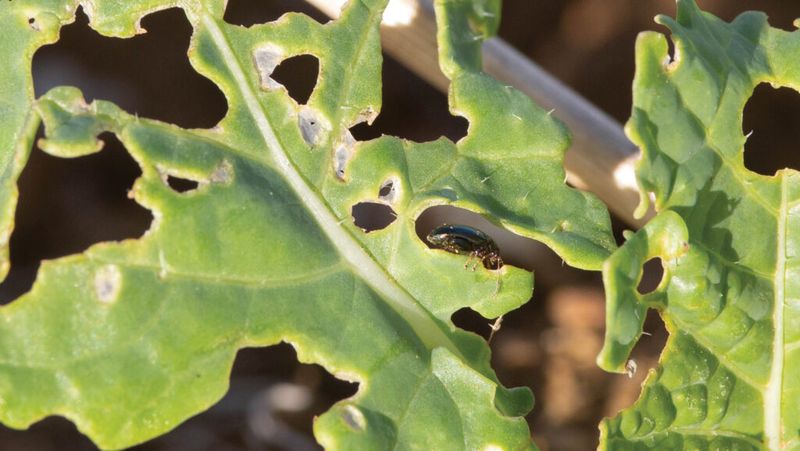
Seedlings and recently transplanted crops sit in the danger zone when flea beetles become active. These young plants have limited leaf area to begin with, so even modest feeding damage represents a significant loss.
A mature plant might shrug off dozens of holes across its foliage. A seedling with only four or six leaves cannot afford the same tissue loss without consequences.
Early growth stages determine how well plants establish themselves in the garden. Strong initial development leads to vigorous, productive plants later in the season. When flea beetles attack during this critical window, they slow growth rates considerably.
Damaged seedlings struggle to photosynthesize efficiently, which delays their development. Some heavily damaged transplants never fully recover their vigor.
The timing of beetle emergence compounds this vulnerability. Adults typically become active just as gardeners plant spring crops. This unfortunate synchronization means hungry beetles encounter tender young plants at their most defenseless stage.
The beetles didn’t plan this timing, but evolution favored those that emerged when fresh food became available.
Protecting plants during their first few weeks after planting pays significant dividends. Once vegetables develop more extensive foliage, they tolerate beetle feeding much better.
The goal isn’t necessarily eliminating all beetles but rather shielding crops through their vulnerable establishment period.
After plants mature beyond this critical stage, the same level of damage causes far less concern.
These Tiny Beetles Jump Like Fleas When Approached
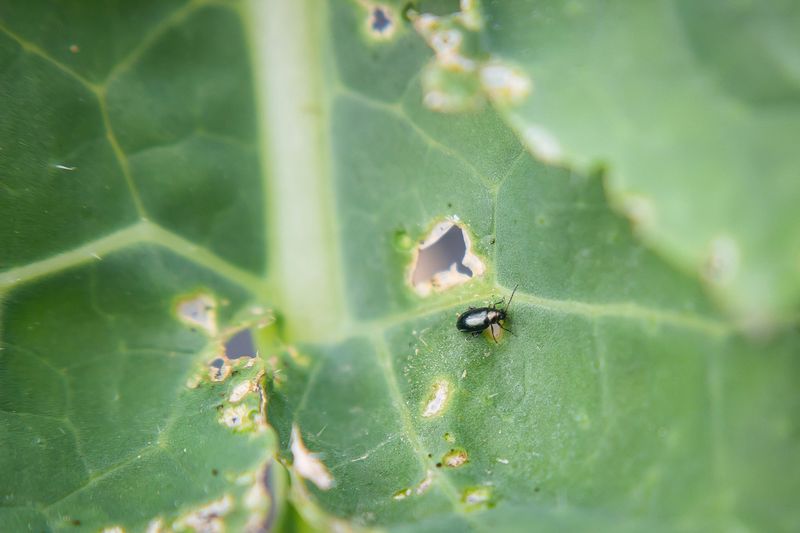
Flea beetles earned their common name through behavior rather than biological relationship to actual fleas.
When you approach an infested plant or brush against the foliage, the beetles spring away with remarkable speed. This jumping ability makes them instantly recognizable compared to other small garden beetles.
The sudden movement catches your eye even when the beetles themselves measure only one-sixteenth to one-eighth inch long.
Enlarged hind legs provide the power behind these impressive leaps. The femur, or upper leg segment, appears noticeably thicker than the other legs. Strong muscles within this segment contract rapidly, propelling the beetle several inches through the air.
This escape mechanism helps them avoid predators and frustrated gardeners alike. Trying to catch flea beetles by hand proves nearly impossible because of their acrobatic abilities.
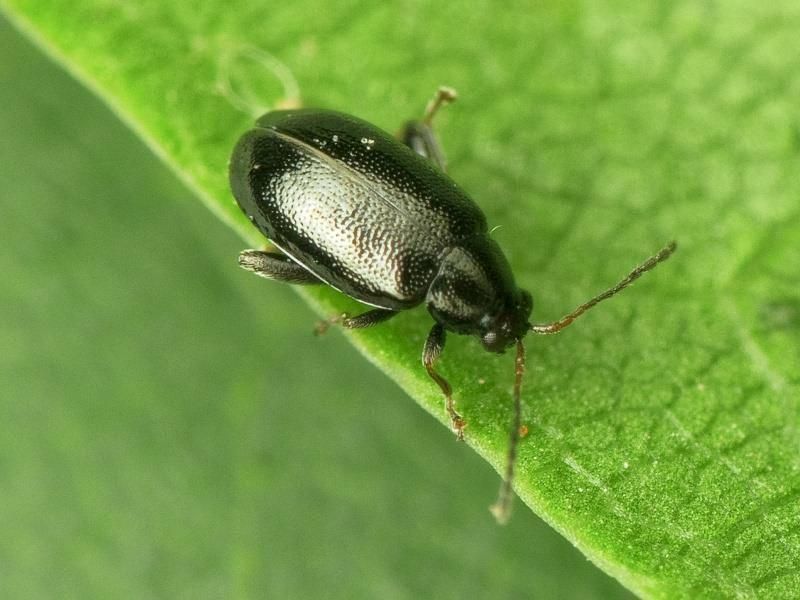
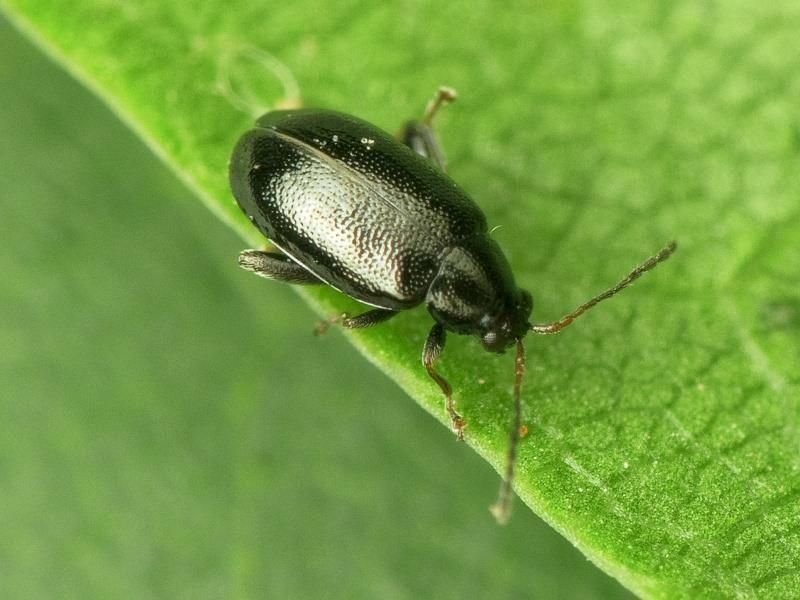
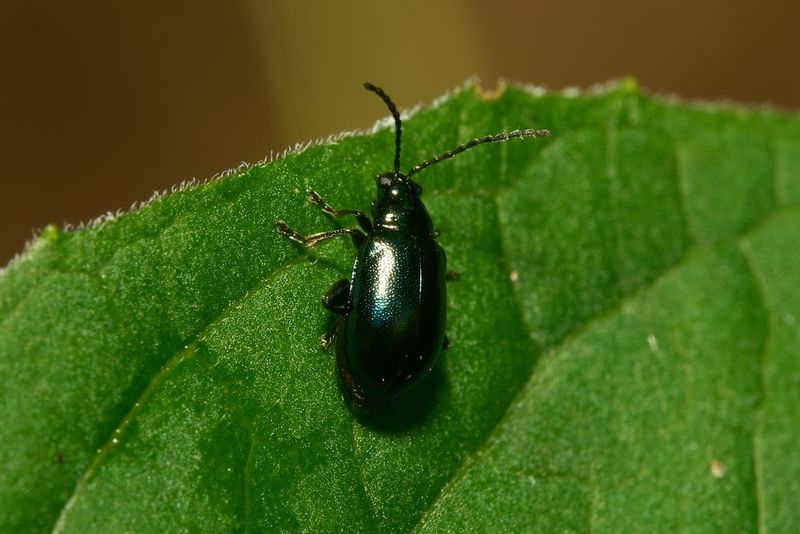
Most species display dark coloring, ranging from shiny black to metallic blue-green or bronze. Some varieties show striped patterns on their wing covers. Their small size and quick movements make detailed observation challenging without magnification.
A hand lens reveals their compact, oval-shaped bodies and the characteristic enlarged rear legs that distinguish them from similar-sized beetles.
Identifying flea beetles becomes easier when you know what to watch for. Look for tiny beetles on plant foliage that jump away when disturbed. The combination of small size, dark coloring, and jumping behavior provides a reliable identification trio.
Once you’ve seen them in action, you’ll recognize flea beetles immediately in future encounters.
Warm Spring Weather Triggers Increased Beetle Activity
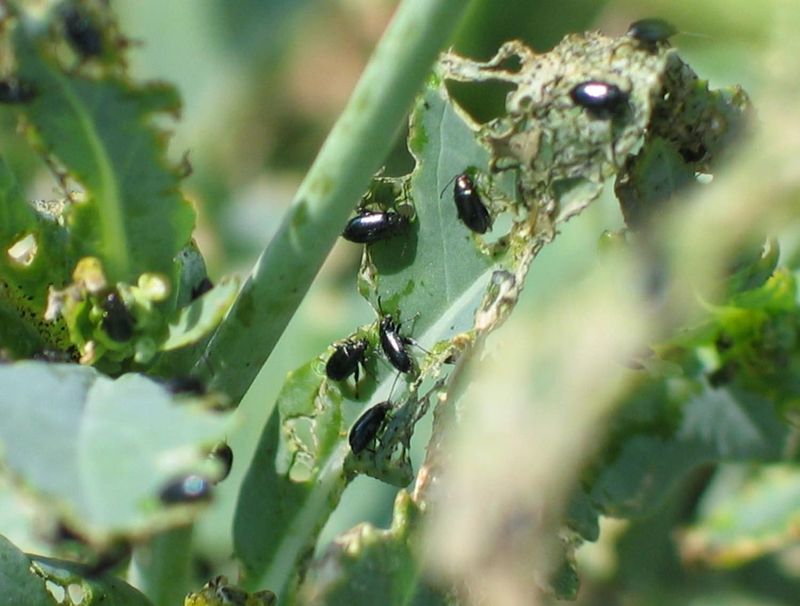
Temperature plays a crucial role in flea beetle behavior and activity levels. As North Carolina transitions from winter to spring, warming soil temperatures signal overwintered adults that conditions favor emergence.
This typically occurs when daytime temperatures consistently reach the 50s and 60s Fahrenheit. The exact timing varies by location within the state, with coastal areas warming earlier than mountain regions.
Peak activity usually coincides with the main spring planting season. This unfortunate overlap means beetles and vulnerable young plants arrive in gardens simultaneously. Warm, sunny days bring out the most beetle activity.
They feed actively during daylight hours, creating fresh damage on foliage throughout the day. Cooler, cloudy weather temporarily reduces their feeding intensity but doesn’t stop it entirely.
Multiple generations develop during North Carolina’s long growing season. The first generation emerges from overwintering sites in spring. These adults feed, mate, and lay eggs.
Their offspring develop through summer, potentially producing additional generations before fall. This reproductive cycle means beetle populations can build throughout the season if conditions remain favorable.
Understanding seasonal patterns helps with timing protective measures. Knowing when beetles typically emerge in your area allows you to prepare defenses before plants face attack. Monitoring weather patterns provides clues about upcoming beetle activity.
Several consecutive warm days often precede noticeable increases in beetle populations. Staying alert during these critical windows helps you respond promptly to emerging threats.
Adults Survive Winter Hidden In Garden Debris
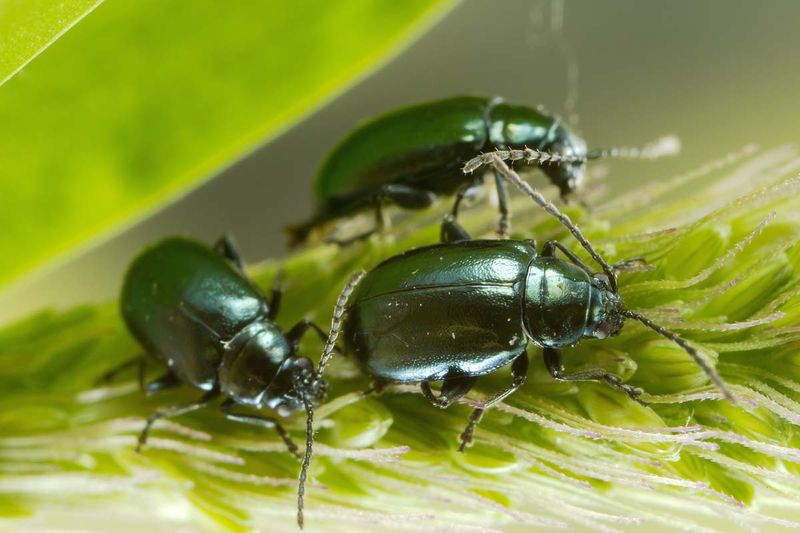
Flea beetles demonstrate remarkable survival abilities during North Carolina’s winter months. Rather than migrating or perishing with the first frost, adult beetles seek protected locations where they enter a dormant state.
This overwintering strategy allows them to survive cold temperatures and emerge ready to feed when spring arrives. Their chosen hiding spots often exist right in your garden.
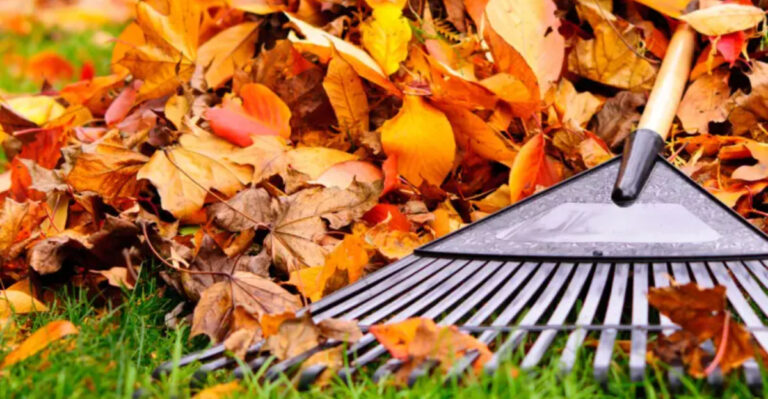
Common overwintering sites include leaf litter, plant debris, mulch layers, and the top few inches of soil. Beetles crawl into these protected spaces as temperatures drop in fall. The insulating properties of organic matter shield them from extreme cold.
Even areas that seem exposed can harbor surprising numbers of dormant beetles. Woodpiles, compost bins, and weedy border areas also provide suitable winter shelter.
This survival strategy has important implications for garden management. Beetles that successfully overwinter in your garden will emerge in spring right where your plants grow. The proximity means they discover tender seedlings immediately upon becoming active.
A garden that harbored significant beetle populations the previous year often faces heavier pressure the following spring.
Understanding overwintering behavior informs fall garden cleanup practices. Removing plant debris and tilling soil in fall can reduce the number of protected sites available to beetles.
However, complete elimination proves impractical since beetles also survive in surrounding areas beyond garden boundaries.
Reducing local populations through sanitation helps but won’t provide total protection. Combining habitat management with other strategies offers the most effective approach.
Row Covers Provide Physical Protection For Seedlings
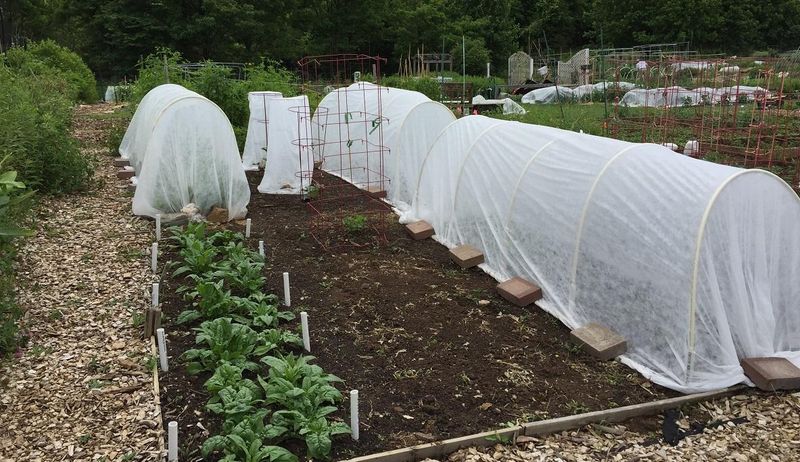
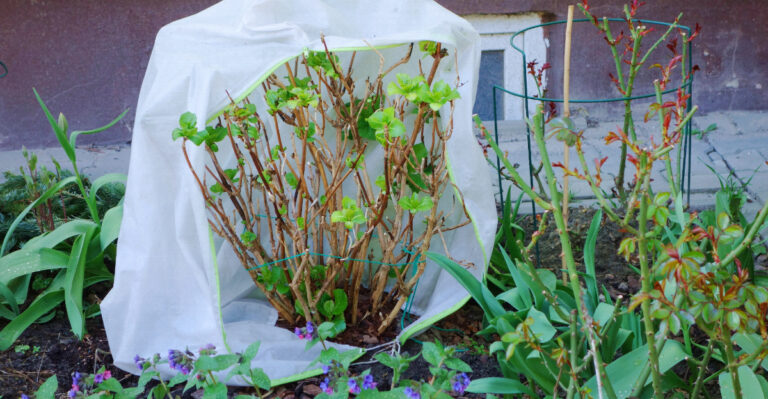
Physical barriers offer one of the most reliable protection methods against flea beetles. Lightweight floating row covers create a protective shield between beetles and vulnerable plants.
These fabric covers rest directly on plants or over wire hoops, creating a microclimate underneath.
The material allows sunlight, air, and water to pass through while excluding insects. This approach works particularly well during the critical establishment period for young plants.
Installing row covers immediately after planting provides maximum benefit. Place them over seedlings or transplants before beetles discover the new food source. Secure the edges with soil, boards, or landscape staples to prevent beetles from crawling underneath.
The goal is creating a sealed environment that keeps pests outside. Even small gaps can allow determined beetles to access plants, so thorough edge sealing matters.
Timing the removal of row covers requires some judgment. For crops that don’t require pollination, covers can remain in place throughout the growing season. Leafy vegetables like lettuce and cabbage fall into this category.
For fruiting crops that need pollinator access, remove covers once plants grow large enough to tolerate some damage. This typically occurs after plants develop substantial foliage and begin flowering.
Row covers do require some investment and maintenance. The fabric needs cleaning and proper storage between uses to extend its lifespan. Despite these minor inconveniences, many gardeners consider row covers essential tools.
The protection they provide during vulnerable growth stages often means the difference between thriving plants and struggling seedlings. This method works without chemicals and provides consistent results year after year.
Established Plants Withstand Moderate Feeding Pressure
Plant maturity significantly influences how well vegetables tolerate flea beetle feeding. Once crops develop extensive root systems and abundant foliage, they can compensate for tissue loss much more effectively.
A mature tomato plant with dozens of leaves barely notices a few hundred tiny holes. The remaining leaf area provides more than enough photosynthetic capacity to support continued growth and fruit production.
This tolerance develops gradually as plants establish themselves. During the first two to three weeks after planting, even light damage can cause problems.
By four to six weeks, depending on the crop and growing conditions, plants reach a stage where similar damage causes minimal concern.
The expanded root system efficiently delivers water and nutrients. The increased leaf area captures plenty of sunlight despite some perforations.
Understanding this progression helps gardeners maintain perspective about beetle damage. Not every hole requires immediate intervention. Learning to assess whether damage levels threaten plant health or merely look unsightly takes experience.
Many gardeners initially overreact to cosmetic damage that doesn’t actually harm plant productivity. Mature plants often continue producing excellent yields despite leaves that show obvious beetle feeding.
This knowledge also guides treatment decisions. Aggressive management makes sense for seedlings and young transplants. The same level of concern isn’t necessary for established plants.
Resources spent protecting mature crops might be better directed toward shielding new plantings. Focusing protection efforts where they matter most leads to better overall garden health.
Sometimes accepting minor damage on strong plants represents the most practical approach.
Garden Sanitation Reduces Overwintering Beetle Numbers
Fall cleanup practices directly impact next spring’s beetle populations. Removing spent plant material eliminates potential overwintering sites for adult beetles. This includes pulling up finished vegetable plants, clearing fallen leaves, and removing weedy growth.
The less organic debris available, the fewer protected spaces beetles find for winter shelter. This connection between fall cleanup and spring pest pressure motivates many gardeners to maintain tidy gardens.
Timing this cleanup appropriately balances pest management with other garden considerations.
Waiting until after hard frosts ensures vegetables finish producing. However, completing cleanup before winter sets in removes beetle habitat before they settle in for dormancy.
Some gardeners compromise by removing only diseased or pest-infested material in fall while leaving some organic matter for soil health benefits.
Composting removed material requires some thought regarding pest management. Hot composting that reaches temperatures above 140 degrees Fahrenheit will eliminate beetles and other pests.
Cold compost piles may allow beetles to survive and emerge in spring. If beetle pressure was significant, consider disposing of heavily infested material rather than composting it. This prevents recycling pests back into your garden.
Border areas and surrounding landscapes also matter for beetle management. Weedy areas adjacent to gardens provide alternative overwintering sites. Managing these spaces reduces the reservoir of beetles that can invade your garden.
While you can’t control every nearby location, addressing areas within your property helps. Combining good garden sanitation with other management strategies creates a comprehensive approach that reduces beetle populations over time.
Regular Monitoring Enables Early Detection And Response
Frequent garden observation forms the foundation of effective pest management. Walking through your garden every few days allows you to spot problems before they escalate. Look closely at young plants, checking both upper and lower leaf surfaces.
Early detection of the first few feeding holes enables prompt response. Catching beetle activity at the beginning lets you implement protective measures before damage becomes severe.
Knowing what to look for improves monitoring efficiency. Check plants that historically attract beetles first. Examine new transplants carefully since they face the highest risk.
Look for both the characteristic shot-hole damage and the beetles themselves. Remember they jump when disturbed, so approach plants carefully if you want to observe the insects.
Early morning, when beetles are less active, sometimes offers better viewing opportunities.
Keeping simple records helps track patterns over time. Note when you first observe beetles each spring. Record which crops show damage first and how populations build throughout the season.
This information helps predict problems in future years. You’ll learn whether your garden typically faces heavy or light pressure. Patterns often repeat, allowing you to prepare appropriate defenses based on past experience.
Regular monitoring also reveals when intervention becomes necessary. Some years bring light beetle populations that cause minimal concern. Other seasons see heavy pressure requiring active management.
Observation helps you match your response to actual conditions rather than treating preemptively. This targeted approach saves time and resources while effectively protecting vulnerable crops when threats actually materialize in your specific garden.