If Your Ohio Rhododendron Struggles In Spring, These May Be The Reasons
A rhododendron in spring should look like it is gearing up for a show. When yours looks tired, scorched, droopy, or strangely stalled, it can feel like the whole season starts on the wrong foot.
In Ohio, that kind of setback is common, but it rarely comes out of nowhere. Rhododendrons can hold onto stress from winter longer than people expect, and spring is often when the damage finally shows itself.
A plant that seemed fine a few weeks ago can suddenly reveal burned leaves, weak buds, or patchy growth once temperatures rise. The trouble often traces back to a mix of cold, wind, soggy roots, dry soil, or a spot that never gave the shrub what it needed.
The frustrating part is that the symptoms can look dramatic fast. The encouraging part is that they also tell a story.
Once you read the signs correctly, the path to a healthier, fuller rhododendron gets much easier to see.
1. Ohio Soil pH May Be Working Against Your Rhododendron
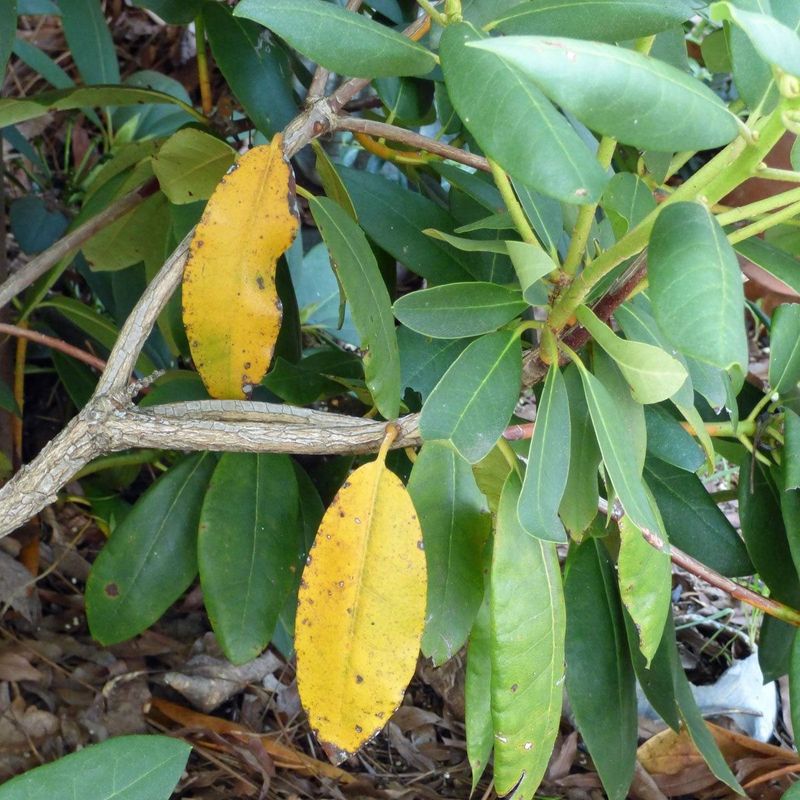
Walk up to a rhododendron with yellowing leaves between the veins while the veins themselves stay green, and you are probably looking at a nutrient problem rooted in soil chemistry. Rhododendrons are acid-loving plants that thrive in soil with a pH between 4.5 and 6.0.
When Ohio soils creep above that range, the plant cannot absorb iron and other nutrients efficiently, even if those nutrients are physically present in the ground.
Ohio soils vary widely, but many areas have naturally alkaline or neutral soils that simply do not suit rhododendrons without some adjustment. Lime applied to nearby lawns can also raise pH over time without gardeners realizing it.
The condition known as chlorosis, that yellowing pattern between the leaf veins, is one of the clearest signs your shrub may be fighting an uphill battle against the wrong pH.
Getting a soil test through Ohio State University Extension is a smart first step. The test tells you exactly where your pH stands and how much amendment may be needed.
Elemental sulfur is commonly used to lower pH gradually. Work with the test results rather than guessing, because over-acidifying soil creates a different set of problems entirely.
2. Winter Burn Can Leave Spring Growth Looking Rough
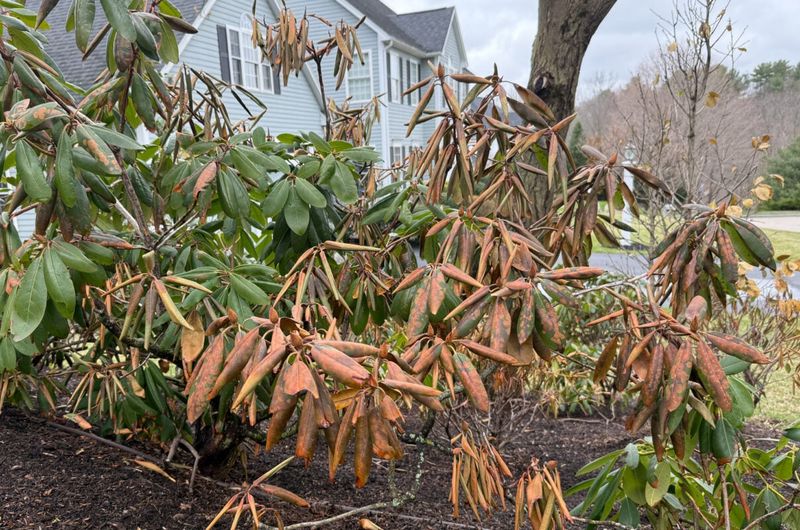
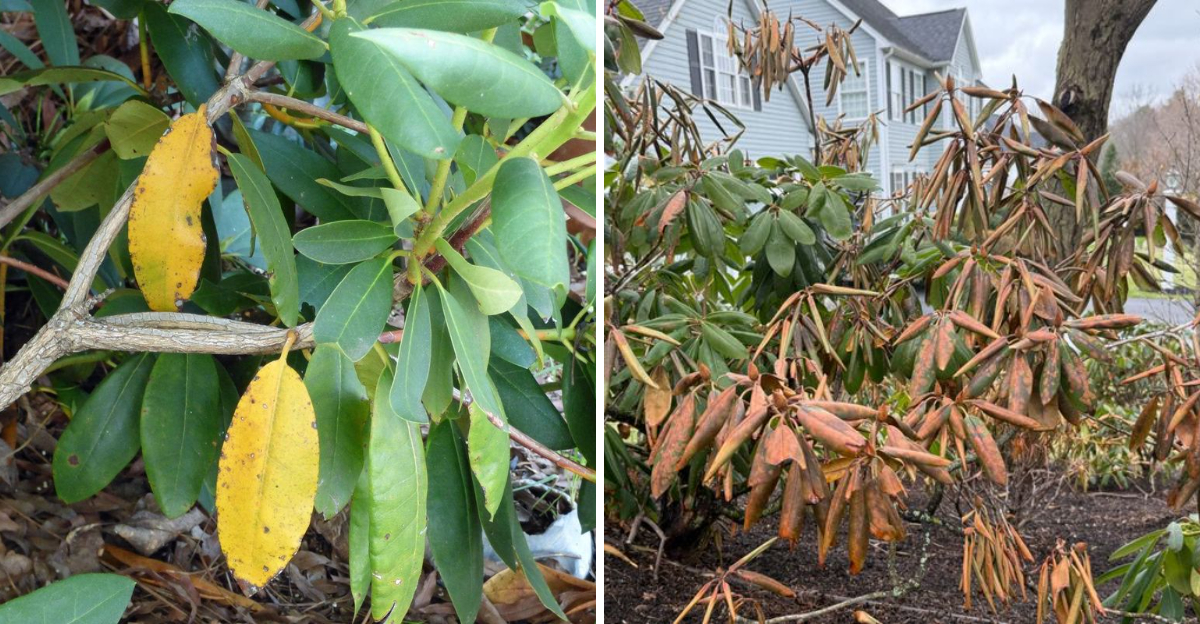
Stepping outside in early March to find your rhododendron covered in brown, crispy leaves can feel alarming, but winter burn is one of the most common spring complaints Ohio gardeners face. It happens when cold, dry winds pull moisture out of the leaves faster than the frozen roots can replace it.
The result is leaf scorch that shows up most noticeably on the south and west sides of the plant, where winter sun and wind exposure tend to be strongest.
Rhododendron leaves naturally curl downward and inward during cold snaps as a protective response, but when temperatures stay low for extended periods alongside drying winds, the damage can go beyond curling. Brown leaf edges, fully brown leaves, and a generally haggard appearance in spring are all signs the shrub took a hit over winter.
Ohio winters with little snow cover and strong northwest winds are especially hard on exposed plants.
Watering thoroughly in late fall before the ground freezes gives the plant a better chance of surviving dry winter conditions. A layer of mulch around the root zone helps retain soil moisture.
Burlap screens or windbreaks on the most exposed sides can also reduce the drying effect significantly without harming the shrub.
3. Late Cold Snaps May Have Damaged Tender Flower Buds
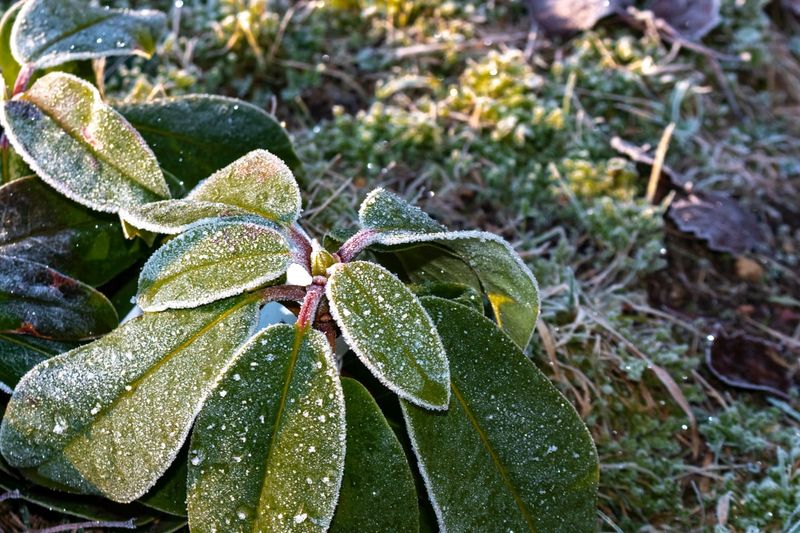
A rhododendron that looks perfectly healthy in spring but produces almost no flowers often tells a story about what happened weeks or even months earlier. Flower buds on rhododendrons are set during the previous growing season, and they spend the winter exposed on the branch tips, vulnerable to temperature swings.
When a late frost hits after a warm stretch encourages early development, those buds can sustain damage that prevents them from opening normally.
Ohio springs are notoriously unpredictable. A stretch of 60-degree days in late March can prompt buds to swell and soften, and then a sharp frost in early April can catch them at their most fragile point.
The buds may look intact from a distance, but squeezing one gently and finding it mushy inside is a sign the cold already did its work. Some buds may open partially before collapsing, while others simply stay brown and never develop.
Planting rhododendrons in sheltered spots, such as near a building on the north or east side, can buffer them from the worst late-season temperature swings. Choosing cultivars rated for Ohio hardiness zones also matters.
Covering plants with frost cloth during a forecasted late frost is a practical short-term option worth keeping in mind.
4. Too Much Sun Can Stress Rhododendrons In Ohio Yards
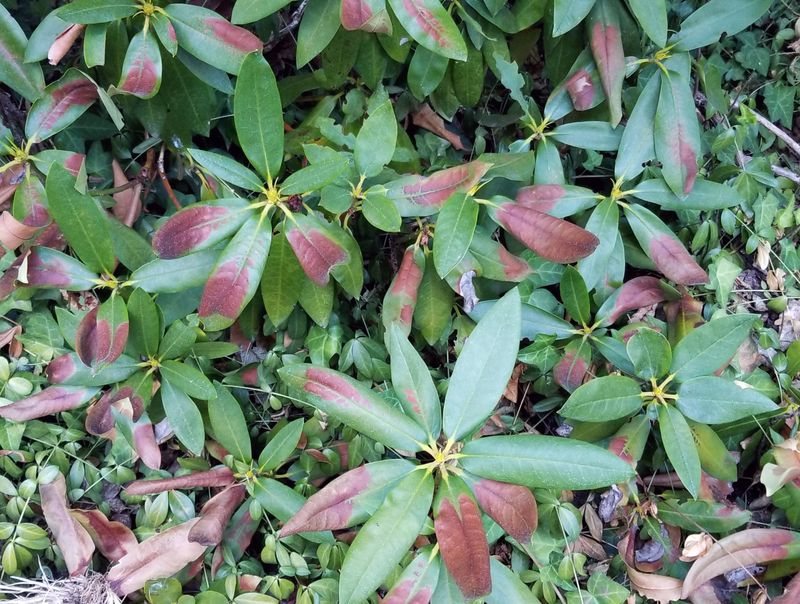
Rhododendrons have a reputation for being shade plants, and while that is not entirely accurate, they genuinely do not enjoy harsh afternoon sun. In Ohio yards where the western exposure gets hours of intense summer heat, rhododendrons planted in those spots often show signs of stress that show up clearly by spring.
Bleached or faded foliage, leaf scorch on the upper surface, and weak bloom production can all point back to a sun problem.
The issue is not sunlight itself but intensity and duration. Morning sun with afternoon shade is often considered the sweet spot for most rhododendron cultivars.
Full shade can limit blooming, but full afternoon sun in a hot Ohio summer stresses the leaves, depletes moisture faster than the roots can keep up, and weakens the overall vigor of the plant heading into the next season.
Reflected heat from walls, driveways, or patios nearby can make the problem worse even if the sun exposure itself seems moderate. If the planting spot gets strong western sun and the foliage consistently looks faded or scorched by late summer, that site may simply not suit the shrub well.
Moving the plant to a location with filtered light or eastern morning exposure is often the most effective long-term fix available.
5. Poor Drainage Can Quietly Weaken The Entire Shrub
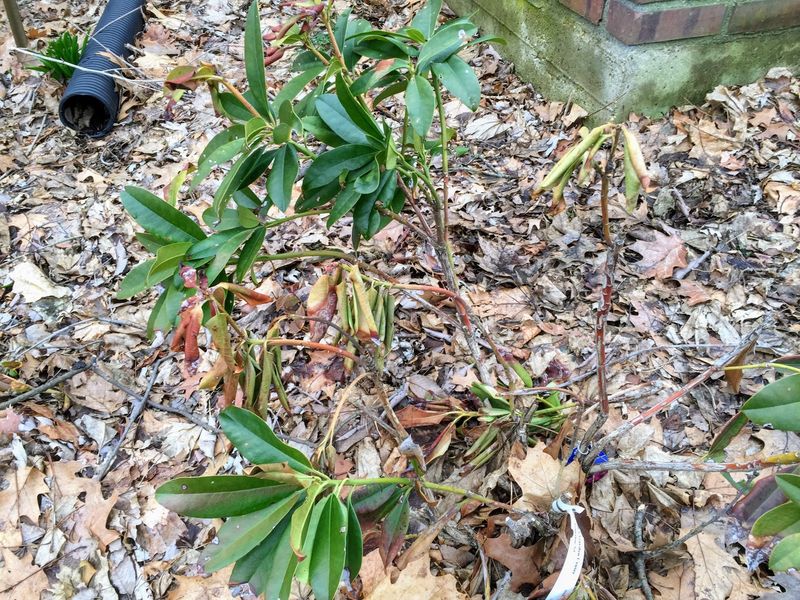
Rhododendrons have a reputation for loving moisture, and they do, but there is an important distinction between consistent moisture and soggy, waterlogged soil. These shrubs have fine, shallow root systems that need both water and oxygen.
When drainage is poor and roots sit in standing water for extended periods, oxygen gets cut off and root function breaks down. The plant may look wilted even after rain, which is one of the more confusing symptoms gardeners encounter.
Ohio has significant areas of heavy clay soil that drains slowly, and neighborhoods built on former agricultural land or low-lying terrain can have chronic drainage issues. A rhododendron planted in one of these spots may struggle for years without the gardener ever connecting the problem to water movement.
Yellowing leaves, sparse new growth, and a general lack of vigor in spring are common signs that drainage may be the underlying issue.
Checking how quickly water moves through your soil after a heavy rain is a useful diagnostic step. If water pools near the plant for more than an hour or two, drainage needs attention.
Raised planting beds, amended soil with compost and coarse material, and positioning plants on gentle slopes where water moves away naturally can all make a meaningful difference for root health.
6. Lace Bugs May Be Behind That Faded Tired Foliage
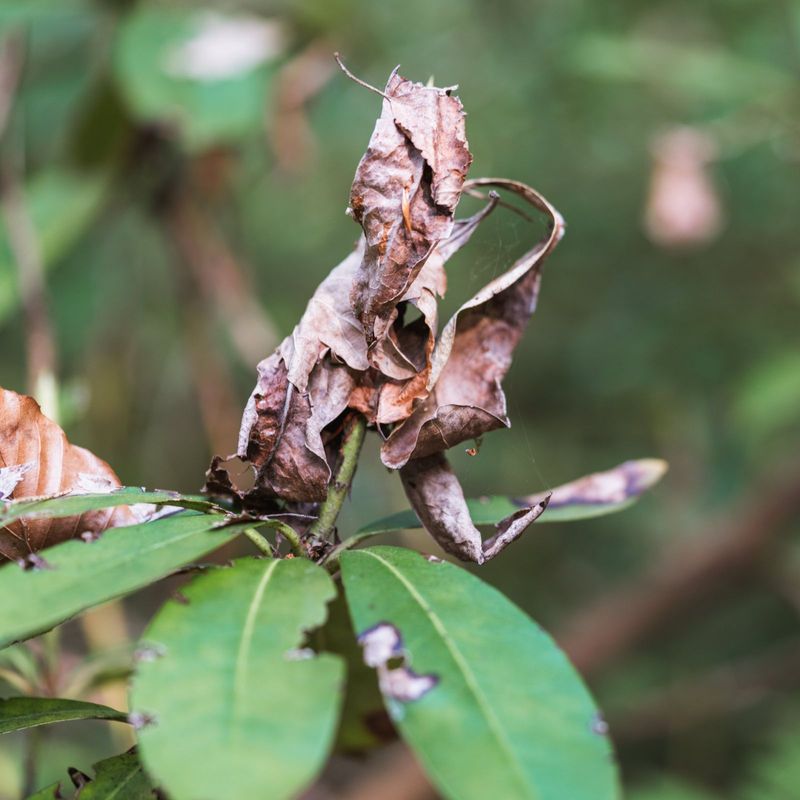
Flip a rhododendron leaf over in midsummer and you might find tiny dark specks and what looks like a faint sticky residue on the underside. Those are calling cards of rhododendron lace bugs, small insects with lacy-patterned wings that feed on the undersides of leaves by piercing tissue and sucking out plant fluids.
The upper surface of the leaf takes on a grayish, stippled, or bleached-out appearance that many gardeners mistake for a disease or nutrient problem.
Lace bug damage accumulates through the growing season, so by the time spring arrives, a plant that was heavily infested the previous year may look dull and exhausted before it even gets started. Populations tend to be worse on rhododendrons planted in sunny spots, since lace bugs prefer warm, open locations over shaded plantings.
Ohio summers provide plenty of warm weather that allows multiple generations to develop in a single season.
Checking leaf undersides regularly from late spring onward helps catch infestations before they get severe. Horticultural oil and insecticidal soap are commonly used management options that can reduce populations without heavy chemical inputs.
Moving susceptible plants to shadier spots over time can also reduce lace bug pressure, since these insects thrive less in cooler, more protected environments.
7. The Wrong Planting Spot Can Cause Ongoing Spring Struggles
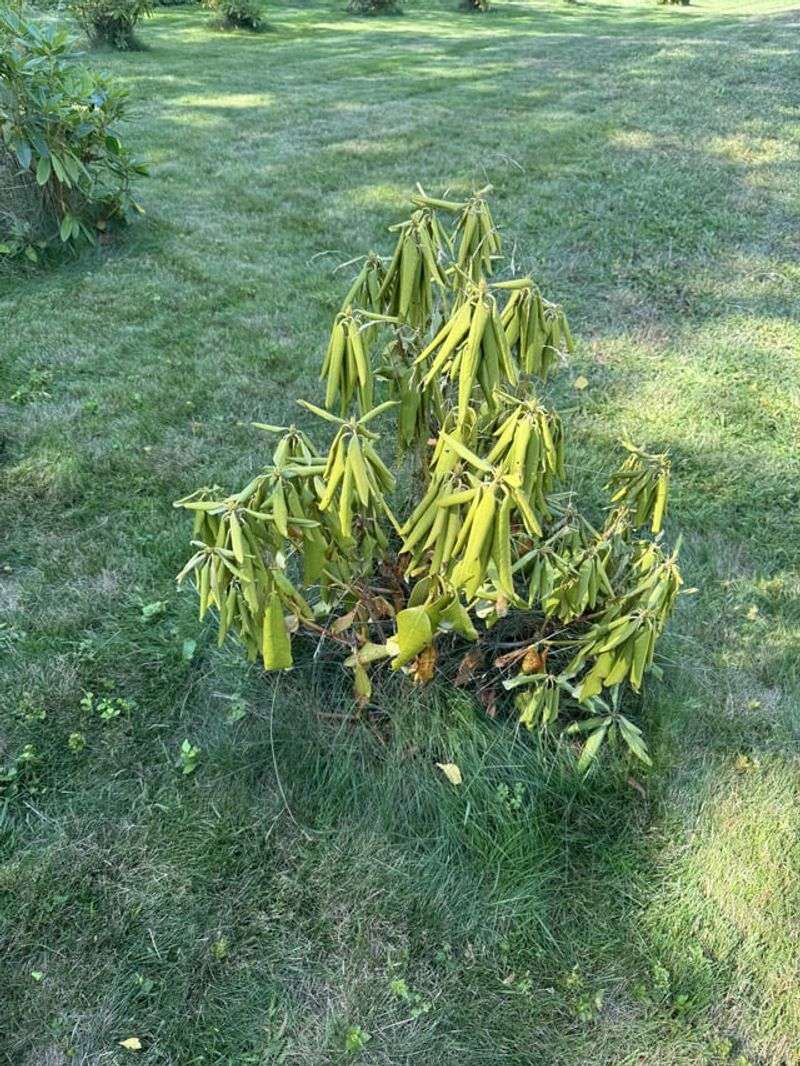
Sometimes a rhododendron is not dealing with a pest, a disease, or a soil imbalance. Sometimes it is simply in the wrong place, and no amount of fertilizing or watering will fully compensate for a location that does not match what the plant actually needs.
Ohio yards vary enormously in microclimates, and a spot that seems fine at first glance might expose a rhododendron to conditions it struggles with year after year.
Planting too close to a large tree with aggressive surface roots can starve a rhododendron of water and nutrients without obvious signs of competition. A corner of the yard that funnels cold winter wind creates ongoing stress.
South-facing walls that reflect heat in summer push the plant past its comfort zone repeatedly. Tight spaces where air circulation is poor encourage fungal problems.
Each of these location issues can produce spring symptoms that look like something else entirely.
Stepping back and evaluating the site honestly is worthwhile before investing in treatments that may not address the real cause. Consider wind exposure, nearby root competition, reflected heat sources, drainage patterns, and light quality throughout the day.
Transplanting a rhododendron to a better-suited location, ideally in early fall, can sometimes turn a chronically struggling shrub into a reliably healthy one within a season or two.
8. Pruning At The Wrong Time Can Cost You Those Big Spring Blooms
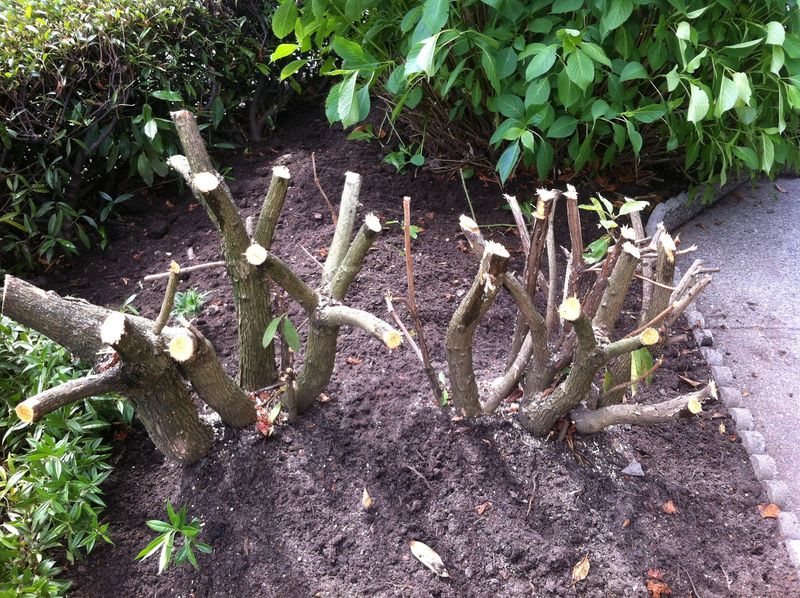
Grabbing a pair of pruning shears and tidying up a rhododendron seems like reasonable garden maintenance, but the timing of that task matters far more than most people realize. Rhododendrons set their flower buds for the following spring during the summer and early fall of the current year.
Pruning after those buds have formed removes them along with the branches, and the result is a shrub that looks neat but produces far fewer blooms the next spring.
The general guidance from horticultural experts is to prune rhododendrons shortly after they finish blooming in spring, before new growth and bud development begin in earnest. That window is relatively short, typically a few weeks after the last flowers fade.
Pruning in late summer, fall, or winter almost always cuts into the bud set and costs the gardener a season of flowers without any visible sign of the mistake until spring arrives.
Ohio gardeners who notice their rhododendron skipped a bloom year after a fall cleanup session have likely experienced this firsthand. Keeping pruning light and well-timed makes a real difference.
Removing withered or crossing branches is fine at almost any time, but shaping cuts and size reduction are best reserved for that brief post-bloom window to protect next year’s flower display.